
7 Practical Tips for Minimalist Home Decor Success
More than 60 percent of American homeowners crave homes that feel calm and clutter-free, yet achieving a soothing minimalist space can feel elusive. Everyone wants a home where neutral colors, smart furniture, and natural light work together to create quiet beauty. Here you will find practical and inspiring ideas tailored for American taste, showing how even small changes can dramatically transform your living spaces into peaceful retreats.
Table of Contents
- 1. Embrace Neutral Color Palettes For Calm Spaces
- 2. Choose Functional Furniture With Clean Lines
- 3. Declutter Surfaces And Simplify Accessories
- 4. Maximize Natural Light With Minimal Window Treatments
- 5. Incorporate Smart Storage Solutions
- 6. Highlight Texture For Visual Interest
- 7. Use Statement Pieces Sparingly
Quick Summary
| Key Message | Explanation |
|---|---|
| 1. Embrace neutral color palettes | Use warm whites, soft grays, and muted taupes for a calming, sophisticated space. |
| 2. Select functional furniture with clean lines | Choose pieces that emphasize simplicity, purpose, and minimal ornamentation for a streamlined look. |
| 3. Declutter surfaces and simplify accessories | Limit display items to a few meaningful pieces to maintain a serene and purposeful environment. |
| 4. Maximize natural light with minimal window treatments | Opt for lightweight, neutral window coverings to enhance brightness and maintain a clean aesthetic. |
| 5. Incorporate smart storage solutions | Use concealed storage methods to keep visual clutter at bay while maximizing functionality in your space. |
1. Embrace Neutral Color Palettes for Calm Spaces
Neutral color palettes are the cornerstone of minimalist home design, offering a serene and versatile foundation for creating calm living spaces. By strategically selecting warm whites, soft grays, and muted taupes, you can transform any room into a tranquil sanctuary that feels both sophisticated and comfortable.
Research reveals that neutral colors have remarkable psychological benefits, serving as an aesthetically pleasing backdrop that allows other design elements to shine. According to architecture experts, these hues enhance spatial perception and create a sense of visual harmony, making them ideal for minimalist interiors.
When implementing a neutral palette, focus on creating depth through texture and subtle tone variations. This approach prevents the space from feeling flat or monotonous. Consider combining different neutral shades like cream, taupe, and light gray in your furniture, wall colors, and window treatments to add visual interest while maintaining a cohesive look.
Key Strategies for Neutral Color Success:
- Layer different neutral tones and textures
- Use varied materials like linen, wool, and cotton
- Select window treatments that complement your base palette
Color experts note that neutral palettes effectively enhance other colors in a room, making them incredibly flexible for future design updates. This means you can easily introduce accent pieces or artwork without completely redesigning your space.
Pro tip: Create visual depth in neutral spaces by incorporating natural elements like wooden furniture, woven baskets, or stone accessories that introduce organic texture and warmth without disrupting the calm color scheme.
2. Choose Functional Furniture With Clean Lines
Minimalist home decor revolves around selecting furniture that serves both aesthetic and practical purposes, emphasizing clean lines and purposeful design. Scandinavian design principles demonstrate that furniture can be simultaneously beautiful and highly functional, creating spaces that are streamlined and efficient.
The key to choosing functional furniture lies in understanding the core tenets of minimalist design. Each piece should have a clear purpose, eliminate unnecessary ornamentation, and contribute to an overall sense of calm and order. This approach means prioritizing pieces with simple geometric shapes, neutral colors, and multipurpose capabilities.
Essential Characteristics of Minimalist Furniture:
- Streamlined silhouettes
- Neutral color palette
- High quality materials
- Minimal decorative elements
- Versatile functionality
Danish modern design exemplifies the philosophy of combining classical craftsmanship with modern materials, creating furniture that is both elegant and practical. Look for pieces that feature sleek profiles, slim legs, and smooth surfaces without excessive embellishments.
When selecting furniture, consider pieces that offer storage solutions or serve multiple functions. A coffee table with hidden compartments, a sofa that converts into a guest bed, or a dining table with extendable leaves can maximize your space while maintaining a clean aesthetic.
Pro tip: Invest in high quality furniture pieces with timeless designs that can adapt to different interior styles, ensuring your minimalist space remains flexible and sophisticated over time.
3. Declutter Surfaces and Simplify Accessories
Minimalist home decor thrives on the principle of intentional simplicity, where every item in your space serves a clear purpose and contributes to an overall sense of calm. Uncluttered surfaces and thoughtfully curated accessories are fundamental to creating a serene living environment that feels both spacious and purposeful.
Clean surfaces are not about creating an empty or sterile space, but about making deliberate choices that enhance visual tranquility. This means carefully selecting accessories that add value and meaning, rather than accumulating decorative items that create visual noise.
Key Strategies for Minimalist Surface Management:
- Choose multipurpose accessories
- Limit display items to 3 5 meaningful pieces
- Use hidden storage solutions
- Rotate accessories seasonally
- Select items with neutral tones and simple forms
The philosophy of clean lines emphasizes geometric precision and deliberate omission of unnecessary ornamentation, which means being extremely selective about what you display. Each accessory should tell a story, reflect your personal aesthetic, or serve a functional purpose.
Consider implementing storage solutions that keep surfaces clear. Floating shelves, concealed cabinets, and minimalist storage boxes can help maintain a clean aesthetic while providing practical space management.
Pro tip: Adopt a quarterly review system where you critically evaluate your accessories, removing items that no longer spark joy or serve a meaningful purpose in your living space.
4. Maximize Natural Light With Minimal Window Treatments
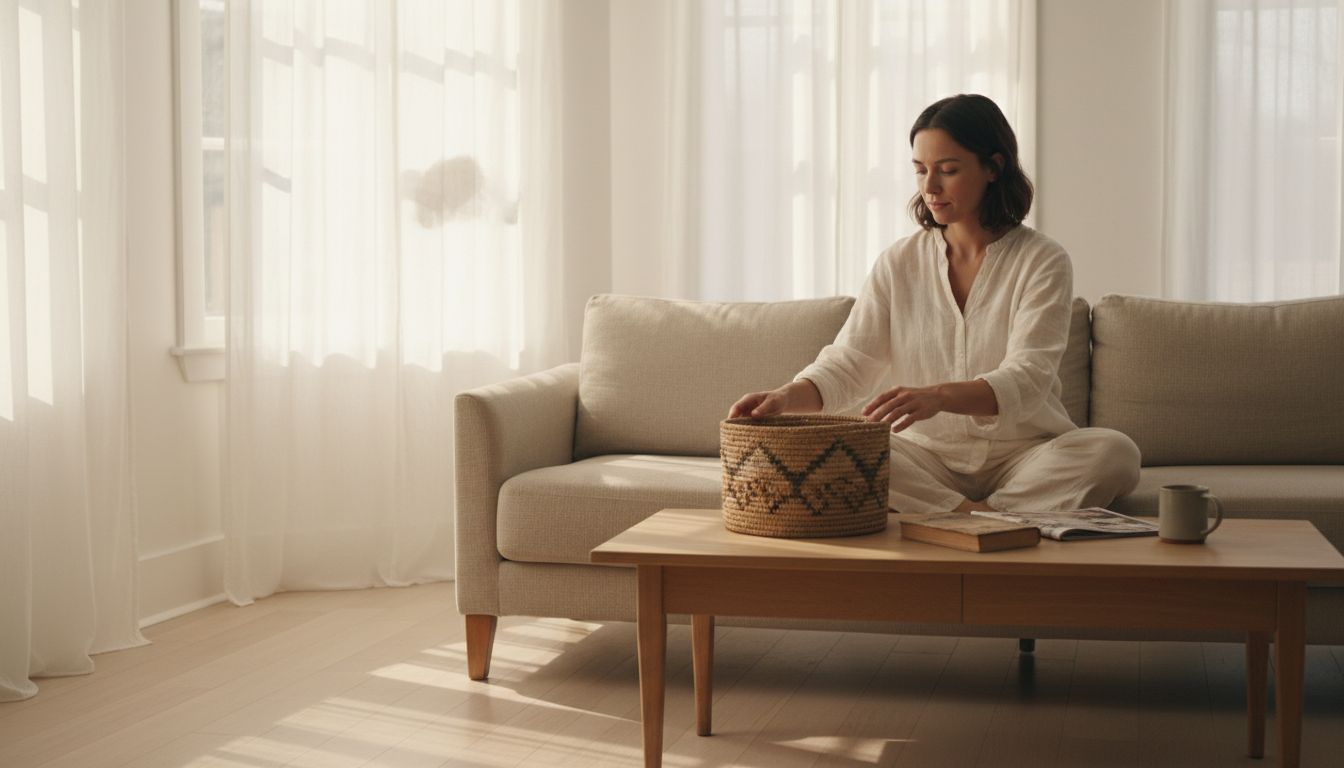
Minimalist home design celebrates the transformative power of natural light, creating spaces that feel open, bright, and effortlessly serene. Minimizing window treatments allows light to become a fundamental design element, enhancing the warmth and openness of your living spaces.
The key to successful minimal window treatments is selecting options that provide light control without compromising visual simplicity. Sheer, lightweight fabrics or sleek roller shades can filter sunlight while maintaining a clean aesthetic that aligns with minimalist principles.
Strategic Window Treatment Approaches:
- Choose lightweight, translucent materials
- Opt for neutral color palettes
- Select streamlined mounting systems
- Prioritize clean lines and simple mechanisms
- Minimize decorative elements
By carefully selecting window treatments that complement neutral color schemes, you can create an airy ambiance that highlights architectural simplicity. Consider cordless options or motorized systems that eliminate visual clutter and provide seamless light management.
Remember that window treatments in a minimalist space should be functional yet almost invisible. Select designs that blend seamlessly with your walls, creating a continuous visual plane that allows natural light to become the primary decorative element.
Pro tip: Install light filtering window treatments that can be fully retracted, ensuring maximum sunlight exposure and creating a sense of openness throughout your living spaces.
5. Incorporate Smart Storage Solutions
Minimalist home decor demands innovative storage solutions that blend seamlessly with your living space, eliminating visual clutter while maintaining maximum functionality. Scandinavian design principles demonstrate how storage can be both elegant and practical, transforming everyday organizational needs into design opportunities.
The art of smart storage lies in selecting solutions that disappear into the background while providing exceptional utility. This means choosing furniture and systems that serve multiple purposes and maintain clean, uninterrupted visual lines throughout your living environment.
Key Smart Storage Strategies:
- Select multipurpose furniture
- Use concealed storage systems
- Prioritize built in solutions
- Choose neutral color finishes
- Minimize visible hardware
Danish modern design offers exceptional insights into integrating storage that maintains clean lines and minimalist aesthetics, focusing on functional form that does not compromise visual simplicity. Consider furniture pieces with hidden compartments, wall mounted shelving with minimal profiles, and streamlined cabinets that blend seamlessly with your existing decor.
The most effective storage solutions are those that appear almost invisible. Look for furniture with integrated storage like ottomans with internal compartments, beds with built in drawers, or floating shelves that create storage without interrupting your room’s visual flow.
Pro tip: Implement a quarterly review system where you critically evaluate your storage needs, removing items that no longer serve a purpose and reorganizing your storage solutions to maintain maximum efficiency and minimalist aesthetics.
6. Highlight Texture for Visual Interest
In minimalist home decor, texture becomes a powerful design element that transforms neutral color palettes from flat to fascinating. Thoughtful incorporation of varied materials prevents visual monotony while maintaining the core principles of simplicity and restraint.
The strategic use of texture allows you to create depth and visual intrigue without introducing unnecessary complexity. By carefully selecting materials that complement your neutral color scheme, you can add layers of sensory experience that make a space feel rich and engaging.
Texture Integration Strategies:
- Combine natural materials like wood and stone
- Use textiles with subtle weave variations
- Mix matte and slightly glossy surfaces
- Select organic and refined textures
- Maintain a consistent color palette
Adding texture through carefully chosen materials introduces dynamic visual interest to minimalist spaces, creating environments that feel both calm and captivating. Consider wool throws, ceramic vases, woven baskets, and wooden elements that provide tactile contrast without overwhelming the space.
Focus on quality over quantity. Each textural element should feel intentional and contribute to the overall sensory experience of the room. Soft linens, rough ceramic surfaces, smooth marble, and grainy wood can coexist harmoniously when selected with a discerning eye.
Pro tip: Create a texture mood board before purchasing accessories, ensuring each piece contributes to a cohesive sensory narrative while maintaining the minimalist aesthetic.
7. Use Statement Pieces Sparingly
Minimalist home decor thrives on the principle of thoughtful curation, where each design element serves a deliberate purpose. Statement pieces can transform a neutral space from understated to extraordinary when introduced with strategic precision.
The art of incorporating statement pieces lies in understanding balance. Rather than filling your space with multiple competing elements, select one exceptional item that captures attention and tells a unique story about your personal aesthetic.
Selecting Impactful Statement Pieces:
- Choose items with unique silhouettes
- Prioritize quality over quantity
- Select pieces with personal significance
- Maintain neutral color compatibility
- Consider visual weight and proportion
A single bold artwork or distinctive furniture piece can add character without disrupting the minimalist harmony. Think of these pieces as visual anchors that draw the eye while maintaining the overall sense of calm and simplicity.
Consider statement pieces that blend functionality with artistic expression. A sculptural chair, an oversized abstract painting, or a carefully curated vintage object can become a focal point that elevates your entire minimalist design without overwhelming the space.
Pro tip: Before introducing a statement piece, photograph your space and digitally mock up the item to ensure it genuinely enhances rather than disrupts your minimalist aesthetic.
Below is a comprehensive table summarizing the principles and strategies for minimalist home design as discussed throughout the article.
| Aspect | Key Points & Strategies | Benefits/Outcomes |
|---|---|---|
| Neutral Color Palettes | Use warm whites, soft grays, and muted taupes; layer different tones and textures; select varied materials like linen and wool. | Creates calm, versatile spaces; enhances spatial perception; allows easy updates. |
| Functional Furniture | Prioritize clean lines and multipurpose capabilities; choose simple geometric shapes and neutral colors. | Streamlines spaces; supports aesthetic and practical needs; enhances efficiency. |
| Surface Management | Limit display items; use hidden storage solutions; select accessories with neutral tones. | Ensures visual tranquility; maintains spaciousness and purposefulness. |
| Window Treatments | Use sheer fabrics or sleek shades; opt for neutral and streamlined designs. | Enhances natural light; creates open, bright spaces; emphasizes architectural simplicity. |
| Smart Storage Solutions | Choose multipurpose furniture; use concealed systems; prioritize built-in solutions. | Eliminates visual clutter; maximizes functionality; maintains clean aesthetic. |
| Texture Integration | Combine materials like wood and stone; mix matte and glossy surfaces. | Adds depth and visual interest; maintains simplicity and restraint. |
| Statement Pieces | Select unique items with personal significance; maintain neutral color compatibility. | Creates visual anchors; adds character without disrupting harmony. |
Elevate Your Minimalist Home with Custom Window Treatments
Creating serene spaces with clean lines and natural light is at the heart of minimalist design. One key challenge is selecting window treatments that enhance calmness without adding visual clutter or disrupting your neutral color palette. At Value Blinds, we understand your goal to maximize natural light while maintaining a sleek, functional aesthetic using thoughtfully crafted solutions like our Natural Woven Shades. These shades offer the perfect balance of texture and translucency ideal for minimalist spaces seeking effortless elegance.
Discover how easy it is to transform your rooms with customizable, energy-efficient blinds from our Natural / Eco Friendly collection or our timeless Solid Wood Blinds that bring organic warmth without sacrificing simplicity. Visit Value Blinds to explore our full range, order free swatches, and access expert design tools that ensure your minimalist vision comes to life today.
Frequently Asked Questions
How can I effectively use neutral color palettes in my home?
Using neutral color palettes is essential for creating a calm atmosphere. Start by selecting warm whites, soft grays, and muted taupes for walls and furniture. Aim to combine different neutral shades to add depth without overwhelming the space.
What characteristics should I look for in functional furniture for minimalist decor?
When choosing functional furniture, focus on pieces with clean lines, neutral colors, and multipurpose designs. Look for items like a coffee table with hidden storage or a sofa that converts into a guest bed to maximize space and maintain aesthetic simplicity.
How can I declutter surfaces while keeping meaningful accessories?
To declutter surfaces effectively, limit your display items to 3-5 meaningful pieces that reflect your style or serve a function. Regularly assess your accessories and remove those that do not add value, ensuring your space feels intentional and serene.
What are some effective strategies for maximizing natural light in a minimalist space?
To maximize natural light, opt for sheer window treatments that allow sunlight to filter through while maintaining a clean look. Consider lightweight fabrics or roller shades that can be fully retracted to enhance the feeling of openness in your home.
How can I incorporate texture into a minimalist decor without overcrowding?
Incorporate texture by using varied materials like wood, stone, and textiles with subtle variations. Aim for a consistent color palette while mixing surfaces, such as smooth marble with rough ceramics, to create visual interest without overwhelming the minimalism of your design.
How do I choose and use statement pieces effectively in a minimalist space?
Select one or two impactful statement pieces that resonate with your personal style but don’t detract from the minimalist aesthetic. Ensure these pieces maintain neutral color compatibility and consider their proportion in relation to the surrounding decor for a balanced look.