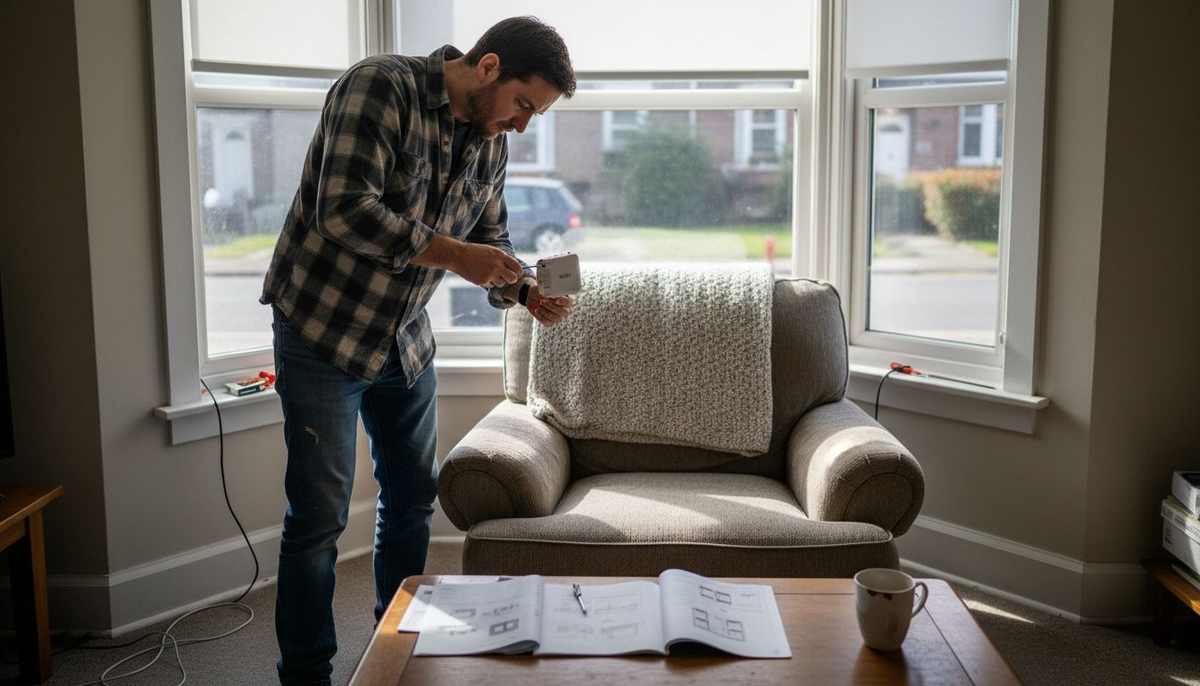


Home Maintenance Checklist 2026: Cut Repair Costs 20%
Sorting through endless home maintenance advice leaves most homeowners overwhelmed and uncertain where to start. You need a practical, prioritized checklist that focuses on what truly matters: safety, property value, and cutting emergency repair costs. This guide delivers exactly that, helping you reduce unexpected repairs by 20% while maintaining your home’s value and protecting your family through strategic, seasonal upkeep.
Table of Contents
- How To Choose And Prioritize Home Maintenance Tasks
- Seasonal Hvac Maintenance
- Roof And Exterior Checks
- Window And Door Maintenance
- Safety Devices And Emergency Systems
- Tools And Resources For Basic Home Maintenance
- Summary Comparison And Situational Recommendations
- Upgrade Your Home With Energy Efficient Window Treatments
- Frequently Asked Questions
Key Takeaways
| Point | Details |
|---|---|
| Prioritize by impact | Focus maintenance on safety, property value, and energy efficiency for maximum benefit. |
| Schedule seasonally | Plan HVAC, roof, plumbing, and safety checks around seasonal demands. |
| Balance DIY and professional help | Handle simple tasks like detector tests yourself; hire pros for complex inspections. |
| Maintain windows and doors | Proper upkeep improves energy savings up to 12% and enhances security. |
| Track and budget consistently | Allocate 5-10% of home value annually and use reminders to stay on schedule. |
How to Choose and Prioritize Home Maintenance Tasks
Effective maintenance starts with smart prioritization. Balancing impact on property value, safety, and energy efficiency guides your decisions about which tasks deserve immediate attention.
Consider these criteria when building your maintenance schedule:
- Property value impact: Tasks like exterior paint and roof repairs directly affect resale value
- Safety risks: Smoke detectors and carbon monoxide alarms protect lives
- Energy efficiency benefits: Window sealing and HVAC maintenance cut utility bills
- Cost versus preventive value: Small investments prevent expensive emergency repairs
Seasonal scheduling keeps you consistent. Group similar tasks together to maximize efficiency. For example, check your HVAC filters when you test smoke detectors quarterly. This creates natural reminders and builds sustainable habits.
Decide which tasks you can safely handle yourself. Simple jobs like changing air filters, testing alarms, and cleaning gutters are DIY friendly. Complex electrical work, HVAC repairs, and structural inspections require licensed professionals.
Pro Tip: Set calendar reminders aligned with seasonal changes. Spring triggers exterior checks, fall prompts heating system prep, and quarterly alerts keep safety devices current.
Integrating DIY home organization tips with maintenance schedules creates systems that stick. Track completed tasks and upcoming deadlines in a simple spreadsheet or maintenance app.
Consider sustainable home improvements that reduce long term maintenance needs. Investing in quality materials and energy efficient upgrades pays dividends through lower upkeep requirements and utility savings.
Seasonal HVAC Maintenance
Your HVAC system represents one of your home’s largest investments and energy consumers. Regular HVAC maintenance can extend equipment life by up to 40% and reduce energy use by 15%, making it a top priority.
Schedule professional inspections annually, ideally before peak heating or cooling seasons. Technicians check refrigerant levels, clean coils, test electrical connections, and identify potential failures before they become expensive emergencies.
Replace filters every three months, or monthly during heavy use seasons. Dirty filters force your system to work harder, increasing energy consumption and reducing indoor air quality. This simple task takes five minutes but delivers significant savings.
Key HVAC maintenance tasks include:
- Annual professional tune up and safety inspection
- Quarterly filter replacement for optimal airflow
- Duct cleaning every 3 to 5 years to remove allergens and debris
- Thermostat calibration to ensure accurate temperature control
- Outdoor unit cleaning to maintain heat exchange efficiency
Pro Tip: Combine seasonal HVAC checks with filter replacement reminders. When you change filters in March, June, September, and December, also inspect visible ductwork for leaks and check thermostat batteries.
Maintained systems run quieter, heat and cool more evenly, and break down less frequently. The upfront cost of professional service averages $80 to $150 annually but prevents repairs averaging $300 to $600.
Clean air ducts improve airflow and reduce allergens circulating through your home. While not needed annually, scheduling this service every few years maintains system efficiency and indoor air quality.
Roof and Exterior Checks
Your home’s exterior serves as the first defense against weather damage. Homes with regular exterior maintenance retain 7 to 10% higher market value compared to neglected properties.
Conduct annual roof inspections, ideally in spring after winter weather and fall before storms arrive. Look for missing shingles, cracked flashing, damaged valleys, and signs of water intrusion in your attic. Catching small issues early prevents major leaks and structural damage.
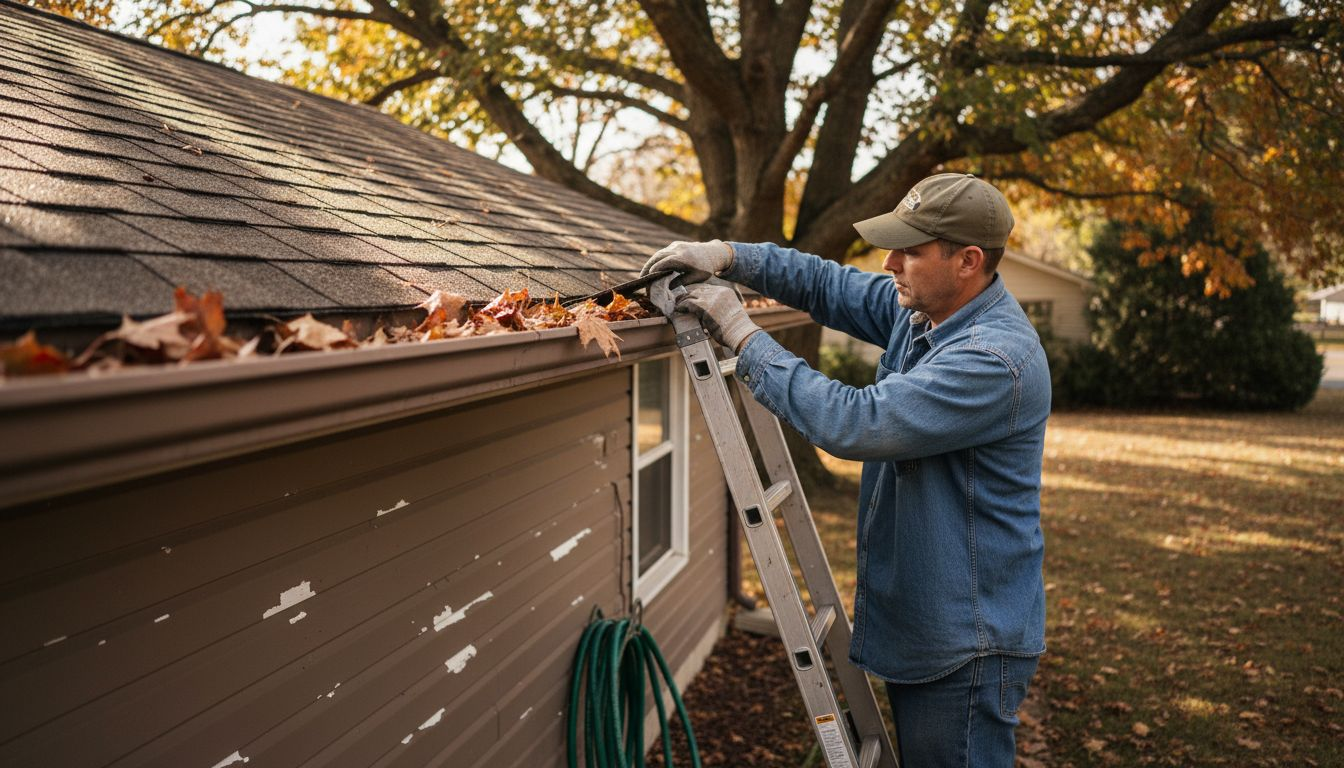
Gutter maintenance prevents foundation problems and landscape erosion. Clean gutters twice yearly, in late spring after tree pollen and mid fall after leaves drop.
| Approach | Cost | Time Required | Risk Level | Best For |
|---|---|---|---|---|
| DIY Gutter Cleaning | $30 to $50 | 2 to 4 hours | Medium | Single story homes, comfortable with ladders |
| Professional Service | $100 to $250 | 1 to 2 hours | Low | Multi story homes, limited mobility, time savings |
Exterior paint and siding protect structural components from moisture and UV damage. Inspect annually for peeling paint, cracked caulking, and damaged siding. Address problems promptly to prevent water intrusion and wood rot.
Chimney maintenance prevents carbon monoxide buildup and house fires. Schedule annual inspections to remove creosote buildup, check for cracks, and ensure proper ventilation. Professional chimney sweeps charge $125 to $250 but provide critical safety protection.
Critical exterior tasks include:
- Visual roof inspection for damage and wear
- Gutter cleaning and downspout checks
- Caulking windows and door frames
- Power washing siding and walkways
- Inspecting foundation for cracks
Address minor exterior repairs immediately. A $50 tube of caulk prevents thousands in water damage. Small investments in preventive care protect your largest asset.
Window and Door Maintenance
Windows and doors significantly impact energy efficiency, security, and curb appeal. Proper maintenance reduces drafts, lowers utility bills, and enhances comfort.
Sealing gaps and weatherstripping worn areas can reduce heating and cooling costs by up to 12%. Inspect windows and doors twice yearly, before heating and cooling seasons. Replace deteriorated weatherstripping and apply fresh caulk to exterior gaps.
Regular cleaning maintains both function and appearance. Wash windows inside and out seasonally. Clean tracks, lubricate hinges, and test locks to ensure smooth operation and security.
Applying energy efficient window treatments enhances insulation beyond basic maintenance. Cellular shades, thermal curtains, and reflective blinds add R value and reduce solar heat gain.
Schedule these window and door tasks:
- Spring: Deep clean, inspect screens, check weatherstripping
- Summer: Test air conditioning seal, apply UV protective treatments
- Fall: Replace worn weatherstripping, check door sweeps, seal gaps
- Winter: Inspect for ice damming issues, check interior condensation
Privacy window treatments serve dual purposes, blocking views while adding insulation layers. Combining functional treatments with proper sealing maximizes energy savings.
Door maintenance includes checking deadbolts, lubricating locks, tightening hinges, and ensuring proper alignment. A door that drags or doesn’t latch properly compromises both security and energy efficiency.
Window insulation techniques complement weatherstripping and caulking. Even older single pane windows benefit from thermal treatments and proper sealing, though replacement with efficient models offers better long term value.
Integrate window maintenance into your broader energy saving plan. Small consistent efforts compound into significant utility savings and improved comfort throughout the year.
Safety Devices and Emergency Systems
Safety maintenance protects lives and should never be deferred. Testing smoke detectors monthly and replacing batteries annually reduces fire related fatalities by 50%.
“Working smoke alarms cut the risk of dying in reported home fires in half. Regular testing and battery replacement are the simplest lifesaving tasks any homeowner can perform.”
Establish a monthly safety check routine. Test all smoke detectors by pressing the test button. Replace batteries in spring and fall when changing clocks. Replace entire detector units every 10 years regardless of apparent function.
Carbon monoxide detectors require similar attention. Test monthly, replace batteries annually, and replace units every 5 to 7 years. Install detectors on every level, especially near sleeping areas and attached garages.
Fire extinguisher maintenance ensures readiness during emergencies:
- Check pressure gauge monthly
- Inspect for physical damage or corrosion
- Verify easy access and visible placement
- Schedule professional inspection annually
- Replace or recharge after any use
Pro Tip: Create a safety device maintenance log tracking test dates, battery changes, and replacement schedules. Attach it inside a kitchen cabinet for quick reference and accountability.
Emergency exit planning goes beyond device maintenance. Walk through escape routes seasonally, ensuring windows open easily, doors unlock smoothly, and paths remain clear. Practice family evacuation drills twice yearly.
Safety tasks deliver the highest return on minimal investment. Spending $20 annually on batteries and $30 on extinguisher service provides priceless protection. These simple actions separate prepared homeowners from tragic statistics.
Document safety compliance for insurance purposes. Many insurers offer discounts for maintained safety systems, and documentation proves due diligence if claims arise.
Tools and Resources for Basic Home Maintenance
Equipping yourself properly makes maintenance easier, safer, and more effective. Start with essential tools that handle most common tasks.
Basic tool kit essentials:
- Screwdriver set (flathead and Phillips): $15 to $30
- Adjustable wrench: $10 to $20
- Hammer and nail set: $15 to $25
- Tape measure and level: $10 to $20
- Cordless drill with bits: $50 to $100
- Ladder (appropriate height): $75 to $200
- HVAC filters (multi pack): $20 to $40
- Caulk gun and tubes: $15 to $25
Safety gear protects you during maintenance tasks. Never skip these items:
- Work gloves for hand protection
- Safety goggles for eye protection
- Dust masks for cleaning and insulation work
- Sturdy shoes with good traction
- Hearing protection for power tools
Maintenance apps and digital tools help track schedules and deadlines. Many free options send reminders, store product manuals, and log completed tasks. Popular choices include HomeZada, BrightNest, and simple calendar apps with recurring events.
Know when to hire professionals. Licensed experts handle:
- Electrical repairs beyond outlet replacement
- HVAC system repairs and refrigerant work
- Plumbing beyond simple fixture replacement
- Structural repairs and foundation issues
- Roof repairs requiring safety equipment
Pro Tip: Budget 5 to 10% of your home’s value annually for maintenance and unexpected repairs. This reserve prevents financial stress when major systems need attention.
Organize maintenance supplies in a dedicated area. DIY home organization strategies help create accessible storage for tools, filters, and seasonal items.
Group tasks efficiently by hiring professionals for annual visits covering multiple items. A single HVAC service call can include furnace inspection, AC check, and duct evaluation, saving trip fees and time.
Invest in quality tools for frequently used items. Cheap screwdrivers strip screws, poor ladders risk safety, and inadequate safety gear fails when needed. Mid range tools balance cost and durability for homeowner use.
Summary Comparison and Situational Recommendations
Understanding how maintenance tasks compare helps you allocate time and resources effectively based on your situation and priorities.
| Task | Property Value Impact | Safety Impact | Energy Efficiency | Annual Cost | DIY Suitable |
|---|---|---|---|---|---|
| HVAC Maintenance | Medium | Medium | High | $80 to $150 | Partial |
| Smoke Detector Testing | Low | Critical | None | $20 | Yes |
| Gutter Cleaning | High | Low | None | $30 to $250 | Yes |
| Window Sealing | Medium | Low | High | $50 to $100 | Yes |
| Roof Inspection | High | Medium | Medium | $150 to $400 | No |
| Safety Device Checks | Low | Critical | None | $30 | Yes |
Tailored recommendations based on common situations:
-
Budget conscious homeowners: Prioritize smoke detector maintenance and DIY gutter cleaning. These high impact tasks cost under $100 annually but prevent expensive emergencies. Learn basic caulking and weatherstripping to handle window sealing yourself.
-
Heavy rainfall climates: Emphasize gutter cleaning three times yearly and annual roof inspections. Water damage represents the costliest maintenance failure in wet regions. Invest in gutter guards to reduce cleaning frequency and prevent overflow.
-
Energy efficiency focused owners: Concentrate on HVAC filter changes, window and door sealing, and energy efficient treatments. These tasks deliver quick payback through reduced utility bills. Professional HVAC tune ups and duct cleaning maximize system efficiency.
-
Older home owners: Increase inspection frequency for roof, foundation, and major systems. Budget higher percentages for maintenance as components age. Consider upgrading to modern efficient systems during planned replacements rather than emergency failures.
-
New homeowners: Establish baseline maintenance schedules immediately. Document existing conditions, create checklists, and set up automated reminders. Building good habits early prevents deferred maintenance accumulation.
Balance immediate needs with long term planning. Address safety critical items first, then tackle value protection tasks, followed by efficiency improvements as budget allows.
Upgrade Your Home with Energy Efficient Window Treatments
While basic maintenance protects your investment, strategic upgrades enhance comfort and savings. Premium window treatments complement your maintenance efforts by reducing energy costs and improving interior aesthetics.

Explore customizable options at our Window Treatment Design Studio where you can visualize how different styles enhance your rooms. Choose from vertical blinds perfect for patio doors or select from our complete range of high quality blinds matching any décor.
Energy efficient window treatments work alongside your maintenance routine. Cellular shades add insulation, reducing HVAC workload. Motorized options integrate with smart home systems for automated climate control. These upgrades cut heating and cooling costs while maintaining the clean, functional windows you’ve worked to preserve. Visit our design studio today to start your upgrade and maximize your home’s efficiency and style.
Frequently Asked Questions
What is the most critical home maintenance task to prioritize?
Smoke detector maintenance and HVAC servicing top the priority list for safety and cost effectiveness. Test detectors monthly and replace batteries annually to cut fire fatality risk in half. Schedule annual HVAC inspections and change filters quarterly to extend equipment life by 40% and reduce energy use by 15%. These tasks require minimal investment but deliver maximum protection and savings.
How often should gutters be cleaned to protect my home?
Clean gutters at least twice yearly, in spring and fall, to prevent water damage. DIY cleaning costs $30 to $50 in supplies while professional service ranges $100 to $250. Regular cleaning reduces foundation water damage risk by 25% and prevents landscape erosion. Homes in heavily wooded areas may need cleaning three times annually.
Can I DIY all home maintenance tasks safely?
Many tasks like smoke detector testing, filter changes, and gutter cleaning are safe DIY activities requiring basic tools. Complex tasks involving electrical systems, HVAC repairs, structural work, and roof repairs need licensed professionals with proper equipment and insurance. Balancing DIY basics with professional expertise optimizes both safety and cost while ensuring quality results.
How do window treatments impact home energy efficiency?
Properly selected energy efficient window treatments reduce heating and cooling costs by up to 12% through added insulation and solar control. Cellular shades trap air, thermal curtains block drafts, and reflective blinds reduce heat gain. These treatments complement window sealing and weatherstripping, creating comprehensive thermal barriers that lower utility bills while enhancing privacy and aesthetics.
Recommended
- 7 Smart Sustainable Home Improvements for Modern Living
- 7 Best Home Improvement Projects for Stunning Results
- Smart Shade Savings Tool
- 7 Smart Ways to Decorate on a Budget for Any Home
- 7 Sustainable Home Decor Ideas for Eco-Friendly Living – FunLifeNow

Value Blinds®
Trusted window treatments provider
Value Blinds® is a trusted provider of Greenguard, OEKO-TEX, and FSC-certified window treatments based in Portland, Oregon. Specializing in sustainable, motorized, smart-controlled, and outdoor-ready blinds and shades, the company is built on a foundation of simplified shopping, premium eco-friendly materials, and transparent pricing without the inflated cost.