
Blinds for Privacy and Light: Balancing Style, Comfort, and Efficiency
Finding the right window treatments can feel overwhelming when you want privacy without sacrificing natural light. City living exposes your home to both curious neighbors and shifting sunlight, making versatile blinds a smart solution. Well-designed blinds not only offer customized control over brightness and visibility, they also deliver energy efficiency and modern style. Discover how premium blinds balance privacy, light control, and easy installation while helping you create a comfortable space in any urban environment.
Table of Contents
- Blinds For Privacy And Light Explained
- Popular Types And Functional Variations
- Smart Controls And Modern Innovations
- Maximizing Energy Efficiency And Comfort
- Choosing The Right Blinds For Your Space
Key Takeaways
| Point | Details |
|---|---|
| Versatile Window Treatments | Window blinds offer a balance of privacy, light control, and aesthetic appeal, with various styles and materials to suit different needs. |
| Energy Efficiency Benefits | Strategically chosen blinds can significantly enhance energy efficiency by reducing heat gain in summer and minimizing heat loss in winter. |
| Smart Technology Integration | Motorized window coverings allow convenient control through smart home systems, optimizing indoor climate automatically based on environmental factors. |
| Considerations for Selection | When choosing blinds, consider factors like room purpose, window orientation, and material durability to maximize functionality and comfort. |
Blinds for Privacy and Light Explained
Window blinds represent a sophisticated solution for homeowners seeking to balance interior comfort, privacy, and aesthetic appeal. Window coverings fundamentally control light and personal space through innovative design mechanisms that allow precise adjustment of visibility and illumination.
Modern blinds come in diverse materials and styles, ranging from classic wooden slats to contemporary metal and synthetic options. These window treatments utilize horizontal or vertical arrangements that can be manually operated or integrated with advanced motorized systems. The core functionality remains consistent: creating adjustable barriers that regulate external visibility while managing natural light transmission. By strategically positioning slats, homeowners can achieve nuanced control over their interior environment.
The practical benefits of well-designed blinds extend beyond simple privacy. Strategically selected window coverings can significantly improve energy efficiency by reducing solar heat gain during summer and minimizing heat loss during winter. Different blind styles offer varying levels of insulation and light filtering, allowing residents to customize their living spaces according to specific climate conditions and personal preferences.
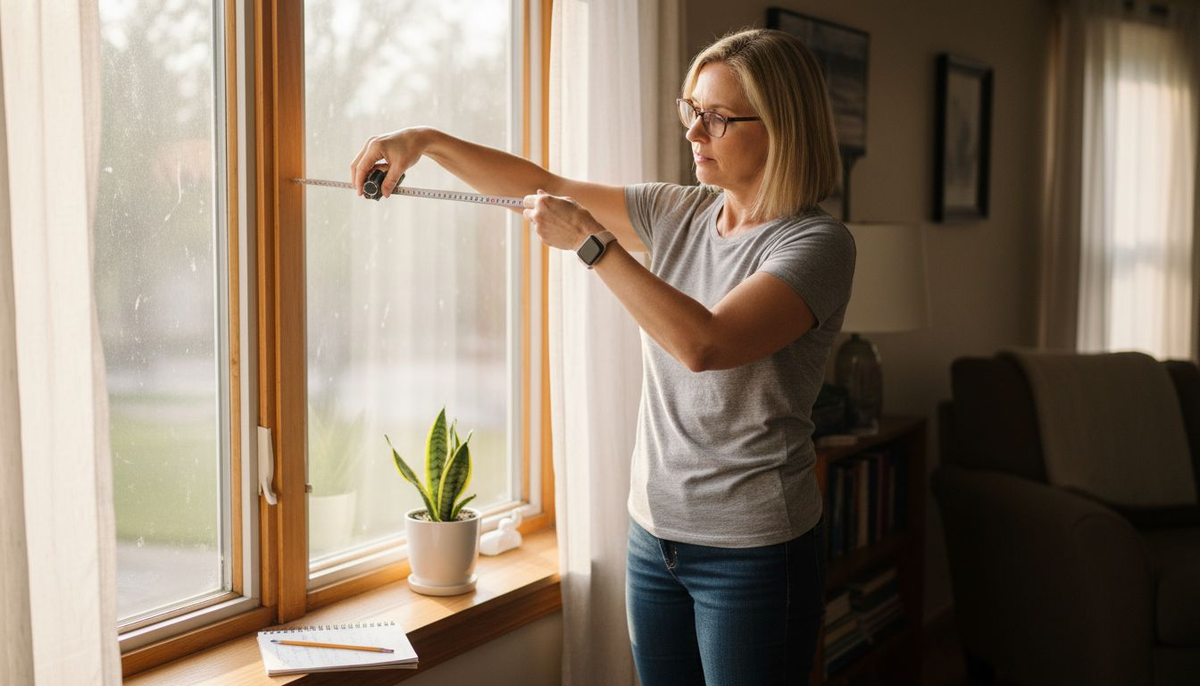
Pro tip: When selecting blinds, measure your windows precisely and consider the room’s orientation to maximize both aesthetic appeal and functional performance.
Popular Types and Functional Variations
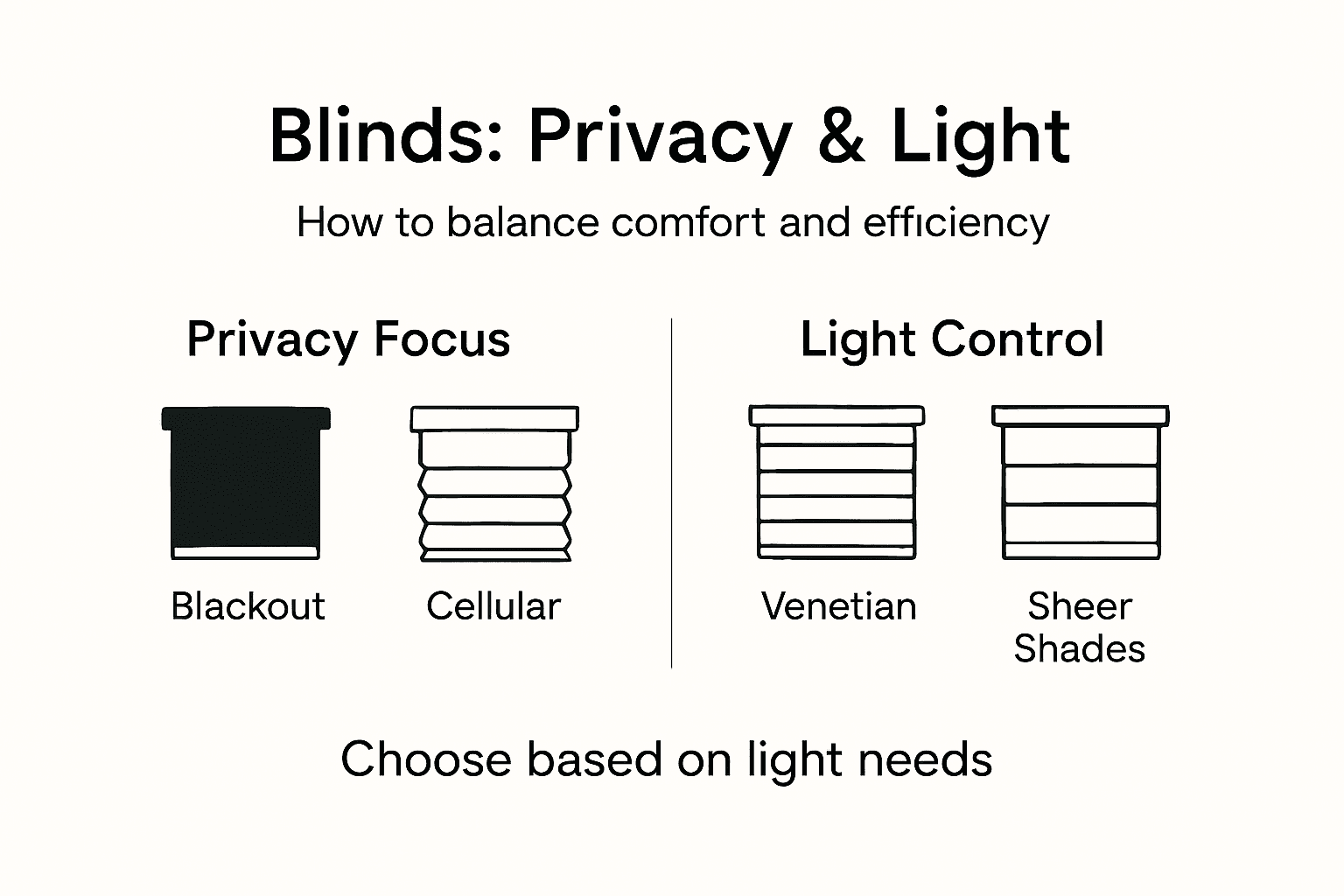
Window blinds have evolved into a diverse array of styles, each offering unique functional characteristics tailored to specific home environments. Venetian and vertical blind configurations represent two fundamental design approaches that provide homeowners with versatile light and privacy management options. Venetian blinds, characterized by horizontal slats, allow precise angle adjustments to control sunlight penetration, while vertical blinds excel in covering larger window surfaces and sliding glass doors.
Energy-efficient designs like cellular or honeycomb blinds have gained significant popularity due to their exceptional insulation properties. These innovative blinds feature unique cellular structures that trap air within their pockets, creating a protective barrier against temperature fluctuations. Homeowners can select from single-cell, double-cell, or triple-cell configurations, each offering progressively enhanced thermal performance and light filtering capabilities.

Beyond traditional materials like wood and aluminum, modern blind technologies incorporate synthetic fabrics and advanced composites. Roller shades, Roman shades, and panel track blinds provide additional stylistic and functional alternatives. These variations accommodate different aesthetic preferences while maintaining core objectives of privacy control, light management, and interior climate regulation. Motorized options further enhance convenience, allowing precise adjustments through remote controls or smartphone applications.
Pro tip: Consider layering different blind styles in complex spaces to optimize light control and create dynamic visual interest.
Here is a concise comparison of popular blind types and their unique benefits:
| Blind Type | Light Control Ability | Privacy Management | Ideal Use Case |
|---|---|---|---|
| Venetian | Precise angle adjustment | High | Living areas and offices |
| Vertical | Excellent for wide spaces | Moderate to high | Sliding doors |
| Cellular/Honeycomb | Soft, diffused light | Superior insulation | Bedrooms, cold climates |
| Roller/Roman Shades | Varies by material | Enhanced with liners | Modern bedrooms, decor |
Smart Controls and Modern Innovations
The landscape of window treatments has been dramatically transformed by cutting-edge technological advancements. Motorized window covering systems now offer unprecedented levels of convenience and intelligent functionality, allowing homeowners to control their environment with remarkable precision. These smart systems integrate seamlessly with home automation platforms, enabling users to adjust blinds remotely through smartphones, voice commands, or programmed schedules.
Energy efficiency stands at the forefront of modern blind innovations. Operable window coverings controlled by advanced systems can automatically respond to ambient temperature, sunlight intensity, and time of day. Sophisticated sensors enable blinds to optimize indoor climate by blocking solar heat during summer afternoons and allowing warming sunlight during winter mornings. This intelligent approach not only enhances comfort but can significantly reduce heating and cooling expenses.
The integration of artificial intelligence and machine learning has further expanded the capabilities of smart blind technologies. Homeowners can now create custom profiles that learn individual preferences, automatically adjusting light and privacy settings based on daily routines. Wireless connectivity, smartphone app interfaces, and compatibility with popular smart home ecosystems like Amazon Alexa and Google Home have transformed window treatments from passive home elements into dynamic, responsive systems that actively contribute to home efficiency and comfort.
Pro tip: Consider investing in smart blinds with geofencing capabilities to automatically adjust when you arrive home or leave, maximizing both energy efficiency and convenience.
Maximizing Energy Efficiency and Comfort
Energy-efficient window coverings play a crucial role in creating comfortable and sustainable home environments. Cellular shades emerge as the gold standard for thermal performance, offering remarkable insulation capabilities that help homeowners significantly reduce energy consumption. These innovative window treatments create a protective barrier that minimizes heat transfer, keeping interior spaces cooler during summer and warmer during winter.
The science behind energy-efficient blinds revolves around their ability to manage thermal dynamics. Advanced blinds can reduce heat loss by up to 40% and block solar heat gain by as much as 80%, transforming window treatments from passive decorative elements into active energy management systems. Factors like material composition, cell structure, and installation technique directly impact a blind’s insulative properties. Double-cell and triple-cell designs provide superior thermal protection by creating multiple air pockets that trap and regulate temperature.
Strategic blind selection goes beyond simple aesthetic considerations. Homeowners should consider factors like window orientation, local climate, and seasonal temperature variations when choosing energy-efficient window coverings. Light-colored blinds reflect more solar radiation, while darker colors absorb heat, making color selection a critical component of thermal management. Proper installation techniques, such as mounting blinds close to the window and creating a sealed air gap, can further enhance their energy-saving potential.
Pro tip: Invest in thermal-lined blinds and install them as close to window surfaces as possible to maximize their insulation and energy-saving capabilities.
Choosing the Right Blinds for Your Space
Blind selection involves strategic considerations that extend far beyond simple aesthetic preferences. Homeowners must evaluate multiple factors including room functionality, window dimensions, architectural style, and specific light control requirements. Each space demands a unique approach, whether it’s a sun-drenched living room requiring glare reduction or a bedroom needing complete darkness for optimal sleep conditions.
Window orientation and local climate play critical roles in blind selection. South-facing windows receive maximum sunlight, suggesting light-filtering or reflective materials that manage heat and brightness. North-facing windows might benefit from insulating cellular shades that retain interior warmth. Energy-efficient window coverings can dramatically impact a home’s thermal performance, transforming window treatments from decorative elements into functional climate control systems.
Material selection represents another crucial decision point. Wood blinds offer timeless elegance and natural insulation, while synthetic materials provide enhanced durability and moisture resistance. Aluminum blinds work exceptionally well in high-humidity spaces like kitchens and bathrooms, whereas fabric Roman shades create soft, elegant environments in bedrooms and living areas. Consider factors like maintenance requirements, cleaning ease, child safety, and long-term durability when making your selection.
Compare the impact of key material choices for blinds:
| Material | Durability | Maintenance | Best Room Placement |
|---|---|---|---|
| Wood | Prone to humidity | Occasional dusting | Living rooms, libraries |
| Aluminum | Highly resistant | Easy to clean | Bathrooms, kitchens |
| Synthetic | Moisture-resistant | Simple upkeep | All-purpose use |
| Fabric | May fade in sunlight | Vacuuming needed | Bedrooms, living spaces |
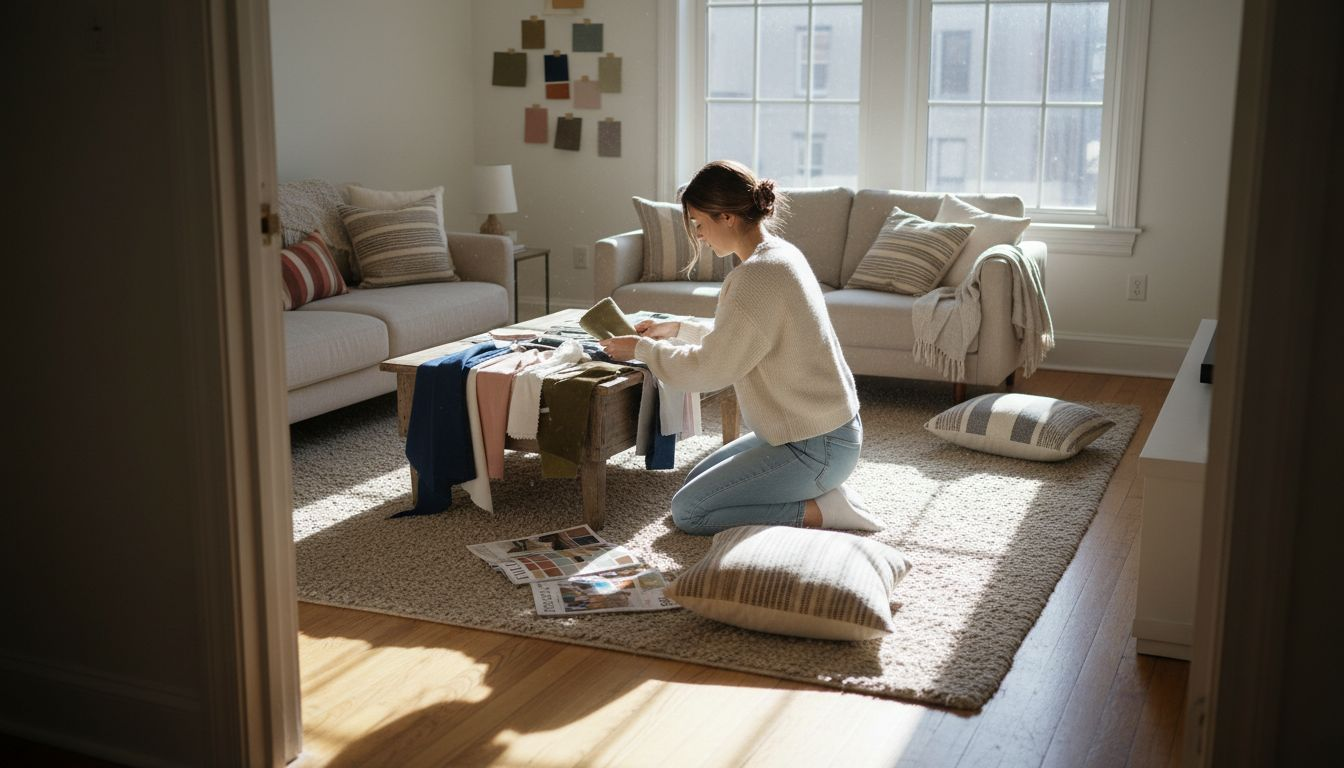
Pro tip: Collect free fabric swatches and test samples in your actual living spaces to assess how different blind materials interact with your specific lighting and decor conditions.
Find the Perfect Blinds to Balance Privacy, Light, and Style in Your Home
Struggling to find window treatments that truly balance privacy, light control, and energy efficiency? Our extensive collection of custom blinds at Value Blinds offers smart solutions designed to meet your unique needs. Whether you want precise light filtering with Venetian blinds, superior insulation with cellular shades, or sleek modern styles like roller and roman shades, you will find durable, stylish, and energy-efficient options that enhance your living space.
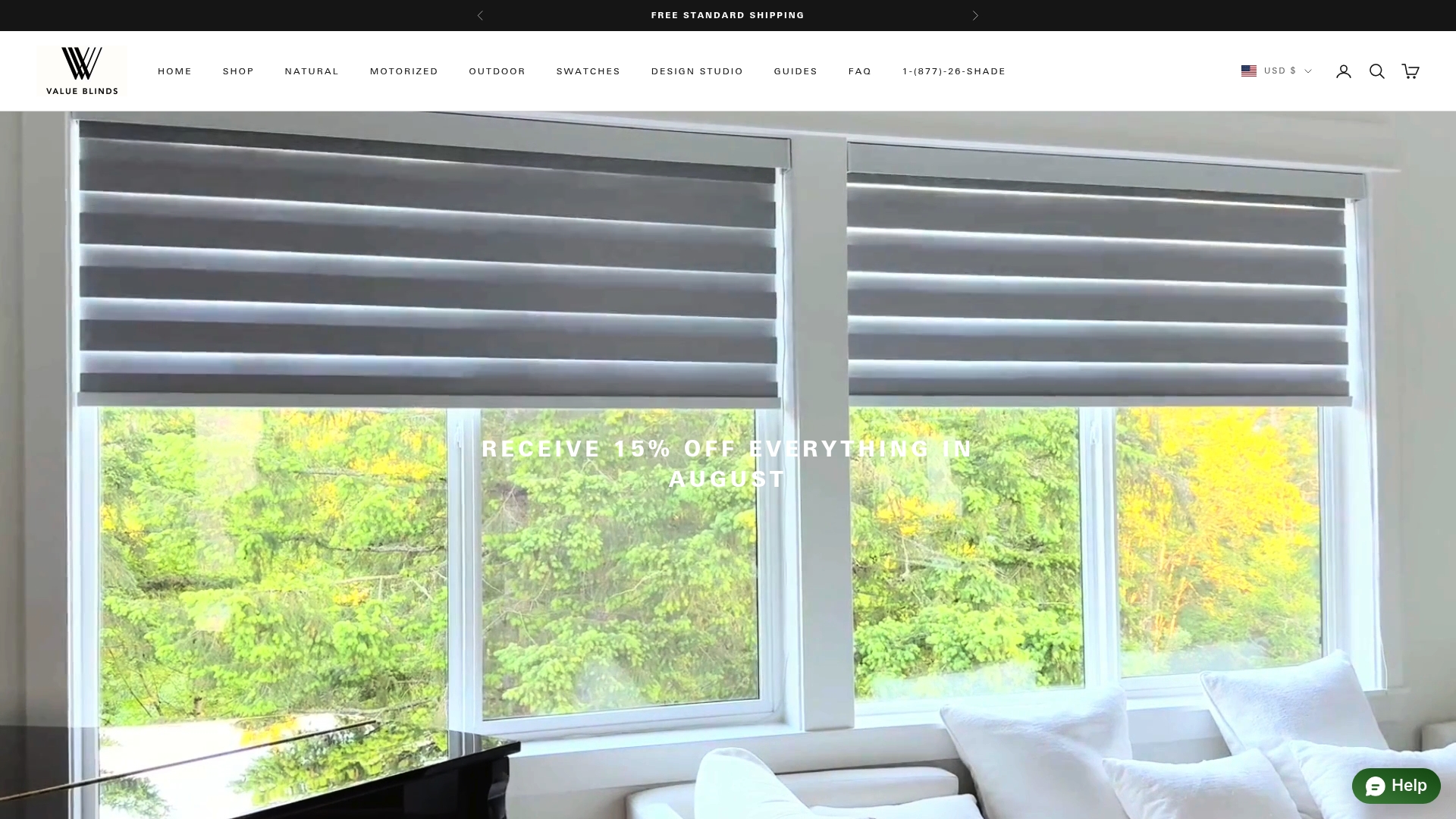
Explore our New Arrivals to discover the latest innovations including cordless and motorized blinds for ultimate convenience and safety. Don’t wait — visit Value Blinds now to get free swatches, expert guidance, and custom options tailored exactly to your windows. Take control of your home’s comfort and style today by ordering your perfect blinds from our premium collection.
Frequently Asked Questions
What types of blinds provide the best privacy?
Venetian blinds offer precise angle adjustments for high privacy, while vertical blinds are suitable for larger spaces like sliding doors, providing moderate to high privacy.
How do cellular blinds improve energy efficiency?
Cellular blinds feature unique honeycomb structures that trap air, creating a protective barrier against temperature fluctuations, thus improving insulation and reducing heating and cooling costs.
What factors should I consider when choosing blinds for my room?
Consider the room’s functionality, window orientation, climate conditions, and desired light control when selecting blinds. Light-colored materials reflect solar radiation, while darker colors absorb heat, influencing thermal management.
Are motorized blinds worth the investment?
Yes, motorized blinds offer convenience and energy efficiency, as they can be programmed to respond automatically to sunlight and temperature changes, optimizing indoor climate and reducing utility expenses.