
Homeowners: Avoid Quarter Inch Remakes, Choose Cordless Clean Blinds
If you’re searching for “clean blinds near me” because you want window treatments that stay clean without much fuss, the answer is simple: order cordless, low-maintenance custom blinds online or book a pro measure and install. Various window treatment suppliers offer cordless, motorized, and professional installation options that make this easy. Just know that your exact cleaning method and lead time will depend on the material and customization you pick.
TL;DR:
- Cordless blinds are the safest option for homes with children or pets and are easier to clean due to their simple operation.
- Wipeable materials like aluminum, faux wood, and coated fabrics resist dust and stains better, reducing cleaning frequency and effort.
- Professional measurement and installation ensure proper fit, which prevents uneven dust accumulation and prolongs the lifespan of your blinds.
- Regular dusting with a microfiber duster or vacuum minimizes deep cleaning needs and maintains a cleaner appearance over time.
- Prioritizing low-maintenance features, such as cordless and wipeable options, at the purchase stage can significantly reduce future cleaning effort.
Table of Contents
- What to look for when choosing easy-to-clean custom blinds
- Which blinds and shades are easiest to keep clean?
- DIY measuring vs. professional measure and install
- Simple cleaning steps by material, and safety reminders
- Why Value Blinds makes low-maintenance shopping easier
- What to expect from professional blind cleaning services near you
- What professional blind cleaning typically costs
- How long a professional cleaning appointment takes
- Choosing a reliable local blind cleaning provider
- How to evaluate a blind cleaning company before booking
- Guarantees and insurance to ask about
- The real priority most buying guides miss
- Ready to order swatches or book your measurement?
- Sources
- FAQ
What to look for when choosing easy-to-clean custom blinds
Not every blind is created equal when it comes to keeping it clean, so a little planning upfront saves you a lot of dusting later.
Start with operation type. Cordless designs are the safe, low-maintenance baseline. The CPSC recommends cordless coverings as the way to eliminate strangulation hazards from dangling pull cords, and retrofit kits don’t fully solve that risk. If you’ve got kids or pets running around, this isn’t optional. It’s the smart starting point. 🙌
From there, think about material:
- Wipeable surfaces (aluminum, faux wood, coated vinyl) handle a damp cloth without drama.
- Dust-only fabrics (woven wood, some Roman shades) need gentle dusting, not wet cleaning.
- Sealed or coated fabrics allow spot cleaning without soaking through.
Coatings matter too. A sealed roller shade fabric resists stains longer than an untreated one, which means fewer deep-clean sessions. If energy performance matters to you (and it should, since it affects your utility bills long-term), look for products that follow WCMA guidance on labeling and efficiency.
Cost climbs with custom sizing, motorization, and specialty mounts, and lead times stretch out accordingly. A standard cordless roller shade ships faster than a motorized cellular shade in a specialty fabric.
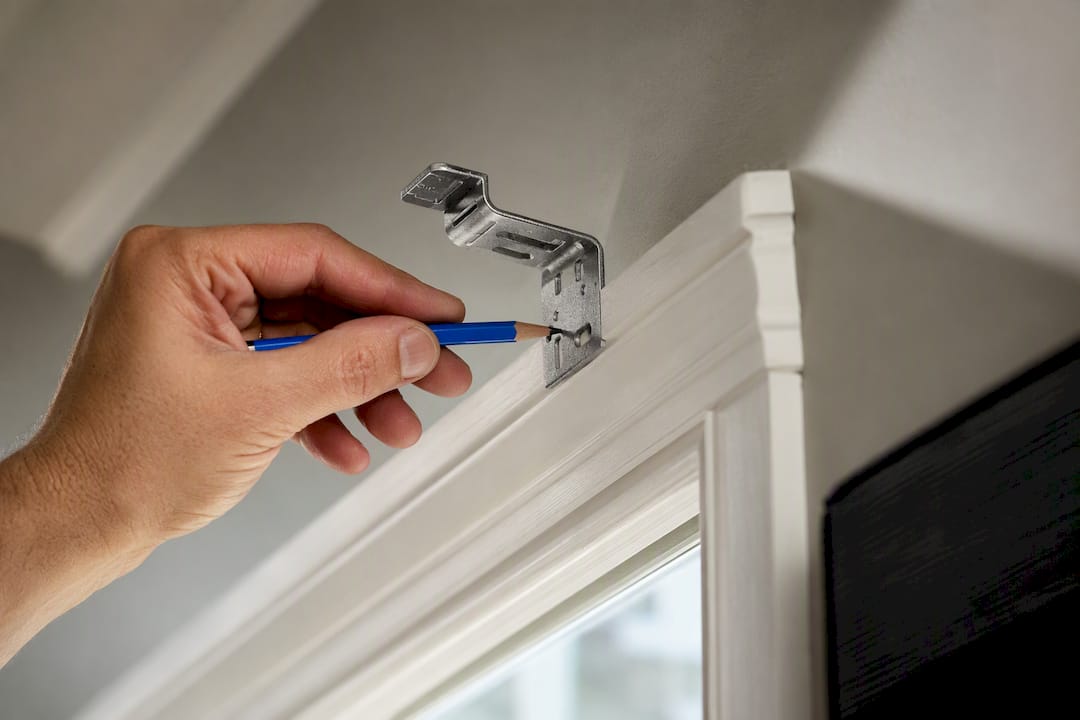
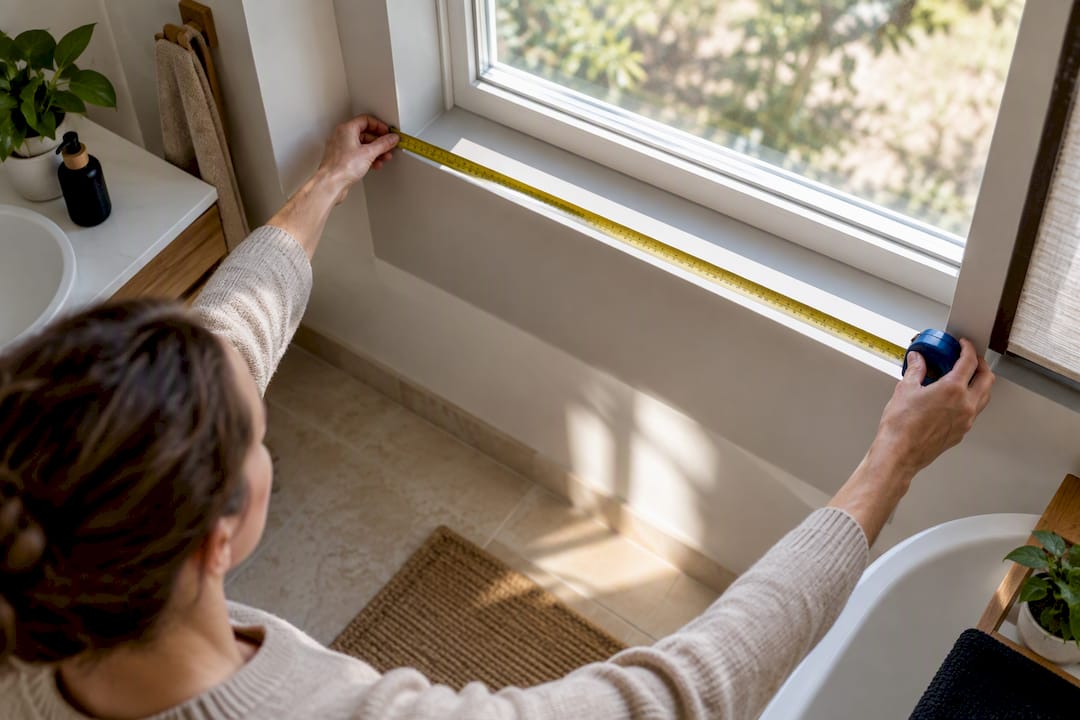
Pro Tip: Book a pro measurement before ordering anything custom. A quarter-inch error in width can mean a full remake, and that costs you time you didn’t plan to lose.
Which blinds and shades are easiest to keep clean?
Some window treatments practically clean themselves. Others ask a little more of you. Here’s how the major categories stack up:
- Roller shades: Coated fabrics wipe clean fast and resist dust buildup, making them a strong pick for kitchens and bathrooms.
- Cellular shades: Great insulation, and most respond well to a low-suction vacuum; some fabrics are even washable.
- Aluminum and faux wood blinds: Tough, wipeable, and forgiving in high-dust rooms like home offices or entryways.
- Natural woven and real wood blinds: Gorgeous, but they need gentle dusting only. Skip the wet cloth here.
- Fabric Romans and soft panels: Spot-clean unless the manufacturer’s instructions say otherwise. Don’t improvise.
If low maintenance is your top priority, cordless or motorized versions of any of these categories add convenience on top of easier cleaning, since you’re not handling cords that collect dust and grime over time. A cordless roller shade checks both boxes: less to clean, less to worry about.
Texture plays into this more than people expect. Smooth, flat surfaces (aluminum, coated vinyl) never trap dust the way a woven or textured fabric does. If you’re picking blinds for a room that sees a lot of use, like a kids’ playroom or a kitchen near the stove, lean toward the smoother, wipeable options and save the textured natural weaves for lower-traffic spaces.

DIY measuring vs. professional measure and install
Getting the measurements right is half the battle with custom blinds, and it directly affects how easy your window treatments are to clean and maintain over time. A pro measure and install service typically covers:
- Accurate window measurements that account for mount type, so the finished product hangs correctly instead of gapping or dragging.
- Correct hardware selection, including safety-device placement for cordless and cordless-adjacent designs.
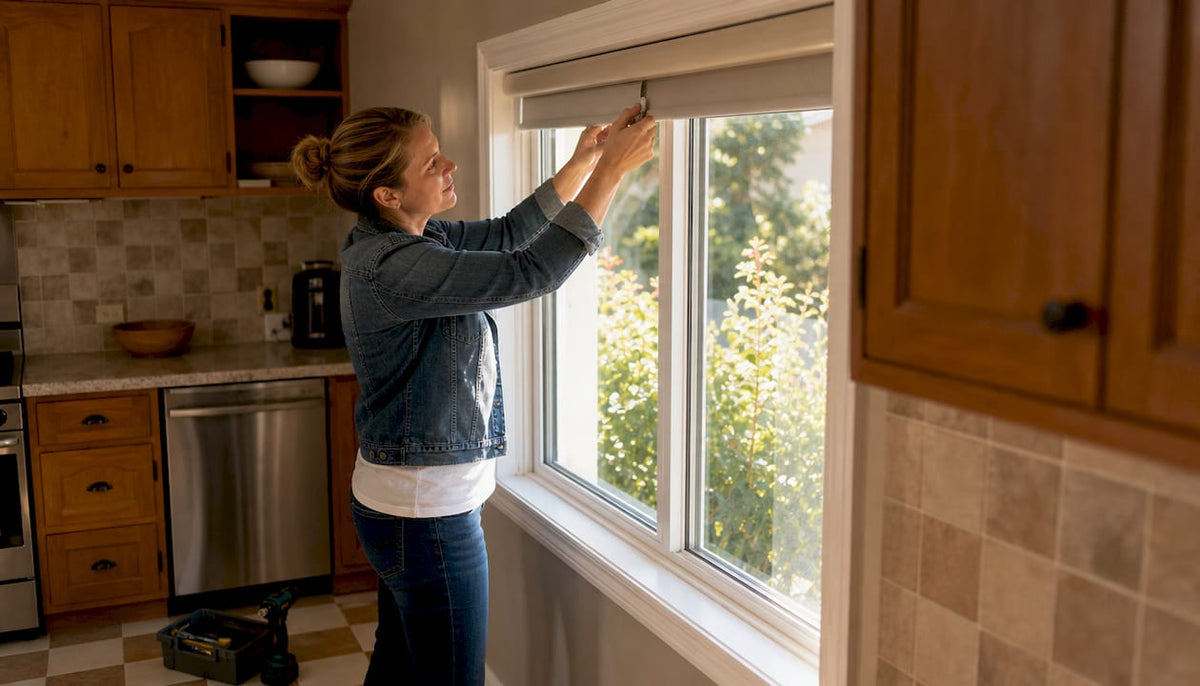
- Professional installation that avoids the warping, water damage, or poor hang that comes from a rushed DIY job.
Timelines vary. A standard order might move from measurement to install in a matter of weeks, while motorized units or specialty fabrics can add extra time because of manufacturing and programming steps.
Why does this matter for cleanliness? A poorly hung blind collects dust unevenly, sags in spots, and often needs premature replacement, none of which you want to deal with twice. If your windows are standard sizes and you’re comfortable with a tape measure, DIY measuring works fine. If you’ve got bay windows, oddly shaped openings, or you’re going motorized, book the pro service instead.
Simple cleaning steps by material, and safety reminders
Keeping blinds clean doesn’t require a deep-clean marathon every week. Most of it comes down to consistency:
- Daily or weekly: Use a microfiber duster or a vacuum on low suction with a soft brush attachment, moving top to bottom.
- Spot cleaning: Blot, don’t rub, and always test a hidden swatch first. Manufacturer guidance warns against aggressive scrubbing on fabric shades.
- Deep cleaning: Skip steam on delicate fabrics and never soak wood slats. Some professional standards even flag high-pressure washing as risky for certain materials, so it’s best left to trained hands.
For most households, a microfiber duster handles the bulk of upkeep, and shorter blinds take only a few minutes to freshen up from start to finish. That’s a small time investment for a noticeably cleaner room.
When to call a professional cleaner: If you’re dealing with heavy buildup, water stains, or delicate antique fabrics, a professional service has the right tools and training to avoid damage.
One more thing, and it’s important: retrofit kits for corded blinds are limited in how much risk they actually remove. The CPSC is clear that replacing corded blinds with cordless designs is the more reliable move for households with young kids or curious pets. Don’t rely on a kit when a swap solves the problem for good.
Why Value Blinds makes low-maintenance shopping easier
Finding the right low-maintenance blind shouldn’t feel like guesswork, and that’s where the right tools make a real difference. Value Blinds carries a broad catalog, including roller, zebra, cellular, roman, wood, and bamboo blinds, plus exterior shades, pergolas, and motorized options, so you’re not stuck choosing between style and easy care.
The site’s measurement guides, design studio, and energy calculators help you nail down the right fit and performance before you commit, which matters when custom orders can’t easily be returned. Features like blackout, waterproof, cordless, and motorized shades are built into the catalog for buyers who want function alongside looks.
Beyond the products themselves, free swatches, expert support, warranties, and flexible shipping round out the buying experience, giving you a way to check fabric and color in person before ordering. For homeowners drawn to natural materials, the solid wood and bamboo blind categories offer eco-friendly, stylish options without sacrificing the low-maintenance goal.
What to expect from professional blind cleaning services near you
If your existing blinds need a refresh rather than a replacement, professional cleaning services exist in most areas, ranging from mobile technicians who clean on-site to drop-off services for delicate or removable blinds. Availability and specialization vary a lot by region and by the types of materials a company handles.
Look for a provider that names the specific materials they work with (wood, fabric, aluminum, vinyl) rather than a generic “we clean everything” pitch. Ultrasonic cleaning, common for venetian blinds, works differently than the low-water spot cleaning used for delicate fabrics, so a company’s equipment list tells you a lot about what they’re actually equipped to handle. Ask directly whether they service your blind type before booking anything.
What professional blind cleaning typically costs
Pricing for professional blind cleaning depends heavily on the number of blinds, their size, the material, and whether the service includes pickup and delivery or on-site cleaning. Companies often package pricing per blind or per window, with discounts for whole-house jobs.
Because pricing varies so widely by provider, region, and material, it’s worth getting a direct quote rather than assuming a flat rate applies everywhere. Ask whether the quote includes removal and rehanging, since that labor can add meaningfully to the total cost.
How long a professional cleaning appointment takes
Appointment length depends on how many blinds you’re having cleaned and the method used. On-site ultrasonic or ultrasonic-adjacent cleaning for a full house can take a chunk of a day, while a handful of blinds dropped off for cleaning might turn around within a day or two depending on the provider’s schedule.
Ask upfront about turnaround time, especially if you’re cleaning blinds ahead of a specific event or before new tenants move in. Some companies offer expedited service for an added fee.
Choosing a reliable local blind cleaning provider
Reviews and ratings are one of the most useful ways to vet a local cleaning company before you commit. Look for consistent feedback about how carefully technicians handle delicate materials, whether pickup and delivery ran on time, and whether the finished blinds came back undamaged.
Pay attention to reviews that mention specific blind types, since a company with strong ratings for aluminum blinds might not have the same track record with delicate woven wood. A pattern of complaints about damaged slats or faded fabric is worth taking seriously.
How to evaluate a blind cleaning company before booking
A few criteria separate a solid provider from a risky one:
- Cleaning method transparency: They should explain whether they use ultrasonic cleaning, low-water spot cleaning, or another method, and why it fits your blind type.
- Material expertise: Ask directly whether they’ve handled your specific material (real wood, woven natural fiber, delicate fabric) before.
- Eco-friendly products: If low-chemical cleaning matters to you, ask what products they use and whether they’re safe for the fabric or finish you have.
Companies that answer these questions clearly and specifically, rather than with vague reassurances, tend to be the more trustworthy choice.
Guarantees and insurance to ask about
Reputable blind cleaning companies typically carry liability insurance to cover accidental damage during pickup, cleaning, or reinstallation. Ask specifically whether damaged or lost blinds are covered and what the claims process looks like.
Some companies also offer a satisfaction guarantee, meaning they’ll redo a cleaning or offer a refund if the result doesn’t meet expectations. Get any guarantee or insurance claim in writing before the job starts, not after something goes wrong.
The real priority most buying guides miss
Most advice on this topic treats cleaning as a maintenance afterthought, something you deal with once the blinds are already hanging. That’s backward. The material and mechanism you choose at purchase determines almost all of your future cleaning effort, and that decision happens once, at checkout, not every week with a duster in hand.
The conventional wisdom overweights style and underweights operation type. A gorgeous woven wood shade that needs careful dusting forever is a bigger long-term commitment than people realize when they’re picking fabric swatches. Cordless and wipeable materials aren’t just safety and convenience features. They’re the difference between a blind you enjoy and one you resent.
If you take one thing from this guide, let it be this: prioritize cordless safety and wipeable materials before you fall in love with a pattern. Order swatches, measure carefully, and let the material do the maintenance work for you.
— Sunny
Ready to order swatches or book your measurement?
Once you know which materials fit your cleaning tolerance, the next step is easy. Order free fabric swatches or play around in the Window Treatment Design Studio to see exactly how a cordless roller or aluminum blind will look in your space before you commit to anything.
Booking pro measure and install takes the guesswork out of sizing, which means fewer remakes and a cleaner, better-fitted result from day one. A few starting points worth browsing:
- Cordless roller shades for wipeable, low-fuss kitchens and bathrooms.
- Cellular shades for insulation plus easy vacuum cleaning.
- Aluminum blinds for durable, wipeable performance in busy rooms.
Head over to Value Blinds to start browsing, or jump straight to the design studio to plan your order.
Sources
- Cpsc
- Window Treatment cleaning and maintenance (Lutron)
- How to Clean Curtains, Blinds, and Shades (Wirecutter)
FAQ
Are cordless blinds actually safer than corded ones?
Yes. The CPSC recommends cordless window coverings specifically because retrofit kits don’t fully remove the strangulation risk from dangling cords. Choosing cordless at purchase is the more reliable long-term safety choice for homes with kids or pets.
Which blind material is easiest to clean?
Wipeable materials like aluminum, faux wood, and coated vinyl fabrics handle a damp cloth well and resist dust buildup better than natural woven or fabric shades. Natural wood and delicate fabrics generally need gentle dusting only, per manufacturer care guidance.
Should I measure my own windows or book a pro?
DIY measuring works fine for standard-size, single windows if you’re comfortable with a tape measure. For bay windows, unusual shapes, or motorized units, a pro measure and install service reduces the risk of a costly remake.
What does Value Blinds offer for low-maintenance window treatments?
Value Blinds carries cordless, motorized, and wipeable material options across categories like roller, cellular, and aluminum blinds, along with free swatches and a design studio to help you choose confidently before ordering.
How often should I clean my blinds?
Light dusting or a low-suction vacuum weekly keeps most blinds looking fresh, with spot cleaning as needed for stains. A microfiber duster handles most routine upkeep in just a few minutes per window.