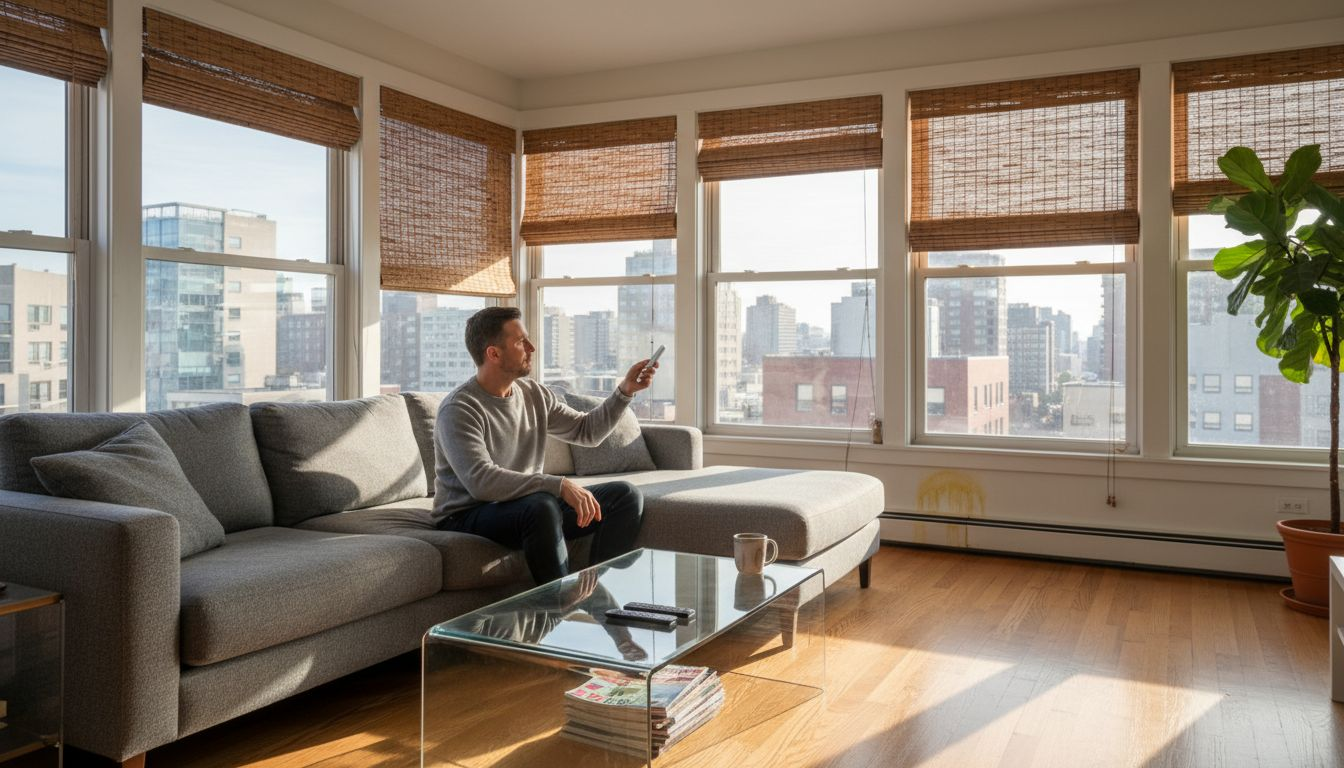


Custom Remote Blinds: Upgrading Comfort and Style
Over half of American homeowners now look beyond basic window treatments when updating their spaces, choosing options that reflect both style and smart living. Custom remote blinds offer a sophisticated way to blend seamless technology with modern interior design, letting you control natural light and privacy at the touch of a button. This guide cuts through common myths and highlights how tailored remote blinds can transform every room with energy savings and personalized comfort.
Table of Contents
- Custom Remote Blinds Defined And Misunderstood
- Major Types And Operating Systems Explained
- Smart Features, Control Options, And Integration
- Design, Energy Efficiency, And Use Cases For Homes
- Cost Factors, Warranties, And Common Pitfalls
Key Takeaways
| Point | Details |
|---|---|
| Custom Remote Blinds | These advanced window treatments utilize motorized technology for effortless control over light and privacy without physical interaction. |
| Variety of Control Systems | Options range from handheld remotes to smartphone applications and integrated home automation systems, catering to different user preferences and technical comfort levels. |
| Energy Efficiency Benefits | These intelligent blinds optimize energy consumption by adjusting based on sunlight and temperature, potentially reducing heating and cooling costs by up to 30%. |
| Cost Considerations | Budget for both initial expenses and long-term maintenance, with costs per window typically ranging from $300 to $2,500, plus installation fees. |
Custom remote blinds defined and misunderstood
Custom remote blinds represent a sophisticated window treatment solution that goes far beyond traditional manual window coverings. Unlike standard blinds that require physical interaction, these advanced window treatments utilize motorized technology to provide seamless light and privacy control through wireless remote mechanisms. Window blinds have evolved from simple manual adjustments to intelligent systems that can be controlled with precision and ease.
At their core, custom remote blinds are window coverings engineered with integrated motors and wireless communication technologies that allow homeowners to adjust window treatments without direct physical contact. These sophisticated systems can be operated through handheld remotes, smartphone applications, voice commands, or automated scheduling systems. The technology enables precise positioning, allowing users to adjust light filtration, privacy levels, and room temperature with unprecedented convenience.
Many homeowners misunderstand remote blinds, assuming they are prohibitively expensive or overly complex. In reality, modern motorized blinds offer scalable solutions for various budgets and home configurations. These intelligent window treatments can be customized to match interior design aesthetics while providing practical benefits like energy efficiency, enhanced security, and simplified home management.
Pro tip: When selecting custom remote blinds, consider your room’s specific light exposure and design needs to choose the most appropriate motorization technology and control system.
Major types and operating systems explained
Custom remote blinds represent a diverse range of window treatment technologies, offering multiple control systems and design configurations. Window blinds have evolved to include sophisticated motorization options that cater to different home environments and user preferences. These systems can be broadly categorized into three primary operational types: handheld remote, smartphone application, and integrated home automation systems.
Handheld Remote Systems are the most traditional motorized blind control method. These dedicated remote controls allow direct manipulation of individual window treatments, typically offering basic functions like raising, lowering, and adjusting slat positions. Modern remotes often feature programmable buttons, multiple channel support for controlling different zones simultaneously, and advanced features like preset positioning and gradual light transition modes.
Smartphone and digital application controls represent the next generation of blind management technology. These systems transform mobile devices into comprehensive window treatment control centers, enabling users to adjust blinds from anywhere with internet connectivity. Advanced smartphone apps offer additional features like scheduling, ambient light response, temperature-based adjustments, and integration with other smart home devices. Panel blinds can now be seamlessly controlled through these intelligent platforms, providing unprecedented convenience and customization.

The most sophisticated option involves integrated home automation systems that connect remote blinds with broader smart home ecosystems. These advanced configurations allow blinds to interact with temperature sensors, sunlight tracking technologies, security systems, and voice assistants like Amazon Alexa or Google Home. Such intelligent systems can automatically adjust window treatments based on environmental conditions, time of day, or specific programmed scenarios.
Pro tip: Consider your technical comfort level and home infrastructure when selecting a remote blind operating system to ensure seamless integration and optimal functionality.
Here’s a quick comparison of major custom remote blind control types:
| Control Type | Key Benefits | Typical Users |
|---|---|---|
| Handheld Remote | Simple, reliable, no Wi-Fi needed | Traditional users, tech-averse |
| Smartphone Application | Control from anywhere, scheduling | Busy families, tech-savvy owners |
| Integrated Home Automation | Full home integration, automation | Smart home enthusiasts, tech leaders |
Smart features, control options, and integration
Custom remote blinds have transformed from simple window coverings into sophisticated smart home technology, offering unprecedented levels of comfort and control. Smart window blind systems now integrate seamlessly with entire home automation ecosystems, providing intelligent functionality that goes far beyond traditional light management.
The most advanced smart features include environmental responsiveness capabilities that automatically adjust based on external conditions. These intelligent systems can synchronize with temperature sensors, sunlight intensity monitors, and time-based scheduling algorithms. Homeowners can program blinds to respond dynamically to changing daylight, optimize indoor temperature regulation, and enhance overall energy efficiency. Some cutting-edge models even learn household patterns, creating personalized light and privacy management strategies that adapt to individual lifestyle preferences.
Control options have expanded dramatically, offering multiple interaction methods to suit different user preferences. Smart Home Window Shading technologies now support voice commands through popular platforms like Amazon Alexa and Google Home, smartphone applications with granular control settings, traditional handheld remotes, and even wall-mounted touchscreen panels. These diverse control mechanisms allow users to manage window treatments from anywhere, whether they’re across the room or thousands of miles away.
Integration with broader smart home ecosystems represents the pinnacle of modern window treatment technology. Contemporary remote blind systems can communicate with security networks, lighting controls, climate management systems, and energy monitoring platforms. This holistic approach enables comprehensive home automation, where window coverings become an intelligent component of a fully connected living environment.
Pro tip: When selecting smart blinds, prioritize systems with open communication protocols to ensure maximum compatibility with existing and future smart home technologies.
Design, energy efficiency, and use cases for homes
Custom remote blinds have emerged as a sophisticated solution for homeowners seeking both aesthetic appeal and functional performance. Adaptive window blinds represent a revolutionary approach to interior design that seamlessly blends style with environmental optimization, transforming how we think about window treatments.
Design considerations for modern remote blinds extend far beyond traditional aesthetic choices. Homeowners can now select from an extensive range of materials, textures, and color palettes that complement diverse interior styles while maintaining advanced technological capabilities. Contemporary designs integrate sleek motorization mechanisms that remain virtually invisible, ensuring the blinds enhance rather than disrupt the overall room aesthetic. Energy efficient window treatments now offer multiple customization options that allow precise light filtering, privacy control, and thermal management.
Energy efficiency represents a critical advantage of advanced remote blind systems. Intelligent models can automatically adjust based on sunlight intensity, room temperature, and time of day, significantly reducing heating and cooling costs. These smart systems analyze environmental conditions in real-time, optimizing natural light exposure to minimize artificial lighting requirements and maintain comfortable indoor temperatures. Some advanced configurations can reduce energy consumption by up to 30% through strategic light and heat management.
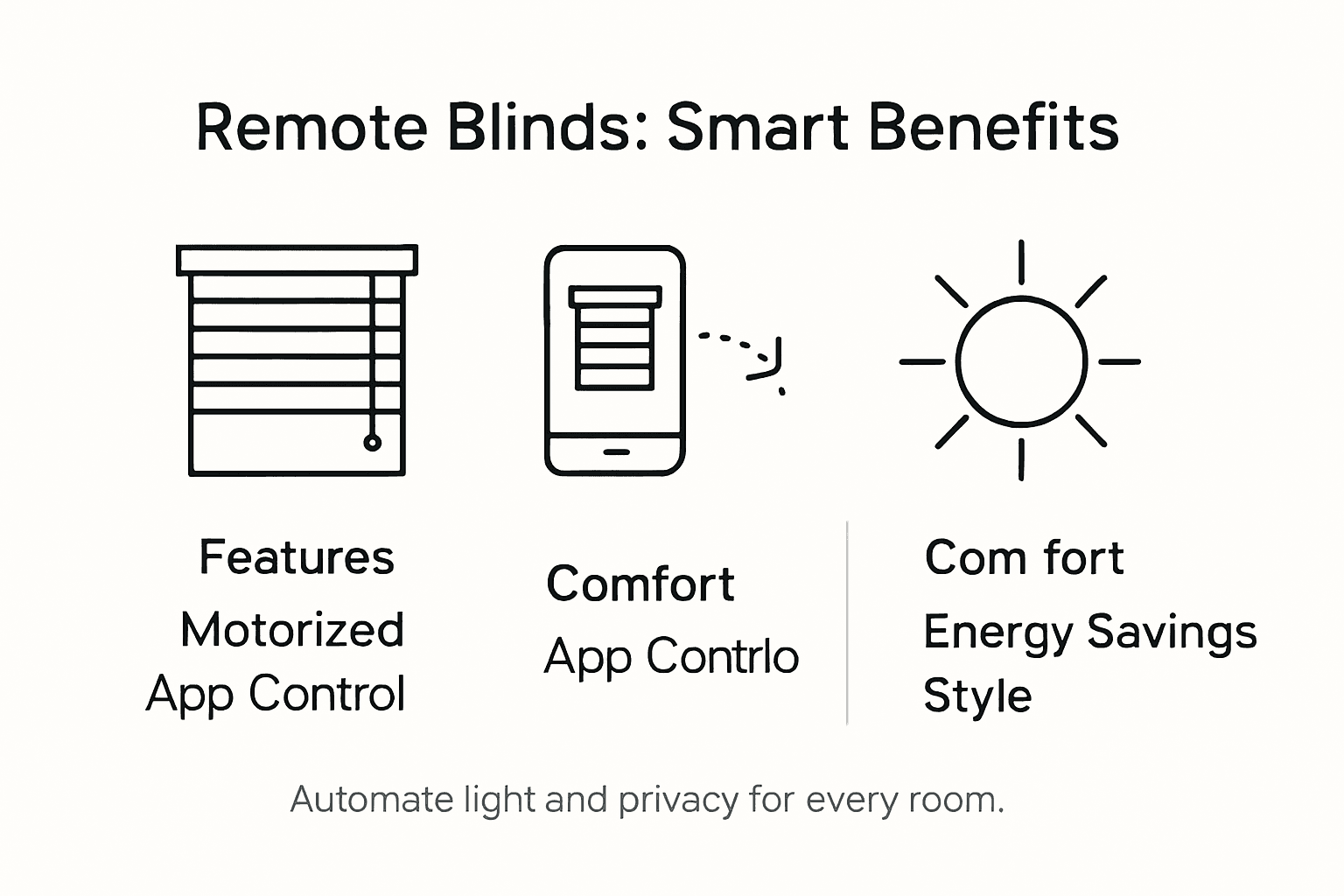
Specific use cases demonstrate the versatility of custom remote blinds across different home environments. In sunny home offices, they can prevent screen glare while maintaining natural illumination. For bedrooms, they provide blackout capabilities for optimal sleep conditions. Living rooms benefit from programmable scenes that adjust lighting for different activities, from movie watching to entertaining guests. Homes with large window surfaces or challenging architectural designs particularly benefit from the precision and flexibility of these intelligent window treatments.
Pro tip: Measure your windows precisely and consider room-specific light and temperature patterns before selecting your custom remote blind configuration.
Cost factors, warranties, and common pitfalls
Custom remote blinds represent a sophisticated investment that requires careful financial planning and understanding. Motorized blind system costs vary widely depending on multiple critical factors that homeowners must carefully evaluate before making a purchase.
The primary cost determinants include the complexity of motorization technology, control system sophistication, and level of smart home integration. Entry-level remote blind systems typically range from $300 to $800 per window, with premium models featuring advanced sensors and comprehensive automation capabilities potentially reaching $1,500 to $2,500. Installation expenses can add an additional $200 to $500 per window, depending on the complexity of the existing architectural structure and electrical requirements. Homeowners should budget for not just the initial purchase but also potential long-term maintenance and potential battery or motor replacements.
Warranty considerations are crucial when investing in custom remote blinds. Reputable manufacturers typically offer warranties ranging from 3 to 5 years, covering mechanical failures, motor defects, and electronic component malfunctions. However, these warranties often include specific conditions such as proper installation, regular maintenance, and usage within recommended parameters. Some advanced systems offer extended warranty options that can be purchased separately, providing additional peace of mind and protection against potential technological failures.
This table summarizes important cost and warranty considerations:
| Factor | Typical Range | Important Advice |
|---|---|---|
| Hardware Cost (per window) | $300–$2,500 | Higher for advanced features, sensors |
| Installation Cost | $200–$500 | Varies by window type and wiring complexity |
| Warranty Duration | 3–5 years (standard) | Extended plans sometimes available |
| Long-Term Costs | Maintenance, battery, updates | Include service and part replacements |
Common pitfalls in selecting and installing remote blinds include overlooking compatibility with existing home infrastructure, underestimating installation complexity, and failing to consider long-term maintenance requirements. Potential issues range from electrical integration challenges to battery life management and potential software update limitations. Homeowners should conduct thorough research, consult professional installers, and carefully evaluate the total cost of ownership beyond the initial purchase price.
Pro tip: Request comprehensive documentation about system compatibility, maintenance requirements, and potential upgrade paths before finalizing your custom remote blind investment.
Elevate Your Home Comfort with Custom Remote Blinds from Value Blinds
The article highlights the desire for effortless control, energy efficiency, and seamless style in motorized window treatments. If you are facing challenges like complicated installation, limited customization, or missing smart integration, Value Blinds offers a straightforward solution. Our broad selection of motorized blinds and shades empowers you to upgrade your space with personalized remote-controlled options designed for convenience and lasting beauty.
Explore our newest innovations in custom window treatments with New Arrivals featuring the latest in cordless and blackout motorized shades. Whether you want to enhance energy efficiency or achieve precise light control, our easy-to-use design tools and expert support help you choose the perfect solution now. Visit Value Blinds and take the first step toward smart, stylish comfort today.
Frequently Asked Questions
What are custom remote blinds?
Custom remote blinds are motorized window coverings that can be controlled wirelessly through handheld remotes, smartphone apps, or integrated home automation systems, allowing for effortless adjustment of light and privacy.
How do I choose the right operating system for my custom remote blinds?
Consider your technical comfort level and home infrastructure when selecting an operating system. Options include handheld remotes for simplicity, smartphone apps for remote control, or integrated home automation systems for a comprehensive solution.
What are the energy efficiency benefits of custom remote blinds?
Custom remote blinds can automatically adjust based on sunlight intensity and room temperature, potentially reducing energy consumption by up to 30% through optimized natural light exposure and temperature management.
What factors influence the cost of custom remote blinds?
The cost is influenced by the complexity of motorization technology, control system sophistication, and installation expenses. Entry-level systems typically range from $300 to $800 per window, while premium models can reach $1,500 to $2,500.
Recommended
- Value Blinds™ light filtering Roller Shades with Motorization
- Motorized Blinds: Enhance Your Home with Convenience and Style
- Understanding What Blinds Are in Style for Your Home
- Value Blinds™ Elegant and Premium Roller Shades with Motorization and
- Window Frosting Richmond | Office Partition Glass Manifestations
- Energy Saving for Homes: Step-by-Step Guide to Slash Costs | ReVroom