
Article: Avoid Underlit Rooms With 5 On Site Translucency Tests for Designers
Avoid Underlit Rooms With 5 On Site Translucency Tests for Designers
Translucent surfaces scatter incoming light to produce soft, even illumination while obscuring detail, so you get daylight without clear sightlines. The right material and thickness balance privacy, glow, and thermal performance, but every choice carries trade-offs: color shift, reduced light output, and transmittance numbers that need to be specified rather than guessed.
TL;DR:
- Translucent materials require close testing, as actual transmittance and diffusion effects can differ significantly from manufacturer specifications.
- Diffusing materials like frosted or opal glass impact brightness, privacy, and color rendering, depending on their thickness and type.
- Higher transmittance panels around 88% effectively balance daylight and thermal control, especially with insulated systems for energy efficiency.
- Swatch testing under real lighting is essential to avoid color shifts and metamerism issues that can cause design rejections.
- Window treatments like sheer shades should be selected based on openness percentage, space needs, and thorough pre-purchase testing.
Table of Contents
- How Light Translucency Affects Interiors at the Level of Perception
- Which Translucent Materials Perform Best for Different Uses?
- How Does Translucency Affect Privacy and Room Perception?
- What Are the Energy and Daylighting Trade-offs?
- Specifying Translucent Materials: A Testing Checklist
- Bringing Translucency Home Through Window Treatments
- Choosing Translucency for Balanced Comfort
- Getting the Right Translucent Shades for Your Space
- Sources
How Light Translucency Affects Interiors at the Level of Perception
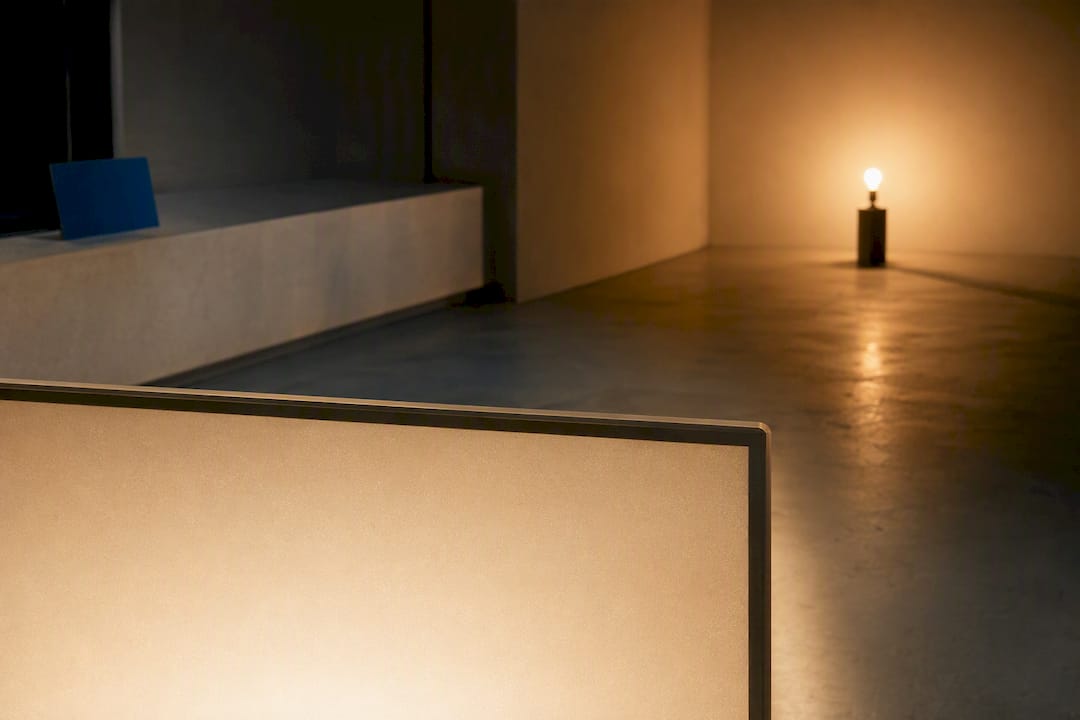
Translucency sits in the middle ground between transparency and opacity: materials scatter light instead of transmitting it in a straight line, which spreads a point source into a larger, softer glow while hiding clear visual detail behind the surface. That scattering is the whole mechanism. A bare bulb reads as a harsh pinpoint; put a diffusing shade or panel in front of it and the apparent source grows, glare drops, and the light spreads evenly across a room.
There’s a catch you need to budget for. When a material transmits roughly 50% of incident light, the fixture behind it needs close to double the output to hit the same illuminance on a target plane. Skip that math and you end up with a beautifully diffuse but underlit room.
Diffusion also shifts how colors read, since scattering changes the spectral mix reaching your eye. That’s why swatch testing under real lighting conditions matters more here than in almost any other material decision.
- Scattering enlarges the apparent light source, softening shadows and cutting glare
- Diffuse light evens out illumination across a surface instead of pooling in hot spots
- Color rendering shifts with material and thickness, so CRI expectations need real-world testing, not spec sheets
- Ambient layers under roughly 3000 K read as warmer and more forgiving once diffused
Pro Tip: Never trust a manufacturer’s transmittance number alone. Hold the actual swatch or sample panel up to a lamp at your planned mounting distance and see what your eye actually registers.
Which Translucent Materials Perform Best for Different Uses?
Material choice determines whether you get a glowing wall or a flat, gray nothing. Each family behaves differently under light, and the differences matter more than most spec sheets suggest.
- Frosted or etched glass gives a familiar, uniform haze with high light transmission and low diffusion depth. Good for doors, sidelights, and interior partitions where you want brightness more than pure privacy.
- Opal or opalized glass diffuses more completely than frosted glass, trading some brightness for a smoother, shadow-free glow. Common in lighting fixtures and backlit panels.
- Polycarbonate and ETFE are the workhorses of façades and skylights, prized for their light weight, durability, and even light distribution across large spans.
- Alabaster and onyx rely on thickness as the primary control: thicker sections diffuse more completely but transmit less flux, so illuminance and appearance have to be balanced panel by panel.
- Translucent concrete embeds optical fibers at under roughly 3% of mix density, which preserves structural strength while mapping light through the panel, making it viable for load-bearing partitions and floors, not just decorative screens.
- Technical fabrics like voile and screen sheers give you the most tunable control of any material family, since openness percentage directly governs how much view and light pass through.
Single-layer materials brighten a room faster but insulate poorly. Multi-wall or insulated assemblies sacrifice some brightness for real thermal control, which matters once you’re specifying anything on an exterior wall.
How Does Translucency Affect Privacy and Room Perception?
Translucency doesn’t hide a room, it edits it. Silhouettes stay visible at low openness percentages, disappear at higher diffusion, and that gradient is the actual design lever you’re pulling. A translucent screen between a living room and hallway also does something transparency and solid walls can’t: it implies depth beyond the surface, which reads as more square footage than the room actually has.
- Low-openness fabrics and frosted glass mute silhouettes while keeping daylight moving
- Backlit translucent panels flip the effect at night, glowing outward like a lantern and broadcasting activity to the street
- Layer in blackout linings or secondary shades for bedrooms and bathrooms where nighttime privacy actually matters
Pro Tip: If a space needs acoustic separation as much as visual privacy, translucency alone won’t cut it. Pair it with a solid partition or dense fabric backing.
What Are the Energy and Daylighting Trade-offs?
Transmittance is the number that decides whether a translucent wall saves energy or quietly wastes it. Glazing at roughly 88% transmittance preserves the natural daylight spectrum and delivers higher photopic and melanopic light levels than low-transmittance glazing, which matters for both electric-lighting offset and circadian-friendly daylighting.
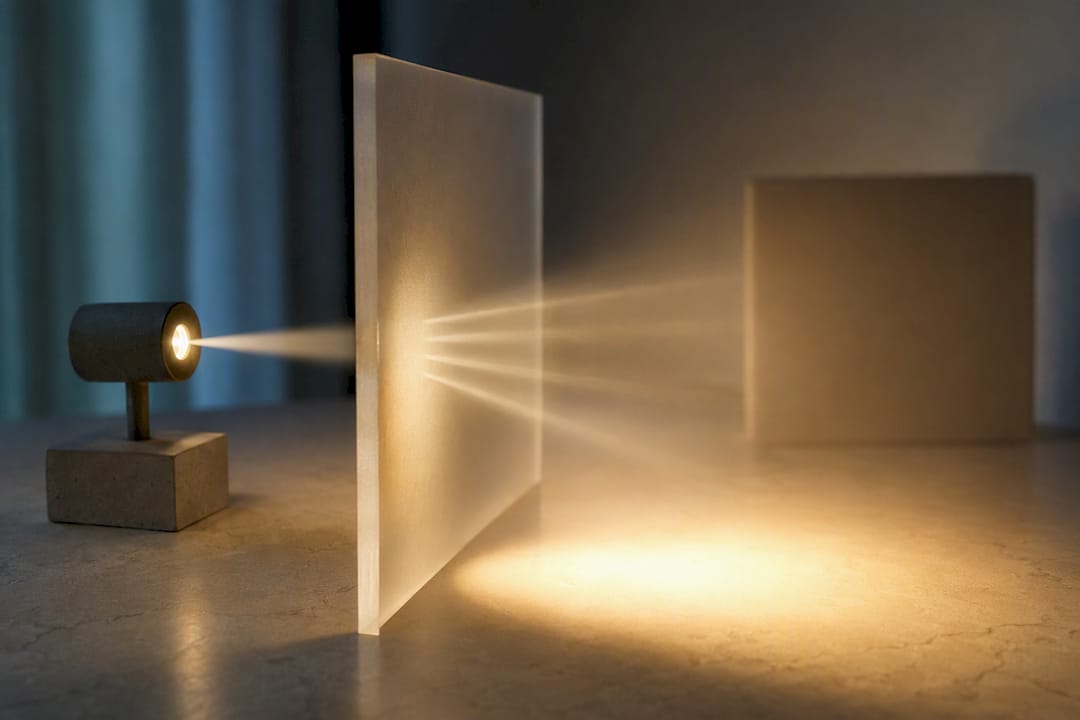
High-performance insulated translucent panels close the gap between diffuse daylight and thermal control. Systems in this category report U-values between roughly 0.14 and 0.28 W/m²K alongside SHGC as low as 0.09, letting you push daylight deep into a room without the summer heat gain a single-layer panel would bring.
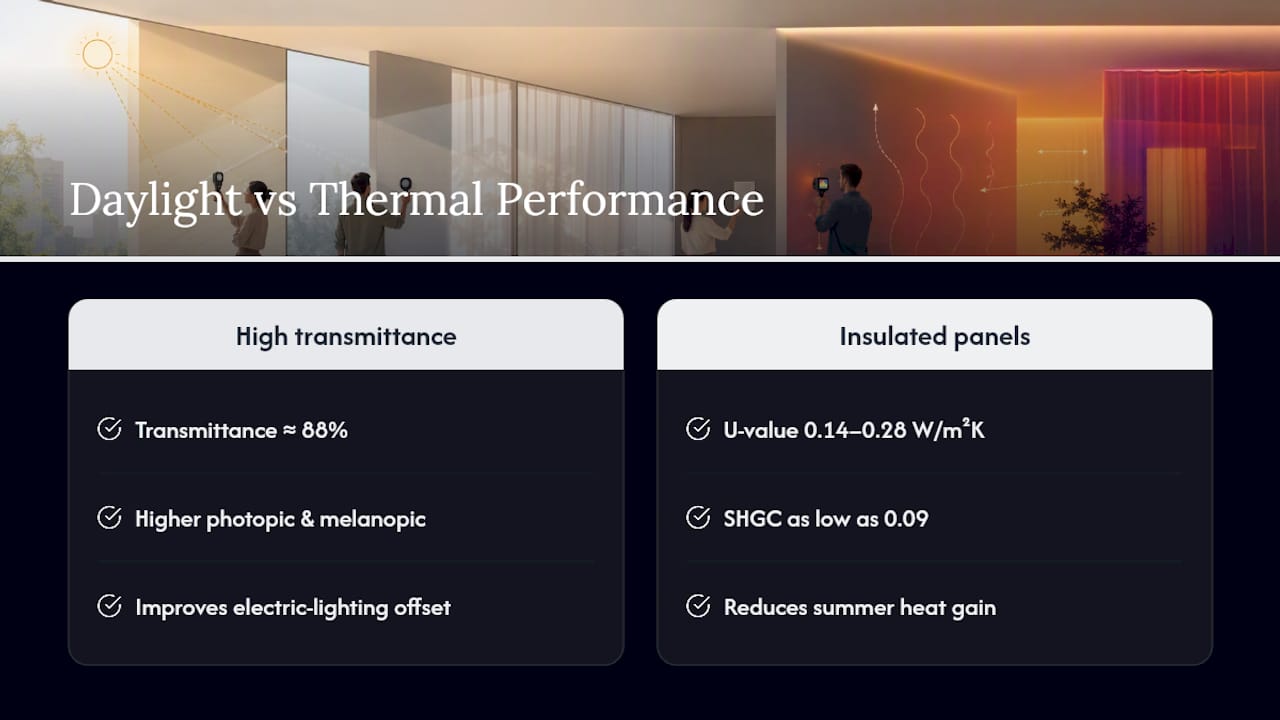
Before you specify anything facing south or west, run through orientation, shading, and how the artificial-lighting plan fills gaps on overcast days. Skipping that step is how translucent façades end up needing supplemental cooling nobody budgeted for.
Specifying Translucent Materials: A Testing Checklist
Skip a sample test and you’re gambling with the final install. Run through these steps before you sign off on any translucent material:
- Backlight the actual sample with a concentrated torch at the planned mounting distance and inspect for hot spots or uneven diffusion.
- Repeat the check under daylight and again under your planned evening electric light, since color shifts often only appear across different lighting conditions.
- Confirm mounting clearance is generous enough to avoid visible point sources behind the diffuser.
- Recalculate your lumen budget for the specified fixture output, since diffusion always costs you some flux.
- Test color swatches under the room’s actual planned color temperature, not a showroom bulb.
Pro Tip: Metamerism, where two swatches match under one light but clash under another, is the single most common callback on translucent material jobs. A five-minute evening test avoids it entirely.
Bringing Translucency Home Through Window Treatments
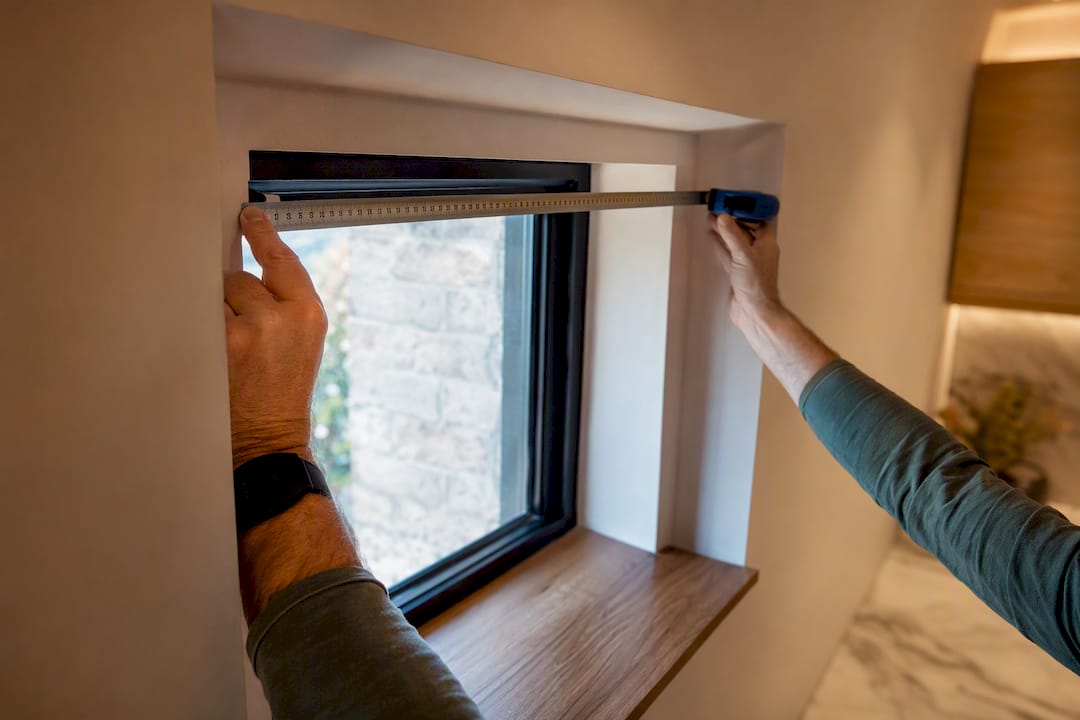
Window treatments are the most accessible entry point into translucency for most interiors. Light filtering sheer shades and roller sheers both deliver diffuse daylight without hard sightlines, and the fabric’s openness percentage is your real control knob. Screens around 1% to 3% openness in light colors hold daytime privacy while retaining a soft view, while 10% openness opens the view but drops nighttime privacy once interior lights come on.
- Order free fabric swatches and test them against your room’s actual light before committing
- Measure carefully, since fabric drape changes diffusion at the edges of a panel
- Consider motorized day-night combinations for rooms that need both daytime glow and evening blackout
Choosing Translucency for Balanced Comfort
My policy on translucency is simple: use it wherever a client wants daylight without giving up privacy, and never where acoustic separation is the actual goal. A recent brief asked for a bedroom that felt bright and airy by day, private by evening, and gently lit from outside after dark, which is exactly the layered privacy and lantern effect translucent screens are built for.
— Sunny
Getting the Right Translucent Shades for Your Space
Getting translucency right at home comes down to matching fabric openness and material to what the room actually needs. The Deluxe Light Filtering Cellular Shades combine diffusion with real thermal performance, closing the gap between a pretty glow and an energy bill you’ll regret. For rooms that need both daytime softness and full evening privacy, the Motorized Day and Night Cellular Shades let you switch between the two without swapping hardware.
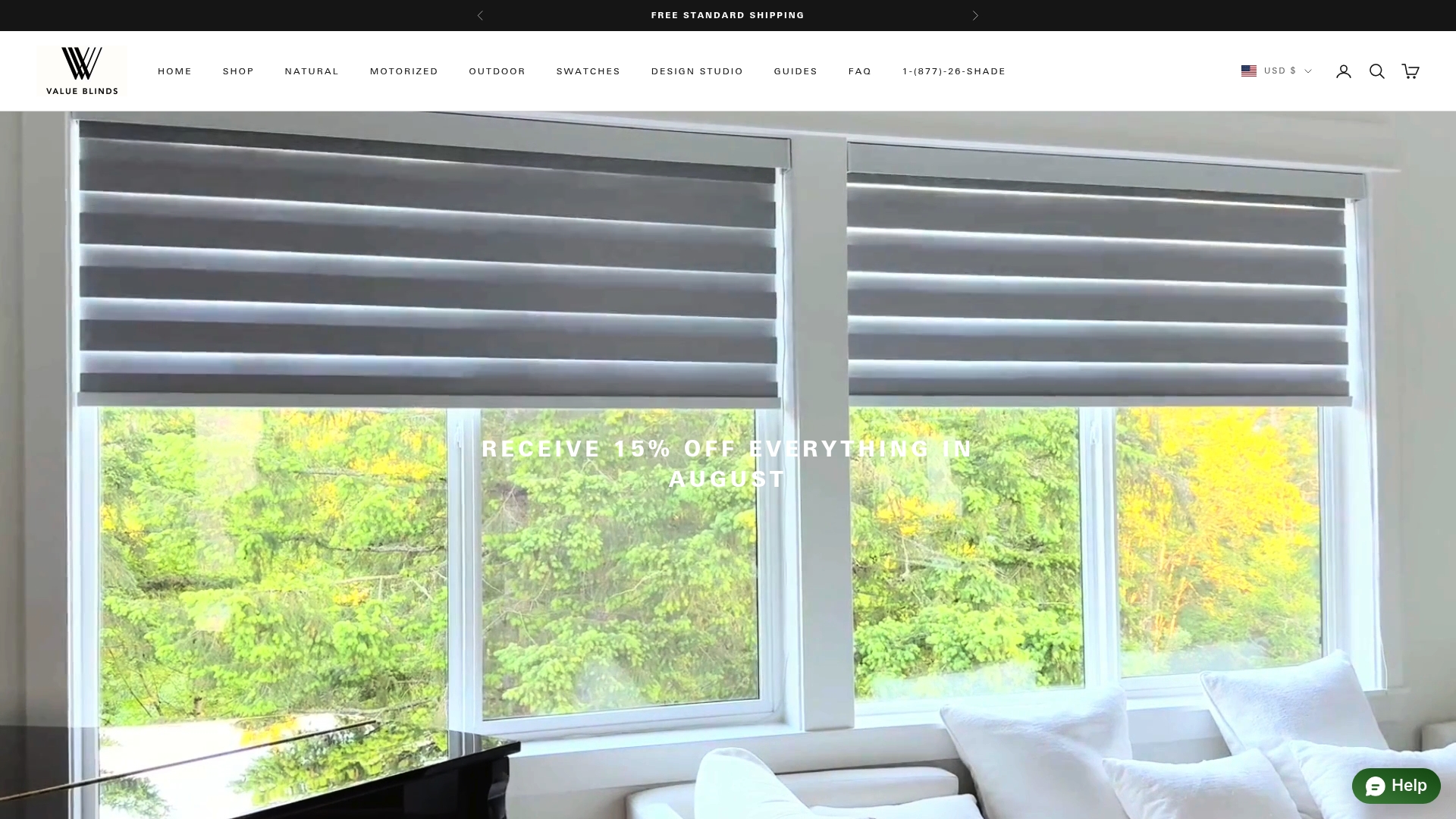
If you’re weighing openness percentages the way this guide describes, start with free swatches and the Window Treatment Design Studio to test fabric against your actual window before you order. Larger openings, like sliding doors, often do better with vertical blinds than sheers, so browse the full blinds collection if your project spans more than one window type. Order swatches, measure your space, and seek expert support on specifications before committing to your window treatment choice.
Sources
- PMC — Translucency definition and effects
- SHS Conferences — Translucent concrete study
- MDPI Buildings — glazing transmittance effects on illuminance and spectrum