
Motorized Blinds Remote Control: Smart Living Made Easy
Nearly half of urban American homeowners now prioritize smart technology when upgrading their living spaces. With the growing demand for energy-efficient solutions and sleek aesthetics, motorized blinds offer a powerful blend of style and convenience. Discover how these intelligent window treatments simplify daily life, boost comfort, and help maximize energy savings in even the most modern North American homes.
Table of Contents
- Defining Motorized Blinds Remote Control Systems
- Comparing Manual, Remote, and Smart Control Options
- How Motorized Blinds Integrate with Smart Homes
- Cost, Energy, and Installation Considerations
- Common Challenges and How to Avoid Them
Key Takeaways
| Point | Details |
|---|---|
| Motorized Blinds Enhance Convenience | These systems allow for remote control and automation, making window adjustments simple and accessible. |
| Integration with Smart Homes | Motorized blinds can connect with existing smart home devices for optimal operation and convenience. |
| Energy Efficiency Benefits | Advanced models can help reduce energy costs by adjusting automatically based on environmental conditions. |
| Installation and User Experience | Proper installation and intuitive controls are essential to maximize user satisfaction and minimize complications. |
Defining Motorized Blinds Remote Control Systems
Motorized blinds remote control systems represent a sophisticated technological solution for automated window treatments, transforming how homeowners interact with their interior environments. These advanced systems integrate precision motor technology and wireless control mechanisms to provide seamless, convenient blind adjustment at the touch of a button. Integrated motor drivers with position sensors enable precise, noise-reduced operation that protects mechanical components while delivering exceptional user control.
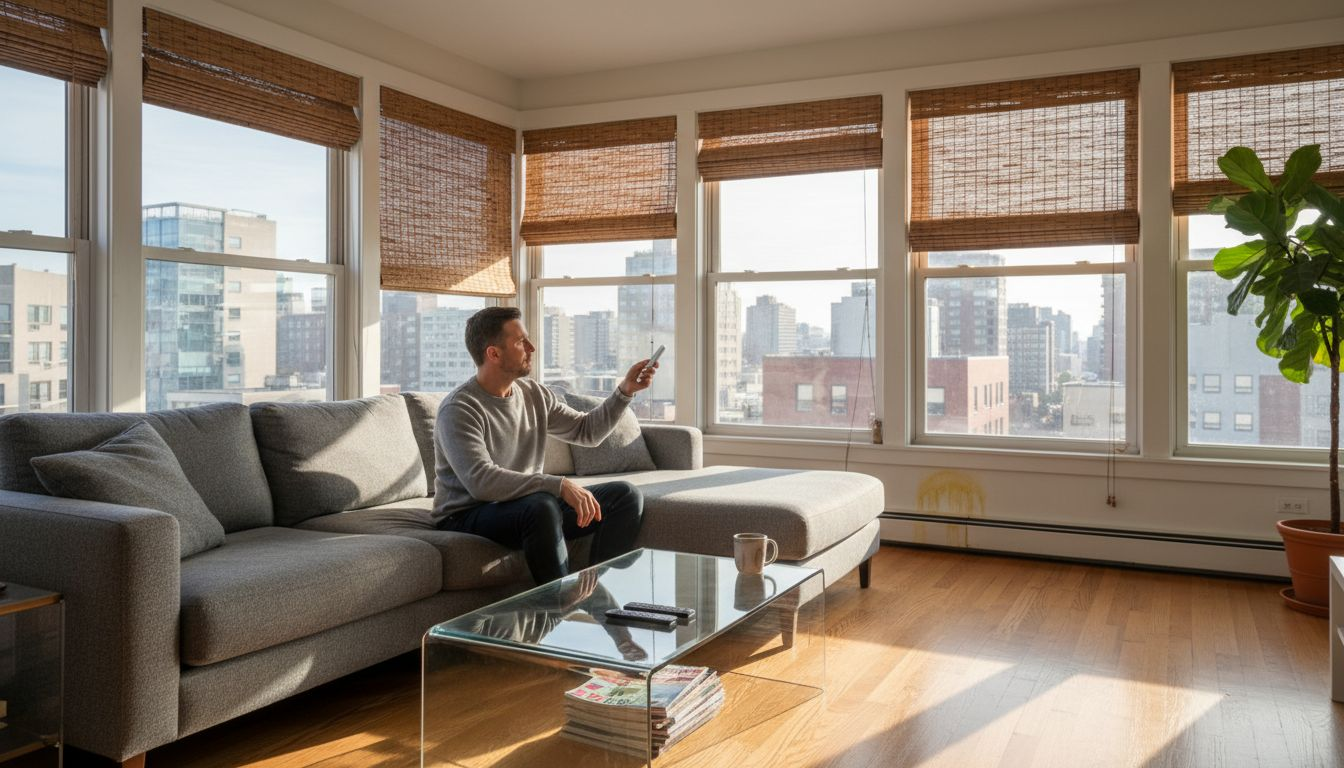
The core functionality of these systems revolves around wireless communication protocols that allow users to adjust window coverings remotely. Homeowners can now control their blinds through dedicated remote controls, smartphone applications, or even voice-activated smart home systems. These systems often incorporate multiple control methods, giving users flexibility in how they manage their window treatments. Whether adjusting for sunlight intensity, privacy needs, or energy efficiency, motorized blinds provide unprecedented convenience and customization.
Unique technological features distinguish modern motorized blind systems from traditional manual window coverings. Building automation studies demonstrate that these systems balance automated functionality with user preferences, allowing manual overrides and custom settings based on environmental factors. Advanced models include sensors that can automatically adjust based on sunlight intensity, room temperature, or time of day, creating an intelligent window treatment solution that adapts to changing conditions.
Pro Tip: When selecting a motorized blinds system, prioritize compatibility with your existing smart home ecosystem to ensure seamless integration and maximum convenience.
Comparing Manual, Remote, and Smart Control Options
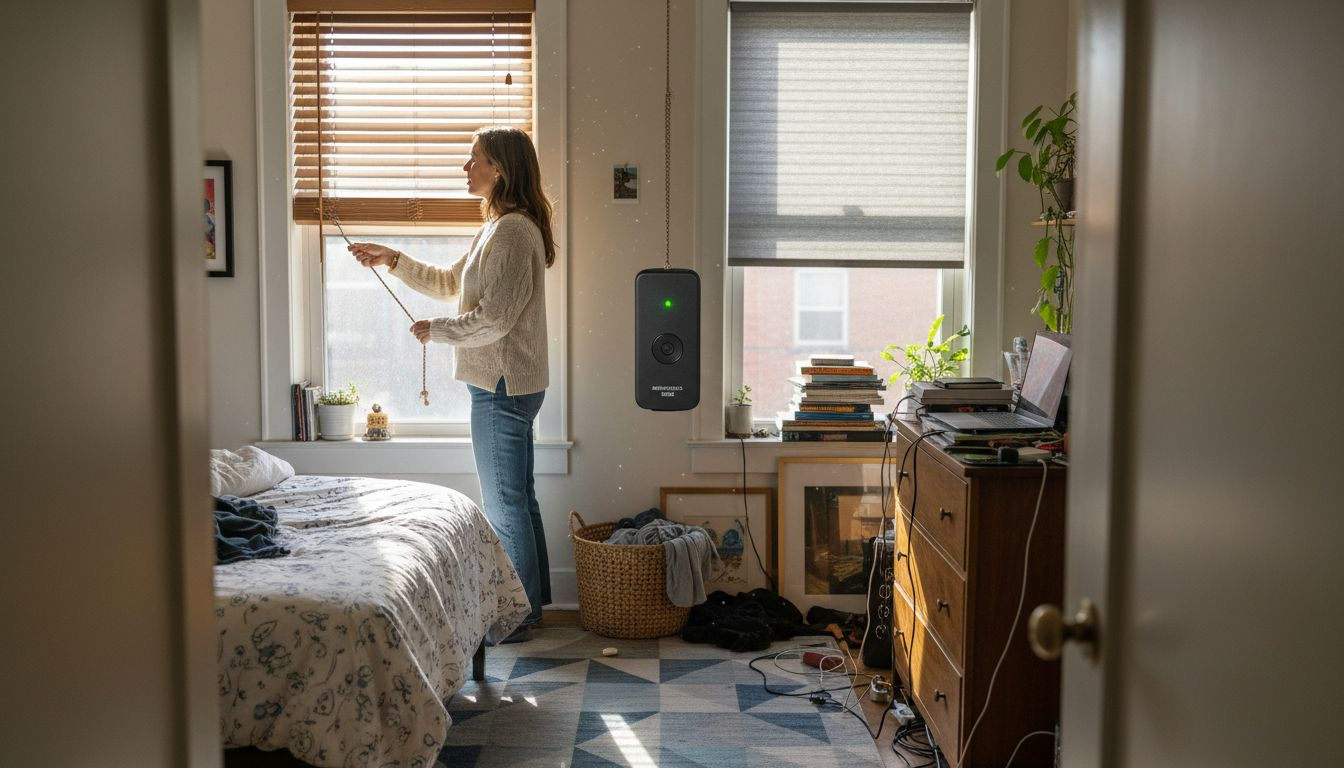
Window treatment control technologies have evolved dramatically, offering homeowners increasingly sophisticated options for managing their blinds. Automated control strategies range from basic manual operation to comprehensive smart home integration, each approach presenting unique advantages and limitations. Manual blinds represent the most traditional method, requiring direct physical interaction and offering the lowest initial cost but demanding significant personal effort for adjustment.
Remote-controlled motorized blinds introduce a significant leap in convenience, eliminating the need for manual manipulation. These systems allow users to adjust window coverings using dedicated handheld remotes or wall-mounted controls, providing quick and effortless operation from anywhere in the room. Unlike manual blinds, remote options enable precise positioning and reduce physical strain, particularly beneficial for hard-to-reach windows or individuals with mobility challenges. Smart home research indicates that while these systems improve convenience, they offer more limited automation compared to fully integrated smart solutions.
Smart blind control represents the pinnacle of window treatment technology, offering comprehensive automation and integration with broader home ecosystems. These advanced systems can connect to smartphone applications, voice assistants, and environmental sensors, enabling dynamic adjustments based on sunlight intensity, room temperature, and time of day. Advanced models can automatically optimize energy efficiency, adjust for glare prevention, and create personalized scenes that enhance both comfort and home aesthetics. While typically the most expensive option, smart blinds provide the most comprehensive control and potential long-term energy savings.
Pro Tip: Consider your specific needs, budget, and technical comfort level when selecting between manual, remote, and smart blind control options, prioritizing functionality that genuinely improves your daily living experience.
Here is a comparison of manual, remote, and smart control options for window treatments:
| Control Method | Control Mechanism | User Effort Required | Main Benefit |
|---|---|---|---|
| Manual Blinds | Physical adjustment | High | Lowest upfront cost |
| Remote-Controlled | Handheld or wall remote | Low | Convenient for hard-to-reach windows |
| Smart Blinds | Smartphone or voice control | Minimal | Automates adjustments, saves energy |
How Motorized Blinds Integrate with Smart Homes
Motorized blinds have transformed from simple window coverings to sophisticated smart home components, seamlessly blending technological convenience with home automation ecosystems. Smart home integration enables comprehensive control through multiple platforms, including smartphone applications, voice assistants, and automated scheduling systems. These advanced window treatments now function as intelligent nodes within comprehensive home management networks, responding dynamically to environmental conditions and user preferences.
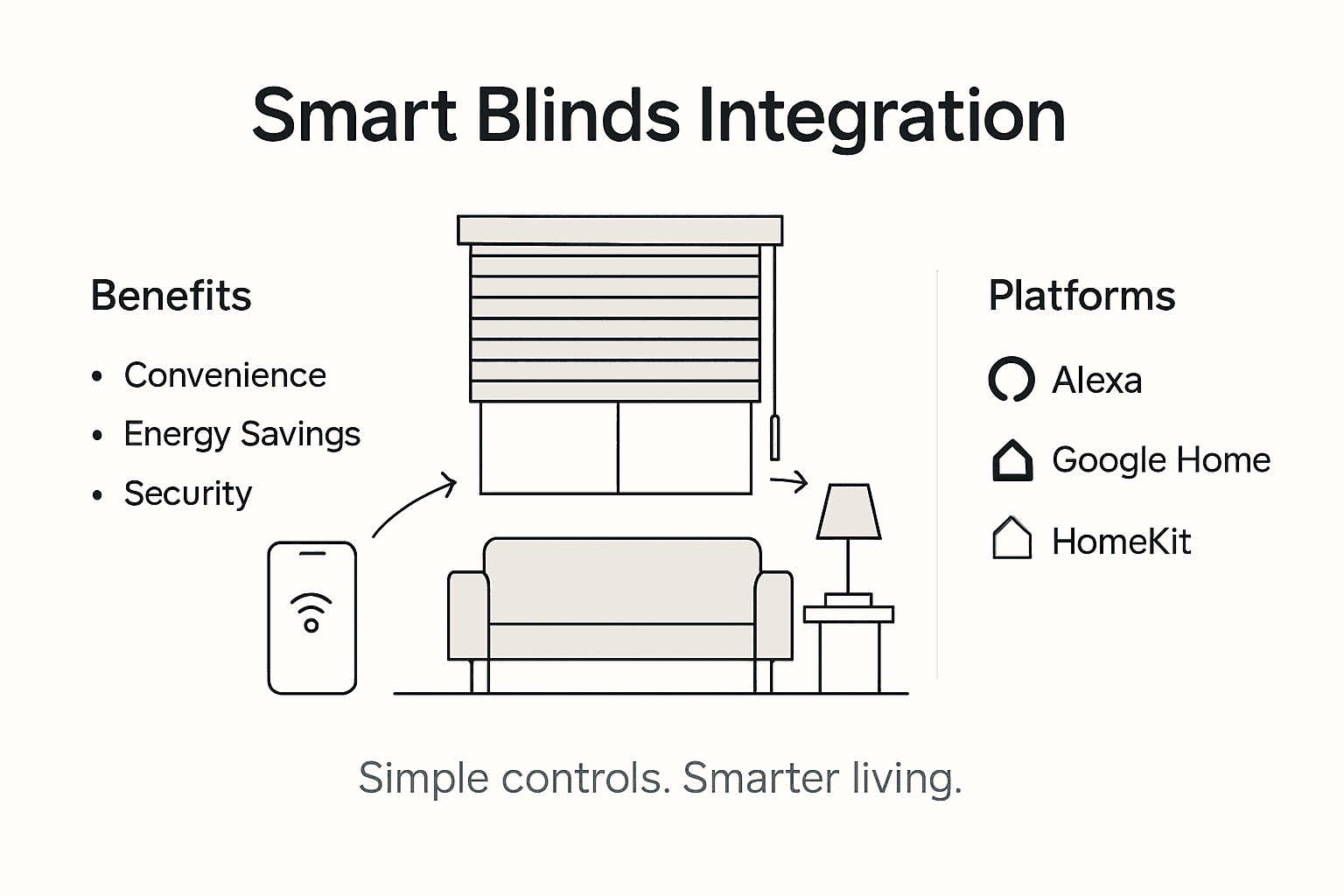
The connectivity of motorized blinds extends far beyond simple remote operation. Modern systems can communicate with other smart home devices, creating synchronized experiences that enhance comfort, energy efficiency, and home security. For instance, blinds can automatically adjust based on sunlight intensity, working in tandem with smart thermostats to optimize indoor temperature and reduce energy consumption. During periods of absence, these intelligent systems can simulate occupancy by randomizing blind movements, providing an additional layer of home security that traditional window treatments cannot offer.
Integration platforms like Amazon Alexa, Google Home, and Apple HomeKit have standardized protocols that allow motorized blinds to become intuitive components of broader smart home ecosystems. Homeowners can now create complex automation scenarios - such as having blinds automatically lower during peak sunlight hours, raise during morning hours to wake up naturally, or close completely when home security systems are activated. This level of customization transforms window treatments from passive home elements into active, responsive components that adapt to residents’ lifestyles and environmental conditions.
Pro Tip: Prioritize motorized blind systems with wide compatibility and robust integration capabilities to ensure seamless connectivity with your existing and future smart home technologies.
Cost, Energy, and Installation Considerations
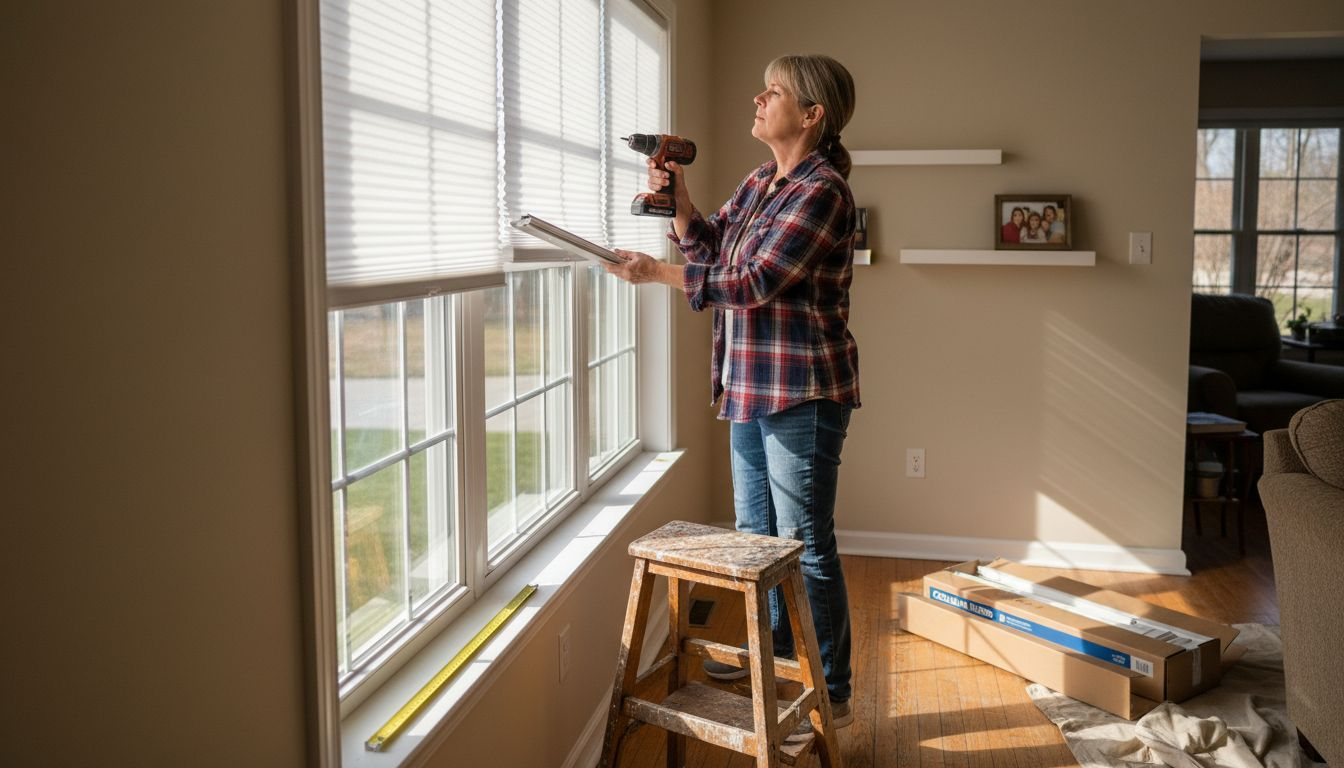
Motorized blinds represent a significant investment that extends beyond initial purchase price, encompassing complex considerations of installation, energy efficiency, and long-term value. Research indicates that installation complexity directly influences system costs, with factors like integration sophistication and automation capabilities driving pricing variations. Homeowners must carefully evaluate not just upfront expenses, but potential energy savings and enhanced home functionality that these advanced window treatments provide.
The energy efficiency potential of motorized blinds represents a compelling financial argument for their adoption. Advanced systems can dramatically reduce heating and cooling demands by automatically adjusting based on sunlight intensity and environmental conditions. Adaptive control strategies have demonstrated the ability to minimize overall building energy consumption, creating a compelling return on investment that offsets initial installation costs. Precise sensor-driven adjustments can help regulate indoor temperatures more effectively than traditional manual window treatments, potentially generating measurable utility bill reductions.
Field studies on building automation reveal that user experience remains critical in successful motorized blind installations. While these systems offer sophisticated automation, manufacturers must balance technological complexity with intuitive manual override capabilities. Installation considerations extend beyond mere technical implementation, requiring careful assessment of compatibility with existing home infrastructure, electrical requirements, and the specific architectural characteristics of individual spaces. Successful integration demands a holistic approach that considers not just technological capabilities, but also user comfort and ease of interaction.
Pro Tip: Request detailed energy efficiency projections and installation assessments from professionals before committing to a motorized blind system to ensure optimal performance and cost-effectiveness.
Key installation and efficiency considerations for motorized blinds are summarized below:
| Factor | Impact on System | Homeowner Benefit |
|---|---|---|
| Installation Complexity | Influences total cost | Smoother integration, fewer issues |
| Energy Efficiency | Reduces utility expenses | Lower long-term energy bills |
| Compatibility | Determines integration ease | Works with existing smart devices |
| User Experience | Affects daily use satisfaction | Easier operation and personalization |
Common Challenges and How to Avoid Them
Motorized blind systems present unique technological challenges that can compromise performance and user satisfaction if not carefully addressed. Optimal control strategies require precise calibration to balance complex factors like glare prevention, energy efficiency, and individual user preferences. Overly sophisticated automation can lead to erratic blind movements, high computational demands, and unpredictable system behavior that frustrates homeowners seeking seamless window treatment experiences.
Technical performance represents another critical consideration in motorized blind implementation. Integrated sensing technologies help mitigate potential mechanical issues, addressing challenges like accurate position tracking, noise reduction, and preventing motor overdriving. Advanced systems now incorporate sensorless current feedback mechanisms that minimize component complexity while improving overall system reliability. These innovations help prevent mechanical damage, reduce electromagnetic interference, and ensure quiet, consistent blind operation across diverse environmental conditions.
User experience remains paramount in successful motorized blind adoption. While advanced technological features are appealing, they must be balanced with intuitive control interfaces that allow easy manual override and personalization. Homeowners often struggle with systems that feel too complex or unresponsive, so manufacturers must design interfaces that feel natural and adaptable. This means creating control mechanisms that seamlessly blend automated intelligence with straightforward, user-friendly interactions that make technological sophistication feel effortless and accessible.
Pro Tip: Always request a comprehensive demonstration of the motorized blind system’s manual controls and automation features before installation to ensure the technology matches your comfort level and practical needs.
Upgrade Your Home with Smart Motorized Blinds Today
If you are ready to solve the challenge of balancing convenience, energy efficiency, and seamless integration in your living space, explore premium motorized blind options at Value Blinds. Our selection includes customizable motorized shades designed to bring precise remote control and smart home compatibility to every room. With features like cordless operation, blackout fabrics, and energy-saving technology, you can enjoy effortless control and enhanced comfort every day.
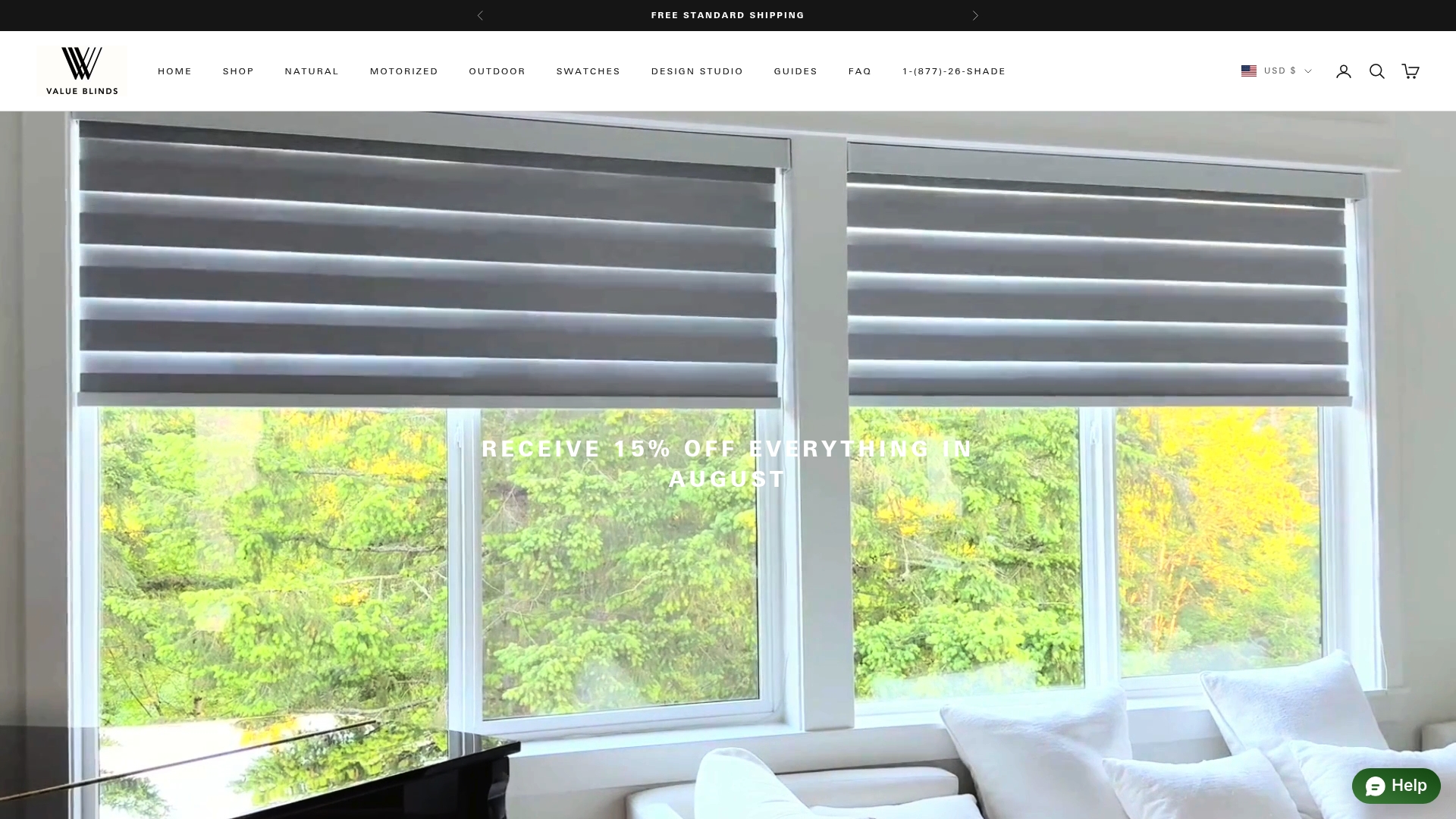
Discover the future of window treatments through our New Arrivals that combine innovation with style. Act now to transform your home with smart motorized blinds that integrate perfectly with your smart home ecosystem. Visit Value Blinds and select your perfect solution for a smarter, more comfortable living environment.
Frequently Asked Questions
What are motorized blinds remote control systems?
Motorized blinds remote control systems are advanced window treatments that can be adjusted via remote control, smartphone applications, or voice-activated smart home systems. They offer convenience and customization, allowing homeowners to control their blinds effortlessly.
How do motorized blinds integrate with smart home systems?
Motorized blinds can connect with various smart home platforms, such as Amazon Alexa, Google Home, and Apple HomeKit, creating synchronized experiences that enhance comfort and energy efficiency. They can automatically adjust based on sunlight intensity and other environmental factors.
What are the differences between manual, remote-controlled, and smart blinds?
Manual blinds require physical adjustment, remote-controlled blinds use handheld or wall remotes for convenience, and smart blinds offer comprehensive automation with connectivity to smartphones and voice controls, providing the most advanced functionality.
What should I consider before installing motorized blinds?
Before installation, evaluate the complexity of the installation process, compatibility with existing home systems, energy efficiency potential, and the overall user experience. Request detailed energy efficiency projections and installation assessments from professionals to ensure optimal performance.