


Natural Blinds: Eco-Friendly Style and Savings
Finding beautiful window coverings that truly support an eco-conscious lifestyle can feel challenging for many American homeowners. Over 60 percent of energy loss in homes occurs through windows, yet the right natural blinds can lower costs while improving daily comfort. Discover how sustainable materials and customizable designs transform interiors, helping you create a stylish space that also supports practical energy savings.
Table of Contents
- What Are Natural Blinds And Why Choose Them
- Popular Types Of Natural Blinds Explained
- Materials, Certifications, And Safety Features
- How Natural Blinds Enhance Energy Efficiency
- Comparing Natural Blinds With Other Options
- Buying Tips And Common Eco Mistakes To Avoid
Key Takeaways
| Point | Details |
|---|---|
| Sustainable Materials | Natural blinds are made from renewable materials like bamboo and wood, reducing plastic waste and promoting ecological preservation. |
| Energy Efficiency | They help regulate indoor temperatures, reducing energy consumption and potentially lowering utility bills. |
| Safety and Certifications | Look for products with safety certifications that ensure child safety and environmental responsibility. |
| Informed Purchasing | Evaluate window coverings based on material sourcing and third-party certifications to avoid greenwashing and make responsible choices. |
What Are Natural Blinds and Why Choose Them
Natural blinds represent an innovative window treatment solution crafted from renewable materials like bamboo, wood, grasses, and other organic resources. These eco-conscious alternatives provide homeowners with a stylish and sustainable approach to managing indoor light and temperature. Environmentally responsible window coverings offer more than aesthetic appeal, delivering significant environmental and practical benefits for conscientious households.
The core appeal of natural blinds lies in their sustainable composition. Unlike synthetic window treatments that contribute to plastic waste, these products utilize biodegradable materials that have minimal environmental impact. Biodegradable resources create window treatments that not only enhance home design but also support ecological preservation. Wood, bamboo, and grass-based blinds can naturally decompose, ensuring they do not persist in landfills or environmental ecosystems for generations.
Beyond environmental advantages, natural blinds provide remarkable functional benefits. They effectively regulate indoor temperatures, reducing energy consumption by blocking excessive sunlight during summer and trapping warmth during winter months. Homeowners can expect potential energy savings, improved thermal comfort, and a reduction in artificial lighting needs. The materials used in natural blinds - such as bamboo and wood - inherently possess excellent insulation properties, making them a smart choice for energy-conscious residents.
Pro Tip: When selecting natural blinds, prioritize materials sourced from certified sustainable forests to maximize your environmental impact and ensure responsible manufacturing practices.
Popular Types of Natural Blinds Explained
Natural blinds offer a diverse range of styles that blend eco-friendly materials with innovative design solutions. Window blind systems encompass multiple configurations that cater to different aesthetic and functional preferences, including Venetian, vertical, Roman, roller, and panel designs. Each type leverages the unique properties of plant-based materials like wood, bamboo, and grass to create window treatments that are both visually appealing and environmentally responsible.
Wooden blinds represent one of the most popular natural blind options, featuring classic horizontal slats that can be adjusted for precise light control. Bamboo blinds offer a more textured, organic appearance, often woven into intricate patterns that add visual depth to interior spaces. Sustainable blind systems provide advanced light management through carefully designed mechanisms that allow homeowners to modulate sunlight, reduce glare, and improve overall energy efficiency.

Vertical and panel natural blinds present alternative solutions for larger windows and sliding glass doors. These styles utilize natural materials like woven grasses, sustainably sourced wood, and lightweight bamboo to create versatile window coverings that can completely transform a room’s ambiance. The inherent flexibility of these natural materials allows for customized light filtering, thermal regulation, and aesthetic enhancement that synthetic alternatives cannot match.
Pro Tip: When selecting natural blinds, measure your windows precisely and consider the room’s sunlight exposure to choose the most effective style and material for optimal performance.
Here’s a quick overview of the most common types of natural blinds and where they work best:
| Blind Type | Best Use | Distinct Feature |
|---|---|---|
| Wooden | Living rooms, offices | Adjustable horizontal slats |
| Bamboo | Bedrooms, sunrooms | Textured woven appearance |
| Grass-based | Eco-themed spaces | Light diffusion, organic look |
| Panel/Vertical | Sliding doors, large windows | Easy access, space-saving design |
Materials, Certifications, and Safety Features
Natural blinds represent a complex ecosystem of materials, safety standards, and environmental certifications that go far beyond simple window coverings. Standardized material selection processes ensure that manufacturers use high-quality, non-toxic materials like certified hardwood, bamboo, jute, and untreated natural fibers. These rigorous standards help consumers identify truly sustainable and safe window treatment options that meet stringent quality benchmarks.
Safety has become a paramount concern in window covering design, particularly regarding child protection. Recent federal safety standards dramatically transform window covering regulations, mandating cordless designs or advanced cord management systems. These new guidelines prioritize preventing potential strangulation hazards while maintaining the aesthetic and functional qualities of natural blinds. Manufacturers now must implement innovative solutions that eliminate traditional cord risks without compromising the product’s performance.
Certification programs have evolved to encompass multiple dimensions of sustainability and safety. Beyond material sourcing, these programs now evaluate indoor air quality, material toxicity, manufacturing processes, and long-term environmental impact. Consumers can now look for specific certifications that demonstrate a blind’s commitment to ecological responsibility, such as Forest Stewardship Council (FSC) certification for wood products, Global Organic Textile Standard (GOTS) for natural fibers, and Greenguard certifications for low chemical emissions.
Pro Tip: Always request certification documentation and ask manufacturers about their specific safety standards before purchasing natural blinds.
Use this table to decode certification labels and understand their focus:
| Certification | Primary Focus | Ideal For |
|---|---|---|
| Forest Stewardship Council | Sustainable wood sourcing | Wood, bamboo blinds |
| Global Organic Textile Standard | Organic natural fibers | Grass, jute, fabric blinds |
| Greenguard | Low chemical emissions | Indoor air quality concerns |
How Natural Blinds Enhance Energy Efficiency
Energy-efficient window technologies represent a critical strategy for homeowners seeking to reduce energy consumption and improve indoor comfort. Natural blinds serve as an intelligent thermal barrier, preventing solar heat gain during summer and reducing heat loss during winter months. By strategically managing sunlight and temperature, these window treatments can significantly lower energy bills and create a more sustainable living environment.

Wooden and bamboo blinds offer exceptional thermal performance through their unique material properties. Advanced energy-efficient building technologies demonstrate that natural materials can optimize daylight management while minimizing energy consumption. These blinds create an insulating air pocket between the window and interior space, effectively blocking radiant heat and reducing the workload on heating and cooling systems. Automated or strategically positioned natural blinds can further enhance this efficiency by adapting to changing sunlight conditions throughout the day.
The economic and environmental benefits of natural blinds extend beyond immediate energy savings. By reducing reliance on artificial heating and cooling, homeowners can decrease their carbon footprint and minimize long-term energy expenses. The inherent thermal properties of materials like bamboo and wood provide natural insulation, creating a more stable indoor temperature and reducing the need for constant mechanical temperature regulation. This approach not only saves money but also contributes to a more sustainable and environmentally conscious home design.
Pro Tip: Install natural blinds with light-colored surfaces to maximize solar reflection and enhance overall thermal efficiency.
Comparing Natural Blinds With Other Options
Comparative window covering research reveals significant differences between natural blinds and synthetic alternatives. Natural blinds distinguish themselves through superior sustainability, aesthetic versatility, and environmental consciousness. While synthetic options like vinyl or aluminum blinds offer basic functionality, natural materials provide a nuanced approach to light control, thermal regulation, and interior design that goes beyond mere window coverage.
When evaluating performance metrics, window treatment studies demonstrate that natural blinds often outperform synthetic counterparts in key areas. Bamboo, wood, and grass-based window coverings deliver exceptional thermal insulation, create more effective light-filtering capabilities, and contribute to improved indoor air quality. Synthetic blinds typically lack the breathable, organic properties that make natural materials adaptable to changing environmental conditions, resulting in more static and less responsive window treatments.
Economic considerations further highlight the advantages of natural blinds. While initial investment might be slightly higher compared to mass-produced synthetic options, the long-term benefits include enhanced energy efficiency, reduced maintenance costs, and increased home value. Natural materials age gracefully, developing a rich patina that synthetic blinds cannot replicate. Additionally, these eco-friendly window coverings align with growing consumer preferences for sustainable home design, offering homeowners an opportunity to reduce their environmental footprint without compromising style or functionality.
Pro Tip: Request samples of different natural blind materials to compare texture, light transmission, and thermal properties before making a final selection.
Buying Tips and Common Eco Mistakes to Avoid
Sustainable purchasing requires strategic knowledge and careful investigation beyond surface-level marketing claims. Comprehensive eco-label evaluation becomes critical when selecting natural blinds that genuinely support environmental responsibility. Many consumers fall into the greenwashing trap, mistaking attractive packaging or vague environmental language for authentic sustainability practices.
Key considerations for responsible natural blind purchasing include thoroughly examining material sourcing, manufacturing processes, and third-party certifications. Look for specific credentials like Forest Stewardship Council (FSC) certification for wood products, Global Organic Textile Standard (GOTS) for natural fibers, and Greenguard certification for low chemical emissions. These standardized markers provide concrete evidence of a product’s environmental commitment, moving beyond generic claims of eco-friendliness.
Common mistakes buyers frequently make include prioritizing price over sustainability, overlooking manufacturing transparency, and failing to understand the complete lifecycle of window treatments. Natural blinds represent a long-term investment that extends far beyond initial cost. Sustainable options might require a higher upfront investment but deliver significant returns through energy efficiency, durability, and reduced environmental impact. Consumers should request detailed information about material origins, production methods, and potential recyclability to make truly informed decisions.
Pro Tip: Request comprehensive documentation about a natural blind’s sustainability credentials and ask manufacturers specific questions about their environmental practices before making a purchase.
Elevate Your Home with Custom Natural Blinds for Energy Efficiency and Style
Discover how natural blinds can solve your challenges of sustainability, energy savings, and timeless design. If you want window treatments made from renewable materials that provide excellent thermal performance and child-safe cordless options, Value Blinds offers a broad catalog of customizable solutions including premium wooden and bamboo blinds. Each product is designed to blend eco-friendly style with practical benefits like light control and insulation to reduce your energy costs.
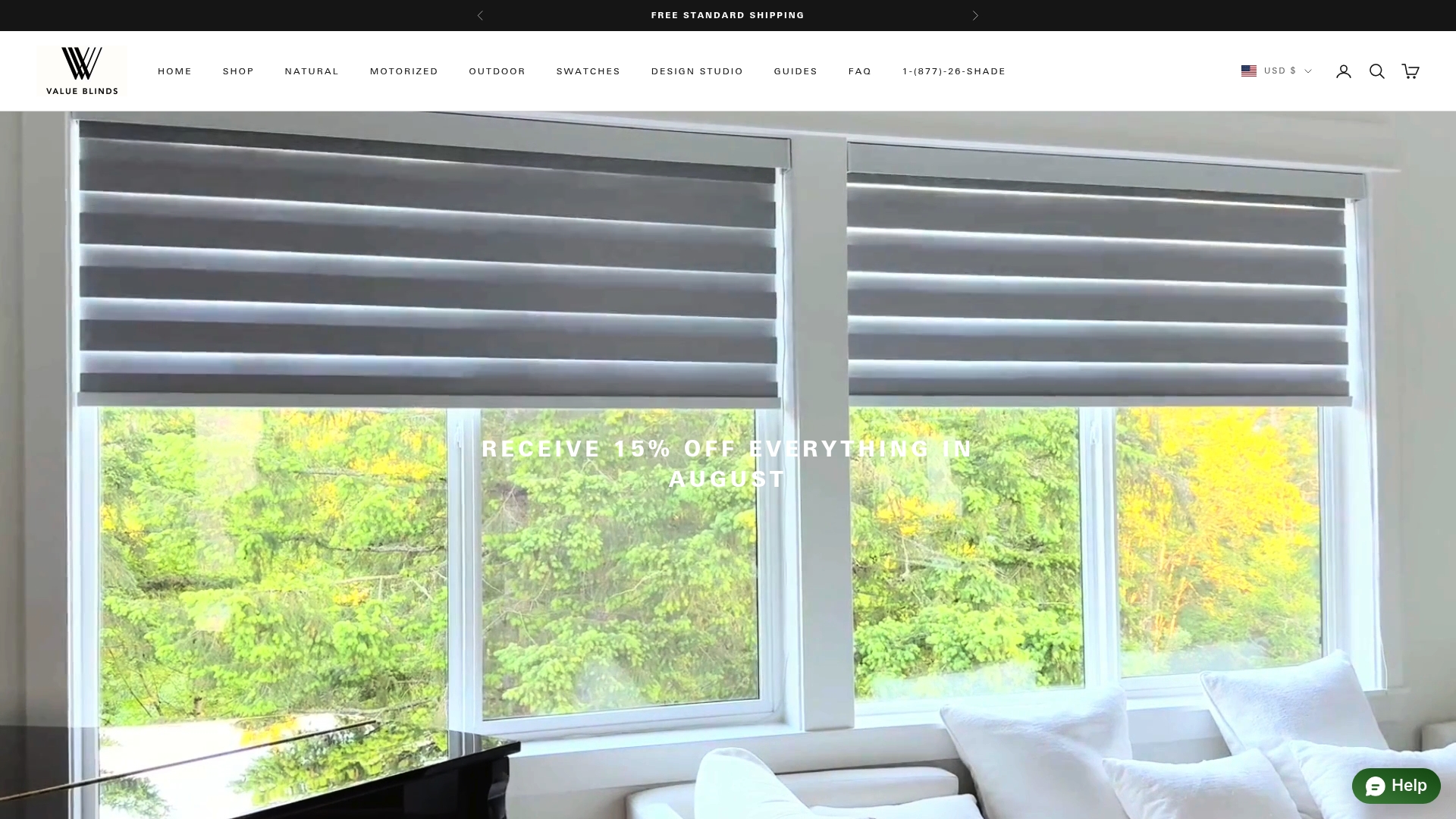
Take the next step to transform your living space sustainably by exploring our New Arrivals featuring the latest natural blind options. Need peace of mind with safe and quality choices? Check out our Fire Retardant selections that combine safety with style. Visit Value Blinds now for expert support, free swatches, and easy customization that bring your eco-friendly vision to life.
Frequently Asked Questions
What are natural blinds made of?
Natural blinds are crafted from renewable materials such as bamboo, wood, grasses, and other organic resources, making them an eco-friendly window treatment option.
How do natural blinds enhance energy efficiency in a home?
Natural blinds act as a thermal barrier, preventing solar heat gain during summer and reducing heat loss in winter. This leads to lower energy bills and improved indoor comfort by regulating temperatures effectively.
What types of natural blinds are available, and what are their unique features?
Common types of natural blinds include wooden blinds, bamboo blinds, and grass-based blinds. Wooden blinds have adjustable slats for precise light control, bamboo blinds offer a textured appearance, and grass-based blinds provide organic looks and light diffusion.
How can I ensure that the natural blinds I choose are safe for my home?
Look for natural blinds that comply with recent safety standards, including cordless designs or effective cord management systems. Additionally, check for third-party certifications to confirm their safety and non-toxic material composition.
Recommended
- Understanding Environmentally Friendly Blinds: Benefits and Insights
- Sustainable and Eco-Friendly Blinds: Discover Green Window Treatments
- 7 Smart Sustainable Home Improvements for Modern Living
- Understanding What Blinds Are in Style for Your Home
- What are the most cost-effective gutters? | Larry’s Gutters