
Kinds of Window Shades: Enhancing Style and Comfort
Most american households lose up to 30 percent of heating and cooling energy through untreated windows. In urban spaces where every design decision reflects personality and purpose, the choice of window shades goes far beyond simple decoration. Discover how versatile shade options can transform your interior style, improve energy efficiency, and offer customizable solutions that fit your daily life.
Table of Contents
- Window Shades Defined And Common Myths
- Popular Types Of Window Shades Compared
- Key Features And Customization Options
- Energy Efficiency And Light Control Benefits
- Selecting Shades: Common Mistakes To Avoid
Key Takeaways
| Point | Details |
|---|---|
| Window Shades Offer Versatility | Window shades provide more than decorative benefits; they enhance comfort, regulate temperature, and improve energy efficiency in homes. |
| Understanding Different Shade Types is Crucial | Each window shade type has unique characteristics that cater to various aesthetic and functional needs, helping homeowners make informed choices. |
| Customization Enhances Performance | Advanced motorization and material options allow for personalized control over light and energy efficiency, improving overall indoor comfort. |
| Avoid Common Selection Mistakes | Accurate measurements and appropriate material choices are essential to ensure effective light control and safety in window treatments. |
Window Shades Defined and Common Myths
Window shades represent versatile interior coverings designed to control light, provide privacy, and enhance home aesthetics. Window coverings function as more than just decorative elements, serving critical roles in temperature regulation and energy efficiency. These soft window treatments differ from traditional blinds by using a single piece of material that can be raised or lowered smoothly.
Contrary to popular misconceptions, window shades are not simply decorative accessories but sophisticated engineering solutions that dramatically impact indoor comfort. Window treatments encompass a broad range of materials and styles that go far beyond basic light blocking. Some homeowners mistakenly believe shades are uniform and limited in functionality, when in reality they offer incredible versatility - from blackout options for bedrooms to lightweight filtering fabrics for living spaces.
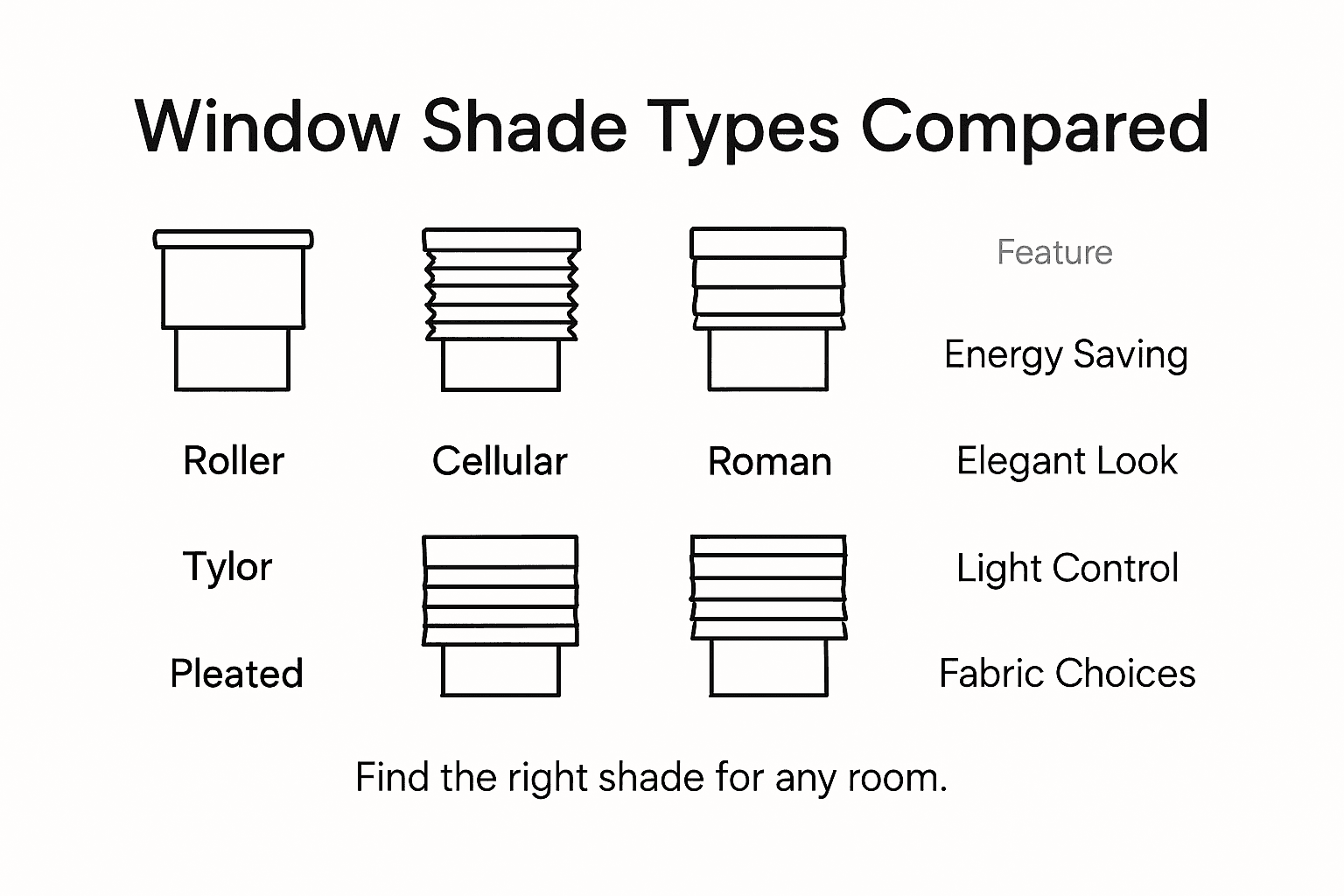
The primary categories of window shades include roller shades, cellular shades, roman shades, and pleated shades. Each type offers unique benefits: roller shades provide sleek minimalism, cellular shades deliver exceptional insulation, roman shades introduce soft elegance, and pleated shades create structured visual interest. Understanding these distinctions helps homeowners make informed design decisions that balance aesthetic preferences with practical performance requirements.
Here’s a comparison of the main window shade types, highlighting their strengths for different home needs:
| Shade Type | Best For | Standout Feature | Typical Material |
|---|---|---|---|
| Roller Shades | Modern, minimalist rooms | Clean, space-saving design | Vinyl, polyester |
| Cellular Shades | Energy-conscious homes | Superior thermal insulation | Spun lace fabric |
| Roman Shades | Elegant living areas | Soft, foldable fabric texture | Linen, velvet |
| Pleated Shades | Structured aesthetics | Crisp, lightweight pleated style | Paper, nonwoven |
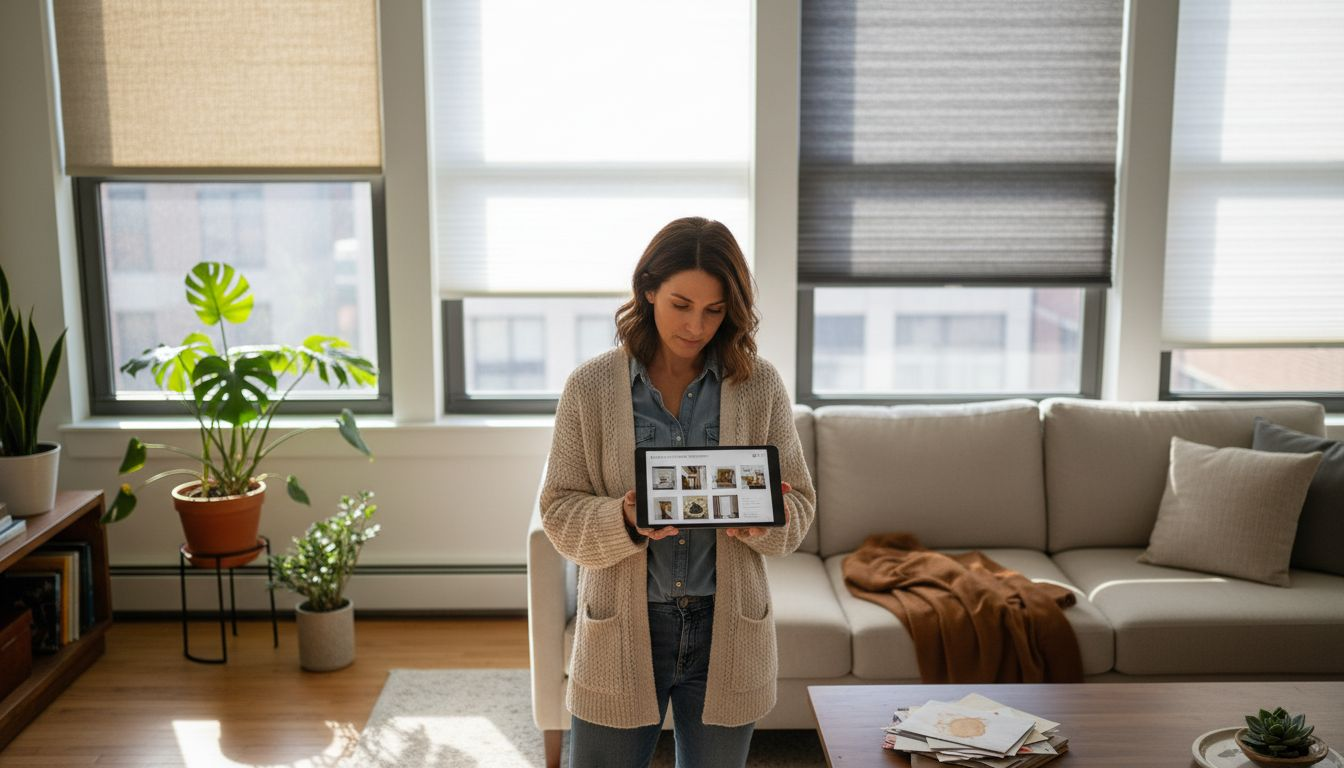
Pro tip: Before purchasing window shades, always obtain fabric samples to assess color, texture, and light filtering capabilities in your specific room’s lighting conditions.
Popular Types of Window Shades Compared
Window shades represent a sophisticated design solution with remarkable diversity, each type offering unique characteristics tailored to specific home environments. Window technologies vary significantly in their functional approaches, providing homeowners with extensive options for controlling light, temperature, and aesthetic appeal.
Roller Shades offer a sleek, minimalist design perfect for modern interiors. These streamlined window coverings roll smoothly up and down, providing clean lines and simple operation. Constructed from various materials like light-filtering fabrics, blackout textiles, and solar screens, roller shades excel at managing sunlight and maintaining interior temperature. Different shade types represent unique global design philosophies, with roller shades embodying contemporary minimalism.
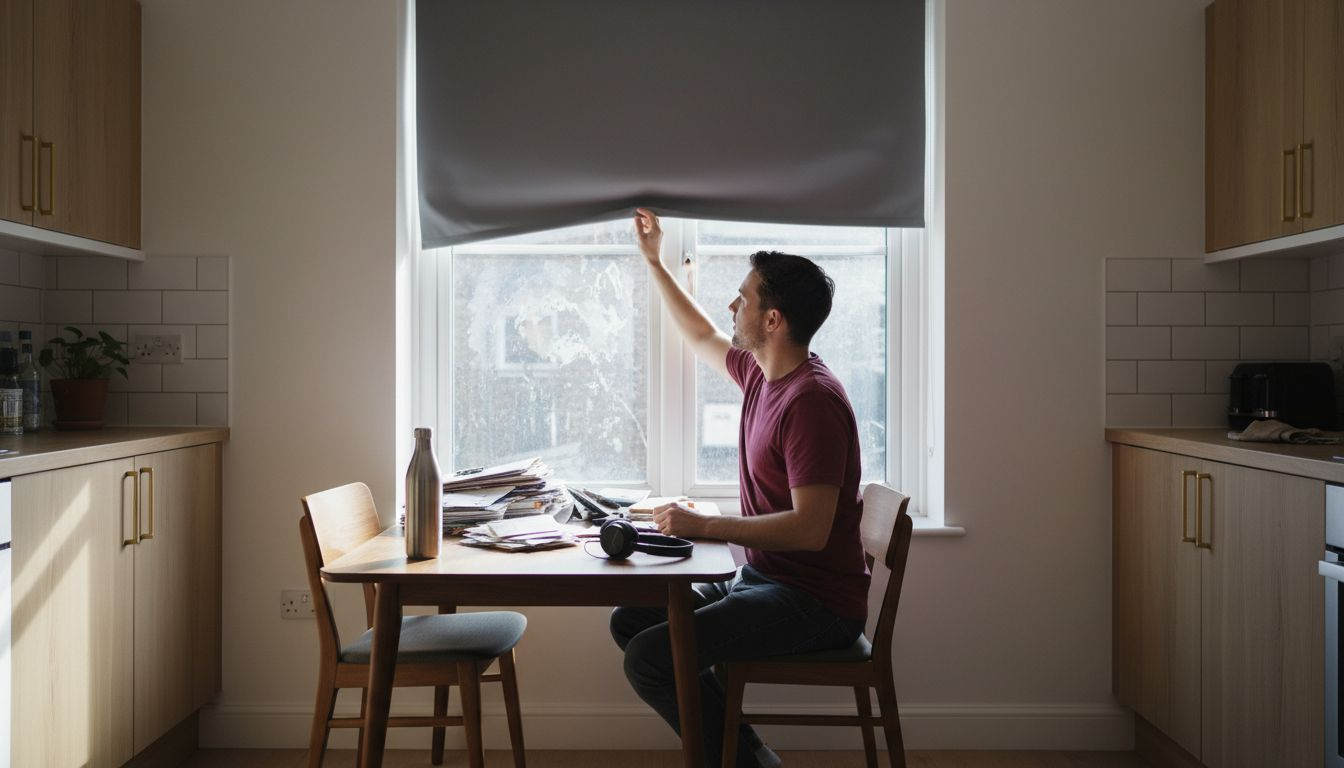
Cellular shades, alternatively known as honeycomb shades, represent a pinnacle of energy-efficient window treatments. Their distinctive hexagonal cellular structure creates air pockets that provide exceptional thermal insulation, trapping heat during winter and blocking solar warmth during summer. These shades come in single, double, and triple-cell configurations, offering graduated levels of insulation and light control. Their innovative design makes them particularly attractive for environmentally conscious homeowners seeking to reduce energy consumption.
Roman shades combine elegance with functionality, featuring soft fabric panels that fold gracefully when raised and create smooth, horizontal pleats when lowered. Available in diverse materials ranging from lightweight linens to rich velvet, they introduce sophisticated texture and depth to interior spaces. Their ability to provide complete light blockage or gentle filtering makes them versatile window treatments suitable for bedrooms, living rooms, and home offices.
Pro tip: Measure your window frames precisely and order sample swatches to test light filtering and color compatibility before making a final window shade selection.
Key Features and Customization Options
Energy-efficient window coverings offer homeowners an unprecedented range of customization possibilities, transforming windows from simple architectural elements into dynamic, intelligent home systems. Modern window shades go far beyond basic light blocking, integrating advanced technologies that enhance comfort, privacy, and energy management.
Motorization represents a cutting-edge customization feature that revolutionizes window shade interactions. These smart systems allow precise control through smartphone apps, remote controls, or voice-activated home assistants. Homeowners can program automated schedules for shade positioning, synchronizing window treatments with daily routines or creating sophisticated light management strategies. Some advanced motorized shades even include sensors that automatically adjust based on sunlight intensity and room temperature.
Material Customization provides another exceptional personalization avenue for window treatments. Innovative window covering technologies enable multiple insulation and light-filtering configurations, allowing homeowners to select fabrics that match specific functional requirements. Options range from solar-reflective materials that reduce heat absorption to sound-dampening textiles that minimize exterior noise. Thermal performance varies dramatically, with cellular shade designs offering multiple air layers that create superior insulation compared to traditional window coverings.
Control mechanisms represent another critical customization dimension. Homeowners can choose between cordless designs for enhanced child safety, side tracks for improved light blocking, and various opacity levels ranging from sheer to complete blackout. These options enable precise environmental control, allowing individuals to create personalized ambiances that adapt to changing lighting conditions and privacy needs.
Pro tip: Consider ordering free fabric swatches to test material performance and color compatibility in your specific room’s lighting conditions before making a final window shade selection.
Energy Efficiency and Light Control Benefits
Advanced window shading technologies play a critical role in optimizing building energy performance, transforming windows from passive architectural elements into dynamic environmental control systems. By strategically managing solar heat gain and light transmission, window shades become powerful tools for reducing energy consumption and enhancing indoor comfort.
Thermal Insulation represents a primary mechanism through which window shades deliver substantial energy benefits. Cellular shade designs create superior thermal barriers by trapping multiple air layers, dramatically reducing heat transfer between interior and exterior environments. During winter months, these shades minimize heat loss, while summer deployments block solar radiation, maintaining stable indoor temperatures and reducing reliance on heating and cooling systems.
Light control technologies offer nuanced approaches to managing solar exposure and indoor illumination. Modern window shades feature sophisticated opacity levels ranging from sheer fabrics that filter soft, diffused light to blackout materials that completely block external illumination. This granular control allows homeowners to optimize natural lighting, reduce glare, protect interior furnishings from UV damage, and create personalized ambiance while simultaneously managing thermal performance.
Smart window shade technologies now integrate advanced sensors and programmable systems that automatically adjust based on environmental conditions. These intelligent solutions can synchronize shade positioning with sunlight intensity, time of day, and room temperature, providing seamless energy management without manual intervention. By minimizing unnecessary heat gain or loss, such adaptive systems can potentially reduce annual energy costs by up to 20 percent.
Pro tip: Install window shades with light-colored, reflective backing to maximize solar heat reflection and enhance overall energy efficiency.
Selecting Shades: Common Mistakes to Avoid
Window shade selection requires careful consideration beyond simple aesthetic preferences, with potential long-term implications for home comfort and energy efficiency. Homeowners frequently make critical errors that compromise their window treatment investments, leading to suboptimal performance and unnecessary expenses.
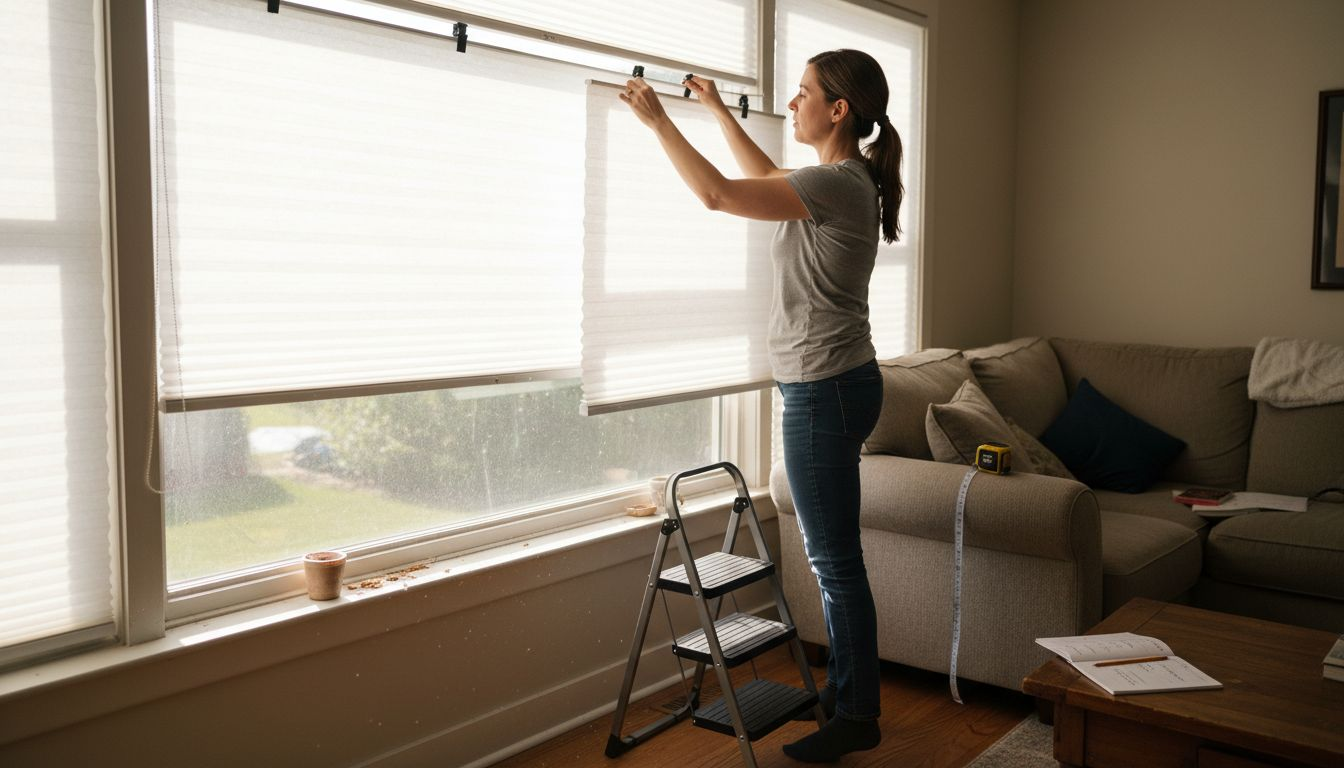
Measurement Miscalculations represent one of the most prevalent and costly mistakes. Consumers often underestimate the importance of professional-grade measurements, resulting in ill-fitting shades that fail to provide proper light control or insulation. Precise measurements involve considering window frame depth, mounting options, and potential obstructions like handles or window cranks. Amateur measurements can lead to shades that are too short, too long, or improperly aligned, compromising both functionality and visual appeal.
Material selection demands equally thoughtful evaluation, extending far beyond color and texture considerations. Different rooms require specialized shade materials based on sunlight exposure, humidity levels, and specific functional needs. A lightweight sheer shade perfect for a home office might prove inadequate in a bedroom requiring complete light blockage, while kitchen and bathroom environments demand moisture-resistant materials that can withstand temperature fluctuations and potential humidity.
Safety features represent another critical aspect frequently overlooked by homeowners. Cordless or motorized shade options provide essential child and pet safety, eliminating potential strangulation hazards associated with traditional corded designs. Modern shade technologies offer intuitive control mechanisms that enhance both safety and convenience, allowing seamless integration with smart home systems and providing precise light management.
To help avoid common problems when selecting window shades, see this summary of critical mistakes and how to prevent them:
| Mistake | Negative Impact | How to Avoid |
|---|---|---|
| Poor measurement | Shades don’t fit or block light properly | Use pro tools or services |
| Wrong material selection | Mismatched shades for room conditions | Match fabric to room needs |
| Ignoring safety features | Creates hazards for kids or pets | Choose cordless/motorized |
Pro tip: Request free fabric samples and measure your windows professionally before finalizing any window shade purchase to ensure optimal fit and performance.
Discover the Perfect Window Shades to Enhance Your Style and Comfort
Choosing the right window shades can be overwhelming with so many types and features like cellular insulation or motorized controls. If you want to avoid common pitfalls such as improper measurements or selecting unsuitable materials, Value Blinds offers a streamlined solution with expert guidance and customizable options. Whether you desire elegant roman shades or energy-saving cellular shades, our collection ensures your home looks beautiful while improving comfort and efficiency.
Experience the latest in window shade innovation by exploring our New Arrivals for fresh, stylish designs that fit your unique needs.
Don’t wait to transform your living space with window shades designed for lasting performance and style. Visit Value Blinds now, use our measurement guides and free swatches to find your ideal custom shades, and enjoy easy ordering backed by expert support. Unlock the perfect balance of light control, privacy, and energy efficiency today.
Frequently Asked Questions
What are the different types of window shades and their benefits?
The main types of window shades include roller shades, cellular shades, roman shades, and pleated shades. Roller shades offer minimalistic design; cellular shades provide energy efficiency through superior insulation; roman shades add elegant texture and style; and pleated shades deliver a structured appearance.
How do I choose the right window shade for my room?
Consider the room’s function, desired aesthetic, and light control requirements. For example, roller shades are great for modern spaces, while cellular shades are ideal for energy-conscious homes. Assess fabric options based on sunlight exposure and comfort needs.
Are motorized window shades worth the investment?
Yes, motorized window shades offer convenience and advanced control, allowing users to operate shades through smart devices or voice commands. They can also be programmed to adjust automatically based on sunlight and temperature, enhancing energy efficiency and comfort.
What mistakes should I avoid when selecting window shades?
Common mistakes include inaccurate measurements, selecting the wrong materials for specific room conditions, and overlooking safety features. It’s essential to measure accurately, consider fabric options based on room use, and choose cordless or motorized options for enhanced safety.