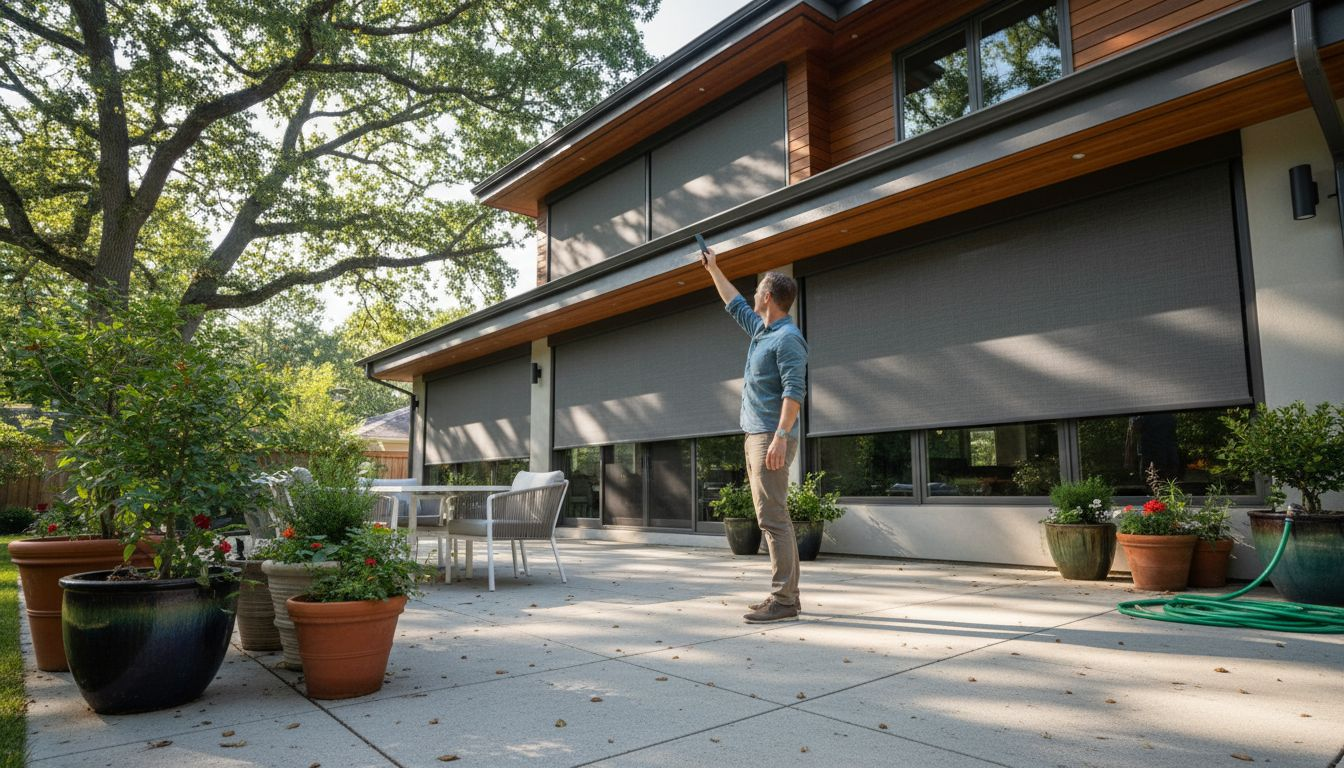


Outdoor Blinds: Transforming Outdoor Living Spaces
Over half of American homeowners underestimate what outdoor blinds can actually do for their living spaces. Choosing the right solution means more than just adding style or a simple layer of privacy. With the right setup, outdoor blinds protect against sun, wind, and insects while transforming patios into valuable retreats. If you have ever wondered how to balance comfort, durability, and design outdoors, it is time to rethink what these blinds really offer.
Table of Contents
- Outdoor Blinds Defined and Common Misconceptions
- Types of Outdoor Blinds for Different Needs
- How Outdoor Blinds Enhance Comfort and Efficiency
- Customization, Installation, and Maintenance Essentials
- Cost Considerations and Mistakes to Avoid
Key Takeaways
| Point | Details |
|---|---|
| Understanding Outdoor Blinds | Outdoor blinds are essential for both protection and comfort, providing UV protection and temperature regulation for outdoor spaces. |
| Variety in Options | There are different types of outdoor blinds, such as roller and retractable systems, tailored for specific needs and environmental challenges. |
| Maintenance is Key | Regular maintenance and proper installation are vital for ensuring longevity and optimal performance of outdoor blinds. |
| Cost Awareness | Homeowners should consider the long-term value and potential energy savings when investing in outdoor blinds, rather than just the initial purchase price. |
Outdoor Blinds Defined and Common Misconceptions
Outdoor blinds are specialized window coverings designed specifically for exterior spaces, providing protection, privacy, and aesthetic enhancement for patios, decks, and other outdoor living areas. Unlike traditional interior window treatments, these exterior solutions are engineered to withstand environmental challenges while creating versatile outdoor environments.
Many homeowners mistakenly believe outdoor blinds are merely decorative additions. In reality, understanding exterior shades for patios reveals their multifunctional purpose. These robust coverings offer critical benefits like UV protection, temperature regulation, insect screening, and wind resistance. They transform exposed outdoor spaces into comfortable, usable extensions of indoor living areas.
Common misconceptions about outdoor blinds include assumptions about limited design options and excessive maintenance requirements. Modern outdoor blinds come in diverse materials like weather-resistant fabrics, aluminum, and polyester composites, offering styles ranging from minimalist rolling screens to elegant retractable panels. Advanced manufacturing techniques have made these systems increasingly durable, low-maintenance, and adaptable to various architectural styles and environmental conditions.
Pro Tip: Measure your outdoor space precisely and consider wind exposure before selecting outdoor blinds. Consulting with a professional can help you choose blinds that perfectly match your specific environmental conditions and aesthetic preferences.
Types of Outdoor Blinds for Different Needs
Outdoor blinds are not one-size-fits-all solutions but rather specialized systems designed to address specific environmental challenges and aesthetic preferences. Roller blinds, for instance, offer versatile protection for open-air spaces, while creative pergola shade solutions provide targeted coverage for structured outdoor areas.
The primary categories of outdoor blinds include roll-up screens, fixed panels, retractable systems, and motorized options. Roll-up screens work exceptionally well for patios and decks, allowing flexible light control and wind protection. Fixed panel blinds are ideal for permanent installations around gazebos or permanent outdoor living spaces, offering consistent wind and sun blocking. Retractable systems provide the ultimate flexibility, enabling homeowners to adjust coverage based on changing weather conditions.

Material selection plays a crucial role in determining an outdoor blind’s performance and longevity. Polyester-based fabrics with UV-resistant coatings provide excellent durability for sunny environments, while aluminum-framed systems offer superior wind resistance. Specialized outdoor blind materials now incorporate advanced technologies like thermal regulation, water repellency, and mold resistance, transforming these coverings from simple shade providers to sophisticated environmental control systems.
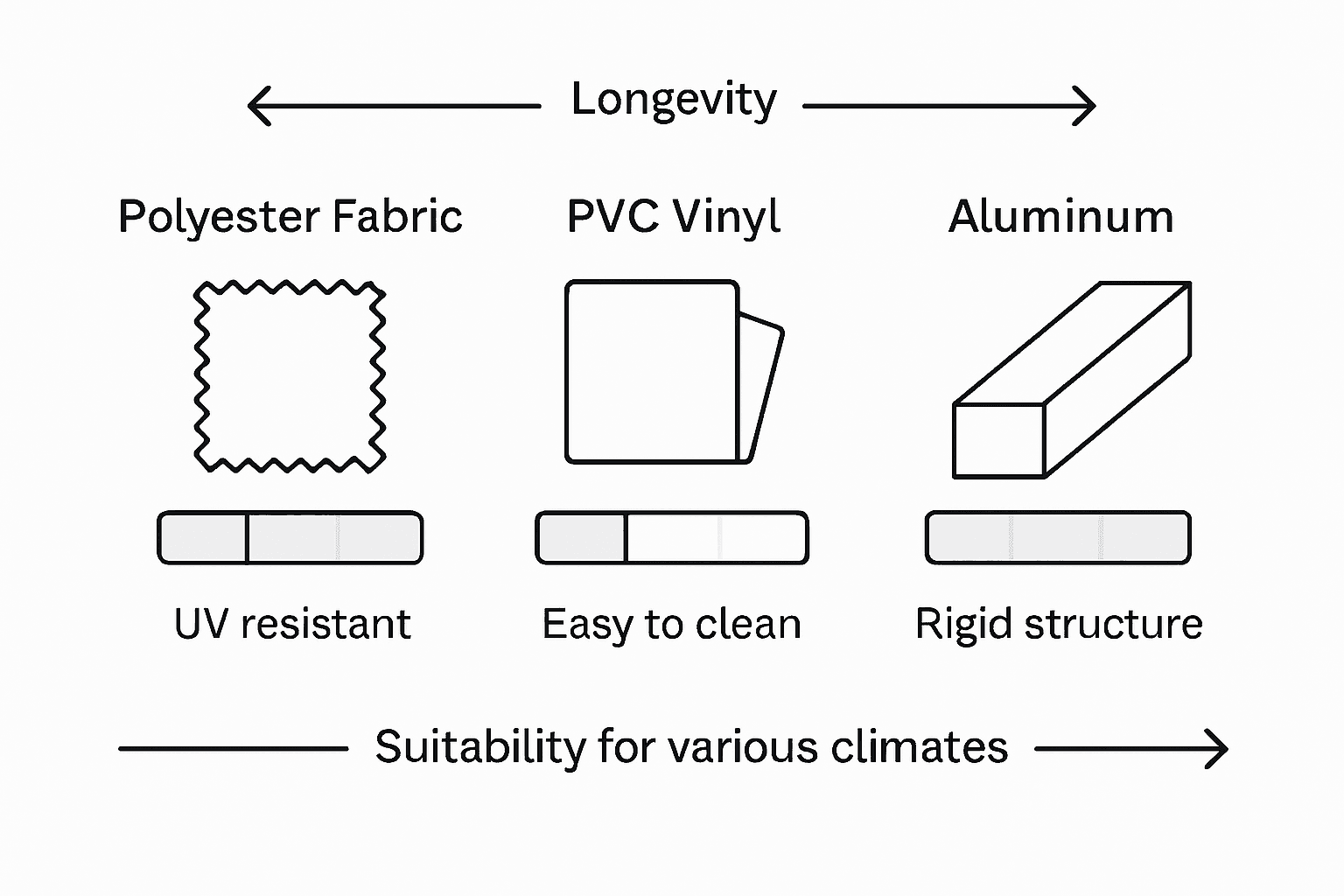
The following table summarizes outdoor blind material choices and their main advantages:
| Material | Durability Level | Special Feature |
|---|---|---|
| UV-Resistant Polyester | High | Withstands sun exposure |
| Aluminum | Very High | Superior wind resistance |
| Polyester Composite | Moderate to High | Mold and water resistant |
| Weatherproof Fabric | Moderate | Easy maintenance, versatile |
Here is a comparison of common outdoor blind types and their best use cases:
| Blind Type | Best For | Key Benefit |
|---|---|---|
| Roll-Up Screens | Patios and decks | Flexible light control |
| Fixed Panels | Gazebos, permanent spaces | Strong wind resistance |
| Retractable Blinds | Changing weather conditions | Adjustable coverage |
| Motorized Blinds | High-tech homes, convenience | Automated adjustments |
Pro Tip: Always consider your specific microclimate when selecting outdoor blinds. Local wind patterns, sun exposure, and seasonal temperature variations will significantly impact the most appropriate blind type for your specific outdoor space.
How Outdoor Blinds Enhance Comfort and Efficiency
Outdoor blinds have revolutionized the way homeowners manage their exterior living spaces, transforming them into adaptable environments that maximize comfort and energy efficiency. Electric outdoor blinds represent a sophisticated solution for precise environmental control, allowing seamless adjustment of sunlight, temperature, and privacy with minimal effort.
These innovative window treatments provide substantial thermal regulation by blocking direct sunlight and reducing heat transfer. During summer months, outdoor blinds act as a protective barrier, preventing solar radiation from warming interior spaces and significantly decreasing air conditioning demands. Conversely, in cooler seasons, they serve as an additional insulating layer, trapping warmth and reducing heating expenses. The strategic placement of outdoor blinds can lower energy consumption by creating natural temperature buffers around residential structures.
Beyond temperature management, outdoor blinds offer comprehensive environmental protection. They shield outdoor furniture from harsh UV rays, prevent moisture damage, and create comfortable microclimates that extend usable living space. Advanced materials like UV-resistant polyester and aluminum frameworks ensure durability while providing customizable light filtration, wind protection, and aesthetic enhancement. Modern outdoor blind systems integrate seamlessly with smart home technologies, enabling automated adjustments based on real-time weather conditions.
Pro Tip: Position your outdoor blinds strategically to maximize solar gain in winter and minimize heat absorption in summer. Consider your home’s orientation and local climate patterns to optimize energy efficiency and comfort.
Customization, Installation, and Maintenance Essentials
Customizing outdoor blinds involves a comprehensive approach that balances aesthetic preferences with functional requirements. How to choose blinds becomes particularly nuanced when selecting exterior window treatments, as homeowners must consider multiple factors including material durability, color coordination, and specific environmental challenges unique to their property.
Successful installation of outdoor blinds requires precision and professional expertise. Proper measurement is critical, with installers typically conducting comprehensive site assessments to determine optimal mounting locations, structural compatibility, and potential wind load requirements. Key considerations include wall material strength, potential obstructions, solar exposure, and existing architectural features. Advanced installation techniques now incorporate reinforced mounting systems and precision alignment tools to ensure maximum performance and longevity.
Maintenance of outdoor blinds involves regular cleaning, periodic inspections, and proactive protective measures. Specialized cleaning solutions designed for exterior fabrics help preserve UV resistance and prevent material degradation. Homeowners should develop routine maintenance schedules that include gentle washing, lubricating mechanical components, checking tension mechanisms, and addressing minor repairs promptly. Modern outdoor blind systems increasingly feature self-cleaning technologies and weather-resistant coatings that minimize maintenance requirements and extend product lifespan.
Pro Tip: Create a seasonal maintenance calendar for your outdoor blinds, scheduling thorough inspections and cleanings during moderate weather conditions to prevent potential damage and ensure optimal performance throughout the year.
Cost Considerations and Mistakes to Avoid
Navigating the financial landscape of outdoor blinds requires careful planning and strategic decision-making. Motorized blinds represent an advanced investment that can significantly impact overall project costs, with pricing varying dramatically based on complexity, material selection, and technological features.
Cost considerations extend far beyond initial purchase price. Homeowners must evaluate long-term value by analyzing factors like energy efficiency, durability, maintenance requirements, and potential property value enhancement. Budget-conscious consumers should consider total lifecycle costs, including installation expenses, potential repair needs, and anticipated energy savings. Common financial mistakes include selecting the cheapest option without considering performance, overlooking potential tax credits for energy-efficient installations, and failing to budget for professional installation and periodic maintenance.
Material selection plays a critical role in determining both upfront and long-term expenses. Aluminum frameworks and high-performance synthetic fabrics typically represent higher initial investments but offer superior durability and lower maintenance costs. Conversely, budget-friendly options might require more frequent replacements, ultimately proving more expensive. Homeowners should carefully compare material characteristics, warranty terms, and projected performance metrics when making financial decisions about outdoor blind systems.
Pro Tip: Calculate potential energy savings before purchasing outdoor blinds by comparing expected thermal performance against current heating and cooling expenses. Request detailed cost-benefit analyses from manufacturers to make informed financial decisions.
Elevate Your Outdoor Living with Custom Outdoor Blinds from Value Blinds
Transform the challenges of protecting your patio or deck into opportunities for comfort and style with Value Blinds. Whether you need flexible light control, wind resistance, or UV protection, our wide selection of custom outdoor blinds and retractable awnings deliver both function and aesthetic appeal. Designed to withstand diverse weather conditions while enhancing your outdoor space, these solutions help you extend your living area with ease and elegance.
Discover the perfect blend of durability and design today. Explore our latest innovations in outdoor window treatments on the New Arrivals page, backed by expert guidance and a seamless customization process at Value Blinds. Don’t wait to create a comfortable outdoor haven that reflects your lifestyle. Start your transformation now.
Frequently Asked Questions
What are outdoor blinds and how do they work?
Outdoor blinds are specialized window coverings designed for exterior spaces, such as patios and decks. They provide protection from weather elements, offer privacy, and enhance the aesthetic of outdoor living areas. These blinds are engineered to withstand environmental challenges while allowing homeowners to create comfortable outdoor environments.
What types of outdoor blinds are available?
There are several types of outdoor blinds, including roll-up screens, fixed panels, retractable systems, and motorized options. Each type serves different needs: roll-up screens offer flexible light control while fixed panels provide strong wind resistance, and retractable blinds allow for adjustable coverage according to the weather.
How do outdoor blinds improve energy efficiency?
Outdoor blinds help regulate temperature in outdoor living spaces by blocking direct sunlight during hot months, which reduces air conditioning demands. In cooler seasons, they provide insulation, trapping warmth and lowering heating costs. These blinds can create temperature buffers that enhance energy efficiency for the entire home.
What maintenance do outdoor blinds require?
To maintain outdoor blinds, homeowners should regularly clean them with specialized cleaning solutions, perform periodic inspections, and proactively address any minor repairs. Establishing a thorough maintenance schedule can help to ensure the blinds remain functional and visually appealing for years to come.
Recommended
- 7 Creative Pergola Shade Ideas for Stylish Outdoor Comfort
- Understanding Exterior Shades for Patios: A Comprehensive Guide
- Electric Outdoor Blinds: Complete Guide for Homeowners
- Best Blinds for Living Room: Style, Privacy, and Comfort
- Understanding Lakeside Houses: Nature’s Cozy Retreats – FunLifeNow