
Privacy Shades for Homes: Stylish Solutions That Protect
Finding the right window treatments can feel confusing when you want privacy without giving up style or comfort. In busy cities from New York to Tokyo, controlling light and protecting personal space is more than a luxury, it is a daily need. Stylish privacy shades offer a blend of smart design and practical benefits, including energy efficiency, personalized privacy protection, and advanced light control. This guide explores what sets these modern window coverings apart and clears up common myths so you can choose options that fit your home and your lifestyle.
Table of Contents
- What Are Privacy Shades And Common Myths
- Key Types Of Privacy Shade Solutions
- Features, Light Control, And Energy Savings
- Installation, Maintenance, And Safety Essentials
- Comparing Costs And Popular Alternatives
Key Takeaways
| Point | Details |
|---|---|
| Versatile Privacy Solutions | Privacy shades offer a blend of functionality and aesthetic appeal, allowing homeowners to control light and visibility effectively. |
| Myth Busting | Common misconceptions include the belief that privacy shades are either fully opaque or transparent, when many actually provide nuanced light filtering. |
| Energy Efficiency Benefits | Cellular shades stand out as energy-efficient options, reducing HVAC costs by up to 15% through their insulating design. |
| Smart Technology Integration | Advanced privacy shades feature motorized controls and smart sensors for optimized light management and convenience. |
What Are Privacy Shades and Common Myths
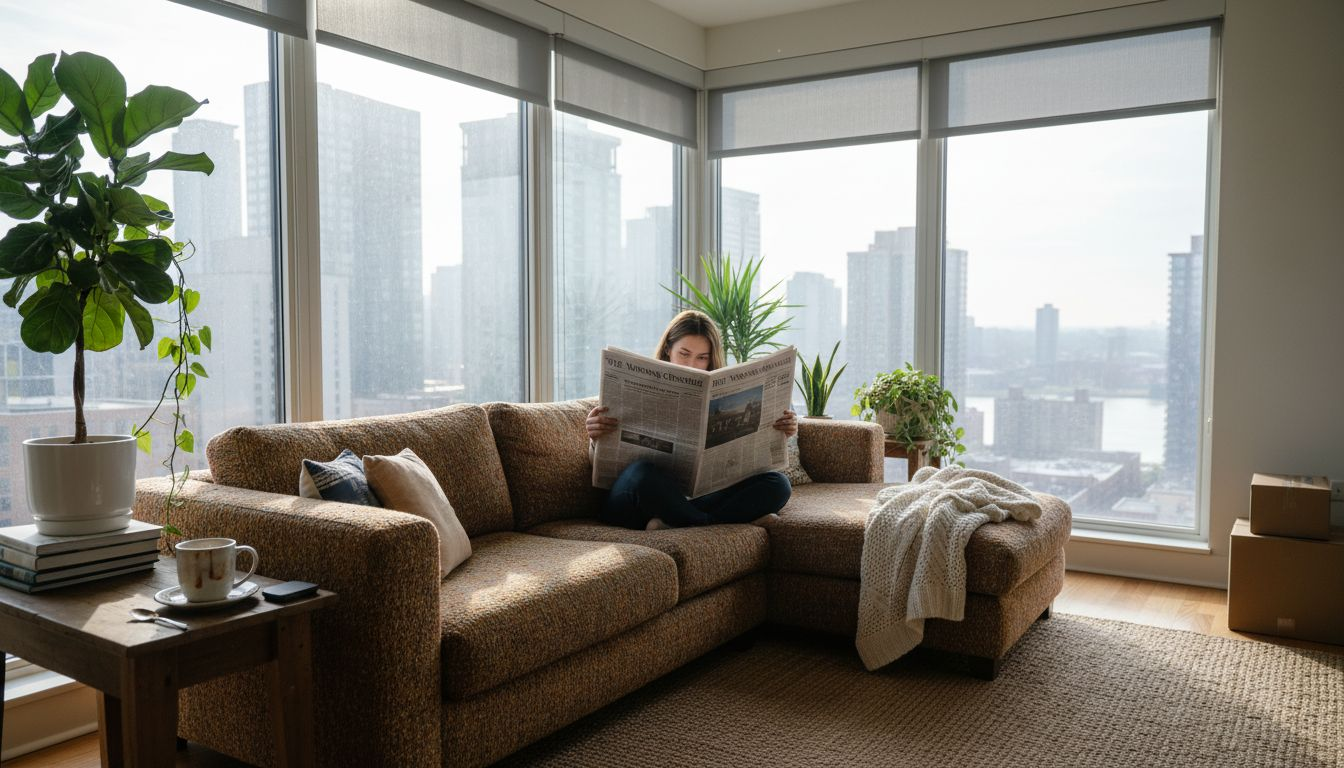
Privacy shades represent more than just window coverings - they are sophisticated solutions designed to protect personal space and control environmental visibility. These specialized window treatments offer homeowners a strategic method to manage light, temperature, and visual access while maintaining aesthetic appeal. By creating a barrier between interior living spaces and external environments, privacy protections become both functional and stylish.
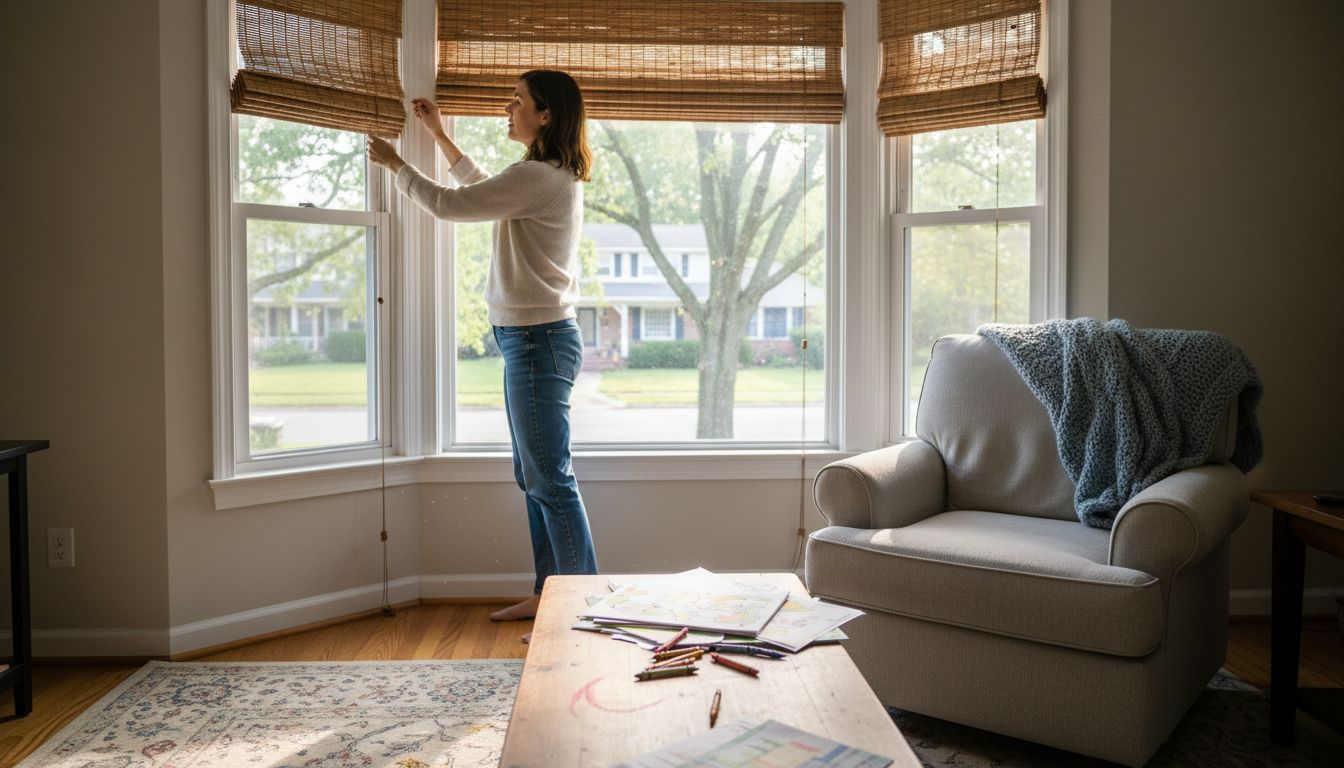
Modern privacy shades come in various designs that address different privacy needs. Some provide complete light blocking, while others offer graduated opacity levels that allow selective transparency. Key variations include roller shades, zebra shades, cellular shades, and Roman shades - each delivering unique combinations of visual obstruction and design elegance. Homeowners can select options that match their architectural style, color schemes, and specific privacy requirements.
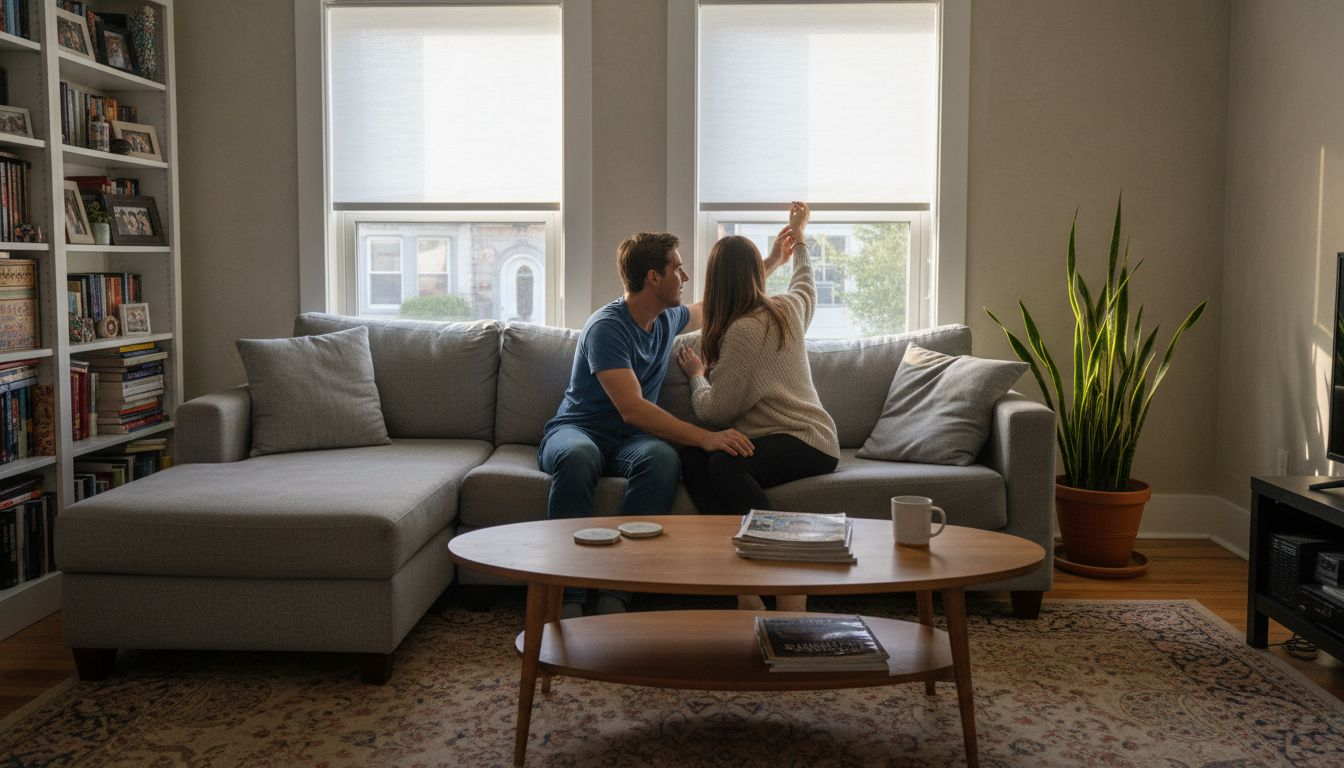
Common myths about privacy shades often misrepresent their capabilities. Many people incorrectly assume these window treatments are either completely opaque or completely transparent, when in reality, most offer nuanced light filtering options. Another prevalent misconception is that privacy shades compromise natural light - contemporary designs actually enable precise light management, allowing residents to adjust illumination levels without sacrificing privacy. Advanced materials and engineering have transformed privacy shades from simple coverings into intelligent home enhancement solutions.
Pro Tip: When selecting privacy shades, measure your windows precisely and consider light transmission percentages to achieve optimal privacy and illumination control.
Key Types of Privacy Shade Solutions
Homeowners seeking comprehensive window privacy have multiple window blind options to choose from, each offering unique advantages in light control and visual protection. The diversity of privacy shade solutions allows for personalized selections that balance aesthetic preferences with functional requirements. Modern window treatments range from traditional designs to cutting-edge technologies, providing homeowners with unprecedented flexibility in managing their interior environments.
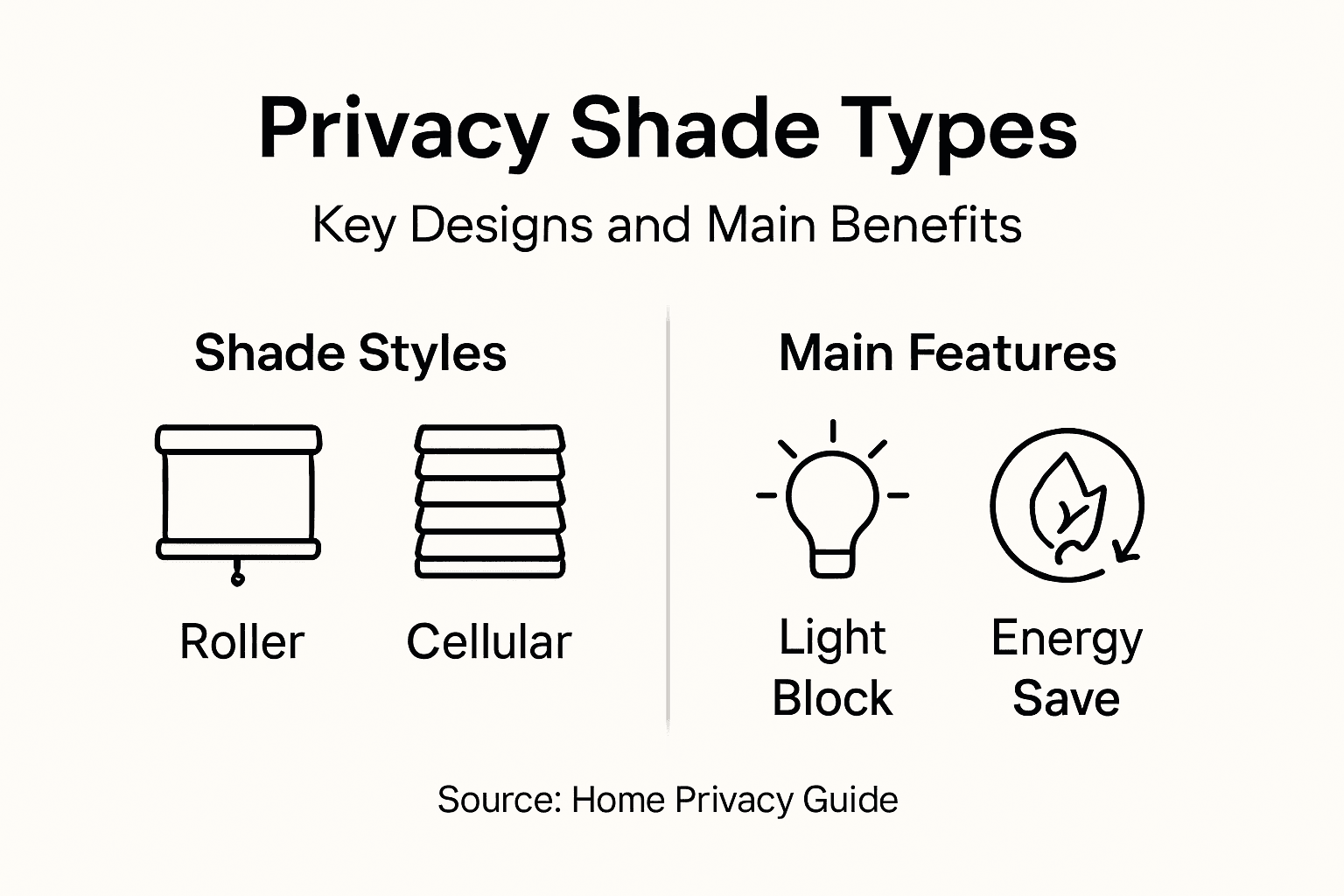
Key privacy shade categories include roller shades, cellular (honeycomb) shades, Roman shades, vertical blinds, and zebra shades. Roller shades offer sleek, minimalist designs with excellent light filtering capabilities. Cellular shades provide superior energy efficiency through their unique honeycomb structure, trapping air and reducing heat transfer. Roman shades deliver elegant fabric-based coverage with soft, flowing lines that complement various interior design styles. Vertical blinds work exceptionally well for large windows and sliding glass doors, while zebra shades create dynamic light control through alternating opaque and translucent fabric bands.
Advanced privacy shade solutions now incorporate smart technologies and motorized mechanisms, enabling remote operation and programmed light management. Homeowners can select materials ranging from light-filtering fabrics to room-darkening textiles, each offering different levels of visibility and privacy. Some advanced options include smart sensors that automatically adjust shade positions based on sunlight intensity, temperature, and time of day, transforming window coverings from passive accessories into intelligent home integration systems.
Pro Tip: Consider your specific room requirements and sunlight exposure when selecting privacy shades, as different areas of your home may benefit from varied light control strategies.
Here’s a concise comparison of common privacy shade types and their stand-out characteristics:
| Shade Type | Light Control Ability | Energy Efficiency Impact | Design Highlights |
|---|---|---|---|
| Roller Shades | Moderate filtering | Minimal insulation | Sleek, modern, low-profile |
| Cellular Shades | Adjustable, blackout | Excellent insulation | Honeycomb, soft texture |
| Roman Shades | Variable, fabric-based | Moderate insulation | Soft lines, elegant appearance |
| Vertical Blinds | Flexible orientation | Basic insulation | Ideal for large windows/doors |
| Zebra Shades | Dynamic filtering | Limited insulation | Alternating bands, unique look |
Features, Light Control, and Energy Savings
Privacy shades represent far more than aesthetic window coverings, offering sophisticated energy-efficient window solutions that dramatically improve home comfort and energy management. Modern window treatments have evolved to provide intelligent light control, allowing homeowners to precisely manage natural illumination while maintaining interior temperature stability. These advanced shade systems can strategically block or filter sunlight, reducing glare and preventing unnecessary heat gain or loss throughout different seasons.
Cellular shades stand out as particularly impressive energy-saving solutions, featuring a unique honeycomb design that creates air pockets for superior insulation. By trapping air within their structured cells, these shades can reduce heat transfer significantly, potentially decreasing HVAC energy consumption by approximately 15%. Different opacity levels - ranging from sheer to blackout - enable homeowners to customize light transmission while maintaining privacy. Additional features like cordless mechanisms and motorized controls further enhance functionality, allowing seamless integration with smart home technologies.
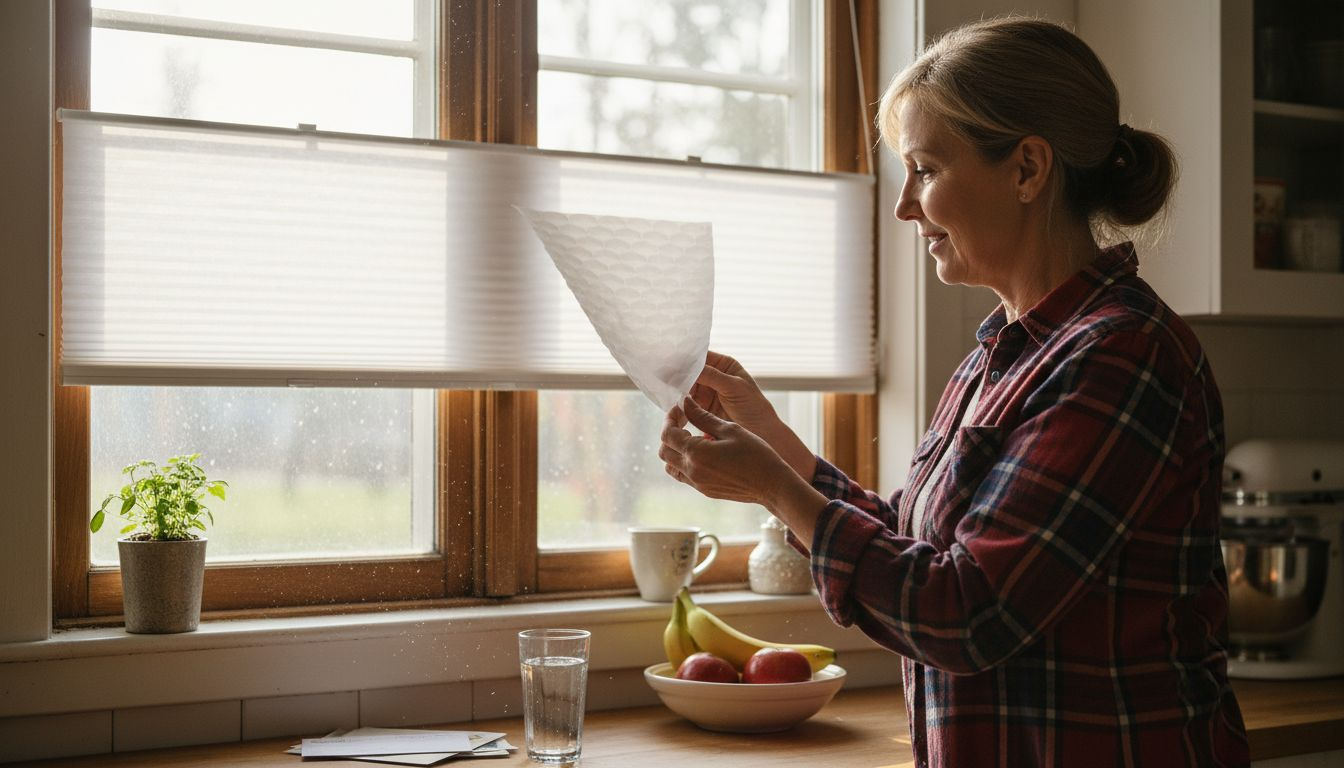
The science behind energy-efficient window coverings involves sophisticated light management strategies. By controlling solar heat gain during summer and preventing heat loss during winter, privacy shades act as dynamic thermal barriers. Specialized materials and design technologies now enable window treatments to adapt to changing environmental conditions, with some advanced systems featuring sensors that automatically adjust shade positions based on sunlight intensity, temperature, and time of day. This intelligent approach transforms window coverings from passive accessories into active energy management tools that contribute to overall home efficiency.
Pro Tip: Invest in light-filtering privacy shades with cellular construction to maximize both energy savings and interior comfort throughout different seasonal conditions.
Installation, Maintenance, and Safety Essentials
Privacy shade installation requires precision and careful planning to ensure optimal performance and safety. Window covering safety standards emphasize the critical importance of proper mounting, minimal gap placement, and selecting designs that eliminate potential hazards. Professional installation or meticulous DIY approaches can help homeowners achieve seamless integration of privacy shades that both protect and enhance interior spaces.
Maintenance strategies vary depending on shade material and construction. Fabric shades typically require gentle vacuuming or specialized cleaning solutions to prevent dust accumulation and maintain their aesthetic quality. Cellular and roller shades benefit from periodic dusting with microfiber cloths, while wooden and bamboo options might need specialized wood cleaning products. Regular inspection for wear, checking mounting brackets, and ensuring smooth operational mechanisms can significantly extend the lifespan of privacy shade systems.
Safety remains paramount, particularly for households with children and pets. Modern privacy shade designs increasingly prioritize cordless or motorized mechanisms to eliminate strangulation risks associated with traditional hanging cords. Advanced options now include built-in sensors that prevent accidental entrapment, automatic stop features, and child-safe designs that minimize potential interaction points. Homeowners should also ensure that shade installations do not obstruct emergency window exits and maintain clear paths for potential evacuation scenarios.
Pro Tip: Measure window dimensions precisely and invest in professional installation to guarantee optimal fit, safety, and performance of your privacy shades.
Comparing Costs and Popular Alternatives
Homeowners exploring privacy solutions face a complex landscape of window covering alternatives with varying cost structures and performance capabilities. Traditional options like curtains, blinds, and shutters each present unique advantages and limitations in terms of privacy, energy efficiency, and initial investment. Cellular shades emerge as a particularly compelling choice, offering superior insulation and long-term energy savings compared to more conventional window treatments.
Cost considerations extend beyond initial purchase price, encompassing factors like energy efficiency, durability, and maintenance requirements. Cellular shades typically range from $50 to $250 per window, depending on size, material quality, and additional features like motorization. Vinyl blinds represent a more budget-friendly alternative at $20-$100 per window, but lack the sophisticated thermal performance of cellular designs. Wooden shutters sit at the premium end of the spectrum, potentially costing $200-$500 per window, offering elegant aesthetics but with significantly higher upfront expenses.
Beyond monetary factors, homeowners must evaluate performance metrics that impact long-term value. Energy-efficient window coverings can reduce heating and cooling costs by up to 20%, with cellular shades providing particularly impressive insulation capabilities. Window films and exterior shades offer alternative privacy solutions, each with distinct trade-offs between cost, aesthetic appeal, and functional performance. Smart consumers increasingly prioritize comprehensive value over simple price comparisons, considering factors like energy savings, durability, and overall home comfort.
Pro Tip: Calculate potential energy savings and payback periods when selecting privacy shade solutions to make a financially strategic long-term investment.
For an at-a-glance guide, here’s how privacy shades compare with alternative window coverings:
| Window Treatment | Initial Cost Range | Privacy Level | Long-Term Cost Benefits |
|---|---|---|---|
| Cellular Shades | $50-$250 per window | High, customizable | Significant energy savings |
| Vinyl Blinds | $20-$100 per window | Medium | Low maintenance cost |
| Wooden Shutters | $200-$500 per window | High, fixed | Durable, premium appearance |
| Curtains/Drapes | $30-$200 per window | Varies by fabric | Low efficiency, decor value |
| Window Films | $10-$50 per window | Moderate, static | Some insulation, low cost |
Elevate Your Home Privacy with Stylish, Energy-Efficient Shades
Privacy shades offer the perfect balance between protecting your personal space and enhancing your home’s style. From controlling natural light to improving energy efficiency with cellular shades, finding the right window treatment can transform your living space into a comfortable and secure sanctuary. If managing light levels and maintaining privacy while embracing modern design is your goal, Value Blinds has the solutions tailored for your needs.
Explore our selection of Best Sellers and New Arrivals featuring blackout, cordless, motorized, and energy-efficient options designed to fit your windows perfectly. Act now to enjoy expert support, free swatches, and customization tools that make choosing and installing privacy shades easy and worry-free. Visit Value Blinds today to elevate your home privacy with style and lasting comfort.
Frequently Asked Questions
What are privacy shades and how do they work?
Privacy shades are specialized window coverings designed to manage light, temperature, and visual access, providing homeowners with a stylish solution for privacy and comfort. They work by creating a barrier between the interior space and the outside environment, allowing for light filtering and temperature regulation.
What types of privacy shades are available?
There are several types of privacy shades, including roller shades, cellular shades, Roman shades, vertical blinds, and zebra shades. Each type offers different levels of light control and visual protection, allowing homeowners to choose based on their aesthetic preferences and privacy needs.
How can privacy shades improve energy efficiency in my home?
Privacy shades, especially cellular shades, provide excellent insulation through their unique design, which traps air and reduces heat transfer. This can lead to decreased HVAC energy consumption by approximately 15%, improving overall energy efficiency in your home.
What maintenance is required for privacy shades?
Maintenance for privacy shades varies by material; fabric shades typically require gentle vacuuming or light cleaning, while cellular and roller shades benefit from periodic dusting. Regular inspections to ensure proper operation and safety features are also recommended.