
Window Shades You Can See Through: Balancing Light and Privacy
Selecting window treatments that invite sunlight without sacrificing privacy can feel like a challenge for urban homeowners with a modern eye. In city living, rooms crave daylight but need protection from street-level views and relentless summer heat. See-through window shades deliver that rare blend of style, comfort, and performance, acting as a “smart filter” for your home. By balancing visible light transmission, glare reduction, and aesthetic minimalism, these shades offer a harmonious solution for your design-forward space.
Table of Contents
- What Are See-Through Window Shades?
- Types of See-Through Shades and Fabrics
- How Visible Light and Privacy Are Balanced
- Energy Efficiency and UV Protection Explained
- Comparing See-Through Shades to Alternatives
Key Takeaways
| Point | Details |
|---|---|
| See-Through Shading Benefits | See-through shades provide natural light and privacy, reducing glare and heat while maintaining views. |
| Shade Types and Selection | Different types of shades, like solar screens and light-filtering fabrics, offer various levels of light control and aesthetics. |
| Energy Efficiency | These shades can lower energy bills by blocking infrared light and UV rays, protecting interiors from heat and sun damage. |
| Comparative Advantages | Unlike blackout curtains and traditional blinds, see-through shades allow outdoor visibility without compromising on privacy or light. |
What Are See-Through Window Shades?
See-through window shades are specially designed fabrics or materials that sit between you and the outside world, letting natural light pour in while keeping prying eyes at a distance. Unlike blackout shades that block everything, these work differently. They allow visible light transmission while reducing glare and heat, creating a thoughtful balance between brightness and privacy.
Think of them as a smart filter for your windows. View clarity through window treatments depends on the shade material, your window glazing, and how bright it is outside. Some days your neighbors can see more clearly in than others, depending on lighting conditions and the specific shade material you choose. This variability is actually by design.
The real genius behind see-through shades lies in how they handle solar impact. They reduce overheating and glare without trapping you in darkness. Urban homeowners especially appreciate this because your apartment or condo stays cooler in summer while you maintain a connection to the outside world. You’re not sacrificing views for comfort or vice versa.
These shades come in different forms, and the most popular option uses specially woven fabrics or perforated solar screens. Shading solutions balance outdoor visibility with indoor comfort by letting light through while filtering direct vision. The weave pattern, material density, and openness factor all influence how much you can see through versus how private your space feels.
What makes them perfect for design-conscious urban dwellers is their clean aesthetic. They look modern and minimalist compared to traditional blinds, and they integrate seamlessly with contemporary interior styles. Whether you’re in a loft with floor-to-ceiling windows or a classic brownstone, see-through shades adapt to your space without overwhelming the design.
Pro tip: When selecting see-through shades, test samples at different times of day in your actual space, since natural light angles shift throughout morning and afternoon, affecting how much privacy and light you actually get.
Types of See-Through Shades and Fabrics
The world of see-through shades breaks down into distinct categories, each with its own strengths. Understanding these options helps you pick what actually works for your space and lifestyle. The main players are solar screens, roller shades with light-filtering fabrics, and specialty perforated materials, all designed to handle glare while keeping views intact.
Solar screens are the heavy hitters of see-through shading. They’re woven from vinyl-coated polyester threads in various densities, giving you control over exactly how much light gets through. Solar screen openness factors range from 1% to 14%, meaning you can choose nearly opaque screens or ones that feel almost invisible. The lower the openness factor, the more privacy and glare control you get, though you sacrifice some outdoor view clarity.
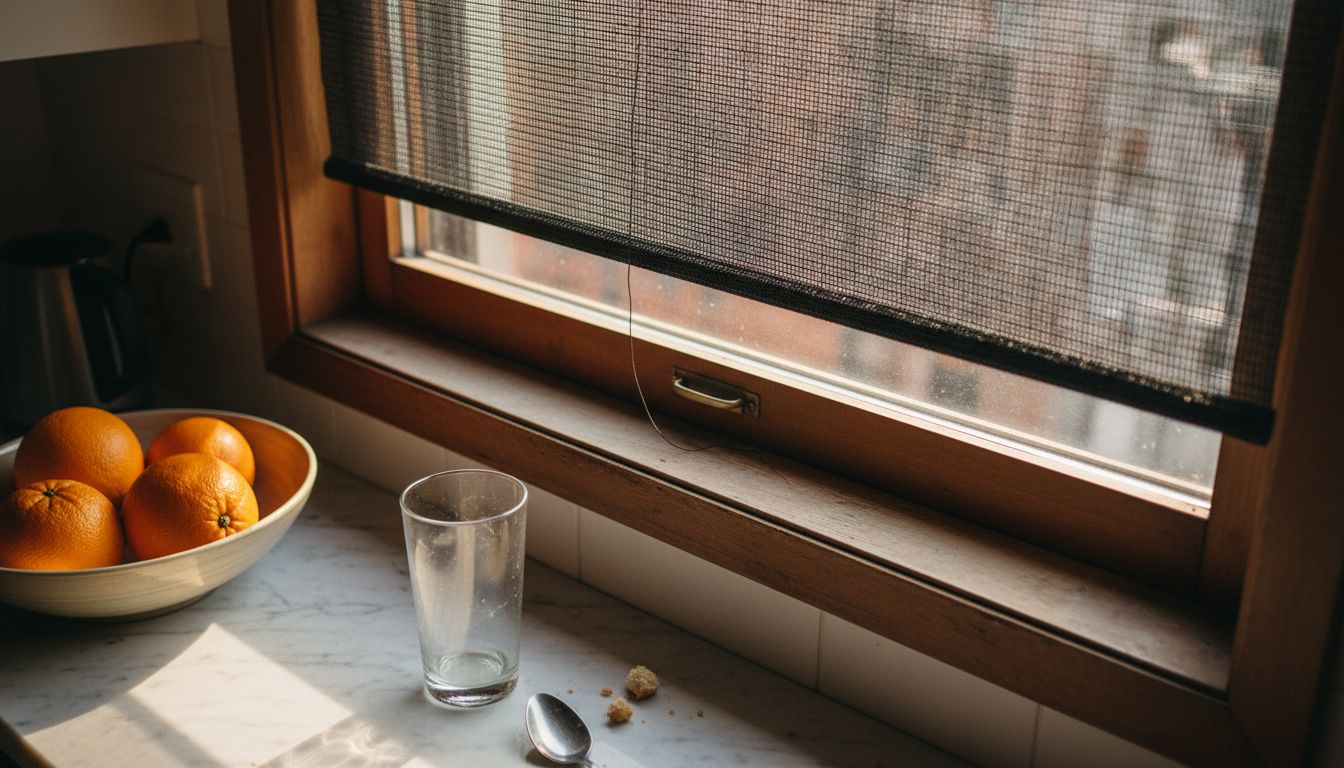
Light-filtering roller shades offer a softer approach. These use specially woven fabrics that diffuse light rather than block it entirely, creating that gentle glow perfect for living rooms and bedrooms. Fabrics vary widely in transparency, with some remaining nearly sheer while others provide substantial privacy. Fabric properties including weave density and color determine how much light passes through and how visible you are from outside.
The color of your shade matters more than you’d think. Lighter fabrics transmit more visible light, keeping your space bright and airy. Darker fabrics absorb heat better and provide greater privacy, but they dim your interiors. Gray and neutral tones offer the middle ground, balancing all three concerns without heavily favoring one over the others.
Perforated roller shade materials sit between solar screens and standard fabrics. They combine the precision of perforated patterns with the aesthetic softness of fabric-based systems. This hybrid approach works well in modern urban homes where you want professional-looking privacy without the industrial feel of pure solar screens.
Here’s how popular see-through shade types compare:
| Shade Type | Visual Effect | Light Filtering | Best For |
|---|---|---|---|
| Solar Screens | Crisp, modern views | Strong glare reduction | Urban apartments, sunny rooms |
| Light-Filtering Roller | Soft, diffused glow | Gentle light diffusion | Bedrooms, living areas |
| Perforated Roller Shades | Balanced, subtle look | Moderate filtering | Contemporary offices, lofts |
Pro tip: Order fabric samples in the exact colors and finishes you’re considering, then test them at your windows during both morning and afternoon light to see how your specific views and privacy needs actually perform before committing.
How Visible Light and Privacy Are Balanced
The magic of see-through shades lies in how they pull off something that seems impossible: letting light flood in while keeping your interior hidden from neighbors. This balance isn’t accidental. It comes down to fabric properties and how light behaves when it passes through woven material.
When daylight hits a see-through shade fabric, it scatters. Rather than passing straight through like clear glass, light bounces off individual fibers and diffuses throughout your room. This diffusion is your privacy ally. Someone outside sees a bright, glowing surface instead of clear silhouettes and furniture details inside. Fabric openness and reflectance properties control exactly how much scattering happens, which determines both your privacy level and how much useful daylight actually reaches your interior.
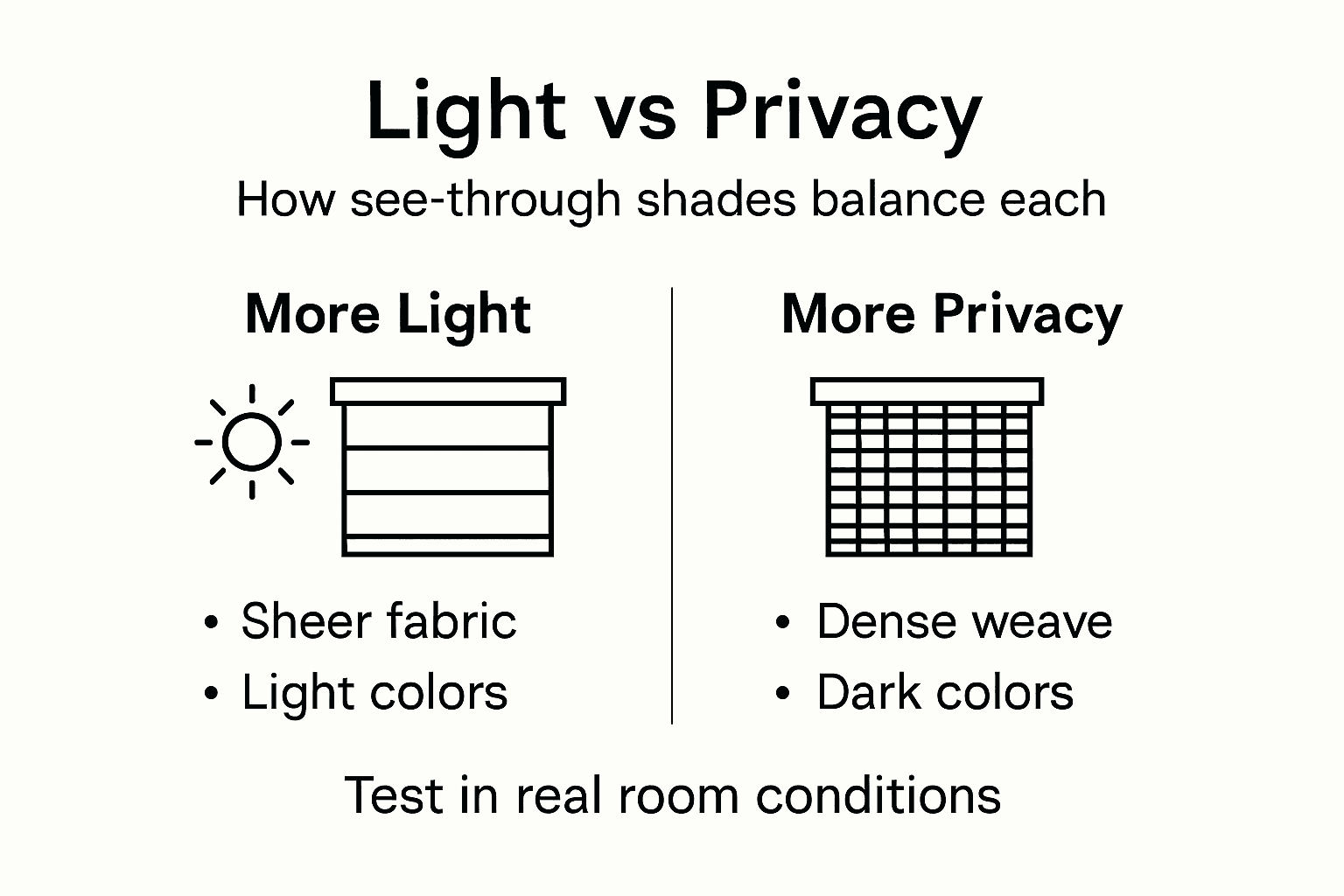
Density matters tremendously. A tightly woven fabric blocks more direct light transmission, giving you stronger privacy, but it also reduces the total light entering your space. A loosely woven fabric floods your room with brightness but compromises privacy. The sweet spot depends entirely on your situation: a bedroom might need higher density than a home office or living room.
Color plays a supporting role in this balance. Lighter fabrics reflect more light back outside while transmitting warmer, diffused light indoors. Darker fabrics absorb light before it passes through, reducing both outside visibility and interior brightness. Neutral grays let you dial in privacy and light transmission with fewer trade-offs, making them popular with urban homeowners juggling competing demands.
This table summarizes key shade properties that influence performance:
| Property | Impact on Room | Typical Result |
|---|---|---|
| Openness Factor | Affects view/clarity | Higher = clearer views |
| Fabric Density | Controls privacy | Denser = more privacy |
| Fabric Color | Modifies brightness | Lighter = brighter room |
| Weave Pattern | Alters aesthetics | Tighter = sleeker appearance |
Shade selection metrics like glare mitigation and view clarity help you evaluate which specific shade handles your exact needs. Your window orientation, the time of day sunlight hits hardest, and how close neighbors are all influence which density and color work best. Morning light from the east hits differently than afternoon heat from the west.
Pro tip: Hang sample shades on your actual windows for at least three days, observing them at different times and times of day, checking how you feel about both the interior brightness and how much privacy you actually get from the street view.
Energy Efficiency and UV Protection Explained
See-through shades do more than balance light and privacy. They actively work to lower your energy bills by controlling how much heat enters your home. This is where the physics gets interesting, and the benefits get tangible.
Heat enters your home primarily through infrared radiation, the invisible part of sunlight. When sunlight hits a window, it passes through glass and warms your interior. See-through shades interrupt this process by filtering and absorbing infrared energy before it reaches your living space. Controlled visible and infrared light transmittance through shade fabrics reduces solar heat gain, which means your air conditioning runs less and your cooling costs drop. During summer months, this difference shows up immediately on your utility bill.
The specific fabric you choose determines how much heat blocking happens. Darker colors absorb more infrared energy, while lighter colors reflect some back outside. A medium gray shade strikes a useful balance, blocking meaningful heat without making your interior feel dim or cave-like. The fabric weave density also matters. Tighter weaves block more heat but sacrifice some light transmission.
UV protection is the second major benefit. Ultraviolet rays cause furniture, artwork, and flooring to fade over time. They also contribute to skin damage for occupants spending time near windows. Shading systems block or filter UV rays, protecting both your interior furnishings and your family. Most quality see-through shade fabrics block 75 to 99 percent of UV radiation, depending on the specific material and color.
The combination of these two benefits compounds your savings. You spend less on cooling costs while protecting your belongings from sun damage. Your home stays more comfortable year-round without relying solely on air conditioning. For urban homeowners paying premium energy costs, see-through shades represent a smart investment that pays dividends monthly.
Pro tip: Calculate your potential energy savings by comparing your current summer cooling costs to what you might save with proper solar shading, especially if your windows face west or south where afternoon heat is most intense.
Comparing See-Through Shades to Alternatives
When you’re shopping for window treatments, you face real choices. See-through shades compete directly with blackout curtains, traditional blinds, and even smart glass technologies. Each option has distinct strengths, and understanding how they compare helps you make the right decision for your space.
Traditional blinds and opaque curtains block everything. They give you complete light and privacy control, but you sacrifice outdoor views entirely. Looking out becomes impossible when they’re closed. See-through shades flip this equation. You maintain visual connection to the outside while offering solar protection, meaning you’re not choosing between darkness and exposure. Your windows stay functional for enjoying the city skyline or street activity while keeping your interior hidden.
Blackout roller shades work well for bedrooms where darkness matters, but they create cave-like conditions during daytime hours. See-through shades let you sleep at night while allowing daytime brightness and views. This matters more than it sounds if you’re in an urban apartment where natural light is precious real estate.
Electrochromic glass and smart window films represent the high-tech alternative. They can dim electronically, giving you variable control without physical shades. The catch? They cost significantly more, require electrical wiring, and may restrict view clarity more than fabric shades. You’re also locked into whatever tint level you choose. See-through fabric shades offer the flexibility to adjust multiple times daily without paying thousands upfront.
Venetian blinds provide some light control through angle adjustment, but individual slats still block views completely when closed. See-through shades provide continuous, adjustable filtering. You’re not working with on-off positions. The light and view quality adjusts smoothly based on your fabric choice and the time of day.
Pro tip: If you’re torn between options, test samples of see-through shades alongside blinds or curtains you’re considering, observing them at the same times of day to compare how each actually performs with your specific window orientation and interior layout.
Discover the Perfect See-Through Shades to Brighten Your Home and Protect Your Privacy
Finding the right window treatment that balances daylight with privacy can feel like a real challenge. You want to enjoy natural light and outside views without sacrificing comfort or security. At Value Blinds, we understand the importance of choosing customized see-through shades that manage glare, heat, and privacy exactly as you need. Our broad selection of roller shades and light-filtering fabrics are designed to help you control light while maintaining a modern, clean aesthetic suitable for any urban space.
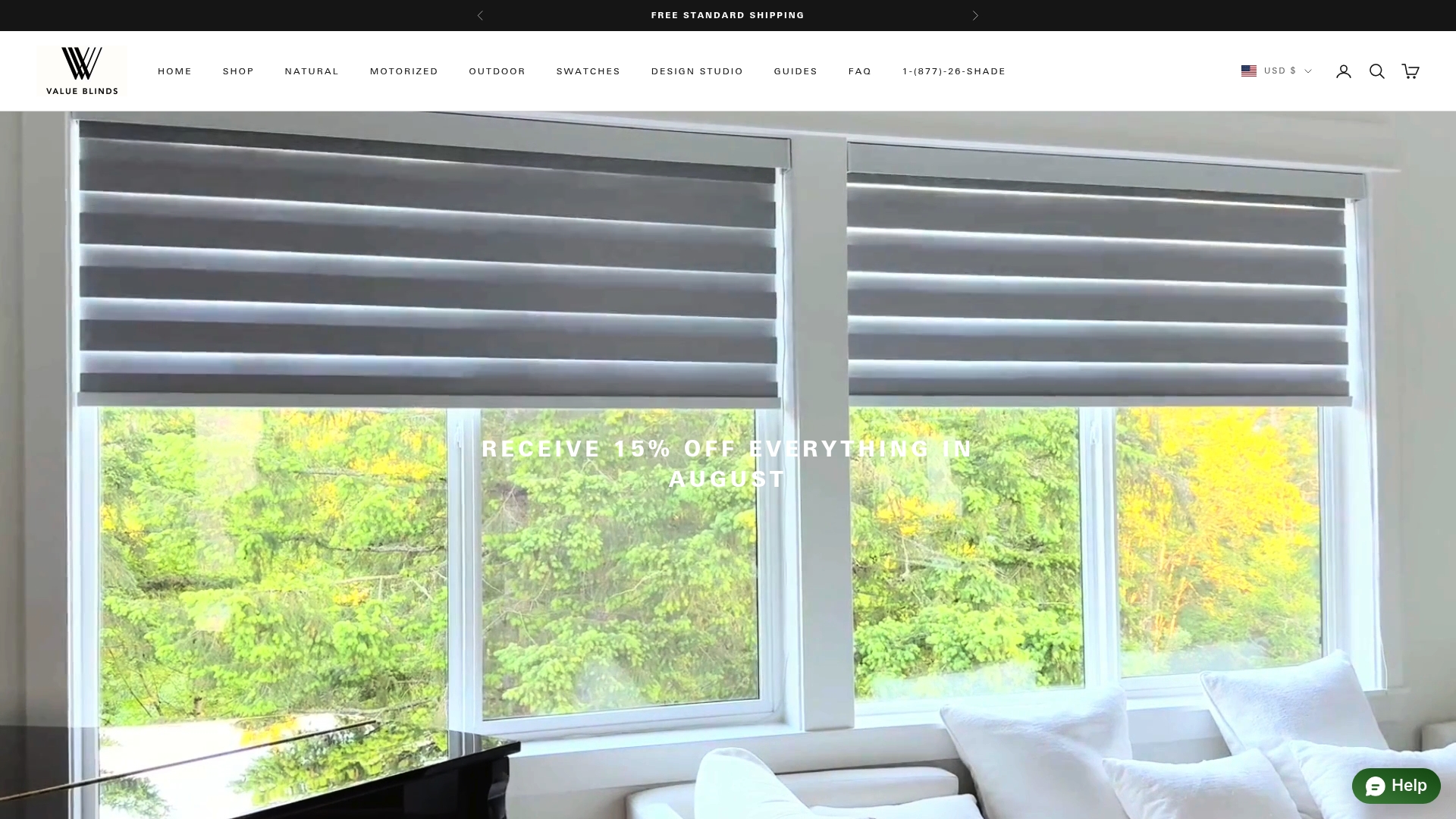
Explore our New Arrivals to find the latest options in sheer and solar shades that block UV rays and reduce energy costs without darkening your rooms. With expert support and free swatches at your fingertips, you can test fabrics and find the perfect openness factor for your lifestyle. Start your journey to enhanced comfort and style today at Value Blinds Direct. Don’t wait to upgrade your windows with solutions that combine function, fashion, and efficiency.
Frequently Asked Questions
What are see-through window shades?
See-through window shades are fabrics designed to let natural light in while providing some level of privacy. They differ from blackout shades by allowing visible light transmission while reducing glare and heat.
How do I choose the right fabric for see-through shades?
When selecting see-through shades, consider the openness factor, fabric density, and color. Lighter fabrics transmit more light, while darker fabrics provide more privacy. Testing samples at different times of day is recommended to see how they perform in your space.
What is the energy efficiency of see-through shades?
See-through shades help lower energy costs by reducing heat gain from sunlight. They can block or filter UV rays, protecting your furnishings and lowering cooling expenses, making them a smart investment for energy efficiency.
How do see-through shades compare to blackout curtains?
Unlike blackout curtains that entirely block light, see-through shades allow daylight to enter while maintaining a level of privacy. This makes them ideal for situations where natural light is desirable, especially in urban areas.