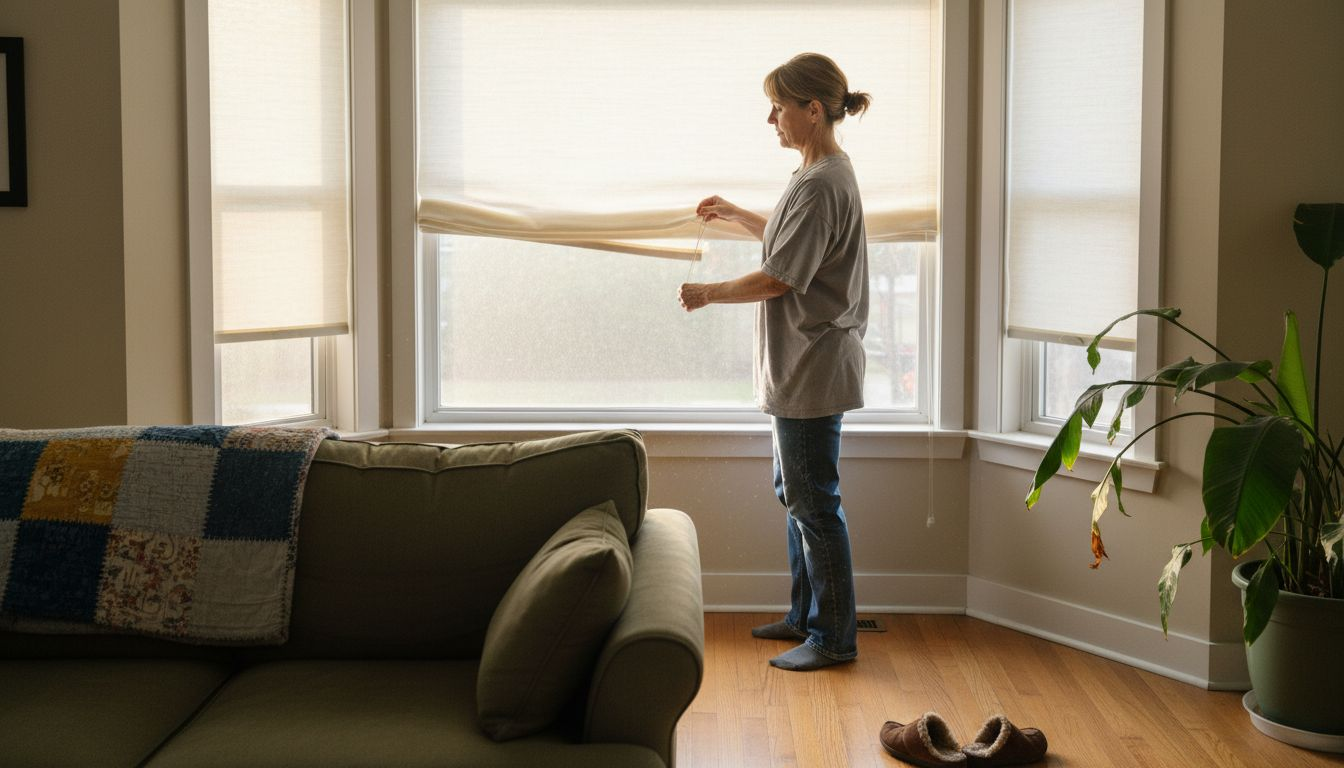


Wood Blinds for Windows: Style Meets Efficiency
Most American homeowners and interior decorators know the struggle of balancing urban style with practical window solutions. Premium wooden blinds stand out by offering a sophisticated look while helping to manage indoor temperatures more effectively. In fact, homes using energy-efficient wooden blinds can experience heat loss reductions of up to 30 percent during colder months. Explore how custom wood blinds create both beauty and comfort in city living spaces.
Table of Contents
- Defining Wood Blinds For Windows
- Styles And Variations Of Wood Blinds
- Key Features And Customization Options
- Real-World Applications And Best Uses
- Cost, Maintenance, And Common Pitfalls
- Comparing Wood Blinds To Other Alternatives
Key Takeaways
| Point | Details |
|---|---|
| Wood Blinds Provide Excellent Thermal Control | Wood blinds effectively regulate indoor temperatures and light entry, enhancing energy efficiency in homes and businesses. |
| Customization Options Enhance Design Flexibility | Homeowners can choose from various slat widths, wood types, and finishes to create personalized window treatments that suit their style. |
| Consider Room-Specific Needs for Best Results | Selecting wood blinds based on individual room conditions, such as humidity and light exposure, can optimize performance and aesthetic appeal. |
| Proper Maintenance is Essential for Longevity | Regular cleaning and strategic care are crucial to maintain wood blinds’ appearance and functionality over time. |
Defining Wood Blinds for Windows
Wood blinds represent a sophisticated window treatment solution that combines aesthetic elegance with practical functionality. These window coverings feature horizontal slats crafted from natural wood materials, designed to provide precise light control, privacy, and thermal regulation for residential and commercial spaces. Unlike other window treatments, wood blinds offer homeowners a unique blend of style and performance.
The core design of wood blinds centers on horizontal slats that can be adjusted for optimal light and heat management. Each slat can be tilted at various angles, allowing users to modulate sunlight entry, reduce glare, and control indoor temperature. Their geometric configuration plays a critical role in their energy efficiency, with factors like slat width, angle, and spacing directly impacting their thermal performance.
Wood blinds serve multiple functional purposes beyond aesthetics. They act as an effective thermal barrier, helping to reduce heat transfer through windows and contributing to overall building energy balance. By strategically positioning these blinds, homeowners can mitigate solar radiation’s impact, creating more comfortable indoor environments while potentially reducing energy consumption. The energy efficiency of wood blinds depends on multiple variables, including material properties, window positioning, and room microclimate conditions.
Pro tip: Expert Recommendation When selecting wood blinds, prioritize slat width between 2-2.5 inches for optimal light control and energy efficiency in most residential settings.
Styles and Variations of Wood Blinds
Wood blinds offer an expansive range of design options that cater to diverse aesthetic preferences and functional requirements. From traditional to contemporary styles, these window treatments come in multiple configurations that can transform any interior space. Homeowners can select from various wood types, including basswood, oak, cedar, and bamboo, each bringing unique visual textures and natural color variations to enhance room decor.
The primary wood blind styles include Venetian blinds, vertical wood blinds, and roman wood blinds. Venetian blinds remain the most popular, featuring horizontal slats that can be tilted for precise light control. Homeowners seeking modern design trends can explore motorized wood blind options that provide effortless style and convenience. Vertical wood blinds work exceptionally well for large windows or sliding glass doors, offering a sleek alternative to traditional horizontal designs.
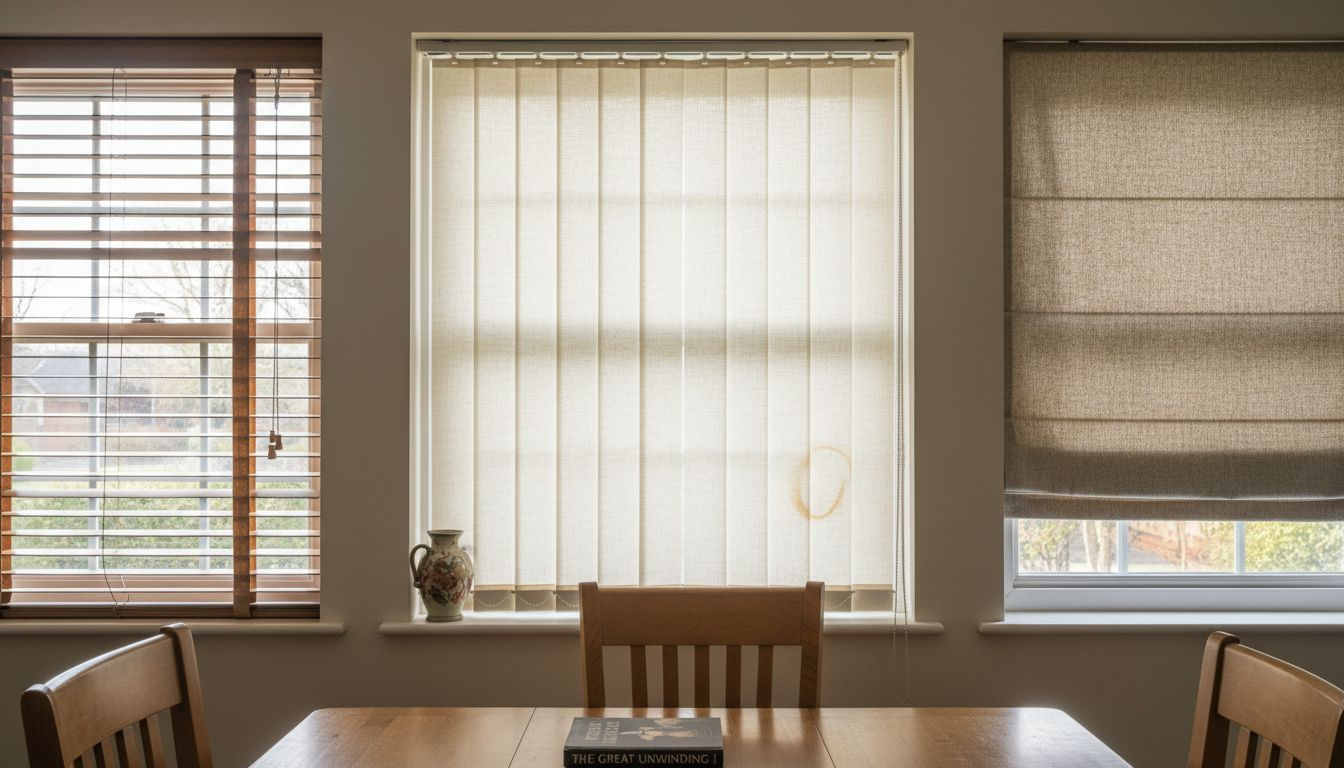
Color and finish variations represent another crucial aspect of wood blind customization. Homeowners can choose from natural wood stains, painted finishes, and distressed looks that complement existing interior design schemes. Light colors like cream and white can make spaces feel larger and brighter, while rich wood tones like mahogany and walnut add warmth and sophistication. Some advanced wood blind designs even incorporate subtle textures and grain patterns that mimic high-end wood furniture.
Pro Tip When selecting wood blind styles, consider room lighting, window size, and existing decor to ensure a harmonious and functional window treatment design.
Key Features and Customization Options
Wood blinds offer an impressive array of features that go far beyond simple window coverage. Customization options have evolved dramatically, allowing homeowners to create truly personalized window treatments that reflect individual style and functional needs. From slat width and material selection to operational mechanisms, modern wood blinds provide unprecedented flexibility in design and performance.
The key features of wood blinds encompass several critical aspects. Slat width typically ranges from 1 to 3 inches, with 2-inch slats being the most popular standard size. Homeowners can transform their living spaces by selecting custom window treatments that blend style and functionality. Operational mechanisms include traditional corded systems, cordless options for enhanced child safety, and advanced motorized controls that allow remote or smartphone-based adjustment.
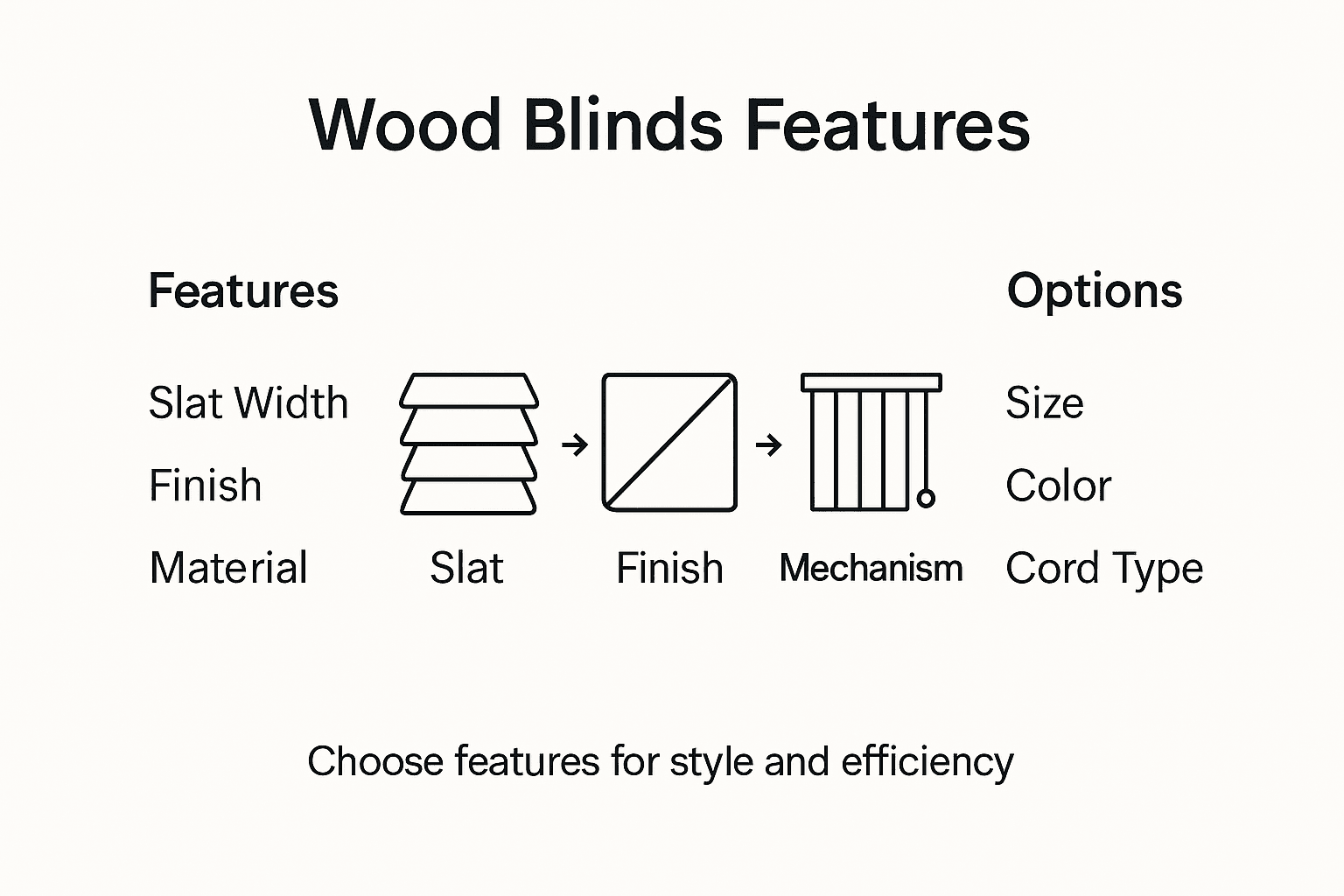
Material and finish customization represent another significant dimension of wood blind selection. Homeowners can choose from multiple wood types including basswood, oak, and cedar, each offering unique grain patterns and durability characteristics. Finish options range from natural wood stains that highlight organic textures to painted surfaces that complement specific interior color schemes. Additional customization features include routing options for light control, decorative tape selections, and specialized hardware that can match existing room decor.
Pro Tip Consider selecting wood blinds with moisture-resistant treatments for rooms with high humidity like kitchens and bathrooms to ensure long-lasting performance and appearance.
Here is a summary of wood blind customization options and their impact:
| Customization Option | Typical Range / Choice | Functional Impact |
|---|---|---|
| Slat Width | 1 to 3 inches | Affects light and privacy |
| Wood Type | Basswood, oak, cedar, bamboo | Influences durability, look |
| Finish | Stain, paint, distressed | Sets tone and maintenance |
| Operation Mechanism | Corded, cordless, motorized | Determines ease of use, safety |
| Moisture Resistance | Standard, special treatment | Adds suitability for humidity |
Real-World Applications and Best Uses
Wood blinds serve far more than aesthetic purposes, offering versatile solutions for diverse residential and commercial environments. Their adaptability makes them ideal for multiple settings, from home offices to living rooms, bedrooms, and even professional spaces. By understanding the specific context and requirements of each space, homeowners can strategically implement wood blinds to enhance both functionality and visual appeal.
Indoor shading devices like wood blinds play a critical role in temperature regulation and thermal comfort, making them particularly valuable in spaces with significant sunlight exposure. Living rooms with large windows, home offices with west-facing exposures, and bedrooms requiring precise light control benefit immensely from wood blinds’ unique properties. Their ability to modulate sunlight helps reduce glare, manage indoor temperatures, and create adaptable lighting environments that support various activities throughout the day.
Different room types demand specific wood blind applications. Kitchens and bathrooms require moisture-resistant treatments, while home offices might prioritize glare reduction for computer screens. Bedrooms often benefit from blackout or room-darkening wood blinds that support better sleep environments. Sunrooms and spaces with extensive natural light can use wood blinds with wider slats to maintain visual connection with outdoor environments while managing heat and brightness.
Pro Tip Select wood blind slat sizes and materials strategically based on each room’s specific lighting, humidity, and functional requirements to maximize performance and aesthetic integration.
Cost, Maintenance, and Common Pitfalls
Wood blinds represent a significant investment in home decor, with pricing varying dramatically based on material quality, customization options, and manufacturing complexity. Baseline pricing typically ranges from $50 to $300 per window, with premium hardwood and custom designs potentially exceeding $500. Factors influencing cost include wood type, slat width, finish complexity, and operational mechanisms like cordless or motorized systems.
Maintenance represents a critical consideration for wood blind longevity. Regular cleaning prevents dust accumulation and potential damage, with recommended maintenance including weekly dusting using soft microfiber cloths and periodic deep cleaning using specialized wood cleaning products. Homeowners should avoid excessive moisture, which can warp or deteriorate wood materials. Custom window treatments require strategic maintenance approaches to preserve their aesthetic and functional qualities.
Common pitfalls in wood blind selection and maintenance include improper measurement, neglecting humidity considerations, and failing to account for direct sunlight exposure. Wooden blinds in high-moisture environments like bathrooms or kitchens demand moisture-resistant treatments, while blinds in direct sunlight may require additional UV-protective finishes to prevent fading and material degradation. Installation challenges often arise from uneven window frames, necessitating professional measurement and potential custom fitting to ensure optimal performance.
Pro Tip Invest in professional measurement and installation to minimize common fitting errors and ensure your wood blinds function perfectly in your specific window configurations.
Comparing Wood Blinds to Other Alternatives
Window treatments offer diverse solutions, but wood blinds distinguish themselves through unique advantages that set them apart from alternative options like roller shades, cellular shades, and aluminum blinds. Comparative analysis reveals that wood blinds provide an unparalleled combination of aesthetic versatility, thermal performance, and design flexibility that many other window coverings cannot match.
Understanding the nuanced differences between window treatment options helps homeowners make more informed design decisions. Compared to roller shades, wood blinds offer superior light control through adjustable slats, allowing precise management of sunlight and privacy. Cellular shades excel in energy efficiency, but wood blinds provide a warmer, more natural aesthetic that complements traditional and contemporary interior designs. Aluminum blinds, while more affordable, lack the natural insulation and visual warmth inherent in wood alternatives.
Key differentiating factors include material properties, aesthetic appeal, and functional performance. Wood blinds offer natural thermal insulation, reducing heat transfer more effectively than synthetic materials. Their ability to be customized with various stains, finishes, and slat widths provides design flexibility that synthetic alternatives cannot replicate. Maintenance requirements also differ significantly, with wood blinds demanding more careful cleaning and humidity management compared to more resilient synthetic window treatments.
Compare popular window treatments on key criteria:
| Feature | Wood Blinds | Roller Shades | Cellular Shades | Aluminum Blinds |
|---|---|---|---|---|
| Light Control | Adjustable slats | Lower, raise only | Moderate, honeycomb design | Adjustable slats |
| Energy Efficiency | Good, depends on slats | Moderate, single layer | Excellent, air pockets | Low, minimal insulation |
| Visual Warmth | High, natural materials | Moderate, fabric choices | Moderate, soft appearance | Low, metallic look |
| Maintenance Needs | Regular, gentle cleaning | Simple, wipe down | Occasional vacuuming | Easy, durable surface |
| Cost Range | Moderate to high | Low to moderate | Moderate to high | Low to moderate |
Pro Tip When comparing window treatments, prioritize your specific room requirements like light control, thermal efficiency, and aesthetic harmony rather than focusing solely on initial cost.
Discover Custom Wood Blinds That Perfectly Balance Style and Efficiency
Struggling to find window treatments that combine elegant aesthetics with practical energy efficiency Wood blinds offer the precise light control and natural warmth your home deserves Value Blinds provides a wide selection of premium wood blinds tailored to your unique needs with options like cordless and motorized controls ensuring safety and ease of use for every room
Explore our New Arrivals to find the latest in custom wood blinds designed to enhance your space with superior craftsmanship and moisture-resistant finishes Ideal for kitchens, bedrooms, and living rooms with varying light and humidity requirements Start transforming your home decor today by visiting Value Blinds Direct for expert guidance, free swatches, and easy online customization. Don’t wait to bring both style and efficiency to your windows with confidence.
Frequently Asked Questions
What are wood blinds?
Wood blinds are window treatments made of horizontal slats crafted from natural wood, offering light control, privacy, and thermal regulation for various spaces.
How do I maintain wood blinds?
Regular maintenance includes weekly dusting with a soft microfiber cloth and occasional deep cleaning with specialized wood cleaning products. Avoid excessive moisture to prevent warping.
What is the best slat width for wood blinds?
For optimal light control and energy efficiency, experts recommend selecting slat widths between 2 to 2.5 inches in most residential settings.
How do wood blinds compare to other window treatment options?
Compared to other options like roller shades or aluminum blinds, wood blinds provide superior light control, natural thermal insulation, and a warmer aesthetic, making them a versatile choice for different styles.