
7 Indoor Plant Decoration Ideas for Stylish Home Spaces
More than 60 percent of American urban homeowners say indoor plants create a welcoming vibe and improve their home’s look. The challenge comes when blending greenery with window treatments for stunning, cohesive spaces. If you want to achieve a polished interior, you need strategies that combine plant selection, placement, and customized window treatments. Get practical tips for arranging plants and window coverings together in ways that reflect your style and maximize comfort.
Table of Contents
- 1. Choose Plant Species For Light And Style Needs
- 2. Pair Plants With Customized Window Treatments
- 3. Create Layered Displays Using Window Sills And Shelves
- 4. Use Planters To Complement Blinds And Shades Colors
- 5. Position Tall Plants Near Windows For Visual Impact
- 6. Decorate With Hanging Plants For Height And Texture
- 7. Combine Natural Light And Plants For Balanced Ambiance
Quick Summary
| Takeaway | Explanation |
|---|---|
| 1. Choose plants for light conditions. | Assess your home’s light availability to select plants that thrive in those specific environments for long-term health. |
| 2. Integrate window treatments with plants. | Use custom window treatments to control light exposure, enhancing both plant health and interior design harmony. |
| 3. Create layered plant displays. | Use window sills and shelves to arrange plants in layers, maximizing visual depth and light access for diverse species. |
| 4. Match planters with window treatments. | Coordinate planter colors and materials with window treatments to create a cohesive and visually appealing interior space. |
| 5. Utilize tall plants for impact. | Position tall plants near windows to enhance natural grandeur and allow them to become focal points in your decor. |
1. Choose Plant Species for Light and Style Needs
Selecting the right houseplants involves more than just aesthetic appeal. Your indoor greenery must harmonize with your home’s unique light conditions and design style.
Understanding plant light requirements is crucial for successful indoor gardening. Different plant species have evolved unique light adaptation strategies that determine their ability to thrive in specific environments. Some plants require intense sunlight, while others flourish in low light spaces.
When choosing plants, consider three primary factors: light availability, maintenance needs, and style compatibility. For bright, sun drenched spaces like south facing windows, opt for sun loving plants such as cacti, succulents, and flowering varieties. These plants require direct, intense light and will struggle in shaded areas.
In contrast, low light zones like interior rooms or north facing windows are perfect for shade tolerant species like snake plants, ZZ plants, pothos, and philodendrons. These resilient plants can survive and grow with minimal direct sunlight, making them ideal for apartments or offices with limited natural light.
Beyond light requirements, assess your lifestyle and care capabilities. Some plants demand frequent watering and specific humidity levels, while others are remarkably low maintenance. Consider factors like pet safety and potential toxicity when making your selection.
Visual Style Considerations: • Tall plants for vertical interest • Trailing plants for shelves and hanging displays • Compact plants for small spaces • Textured plants for visual complexity
Pro Tip: Before purchasing any houseplant, map out your home’s light patterns throughout the day and match plant species accordingly to ensure long term health and stunning interior design.
2. Pair Plants with Customized Window Treatments
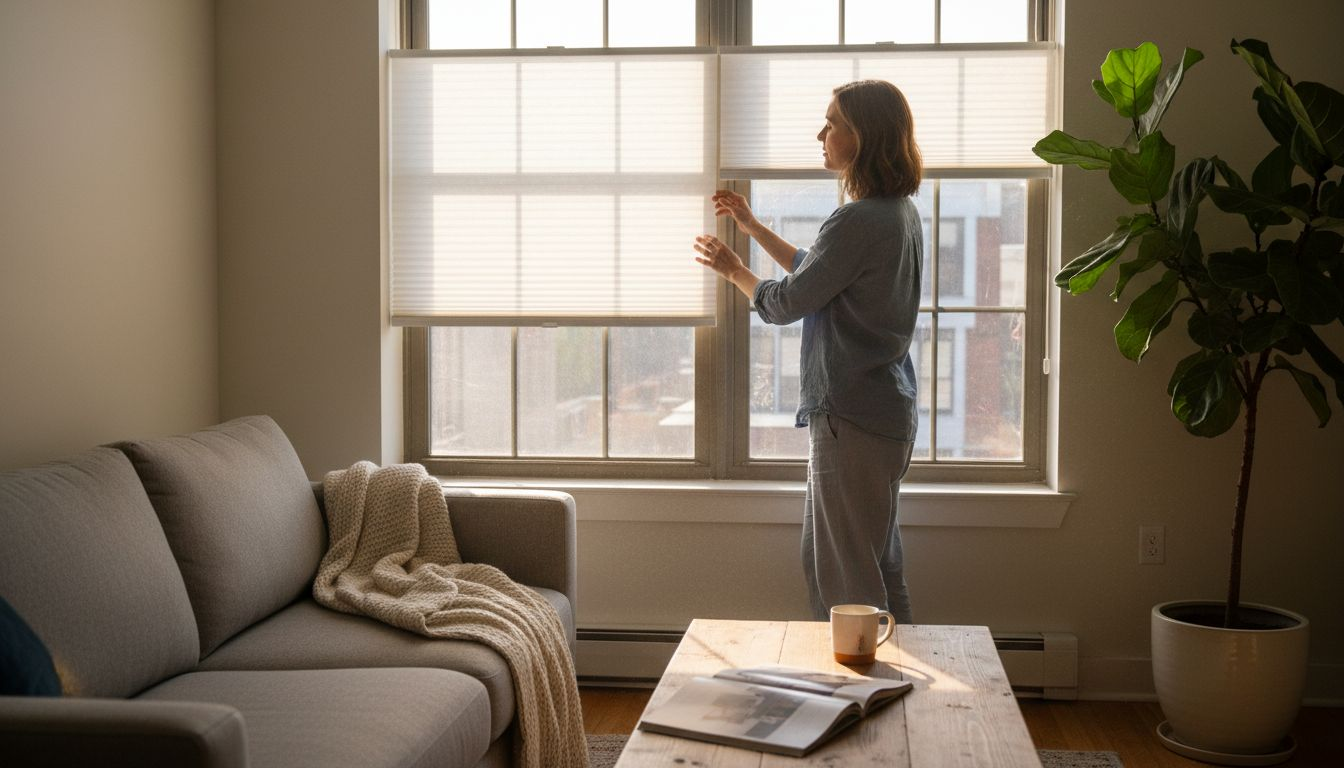
Transforming your indoor spaces requires a thoughtful combination of plants and window treatments that work harmoniously together. The right pairing can dramatically enhance both plant health and home aesthetics.
Window orientation plays a crucial role in determining plant placement and light exposure strategies. Different window aspects provide varying levels of sunlight intensity, which directly impacts plant growth and vitality.
Window Orientation Plant Matching: • South facing windows: Intense sunlight for succulents, cacti, and flowering plants • North facing windows: Ideal for low light plants like snake plants and ferns • East facing windows: Gentle morning light perfect for delicate leafy plants • West facing windows: Warm afternoon light suitable for tropical varieties
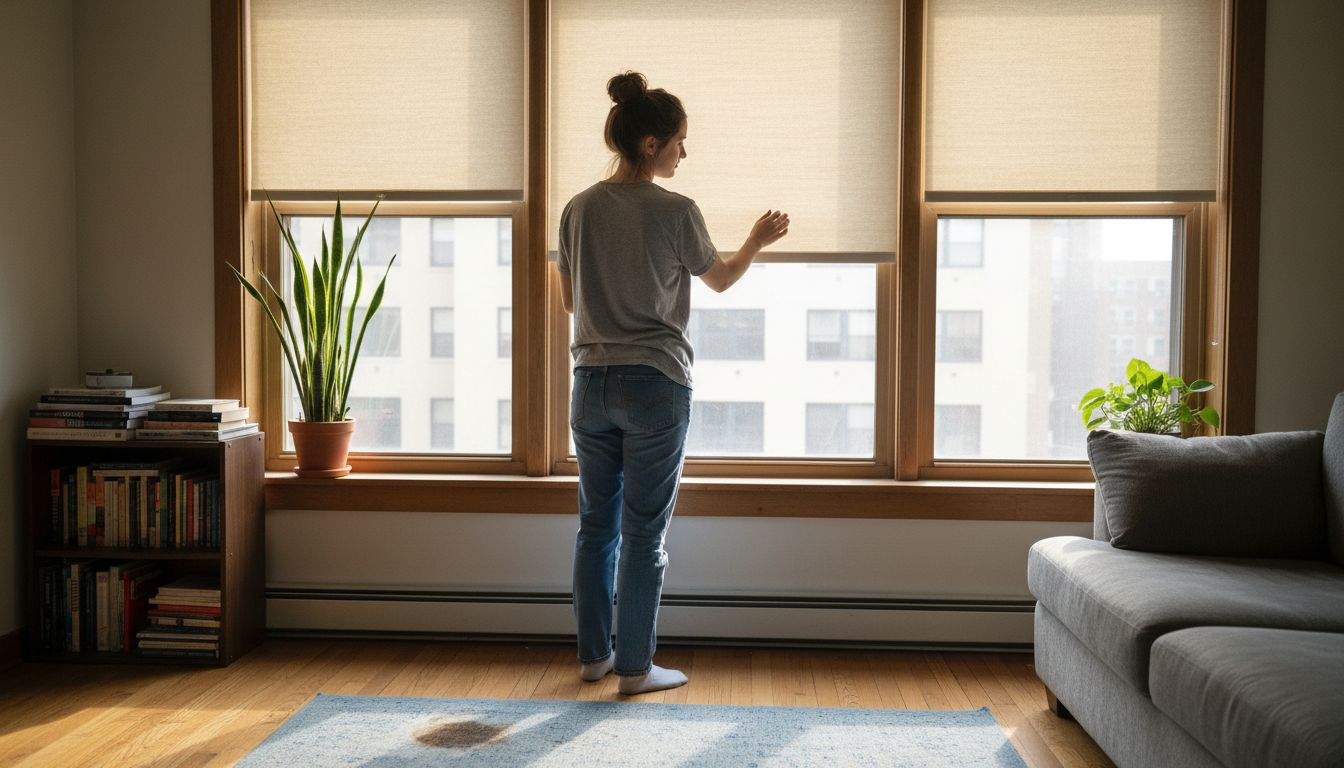
Customized window treatments offer strategic light moderation. Adjustable blinds, shades, and curtains allow you to precisely control light levels, protecting sensitive plants from scorching while ensuring sun loving species receive adequate brightness.
Consider layering your window treatments to create microclimates for different plant types. Sheer curtains can diffuse harsh sunlight, while cellular shades provide insulation and light filtering capabilities.
Design Integration Strategies: • Match window treatment colors with plant pot aesthetics • Use graduated height treatments to create visual depth • Select complementary textures between plants and window coverings
Pro Tip: Rotate your plants periodically and adjust window treatments to ensure even light distribution and prevent uneven growth.
3. Create Layered Displays Using Window Sills and Shelves
Transforming your interior spaces into vibrant green sanctuaries requires strategic plant placement that maximizes visual interest and natural light. Layered displays using window sills and shelves offer an elegant solution for showcasing your indoor plant collection.
Designing a dynamic plant display follows the principles of container gardening with native plants, which emphasizes creating depth and visual complexity through thoughtful arrangement.
Layering Strategy: The Three Plant Types • Thrillers: Tall striking plants that create focal points • Fillers: Medium sized plants that add volume • Spillers: Trailing plants that soften edges and create flow
Window sills provide an ideal foundation for smaller plants that appreciate direct sunlight. Position sun loving succulents and compact herbs in these prime locations. Shelves at varying heights allow you to create a vertical garden effect, transforming blank walls into living art installations.
Practical Placement Tips: • Start with tallest plants at back of display • Gradually decrease plant height toward front • Incorporate plants with different leaf textures • Use decorative pots that complement your interior design
Pro Tip: Rotate your plants quarterly to ensure even growth and prevent one sided development caused by consistent light exposure.
4. Use Planters to Complement Blinds and Shades Colors
Creating a harmonious interior design requires thoughtful coordination between window treatments and decorative elements like planters. Your choice of planter colors and materials can dramatically enhance the visual cohesion of your living spaces.
Carefully selected planters serve as design bridges that visually connect window treatments with surrounding decor. Choosing complementary color palettes transforms ordinary spaces into curated interior experiences.
Planter and Window Treatment Pairing Strategies: • Match wooden blinds with terracotta or wooden planter materials • Pair neutral fabric shades with bold colored ceramic planters • Select metal planters that echo metallic window treatment hardware • Use transparent glass planters with minimalist roller shades
Texture plays a significant role in creating visual harmony. Natural woven blinds pair beautifully with rough textured stone planters, while sleek modern shades complement smooth ceramic or metallic containers. Consider the visual weight and finish of both your window treatments and planters to create a balanced aesthetic.
Color Coordination Principles: • Use monochromatic color schemes for subtle elegance • Create contrast with complementary color choices • Select neutral planters for bold window treatments • Pick window treatment colors that highlight plant foliage
Pro Tip: Collect small paint swatches from your window treatments to bring while shopping for planters, ensuring perfect color matching.
5. Position Tall Plants Near Windows for Visual Impact
Tall indoor plants are transformative design elements that can dramatically elevate your home’s aesthetic and create a sense of natural grandeur. Strategically positioning these vertical green statements near windows allows them to become living architectural features.
Tall plant species offer unique architectural potential when placed near natural light sources, creating dynamic visual landscapes within interior spaces. They serve multiple functions beyond mere decoration by connecting indoor environments with natural elements.
Ideal Tall Plant Placement Strategies: • Position near south facing windows for maximum light • Leave enough space between plant and window treatments • Consider plant height relative to window dimensions • Ensure adequate clearance for blinds and shades
Top Tall Indoor Plant Recommendations: • Fiddle Leaf Fig • Bird of Paradise • Rubber Plant • Monstera Deliciosa • Bamboo Palm
Lighting Considerations: • Bright indirect light works best for most tall indoor plants • Rotate plants quarterly for even growth • Monitor leaf color as indicator of light sufficiency • Use sheer window treatments to filter intense sunlight
Pro Tip: Measure your window height before selecting tall plants to ensure proper visual proportions and prevent overcrowding.
6. Decorate with Hanging Plants for Height and Texture
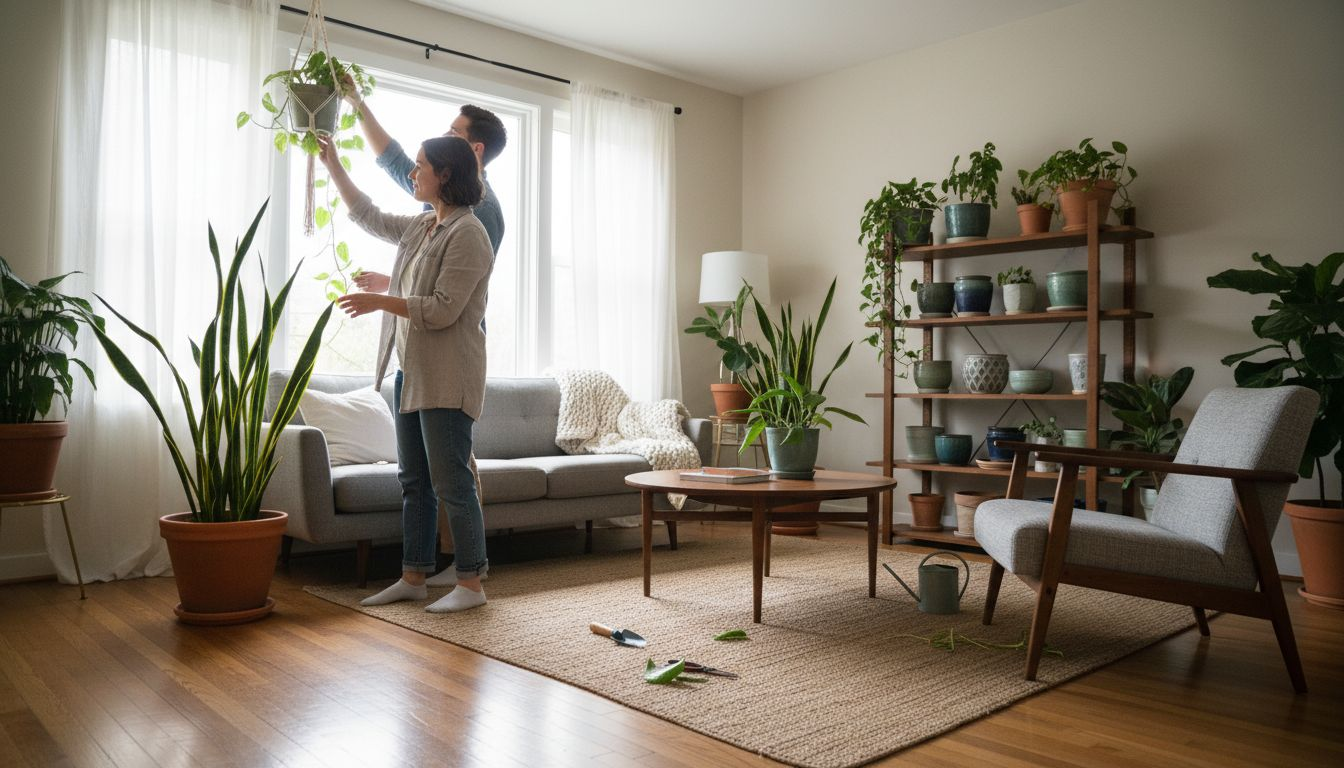
Hanging plants transform ordinary interior spaces into lush vertical gardens, adding dynamic green elements without consuming precious floor space. These suspended botanical displays create visual intrigue and depth by introducing unexpected layers of greenery.
Hanging plant strategies require careful consideration of mounting techniques, plant selection, and environmental conditions. Each suspended plant becomes a living design element that draws the eye upward and softens architectural lines.
Ideal Hanging Plant Placement Zones: • Near windows with filtered light • Above furniture without blocking pathways • Along stairwells or entryways • Suspended from ceiling hooks • Adjacent to window treatments
Best Trailing Plant Varieties: • English Ivy • Spider Plant • Pothos • String of Pearls • Boston Fern • Philodendron
Hanging Methods: • Macramé plant hangers • Metal wire suspensions • Ceramic wall mounted holders • Wooden rod installations • Ceiling mounted plant hooks
Mounting Considerations: • Check weight bearing capacity • Use sturdy mounting hardware • Consider plant growth potential • Ensure adequate light access • Plan for easy maintenance
Pro Tip: Install removable ceiling hooks with weight ratings that exceed your plant and container weight to prevent unexpected falling.
7. Combine Natural Light and Plants for Balanced Ambiance
Creating a harmonious indoor environment goes beyond mere decoration natural light and plants work together to transform living spaces into vibrant sanctuaries of well-being. Understanding how these elements interact can dramatically enhance your home’s atmosphere and your personal health.
Plants and sunlight share a symbiotic relationship that promotes human wellness and vitality. Natural light supports plant photosynthesis while simultaneously regulating human circadian rhythms, creating a mutually beneficial ecosystem within your interior spaces.
Natural Light and Plant Placement Principles: • Position plants near windows with indirect sunlight • Rotate plants quarterly for even growth • Use sheer window treatments to filter intense rays • Match plant species to available light conditions
Health Benefits of Light and Greenery: • Reduces stress levels • Improves air quality • Enhances mood and mental clarity • Regulates sleep patterns • Boosts overall well-being
Strategic Positioning Techniques: • Create plant clusters near windows • Use tiered shelving for varied light exposure • Incorporate reflective surfaces to amplify natural light • Select plants with different light requirements
Pro Tip: Monitor your plants closely and adjust their positioning seasonally to ensure they receive optimal light without risking sunburn or insufficient exposure.
Below is a comprehensive table summarizing key strategies and considerations for selecting and styling indoor plants as discussed in the article.
| Aspect | Details | Recommendations |
|---|---|---|
| Plant Selection | Match plants to the light conditions of the desired location. | Use sun-loving plants like succulents for intense light, and shade-tolerant plants like pothos for low light. |
| Visual Styling | Integrate plants into interior design through layout and arrangement. | Explore tall, trailing, or compact plants for different aesthetic effects. |
| Window Integration | Adapt window treatments for optimal plant health and design harmony. | Use adjustable curtains to control light or pair complementary plant containers with window aesthetics. |
| Layered Designs | Arrange plants on sills and shelves for a dynamic display. | Combine thrillers, fillers, and spillers for depth and visual interest. |
| Hanging Plants | Utilize vertical space for added greenery. | Select sturdy hanging methods and suitable trailing plant varieties. |
| Health Enhancements | Combine plants with natural light for wellness. | Position plants for indirect sunlight and adjust seasonally for consistent benefits. |
Elevate Your Indoor Plant Decor with Custom Window Treatments
Bringing stylish indoor plants into your home is only part of the journey. The real challenge lies in perfectly balancing natural light and design elements to keep your plants healthy while enhancing your living space. This article highlights critical strategies like customized window treatments, light control, and color coordination that can transform your greenery display into a sophisticated focal point.
At Value Blinds, we understand that selecting the right blinds and shades tailored to your windows can help you master light management and elevate your plant decor. Whether you need blackout cellular shades for delicate plants or motorized roller shades for effortless light adjustment our broad catalog is designed to suit your style and functional needs. Explore how easy it is to create a harmonious ambiance where natural light and greenery thrive by visiting Value Blinds Direct. Discover tools and expert support to customize your window treatments and bring your indoor garden vision to life today.
Frequently Asked Questions
How do I choose houseplants that fit my home’s light conditions?
Selecting houseplants involves identifying your home’s light conditions and matching them with suitable plant species. Assess whether you have bright, indirect light or low-light areas and choose plants accordingly, such as succulents for sunny spots and snake plants for shadier areas.
What are the best strategies for pairing plants with window treatments?
To enhance both plant health and home aesthetics, consider the window’s orientation and select window treatments that control light exposure. Use sheer curtains for filtering harsh sunlight for delicate plants and layered shades for creating microclimates that suit various plant needs.
How can I create a layered plant display on my shelves?
Begin by arranging your plants in three layers: place tall plants at the back (thrillers), medium plants in the middle (fillers), and trailing plants at the front (spillers). This not only maximizes light access for each plant but also adds visual interest to your display.
What types of planters work best with different decorative styles?
Choose planters that complement your overall décor by considering color, material, and texture. For instance, match wooden blinds with terracotta planters or use sleek metallic containers for modern interiors to create a cohesive look.
Where should I position tall indoor plants for maximum visual impact?
Place tall indoor plants near windows to leverage natural light and create a dramatic focal point in your space. Ensure there is sufficient clearance between the plant and window treatments to promote healthy growth and invite light into your living area.
How can I integrate hanging plants into my home decor?
Install hanging plants near windows or furniture, avoiding pathways to create visual height and texture. Use robust mounting techniques to ensure safety and choose trailing varieties like Pothos or Spider Plant to enhance your vertical garden aesthetic.