

Custom Light Filtering Roller Shades: Balancing Privacy and Style
Nearly every American home craves the right mix of sunlight and privacy, yet over 60% of homeowners say their current window treatments fail to deliver. Choosing the best shade can dramatically change how comfortable and stylish each room feels. With modern features and carefully engineered fabric, custom light filtering roller shades offer an impressive solution for those looking to upgrade both lighting and privacy with confidence.
Table of Contents
- Defining Custom Light Filtering Roller Shades
- Types of Roller Shade Fabrics and Opacities
- How Light Filtering Shades Work in Homes
- Privacy, UV Protection, and Energy Efficiency
- Comparing Light Filtering, Blackout, and Sheer Shades
- Common Installation Mistakes and Maintenance Tips
Key Takeaways
| Point | Details |
|---|---|
| Custom light filtering roller shades | These shades balance natural light, privacy, and aesthetics, allowing homeowners to control their indoor ambiance effectively. |
| Fabric and opacity selection | Homeowners can choose from various fabric types and opacity levels, which significantly impact light transmission and visual comfort. |
| Functional versatility | Light filtering shades adapt to different room needs, from living rooms to bedrooms, enhancing overall interior design and comfort. |
| Installation and maintenance specifics | Accurate measurements and regular maintenance are crucial for optimal shade performance and longevity, preventing common installation errors. |
Defining Custom Light Filtering Roller Shades
Custom light filtering roller shades represent a versatile window treatment solution designed to balance natural illumination, privacy, and aesthetic appeal in residential spaces. These specialized window coverings provide homeowners with precise control over ambient light while maintaining a sleek, modern interior design profile. Unlike traditional window treatments, these shades offer nuanced light management through specialized fabric technologies.
Roller shades function through a simple yet ingenious mechanism: a lightweight fabric panel mounted on a roller tube that smoothly raises and lowers across window surfaces. When understanding light filtering window shades becomes critical, homeowners recognize that these shades can transform room ambiance by filtering sunlight rather than completely blocking it. The translucent fabrics allow soft, diffused light to permeate interior spaces, reducing glare while preserving exterior views and maintaining visual comfort.
The customization potential of light filtering roller shades extends far beyond basic functionality. Homeowners can select from various opacity levels, colors, textures, and mounting styles to complement their specific interior design preferences. Custom roller shades transform style and light control by offering precision engineered fabric options that range from sheer, allowing maximum light transmission, to semi-opaque materials providing increased privacy and light modulation.
Pro Tip: Fabric Selection Strategy: When choosing light filtering roller shades, always request fabric samples to evaluate color, texture, and light transmission qualities in your actual living space before making a final purchase decision.
Types of Roller Shade Fabrics and Opacities
Roller shade fabrics represent a critical design element that determines the functionality and aesthetic appeal of window treatments. When evaluating roller shade fabric options, homeowners encounter a spectrum of opacity levels and textile compositions that dramatically influence light transmission, privacy, and interior design harmony.
Typically, roller shade fabrics are categorized into three primary opacity classifications. Sheer fabrics offer the most transparent option, featuring an openness factor between 3-10%, allowing maximum natural light penetration and preserving exterior views. Light filtering fabrics provide a more nuanced approach, with an openness factor between 0-1%, diffusing sunlight while maintaining soft interior illumination and enhancing privacy. Blackout fabrics represent the most opaque option, completely blocking external light and providing maximum privacy for bedrooms, home theaters, and spaces requiring total light control.
The material composition of roller shade fabrics further influences their performance characteristics. Synthetic materials like polyester and fiberglass offer durability and consistent light filtering properties, while natural fibers such as cotton and linen provide organic textures and subtle light diffusion. Modern fabric technologies incorporate advanced weaving techniques that enable precise light management, allowing homeowners to customize their window treatments based on specific room requirements and aesthetic preferences.
Here is a comparison of major roller shade fabric types and their main benefits:
| Fabric Type | Light Control | Durability | Visual Texture |
|---|---|---|---|
| Polyester | Reliable filtering | Highly durable | Smooth, modern appearance |
| Fiberglass | Excellent glare reduction | Long-lasting | Minimalistic, clean look |
| Cotton | Soft light diffusion | Less durable | Natural and organic feel |
| Linen | Subtle softening | Moderate durability | Textured, upscale effect |
Pro Tip: Fabric Sampling Strategy: Always request physical fabric samples to assess color, texture, and light transmission qualities in your actual living space before making a final purchase decision.
How Light Filtering Shades Work in Homes
Light filtering shades transform interior spaces by intelligently managing natural illumination through advanced fabric technologies. Understanding light filtering window treatments reveals how these innovative window coverings create a nuanced approach to controlling sunlight, privacy, and room ambiance without completely blocking exterior views.
The functional mechanism of light filtering shades relies on specialized textile engineering. When deployed, these shades utilize translucent fabrics with carefully designed weave patterns that selectively diffuse incoming sunlight. This process softens harsh direct light, reducing glare and heat while maintaining a gentle, ambient illumination that prevents complete darkness. The strategic fabric composition allows homeowners to create a comfortable interior environment that feels naturally lit and visually expansive.
Different rooms require unique light management strategies, and light filtering shades accommodate these diverse needs through their adaptable design. Living rooms benefit from soft, scattered light that enhances spatial perception, while home offices demand controlled illumination that minimizes screen glare. Bedrooms can leverage these shades to create a serene atmosphere, filtering morning sunlight to prevent abrupt wake-ups and maintaining a sense of privacy. The versatility of these window treatments enables precise light control that adapts to individual lifestyle and design preferences.
Pro Tip: Light Adaptation Strategy: Position light filtering shades at different heights or use multiple layered treatments to create dynamic lighting zones that can be independently adjusted throughout the day.
Privacy, UV Protection, and Energy Efficiency
Custom light filtering roller shades provide a sophisticated solution for homeowners seeking comprehensive window treatment benefits beyond aesthetic appeal. Understanding privacy window solutions reveals how these innovative window coverings simultaneously address three critical home performance aspects: personal privacy, ultraviolet protection, and energy efficiency.
Privacy management represents a primary function of light filtering roller shades. The translucent fabric allows natural light transmission while preventing direct visual access from exterior spaces. Different opacity levels enable homeowners to customize their privacy preferences, creating visual barriers that maintain interior comfort without completely blocking outdoor views. Strategic fabric selection and precise installation techniques ensure residents can enjoy natural illumination while protecting their personal living spaces from external observation.
Ultraviolet protection represents another significant advantage of sophisticated light filtering roller shades. These window treatments act as a critical barrier against harmful solar radiation, protecting interior furnishings, artwork, flooring, and furniture from color fading and material degradation. By filtering and diffusing incoming sunlight, the shades reduce ultraviolet penetration by up to 99%, preserving the aesthetic and structural integrity of interior design elements while simultaneously creating a comfortable indoor environment with reduced heat gain and glare.
Pro Tip: UV Protection Strategy: Choose light filtering shades with higher opacity levels and lighter colors to maximize ultraviolet reflection and minimize interior heat absorption.
Comparing Light Filtering, Blackout, and Sheer Shades
Window treatment technologies offer homeowners diverse options for managing light, privacy, and interior aesthetics through distinctive shade classifications. Understanding light filtering versus blackout window treatments reveals the nuanced differences between sheer, light filtering, and blackout shade technologies that cater to specific residential needs.
Shade classifications are distinguished by their unique openness factors and light transmission capabilities. Sheer shades, with an openness factor between 3-10%, provide maximum visibility and natural light penetration, creating an airy and expansive interior atmosphere. Light filtering shades occupy a middle ground, featuring an openness factor between 0-1%, diffusing sunlight and enhancing privacy while maintaining soft, ambient illumination. Blackout shades represent the most opaque option, completely blocking external light and creating ideal conditions for sleep, media rooms, and spaces requiring total darkness.
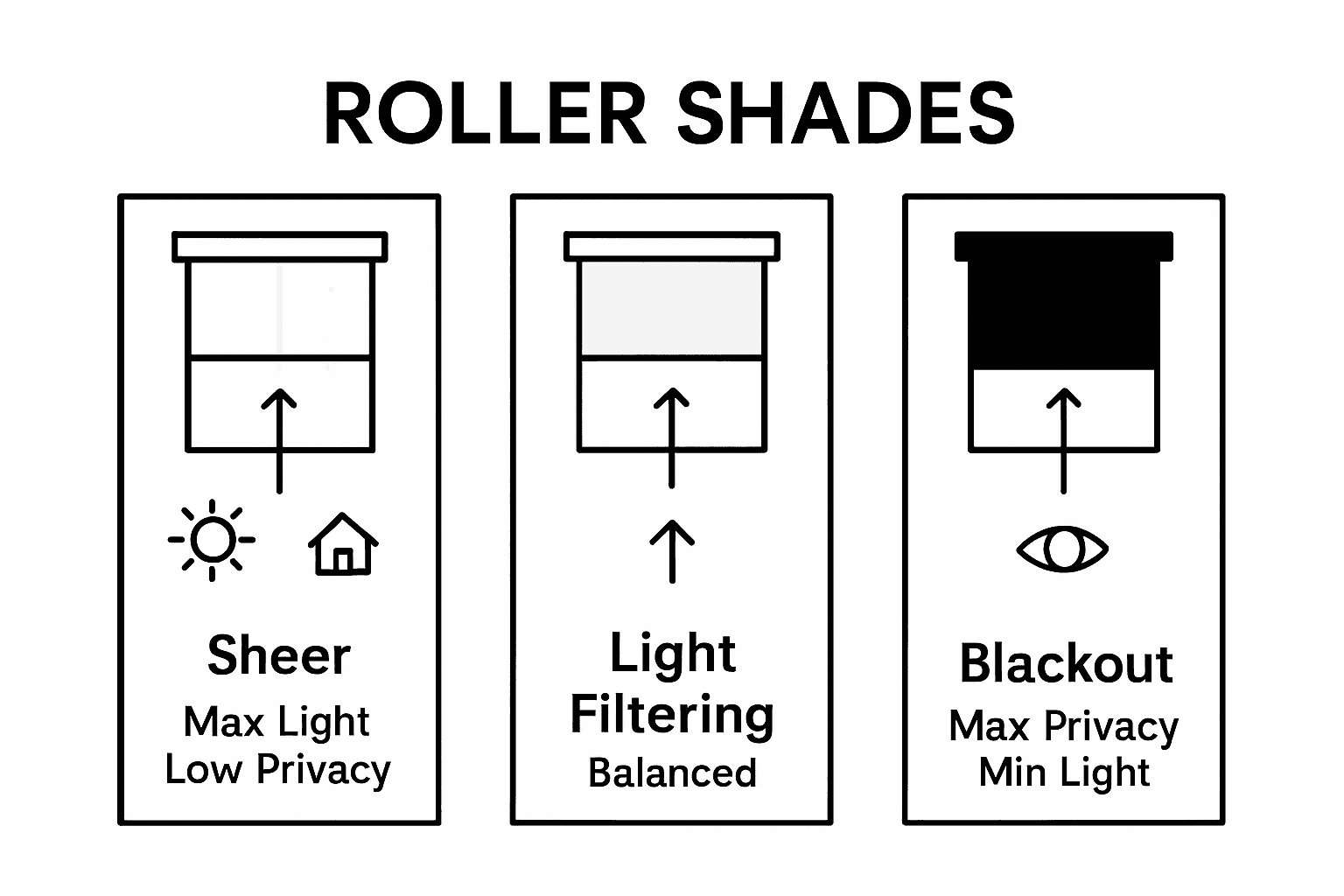
Each shade type offers distinct advantages for different living spaces and personal preferences. Sheer shades work brilliantly in living rooms and areas requiring abundant natural light, while light filtering shades excel in home offices and bedrooms where controlled illumination is paramount. Blackout shades become essential in spaces like nurseries, shift workers’ bedrooms, and home theaters where complete light elimination is necessary. The strategic selection depends on room function, window orientation, and individual lifestyle requirements.
To help select the right roller shade for each room, see this use-case summary:
| Room Type | Ideal Shade Type | Main Benefit |
|---|---|---|
| Living Room | Sheer or Light Filtering | Soft daylight, preserve views |
| Home Office | Light Filtering | Reduce glare, balance light |
| Bedroom | Light Filtering or Blackout | Privacy, manage morning light |
| Home Theater | Blackout | Total darkness for ambiance |
Pro Tip: Layering Strategy: Consider combining different shade types in the same room to create versatile lighting zones that can be adjusted throughout the day for optimal comfort and functionality.
Common Installation Mistakes and Maintenance Tips
Custom light filtering roller shades require precise installation and consistent maintenance to ensure optimal performance and longevity. Understanding custom roller shade installation techniques helps homeowners avoid common pitfalls that can compromise window treatment functionality and aesthetic appeal.
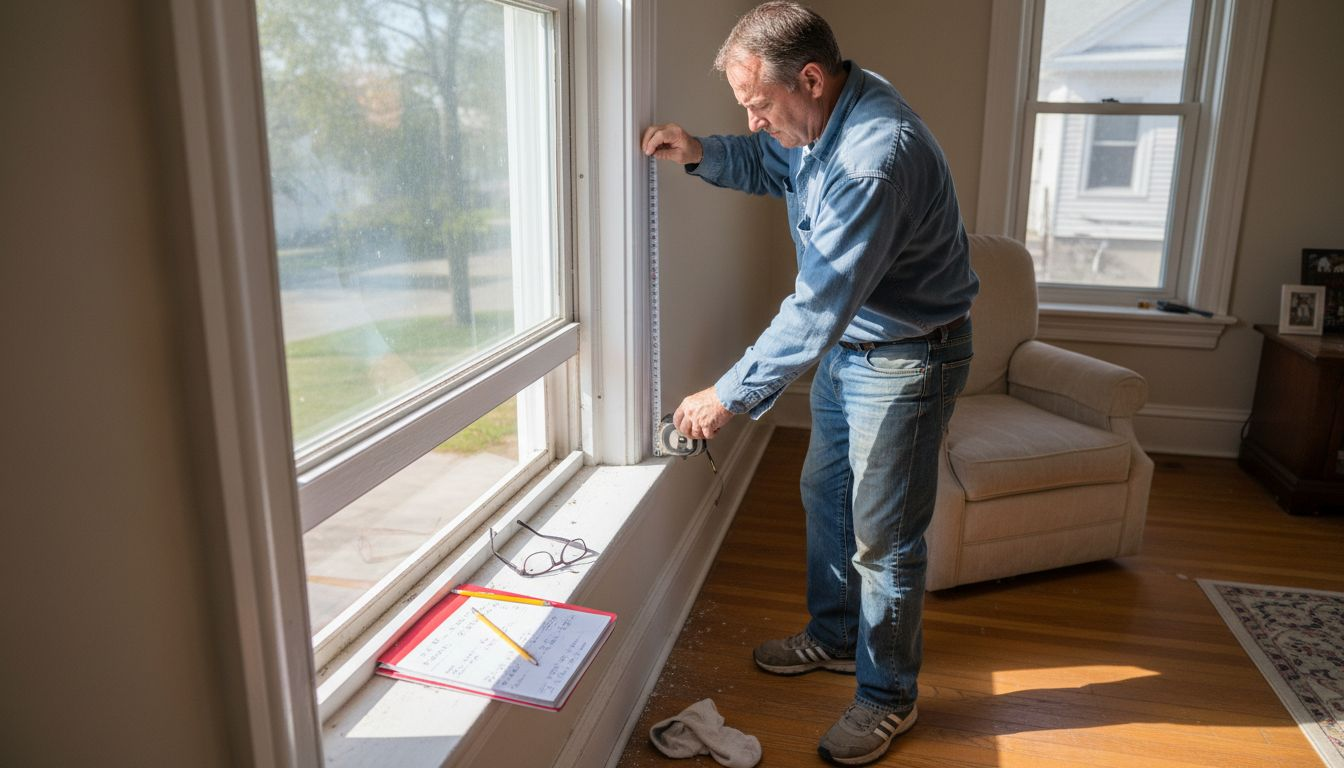
Common installation mistakes often stem from improper measurement and mounting techniques. Homeowners frequently miscalculate window dimensions, leading to ill-fitting shades that create gaps, uneven deployment, or restricted movement. Critical measurement errors include failing to account for window frame depth, neglecting to measure at multiple points to ensure accuracy, and overlooking potential obstructions like window handles or architectural trim. Professional installers recommend measuring width and height at three separate locations and using the smallest measurement to guarantee a perfect fit.
Maintenance represents another crucial aspect of preserving roller shade performance and appearance. Dust and debris accumulation can compromise fabric integrity and smooth operational mechanisms. Regular maintenance involves gentle cleaning techniques tailored to specific fabric types. Microfiber cloths work well for light dust removal, while specialized fabric cleaners can address more stubborn stains without damaging delicate light filtering materials. Mechanical components like roller tubes and mounting brackets require periodic lubrication and inspection to prevent friction-related wear and ensure consistent, smooth shade movement.
Pro Tip: Measurement Precision: Always use a metal tape measure, measure twice, and record measurements in multiple locations to guarantee accurate custom shade fitting and optimal performance.
Discover the Perfect Balance of Privacy and Style with Custom Light Filtering Roller Shades
If controlling natural light while enhancing your home’s privacy feels like a challenge, custom light filtering roller shades offer the ideal solution. These shades provide soft, ambient illumination without sacrificing your personal space or exterior views. With options to tailor fabric types, textures, and opacity levels, you can easily create a comfortable and stylish atmosphere that complements your unique interior design.
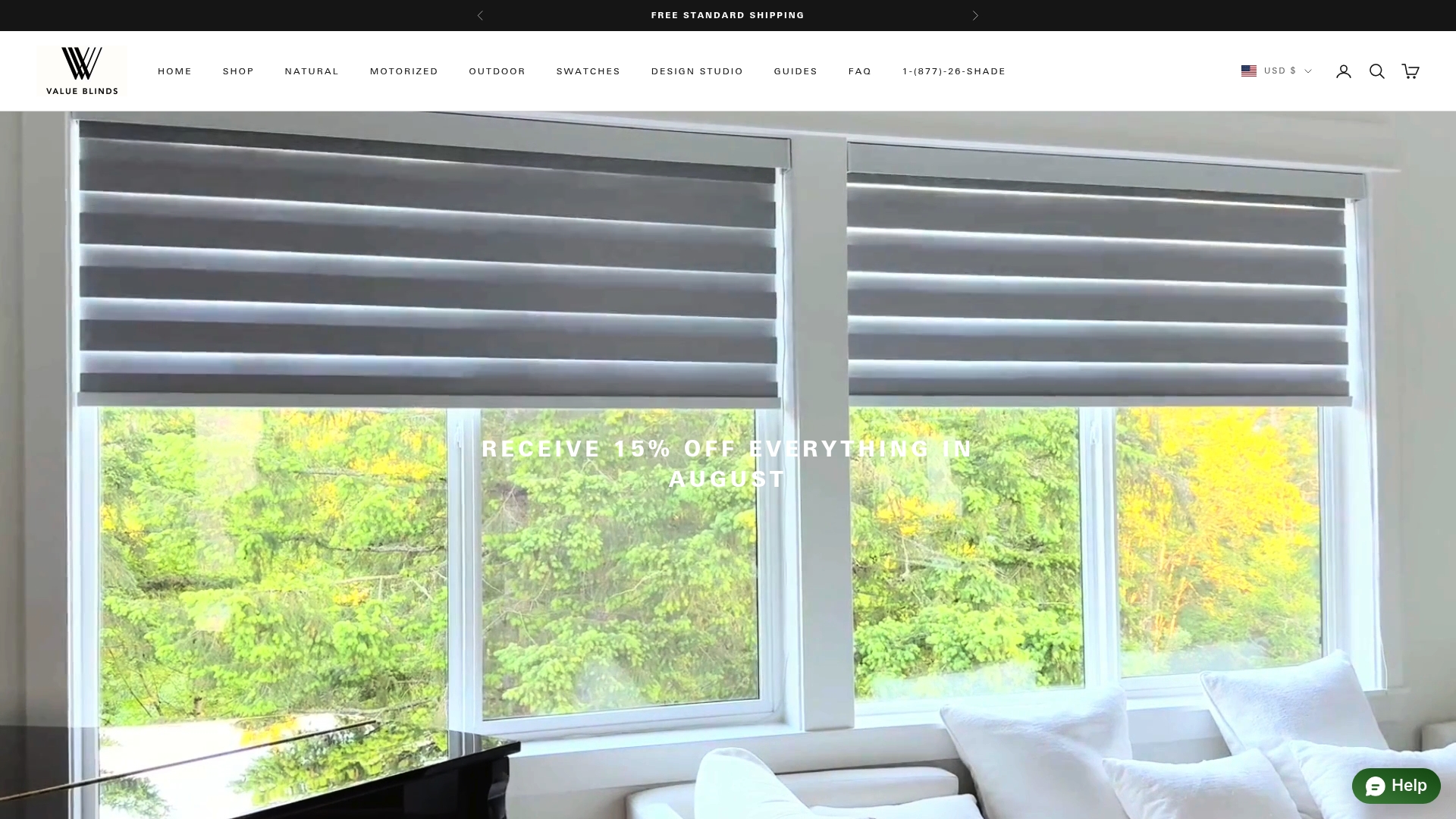
Explore our extensive selection of New Arrivals or browse the full range of custom window treatments at Value Blinds. Take advantage of expert design tools and free swatches to find the perfect fit for your home. Act now to bring effortless elegance and energy efficiency into your living spaces with window solutions that deliver lasting quality and comfort.
Frequently Asked Questions
What are custom light filtering roller shades?
Custom light filtering roller shades are window treatments that balance natural light and privacy by using specialized translucent fabrics that diffuse sunlight, allowing soft light to enter while preserving outdoor views.
How do light filtering shades work?
Light filtering shades utilize advanced fabric technologies to selectively diffuse incoming sunlight. Their carefully designed weave patterns soften direct light, reducing glare and heat while maintaining ambient illumination in interior spaces.
What are the main differences between light filtering, sheer, and blackout shades?
Light filtering shades provide a balanced openness factor that moderates light and enhances privacy. Sheer shades allow maximum light penetration and visibility, while blackout shades completely block external light, creating ideal conditions for spaces requiring darkness, like bedrooms or home theaters.
How can I maintain custom light filtering roller shades?
To maintain custom light filtering roller shades, regularly dust them with a microfiber cloth and use specialized fabric cleaners for stubborn stains. Ensure to periodically inspect and lubricate mechanical components like roller tubes to ensure smooth operation.
Recommended
- Complete Guide to Fabric Light Filtering Roller Shades
- Understanding Roller Shades vs Blinds for Your Home
- Custom Roller Shades: Enhancing Light and Privacy Control
- Understanding Light Filtering Window Shades for Your Home
- Lufi Díszítés Trendek 2025-re: Milyen Újdonságokra Számíthatsz? - Lufiparty.hu