

Motorized Cellular Blinds: Smart Home Energy Control
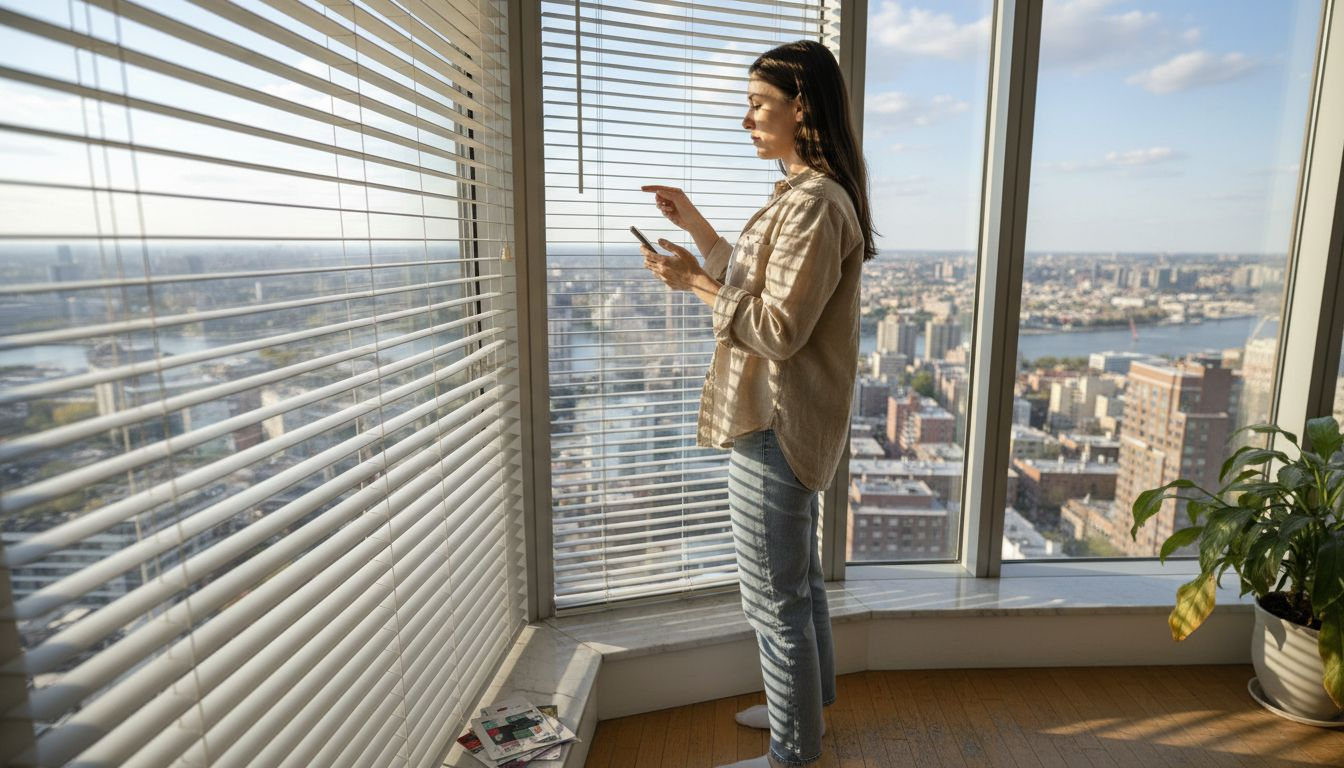
City living often brings a daily balancing act between comfort, energy savings, and privacy. Tech-savvy homeowners are discovering that motorized cellular blinds deliver a smarter approach to home comfort by merging style with advanced energy management. With their innovative honeycomb design that traps air for insulation, these intelligent solutions allow effortless control over sunlight and room temperature while reducing heating and cooling costs. Explore how integrating smart window treatments can redefine the convenience and efficiency of your home environment.
Table of Contents
- Defining Motorized Cellular Blinds And Core Benefits
- Types Of Motorized Cellular Blinds Explained
- How Motorization And Cellular Technology Work
- Energy Efficiency And Smart Home Integration
- Upfront Costs, Maintenance, And Common Pitfalls
Key Takeaways
| Point | Details |
|---|---|
| Energy Efficiency | Motorized cellular blinds enhance energy management by utilizing a honeycomb design that provides superior thermal insulation and reduces energy costs. |
| Smart Home Integration | These blinds are compatible with smart home systems, allowing automated adjustments based on sunlight and temperature for optimal comfort. |
| Variety of Options | Multiple types of motorized blinds are available, including bottom-up, top-down, and cordless models, catering to different privacy and aesthetic needs. |
| Investment Considerations | Motorized cellular blinds require a significant upfront investment, so homeowners should weigh initial costs against long-term benefits and maintenance. |
Defining Motorized Cellular Blinds and Core Benefits
Motorized cellular blinds represent a cutting-edge window treatment solution that transforms traditional home energy management. These innovative window coverings combine advanced technology with intelligent design, offering homeowners unprecedented control over light, temperature, and privacy. By integrating smart home functionality, cellular blinds have evolved from simple window coverings to sophisticated energy management tools.
The unique honeycomb design of cellular blinds sets them apart from traditional window treatments. Cellular shades feature a distinctive structure that creates air pockets, providing exceptional thermal insulation. These trapped air layers act as a barrier, helping to:
- Reduce heat loss during winter months
- Minimize heat gain during summer
- Decrease energy consumption
- Improve overall home comfort
- Enhance indoor temperature regulation
When motorized, these cellular blinds offer even more advanced functionality. Homeowners can now automate their window treatments, enabling precise control through smartphone apps, remote controls, or smart home integration. The automation allows for:
- Scheduled adjustments based on time of day
- Sunlight and temperature-triggered movements
- Integration with home climate control systems
- Remote operation from anywhere
Smart home compatibility transforms these blinds from passive window coverings into active energy management tools. By automatically adjusting based on sunlight intensity and indoor temperature, motorized cellular blinds can significantly reduce heating and cooling costs.
Pro tip: Consider installing motorized cellular blinds with multiple sensors to maximize energy efficiency and create a truly responsive home environment.
Types of Motorized Cellular Blinds Explained
Motorized cellular blinds come in diverse configurations, offering homeowners a range of sophisticated options to match their specific home design and energy management needs. Motorized blinds and shades represent a technological leap in window treatment solutions, providing unprecedented control and customization.
The primary types of motorized cellular blinds can be categorized based on their operational mechanisms and design features:
-
Bottom-Up Motorized Cellular Blinds
- Raise and lower from bottom to top
- Ideal for ground-floor rooms requiring privacy
- Allows natural light while maintaining lower-level privacy
-
Top-Down Motorized Cellular Blinds
- Lower from top to bottom
- Perfect for rooms with high windows
- Enables light control from upper window sections
-
Cordless Motorized Cellular Blinds
- Eliminate manual cord interactions
- Enhanced child and pet safety
- Sleek, minimalist design aesthetic
Beyond basic operational types, motorized cellular blinds also vary in their power and connectivity options. Some models feature rechargeable battery systems, while others connect directly to home electrical systems. Smart home integration allows these blinds to synchronize with temperature sensors, sunlight monitors, and home automation platforms.
The following table summarizes major types of motorized cellular blinds and ideal placements:
| Blind Type | Typical Use Case | Privacy Level |
|---|---|---|
| Bottom-Up | Bedrooms, street level | High |
| Top-Down | Living rooms, offices | Medium |
| Cordless | Child rooms, modern homes | High |
| Dual Operation | Flexible multi-purpose | Highest |
Pro tip: Select motorized cellular blinds that offer multiple control methods to maximize flexibility and ensure seamless home integration.
How Motorization and Cellular Technology Work
Motorized cellular blinds integrate sophisticated mechanical and technological components to deliver seamless window covering control. Motorization techniques for cellular shades involve precision engineering that transforms traditional window treatments into intelligent home systems.
The core technological components of motorized cellular blinds include:
-
Motor Mechanisms
- Low-voltage tubular motors
- Installed inside roller tube
- Provide smooth, quiet operation
- Engineered for specific shade weight and size
-
Power Source Options
- Rechargeable battery systems
- Direct electrical hardwiring
- Solar panel charging
- Wireless power management
-
Control Interface Technologies
- Smartphone application controls
- Remote control units
- Smart home hub integration
- Voice command compatibility
The honeycomb cellular design plays a crucial role in enhancing the blind’s performance. These intricate air-trapping structures provide thermal insulation while allowing precise mechanical movement. Motors are carefully calibrated to navigate the unique cellular structure, ensuring smooth raising and lowering without compromising the shade’s structural integrity.
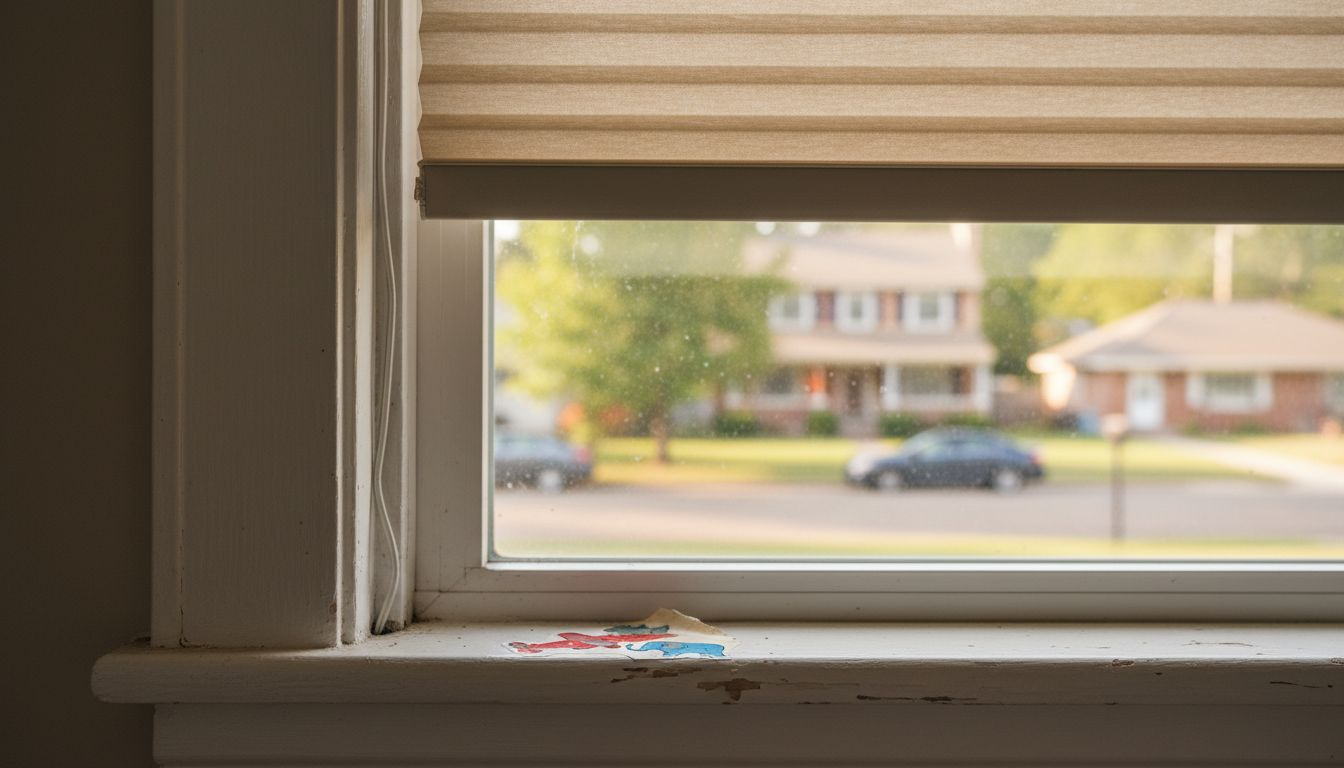
Advanced models now incorporate sensors that enable intelligent environmental response. These sensors can detect sunlight intensity, internal room temperature, and even track daily usage patterns to optimize energy efficiency and user comfort.
Pro tip: When selecting motorized cellular blinds, prioritize models with multiple power and control options to ensure maximum flexibility and compatibility with your home’s technological ecosystem.
Energy Efficiency and Smart Home Integration
Smart home window shading technologies have revolutionized home energy management by transforming traditional window treatments into intelligent environmental control systems. Motorized cellular blinds represent a sophisticated solution that seamlessly integrates advanced sensors, automation, and connectivity to optimize indoor comfort and energy consumption.
The key integration features of smart motorized cellular blinds include:
-
Intelligent Sensor Technologies
- Light intensity detection
- Indoor temperature monitoring
- Ambient environment tracking
- Automated adjustment capabilities
-
Smart Home System Compatibility
- Voice command integration
- Smartphone application control
- Synchronization with home thermostats
- Coordinated lighting and climate systems
-
Energy Management Capabilities
- Automatic solar gain optimization
- HVAC energy consumption reduction
- Proactive temperature regulation
- Personalized scheduling options
The honeycomb design of cellular blinds plays a critical role in enhancing energy efficiency. By creating multiple air layers, these blinds provide superior thermal insulation that complements their smart technological features. Advanced models can now make real-time decisions about light and temperature control, actively reducing energy consumption without manual intervention.
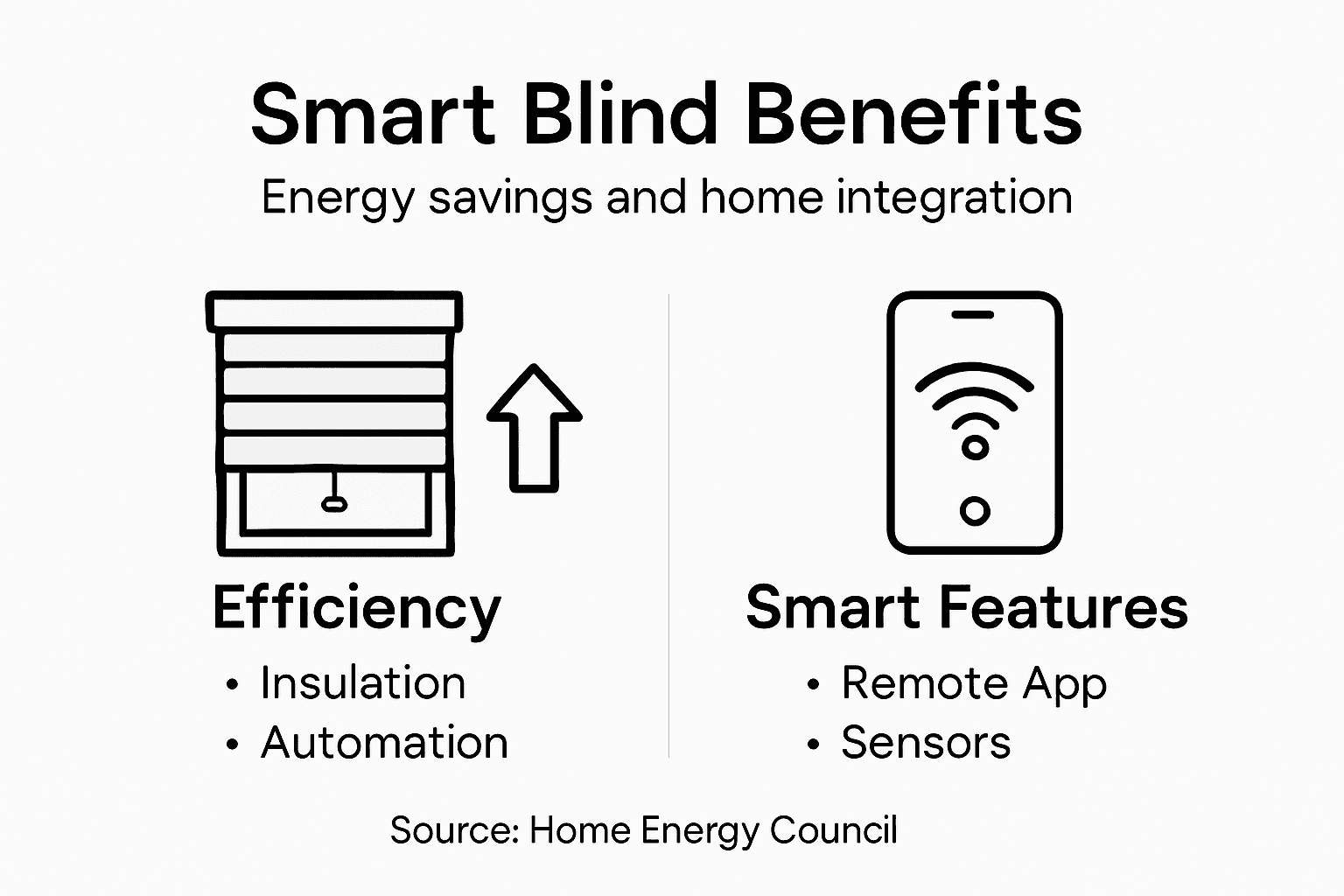
These intelligent window treatments go beyond simple automation. They create a responsive home environment that adapts to changing conditions, learns user preferences, and continuously optimizes energy performance. The integration of machine learning algorithms allows motorized cellular blinds to develop increasingly sophisticated energy management strategies over time.
Pro tip: Invest in motorized cellular blinds with comprehensive sensor systems and multi-platform compatibility to maximize your home’s energy efficiency and smart home integration potential.
Upfront Costs, Maintenance, and Common Pitfalls
Motorized cellular blinds represent a significant investment in home technology, requiring careful consideration of initial expenses, long-term maintenance, and potential challenges. 7 Essential Tips for Energy Efficient Window Coverings can help homeowners navigate the financial and practical aspects of this smart home upgrade.
The primary cost components for motorized cellular blinds include:
-
Initial Purchase Expenses
- Motor and mechanism costs
- Custom sizing and design
- Smart home integration features
- Professional installation
-
Ongoing Maintenance Considerations
- Battery replacement
- Motor calibration
- Fabric cleaning and preservation
- Software and firmware updates
-
Potential Technical Challenges
- Connectivity issues
- Motor performance degradation
- Sensor accuracy limitations
- Compatibility with existing smart home systems
Homeowners should anticipate a significant upfront investment, with prices ranging from $300 to $1,000 per window depending on size, complexity, and smart features. Professional installation can add an additional $100 to $300 per window, making comprehensive home coverage a substantial financial commitment.
Electrical and battery-powered models each present unique maintenance considerations. Battery-powered blinds require periodic battery replacements and may experience reduced performance over time, while hardwired options eliminate battery concerns but demand professional electrical integration.
Here’s a comparison of power and control options for motorized cellular blinds:
| Feature | Battery-Powered Blinds | Hardwired Blinds | Solar-Powered Blinds |
|---|---|---|---|
| Typical Installation | Simple DIY possible | Professional electrician needed | DIY or professional |
| Maintenance Needs | Battery changes required | Very low | Occasional panel cleaning |
| Best For | Renters or retrofits | New homes or remodels | Eco-conscious homeowners |
| Power Source Reliability | May lose power if batteries die | Continuous unless power outage | Depends on sunlight availability |
Pro tip: Always request comprehensive warranty information and compare multiple motorized cellular blind models to balance initial costs with long-term performance and reliability.
Transform Your Home with Motorized Cellular Blinds for Energy Efficiency and Smart Control
If you are looking to enhance comfort while reducing energy costs motorized cellular blinds offer the perfect solution. The advanced honeycomb design paired with smart automation brings effortless control over light and temperature right to your fingertips. Whether you want scheduled movements or sensor-triggered adjustments these blinds help create an intelligent and energy-efficient home environment.
Explore an exclusive range of customizable motorized blinds and shades at Value Blinds. From cordless designs to top-down and bottom-up options find window treatments tailored to your style and functional needs. Enjoy expert support free swatches and a seamless online buying process that makes upgrading your home simple and rewarding.
Ready to experience the convenience of smart home energy control with stylish motorized cellular blinds? Visit our New Arrivals collection for the latest innovations and elevate your home’s comfort today at Value Blinds.
Frequently Asked Questions
What are motorized cellular blinds?
Motorized cellular blinds are advanced window treatments that combine innovative technology with a honeycomb design, offering efficient energy management, light control, and enhanced privacy. They can be automated and integrated with smart home systems for optimal performance.
How do motorized cellular blinds improve energy efficiency?
These blinds feature a unique honeycomb structure that traps air, providing exceptional insulation. When motorized, they can automatically adjust based on temperature and sunlight, significantly reducing heating and cooling costs while enhancing indoor comfort.
What types of motorized cellular blinds are available?
Motorized cellular blinds come in several types including bottom-up, top-down, cordless, and dual operation. Each type is designed for specific use cases, offering different privacy levels and functionality to suit various home environments.
What maintenance is required for motorized cellular blinds?
Maintenance for motorized cellular blinds can include battery replacements, motor calibration, fabric cleaning, and software updates. The specific needs may vary depending on whether the blinds are battery-powered, hardwired, or solar-powered.