
Smart Blinds: Complete Guide to Modern Automation
Smart blinds have rapidly shifted from futuristic luxury to an everyday reality in modern homes. With over 40 percent of homeowners now considering smart window treatments for energy savings and convenience, the need for insight into these advanced systems has never been greater. From seamless smartphone integration to effortless automation, understanding how smart blinds work can help you create a more comfortable, efficient, and connected living space.
Table of Contents
- What Smart Blinds Entail
- Different Smart Blind Types
- How Smart Blinds Operate
- Smart Home Integration Methods
- Benefits and Energy Efficiency
- Key Purchase Considerations
Key Takeaways
| Point | Details |
|---|---|
| Smart Blinds Functionality | Smart blinds integrate with home automation systems, enabling control through various interfaces like apps, voice commands, and schedules. |
| Energy Efficiency Benefits | They enhance energy management by automatically adjusting to environmental conditions, leading to reduced heating and cooling costs. |
| Diverse Technology Options | Smart blinds range from basic motorized systems to advanced models with AI-driven sensors and extensive smart home integration. |
| Critical Purchase Factors | Important considerations include compatibility with existing systems, connectivity, power source, and material quality to ensure long-term satisfaction. |
What Smart Blinds Entail
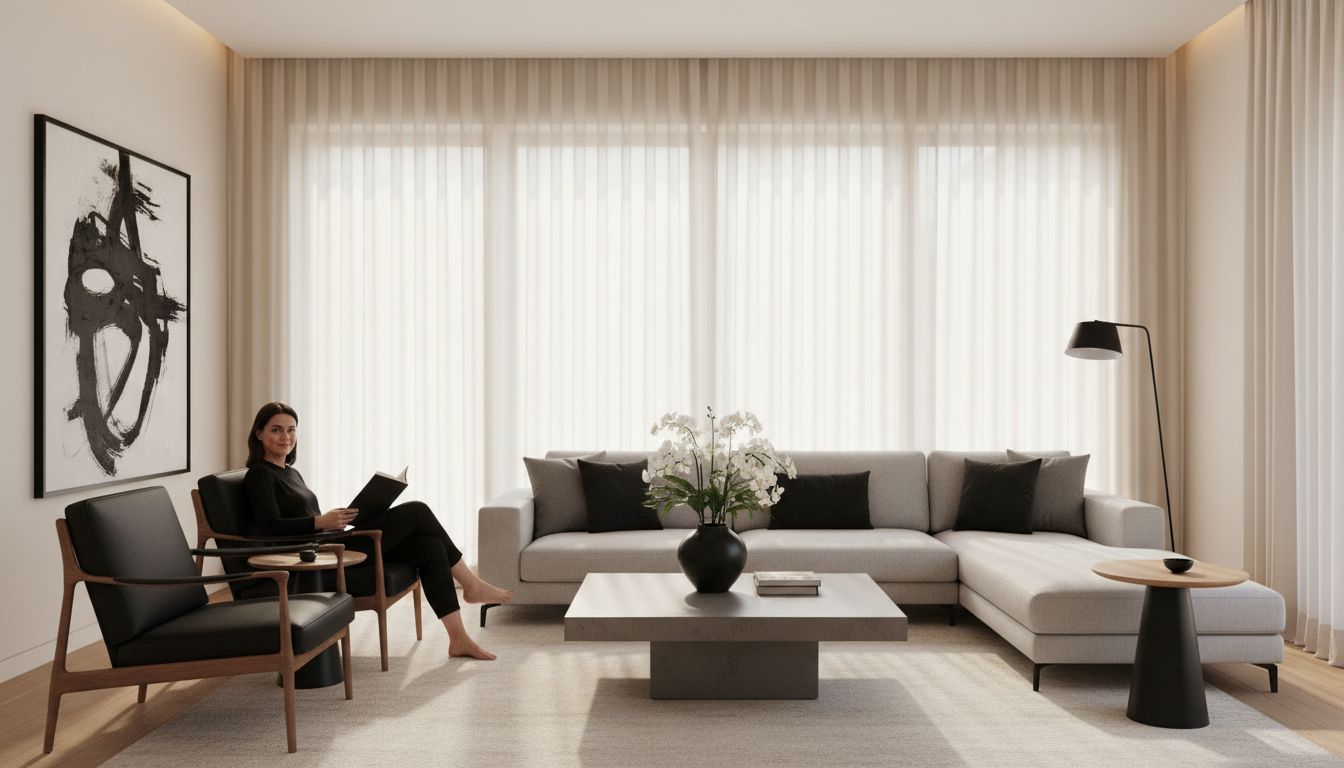
Smart blinds represent a revolutionary intersection of home automation, technology, and design, transforming traditional window coverings into intelligent, responsive systems. According to research from ijesi.org, these advanced window treatments are more than mere decorative elements - they’re sophisticated technological solutions integrated into modern smart home ecosystems.
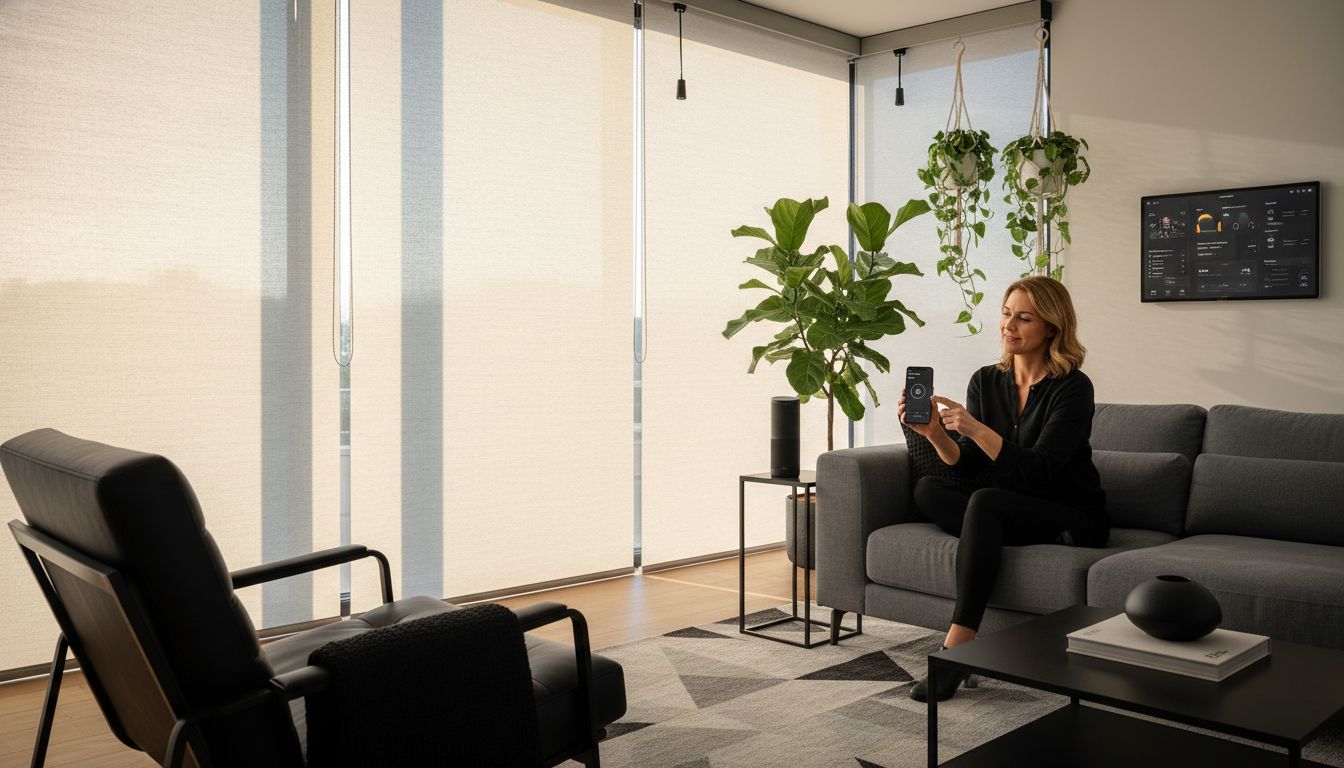
At their core, smart blinds offer unprecedented control and functionality through wireless connectivity and automated mechanisms. As demonstrated in the digitalcommons research, these innovative window treatments can be manipulated via multiple interfaces:
- Smartphone applications
- Wall-mounted touchscreen panels
- Voice command systems
- Automated scheduling and programming
The technological architecture behind smart blinds typically involves intricate communication systems. Research reveals they often utilize wireless protocols like Wi-Fi, Zigbee, or Bluetooth to enable remote manipulation. These systems frequently incorporate microcontrollers such as Arduino or Raspberry Pi, allowing precise motor control and seamless integration with broader home automation networks.
Beyond convenience, smart blinds serve critical functional purposes. They contribute significantly to home energy efficiency by automatically adjusting based on sunlight intensity, temperature, and time of day. This intelligent responsiveness helps regulate indoor climate, reducing heating and cooling costs while providing optimal natural light management. By transforming passive window coverings into active environmental management tools, smart blinds represent a sophisticated solution for modern, tech-aware homeowners seeking both aesthetic appeal and practical functionality.
For those interested in diving deeper into home automation strategies, check out our understanding home automation blinds guide for comprehensive insights into this transformative technology.
Different Smart Blind Types
Smart blinds have evolved into a diverse ecosystem of technological solutions, offering homeowners unprecedented customization and functionality. According to accio.com, these window coverings now range from basic motorized models to sophisticated systems with advanced integration capabilities.
Motorized Smart Blinds represent the foundational category of intelligent window treatments. These systems typically feature:
- Electric motors for smooth, quiet operation
- Remote control functionality
- Battery or hardwired power options
- Compatibility with various window sizes and styles
As highlighted by smarthome724.com, the technological landscape of smart blinds continues to expand. Advanced models now incorporate sophisticated features like:
- AI-driven light and temperature sensing
- Direct integration with smart home ecosystems
- Voice command compatibility
- Personalized scheduling capabilities
Connectivity-Based Smart Blinds can be further categorized into distinct technological tiers. Wi-Fi enabled blinds offer the most comprehensive integration, allowing real-time control through smartphone apps and home assistants. Zigbee and Z-Wave models provide robust mesh networking capabilities, ensuring reliable communication across complex smart home environments.
For homeowners seeking to explore the nuanced world of window automation, our ultimate guide to types of window shades offers comprehensive insights into selecting the perfect smart blind solution for your space.
How Smart Blinds Operate
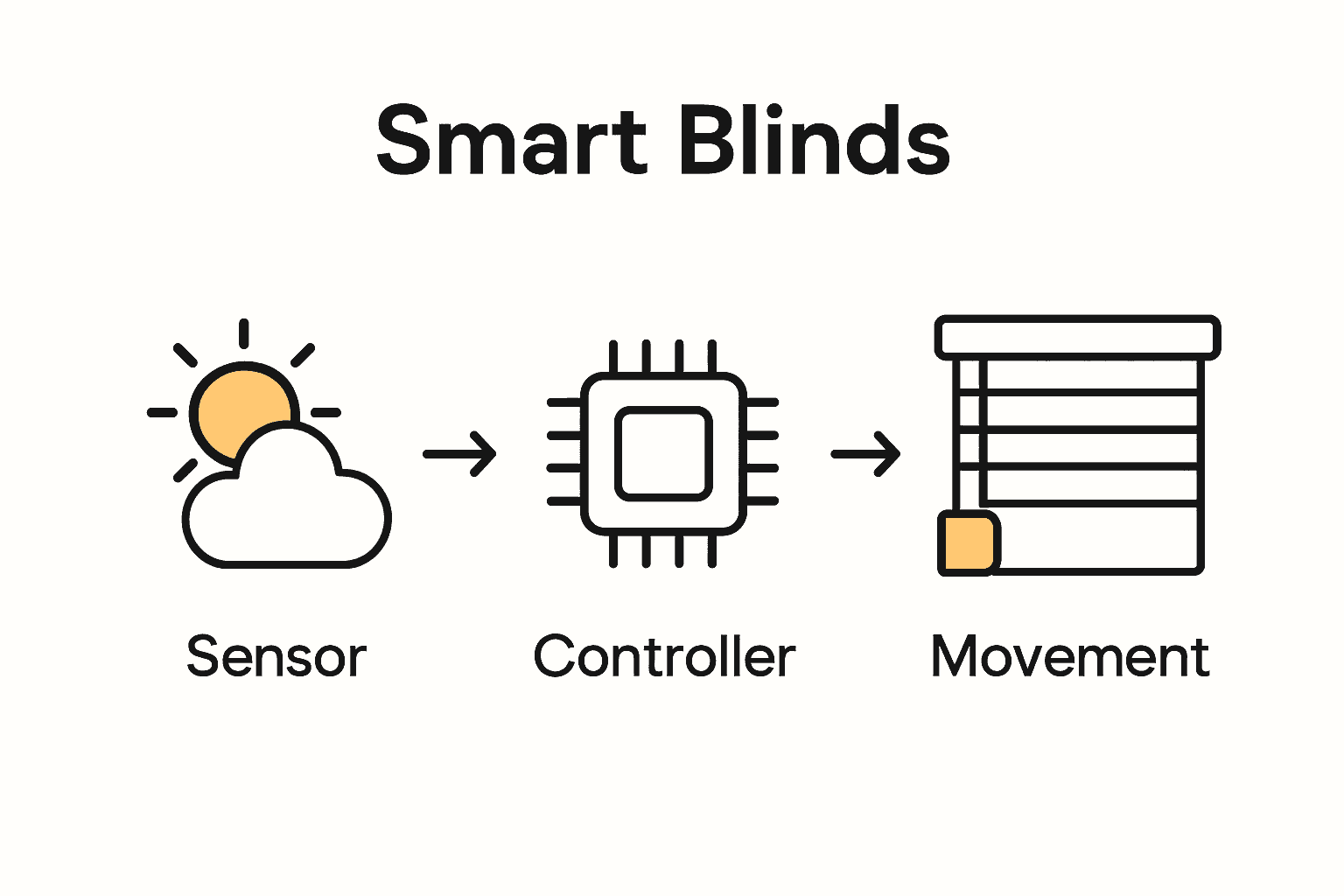
Smart blinds operate through a sophisticated integration of sensors, microcontrollers, and wireless communication technologies that transform traditional window coverings into intelligent, responsive systems. According to research from ijitee.org, these advanced window treatments typically utilize a combination of hardware and software components to enable automated functionality.
The core operational mechanism involves several key technological elements:
- Microcontrollers: Devices like Arduino Uno act as the brain of the system
- Sensors: UV, light intensity, and temperature sensors gather environmental data
- Motors: DC or stepper motors enable precise blind movement
- Wireless Connectivity: Bluetooth, Wi-Fi, or Zigbee for remote communication
As demonstrated by ijsrd.com, the most advanced smart blind systems can autonomously adjust based on real-time environmental conditions. This means blinds can automatically:
- Lower during peak sunlight to reduce heat
- Raise during cooler periods to maximize natural light
- Adjust based on room temperature and occupancy
- Respond to preset schedules or manual smartphone controls
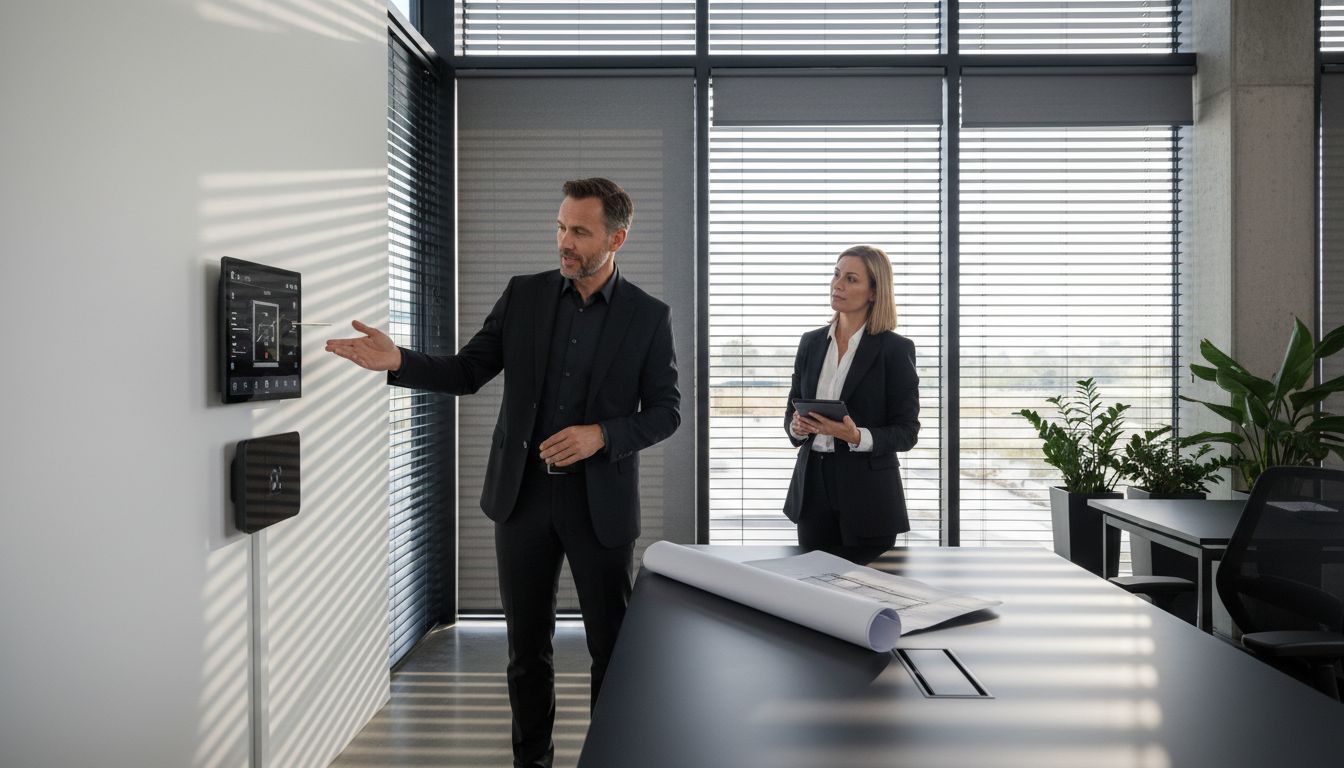
Communication Protocols play a crucial role in smart blind functionality. Most systems support multiple interaction methods, including smartphone apps, voice assistants, and wall-mounted control panels. The underlying technology allows for seamless integration with broader smart home ecosystems, enabling complex automation scenarios and personalized user experiences.
For homeowners looking to dive deeper into the world of automated window treatments, our smart home window shading guide offers comprehensive insights into selecting and implementing the perfect smart blind solution.
Smart Home Integration Methods
Smart home integration represents the cornerstone of modern window automation, transforming blinds from passive coverings into intelligent, responsive systems. According to research from smarthome724.com, these advanced window treatments can now seamlessly communicate with broader home automation ecosystems, creating a truly interconnected living environment.
The primary integration methods for smart blinds include multiple connectivity protocols:
-
Voice Assistant Integration
- Amazon Alexa compatibility
- Google Home voice commands
- Apple HomeKit support
-
Wireless Protocols
- Wi-Fi direct connection
- Bluetooth Low Energy (BLE)
- Zigbee and Z-Wave mesh networking
As highlighted by accio.com, modern smart home platforms offer increasingly sophisticated integration capabilities. Homeowners can now create complex automation scenarios where blinds interact dynamically with other smart devices, such as:
- Synchronizing with smart thermostats to optimize room temperature
- Coordinating with lighting systems for enhanced ambiance
- Adjusting based on security system status
- Responding to weather conditions through connected sensors
Central Control Interfaces have become increasingly sophisticated, allowing users to manage multiple smart devices through unified platforms. Smartphone apps, web interfaces, and dedicated control panels now provide granular control over blind positioning, scheduling, and environmental responsiveness. This level of integration transforms window treatments from standalone fixtures into integral components of intelligent home ecosystems.
For those seeking to understand the broader implications of home automation technologies, our smart thermostats guide offers additional insights into creating a fully connected living space.
Benefits and Energy Efficiency
Smart blinds have emerged as a sophisticated solution for homeowners seeking enhanced energy management and environmental control. According to research from managementpapers, these advanced window treatments offer significant advantages in improving both residential comfort and energy efficiency.
The primary energy efficiency benefits of smart blinds include:
- Automatic temperature regulation
- Reduced heating and cooling costs
- Optimized natural light management
- Minimized solar heat gain
- Enhanced insulation capabilities
Advanced technologies are revolutionizing how smart blinds contribute to energy conservation. As explored in research from link.springer.com, some cutting-edge window systems now integrate energy-harvesting capabilities, transforming window treatments from passive elements into active energy management tools. These intelligent systems can:
- Automatically adjust based on sunlight intensity
- Provide thermal insulation
- Generate supplemental electrical energy
- Reduce overall building energy consumption
Thermal Performance stands out as a critical advantage of smart blinds. By dynamically responding to environmental conditions, these systems create a responsive barrier that helps maintain consistent indoor temperatures. This intelligent approach can significantly reduce reliance on traditional heating and cooling systems, potentially leading to substantial energy savings and improved home comfort.
For homeowners looking to maximize their energy efficiency strategies, our guide on energy-efficient window treatments provides additional insights into selecting the most effective window solutions for your space.
Key Purchase Considerations
Selecting the right smart blinds requires careful evaluation of multiple technical and practical factors. According to research from accio.com, homeowners must consider a comprehensive range of elements to ensure they choose window treatments that truly meet their specific needs and technological expectations.
The primary purchasing considerations for smart blinds include:
- Compatibility: Integration with existing smart home ecosystems
- Connectivity: Wireless protocol support (Wi-Fi, Zigbee, Bluetooth)
- Power Source: Battery life and charging/replacement options
- Control Mechanisms: Multiple interface options
- Material Quality: Durability and aesthetic appeal
- Sensor Capabilities: Advanced environmental sensing features
As highlighted by smarthome724.com, smart blind selection goes beyond basic functionality. Consumers should critically assess several nuanced factors that impact long-term satisfaction and performance. These advanced considerations encompass:
- Precise motor responsiveness
- Energy consumption metrics
- Software update frequency
- Manufacturer warranty terms
- Cross-platform compatibility
- Privacy and data security features
Budget and Value Proposition play crucial roles in the decision-making process. While initial investment might seem higher compared to traditional blinds, smart window treatments offer substantial long-term benefits. Potential buyers should calculate potential energy savings, convenience factors, and enhanced home value when evaluating overall cost-effectiveness. This holistic approach ensures that the selected smart blinds provide meaningful technological enhancement beyond mere aesthetic improvements.
For homeowners seeking additional guidance on making informed window treatment decisions, our comprehensive guide to energy-efficient window treatments offers valuable insights to support your selection process.
Elevate Your Home with Smart Blinds from Value Blinds
Discover the perfect way to combine modern automation and style with our selection of motorized and custom window treatments. The challenge of finding smart blinds that seamlessly integrate into your home and offer energy efficiency is easier to overcome when you choose quality products designed for both convenience and beauty. At Value Blinds, we understand your need for precise control, durability, and aesthetic appeal, all tailored to your unique space.
Our collection features advanced motorized options designed to enhance comfort and reduce energy costs while complementing your décor. Enjoy features like cordless operation, customizable materials, and easy installation supported by expert guides. Experience firsthand how smart blinds can transform your living environment with responsive shading solutions from our Best Sellers.
Ready to upgrade your home with innovative window treatments that marry technology and design? Visit Value Blinds today to customize your smart blinds and explore our latest innovations in the New Arrivals collection. Start your journey toward smarter living where style meets functionality with just a few clicks.
Frequently Asked Questions
What are smart blinds?
Smart blinds are automated window coverings that can be controlled through wireless connectivity and automated mechanisms, often integrated into smart home systems.
How do smart blinds operate?
Smart blinds operate using microcontrollers, sensors, motors, and wireless communication technologies, allowing them to adjust automatically based on environmental conditions like sunlight and temperature.
What are the benefits of using smart blinds?
Smart blinds offer enhanced energy efficiency by automatically regulating indoor temperature, reducing heating and cooling costs, and optimizing natural light management.
How can I integrate smart blinds into my existing smart home system?
Smart blinds can be integrated into smart home systems through voice assistant compatibility (like Amazon Alexa or Google Home), and various wireless protocols including Wi-Fi, Zigbee, and Bluetooth.