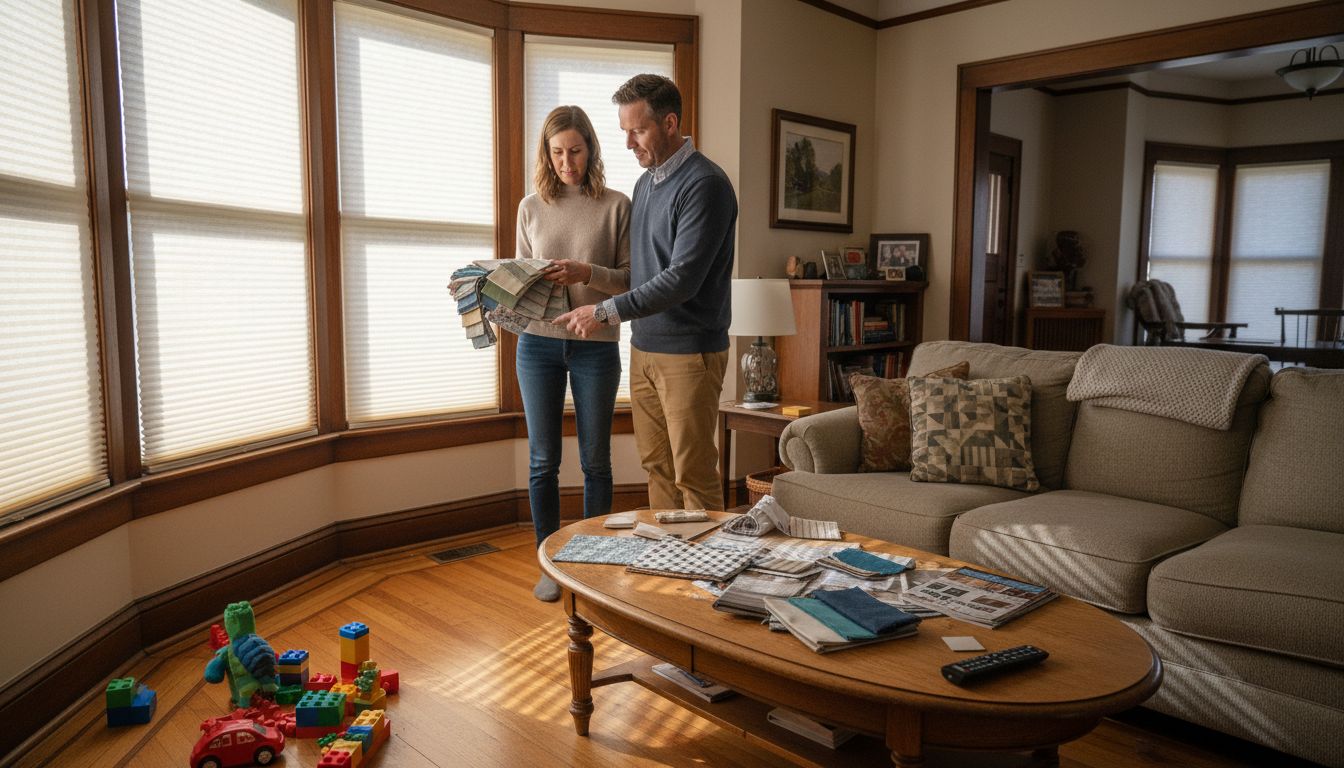


Fabric Shades: Enhancing Light, Style, and Efficiency
More than 80 percent of American homeowners consider window treatments a top priority when updating their spaces. The right choice can make rooms feel brighter, help control energy costs, and even protect treasured furniture from sun damage. Fabric shades have become a popular solution, offering style and function together. This guide uncovers how fabric shades transform American interiors, giving you practical answers about their benefits, types, care, and smart selection tips.
Table of Contents
- Defining Fabric Shades And Their Core Purpose
- Popular Types And Style Variations Explained
- How Fabric Shades Improve Comfort And Efficiency
- Installation, Care, And Longevity Considerations
- Comparing Fabric Shades With Other Window Coverings
- Common Pitfalls And Smart Buying Tips
Key Takeaways
| Point | Details |
|---|---|
| Versatile Window Treatment | Fabric shades provide a stylish solution for controlling light, enhancing visual comfort, and improving energy efficiency in homes. |
| Enhanced Benefits | They offer UV protection, temperature regulation, and customizable light transmission, making them a functional choice for homeowners. |
| Design Flexibility | Available in various styles, such as roller and cellular shades, they cater to different aesthetic preferences and room requirements. |
| Care and Maintenance | Proper installation and maintenance are crucial for maximizing the longevity and performance of fabric shades. |
Defining Fabric Shades And Their Core Purpose
Fabric shades are sophisticated window coverings designed to transform interior spaces by precisely controlling natural light, enhancing visual comfort, and improving energy efficiency. Unlike traditional window treatments, these versatile solutions offer homeowners a dynamic way to manage sunlight, temperature, and aesthetic appeal simultaneously.
At their core, fabric shades serve multiple critical functions beyond mere decoration. Scientific research from UC Berkeley demonstrates that these window treatments significantly impact visual clarity and indoor environmental quality. By strategically filtering incoming sunlight, fabric shades reduce glare, minimize eye strain, and create more comfortable living environments. The material’s unique properties allow for nuanced light transmission, enabling residents to adjust brightness levels without completely blocking natural illumination.
The functional benefits of fabric shades extend far beyond visual comfort. Studies published in Industrial & Engineering Chemistry Research reveal that fabric shades, particularly those in darker colors, provide exceptional ultraviolet (UV) protection. This protective quality helps safeguard interior furnishings from sun damage while simultaneously maintaining indoor temperature regulation. Homeowners can select from a range of fabric densities and colors to achieve specific light filtering, privacy, and thermal insulation goals.
Key characteristics that define fabric shades include:
- Customizable light transmission
- UV radiation protection
- Temperature regulation capabilities
- Design flexibility across multiple interior styles
- Enhanced energy efficiency
Ultimately, fabric shades represent a sophisticated intersection of design and functionality, offering homeowners an intelligent solution for managing natural light while simultaneously elevating interior aesthetics.
Popular Types And Style Variations Explained
Fabric shades represent a diverse world of design possibilities, offering homeowners an expansive range of options to suit virtually every interior aesthetic and functional requirement. From minimalist roller shades to elegant roman styles, these window treatments transform spaces through strategic material and design choices.
Comprehensive fabric research reveals the intricate nuances of fabric selection, demonstrating how different materials dramatically influence shade performance and visual appeal. Modern fabric shades can be categorized into several primary styles, each delivering unique characteristics:
- Roller Shades: Sleek, streamlined design perfect for contemporary spaces
- Roman Shades: Soft, folding fabric that creates elegant horizontal pleats
- Cellular Shades: Honeycomb-structured designs offering superior thermal insulation
- Pleated Shades: Crisp, structured appearance with precise geometric lines
- Solar Shades: Specialized fabrics designed to manage sunlight and heat transmission
Advanced fabric analysis from architectural studies highlights how material composition directly impacts shade performance. Lightweight synthetic fabrics offer durability and easy maintenance, while natural fibers like silk provide luxurious texture and sophisticated visual depth. Homeowners can select from translucent, semi-opaque, and blackout fabric densities to achieve precise light control and privacy requirements.
Beyond aesthetic considerations, fabric shade variations address specific environmental and functional needs. Thermal-resistant fabrics help regulate indoor temperatures, while UV-protective materials safeguard furniture and flooring from sun damage. The remarkable versatility of fabric shades means that style and performance are no longer mutually exclusive design priorities.

How Fabric Shades Improve Comfort And Efficiency
Fabric shades are sophisticated solutions that transform interior environments by simultaneously addressing visual comfort, thermal regulation, and energy conservation. These innovative window treatments go far beyond traditional decorative elements, acting as intelligent barriers that actively enhance living spaces.
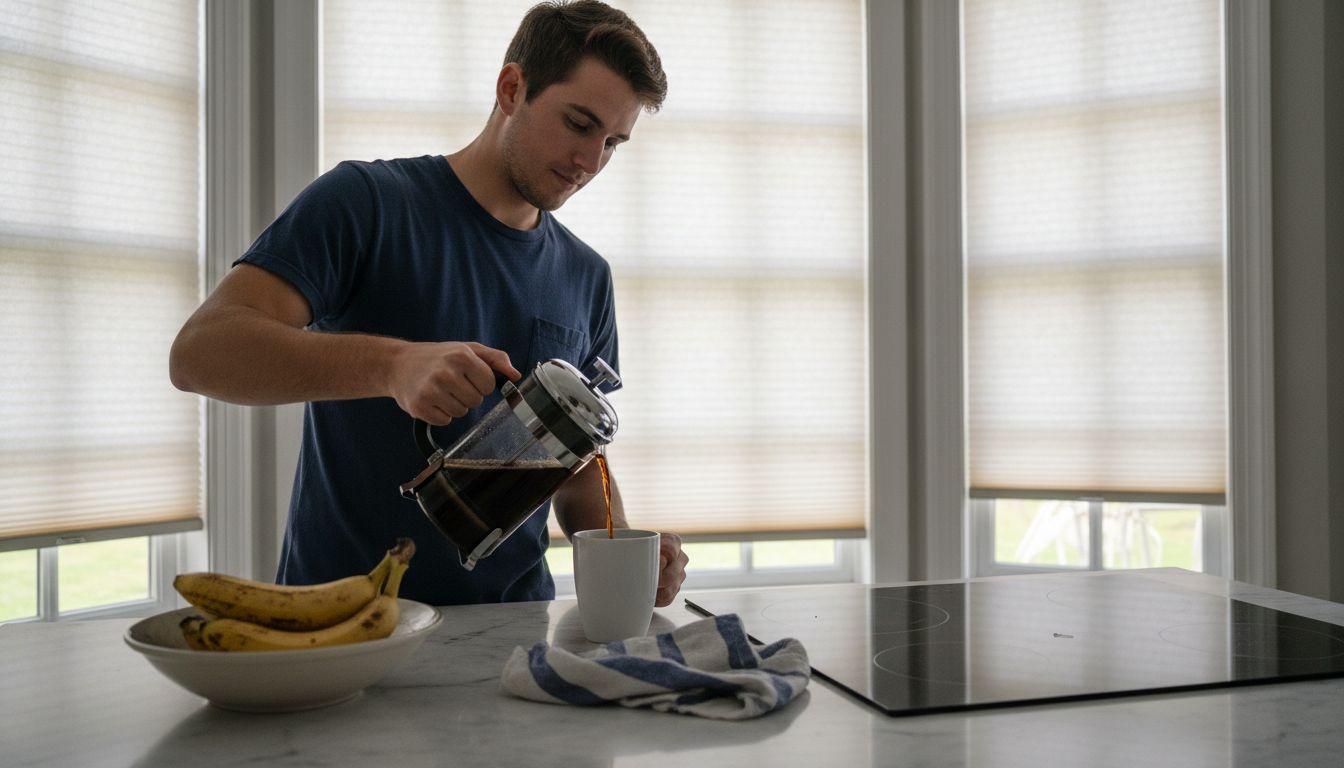
Groundbreaking research from the Center for the Built Environment demonstrates how fabric shades dramatically improve indoor visual experiences. By strategically filtering natural light, these shades reduce eye strain, minimize glare, and create more comfortable visual environments. The precise light control allows residents to maintain optimal brightness levels without sacrificing natural illumination, effectively balancing visual comfort and aesthetic appeal.
Ultraviolet protection represents another critical efficiency advantage of fabric shades. Scientific studies in Industrial & Engineering Chemistry Research reveal that darker-colored fabric shades provide exceptional UV radiation blocking capabilities. This protection extends beyond visual comfort, offering significant benefits:
- Preventing furniture and flooring fade
- Reducing interior heat absorption
- Minimizing direct solar radiation
- Protecting skin from harmful ultraviolet exposure
- Maintaining consistent indoor temperatures
Beyond UV protection, fabric shades deliver substantial thermal management benefits. The advanced materials create an additional insulation layer, helping regulate indoor temperatures by reducing heat transfer through windows. During summer months, they reflect solar radiation, keeping interiors cooler, while in winter, they provide an extra barrier against cold air infiltration. Energy efficient window covering strategies demonstrate how these intelligent design solutions can significantly reduce heating and cooling costs, making them a smart investment for environmentally conscious homeowners.
Installation, Care, And Longevity Considerations
Successful fabric shade implementation requires careful consideration of installation techniques, maintenance strategies, and long-term preservation methods. Homeowners must approach these window treatments as precision investments that demand thoughtful selection and ongoing care to maximize their functional and aesthetic potential.
Comprehensive engineering research on shade installation reveals critical mounting considerations that directly impact performance and durability. Proper installation involves precise measurements, strategic hardware selection, and understanding specific mounting requirements for different window configurations. Key installation factors include:
- Accurate window width and height measurements
- Selection of appropriate mounting brackets
- Ensuring level and secure attachment points
- Verifying smooth operational mechanisms
- Accounting for window frame depth and material
Detailed fabric research highlights the importance of material-specific maintenance techniques. Different fabric compositions require tailored cleaning approaches to preserve their appearance and functionality. Synthetic fabrics typically tolerate more aggressive cleaning methods, while natural fibers demand gentler treatment. Recommended maintenance strategies include:
- Regular light dusting with microfiber cloths
- Periodic professional cleaning for delicate fabrics
- Avoiding direct moisture exposure
- Using specialized fabric cleaning solutions
- Addressing stains immediately with appropriate treatments
Installing window treatments requires understanding both aesthetic and functional considerations. Homeowners should anticipate potential challenges like uneven window frames, structural limitations, and specific fabric material requirements. Professional consultation can help navigate complex installation scenarios, ensuring optimal performance and longevity of fabric shades.
Comparing Fabric Shades With Other Window Coverings
Window coverings represent a nuanced landscape of design and functionality, with fabric shades emerging as a sophisticated solution that distinctly outperforms traditional alternatives. While options like wooden blinds, aluminum venetians, and basic roller treatments exist, fabric shades offer a remarkable blend of aesthetic flexibility and technical performance.
Comprehensive research from the Center for the Built Environment demonstrates how fabric shades dramatically differ from conventional window treatments in their approach to light management. Unlike rigid blinds that create harsh light interruptions, fabric shades provide nuanced light filtration, enabling soft, diffused illumination that enhances visual comfort and reduces eye strain. This subtle light modulation represents a significant advancement over more mechanical window covering alternatives.
Ultraviolet protection provides another critical differentiation point. Scientific investigations in materials engineering reveal that fabric shades offer superior radiation blocking compared to traditional window treatments. Key comparative advantages include:
- More comprehensive UV radiation filtering
- Greater temperature regulation capabilities
- Enhanced aesthetic customization options
- Improved energy efficiency
- Smoother visual transitions between indoor and outdoor environments
Detailed window treatment comparisons highlight that fabric shades transcend mere functional requirements. Where traditional blinds offer binary light control—fully open or closed—fabric shades provide a sophisticated spectrum of light management. Their ability to simultaneously address visual comfort, thermal regulation, and interior design makes them a superior choice for discerning homeowners seeking intelligent window solutions.
Common Pitfalls And Smart Buying Tips
Navigating the fabric shade marketplace requires strategic insight and careful consideration to avoid costly mistakes and ensure optimal window treatment selection. Homeowners often encounter numerous potential pitfalls that can compromise their investment, making informed decision-making crucial.
Comprehensive fabric research reveals critical factors that significantly impact fabric shade performance and longevity. Understanding material characteristics becomes paramount in preventing common purchasing errors. Potential buyers must consider:
- Fabric durability and wear resistance
- Light transmission properties
- Color fastness under direct sunlight
- Compatibility with existing interior design
- Specific room environmental conditions
Engineering installation studies highlight the importance of precise measurements and mounting considerations. Smart purchasing strategies should include:
- Obtaining professional measurements
- Considering window depth and frame composition
- Evaluating mounting bracket compatibility
- Assessing operational mechanisms
- Understanding fabric-specific maintenance requirements
Ultimately, successful fabric shade selection demands a holistic approach that balances aesthetic preferences with functional performance. Understanding window treatment options requires careful evaluation of individual space requirements, personal style, and long-term performance expectations. Homeowners who invest time in research and professional consultation are most likely to achieve satisfying window treatment outcomes.
Discover Custom Fabric Shades Tailored for Your Home
Struggling to balance natural light, style, and energy efficiency in your living space Fabric shades offer the perfect solution by providing customizable light control and UV protection while enhancing your home’s aesthetic. At Value Blinds, you can explore a wide variety of premium fabric shades including roller, roman, and cellular options designed to meet your needs for comfort and style. Our extensive collection features the latest innovations such as blackout and cordless shades that improve both functionality and ease of use.
Take control of your home environment today with our expert guidance and easy online customization tools Visit New Arrivals to explore fresh designs or check out Retractable Awnings for Versatile Outdoor Shade Solutions | Enhance Your Space for smart exterior enhancements Ready to upgrade your windows with shades crafted for performance and beauty Browse our full catalog now at Value Blinds and transform your home with style and efficiency.
Frequently Asked Questions
What are fabric shades and what purpose do they serve?
Fabric shades are sophisticated window coverings designed to control natural light, enhance visual comfort, and improve energy efficiency in indoor spaces. They filter incoming sunlight, reduce glare, and contribute to a more comfortable living environment.
How do fabric shades improve energy efficiency?
Fabric shades help regulate indoor temperatures by creating an additional insulation layer that reduces heat transfer through windows. During hot months, they reflect solar radiation, while in winter, they provide an extra barrier against cold air, thus helping lower heating and cooling costs.
What types of fabric shades are available?
Popular types of fabric shades include roller shades, roman shades, cellular shades, pleated shades, and solar shades. Each type offers unique design elements and performance characteristics, catering to different aesthetic and functional needs.
How do I maintain fabric shades to ensure their longevity?
Maintaining fabric shades involves regular dusting with microfiber cloths, periodic professional cleaning for delicate fabrics, and avoiding direct moisture exposure. It’s essential to use appropriate cleaning solutions based on the fabric composition to preserve both appearance and functionality.