
Green Home Window Treatments: Top 10 Eco Picks
TL;DR:
- Eco-friendly window treatments like cellular shades and ABS composite shutters provide better energy efficiency and indoor air quality. They are durable, customizable, and suitable for various rooms, reducing environmental impact and energy costs. Most homeowners also underestimate the value of shutters and automation in achieving sustainable and long-lasting window coverings.
Green home window treatments are eco-friendly, energy-saving window coverings designed to reduce environmental impact while improving home comfort and style. The industry term for this category is “sustainable window treatments,” and it covers everything from bamboo blinds and natural fiber curtains to cellular shades and ABS composite shutters. The right choice does more than look good. It cuts heating and cooling costs, improves indoor air quality, and signals a genuine commitment to green home decor. This guide covers the 10 best options, explains how each one performs, and helps you choose the right fit for your home.
1. Bamboo blinds
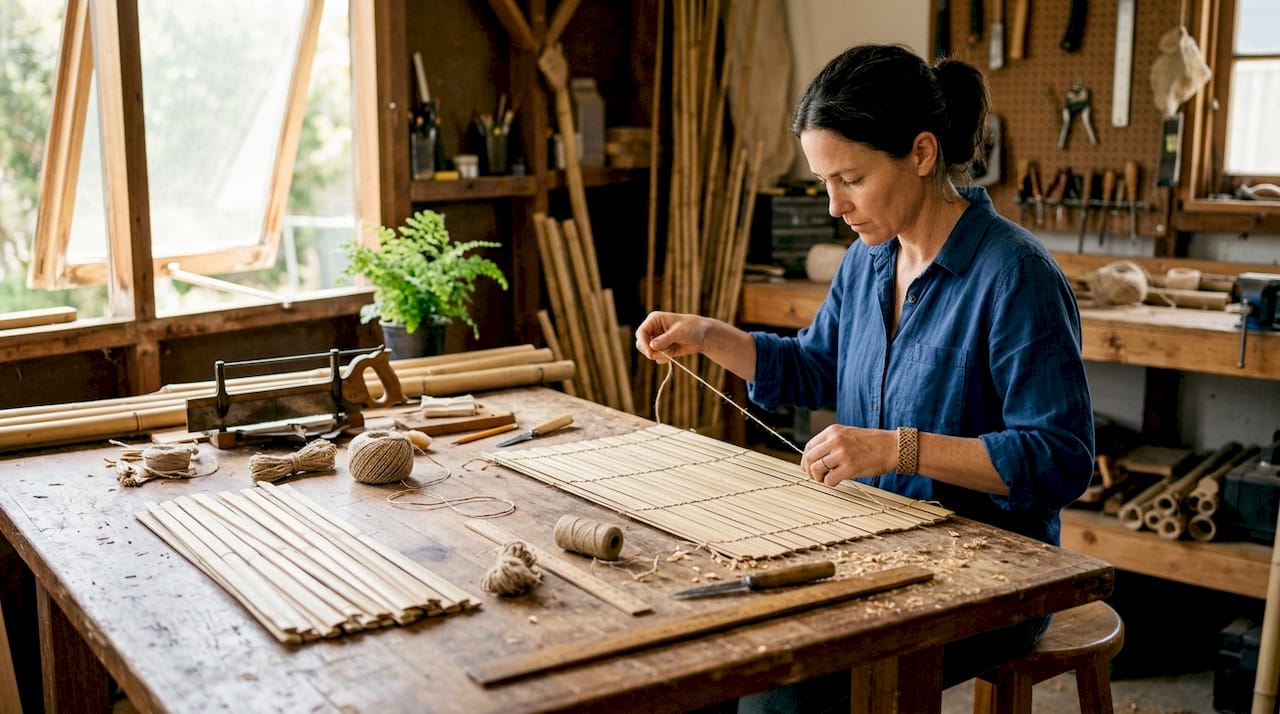
Bamboo blinds are made from one of the fastest-growing plants on earth, making them one of the most renewable materials in window coverings. Bamboo is biodegradable and naturally aesthetic, fitting green interiors without looking clinical or utilitarian. They filter light softly and pair well with linen, wood, and other natural textures. The main trade-off is moisture sensitivity. Avoid bamboo blinds in high-humidity rooms like bathrooms unless they are treated for moisture resistance.
2. Cellular (honeycomb) shades
Cellular shades are the top performer for energy efficiency among all eco-friendly window coverings. Their honeycomb structure traps air in pockets between the window and the room, acting as a thermal buffer. Cellular shades block UV rays and improve indoor temperature regulation, which leads to measurable reductions in heating and cooling costs. Double-cell and triple-cell versions increase insulation further. Cordless and motorized versions from Valueblindsdirect make them practical for any room.
Pro Tip: Choose a double-cell or triple-cell honeycomb shade for rooms with large south-facing windows. The extra air pocket makes a noticeable difference in summer heat gain.
3. Natural woven shades
Natural woven shades use materials like jute, seagrass, and rattan, all of which are renewable and biodegradable. They add organic texture to a room and work well in living rooms, dining areas, and bedrooms with a coastal or earthy design theme. Light filters through the weave naturally, reducing the need for artificial lighting during the day. Most natural woven shades are not blackout by default, so pair them with a liner if full light control is needed.
4. Eco-friendly shutters (sustainable timber and ABS composite)
Eco-friendly shutters come in two main material types: sustainable timber and ABS composite. Sustainable timber shutters use wood sourced from certified forests, offering warmth and classic style. ABS composite shutters use a moisture-resistant plastic found in products from bike helmets to LEGO bricks, making them durable and safe for indoor air quality. Both types block harsh sunlight in summer and retain warmth in winter, reducing energy use year-round. ABS shutters avoid the harmful off-gassing associated with standard vinyl, which is a key advantage for indoor air quality.
5. Linen and organic cotton curtains
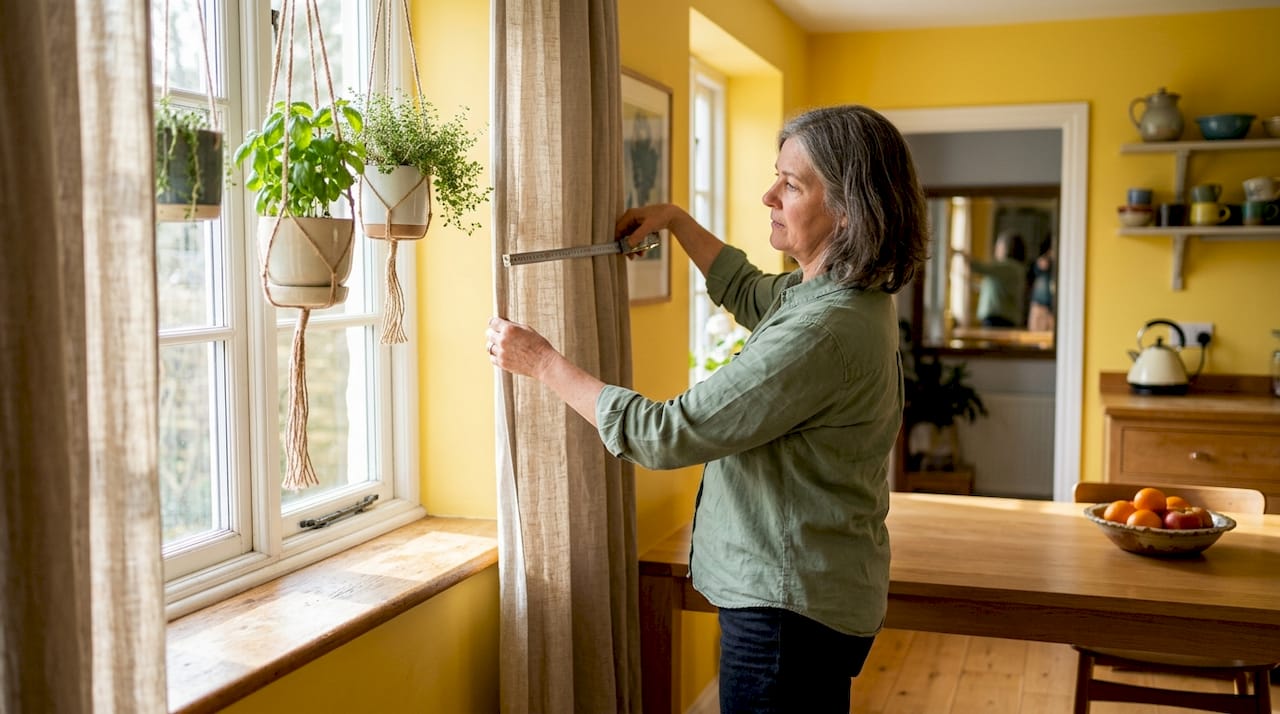
Linen and organic cotton curtains are the most accessible entry point into sustainable window treatments. Both materials are grown without synthetic pesticides when certified organic, and both are fully biodegradable at end of life. Linen is naturally temperature-regulating and gets softer with each wash. Organic cotton curtains in heavier weights provide meaningful light filtering and some insulation. Look for OEKO-TEX or GOTS certification on the label to confirm the fabric meets recognized environmental standards.
6. Recycled fabric roller shades
Recycled roller shades use fabric made from post-consumer materials, including recycled plastic bottles and reclaimed textiles. The manufacturing process repurposes waste that would otherwise end up in landfills. These shades are available in blackout, light-filtering, and sheer options, making them one of the most versatile eco-friendly window coverings on the market. They clean easily with a damp cloth and hold their shape well over time.
7. Cordless blinds
Cordless blinds remove the dangling cord that poses a safety risk to children and pets, and they also eliminate a mechanical component that wears out and needs replacing. Fewer parts means longer product life, which is a genuine sustainability benefit. Cordless options are available across most material types, including bamboo, recycled fabric, and cellular shades. The clean, minimal look also suits modern green home decor ideas without visual clutter.
8. Motorized eco-friendly shades
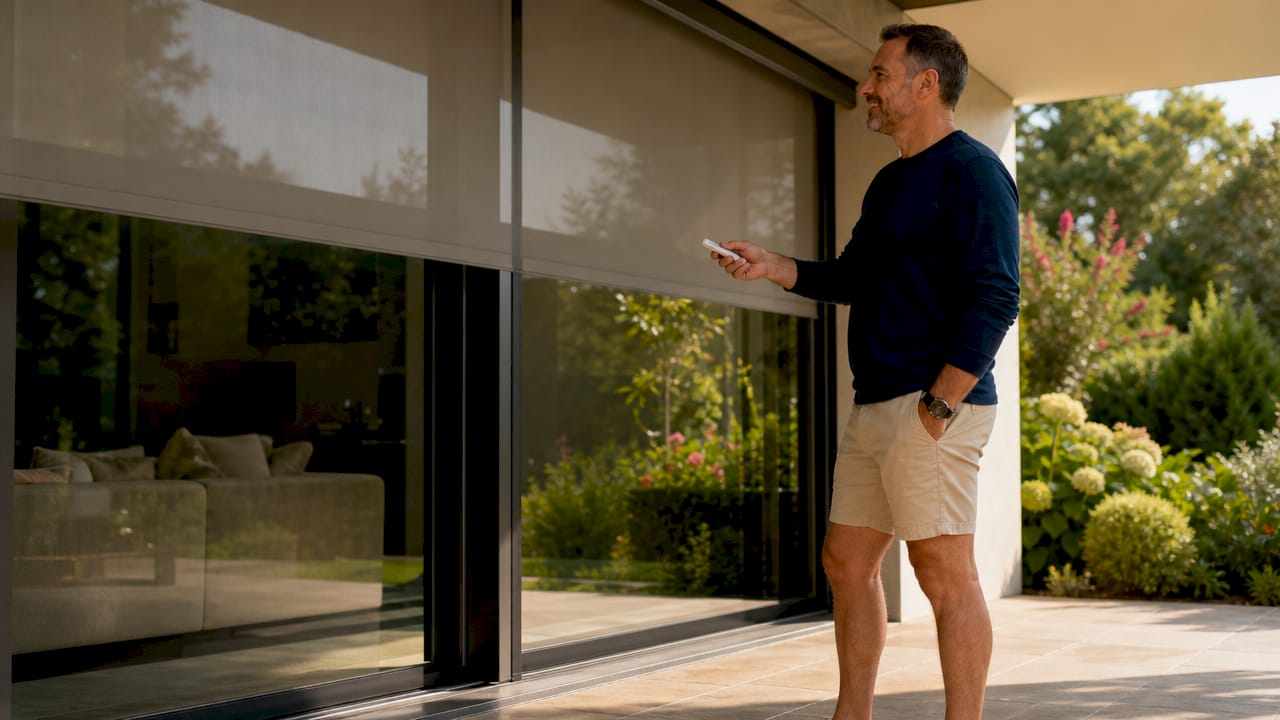
Motorized shades integrate with smart home systems, allowing automatic adjustment based on time of day or sunlight levels. Motorization suits hard-to-reach windows and enables remote or scheduled control, which improves energy efficiency by keeping shades in the optimal position without manual effort. When paired with cellular or solar shades, motorization turns a passive product into an active energy management tool. Valueblindsdirect offers motorized cellular and natural woven shades for homeowners who want convenience alongside sustainability.
9. Solar outdoor shades and screens
Solar outdoor shades block solar heat before it reaches the glass, which is more effective than any interior treatment at reducing heat gain. They filter UV rays and glare while preserving the view, unlike blackout options. Outdoor solar screens are particularly effective on west and south-facing windows where afternoon sun drives up cooling costs. They are built to withstand wind and weather, and high-quality versions from Valueblindsdirect are windproof and customizable for pergolas and patios.
10. Biodegradable and plant-based blinds
Beyond bamboo, plant-based blinds made from materials like hemp, sisal, and cork are gaining traction as truly green window treatments. Hemp grows quickly with minimal water and no pesticides. Sisal is durable and naturally textured. Cork offers a unique visual and is harvested without cutting the tree. These materials biodegrade at end of life, leaving no microplastic residue. Availability is growing, and custom sizing is now possible through specialty retailers.
Comparison: top sustainable window treatments at a glance
| Treatment | Primary material | Energy efficiency | Durability | Best room |
|---|---|---|---|---|
| Bamboo blinds | Renewable bamboo | Moderate | Medium | Living room, bedroom |
| Cellular shades | Recycled/synthetic fabric | High | High | All rooms |
| Natural woven shades | Jute, seagrass, rattan | Low to moderate | Medium | Living room, dining |
| ABS composite shutters | ABS plastic composite | High | Very high | Bathroom, kitchen |
| Linen curtains | Organic linen | Low to moderate | Medium | Bedroom, living room |
| Recycled roller shades | Post-consumer fabric | Moderate | High | Office, bedroom |
| Cordless blinds | Varies by material | Varies | High | All rooms |
| Motorized shades | Varies by material | High (with automation) | High | All rooms |
| Solar outdoor shades | UV-blocking mesh | Very high | Very high | Patio, west-facing |
| Plant-based blinds | Hemp, sisal, cork | Low to moderate | Medium | Bedroom, study |
How do green window treatments improve energy efficiency at home?
Eco-friendly window coverings reduce energy use through three main mechanisms: insulation, solar heat blocking, and UV filtration. Cellular shades create a thermal barrier by trapping still air in their honeycomb cells, slowing heat transfer between the window and the room. ABS composite shutters and sustainable timber shutters block heat in summer and retain warmth in winter, cutting the load on both air conditioning and heating systems.
Sustainable manufacturing processes that avoid toxic chemicals and off-gassing also protect indoor air quality, which is a health benefit that goes beyond energy savings. Materials that do not off-gas keep volatile organic compounds out of the air you breathe daily. Solar outdoor shades address the problem at the source by stopping heat before it enters through the glass. That approach is more effective than interior treatments alone, especially in climates with intense summer sun.
Pro Tip: Install cellular shades on north and east-facing windows for winter insulation, and use solar outdoor shades on south and west-facing windows to block summer heat gain. Combining both strategies gives you year-round control.
For a deeper breakdown of which products perform best by room and season, Valueblindsdirect publishes energy-saving window tips that walk through installation and placement in practical detail.
How to select the right eco-friendly window treatment for your home
Choosing the right sustainable window treatment depends on five factors: room function, window size and orientation, desired insulation level, air quality needs, and budget.
Room function determines light control requirements. Bedrooms need blackout or heavy light-filtering options. Living rooms and kitchens benefit from adjustable treatments that balance privacy and natural light. Bathrooms need moisture-resistant materials like ABS composite shutters or treated roller shades.
Window orientation determines heat load. South and west-facing windows gain the most solar heat and benefit most from cellular shades or solar screens. North-facing windows need insulation more than heat blocking, making cellular shades or lined linen curtains the better choice.
Air quality concerns point toward materials that avoid off-gassing. ABS composite shutters and OEKO-TEX certified fabrics are the safest choices for households with allergies or chemical sensitivities.
Smart home compatibility is worth considering if you already use a home automation system. Motorized shades from Valueblindsdirect connect to standard smart home platforms, allowing scheduled adjustments that maximize energy savings without daily manual effort.
A quick checklist before you buy:
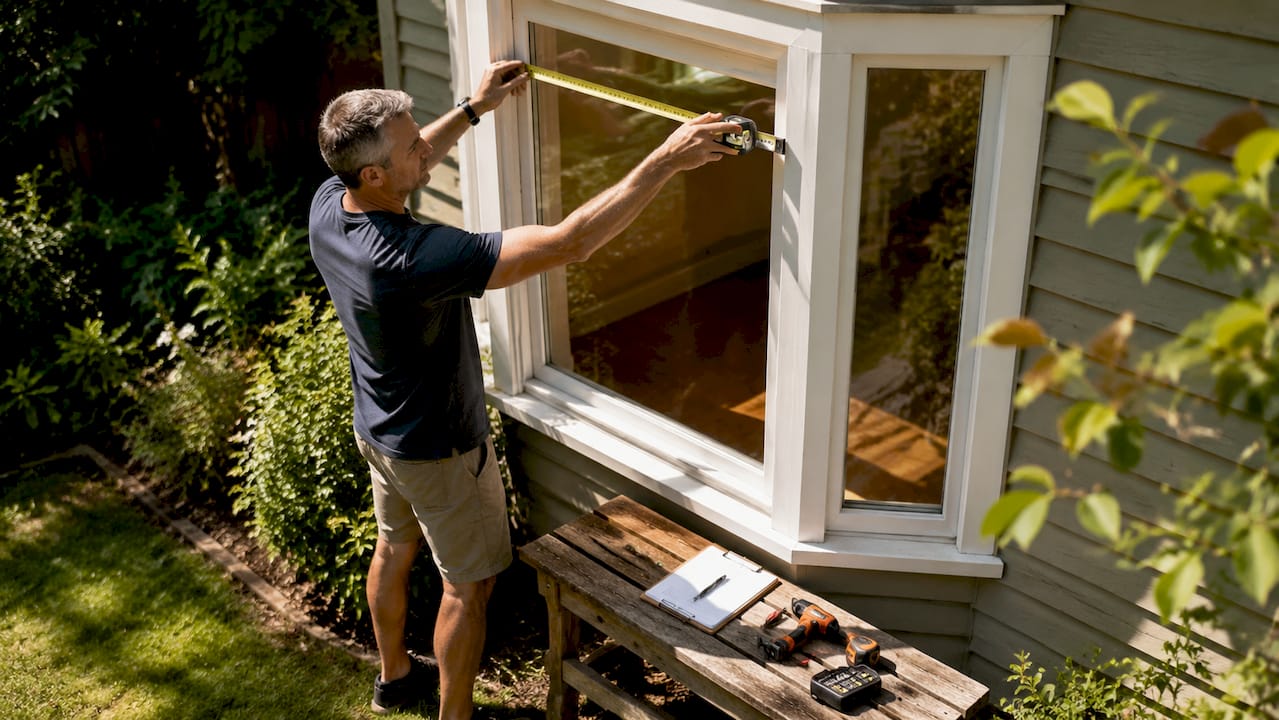
- Measure window width and height accurately, including any obstructions
- Note the window’s compass orientation (north, south, east, west)
- Decide between inside mount and outside mount based on window depth
- Check whether the room has humidity or moisture exposure
- Set a realistic budget that includes installation if needed
- Request free fabric swatches before committing to a color or texture
Pro Tip: Neutral tones like warm white and soft gray work with almost any interior. Neutral colors enhance versatility and keep the look timeless, which means you will not need to replace treatments when you repaint a room.
For personalized guidance, Valueblindsdirect offers a custom design studio that helps homeowners match treatments to their specific windows and style goals.
Common misconceptions about sustainable window coverings
The biggest myth about eco-friendly window treatments is that they cost significantly more than conventional options. That was true a decade ago. Today, recycled roller shades and cordless bamboo blinds are priced competitively with standard synthetic products. The cost gap has closed as demand has grown and manufacturing has scaled.
A second myth is that sustainable options look rustic or limited in style. ABS composite shutters are available in dozens of colors and profiles. Motorized cellular shades look identical to their non-motorized counterparts. Natural woven shades now come in tight, refined weaves that suit contemporary interiors as well as traditional ones.
“Eco-friendly treatments can add real home value by improving energy efficiency and appealing to sustainability-minded buyers.” Window Treatments That Add Value
A third misconception is that unusual window shapes cannot be fitted with sustainable materials. Custom sizing is now standard at most quality retailers. Arched windows, skylights, and bay windows can all be fitted with cellular shades, shutters, or roller shades made to measure. The key is working with a supplier that offers genuine customization rather than a limited range of standard sizes.
Key takeaways
Cellular shades and ABS composite shutters deliver the strongest combination of energy efficiency, durability, and indoor air quality among all sustainable window treatment options available in 2026.
| Point | Details |
|---|---|
| Cellular shades lead on efficiency | Honeycomb air pockets block UV rays and reduce heat transfer in every season. |
| ABS composite beats vinyl | ABS shutters resist moisture and avoid off-gassing, making them safer for indoor air. |
| Manufacturing matters as much as materials | Treatments made without toxic chemicals protect air quality beyond just the raw material choice. |
| Neutral colors extend product life | Timeless tones like white and gray mean treatments stay relevant through interior redesigns. |
| Motorization adds real energy value | Automated shades adjust to sunlight conditions, reducing heating and cooling loads passively. |
Why I think most homeowners underestimate the shutter question
Most articles on eco-friendly window coverings focus almost entirely on fabric shades and skip shutters. That is a mistake. ABS composite shutters sit in a category of their own for durability and long-term sustainability. A fabric shade may last 7–10 years before fading or fraying. A well-made ABS shutter can last 20 years or more with minimal maintenance. When you factor in the full lifecycle, the shutter often has a lower environmental footprint per year of use.
I have also seen homeowners default to bamboo blinds as their “green” choice without thinking about the room. Bamboo in a bathroom or laundry room warps within a year. That is not sustainable. It is just a waste. Matching material to environment is the single most important decision in this category, and most buying guides gloss over it.
The other thing worth saying plainly: motorization is not a luxury add-on. When shades adjust automatically based on sunlight, they do their job consistently. Manual shades stay wherever you last left them. For energy efficiency to actually work, the shade needs to be in the right position at the right time of day. Automation solves that problem without requiring any daily effort.
My recommendation for most homeowners: start with cellular shades in the rooms where you spend the most time, add ABS composite shutters in wet areas, and use natural woven shades where light control is less critical. That combination covers the full home without overspending.
— Sunny
Valueblindsdirect has the green options your home needs
Valueblindsdirect carries a full range of sustainable and energy-efficient window treatments, from cordless cellular shades to natural woven options and motorized outdoor sunshades. Every product is available in custom sizes, so unusual windows are not a problem.
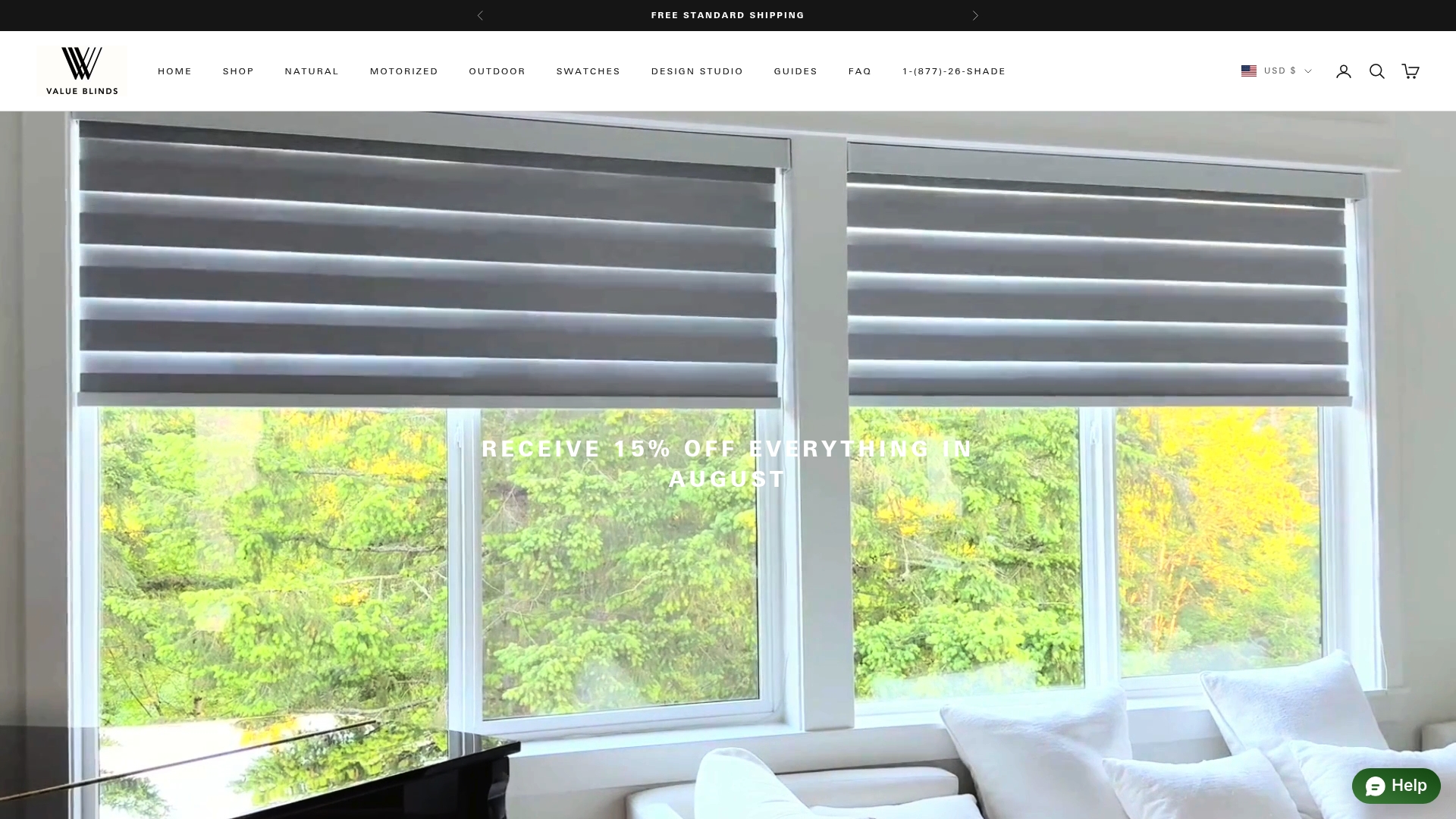
The window treatment design studio walks you through material, color, and sizing choices with expert guidance built into the tool. Free swatches are available so you can check fabric and color in your actual lighting before ordering. Whether you are outfitting a single room or a full home, Valueblindsdirect makes it straightforward to choose treatments that perform well and align with your sustainability goals. Browse the full cellular shades collection or the natural woven shades to get started.
FAQ
What makes a window treatment truly eco-friendly?
A truly eco-friendly window treatment uses renewable or recycled materials and is manufactured without toxic chemicals that cause off-gassing. The manufacturing process matters as much as the raw material for indoor air quality and overall environmental impact.
Are cellular shades worth the cost for energy savings?
Cellular shades are the most energy-efficient interior window covering available. Their honeycomb air pockets reduce heat transfer year-round, lowering both heating and cooling costs in most climates.
Can sustainable window treatments work in bathrooms?
ABS composite shutters are the best sustainable option for bathrooms. They resist moisture, do not warp, and avoid the off-gassing associated with standard vinyl shutters.
What color should I choose for eco-friendly window treatments?
Neutral tones like white, warm gray, and natural linen work with the widest range of interiors. Neutral colors stay relevant through repaints and redesigns, extending the life of the treatment.
Do green window treatments add home value?
Shutters and energy-efficient window coverings made from solid wood or composite materials are recognized for adding home value. They appeal to sustainability-minded buyers and reduce ongoing energy costs, both of which factor into a home’s appeal.