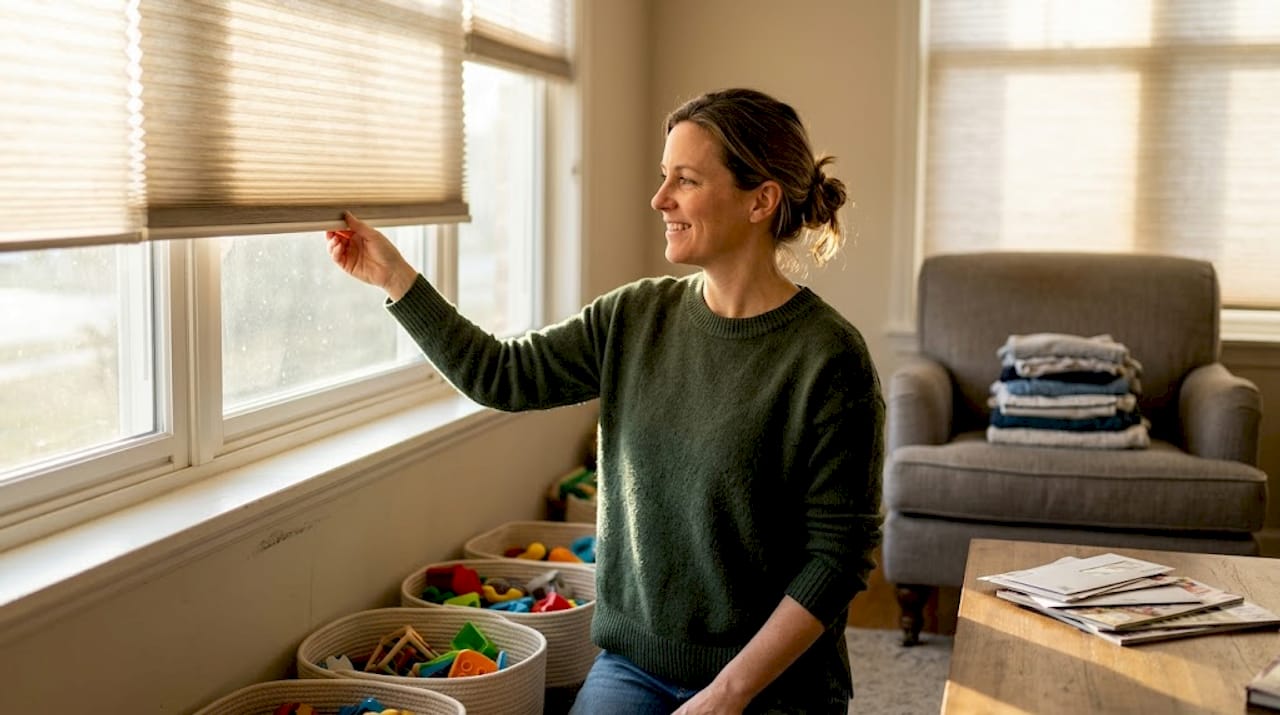


Eco-Friendly Window Treatments: Stylish, Sustainable Choices
TL;DR:
- Eco-friendly window treatments should use renewable, recycled, durable, and recyclable materials.
- Natural fibers, reclaimed wood, and recycled fabrics offer sustainable options with unique aesthetics.
- Layering treatments like blinds with insulated curtains maximizes energy savings and interior style.
Choosing window treatments sounds simple until you realize how many trade-offs are involved. You want something that looks beautiful, reduces your energy bills, and actually lives up to its “green” label. With so many products claiming to be sustainable, it’s easy to feel overwhelmed. This article cuts through the noise. We’ll walk you through the key criteria for evaluating eco-friendly window treatments, explore the top options available today, compare them side by side, and give you a clear path to making the right choice for your home and your values.
Table of Contents
- How to evaluate eco-friendly window treatments
- Natural fiber shades and blinds
- Recycled and upcycled window coverings
- Energy-efficient cellular shades and sustainable curtains
- Comparison of popular eco-friendly window treatment options
- Our take: Finding the perfect eco-friendly window treatment
- Explore sustainable window solutions for your home
- Frequently asked questions
Key Takeaways
| Point | Details |
|---|---|
| Evaluate key criteria | Materials, energy savings, and ethical manufacturing are crucial when choosing eco-friendly window treatments. |
| Top sustainable options | Bamboo, organic cotton, recycled/upcycled materials, and cellular shades are leading eco-friendly choices. |
| Layer for best results | Combining natural fiber blinds with insulated curtains maximizes both energy efficiency and design appeal. |
| Certifications matter | Sustainability certifications signal true eco-friendly window treatments and help you avoid greenwashing. |
How to evaluate eco-friendly window treatments
Before you shop, it helps to know what actually makes a window treatment sustainable. The term gets thrown around loosely, but a genuinely eco-friendly product checks several specific boxes.
Here are the key criteria to evaluate:
- Renewable or recycled materials: Look for products made from bamboo, organic cotton, reclaimed wood, or recycled polyester. These materials have a lower environmental footprint than virgin synthetics.
- Ethical manufacturing: Where and how a product is made matters. Factories with low-waste processes, fair labor standards, and reduced chemical use contribute to real sustainability.
- Durability: A product that lasts 15 years is far greener than one you replace every three. Cheap blinds that fade and warp end up in landfills faster.
- Recyclability: At end of life, can the materials be recycled or composted? This is often overlooked but important for a full lifecycle view.
- Energy performance: Good insulation cuts your heating and cooling costs year-round. As a benchmark, sustainable window coverings can reduce home energy use by up to 20%.
Energy performance deserves a closer look. In winter, well-insulated treatments keep cold air from drafting in through the glass. In summer, the right shades block solar heat gain, reducing your reliance on air conditioning. This seasonal double benefit is why thermal performance is one of the most valuable features to prioritize.
Style is also a real criterion, not a vanity concern. You’ll actually use and maintain window treatments you love. Treatments that feel out of place get replaced sooner, which defeats the sustainability goal entirely. Fortunately, eco-friendly options now span minimalist, modern, rustic, coastal, and traditional aesthetics, so you don’t have to sacrifice visual appeal.
Pro Tip: Rank your top three criteria before you start shopping. If energy savings matter most, prioritize cellular shades. If natural aesthetics are your focus, look at woven wood or bamboo. This prevents “shiny object” distractions and keeps your decision purposeful.
For a deeper look at how to balance style with sustainability, the eco blinds sustainable style guide breaks it down by room type. And if you want to maximize efficiency from the start, check out these energy efficient window treatment tips for practical, room-by-room guidance.
Natural fiber shades and blinds
Natural fibers are the most intuitive starting point for eco-conscious shoppers, and for good reason. These materials come from the earth, return to it gracefully, and tend to bring a warmth and texture to interiors that no synthetic can quite replicate.
Bamboo is the standout performer here. It grows up to three feet per day, requires no pesticides, and naturally regenerates after harvesting without replanting. The result is a material with a remarkably low environmental footprint. Bamboo blinds offer a clean, slightly exotic look that pairs well with both modern and organic interior styles.
Organic cotton brings a softer option to the table. Roman shades and fabric panels made from certified organic cotton are free of synthetic pesticides and processed with fewer harsh chemicals. They come in natural, earthy tones and hold dye beautifully for richer custom color options.
Woven wood shades combine grasses, reeds, jute, and bamboo into a single product that feels genuinely handcrafted. They filter light gently, adding a soft, dappled glow to any room. Renewable materials like bamboo and organic cotton meaningfully reduce environmental impact across the full product lifecycle.
Here’s a quick summary of what each natural fiber option delivers:
- Bamboo: Fast-growing, durable, wood-look aesthetic, light filtering
- Organic cotton: Soft texture, natural colors, chemical-reduced production
- Woven wood: Handcrafted appearance, great for layering, works with liners for added insulation
- Jute and seagrass: Budget-friendly natural options with a rustic charm
From an energy standpoint, natural fiber shades are best at controlling light. Paired with a liner, they gain meaningful insulating properties. Without a liner, they’re primarily decorative, so consider your climate before choosing.
Pro Tip: Add a blackout or thermal liner to woven wood shades to get both the natural look and real energy performance. It’s a simple upgrade that most manufacturers offer at checkout.
For homeowners who want both energy savings and organic aesthetics, explore how natural blinds can deliver both. And if you’re drawn to the concept of bringing nature indoors, biophilic design ideas offer a broader framework for incorporating organic elements into your home.
Recycled and upcycled window coverings
Natural fibers are just one option. Recycled and upcycled materials offer both sustainability and creative versatility, often producing some of the most visually distinctive window treatments available.
Recycled polyester is made by breaking down plastic bottles and other post-consumer waste into new fabric. It’s durable, moisture-resistant, and keeps plastic out of landfills. For rooms like kitchens and bathrooms where humidity is a factor, recycled polyester shades are a practical and responsible choice.
Reclaimed wood blinds use timber salvaged from old buildings, barns, or factories. Each slat carries its own grain, knots, and color variation, making every blind genuinely one of a kind. The carbon footprint is significantly lower than new-cut wood because no new trees are harvested.
Upcycled fabric shades are crafted from surplus or deadstock textiles that would otherwise go to waste. Some designers are creating bold, custom shades from these materials, resulting in pieces that are as much art as they are window coverings.
Upcycling materials for window treatments lowers landfill waste, giving discarded resources a second life with real aesthetic purpose.
Key benefits of recycled and upcycled options:
- Environmental: Diverts waste from landfills and reduces demand for virgin materials
- Aesthetic: Unique, often artisan-quality appearances that mass-produced products can’t match
- Durability: Recycled polyester is particularly resilient and easy to clean
- Versatility: Available in roller, panel, and Roman shade formats
Pro Tip: When shopping for reclaimed wood blinds, ask about the wood’s origin and whether any chemical treatments were applied. Some reclaimed sources carry old paint or sealants that aren’t ideal for indoor air quality.
For those exploring the full range of sustainable options, the Value Blinds eco collection highlights both recycled and natural material products in one place. You can also look at insulated curtain options to see how recycled fabric curtains pair with blinds for layered energy performance.
Energy-efficient cellular shades and sustainable curtains
For those prioritizing energy efficiency, cellular shades and insulated curtains combine technology and sustainability in a way no other window treatment quite matches.
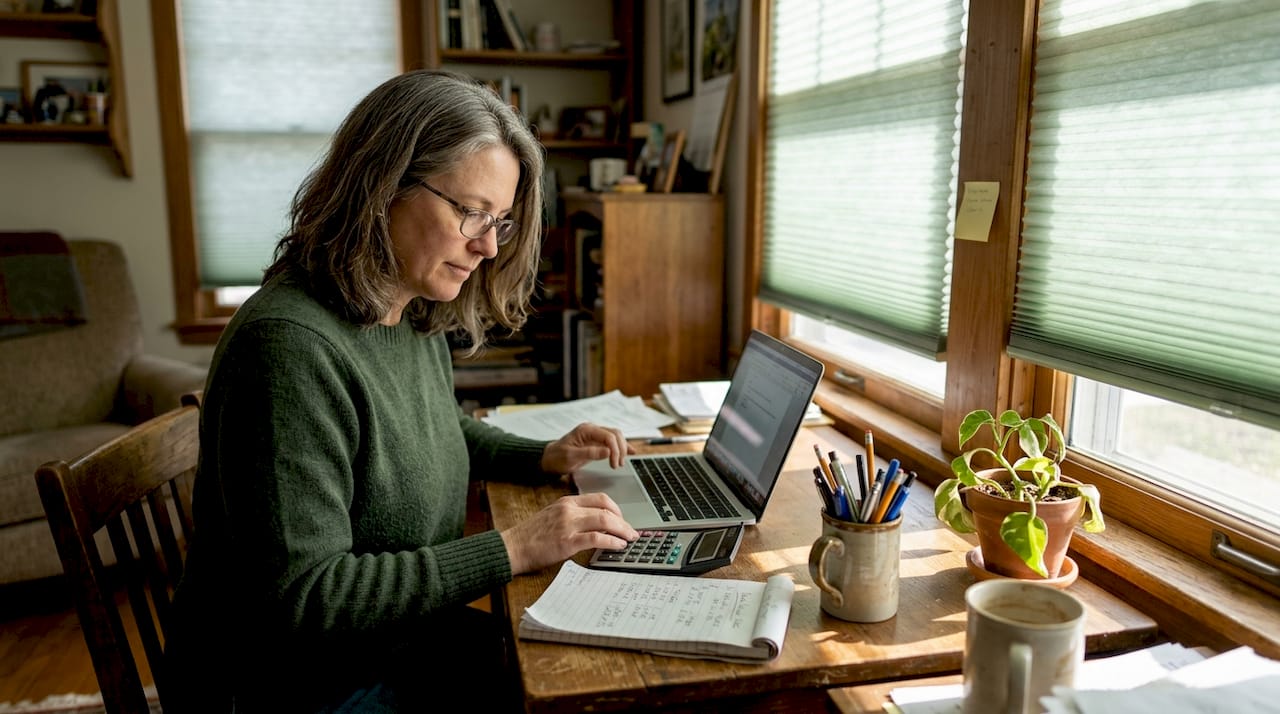
Cellular shades, also called honeycomb shades, are designed around a network of air pockets built into the fabric. These pockets act like a wall of insulation between your window glass and your living space. Modern cellular shades can reduce heating and cooling costs by up to 20%, making them one of the highest-performing options in any climate.
| Feature | Single-cell shades | Double-cell shades | Triple-cell shades |
|---|---|---|---|
| Insulation level | Basic | Moderate | High |
| Best for | Mild climates | Most homes | Extreme climates |
| Light control | Light filtering | Light filtering/blackout | Blackout available |
| Price range | $ | $$ | $$$ |
Here’s how to get the most out of cellular shades for energy savings:
- Choose double or triple-cell construction for rooms with significant sun exposure or drafty windows.
- Select blackout cellular shades for bedrooms to reduce both light and heat transfer overnight.
- Add motorization so shades adjust automatically based on time of day or temperature, optimizing energy savings without manual effort.
- Pair with insulated curtains for a layered approach that dramatically reduces heat loss in winter.
Insulated curtains made from eco-friendly fabrics like organic wool or recycled polyester add another layer of thermal performance. They trap air close to the window and block radiant heat, making a measurable difference in comfort and energy bills.
Cordless and motorized features are worth highlighting here too. Cordless designs reduce entanglement hazards and use less hardware overall. Motorized shades, when connected to a smart home system, optimize window coverage automatically throughout the day. Learn how fabric roller shades fit into a larger energy-conscious design plan, and explore energy efficient covering tips to build a whole-home strategy.
Comparison of popular eco-friendly window treatment options
Having explored individual options, let’s compare them directly for easy decision-making.
| Option | Sustainability | Energy savings | Style range | Price | Best for |
|---|---|---|---|---|---|
| Bamboo/woven wood | Very high | Moderate (with liner) | Organic, modern | $$ | Living rooms, bedrooms |
| Organic cotton | High | Low to moderate | Versatile | $$ | Bedrooms, nurseries |
| Recycled polyester | High | Moderate | Wide range | $ to $$ | Kitchens, bathrooms |
| Reclaimed wood | High | Low | Rustic, unique | $$$ | Feature rooms |
| Cellular shades | Moderate to high | Very high | Minimal, modern | $$ to $$$ | All rooms, especially drafty ones |
| Insulated curtains | Moderate | High | Very wide | $ to $$$ | Layered with any blind |
As this comparison shows, each eco-friendly option brings unique advantages for style, sustainability, and energy efficiency. There’s no single winner, but there is a right match for every home.
A few practical guidelines:
- Renters: Opt for recycled polyester roller shades or fabric panels. They’re affordable, easy to install without damage, and easy to take with you when you move.
- Homeowners with older windows: Cellular shades are your best investment. The insulation benefit compounds over time, especially in drafty or single-pane windows.
- Design-focused spaces: Woven wood or reclaimed wood blinds add character that cellular shades can’t replicate.
- Whole-home approach: Layer natural fiber blinds with insulated curtains for the best combination of aesthetics and thermal performance.
Explore the full breakdown of modern window shades to see how these options stack up across different room conditions and climates.
Our take: Finding the perfect eco-friendly window treatment
Here’s something the typical buying guide won’t tell you: the single most sustainable choice is rarely the most expensive or the most technically impressive. It’s the one you’ll actually keep for years.
We’ve seen homeowners spend significant money on a certified organic Roman shade, only to replace it within two years because it didn’t fit the room’s light needs. Meanwhile, a well-chosen cellular shade with a recycled fabric facing, installed in the right window, performs beautifully for a decade.
Our honest advice: watch out for greenwashing. Vague claims like “eco-friendly” or “natural” without certifications like OEKO-TEX, FSC, or GREENGUARD mean very little. Look for those labels. They represent real third-party verification.
Layering often yields the best results. Pairing eco blinds for homes with insulated curtains gives you the aesthetic of natural fibers and the thermal muscle of insulation in one practical solution. Small changes across every window in your home add up to genuinely meaningful energy and cost savings over time.
Explore sustainable window solutions for your home
You now have everything you need to make a confident, eco-conscious choice. Whether you’re drawn to the warmth of bamboo, the performance of cellular shades, or the resourcefulness of recycled materials, there’s a solution that fits your home and your values.
At Value Blinds, we carry a wide selection of eco-friendly blinds and shades across every style and budget. Not sure where to start? Our window treatment design studio connects you with expert guidance to match the right treatment to every room. From free swatches to custom sizing and one-on-one design support, we make it easy to turn your sustainable goals into a home you’ll love living in.
Frequently asked questions
What are the best materials for eco-friendly window treatments?
The best materials include bamboo, organic cotton, recycled polyester, and reclaimed wood. These are renewable, durable, and reduce environmental impact significantly compared to virgin synthetics.
How much can eco-friendly window treatments save on energy costs?
Eco-friendly options like cellular shades can cut energy costs by up to 20%, with savings that compound over time as seasonal heating and cooling demands decrease.
Are motorized and cordless window coverings sustainable?
Yes, motorized and cordless coverings can be sustainable when made with recycled or renewable materials. They also improve energy efficiency by enabling precise, automated light and heat control. Look for options where each treatment’s advantages in both sustainability and function are clearly documented.
What certifications should I look for in sustainable window treatments?
Prioritize certifications like OEKO-TEX for chemical safety, FSC for responsibly sourced wood, and GREENGUARD for low chemical emissions. These labels confirm that sustainability claims have been independently verified, not just marketed.