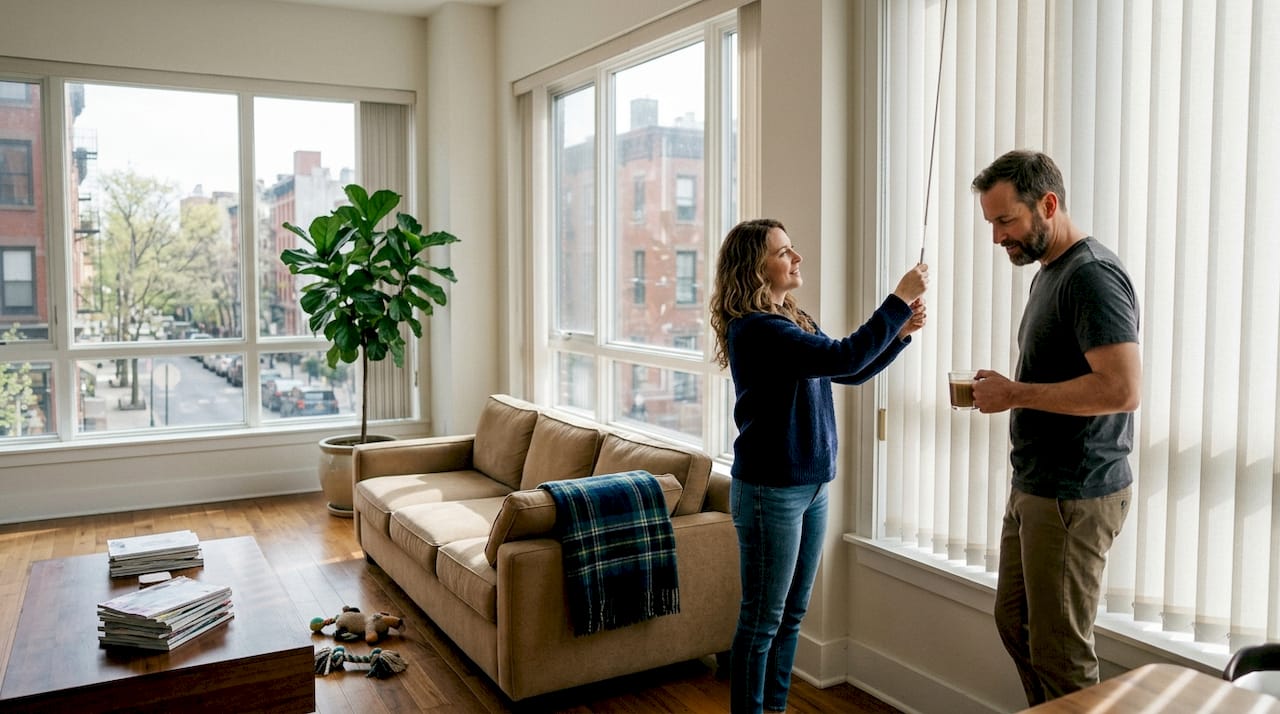


Cordless Blinds Safety: Guide to Child and Pet Protection
TL;DR:
- Corded window blinds are linked to over 440 deaths since 1973, especially in children under five. Truly cordless blinds have no accessible cords or loops and meet safety standards set by ANSI and Health Canada. Regular inspections and furniture placement are essential for ongoing home safety.
Cordless blinds sound like a solved problem. You remove the cord, you remove the danger. But corded window blinds are linked to deaths and injuries even among products labeled “cordless,” which means the label alone is not enough. For parents and homeowners, that gap between marketing language and actual safety is where the real risk lives. This guide walks you through what the data actually shows, how to identify genuinely safe window treatments, and the practical steps you can take right now to protect your children and pets.
Table of Contents
- The real risks of corded window blinds
- What makes a blind truly cordless?
- Choosing and installing cordless blinds for maximum safety
- Maintaining a safe window environment: Ongoing safety practices
- What most people get wrong about cordless blinds safety
- Discover safe and stylish cordless blinds with Value Blinds Direct
- Frequently asked questions
Key Takeaways
| Point | Details |
|---|---|
| Corded blinds are hazardous | Looped cords and chains on window blinds are proven to cause life-threatening injuries and deaths in homes. |
| Not all cordless blinds are truly safe | Some blinds labeled ‘cordless’ still fail safety tests due to hidden cords—demand proper certifications and safe design. |
| Install in high-risk areas | Only use cordless or motorized blinds in rooms where children and pets are present, and move furniture away from windows. |
| Ongoing vigilance is essential | Regularly inspect window coverings and practice safety habits to maintain a risk-free home environment. |
| Rely on expert guidance | Trusted brands and experts help homeowners choose the safest window treatments for peace of mind. |
The real risks of corded window blinds
Most people think of window blinds as a background fixture. They blend into the room, they filter light, and they seem harmless. The numbers tell a very different story.
Window cords are linked to over 440 deaths since 1973, with roughly 9 deaths per year involving children under age 5. These are not freak accidents. They follow a pattern: a child climbs furniture near a window, gets a loop of cord around their neck, and cannot free themselves. It happens in seconds.
Window blind cords are among the top hidden hazards in American homes, and children under five are the most vulnerable because they cannot recognize or escape entanglement.
The dangers break down into a short but serious list:
- Strangulation loops: Standard pull cords form loops that can tighten around a child’s neck.
- Inner lift cords: These run inside the blind slats and can become exposed over time through normal wear.
- Bead chains: Even decorative bead or wand chains can create a loop hazard if long enough.
- Easy physical access: Young children can reach window cords from cribs, changing tables, and any furniture placed near a window.
Pets face similar risks. Dogs and cats are curious, and a dangling cord at the right height becomes a play target that can trap a paw, leg, or neck.
What makes this harder to navigate is that some products sold as “cordless” still present a real risk. Regulatory bodies have flagged cases where the external cord was removed, but inner cords remained accessible through gaps in the blind structure. Reading a parent guide on cordless window treatments helps you understand these distinctions before you buy.
If you are weighing options right now, understanding the gap between cordless vs corded blinds is the most important first step. And for those considering woven styles, cordless woven blinds offer both aesthetic appeal and verified safety features worth exploring.
The urgency here is not about fear. It is about awareness. Once you know how these injuries actually happen, the solution becomes much clearer.
What makes a blind truly cordless?
The word “cordless” on a product box does not guarantee safety. That distinction matters a lot, especially when you are buying for a nursery or a home with young children.
A truly cordless blind has no external cords, no accessible inner lift cords, and no looped hardware of any kind. It operates by hand pressure alone, typically by pushing the bottom rail up or pulling it down. That is the basic mechanical definition.
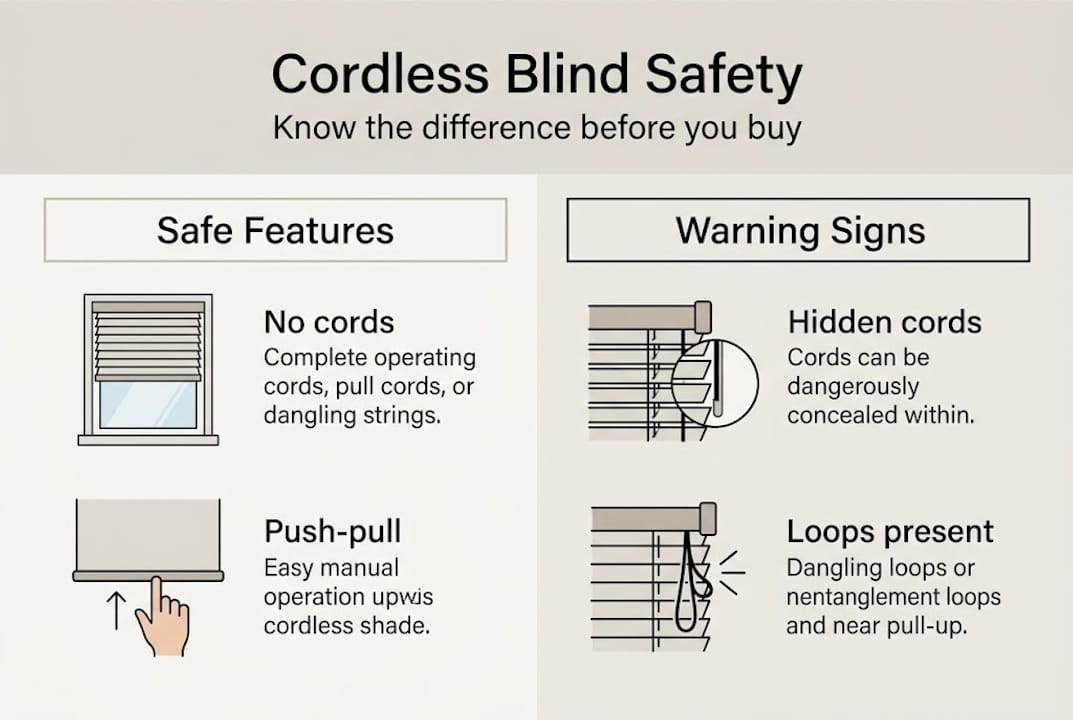
Regulatory standards from ANSI (American National Standards Institute) and Health Canada set specific thresholds for what qualifies as compliant. These include cord length restrictions, tensioning requirements, and design rules that prevent loops from forming. But compliance is not universal, and even blinds claimed cordless failed compliance checks when inner cords were accessible through gaps in the slat structure.
Here is a quick comparison of what separates genuinely safe designs from risky ones:
| Feature | Truly cordless | Partially cordless |
|---|---|---|
| External cords | None | None |
| Inner lift cords | Fully enclosed | Potentially exposed |
| Operating mechanism | Push/pull rail | Cord hidden behind slats |
| ANSI or Health Canada certified | Yes | Sometimes |
| Risk to children or pets | Very low | Moderate to high |
Pro Tip: Before purchasing, ask the retailer specifically whether the blind has any inner cords, not just whether it has external cords. That single question filters out most of the risky products.
Here is a numbered checklist for verifying genuine cordless safety before you buy:
- Confirm no external cords or loops of any kind.
- Ask whether inner lift cords are present and whether they are fully enclosed.
- Check that the product meets ANSI or Health Canada cordless blind standards.
- Read user reviews that specifically mention child or pet safety.
- Look for products that show certifications clearly in the product listing.
Browsing easy-to-install cordless blinds is a practical place to start. For a side-by-side look at top options, a cordless blinds comparison breaks down the key differences across styles and price points. If you want an option that combines both safety and energy efficiency, premium cordless shades are worth a close look.
Choosing and installing cordless blinds for maximum safety
Safety starts with the right product. But the right installation and setup matter just as much.
When choosing between cordless, motorized, and manual options, think about which rooms carry the highest risk. Nurseries and toddler bedrooms are the top priority. Living rooms and kitchens used daily by children and pets come next.
Install cordless or motorized blinds in kids’ rooms as your first move, and relocate any nearby furniture that could give a child a boost to the window level. That combination reduces risk dramatically.
Here is a room-by-room breakdown of what to prioritize:
- Nursery or kids’ bedroom: True cordless or motorized blinds only. No exceptions.
- Living room: Cordless or motorized, especially if children or pets spend significant time there.
- Kitchen: Cordless or no-drill options work well near windows above counters.
- Home office: Lower risk, but cordless is still preferable if children access the space.
| Room | Recommended type | Priority level |
|---|---|---|
| Nursery | Motorized or push-pull cordless | Critical |
| Kids’ bedroom | Push-pull cordless | Critical |
| Living room | Cordless or motorized | High |
| Kitchen | Cordless or no-drill | Moderate |
| Home office | Cordless | Standard |
Pro Tip: Motorized blinds are not just a luxury feature. For households with young children or mobility limitations, they remove all physical interaction with the blind mechanism entirely, which is the safest design possible.
The benefits of motorized blinds go beyond convenience. They eliminate the need to touch the window treatment at all, which means no cord hazard, no tangling, and no installation error that could expose a cord later. Motorized roller shades work especially well in living areas, while motorized solar shades are ideal for sun-facing rooms. For a broader look at why families are switching, motorized blinds for convenience covers the full picture.
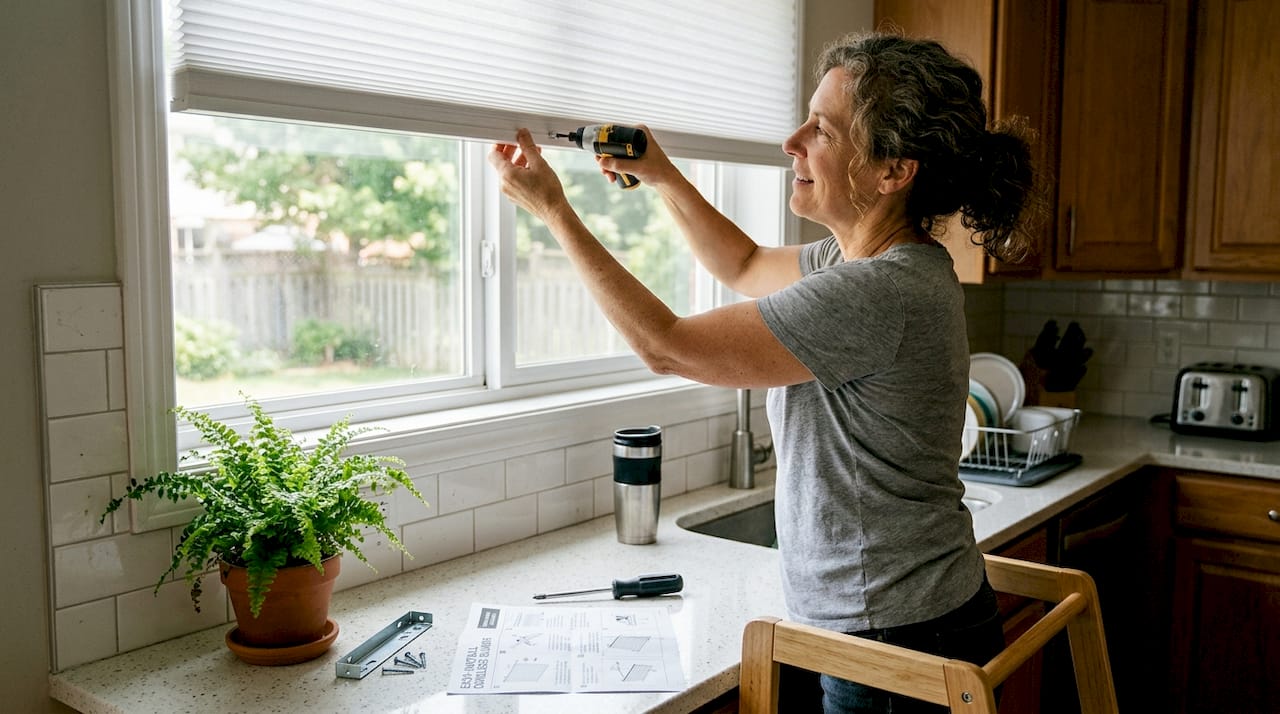
During installation, always secure the blind to the window frame as directed. A poorly mounted blind can shift or gap over time, potentially exposing inner hardware.
Maintaining a safe window environment: Ongoing safety practices
Buying the right blind is a strong start. But safety is not a one-time event. It requires consistent habits.
Supervision and moving furniture away from windows are two of the most effective ongoing safety measures, even when you have already installed cordless products. Children’s curiosity does not stop at the window, and a determined toddler can find ways to access areas you did not expect.
Here are five ongoing safety habits every household should practice:
- Monthly blind inspections: Check each blind for loose parts, exposed inner cords, or unusual gaps in the slat structure.
- Furniture placement checks: Regularly confirm that no furniture has drifted back near a window where a child or pet could climb up.
- Child awareness: Teach older children about window safety as part of general home rules.
- Pet monitoring: Note where your pets spend time. If a cat or dog is regularly near a window, make sure the blind hardware is fully enclosed.
- Replacement schedule: Even well-made blinds degrade over time. Plan to inspect and replace aging products before they fail.
Pro Tip: Add blind safety to your seasonal home checklist alongside smoke alarm tests and HVAC filter changes. It only takes a few minutes and keeps the habit consistent.
For families looking for a thorough safety resource, keeping kids safe around window treatments covers both product choices and behavioral strategies in a single guide.
The goal is to make safety automatic, not stressful. A few minutes of attention each month is all it takes to maintain a genuinely safe window environment.
What most people get wrong about cordless blinds safety
Here is the uncomfortable truth most product guides skip: buying a blind labeled “cordless” does not make your home safe. It makes it safer, sometimes. The difference depends almost entirely on whether the product was designed and certified to a real safety standard, not just marketed with the right word on the box.
We have seen this pattern repeatedly. A homeowner does everything right. They search for cordless options, they buy from a reputable-looking source, and they feel like the problem is solved. But even cordless products pose risks if inner cords are accessible, which is why certifications and actual design specifications matter far more than the label.
The fix is not complicated. Prioritize certified products. Use the checklist from Section 3. Do not assume a higher price automatically means better safety compliance. And use expert blind comparisons to verify what you are actually buying before it ships.
Real safety is built on verification, not trust in marketing language.
Discover safe and stylish cordless blinds with Value Blinds Direct
You now have the knowledge to make a confident, safety-first decision for your home. The next step is finding products that actually meet those standards without compromising on style.

At Value Blinds Direct, our shop cordless blinds collection features certified, cord-free options designed for real family homes. From push-pull cellular shades to fully motorized roller systems, every product is selected with safety and aesthetics in mind. If you want a personalized recommendation, our window treatment design studio helps you match the right product to every room. And if you want a premium option that handles both day and night light control, our premium cordless day and night shades are one of our most popular family-safe choices.
Frequently asked questions
Are all ‘cordless’ blinds safe for children and pets?
No. Some products labeled cordless still have accessible inner cords that pose real strangulation risks, so always verify certifications and product design details before purchasing.
How often should I inspect my blinds for safety hazards?
Inspect your blinds monthly for loose parts, exposed cords, or structural wear, since routine inspection is one of the most effective ways to catch hazards before they cause harm.
What features should I look for in the safest cordless blinds?
Look for products certified by ANSI or Health Canada that feature a true push-pull mechanism with no accessible inner cords anywhere in the blind structure.
Is it necessary to move furniture away from windows with cordless blinds?
Yes. Even with cordless blinds installed, moving furniture from windows prevents children and pets from climbing up and accessing the blind hardware at close range.