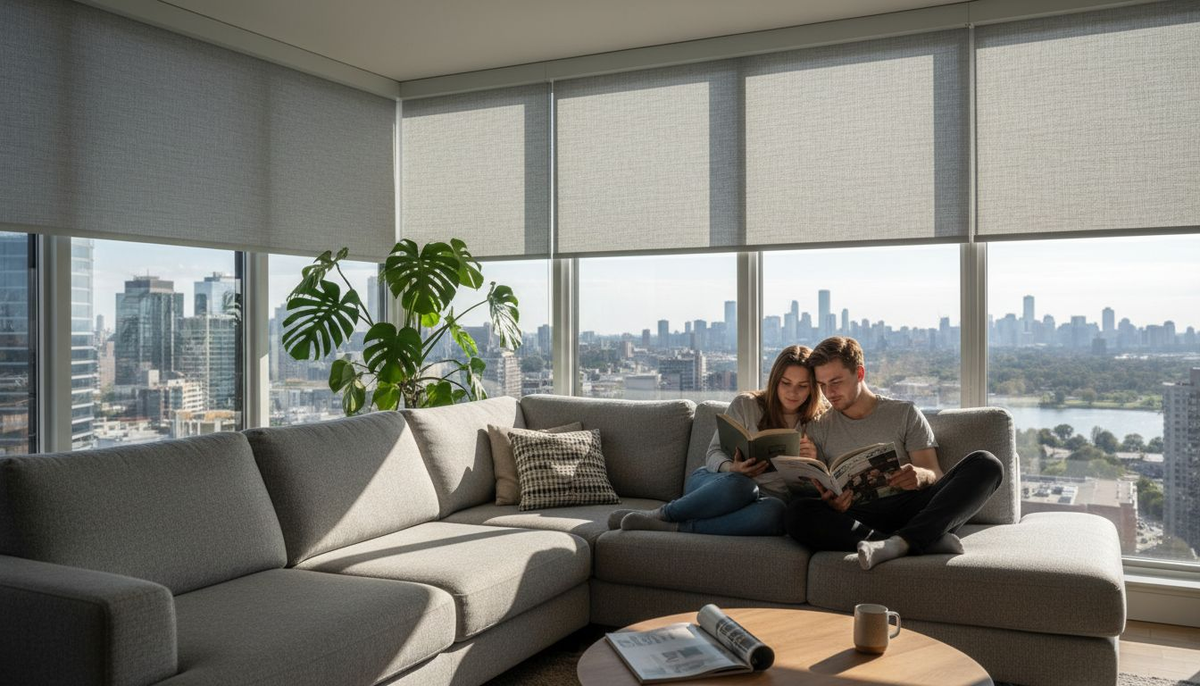
Custom Fabric Roller Shades: Style and Efficiency
Choosing the perfect window treatment often means balancing design flair with real performance needs. Urban homeowners worldwide face the challenge of finding shades that not only look stylish but also deliver on energy efficiency and simple upkeep. Research shows that fabric roller shades directly impact energy consumption by managing daylight and thermal comfort, making them a smart way to shape both the look and feel of your home. Explore how custom solutions can offer seamless installation, hassle-free maintenance, and a bold new approach to interior design.
Table of Contents
- Understanding Custom Fabric Roller Shades
- Fabric Types And Opacity Options
- Key Features And Customization Choices
- Installation And Maintenance Essentials
- Costs, Risks, And Alternatives
Key Takeaways
| Point | Details |
|---|---|
| Custom Fabric Roller Shades Enhance Environments | These shades offer versatile solutions for light control, thermal regulation, and aesthetic appeal, making them a valuable addition to any home. |
| Diverse Fabric Options Promote Personalization | Homeowners can choose from a variety of fabric types and opacity levels to meet specific light, privacy, and thermal comfort needs. |
| Advanced Features Improve Functionality | Modern roller shades include smart technologies and can be customized with motorization, enhancing both convenience and energy efficiency. |
| Consider Installation and Maintenance | Proper installation and regular maintenance are crucial for the longevity and performance of custom fabric roller shades, reducing long-term costs. |
Understanding Custom Fabric Roller Shades
Custom fabric roller shades represent a sophisticated window treatment solution that seamlessly blends style, functionality, and energy efficiency. These innovative window coverings transform interior spaces by offering precise light control, thermal regulation, and aesthetic enhancement. Unlike traditional blinds, fabric roller shades provide homeowners with unparalleled versatility in managing indoor environments.
Research demonstrates that fabric roller shades play a critical role in building performance, particularly in controlling daylight and thermal comfort. Their unique optical properties, including the openness factor and visible transmittance, directly impact indoor daylighting and energy consumption. Homeowners can select from multiple fabric characteristics to achieve optimal balance between natural light, privacy, and energy savings.
Key features of custom fabric roller shades include:
- Precise light filtering capabilities
- Customizable fabric opacity levels
- Enhanced thermal insulation
- Seamless integration with modern interior design
- Reduced energy consumption
- Easy maintenance and cleaning
Modern fabric roller shades offer remarkable design flexibility. Homeowners can choose from an extensive range of textures, colors, and opacity levels to complement their specific interior aesthetic. Whether seeking complete blackout protection for bedrooms or subtle light filtering for home offices, custom fabric roller shades provide a tailored solution for every living space.
Pro tip: When selecting fabric roller shades, consider your room’s orientation and sunlight exposure to maximize energy efficiency and comfort.
Fabric Types and Opacity Options
Custom fabric roller shades offer homeowners an incredible range of fabric types and opacity levels that transform interior spaces by controlling light, privacy, and thermal comfort. Understanding these options allows for precise customization that meets specific design and functional requirements.
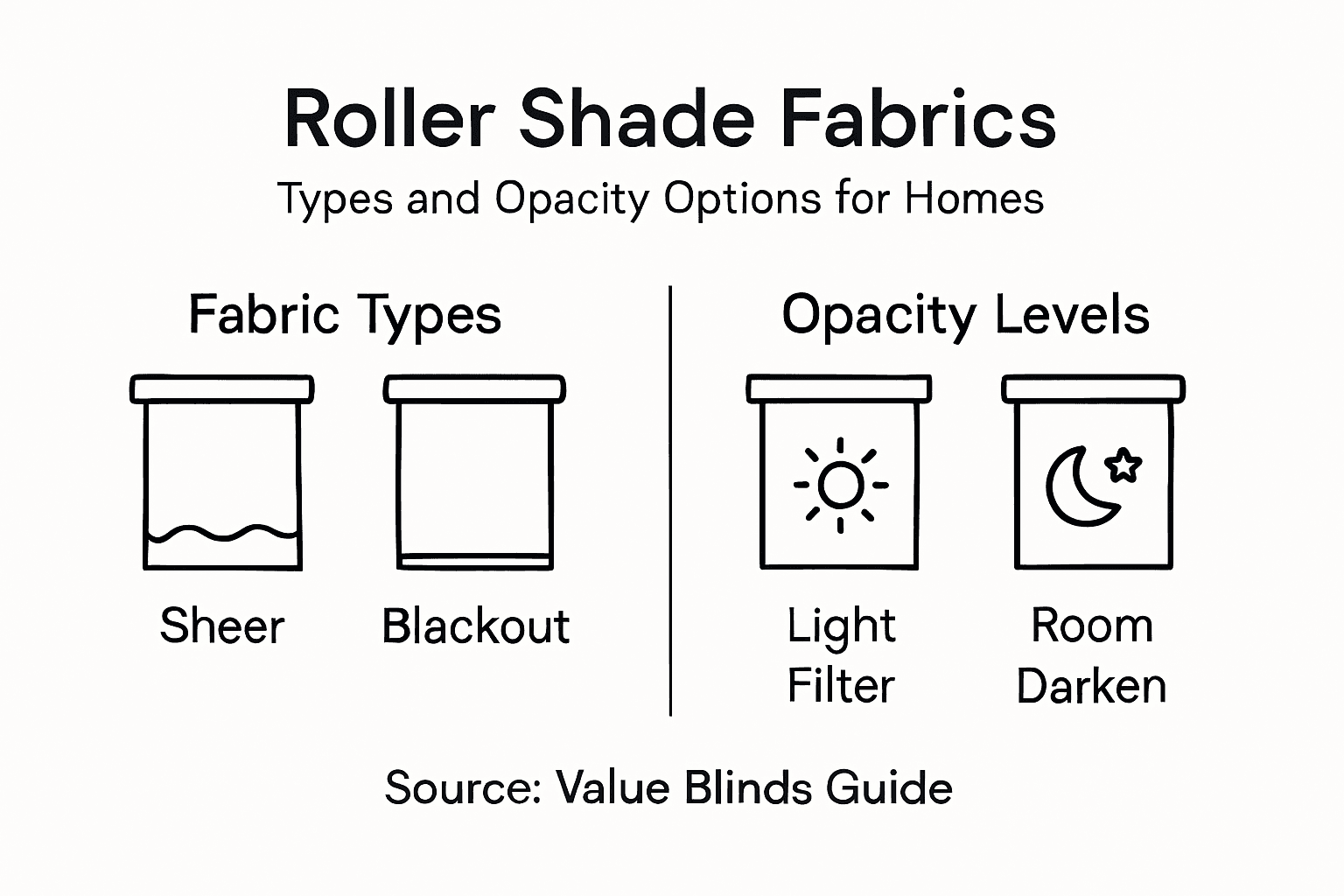
Roller shade fabrics primarily fall into two fundamental categories: light filtering and room darkening. Light filtering fabrics, including sheers, solar screens, and polyester blends, provide a soft, diffused lighting effect while maintaining moderate privacy. These delicate materials allow natural sunlight to gently illuminate interior spaces without creating harsh glare or complete darkness.
Room darkening fabric options offer more substantial light control and privacy protection:
- Blackout vinyl materials
- Bull denim fabrics
- Faux suede textures
- Heavy polyester composites
- Tightly woven synthetic blends
- Specialized thermal insulation fabrics
Advanced fabric technologies now enable homeowners to select materials that not only manage light but also provide additional benefits. Some contemporary roller shade fabrics incorporate:
- UV protection
- Energy efficiency features
- Temperature regulation capabilities
- Sound absorption properties
- Moisture-resistant treatments
Pro tip: Consider your room’s specific sunlight exposure and privacy needs when selecting fabric opacity to achieve optimal comfort and functionality.
Here’s how common roller shade fabric types differ:
| Fabric Type | Light Control | Privacy Level | Additional Benefits |
|---|---|---|---|
| Sheers | Soft, filtered light | Moderate | Preserves view, modern look |
| Solar Screens | Reduces glare | Low | Protects from UV, view out |
| Polyester Blends | Gentle diffusion | Medium | Wide color selection |
| Blackout Vinyl | Blocks all light | Complete | Max darkness, energy save |
| Faux Suede | Dims light | High | Luxurious texture, durable |
| Heavy Composites | Strong room darkening | Very high | Extra insulation, quiet |
Key Features and Customization Choices
Custom fabric roller shades offer an unprecedented level of personalization, allowing homeowners to transform their living spaces with tailored window treatments that perfectly match their unique aesthetic and functional requirements. The extensive customization options go far beyond traditional window coverings, providing unprecedented control over style, light management, and interior design integration.
Homeowners can personalize their roller shades through multiple key customization dimensions:
- Fabric color and texture selection
- Opacity levels from sheer to blackout
- Edge and bottom rail finishes
- Mounting style (inside or outside mount)
- Motorization and control options
- Hardware color and material
- Decorative hem and bottom bar choices
Modern custom roller shade technologies enable remarkable functional enhancements that extend beyond basic light control. Advanced features like cordless mechanisms, smart home integration, and programmable settings transform these window treatments from simple coverings into sophisticated home management systems. Motorized options allow precise control through smartphone apps, voice commands, or scheduled programming, offering unprecedented convenience and energy efficiency.
The breadth of customization reflects a holistic approach to window treatments. Homeowners can now select fabrics that not only complement their interior design but also provide specific performance characteristics such as thermal insulation, UV protection, and acoustic dampening. Each selection becomes a deliberate design choice that balances aesthetic preferences with practical household needs.
Pro tip: Order free fabric swatches to visualize how different materials and colors will interact with your specific room lighting and decor.
Installation and Maintenance Essentials
Successful custom fabric roller shade installation requires precision and careful planning, with critical measuring techniques determining the ultimate performance and aesthetic appeal of your window treatments. Understanding the nuanced process of mounting, alignment, and mechanism setup ensures optimal functionality and longevity.
Key installation considerations include:
- Precise window dimension measurements
- Selecting appropriate mounting style
- Choosing between inside or outside mount
- Ensuring proper bracket alignment
- Verifying level and plumb installation
- Checking mechanism smoothness
- Confirming light gap minimization
Maintenance of custom roller shades involves regular care and periodic inspection to preserve their appearance and operational integrity. Fabric care demands specific attention, with different materials requiring unique cleaning approaches. Dust and dirt can accumulate quickly, potentially compromising the shade’s aesthetic and functional performance.
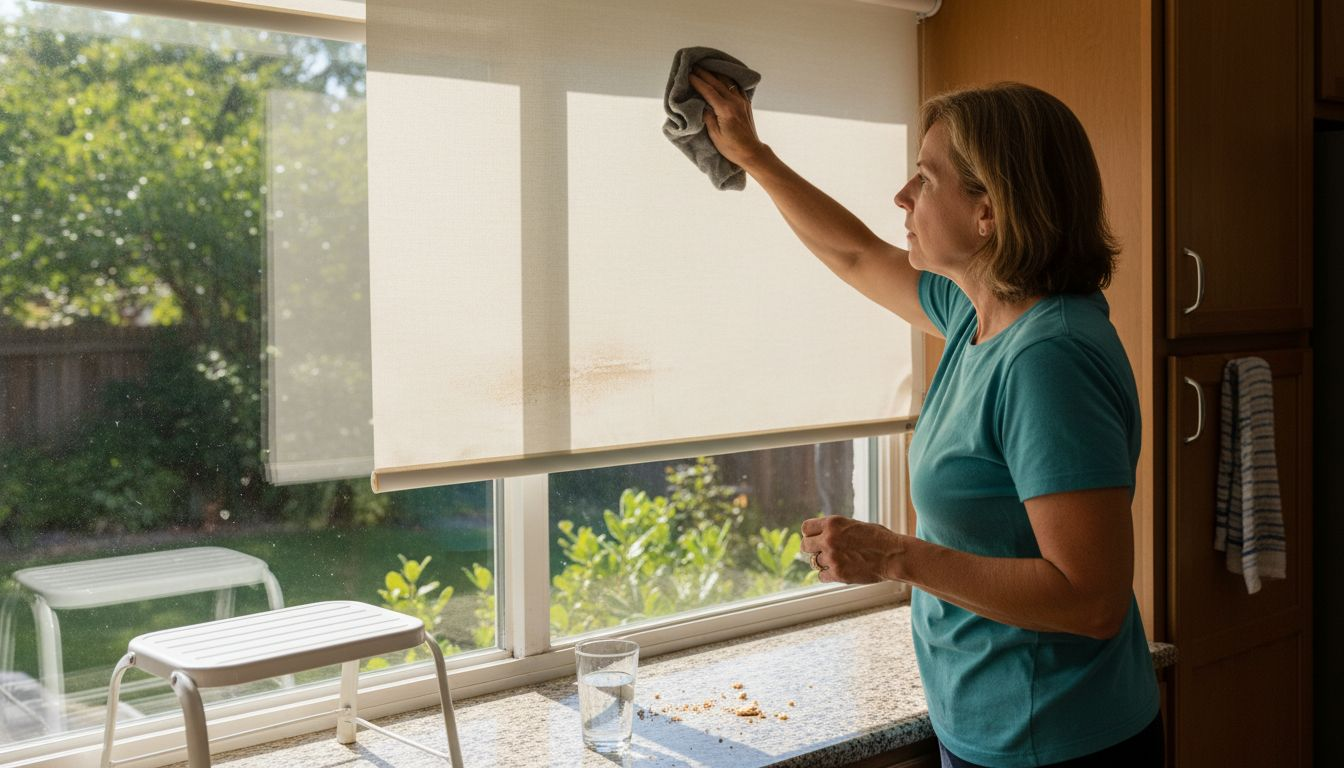
Modern roller shade technologies incorporate advanced features that simplify maintenance and enhance durability. Cordless mechanisms, dust-resistant fabrics, and moisture-repellent treatments reduce the frequency and complexity of cleaning routines. Homeowners can now select materials that resist staining, minimize dust attraction, and maintain their original appearance with minimal intervention.
Pro tip: Use a soft, lint-free cloth or vacuum attachment with soft brush to gently remove dust from roller shade fabrics, avoiding aggressive cleaning that might damage delicate materials.
Costs, Risks, and Alternatives
Understanding the comprehensive financial landscape of custom fabric roller shades requires careful evaluation of multiple factors, including detailed cost considerations. The investment extends beyond initial purchase price, encompassing long-term value, energy efficiency, and potential household benefits.
Price variations depend on several critical factors:
- Window size and measurements
- Fabric type and quality
- Mechanism complexity (manual vs. motorized)
- Custom sizing requirements
- Professional installation costs
- Additional features like smart home integration
- Fabric performance characteristics
Alternative window treatment options provide homeowners with diverse choices to compare against custom roller shades. Traditional alternatives include venetian blinds, cellular shades, roman shades, and vertical blinds. Each alternative presents unique advantages and limitations in terms of light control, insulation, aesthetic appeal, and maintenance requirements.
Compare the value and trade-offs of popular window treatment alternatives:
| Treatment Type | Light Control | Insulation Value | Style Flexibility |
|---|---|---|---|
| Roller Shades | Highly adjustable | Moderate to high | Wide, with custom options |
| Venetian Blinds | Adjustable slats | Low to moderate | Limited color options |
| Cellular Shades | Diffuse to blackout | Superior for energy save | Good, soft appearance |
| Roman Shades | Flexible fabric | Moderate | Elegant, classic look |
| Vertical Blinds | Good for large areas | Low | Suits sliding doors |
Risk mitigation strategies involve careful selection and professional consultation. Potential risks include improper installation, fabric degradation, mechanism failure, and unexpected maintenance expenses. Homeowners can minimize these risks by selecting high-quality materials, working with reputable manufacturers, and understanding warranty coverage. Investing in professional installation and choosing fabrics with proven durability can significantly reduce long-term financial and functional risks associated with window treatments.
Pro tip: Request comprehensive quotes from multiple providers, comparing not just initial costs but also long-term value, warranty coverage, and potential energy savings.
Elevate Your Space with Custom Fabric Roller Shades from Value Blinds
Struggling to find window treatments that perfectly balance style, energy efficiency, and light control Customized fabric roller shades are designed to transform your home with precise light filtering and thermal insulation to suit every room and preference Value Blinds offers a broad selection of premium fabrics including blackout, cordless, and motorized options that enhance comfort while complementing your interior design
Explore our New Arrivals to discover the latest in custom roller shades that combine innovation with elegance Take advantage of free swatches and expert guidance at Value Blinds today to make a confident choice Easy installation and energy-saving features ensure you enjoy lasting benefits Don’t wait to upgrade your living space with tailored window treatments that deliver both style and efficiency
Shop now and experience the difference at Value Blinds where customization meets quality
Frequently Asked Questions
What are the benefits of custom fabric roller shades?
Custom fabric roller shades provide precise light control, enhanced thermal insulation, reduced energy consumption, and easy maintenance. They also offer a wide range of design options to fit various interior aesthetics.
How do I choose the right fabric opacity for my roller shades?
Consider your specific needs for light filtering and privacy. Light filtering fabrics allow soft, diffused light, while blackout fabrics provide complete darkness for optimal light control in bedrooms or media rooms.
What are the installation requirements for custom fabric roller shades?
Installation requires precise measurements of your windows, choosing between inside or outside mount, and proper alignment to ensure functionality and aesthetics. Professional installation is recommended for the best results.
How do I maintain my fabric roller shades?
Regular maintenance includes dusting with a soft cloth or vacuum attachment. Material-specific cleaning methods may be required, so it’s essential to follow the care instructions for your chosen fabric to maintain its appearance and performance.
Recommended
- Fabric Roller Shades: Stylish, Eco-Friendly Living
- Fabric Shades: Enhancing Light, Style, and Efficiency
- Custom Roller Shades: Enhancing Light and Privacy Control
- Complete Guide to Fabric Light Filtering Roller Shades

Value Blinds®
Trusted window treatments provider
Value Blinds® is a trusted provider of Greenguard, OEKO-TEX, and FSC-certified window treatments based in Portland, Oregon. Specializing in sustainable, motorized, smart-controlled, and outdoor-ready blinds and shades, the company is built on a foundation of simplified shopping, premium eco-friendly materials, and transparent pricing without the inflated cost.