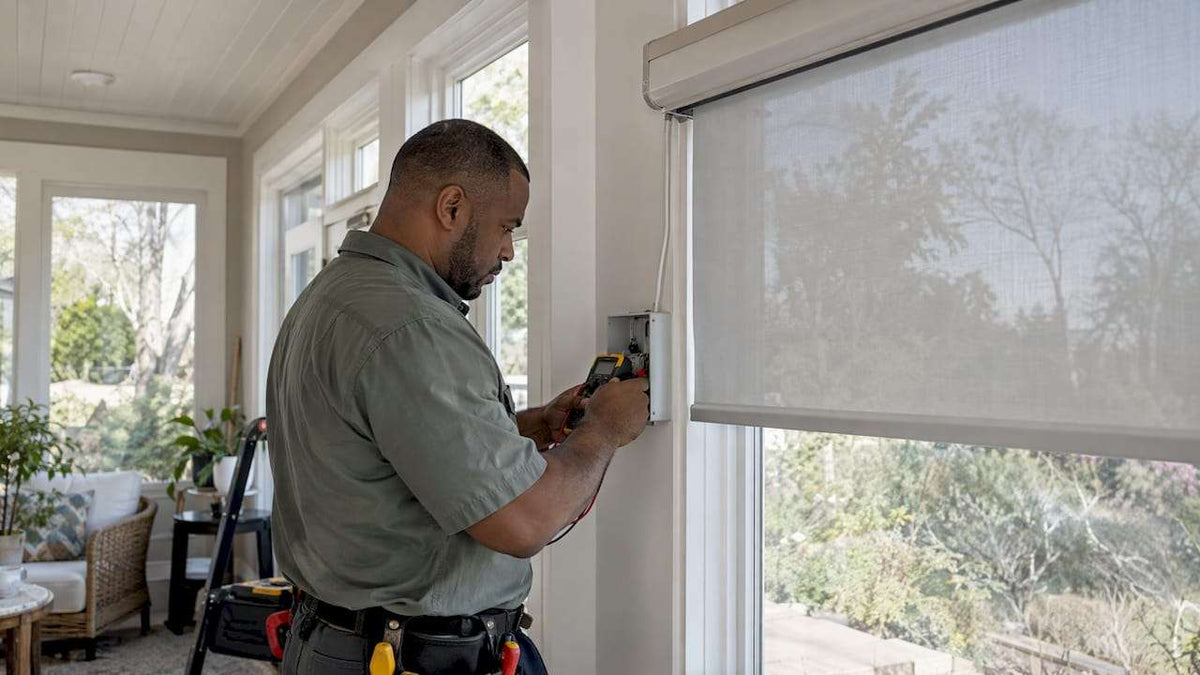


How Custom Blind Warranties Work: Coverage, Claims and Fine Print
A custom blind warranty is a written promise from the maker or seller to repair or replace your window covering if it fails because of a defect in materials or workmanship, usually for a set number of years and with different terms for different parts. It does not cover everything. Normal wear, sun fading, damage from misuse and wrong measurements are the usual exceptions. Once you know where those lines fall, the paperwork stops feeling like fine print and starts working for you. 😊
This guide walks you through what a warranty typically includes, why coverage differs from part to part, which conditions can quietly void it, and how to make a claim with the least back-and-forth. At Value Blinds we make custom blinds and shades to order, so we know how much easier ownership gets when you understand the terms before you buy.
TL;DR
- A custom blind warranty covers defects in materials and workmanship, not wear, misuse or sun fading.
- Coverage often differs by part: the headrail and operating mechanism, the fabric or slats, cords, and motors or remotes can each carry their own term.
- Federal law does not force a seller to offer a written warranty, so the document you receive is the deal. Read its duration, remedy and claim steps before you order.
- Measuring mistakes are usually your responsibility on made-to-order products, so measure carefully or have a pro do it.
- Keep your order confirmation, take photos of any problem early and contact the seller before you try repairs.
Table of Contents
- What a custom blind warranty actually is
- What is usually covered
- How long coverage lasts
- What is usually not covered
- Warranty vs. return policy vs. satisfaction guarantee
- How to read a warranty before you buy
- Child safety and cordless choices
- How to file a warranty claim
- Statutory rights: the layer under the warranty
- Worked example: two windows, two outcomes
- Quick tips to keep your coverage intact
- Our perspective
- Order with confidence
- FAQ
- Sources
What a custom blind warranty actually is
Custom blinds are made after you order. The seller cuts the fabric or slats to your exact window size, picks the headrail and hardware, and ships a product no one else can use. That is why you get the right fit, color and features. It is also why the warranty and the return policy look different from what you get on a ready-made blind from a shelf.
A warranty is a separate thing from a return policy. A return policy is about changing your mind. A warranty is about the product failing when you use it normally. Because a made-to-order product is built for one window, a seller often cannot resell it, so the warranty is the safety net you rely on if something goes wrong.
In the United States, the main federal law covering this is the Magnuson-Moss Warranty Act. According to the Federal Trade Commission’s guide, the Act does not require any business to provide a written warranty. It also applies only to written warranties on consumer products. In plain terms: if a seller does offer a written warranty, the terms in that document are what you can hold them to, so the document matters more than any sales-page slogan.
What is usually covered
Most custom blind warranties are limited warranties. They promise to fix problems that come from how the product was made. Typical items include:
- Operating mechanism: the lift system, tilt wand, spring or clutch that raises, lowers or rotates the blind.
- Headrail and brackets: the metal or composite housing at the top and the hardware that holds the blind to the wall or frame.
- Fabric and slats: defects such as seams that split, laminate that peels, slats that arrive warped from the factory or fabric that delaminates.
- Cords, ladders and tapes: the parts that tilt slats and hold the shade together.
- Motors, remotes and smart controls: if you chose motorization, the electronics usually have their own terms.
The point to take away is that “warranty” is rarely one number. A single product page can say one thing about the mechanism and something quite different about the fabric or motor. When you compare sellers, compare each component, not the headline.
What the remedy looks like
The document should also say what the seller does when a claim is approved. Common remedies are a replacement part, a repair, a replacement blind or, less often, a refund. Some warranties cover the product but not the cost of shipping it back or labor to reinstall it. The consumer-advice guidance on warranties from Citizens Advice in the UK makes a useful general point here: the written paperwork sets out the duration, the remedy, the claim route and any postage costs. That checklist works for a US purchase too, even though the legal rules differ by country.
How long coverage lasts
There is no universal length. Terms for custom blinds range from a single year on some components to long limited terms on others. What matters more than the number is what the number applies to.
| Part | What to look for | Why it matters |
|---|---|---|
| Operating mechanism | Years of coverage and whether wear is excluded | This is the part you touch every day |
| Fabric or slats | Defects vs. fading or stains | Appearance claims are the most disputed |
| Cords and ladders | Often shorter terms | They wear faster with daily use |
| Motor and remote | Separate term, battery exclusions | Electronics fail differently from fabric |
| Installation work | Who stands behind it | Poor installation can void other coverage |
Two things can shorten what you actually get. First, the clock usually starts on the delivery or purchase date, not the day you hang the blind. If your blinds sit in a box for six months during a renovation, that time counts. Second, some warranties are limited to the original purchaser at the original address, so a home sale can end the coverage. If you are a realtor, property manager or landlord, check whether coverage transfers with the property.
We publish our own terms on our Warranty Terms page, so you can read the exact wording for the product you are considering before you order.
What is usually not covered
Exclusions are where most warranty disappointments happen. The good news is that they are predictable. Look for these:
- Normal wear and tear. Fraying cords, a slightly looser lift after years of daily use, and light surface scratches generally fall here.
- Sun and heat fading. Fabric colors can lighten after years in a west-facing window. Warranties tend to treat gradual fading as normal, so choose fabrics suited to bright rooms.
- Misuse or abuse. Yanking a cord sideways, forcing a stuck blind, hanging things on it or letting kids and pets swing from it.
- Improper installation. Mounting into drywall without anchors, using the wrong brackets or hanging a heavy blind on a weak frame.
- Cleaning damage. Harsh chemicals, soaking a fabric that should be spot-cleaned or steam on natural materials.
- Moisture and environment. Wood and natural fibers respond to humidity. Bathrooms and kitchens call for products designed for them, such as faux wood blinds.
- Natural variation. Wood grain, bamboo color and weave texture differ from piece to piece. That is part of the look, not a defect.
- Measuring errors. On a made-to-order product, a blind that is too narrow because the measurement was off is typically not a defect.
- Alterations. Trimming, drilling or modifying the product yourself.
- Commercial or non-standard use. Some consumer warranties shorten or change coverage for commercial settings. If you manage rentals or offices, see our guide to the four warranties to ask for on commercial blinds.
Why measurement is the big one
Because every blind is cut to your numbers, the order is only as good as the measurements. A quarter-inch mistake can mean light gaps or a blind that binds in the frame. Measure the width in three places, the height in three places, and use the narrowest width for an inside mount. Write the numbers down, then order. If you would rather not take on that risk, our Pro Measure & Install service has a professional take the measurements and handle installation, so the fit does not depend on you holding a tape measure.
Warranty vs. return policy vs. satisfaction guarantee
These three get mixed up constantly, so here is how to tell them apart:
- Warranty: repairs or replaces defective products over a stated period.
- Return policy: lets you send a product back for a refund, often with strict limits or none at all on made-to-order items.
- Satisfaction guarantee: a seller’s own promise about the experience, with its own rules for what qualifies.
A custom product can have all three, one or two. Do not assume that a friendly guarantee replaces the written warranty, or the other way around. Read each one separately, and look for how they interact, for example whether a remade blind is covered under the guarantee or the warranty.
One more point matters if you ordered samples first. Free swatches let you see the real fabric color in your own light before you commit. Color dissatisfaction is typically not a warranty issue, so swatches are the cheapest way to avoid it. We offer free swatches for that reason.
How to read a warranty before you buy
This is a five-minute check that can save you weeks later. 👀
- Find the written document. Look for a dedicated warranty page or a PDF, not just a line on a product page. Save a copy or a screenshot with the date.
- Check the start date. Delivery, shipment or installation? It changes your real coverage.
- List each covered part. Mechanism, fabric, cords, motor, remote, hardware. Note the term for each.
- Read the exclusions line by line. Match them to your room: sunny window, kitchen, nursery, rental unit.
- Look at the remedy. Repair, replacement or refund? Who pays for shipping and reinstalling?
- Find the claim route. Email, form or phone, and what proof they ask for.
- Check transferability. Does coverage follow the house or only the buyer?
For a broader set of questions to bring to any seller, this guide on what to ask about warranty coverage shows how the same logic of duration, exclusions and claim steps applies to any custom-built product with a warranty.
Child safety and cordless choices
Cords are both a wear item and a safety consideration. For homes with young children or pets, cordless and motorized options remove hanging cords altogether, and our product range includes cordless lift systems as well as motorized shades with smart control. Choosing them is also a practical warranty move: fewer cords means fewer parts that can fray or get misused. If you want to go that way, our motorized zebra shades and motorized cellular shades are good places to start.
How to file a warranty claim

A clean claim is quick. A messy one drags. Here is the routine that tends to go smoothly:
Step 1: Gather your paperwork
Pull your order confirmation, order number, delivery date and the warranty document. If a pro installed the blinds, keep that invoice too. Having these ready answers the first questions you will be asked.
Step 2: Document the problem
Take clear photos and, if the issue involves movement, a short video of the blind failing to raise, tilt or lock. Include a wide shot showing the window and a close-up of the defect. Do it as soon as you notice, because the date can help show the problem is not wear.
Step 3: Stop using it, and do not repair it yourself
Forcing a stuck blind can turn a covered defect into damage that is excluded. Cutting cords or taking the headrail apart can count as alteration. If a quick fix is genuinely needed, our guide on how to repair broken blinds covers simple maintenance. For anything under warranty, contact the seller first so you do not jeopardize the claim.
Step 4: Contact the seller through the route in the warranty
Use the channel the document names. State your order number, the product, what is wrong and when you first noticed it. Attach your photos. Keep your message short and factual.
Step 5: Confirm the remedy in writing
Ask what they will do (repair, replacement part or remake), the timeline and whether you need to return anything. Save the reply. If a replacement ships, check it against the original order details.
Step 6: Know what to do if you disagree
If a claim is denied and you think it should be covered, reply with the specific warranty section you rely on. The FTC guide notes that the Magnuson-Moss framework lets companies set up procedures for resolving disputes informally, and some warranties name such a process. For a serious unresolved dispute over a significant amount, a consumer-law attorney or your state attorney general’s consumer protection office is the right professional to ask about your rights in your state.
Statutory rights: the layer under the warranty
A written warranty is not the only protection a buyer has. In the US, state law implies certain baseline promises in many sales, and the federal Act makes it easier to pursue a remedy when a written warranty is breached. The details vary by state, and some states let sellers disclaim parts of them in writing. Other countries handle this differently: in Australia, for example, the consumer regulator explains that statutory consumer rights are part of every sale contract and can apply after a manufacturer’s warranty ends. If you are outside the US, check your own country’s consumer rules alongside the seller’s document.
Worked example: two windows, two outcomes
Imagine you order a motorized cellular shade for a bedroom and a wood-look blind for the kitchen.
Six months later the bedroom shade stops responding to the remote. You check the document: the motor and remote have their own term, you are inside it, and the problem is a failure to operate. You gather your order number, film the shade not moving, confirm the battery is fresh and send it all in. That is a straightforward claim.
Three years later, the kitchen blind has a few slats with slight color change near the stove. You check the exclusions: gradual discoloration from heat and exposure is typically wear. That is unlikely to be covered, and it is why picking materials made for the room at the start matters.

The difference between the two outcomes was not luck. It was understanding which parts are protected and which conditions are expected.
Quick tips to keep your coverage intact
- Install with the hardware supplied and into solid framing or proper anchors.
- Operate the blind by its control, not by pulling on the bottom rail or slats.
- Clean as the care sheet says. Dust regularly; spot-clean gently.
- Match the material to the room. Moisture-friendly products for kitchens and baths, light-filtering or solar fabrics for harsh sun.
- Keep your paperwork in one folder, digital or paper.
- Register or save confirmation emails if the seller asks for it.
- Read our overview of how long blinds last to know what normal aging looks like.
Our perspective
We think a warranty should be something you can read in one sitting and understand. When you order a blind made for one specific window, you are trusting us with a lot: your measurements, your design choices and your budget. The warranty is how we back that trust.
That is why we keep our terms on a single Warranty Terms page and why we build the ordering experience around fewer surprises: free swatches so the color is right, measurement guides so the numbers are right, and a Pro Measure & Install option so a professional can take that job off your hands. Our positioning is simple: quality materials with certifications, energy-efficient and cordless or motorized options, a satisfaction guarantee and professional installation available nationwide.
Custom is worth it because everything fits your home. A clear warranty is what makes it feel safe. If you want the bigger picture, our custom blinds benefits guide explains why so many homeowners, decorators and property managers choose made-to-order.
Sunny
Order with confidence
Whether you are dressing one bedroom or a whole property, our catalog covers roller, zebra, cellular, roman, solar and natural woven shades, plus solid wood, faux wood, bamboo, aluminum and vertical blinds, exterior shades, retractable awnings and pergolas. You can order free swatches, use our measurement guides, and add professional measuring and installation so the blinds fit and the install is done right.
Ready to start? Browse the full range on our Value Blinds homepage or jump straight to all blinds.
FAQ
Do custom blinds come with a warranty?
Usually, yes, but it is up to the seller. Federal law does not require a business to offer a written warranty, so the document you receive defines your coverage. Read it for the covered parts, duration, remedy and how to claim.
Does a warranty cover fading?
Gradual fading from sunlight is generally treated as normal wear, not a defect. Defects that appear early, such as a coating that peels or a fabric that delaminates, are a different matter and are typically covered. Choosing fabrics suited to bright windows is the best protection.
What if I measured wrong?
On made-to-order blinds, measurement accuracy is generally the buyer’s responsibility, and sizing errors are usually not warranty defects. Careful measuring with a guide helps, and a professional measure and install service removes the risk from your side.
Does the warranty transfer if I sell my home?
It depends on the wording. Some limited warranties apply only to the original buyer, others follow the property. Check the transfer clause, and keep the paperwork handy for the buyer if it does carry over.
Should I try to fix a problem myself first?
Contact the seller first. Repairs, cutting cords or disassembling the headrail can count as alteration and affect your claim. Take photos, gather your order details and follow the claim route in your warranty.
Sources
- Businessperson’s Guide to Federal Warranty Law, FTC
- Claim using a warranty or guarantee, Citizens Advice
- Warranties and refunds: a guide for consumers and business, ACCC
- Cigar Cabinet Warranty: What It Covers and What to Ask