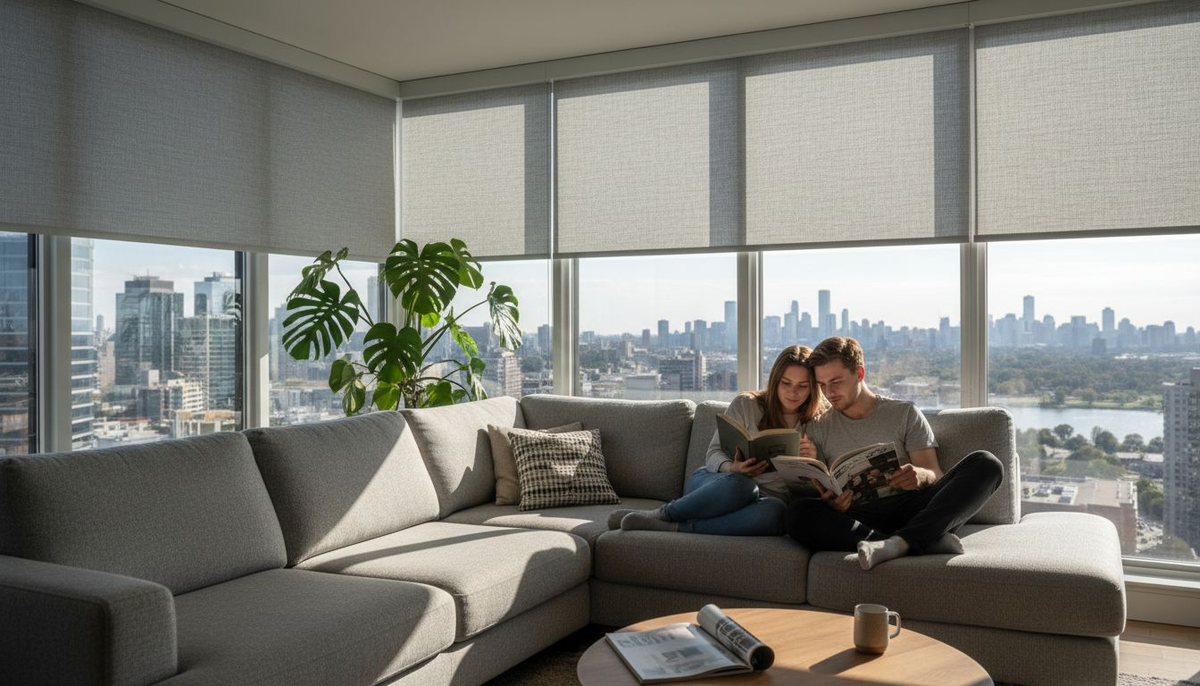

Modern Blinds: Transforming Urban Living in 2026
Finding the ideal blinds for your city home often means searching for solutions that blend design, comfort, and sustainability. Modern blinds offer more than just privacy—they let urban homeowners enjoy smart technology, customizable features, and energy savings without sacrificing personal style. Discover how today’s advanced window coverings use innovative materials and intelligent controls to create spaces that feel inviting, functional, and environmentally friendly.
Table of Contents
- Defining Modern Blinds And Key Concepts
- Popular Types And Their Unique Benefits
- Smart Features And Customization Options
- Sustainability, Energy Efficiency, And Materials
- Comparing Modern Blinds To Traditional Options
- Avoiding Common Mistakes And Maximizing Value
Key Takeaways
| Point | Details |
|---|---|
| Modern Blinds as Intelligent Solutions | Modern blinds have evolved into essential components of smart homes, enhancing comfort, energy efficiency, and aesthetics through innovative designs and technology integration. |
| Diverse Blind Options | Various types of blinds, such as Roller and Cellular shades, offer unique advantages tailored to different aesthetic and functional needs. |
| Smart Features for Efficiency | Features like voice control, programmable scheduling, and energy monitoring make modern blinds dynamic tools for personalizing home environments. |
| Sustainability Matters | The integration of eco-friendly materials and sustainable manufacturing processes is essential in choosing modern blinds for environmentally conscious homes. |
Defining Modern Blinds and Key Concepts
Modern blinds represent far more than simple window coverings in today’s urban living spaces. These sophisticated design elements have transformed from basic functional items into intelligent home solutions that enhance comfort, energy efficiency, and aesthetic appeal.
Window blinds are sophisticated coverings composed of horizontal or vertical slats crafted from diverse materials like wood, metal, and advanced composites. They can be manually operated or integrated with smart home technologies for automated light and privacy control. Window coverings with multiple functionalities have revolutionized interior design approaches.
Key characteristics of modern blinds include:
- Customizable light filtering capabilities
- Energy efficiency features
- Smart home integration
- Minimal design aesthetics
- Advanced material technologies
The evolution of blinds reflects broader technological trends in home design. Unlike traditional static window treatments, contemporary blinds offer dynamic interactions with living environments. They adapt to changing light conditions, temperature requirements, and personal preferences through intelligent mechanisms.
Blind Types and Innovations:
- Roller Blinds: Sleek, minimalist design with smooth operation
- Cellular Shades: Superior insulation properties
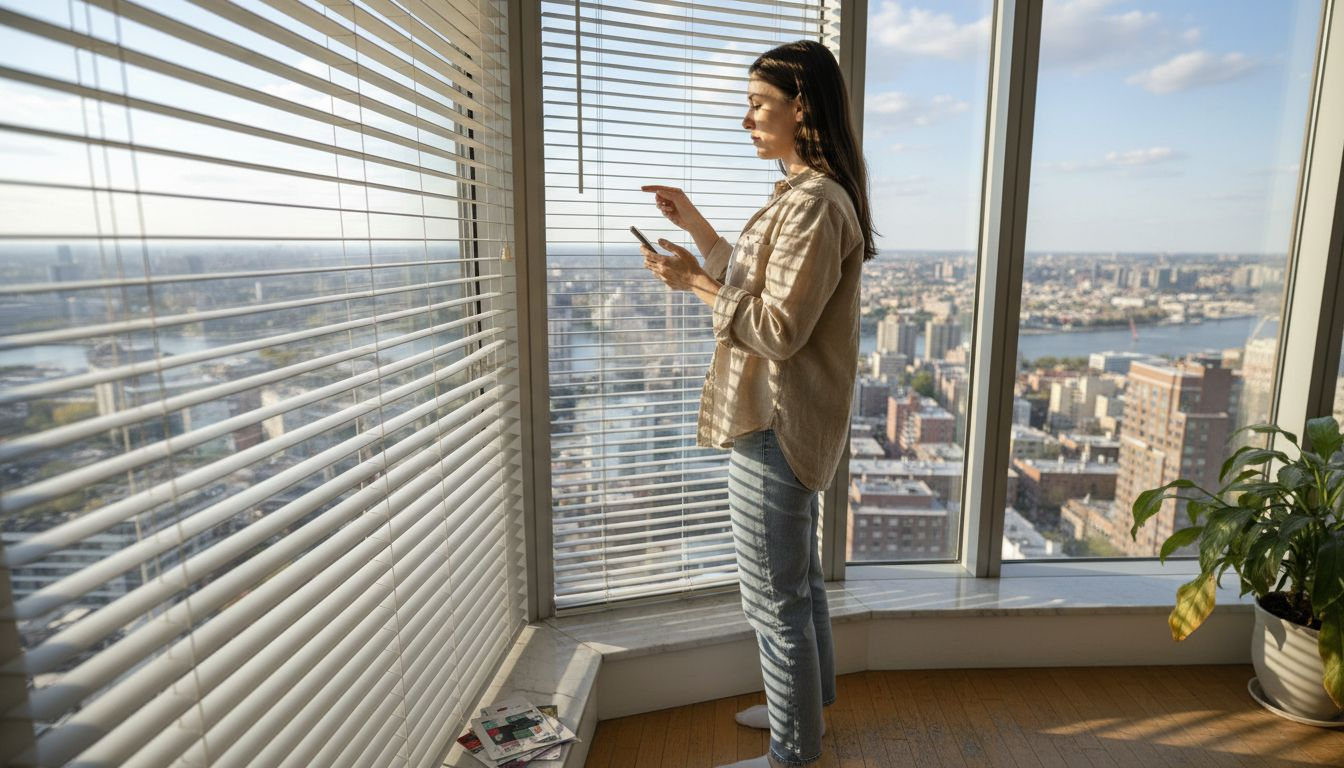
- Motorized Blinds: Remote and smartphone-controlled options
- Smart Blinds: AI-integrated light and temperature management
Urban homeowners increasingly view blinds as critical components of their interior ecosystem. These are not mere decorative elements but active participants in creating comfortable, efficient living spaces.
Pro tip: When selecting modern blinds, prioritize multi-functional designs that offer both aesthetic appeal and practical energy management capabilities.
Popular Types and Their Unique Benefits
The world of window blinds has dramatically expanded, offering urban homeowners an incredible array of design options that blend aesthetics, functionality, and technological innovation. Energy-efficient window coverings have become more than just decorative elements - they are now sophisticated solutions for temperature regulation and interior comfort.
Blind Types Overview:
- Roller Blinds: Minimalist design with smooth fabric panels
- Cellular Shades: Advanced thermal insulation technology
- Venetian Blinds: Classic adjustable light control
- Roman Blinds: Elegant fabric-based window treatments
- Vertical Blinds: Perfect for large windows and sliding doors
Each blind type offers unique advantages tailored to specific architectural and lifestyle needs. Cellular shades, for instance, feature honeycomb-shaped air pockets that trap thermal energy, providing exceptional insulation. Popular window blind varieties range from traditional horizontal slat designs to cutting-edge motorized systems.
Performance Characteristics:
- Light filtering capabilities
- Thermal regulation
- Privacy management
- Aesthetic flexibility
- Smart home compatibility
Modern blind technologies have transformed window treatments from passive accessories into active home management systems. Motorized options now integrate seamlessly with smart home platforms, allowing precise control through smartphone apps or voice commands.
Blinds are no longer just window coverings - they’re intelligent environmental interfaces that adapt to your living space.
Urban homeowners particularly appreciate blinds that offer multiple functionalities. Vertical blinds excel in apartments with large windows, while cellular shades provide superior energy efficiency for temperature-conscious residents.
Here’s a side-by-side summary of key benefits for popular blind types:
| Blind Type | Best Use Case | Key Benefit |
|---|---|---|
| Roller Blinds | Urban apartments, offices | Sleek look and easy operation |
| Cellular Shades | Temperature-sensitive rooms | Exceptional energy efficiency |
| Venetian Blinds | Homes needing variable light | Superior adjustable light control |
| Roman Blinds | Design-focused living spaces | Elegant, textured visual appeal |
| Vertical Blinds | Large windows, sliding doors | Flexible coverage for big openings |
Pro tip: Consider your specific room’s orientation, sunlight exposure, and temperature dynamics when selecting window blinds to maximize both aesthetic appeal and functional performance.
Smart Features and Customization Options
The evolution of window treatments has reached an unprecedented level of sophistication, with smart technologies transforming blinds from passive accessories into dynamic home management systems. Energy-efficient window coverings now offer unprecedented levels of customization and technological integration.
Smart Technology Features:
- Voice control compatibility
- Smartphone app integration
- Programmable scheduling
- Solar position tracking
- Temperature-responsive adjustments
- Real-time energy consumption monitoring
Modern blinds have transcended traditional functionality, becoming intelligent interfaces that interact dynamically with living spaces. Homeowners can now program their window treatments to respond automatically to sunlight intensity, room temperature, and even personal daily routines.
Customization Dimensions:
- Material selection
- Color and texture options
- Light filtering levels
- Opacity variations
- Motorization preferences
- Smart home ecosystem compatibility
Advanced motorization technologies enable precise control, allowing users to adjust blinds through multiple channels - voice commands, mobile applications, remote controls, or automated scheduling. This flexibility ensures that window treatments can be tailored to individual preferences and lifestyle requirements.
Smart blinds are not just window coverings - they’re sophisticated environmental management tools that enhance comfort and efficiency.
Urban residents increasingly demand window solutions that offer both aesthetic elegance and technological intelligence. The ability to integrate blinds seamlessly with broader smart home ecosystems represents a significant leap in home design and personal comfort management.
Pro tip: Prioritize blinds with multi-platform compatibility and modular design to ensure long-term adaptability with emerging smart home technologies.
This table highlights how smart blinds technology impacts home management:
| Smart Feature | Benefit for Homeowners | Example Usage Scenario |
|---|---|---|
| Voice control | Hands-free adjustment | Changing blinds from sofa |
| Solar tracking | Automatic light optimization | Minimizes glare during sunrise |
| Energy monitoring | Tracks utility cost savings | Identifies peak sunlight hours |
| Programmable scheduling | Custom daily patterns | Opens blinds at morning wake-up |
Sustainability, Energy Efficiency, and Materials
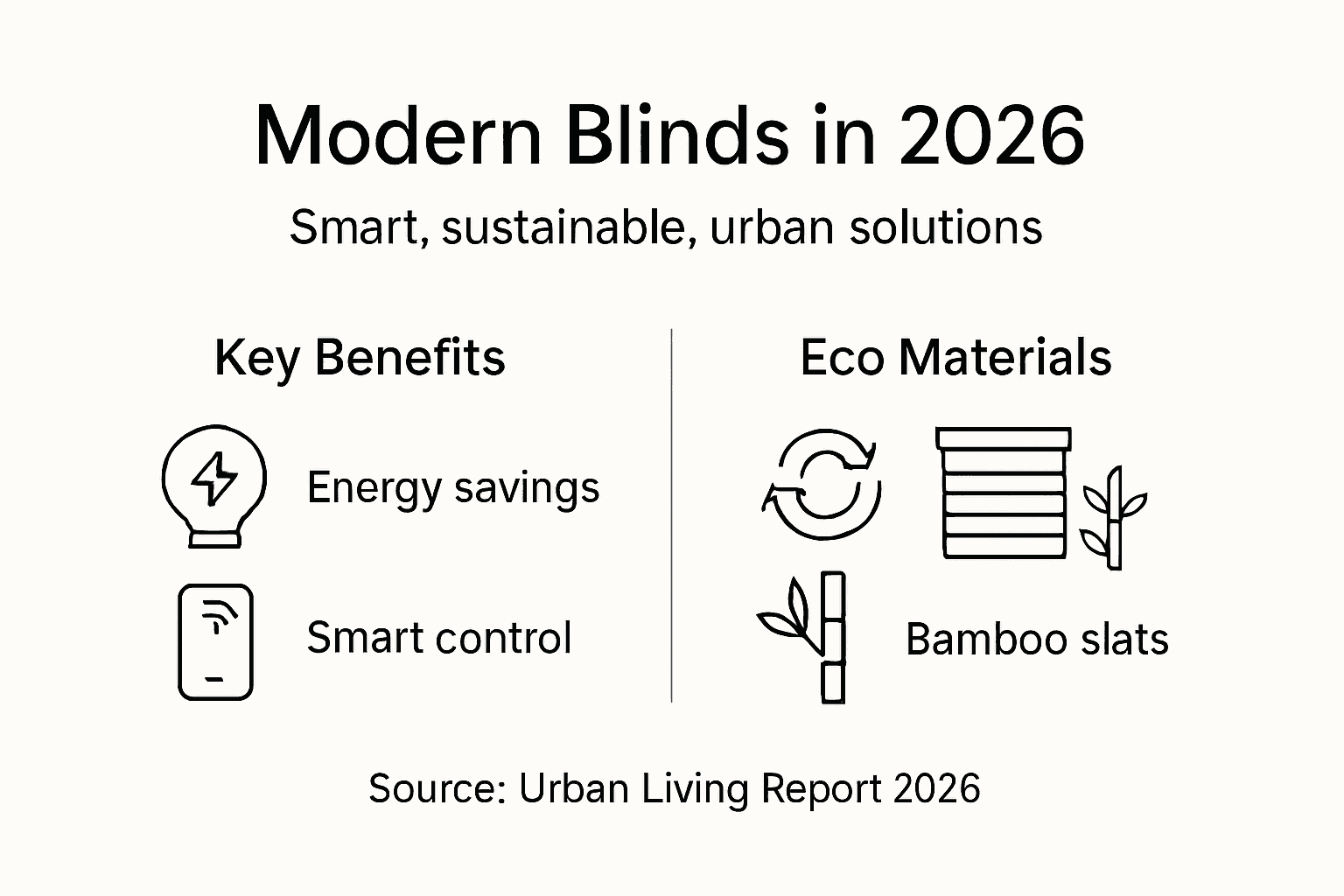
Sustainable window treatments have become a critical component of environmentally conscious home design, with modern blinds representing a sophisticated intersection of ecological responsibility and technological innovation. Energy-efficient window coverings now offer remarkable potential for reducing energy consumption and minimizing environmental impact.
Sustainable Material Innovations:
- Recycled polyester fabrics
- Bamboo and organic cotton composites
- Biodegradable polymer components
- Low-emission manufacturing processes
- Natural wood from certified forest sources
- Renewable and upcycled material integrations
Modern blinds are engineered to deliver exceptional thermal performance, with advanced designs capable of reducing heating loss by up to 30% and blocking unwanted solar heat gain by 76%. Sustainable Materials Management principles now guide manufacturers toward more responsible production strategies.
Energy Performance Metrics:
- Thermal insulation ratings
- Solar heat gain coefficient
- Light transmission percentages
- Air infiltration resistance
- Recyclability index
- Carbon footprint measurements
Manufacturers are increasingly adopting eco-friendly adhesives, renewable resources, and production techniques that minimize environmental strain. This shift represents a profound transformation in window treatment design, where sustainability is no longer an afterthought but a fundamental design principle.
Sustainable blinds are not just window coverings - they’re environmental statements that reflect a commitment to responsible living.
Urban homeowners now demand window treatments that balance aesthetic appeal, technological sophistication, and ecological consciousness. The integration of sustainable materials with smart technologies signals a new era of environmentally intelligent home design.
Pro tip: Prioritize blinds with third-party environmental certifications and transparent manufacturing processes to ensure genuine sustainability.
Comparing Modern Blinds to Traditional Options
The landscape of window treatments has undergone a revolutionary transformation, with modern blinds representing a quantum leap beyond traditional design approaches. Energy-efficient window coverings now offer sophisticated solutions that dramatically outperform older window treatment technologies.
Key Comparative Differences:
- Automated vs. manual operation
- Smart technology integration
- Advanced material compositions
- Enhanced energy efficiency
- Precise light and temperature control
- Seamless design aesthetics
Traditional blinds typically featured basic wood or metal construction with limited functionality. In contrast, modern blind technologies incorporate intelligent design elements like motorization, remote control capabilities, and adaptive materials that transform window coverings from passive barriers to active home management systems.
Performance Comparison:
| Feature | Traditional Blinds | Modern Blinds |
|---|---|---|
| Operation | Manual | Automated/Smart |
| Material | Basic wood/metal | Advanced composites |
| Energy Efficiency | Limited | High Performance |
| Light Control | Static | Dynamic/Adaptive |
| Technology Integration | None | Comprehensive |
Urban homeowners increasingly recognize that window treatments are no longer mere decorative elements but critical components of intelligent living environments. The shift represents more than technological advancement - it’s a fundamental reimagining of how interior spaces interact with external environments.
Modern blinds are not just window coverings - they’re sophisticated environmental interfaces that actively manage comfort and energy consumption.
The evolution from traditional to modern blinds reflects broader technological trends in home design, where functionality, aesthetic appeal, and intelligent responsiveness converge to create more comfortable, efficient living spaces.
Pro tip: When comparing blind options, prioritize multi-functional designs that offer seamless technology integration and demonstrable energy performance metrics.
Avoiding Common Mistakes and Maximizing Value
Selecting and installing window blinds requires strategic planning and comprehensive understanding to avoid costly errors that can compromise both functionality and aesthetic appeal. Common blinds selection mistakes often stem from inadequate preparation and overlooking critical performance considerations.
Critical Measurement Considerations:
- Precise window dimension documentation
- Accounting for mounting depth
- Evaluating architectural obstacles
- Understanding light exposure variations
- Assessing room-specific environmental factors
- Considering future furniture placement
Professional measurement represents the foundational step in preventing installation challenges. Homeowners frequently underestimate the complexity of accurate measurements, which can lead to ill-fitting blinds that compromise both visual appeal and functional performance. Practical selection strategies/03%3A_The_Research_Process/3.03%3A_Common_Mistakes_in_Research) emphasize thorough analysis before making final purchasing decisions.
Potential Pitfalls to Avoid:
- Neglecting safety considerations
- Prioritizing aesthetics over functionality
- Ignoring environmental performance
- Overlooking long-term maintenance requirements
- Failing to consider technology compatibility
- Disregarding energy efficiency metrics
Successful blind selection is about understanding your specific environmental and lifestyle needs, not just choosing the most attractive option.
Urban homeowners must recognize that window treatments are sophisticated systems requiring holistic evaluation. The intersection of design, technology, and practical performance determines true value, extending far beyond initial purchase price.
Pro tip: Schedule professional consultations and request comprehensive home assessments before finalizing your blind selection to ensure optimal performance and compatibility.
Elevate Your Urban Living with Custom Modern Blinds from Value Blinds
Transitioning to intelligent and stylish window treatments is essential for anyone looking to enhance comfort, energy efficiency, and design in today’s urban homes. If you are seeking customizable options that fit your lifestyle and space perfectly, exploring the latest New Arrivals at Value Blinds is the smart way to start. Our collection includes energy-efficient roller shades, cellular shades, and motorized blinds that align with the smart home features and sustainability goals discussed.
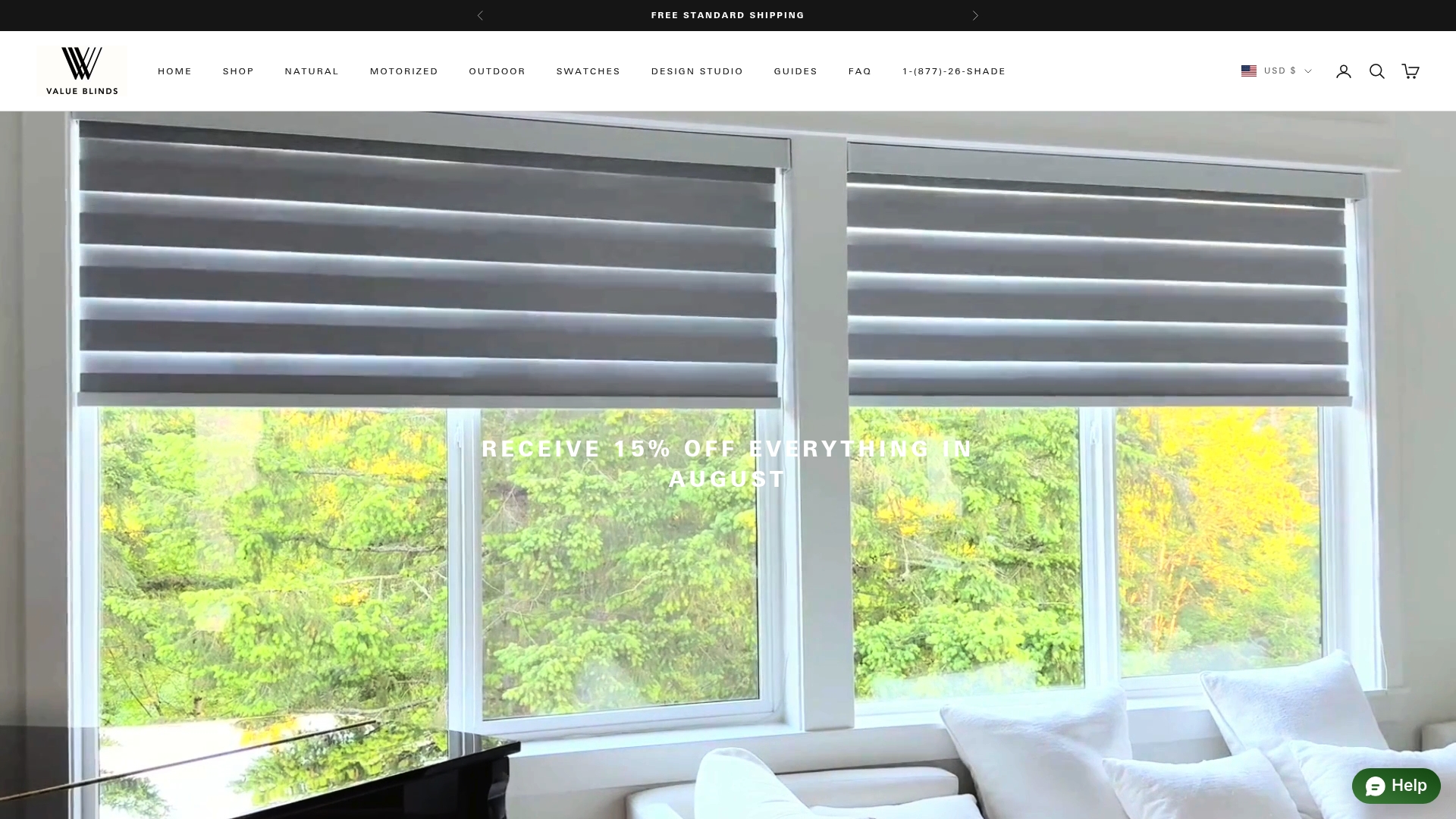
Don’t settle for outdated or limited window coverings. Visit Value Blinds now and take advantage of expert support, free swatches, and easy customization to craft blinds that complement your home’s unique style while boosting energy savings. For added safety and peace of mind, check out our selection of Fire Retardant blinds designed to meet rigorous standards. Start your transformation today and experience the perfect blend of function and modern elegance.
Frequently Asked Questions
What are modern blinds, and how do they differ from traditional window treatments?
Modern blinds are sophisticated window coverings that incorporate advanced technologies, materials, and design. Unlike traditional blinds, which are typically manual and made from basic materials, modern blinds feature motorization, smart home integration, and enhanced energy efficiency, transforming them into dynamic elements of home design.
What are the unique benefits of using smart blinds in urban living?
Smart blinds offer a range of benefits, including voice control, programmable scheduling, and real-time energy monitoring. They adapt automatically to changing sunlight and temperature conditions, enhancing comfort and energy efficiency in urban environments.
How can I choose the right type of blinds for my home?
Selecting the right blinds involves considering factors like window dimensions, room orientation, and your specific needs for light control and energy efficiency. Exploring different types like roller blinds, cellular shades, or motorized options can help you find the best fit for your lifestyle and aesthetic preferences.
What materials are modern blinds typically made from?
Modern blinds are crafted from a variety of materials, including recycled polyester, organic cotton composites, biodegradable polymers, and certified natural wood. These materials not only ensure durability but also contribute to energy efficiency and sustainability in home design.
Recommended
- Trending Window Treatments for 2025: Top Styles, Tech & Colors to Elevate Homes
- Understanding What Blinds Are in Style for Your Home
- 7 Smart Home Lighting Ideas for Stylish Living Spaces
- Best Blinds for Living Room: Style, Privacy, and Comfort
- Urban Development Explained: Impact on Modern Cities – 3D Urban Design