
Modern Window Treatments: Style, Function, and Smart Design
TL;DR:
- Modern window treatments blend contemporary aesthetics with practical features like light control, insulation, and smart home integration. Layering fabrics and specialized hardware enhances style, function, and energy efficiency, especially with motorized options that simplify operation and improve safety. Proper placement and tailored solutions for corner and shaped windows ensure a polished look, making the right treatment a long-term, low-maintenance investment.
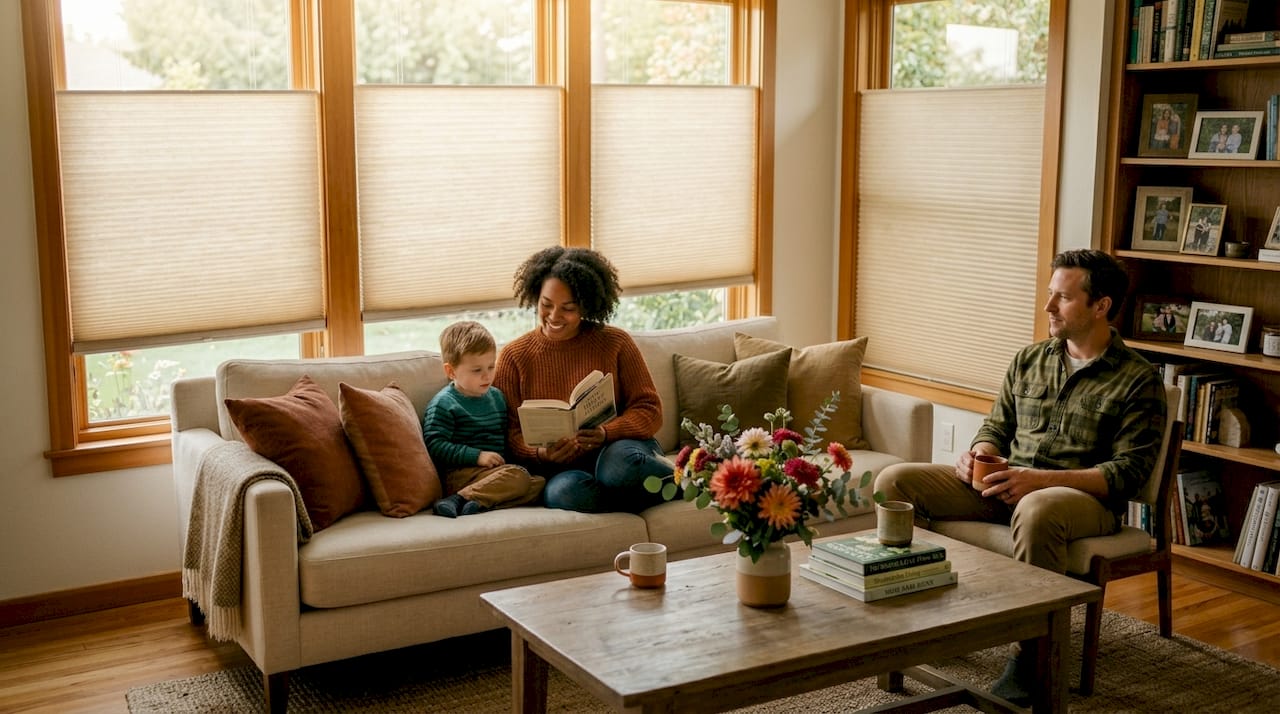
Modern window treatments are window coverings that combine contemporary aesthetics with practical performance, including light control, insulation, and smart home integration. The category spans everything from minimalist roller shades and cellular shades to motorized drapery tracks controlled by Alexa or Apple Home. Brands like Lutron and SmartWings have pushed the category well beyond decorative fabric into functional home infrastructure. Whether you are redesigning a living room or solving a tricky corner window, the right treatment changes how a room feels, functions, and performs year-round. This guide covers the top styles, materials, technologies, and installation strategies shaping modern window coverings in 2026.
What are the top modern window treatment styles in 2026?
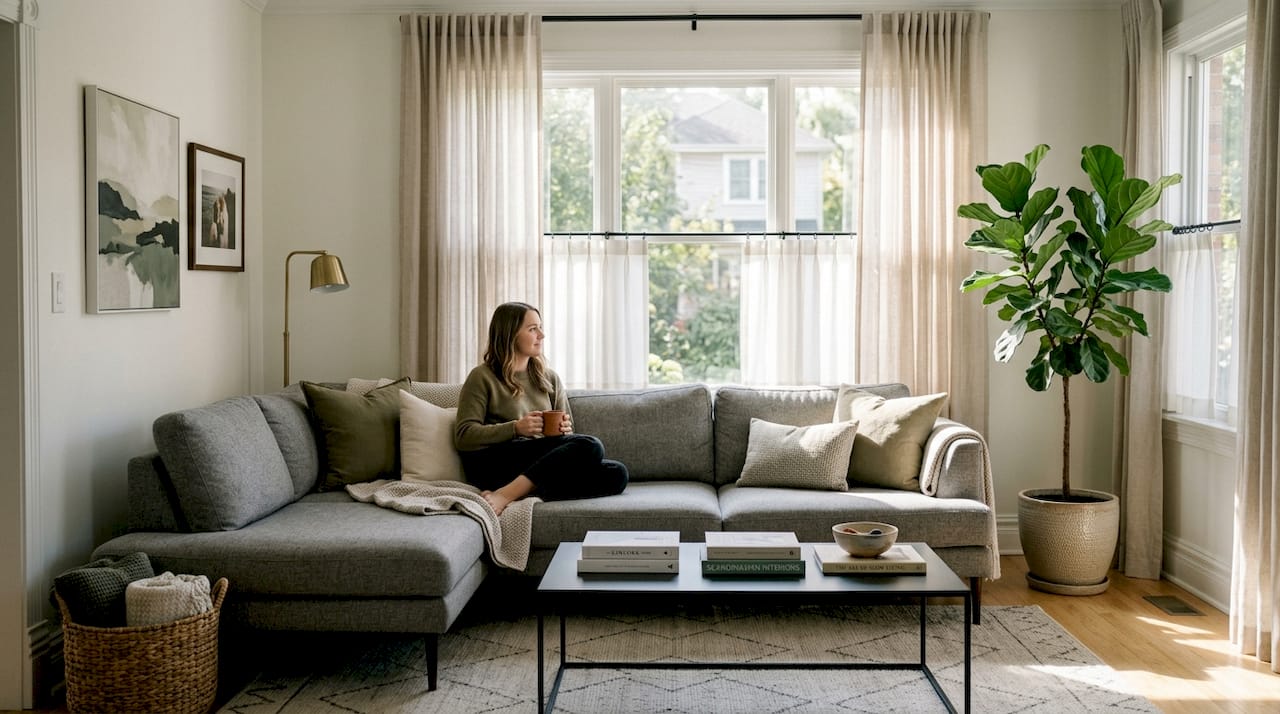
The defining trend in contemporary window design is layering. Layering window treatments combines sheers, roman shades, and drapery panels into a system that manages light, privacy, and texture simultaneously. A sheer filters glare during the day, a roman shade adds precise light control, and a stationary drapery panel frames the window for visual structure. The result is a room that feels polished rather than flat.
Natural woven shades have matured significantly. Earlier versions looked rustic and casual. Today, refined bamboo, jute, and grasscloth weaves read as sophisticated, especially when paired with linen drapery panels in warm neutrals. The texture contrast between a tight woven shade and a loosely woven linen panel creates depth without adding visual clutter.
Statement drapery is also back in a serious way. Bronze and matte black hardware, floor-to-ceiling panels in heavyweight linen or velvet, and contrast banding along leading edges are all appearing in high-end residential projects. This is not the heavy formal drapery of the 1990s. The proportions are cleaner, the fabrics are lighter in tone, and the hardware is architectural rather than ornate.
Fabric choices that define the modern look:
- Linen and linen blends: Breathable, textured, and naturally wrinkled in a way that reads as intentional. Best for living rooms and bedrooms where softness matters.
- Polyester blends: More durable and easier to clean than natural fibers. Ideal for kitchens, bathrooms, and high-traffic rooms.
- Blackout linings: Added to any fabric to block light completely. Critical for bedrooms and media rooms without sacrificing the front-facing fabric choice.
- Sheer and semi-sheer weaves: Best used as the middle layer in a layered window treatment system to filter light while maintaining an open feel.
Pro Tip: Avoid layering two heavy fabrics together. Pair one lightweight sheer with one heavier panel to keep the look airy. Proper fabric weight is the single biggest factor in whether a layered treatment looks modern or cluttered.
How do motorized and smart window treatments enhance modern homes?
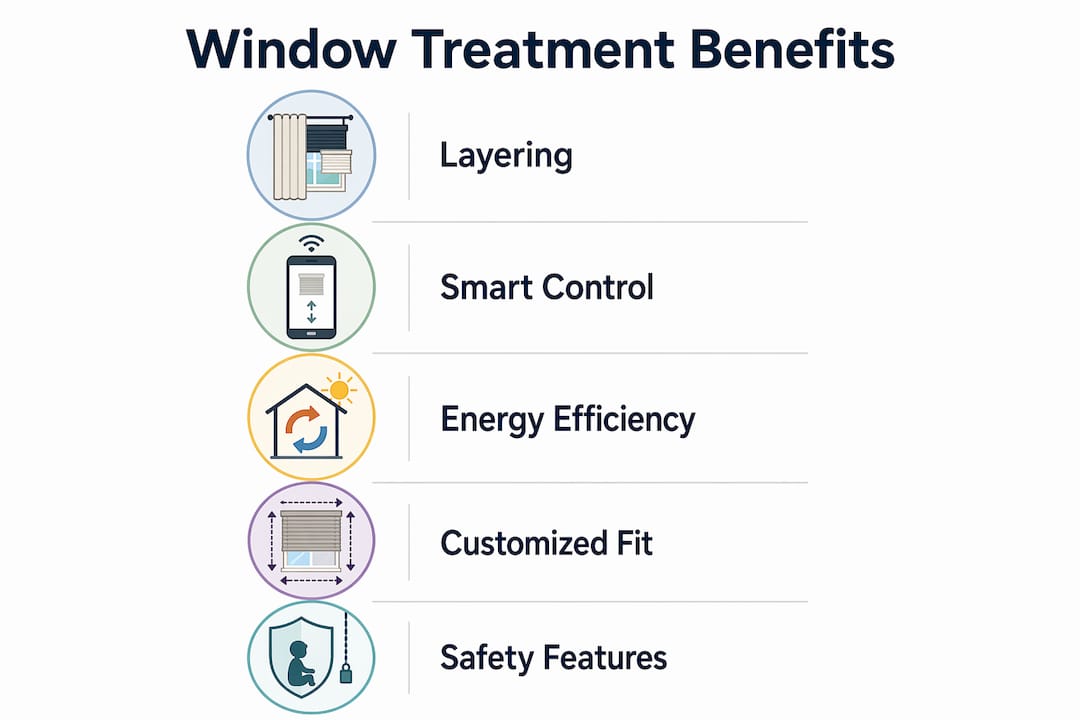
Smart motorized treatments are now mainstream in 2026, no longer a luxury upgrade reserved for custom builds. They automate actions like opening at sunrise, closing at sunset, or adjusting based on temperature triggers, and they integrate with smart home ecosystems including Alexa, Google Home, and Apple Home. That means a single voice command or a scheduled routine can manage every window in your home without lifting a finger.
The types of treatments that work with motorization have expanded considerably:
- Roller shades: The most common motorized option. Clean, minimal, and available in blackout, light-filtering, and solar screen fabrics.
- Honeycomb (cellular) shades: Motorized versions add convenience to an already energy-efficient product, making them ideal for hard-to-reach windows.
- Venetian blinds: Motorized tilt and lift functions allow precise light control without manual adjustment.
- Drapery tracks: Motorized traverse rods move panels smoothly and quietly, a significant upgrade for large windows or floor-to-ceiling treatments.
Modern motors are nearly silent and many new devices include retrofit add-ons that convert existing manual shades. Compatibility with the Matter smart home standard means most systems no longer require proprietary hubs, which simplifies setup considerably.
The safety benefit is underappreciated. Cordless operation removes looped cords entirely, which is the primary strangulation hazard for young children and pets. The aesthetic benefit is equally real: no cords means a cleaner silhouette and a more finished look on every window.
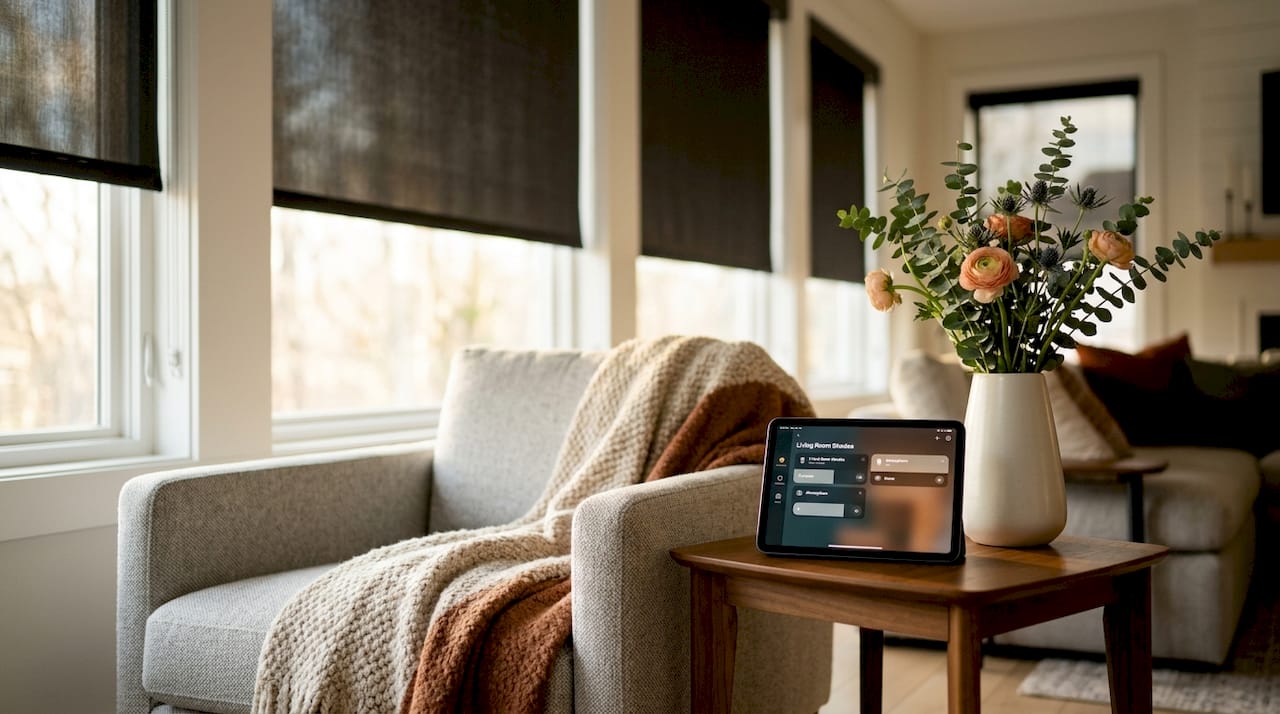
Pro Tip: For bedrooms, program your motorized shades to open gradually 20 minutes before your alarm. The gradual light exposure is a more natural wake-up than an alarm alone, and it costs nothing extra once the hardware is installed. Explore automated blind benefits before committing to a system.
What should homeowners consider for energy efficiency?
Window heat gain and loss account for approximately 25% to 30% of a home’s total heating and cooling energy use. That figure means your window treatments are not just decorative. They are a meaningful part of your home’s thermal performance. Choosing the right covering for your climate can reduce HVAC load and lower monthly utility bills.
Cellular shades, also called honeycomb shades, are the gold standard for insulation among window coverings. Their air-pocket structure traps heat in winter and blocks solar gain in summer. Double-cell and triple-cell configurations perform better than single-cell in extreme climates. Layered treatments add another level of insulation by creating a dead air space between the fabric layers and the glass.
| Treatment type | Insulation level | Best climate use |
|---|---|---|
| Single-cell cellular shade | Moderate | Mild climates, year-round use |
| Double-cell cellular shade | High | Cold winters or hot summers |
| Layered sheer plus blackout | High | All climates, flexible control |
| Solar screen roller shade | Low to moderate | Hot, sunny climates, glare reduction |
| Standard roller shade | Low | Mild climates, primarily aesthetic |
ENERGY STAR-certified window products can reduce energy bills by up to 13%, and pairing certified windows with insulating treatments compounds those savings. For homeowners who cannot replace windows, high-quality cellular shades are the most cost-effective single upgrade available.
Maintenance matters too. Dust and debris accumulate in cellular pockets and fabric folds, reducing their insulating effectiveness over time. Vacuum shades monthly with a brush attachment and spot-clean fabric panels to preserve both appearance and performance. Review these energy-efficient window covering tips for a full maintenance checklist.
How do you handle corner and uniquely shaped windows?
Corner windows are one of the most common installation challenges homeowners face, and most standard hardware simply does not work. Corner window treatments require specialized hardware that allows independent panel movement at the meeting point. Without it, panels bind at the corner, leave light gaps, or cannot open and close without catching on each other.
The three main hardware solutions each serve a different aesthetic:
| Hardware option | Best use case | Visual result |
|---|---|---|
| Wrap-around rod | Standard 90-degree corners | Continuous, unified look |
| Two separate rods | When a framed look is preferred | Defined panels, slight gap at corner |
| Flexible ceiling track | Bow windows, curved walls | Smooth curve, ceiling-mounted, modern |
Ceiling-mounted tracks deserve more attention than they typically receive. They draw the eye upward, make ceilings feel taller, and eliminate the visual interruption of a wall-mounted rod bracket. For contemporary interiors, a ceiling-mounted track with floor-length panels is often the cleanest solution for both corner and standard windows.
Rod placement has an outsized effect on how a room reads. Mounting a rod 4 to 6 inches above the window frame and extending it 8 to 12 inches beyond the frame on each side allows panels to stack fully off the glass when open. This keeps the window unobstructed, makes the room feel larger, and avoids the compressed look that comes from mounting hardware directly at the frame edge.
Pro Tip: For bay windows, treat each facet as an independent window with its own shade or blind, then add a single continuous drapery rod across the full bay for a unified frame. This approach solves the light-gap problem while giving you precise control over each panel.
Key takeaways
Modern window treatments perform best when style, insulation, and smart technology are selected together rather than independently.
| Point | Details |
|---|---|
| Layer for function and style | Combine sheers, shades, and drapery panels as a system for light control, privacy, and dimension. |
| Motorization is now accessible | Smart shades integrate with Alexa, Google Home, and Apple Home without proprietary hubs, thanks to Matter compatibility. |
| Insulation reduces real costs | Window heat gain and loss account for 25% to 30% of home energy use; cellular shades are the most effective single fix. |
| Hardware placement changes everything | Mount rods 4 to 6 inches above the frame and extend 8 to 12 inches beyond it to avoid a cramped, compressed look. |
| Corner windows need dedicated hardware | Wrap-around rods, flexible tracks, or ceiling mounts solve the binding and light-gap problems standard hardware cannot. |
What I’ve learned after years of watching homeowners get this wrong
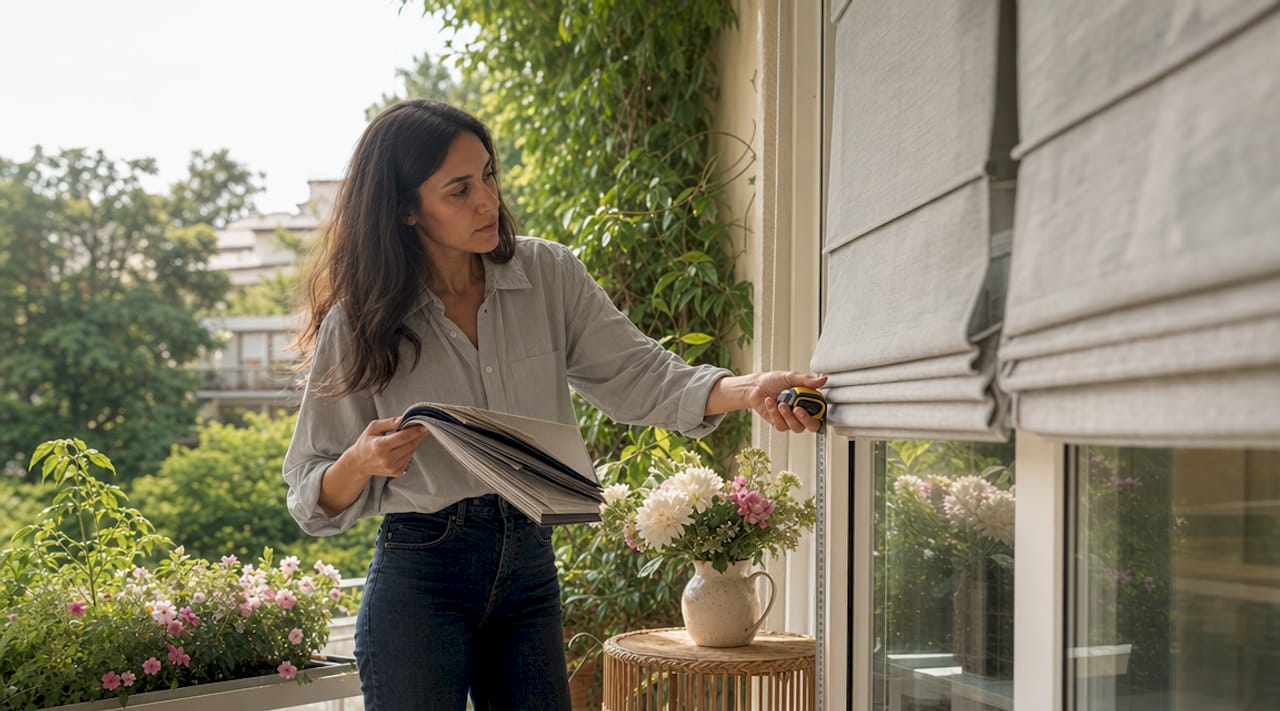
Most homeowners spend the bulk of their window treatment budget on fabric and almost nothing on hardware or installation precision. That is the wrong priority. I have seen beautiful linen panels completely undermined by a rod mounted two inches above the frame, making a 10-foot ceiling look like it is 8 feet. The fabric was perfect. The placement killed it.
The second mistake I see constantly is treating motorization as a luxury add-on rather than a baseline decision. If you are already investing in custom treatments, adding motorization at the time of installation costs a fraction of what it costs to retrofit later. The wiring, the brackets, the whole setup is easier when it is planned from the start. Homeowners who skip it almost always wish they had not.
On energy efficiency, the conversation tends to focus on windows themselves, which are expensive to replace. Cellular shades and layered treatments deliver meaningful insulation at a fraction of the cost of window replacement. For most homes, that is the smarter investment, especially when paired with privacy-focused window treatments that serve multiple functions at once.
My honest recommendation: start with the room’s function, not its aesthetic. A bedroom needs blackout and quiet operation. A living room needs flexible light control and a view. A home office needs glare reduction without losing daylight. Once you know what the room demands, the style choices become much easier to make. The best window treatment is the one you never have to think about after it is installed.
— Sunny
Find your perfect window treatment at Valueblindsdirect
Valueblindsdirect offers a full catalog of custom window treatments designed for exactly the kind of decisions covered in this article. Whether you are looking for motorized roller shades that connect to your smart home, natural woven shades with motorization for a textured, organic look, or cordless blinds that keep things clean and child-safe, the design studio walks you through every option with free swatches, measurement guides, and expert support. You can customize fabric, opacity, size, and control method in one place. For homeowners who want professional results without the guesswork, the Valueblindsdirect design studio is the most direct path from inspiration to installation.
FAQ
What are modern window treatments?
Modern window treatments are window coverings that combine contemporary design with functional performance, including light control, insulation, and smart home compatibility. The category includes roller shades, cellular shades, roman shades, motorized drapery tracks, and layered fabric systems.
How do I choose window treatments for my home?
Start with the room’s primary function: blackout for bedrooms, light-filtering for living spaces, and moisture-resistant materials for kitchens and bathrooms. Then layer in aesthetic preferences like fabric texture, color, and hardware finish to match your interior style.
Are motorized window treatments worth the cost?
Yes, particularly when installed as part of a new treatment rather than retrofitted later. Motorized treatments remove cords for safety, integrate with smart home systems, and allow automated scheduling that improves both comfort and energy efficiency.
What window treatments are best for energy savings?
Double-cell or triple-cell honeycomb shades provide the highest insulation value among window coverings. Pairing them with a layered drapery system adds a secondary thermal barrier, and ENERGY STAR-certified products can reduce energy bills by up to 13%.
What hardware works best for corner windows?
Wrap-around rods work well for standard 90-degree corners, while flexible ceiling-mounted tracks are the best solution for bow or curved windows. Two separate rods create a framed look and allow independent panel operation at each window face.