
Modern farmhouse window treatments for style and function
TL;DR:
- Modern farmhouse window treatments combine rustic textures with clean lines and practical features.
- Natural woven woods, bamboo, and linen blends are ideal materials for authentic farmhouse style.
- Choosing simple, intentional designs with smart features creates a timeless, functional look.
Modern farmhouse style has a reputation problem. Too many homeowners assume it means bare wood shutters, faded linen curtains, and a look frozen somewhere around 1995. The truth is completely different. Today’s modern farmhouse aesthetic blends rustic warmth with clean lines and cutting-edge functionality, and your window treatments are one of the most powerful tools for pulling that off. Whether you’re decorating a new build or refreshing a lived-in home, the right window coverings can anchor your entire design while managing light, privacy, and energy efficiency all at once.
Table of Contents
- What defines modern farmhouse window treatments?
- Best materials and fabrics for farmhouse-inspired windows
- Smart features and design ideas for modern farmhouse windows
- How to select window treatments for every room
- DIY or professional installation: What to know
- Why the best farmhouse window treatments balance simplicity and smart features
- Upgrade your home with modern farmhouse window treatments
- Frequently asked questions
Key Takeaways
| Point | Details |
|---|---|
| Style meets function | Modern farmhouse window treatments blend classic warmth with advanced convenience like motorization and cordless features. |
| Right material matters | Choosing the ideal fabric or wood finish ensures durability and a cohesive farmhouse look for each room. |
| Design for every space | It’s possible to match window treatments to each room’s unique privacy and light needs while staying true to farmhouse style. |
| Smart features add value | Layered sheers, dual systems, and smart tech elevate everyday comfort without sacrificing style. |
| Professional help available | DIY is possible, but pros ensure perfect fit and finish for custom or advanced installations. |
What defines modern farmhouse window treatments?
Modern farmhouse style sits at the intersection of two design worlds. On one side, you have the warmth and texture of traditional farmhouse living: natural fibers, worn wood tones, and a relaxed, unpretentious feel. On the other side, you have the crisp geometry and purposeful restraint of contemporary design. The best window treatments for this aesthetic serve both masters at once.
The style markers to look for include:
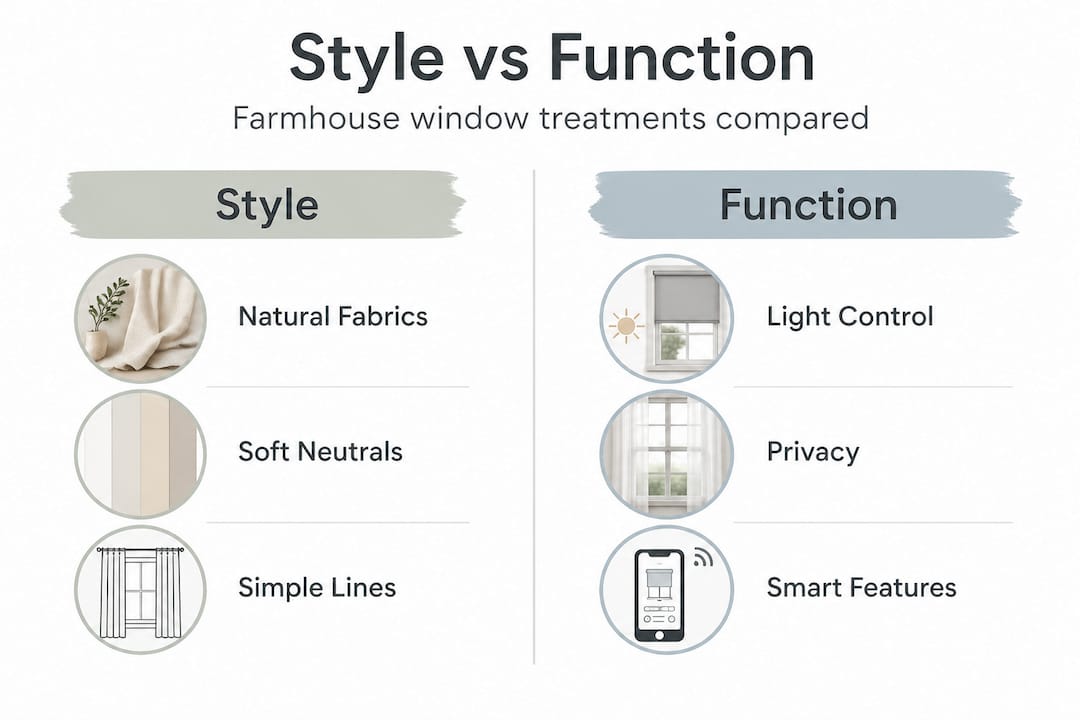
- Neutral, grounded color palettes: Whites, soft creams, warm grays, and earthy tones like clay, wheat, and flax. These shades let the room breathe while still feeling cozy.
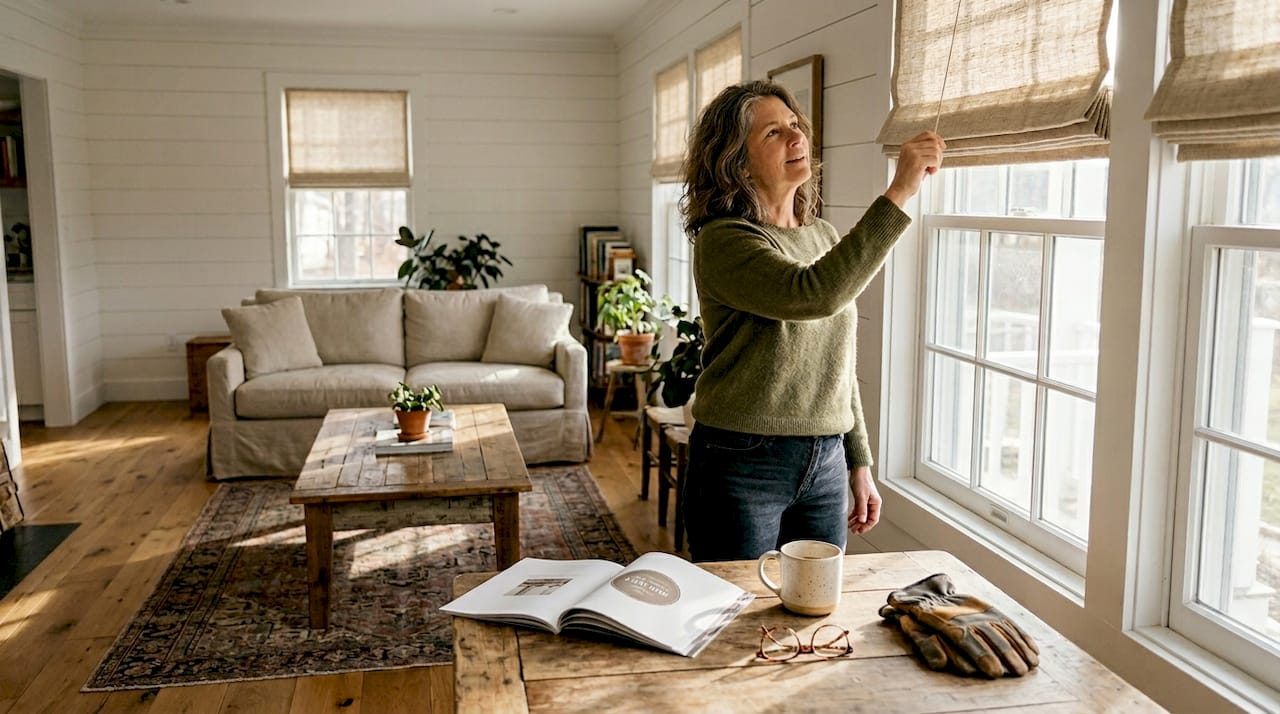
- Natural and textured materials: Woven wood, bamboo, linen, and cotton are the gold standard. Texture is what separates a farmhouse look from a sterile minimalist one.
- Clean, low-profile hardware: Concealed brackets, thin metal rods in matte black or brushed nickel, and streamlined headrails keep the look from feeling busy.
- Functional features built in: Cordless lifts, motorized operation, light filtering, and blackout linings are now standard in premium farmhouse-friendly treatments.
Exploring modern window dressing ideas can help you see how these elements combine in real rooms. If you’re starting from scratch, reviewing essential window treatment basics will give you a solid foundation before you start shopping.
Pro Tip: Don’t pick your window treatment color first. Pull your flooring and wall color swatches together, then choose a window covering that bridges the two. That small habit prevents the most common farmhouse decorating mistake: a treatment that fights the room instead of finishing it.
Best materials and fabrics for farmhouse-inspired windows
With a clear vision of style, the next decision is material. This is where function and aesthetics truly collide. The material you choose affects how much light filters through, how easy the treatment is to clean, how long it lasts, and how strongly it reads as “farmhouse.”
Here’s a quick comparison to help you decide:
| Material | Farmhouse Style Match | Light Control | Durability | Maintenance |
|---|---|---|---|---|
| Natural woven wood | Excellent | Moderate (some gaps) | Good | Low (dust occasionally) |
| Bamboo | Excellent | Light filtering to open | Very good | Low |
| Linen/cotton blend | Very good | Light filtering | Moderate | Machine wash or spot clean |
| Faux wood | Good (not as textured) | High (blackout options) | Excellent | Wipe clean |
| Cellular fabric | Moderate | Light filter to blackout | Very good | Spot clean |
A few key takeaways from that table:
- Woven woods and bamboo are the strongest style choices for farmhouse spaces. They bring organic texture and warmth that fabric simply can’t match. The slight imperfections in natural weave patterns are actually a design asset in this aesthetic.
- Linen and cotton blends work beautifully in living rooms and bedrooms where soft, diffused light is a priority. They layer well over blackout roller shades for a dual-function setup.
- Faux wood blinds solve the durability problem in kitchens and bathrooms where humidity and splashes are part of daily life. They mimic the look of real wood without the warping risk.
- Cellular shades might not scream “farmhouse” at first glance, but in a crisp white or warm natural tone, they fit perfectly and add energy efficiency through their honeycomb structure.
If you want a broader look at how these materials compare in current design contexts, stylish and efficient window coverings covers the newest options available in 2026.
Smart features and design ideas for modern farmhouse windows
Choosing great materials is half the work. The other half is loading those materials with features that make your home easier to live in. This is where modern farmhouse design separates itself from simply rustic design.
Here’s a practical approach to pairing features with farmhouse style:
- Start with cordless operation. Cordless shades and blinds eliminate the visual clutter of dangling cords while making daily use simpler. For a farmhouse aesthetic built on clean, uncluttered living, this is a no-brainer.
- Consider motorized systems for large or hard-to-reach windows. Modern shade trends show motorized options are now widely available in natural woven wood and linen fabrics, so you don’t have to sacrifice aesthetics for convenience.
- Layer your treatments. A woven wood shade paired with a sheer linen panel gives you three distinct light settings: sheer only, shade only, and fully filtered. This is design flexibility most single-layer treatments can’t match.
- Use concealed mounting brackets. A clean fascia board or recessed mount hides hardware completely, keeping the farmhouse look intentional and polished rather than DIY-casual.
- Choose light-filtering for living spaces, blackout for bedrooms. Different rooms have different needs, and matching the opacity of your treatment to the room’s function makes a real daily difference.
For sliding glass doors specifically, designer advice on layering sheers from Martha Stewart recommends clean-lined metal hardware with a modern pinch pleat, and in some cases a dual-layer motorized system with a concealed pocket in the ceiling drywall. That combination of soft texture and modern mechanics is exactly what gives farmhouse interiors their current edge.
“For sliding doors, designers love layered sheer panels with clean-lined hardware, and many now recommend a dual-layer motorized system with a concealed ceiling pocket for a seamless, polished look.” — Martha Stewart
For homeowners with sliding glass doors, the guide on coverings for sliding doors is an essential read. Bay windows and double-hung windows each have their own considerations too. Bay windows often benefit from individual shades mounted within each facet rather than one large curtain rod spanning the whole bay. Double-hung windows are perfectly suited for a cafe-style treatment where a shade covers only the lower half, preserving the view while maintaining privacy at eye level.
Pro Tip: For rooms with significant afternoon sun, choose a solar shade as your first layer under sheer panels. Solar shades cut glare and UV exposure without blocking your outdoor view, and in a light natural weave, they still look completely farmhouse-appropriate.
How to select window treatments for every room
Style and material knowledge only go so far. You still need to match the right treatment to the right room. Each space in your home has a different daily life, and your window treatments need to keep up.
Here’s a room-by-room guide for the modern farmhouse:
| Room | Top Priority | Recommended Treatment | Style Notes |
|---|---|---|---|
| Living room | Light flexibility and style | Woven wood shade + sheer linen layer | Choose warm ivory or flax tones |
| Kitchen | Easy cleaning, moisture resistance | Faux wood blinds or roller shade | Avoid fabric near the stove |
| Primary bedroom | Blackout, privacy | Cordless cellular or bamboo with blackout liner | Pair with soft curtain panels |
| Bathroom | Moisture resistance, privacy | Faux wood or waterproof roller shade | Keep hardware minimal |
| Home office | Glare control, flexibility | Solar shade or zebra shade | Adjustable layering is key |
| Mudroom/entry | Durability, low maintenance | Roller shade in solid neutral | Stick to simpler styles here |
Follow this process to make your final selection:
- Measure your windows precisely. Inside mount versus outside mount changes your measurements significantly. Always measure width and height in three spots and use the smallest for inside mounts.
- Define your priority for each room: Is it privacy, light control, aesthetics, or easy cleaning? Rank these before you browse.
- Select your material group first, then your specific fabric or finish. This keeps decisions manageable and prevents decision fatigue.
- Choose your hardware last. Matte black rods and brackets read as contemporary farmhouse. Antique brass leans more traditional. Brushed nickel sits cleanly in the middle.
In open floor plans, the rules shift a little. Because your living room, dining area, and kitchen may all be visible at once, maintaining a consistent style thread across your window treatments is critical. Matching the same shade of natural linen or using the same woven wood material in a slightly different opacity across zones creates visual harmony without making everything look identical. The guide on how to choose window treatments covers this in depth if you’re working with an open concept layout.
DIY or professional installation: What to know
Once you’ve selected your treatments, you need to decide who installs them. Both routes work, but they come with different trade-offs.
DIY installation is a real option for most standard window sizes. Most cordless roller shades, cellular shades, and blinds come with clear instructions and require only a drill and a level. The advantages are clear: you save on labor costs, you control the timing, and you learn your windows intimately for future changes.
The limitations are worth being honest about:
- Non-standard window shapes and bay windows require more skill and precision
- Motorized systems with smart home integration often need specific setup steps
- Getting a perfectly level mount on a window with irregular framing takes patience
Professional installation makes sense in a few clear scenarios:
- You have more than 8 to 10 windows and want them all done in a single day
- You’re installing motorized systems and want smart home integration set up correctly
- Your windows are unusually large, unusually small, or set in plaster walls
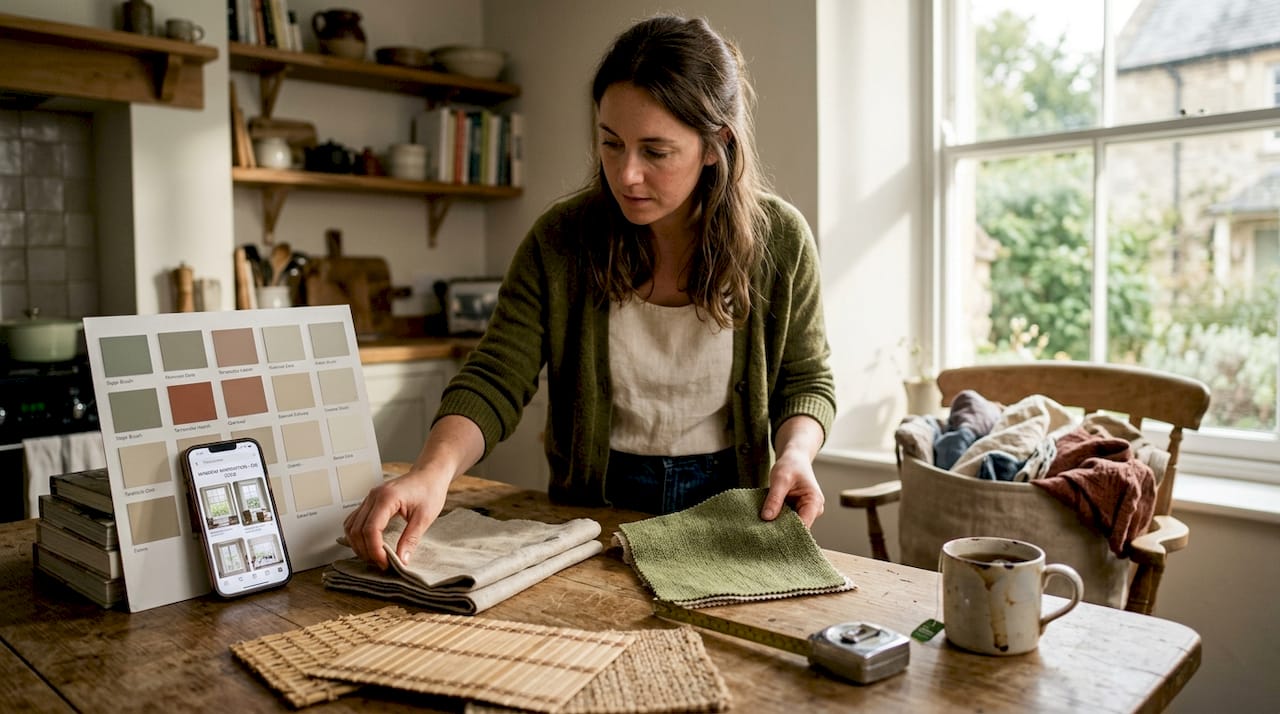
Pro Tip: Even if you plan to DIY, order free fabric swatches before you commit to any material. Seeing how a natural woven wood or linen fabric actually looks in your room’s specific light makes a bigger difference than any monitor or product photo can show.
Resources for both paths are available through DIY window treatment tips if you want a more detailed breakdown of the installation process.
Why the best farmhouse window treatments balance simplicity and smart features
Here’s something most design guides won’t tell you: the two biggest mistakes in modern farmhouse window design aren’t on opposite ends of the style spectrum. They’re actually driven by the same fear. One group goes completely bare bones, choosing plain roller shades in a beige linen and stopping there. The other group overloads the windows with layers, valances, tie-backs, and hardware that turns a simple window into a design statement the room didn’t ask for.
Both approaches miss the point of modern farmhouse entirely.
What makes a window treatment genuinely feel farmhouse in 2026 isn’t the material alone or the simplicity alone. It’s the intentionality behind every decision. A motorized woven wood shade with a concealed headrail isn’t less farmhouse than a tied linen curtain. If anything, it’s more farmhouse because it reflects the original spirit of that design ethos: practical, unpretentious, and built to work hard in a real home.
The smart features now available, whether cordless operation, motorized control, or dual-layer light management, are the new mark of authentic modern farmhouse style. They exist in the background, doing their job invisibly, which is exactly what good design is supposed to do.
The modern shade efficiency ideas available today prove that you don’t have to choose between a window treatment that looks right and one that performs right. The best farmhouse treatments do both, quietly and without fanfare.
Upgrade your home with modern farmhouse window treatments
Ready to move from planning to purchasing? At Value Blinds, we specialize in exactly the kind of custom, high-quality window treatments that bring the modern farmhouse look to life without the guesswork.
Our catalog includes cordless bamboo and woven wood shades, motorized options in natural fabrics, and dual-layer systems that give you complete light control in any room. You can explore styles and build your custom order through our Window Treatment Design Studio, where you can visualize options before committing. Browse our full selection of premium blinds to find the right starting point for every room in your home. Free swatches, expert support, and flexible sizing are all part of the process.
Frequently asked questions
What window treatments work best for sliding glass doors in a modern farmhouse?
Layered sheer panels with clean-lined hardware or a dual-layer motorized system with a concealed ceiling mount provide both style and function for sliding doors in modern farmhouse homes.
Are motorized window treatments worth it for farmhouse interiors?
Motorized shades add clean lines and effortless daily use, and since they’re now available in natural woven wood and linen fabrics, they fit the modern farmhouse aesthetic without any visual compromise. Designers recommend motorized systems specifically for large or hard-to-reach windows where manual operation is inconvenient.
What’s the best color for modern farmhouse window treatments?
Soft neutrals like warm white, ivory, oat, and clay are the strongest choices because they complement natural materials, feel warm without being heavy, and work across multiple rooms without clashing.
Can cordless shades provide enough privacy for bedrooms?
Yes, cordless cellular shades or blackout roller shades in natural tones deliver full privacy and a clean, cord-free look that fits both the farmhouse aesthetic and the practical needs of a bedroom.
Should window treatments match throughout an open floor plan?
Consistency in material or color tone across an open floor plan creates visual cohesion, but you don’t need to be identical room to room. Matching the same woven wood material in different opacity levels, for example, is a simple way to unify the space while keeping each zone functional on its own terms.