
Custom Window Blinds: Style, Comfort, and Efficiency
Finding the right window treatment for an urban home often means searching for more than just style. In cities around the world, homeowners value both elegant design and features that help manage busy lifestyles and fluctuating temperatures. Custom window blinds offer a tailored solution that blends precise fit, versatile design, and energy-saving performance for any modern living space. Discover how personalized blinds can upgrade comfort and style while supporting smarter energy use year-round.
Table of Contents
- What Are Custom Window Blinds?
- Types and Styles of Custom Blinds
- Key Features and Customization Options
- Energy Efficiency and Smart Solutions
- Common Mistakes and Buying Pitfalls
Key Takeaways
| Point | Details |
|---|---|
| Custom Blinds Offer Personalization | They are tailored to specific window dimensions and styles, enhancing both aesthetics and function. |
| Diverse Styles Available | A wide range of options such as Venetian, Cellular, and Roller shades cater to varying tastes and needs. |
| Energy Efficiency is Key | Custom blinds can significantly reduce energy consumption through insulation and smart technologies. |
| Avoid Common Mistakes | Accurate measurements and safety features are crucial to ensure proper functionality and compliance. |
What Are Custom Window Blinds?
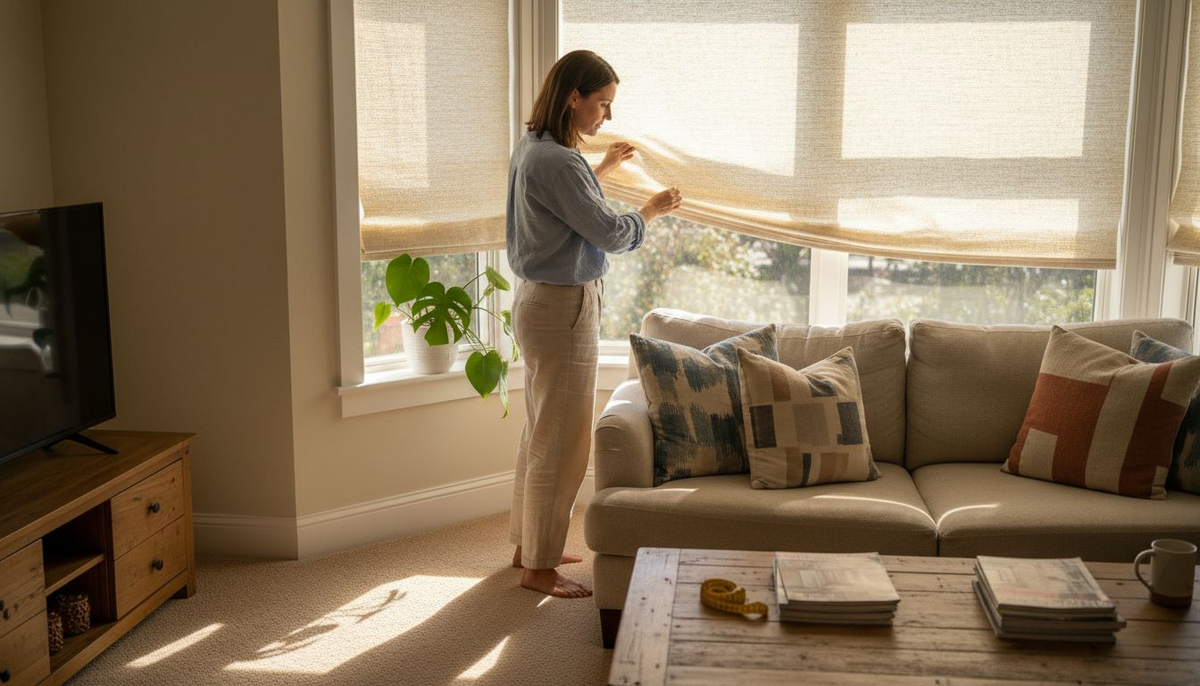
Custom window blinds are personalized window coverings designed to precisely fit individual windows while offering homeowners exceptional style, functionality, and energy efficiency. Unlike standard ready-made options, these specialized treatments are tailored to match exact window dimensions, architectural styles, and specific interior design preferences.
At their core, custom window blinds are made from various materials including wood, metal, plastic, and fabric, featuring horizontal or vertical slats that can be adjusted to control light, privacy, and temperature. Window coverings help reduce energy loss through strategic design and material selection, making them more than just decorative elements.
Key characteristics of custom window blinds include:
- Precise measurements for perfect window fit
- Multiple material options (wood, aluminum, fabric)
- Advanced light and privacy control
- Enhanced thermal insulation
- Personalized aesthetic matching interior design
These window treatments differ from standard blinds by offering homeowners unprecedented flexibility in design, material selection, and functional performance. Whether seeking minimalist roller shades or elegant wooden venetian blinds, custom options allow for complete personalization.
Pro tip: Always measure your windows professionally to ensure the most accurate custom blind fit and optimal performance.
Types and Styles of Custom Blinds
Custom window blinds offer an expansive range of styles and designs, allowing homeowners to transform their interior spaces with personalized window treatments. Window shading technologies provide remarkable diversity, from classic horizontal designs to innovative contemporary options that blend aesthetics with functional performance.
The most popular custom blind styles include:
- Venetian Blinds: Horizontal slats in wood, aluminum, or plastic
- Cellular Shades: Honeycomb-structured fabric for superior insulation
- Roller Shades: Sleek, minimalist designs with fabric panels
- Roman Shades: Elegant fabric panels that fold smoothly
- Vertical Blinds: Perfect for large windows and sliding doors
- Pleated Shades: Crisp, structured fabric with clean lines
Each blind style offers unique benefits tailored to specific architectural needs and personal preferences. Wooden blinds provide classic warmth, while aluminum options deliver modern, lightweight functionality. Fabric-based styles like cellular and roman shades excel in thermal regulation and soft aesthetic appeal.

Here’s a comparison of popular custom blind styles and their best use cases:
| Blind Style | Best For | Key Advantage |
|---|---|---|
| Venetian Blinds | Living rooms, offices | Adjustable light control |
| Cellular Shades | Bedrooms, energy savings | Superior insulation |
| Roller Shades | Modern spaces, kitchens | Minimalist, easy maintenance |
| Roman Shades | Formal rooms, dining areas | Elegant, soft appearance |
| Vertical Blinds | Large windows, patio doors | Suited for wide openings |
| Pleated Shades | Compact spaces, home offices | Clean lines, simple design |
Custom blinds are not just window coverings - they’re personalized design solutions that enhance both form and function.
Homeowners can further customize their window treatments by selecting specific materials, colors, opacity levels, and operational mechanisms like cordless or motorized systems. Window technologies continue to evolve, offering increasingly sophisticated options for light control, energy efficiency, and interior design integration.
Pro tip: Consider your room’s specific lighting needs, architectural style, and energy efficiency goals when selecting custom blind styles.
Key Features and Customization Options
Custom window blinds offer an extraordinary range of personalization that goes far beyond simple color selection. Advanced window systems provide homeowners with comprehensive customization options that transform window treatments from basic coverings into intelligent design solutions.
Key customization features include:
- Material Selection: Wood, aluminum, fabric, composite materials
- Color and Finish: Hundreds of color options and textures
-
Operational Mechanisms:
- Manual controls
- Cordless systems
- Motorized options
- Smart home integration
- Light Control: Variable opacity levels
- Thermal Performance: Insulation ratings and energy efficiency
Homeowners can now select window treatments that precisely match their interior design aesthetic while simultaneously addressing functional requirements like temperature regulation and light management. Window treatment technologies continue to evolve, offering increasingly sophisticated customization possibilities that blend style with practical performance.
Customization is no longer a luxury - it’s become a standard expectation for discerning homeowners seeking personalized interior solutions.
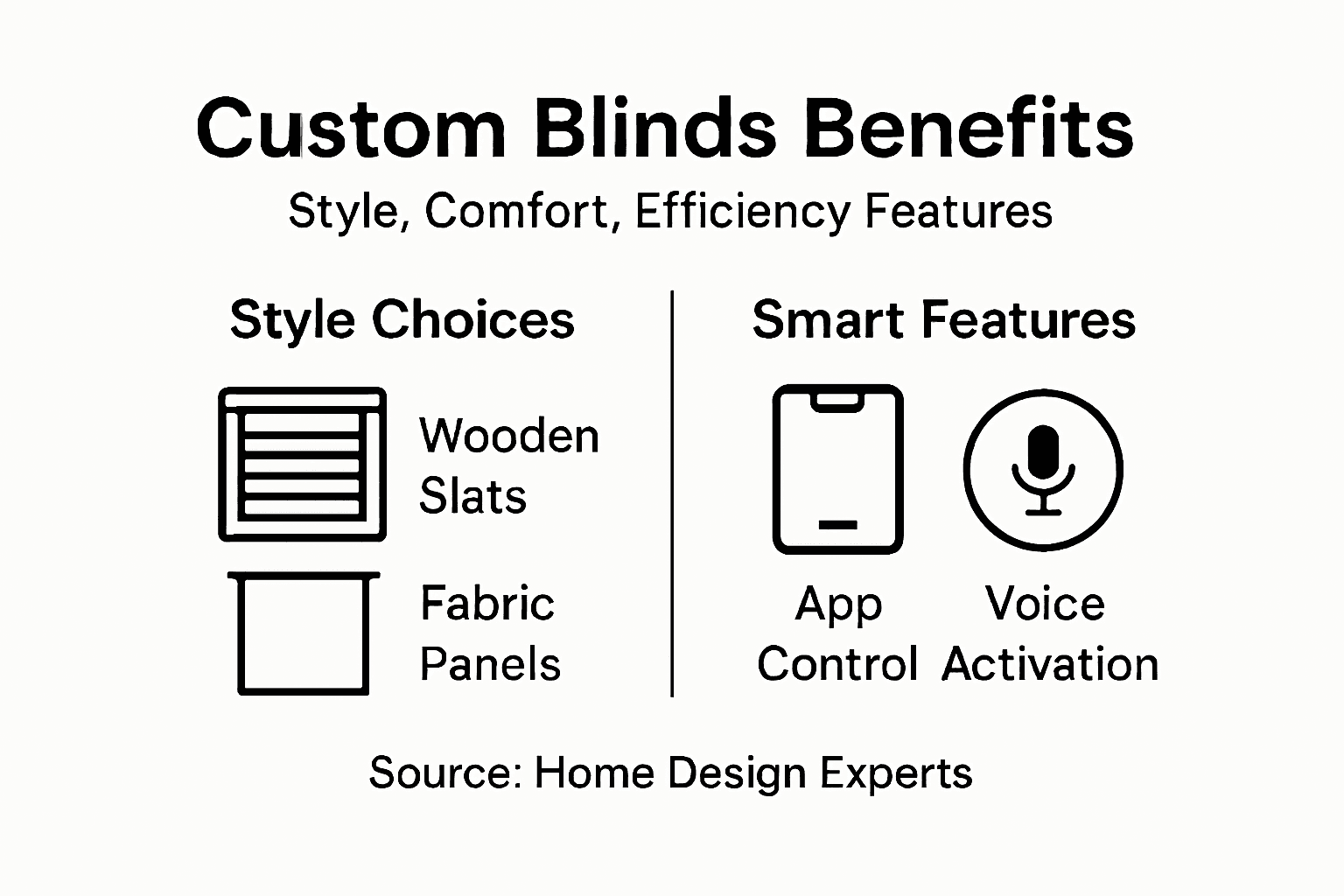
Modern custom blind systems integrate advanced features like smartphone app controls, voice activation, and automated scheduling. These technologies allow for unprecedented convenience, enabling users to adjust their window treatments remotely or set specific configurations based on time of day, sunlight intensity, or personal preferences.
Pro tip: Request fabric swatches and test samples before making your final custom blind selection to ensure perfect color and texture matching.
Energy Efficiency and Smart Solutions
Custom window blinds have emerged as a powerful tool for homeowners seeking to optimize energy consumption and enhance indoor comfort. Energy-efficient window coverings play a crucial role in reducing heating and cooling losses, providing intelligent solutions that adapt to changing environmental conditions.
Key energy efficiency features include:
- Thermal Insulation: Cellular shades that trap air between fabric layers
-
Solar Heat Management:
- Reflective materials
- Adjustable opacity levels
- Automated light control
- Smart Sensor Integration: Automatic adjustments based on sunlight and temperature
- Programmable Scheduling: Time-based and seasonal configurations
- Remote Smartphone Control: Manage blinds from anywhere
Advanced software tools have revolutionized how window treatments interact with home energy systems. These intelligent solutions can automatically adjust blinds to maximize natural light, minimize heat gain during summer, and retain warmth during winter months.
Smart window treatments are no longer a luxury - they’re a strategic investment in home efficiency and comfort.
Modern smart blind technologies integrate seamlessly with home automation systems, offering unprecedented control and energy management. Homeowners can now create custom configurations that respond dynamically to changing light conditions, temperature shifts, and personal preferences.
See how smart features improve custom window blind performance:
| Smart Feature | Home Benefit | Example Usage |
|---|---|---|
| Motorized Operation | Convenience, ease of use | Remote control adjustment |
| Light Sensor Control | Optimized natural lighting | Auto-close on sunny days |
| Scheduling Automation | Tailored comfort, energy savings | Set blinds for daily routines |
| Smart Home Integration | Unified control, personalization | Voice-activated adjustments |
Pro tip: Choose blinds with high R-value ratings to maximize thermal performance and long-term energy savings.
Common Mistakes and Buying Pitfalls
Purchasing custom window blinds requires careful consideration to avoid costly and potentially dangerous mistakes that can compromise both functionality and safety. Window covering safety standards have become increasingly strict, particularly regarding cord-related hazards that can pose risks to children and pets.
Common buying mistakes include:
-
Incorrect Measurements:
- Failing to measure window dimensions precisely
- Not accounting for window frame depth
- Overlooking architectural irregularities
-
Safety Oversights:
- Choosing blinds with exposed cords
- Neglecting cordless or motorized options
- Ignoring child and pet safety features
-
Performance Limitations:
- Selecting blinds incompatible with window energy ratings
- Overlooking thermal insulation properties
- Ignoring light control capabilities
Professional window documentation emphasizes the importance of understanding how blinds interact with window performance. Homeowners often underestimate the complexity of selecting window treatments that balance aesthetic preferences with functional requirements.
Not all custom blinds are created equal - careful selection can mean the difference between disappointment and transformation.
Financial considerations also play a crucial role in blind selection. Cheaper options might seem attractive initially but can lead to higher long-term costs through poor energy efficiency, reduced durability, and frequent replacements.
Pro tip: Always request professional measurement services and obtain multiple fabric samples before making a final blind selection.
Discover Custom Window Blinds That Perfectly Blend Style, Comfort, and Efficiency
Transform your living spaces with custom window blinds designed to solve common challenges like poor energy efficiency, imprecise fit, and outdated styles. At Value Blinds, we understand the need for precise measurements, advanced light control, and tailored aesthetics that enhance your home’s comfort while reducing energy costs. Whether you desire motorized options or cordless safety features, our wide selection allows you to create the ideal window treatment that matches your exact preferences.
Explore our full range of customizable blinds and shades on Value Blinds. Choose from popular styles like roller shades and cellular shades that offer superior insulation or opt for sophisticated wooden blinds. Start your seamless customization journey today with free swatches, expert support, and flexible shipping. Don’t wait to upgrade your home’s style and efficiency—visit our New Arrivals for the latest premium designs and check out our Fire Retardant options to enhance safety and durability. Your perfect custom blinds are just a few clicks away.
Frequently Asked Questions
What are custom window blinds?
Custom window blinds are personalized window coverings designed to fit specific window dimensions and meet individual style preferences. They provide excellent light control, privacy, energy efficiency, and aesthetic appeal.
What types of materials are available for custom blinds?
Custom blinds can be made from a variety of materials, including wood, aluminum, plastic, and fabric. Each material offers different benefits, such as thermal regulation, durability, and aesthetic value.
How do custom blinds improve energy efficiency in a home?
Custom blinds enhance energy efficiency by reducing heating and cooling losses. Certain styles, like cellular shades, provide superior thermal insulation, while reflective materials can help manage solar heat and optimize indoor temperatures.
What are some common mistakes to avoid when buying custom blinds?
Common mistakes include incorrect measurements, overlooking safety features like cordless options, and not considering the performance features such as thermal insulation and light control capabilities.
Recommended
- Understanding What Blinds Are in Style for Your Home
- Custom Window Shades and Blinds: Enhancing Modern Homes
- Blinds for Privacy and Light: Balancing Style, Comfort, and Efficiency
- Wood Blinds for Windows: Style Meets Efficiency

Value Blinds®
Trusted window treatments provider
Value Blinds® is a trusted provider of Greenguard, OEKO-TEX, and FSC-certified window treatments based in Portland, Oregon. Specializing in sustainable, motorized, smart-controlled, and outdoor-ready blinds and shades, the company is built on a foundation of simplified shopping, premium eco-friendly materials, and transparent pricing without the inflated cost.