
How to choose UV protection window shades for style
TL;DR:
- UV protection window shades prevent interior damage and reduce cooling costs by blocking harmful UV rays. Proper installation, certified ratings, and exterior options are essential for optimal real-world performance. Combining design flexibility with energy efficiency ensures effective protection without sacrificing style.
Most homeowners assume that getting serious UV protection means settling for dark, institutional-looking shades that turn a bright living room into a cave. That assumption is wrong, and it costs people more than they realize in faded furniture, higher energy bills, and missed design opportunities. UV protection window shades can simultaneously improve energy efficiency, preserve your interiors, and elevate your decor when you know what to look for. This guide walks you through how UV shades actually work, what the performance labels mean, which materials deliver results, and how to customize a solution that looks as good as it performs.
Table of Contents
- Why UV rays matter: Protecting interiors and occupants
- How UV protection window shades work: Key metrics and certifications
- Comparing types of UV protection shades: Materials and styles
- Customizing your UV protection window shades: Balancing efficiency and design
- What most guides miss about UV protection window shades
- Explore energy-efficient UV protection shades for your home
- Frequently asked questions
Key Takeaways
| Point | Details |
|---|---|
| UV shades prevent fading | High-performance shades block UV rays to protect furnishings and floors. |
| Check certified ratings | Look for NFRC, AERC, and ENERGY STAR labels to ensure true UV and energy performance. |
| Balance design and savings | Choose shades that offer both energy efficiency and style customization for your space. |
| Installation matters | A tight fit and minimal gaps can improve UV and energy-blocking results. |
Why UV rays matter: Protecting interiors and occupants
Most people focus on glare when thinking about window light. But visible glare is only part of the problem. The invisible portion of sunlight, specifically ultraviolet radiation, is what silently destroys the things inside your home. UV rays penetrate ordinary glass and go to work on fabrics, hardwood floors, artwork, leather furniture, and area rugs. The damage is gradual and cumulative, which is exactly why people underestimate it until a couch cushion is noticeably bleached or a hardwood floor shows patchwork fading where sunlight lands every afternoon.
UV exposure affects more than just aesthetics. Here is what unfiltered sunlight does to your interior:
- Fabrics and upholstery: Dyes break down at the molecular level, causing colors to shift or fade within months of regular sun exposure.
- Hardwood and laminate flooring: UV oxidizes wood finishes and causes uneven color changes, especially near patio doors and south-facing windows.
- Artwork and photography: Pigments in prints and paintings are especially fragile under direct UV, making window placement and shade coverage critical.
- Leather and vinyl: These materials dry out and crack when repeatedly exposed, dramatically shortening their useful life.
- Window film alone is not enough: Many homeowners rely on tinted or UV-blocking film, but without proper shading, the heat load on the glass still transfers into the room.
Beyond material damage, UV window damage also drives up cooling costs. Windows are one of the biggest sources of unwanted heat gain in the summer. When sunlight pours through unprotected glass, your air conditioner compensates. Installing effective UV shades reduces that heat load, which directly lowers your energy bill. Pairing UV protection with window privacy shades also adds a layer of security without sacrificing light control.
Stat callout: According to the U.S. Department of Energy, windows account for 25 to 30 percent of residential heating and cooling energy use, making shade selection one of the highest-impact changes a homeowner can make.
Now that you know why window shade selection matters, let’s dig into how to evaluate them for UV performance.
How UV protection window shades work: Key metrics and certifications
Shopping for UV protection shades without understanding the rating system is like buying sunscreen without checking the SPF. The labels exist to tell you exactly how much protection you are getting, but only if you know how to read them.
Here are the three core performance indicators you need to understand before buying:
- SHGC (Solar Heat Gain Coefficient): This measures how much solar heat passes through the shade into your room. The scale runs from 0 to 1. Lower is better for hot climates. For southern-facing windows or sun-belt homes, look for an SHGC below 0.25.
- U-factor: This measures how well the shade insulates against heat loss in winter. Again, lower is better. A shade with a low U-factor helps retain indoor warmth when temperatures drop outside.
- VT (Visible Transmittance): This measures how much visible light gets through. Higher VT means more natural light enters. Lower VT means a darker, more light-blocking shade. This is your lever for balancing brightness and UV protection.
| Metric | What it measures | Better for UV/heat | What to look for |
|---|---|---|---|
| SHGC | Solar heat passing through | Lower is better | Below 0.25 in hot climates |
| U-factor | Insulation against heat loss | Lower is better | Below 0.30 for cold climates |
| VT | Visible light transmission | Depends on preference | Higher for bright rooms |
These numbers are only reliable when backed by independent certification. The window energy ratings published by the Department of Energy explain that NFRC (National Fenestration Rating Council) labels provide verified, standardized performance data. AERC (Attachments Energy Rating Council) specifically rates window coverings like shades and blinds, which is actually more relevant than NFRC for interior shades. ENERGY STAR certification adds a third layer of assurance that a product meets minimum efficiency thresholds.
Pro Tip: When you see a shade marketed as “light filtering,” that does not automatically mean UV blocking. Light filtering refers to visible light diffusion only. Always check for a specific UV block percentage or a certified AERC/NFRC rating before assuming you are getting UV protection.
Implementing energy-efficient window tips alongside certified shades can stack savings significantly, and exploring eco-friendly shade ideas can help you align your choices with broader sustainability goals.
Once you understand the labels and certifications, you can start comparing the different types of window shades available.
Comparing types of UV protection shades: Materials and styles
Not all shade types perform equally on UV blocking, insulation, or design flexibility. The right choice depends on your window orientation, climate, and how the room is used.
Here is a comparison of the most common interior shade types for UV protection:
| Shade type | UV blocking | Heat insulation | Design flexibility | Best for |
|---|---|---|---|---|
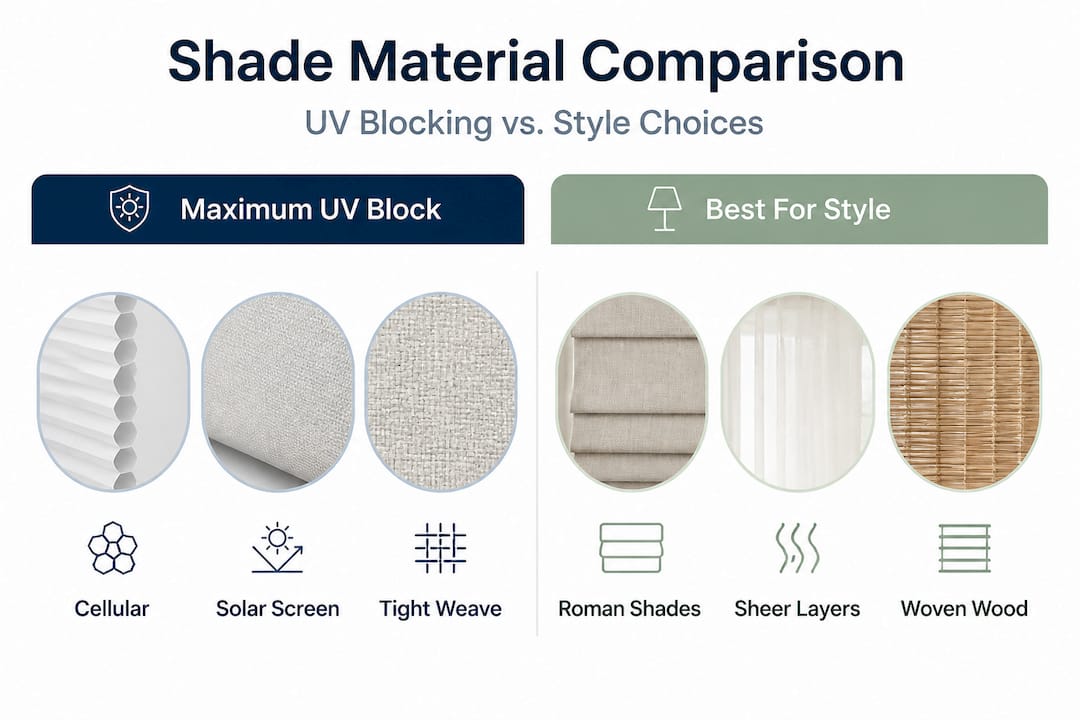
| Cellular (honeycomb) | High | Excellent | Moderate to high | Bedrooms, living rooms |
| Solar screen | Very high | Moderate | Limited color range | Sun-facing windows |
| Roller shades | Moderate to high | Low to moderate | Very high | Any room, layered use |
| Roman shades | Moderate | Low | Very high | Decorative use, lower UV needs |
| Exterior shades | Highest | Excellent | Lower | South/west-facing windows |
Follow this numbered process when selecting shade types for your windows:
- Identify window orientation. South and west-facing windows receive the most intense UV exposure and benefit most from solar screens or cellular shades.
- Assess room function. High-traffic living areas and rooms with valuable furnishings warrant higher UV block ratings. Guest rooms can tolerate a more design-forward option with moderate protection.
- Check for gaps and fit. According to energy performance standards, tight fit and minimal edge gaps are critical to real-world performance. A certified shade installed with large gaps at the sides loses a significant portion of its rated effectiveness.
- Consider exterior options for maximum performance. Exterior shades stop heat before it enters the glass, making them significantly more effective at reducing solar heat gain. However, they require weather-resistant materials and are less practical for renters or apartments.
- Layer when needed. Combining a solar screen shade with a blackout roller behind it gives you adjustable UV protection with complete light control when you want it.
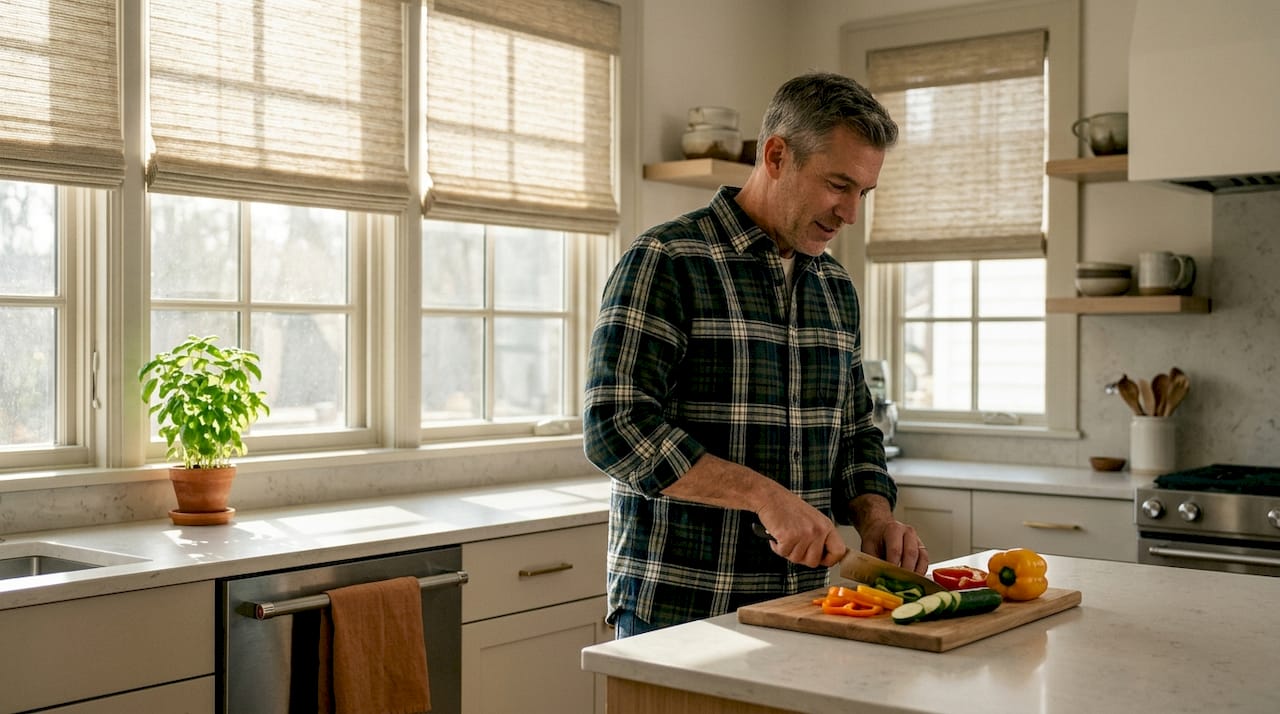
Kitchen window shades present a good case study. Kitchens generate their own heat and often face east or west, meaning the UV load compounds the cooking environment. A solar screen or top-down cellular shade in the kitchen gives you UV protection without blocking the view completely.
After narrowing down the best types for your needs, it’s time to focus on customizing for style and function.
Customizing your UV protection window shades: Balancing efficiency and design
Here is where the misconception really falls apart. UV protection and beautiful design are not competing priorities. With the right customization approach, your shades can perform at a certified level while fitting seamlessly into your interior vision.
Fabric and color selection
Darker fabrics generally block more UV by absorbing more radiation, but modern technology has closed that gap considerably. Many light-colored or white fabrics now incorporate UV-blocking treatments that maintain their brightness without sacrificing performance. When choosing fabric for UV protection, look for tightly woven or coated options rather than relying on color alone.
Automation and convenience
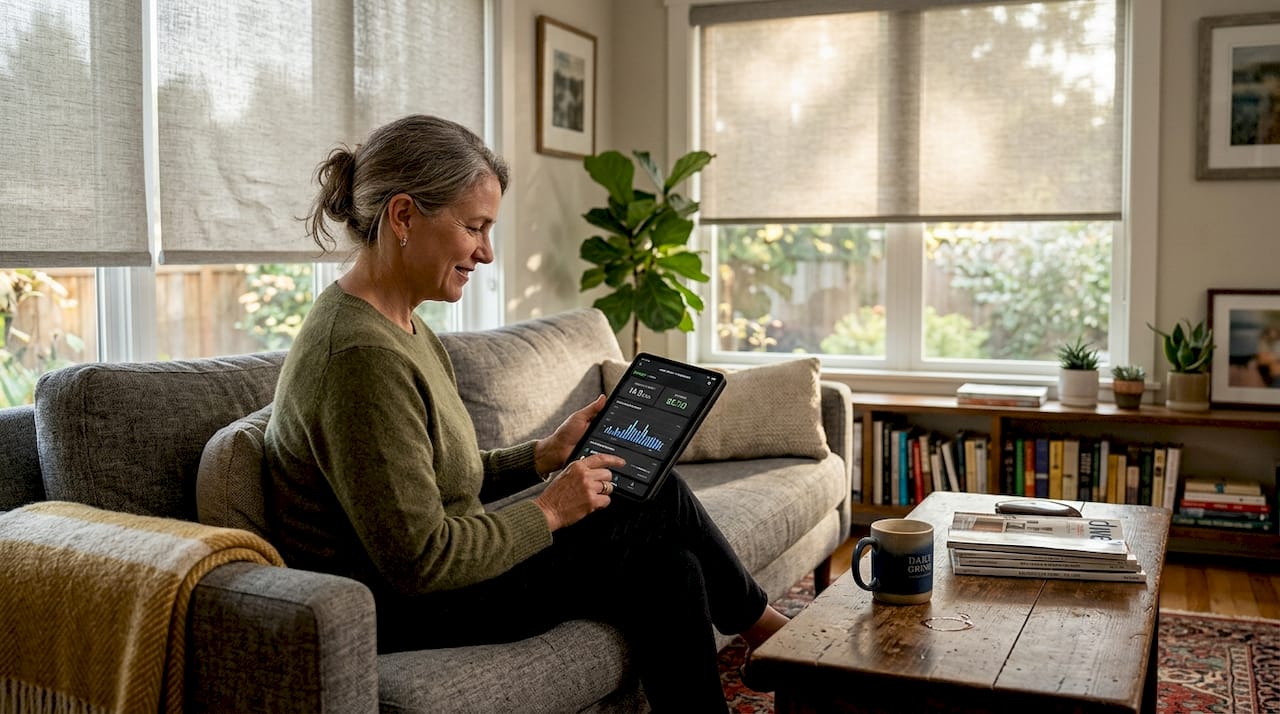
Motorized shades solve one of the most common real-world failures of window treatments: people simply do not adjust manual shades consistently. A motorized system set to lower shades automatically during peak sun hours (typically 10 a.m. to 4 p.m.) delivers far better UV protection in practice than a premium manual shade that stays raised all day because opening it manually is inconvenient. Smart home integration also lets you create schedules or trigger adjustments based on sunlight sensors.
Privacy linings and layering
Adding a blackout or UV-blocking privacy lining to Roman or roller shades is one of the most cost-effective ways to upgrade UV performance without changing your design. The decorative face fabric stays visible from inside; the functional lining does the heavy lifting on UV and heat. Layering with curtains or drapes adds another dimension of light control and insulation, which is especially effective in rooms with large or floor-to-ceiling windows.
Common pitfalls to avoid:
- Assuming “light filtering” means UV filtering. It does not.
- Ignoring edge light leaks. A shade that is even half an inch narrower than the window frame creates a gap where direct sunlight bypasses the shade entirely.
- Prioritizing aesthetics over AERC or ENERGY STAR certification. A beautiful shade with no certification could be providing minimal UV protection.
- Overlooking maintenance. Dust and debris accumulate on shade fabrics and can degrade UV-blocking coatings over time. Regular gentle cleaning extends performance.
“Using ENERGY STAR and AERC certified shades can reduce energy use by up to 20%, which adds up quickly across multiple windows in a full home.”
Exploring modern shade style ideas can help you visualize combinations that deliver both efficiency and design impact before you commit to a purchase.
Equipped with customization strategies, you can now confidently make your purchase. But what does a UV shade expert see that others miss?
What most guides miss about UV protection window shades
After seeing thousands of window treatment projects, one pattern stands out clearly: homeowners obsess over fabric ratings and completely ignore installation quality. A shade rated to block 98% of UV rays installed with a sloppy fit delivers real-world performance closer to 70 or 75%. The fabric itself is just one component of the system.
The single most undervalued factor in UV shade performance is the window-to-frame seal. Most interior shades, even premium ones, rely on the shade overlapping the window frame to minimize light leakage. When the shade is mounted too shallow, too narrow, or without side channels, UV and heat slip in around the edges regardless of what the fabric rating says. Tight fit and gap control can matter more than the fabric specification itself.
We also see a consistent underappreciation of exterior shades. For south or west-facing windows receiving direct afternoon sun, an exterior shade stops solar heat before it ever hits the glass. That is a fundamentally different approach than trying to manage heat after it has already entered the room. Interior shades, no matter how good their SHGC rating, are fighting a rear-guard action. Exterior shades prevent the problem entirely. The tradeoff is weather durability and aesthetics, which makes them a less obvious fit for street-facing windows or rental properties.
The right approach for most homes is a combination: exterior shades or high-SHGC interior shades on the sun-facing windows, standard UV-blocking roller or cellular shades elsewhere, and motorized controls to make consistent daily adjustments realistic. Check out expert window shade tips for a deeper breakdown of what installation decisions deliver the biggest return on investment.
Finally, ongoing maintenance is genuinely underrated. UV-blocking coatings on fabrics degrade over time, especially with cleaning products that are too harsh. Gentle vacuuming and manufacturer-approved spot cleaning preserve the coating much longer than you might expect.
Explore energy-efficient UV protection shades for your home
Finding the right UV protection window shades is much easier when you have the right tools and a curated product selection behind you.
At Value Blinds, you can browse the full energy-efficient window shades collection to find certified options sorted by performance and style. If you are leaning toward cellular shades after reading this guide, the cellular shades collection offers a wide range of opacities, colors, and mounting options. Not sure where to start with design? The Window Treatment Design Studio lets you visualize shades in your actual space before ordering. Free swatches, expert support, and detailed measurement guides mean you can make a confident, customized choice without guessing. Your interiors and your energy bill will both thank you.
Frequently asked questions
How effective are UV protection window shades at reducing fading?
High-quality UV protection shades can block up to 99% of UV rays, dramatically slowing the fading and degradation of furniture, flooring, and artwork inside your home.
Which window shade materials block the most UV?
Cellular and solar screen shades with tight weaves and UV-blocking coatings deliver the strongest UV protection while also offering excellent energy efficiency for high-exposure windows.
What certifications should I look for on UV protection shades?
Look for NFRC, AERC, or ENERGY STAR labels, since these certifications verify that the shade’s UV blocking and energy performance claims have been independently tested and confirmed.
Do UV protection shades affect indoor natural light?
UV protection shades can block harmful rays while preserving natural light, especially options with a higher VT (Visible Transmittance) rating that diffuses light without eliminating it.
How do I maximize energy savings with UV shades?
Choose shades with a low SHGC rating combined with proper frame-to-edge fit and a certified energy label to ensure you are getting rated performance in real-world conditions, not just lab conditions.