

Top modern window shade trends for style and function
TL;DR:
- Modern window shades focus on natural materials, layered styles, and clean silhouettes for versatility.
- Roman shades remain the top trend, especially flat or relaxed folds in natural fabrics.
- Layering treatments and sustainable materials enhance both style and functionality in 2026.
Choosing window shades should feel exciting, but it often turns into an overwhelming mix of fabric samples, style guides, and conflicting advice. You want something that looks polished and works hard for your home, cutting energy costs while staying on trend. The good news is that 2026 window shade trends make it easier than ever to get both. Natural materials, smart layering, and cleaner silhouettes are replacing fussy, outdated looks. This guide breaks down the top styles, materials, and techniques shaping interiors right now so you can make a confident, informed choice.
Table of Contents
- How to choose modern window shades: Key criteria
- Roman shades: Timeless elegance with a trendy twist
- Woven and natural shades: Texture and sustainability
- Trending techniques: Layering, trims, and flexible privacy
- Expert perspective: What most trend lists miss about window shades
- Find your perfect modern shades today
- Frequently asked questions
Key Takeaways
| Point | Details |
|---|---|
| Layer for style and function | Modern spaces benefit from layering shades and blinds for flexible privacy and light control. |
| Prioritize natural materials | Woven and eco-friendly shades bring both sustainability and warm texture to interiors. |
| Timeless beats trendy | Simple, flat-fold Roman shades and restrained trims have lasting appeal beyond short-lived fads. |
| Use expert guidance | Sampling fabrics and layering combinations helps avoid costly design mistakes. |
How to choose modern window shades: Key criteria
Before you fall in love with a fabric or style, it helps to get clear on what you actually need from your window shades. Start with your style goals. Are you drawn to minimalism with clean lines and neutral tones? Do you prefer natural textures that bring warmth into a room? Or are you after bold colors and patterns that make your windows a focal point? Knowing your aesthetic direction early saves a lot of time.
Next, think about function. Light control is one of the most common priorities. A bedroom may need blackout capability while a living room calls for light filtering that softens glare without darkening the space. Privacy matters too, especially in street-facing rooms. If you want the most convenient operation, motorization is worth considering since it lets you adjust shades with a tap on your phone or a voice command.
Sustainability is no longer a niche concern. More homeowners are asking where materials come from and how long they will last. Choosing eco-friendly blinds made from renewable sources like bamboo or responsibly sourced linen reduces your environmental footprint and often delivers better durability.
Budget and durability go hand in hand. A shade that costs less upfront but fades or warps within two years is not a bargain. Quality materials hold their shape, resist moisture, and keep their color longer. Think of window treatments as a long-term investment in your home’s comfort and appearance.
Here are the key criteria to evaluate before buying:
- Style direction: minimalist, natural, bold, or integrated
- Light needs: blackout, room darkening, or light filtering
- Privacy level: full, partial, or flexible
- Operation: manual, cordless, or motorized
- Material values: eco-friendly, durable, or moisture resistant
- Budget range: upfront cost versus long-term value
For inspiration that balances aesthetics and performance, browsing modern window shade ideas can help you visualize how different styles translate in real rooms.
Pro Tip: Layering a Roman shade over a simple roller blind gives you the designer look of soft fabric with the practical flexibility of a second layer for privacy or light control. It is one of the most popular moves in 2026 interiors.
According to window treatment trends for 2026, Roman shades lead 2026 as the top window trend, often paired with blinds for a casual yet intentional look while using less fabric than full drapery. That combination of style and practicality is exactly what today’s homeowners are looking for.
Roman shades: Timeless elegance with a trendy twist
Now that you know what to prioritize, let’s explore the top trend leading the market this year. Roman shades have been around for decades, but their 2026 version looks nothing like the stiff, heavily lined panels of the past. The modern take is lighter, softer, and far more versatile.
Flat-fold and relaxed-fold Roman shades are the styles driving this trend. Flat folds lie smooth when lowered, creating a clean, tailored look that suits contemporary and transitional interiors equally well. Relaxed folds have a gentle curve at the bottom hem, adding a casual softness without looking sloppy. Both styles work beautifully in linen, cotton weaves, and natural fabrics that let a little light filter through.
“Roman shades are the biggest window trend for 2026, often paired with blinds for a casual yet intentional vibe, using less fabric than drapery.” — The Spruce, 2026 Window Treatment Trends
The key to keeping Roman shades current is fabric choice. Natural whites, warm creams, earthy browns, and subtle woven patterns are all strong picks. Avoid anything with heavy lining that creates a bulky, puffed appearance when raised. That hobbled or stacked look reads as dated now.
Pairing your Roman shade with a roller blind underneath is one of the smartest moves you can make. The Roman shade handles the aesthetic side, while the roller blind gives you full control over light and privacy. You get the best of both worlds without sacrificing style. Explore the full Roman shades collection to see how different fabrics and fold styles translate in real settings.
Here are the top features of a modern Roman shade setup:
- Flat or relaxed fold for a clean, current silhouette
- Natural fabrics like linen, cotton, or woven blends
- Neutral or earthy tones that age well across design trends
- Paired with a roller blind for layered light and privacy control
- Cordless or motorized operation for a cleaner look
Pro Tip: When ordering fabric swatches, hold them up to your window in both natural daylight and evening artificial light. The same fabric can look completely different depending on the light source, and this quick test prevents costly surprises.
Understanding layering window treatments is the key to making Roman shades work in any room. The 2026 Roman shades insights confirm that flat or relaxed folds in natural fabrics keep the look timeless rather than trendy, which means your investment holds up over time.
Woven and natural shades: Texture and sustainability
While Roman shades top the style charts, textured, eco-friendly options are equally shaping the market. Woven and natural shades made from bamboo, jute, and linen have moved from niche to mainstream, and it is easy to see why. They bring a layer of organic warmth to a room that no synthetic fabric can replicate.
Bamboo shades filter light in a way that feels alive. The natural fibers create subtle variations in texture and tone that shift throughout the day as sunlight moves across them. Jute adds a rougher, more rustic quality that works well in relaxed, earthy interiors. Linen sits somewhere in between, offering softness with a natural grain that suits both urban and organic design styles.
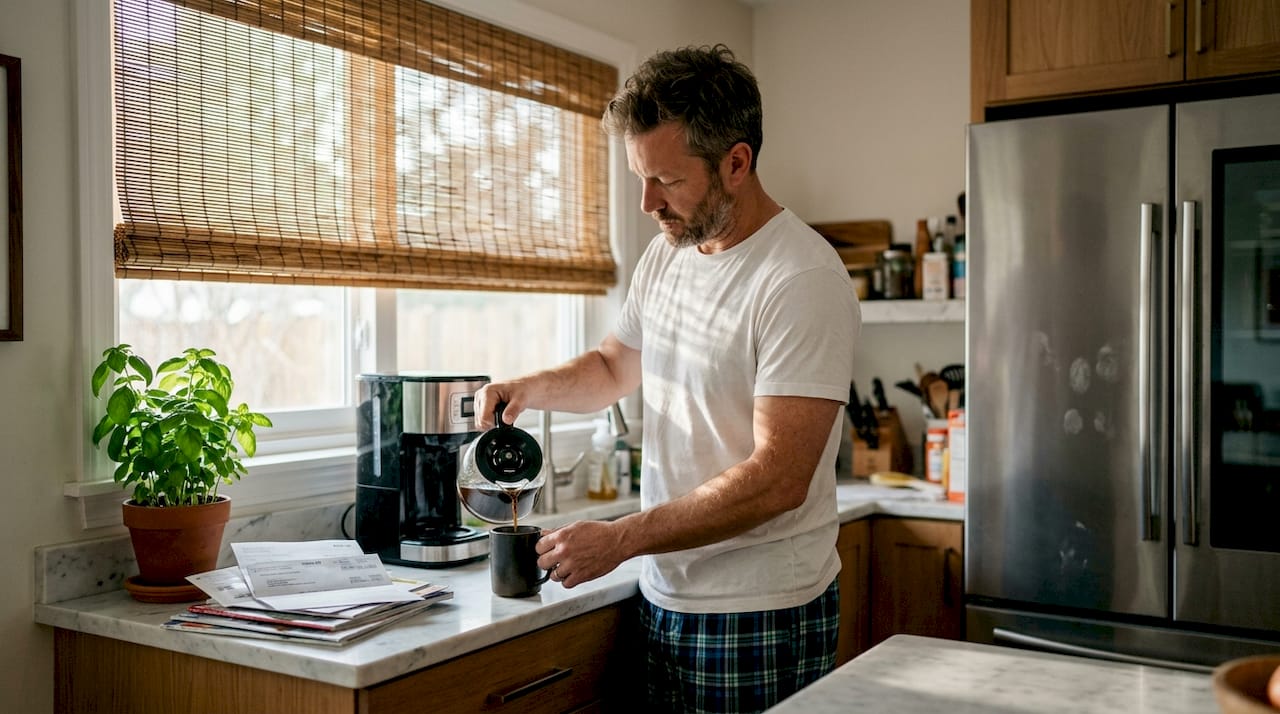
Sustainability is central to this trend. Bamboo is one of the fastest-growing plants on earth, making it a highly renewable resource. Jute requires minimal water and no pesticides to grow. Choosing these materials means your window treatments have a smaller environmental footprint from the start. Browse natural bamboo blinds to see how responsibly sourced materials translate into finished products.
The natural shade trend confirms that woven and natural shades support biophilic design, which is the practice of connecting interior spaces to the natural world. This approach has been linked to reduced stress and improved wellbeing in residential settings.
| Material | Best room fit | Light filtering | Sustainability |
|---|---|---|---|
| Bamboo | Living, dining | Soft, dappled | Very high |
| Jute | Bedroom, study | Warm, diffused | High |
| Linen | Any room | Soft, even | Moderate to high |
| Woven grass | Casual spaces | Variable | High |
Top color picks for natural shades in 2026 include terracotta, sage green, sand, and warm natural browns. These tones complement the organic texture of the materials and pair well with the earthy, grounded interiors that are dominating home design right now.
Pro Tip: Natural shades work best when the rest of the room keeps things simple. Let the texture of the shade be the detail rather than competing with busy patterns on walls or furniture.
Trending techniques: Layering, trims, and flexible privacy
To make the most of these materials, consider how trending techniques can elevate your design. Choosing the right shade is only half the equation. How you install and combine treatments is what separates a finished, intentional space from a room that just has window coverings.
Layering is the most impactful technique right now. It means combining two treatments on the same window, typically a soft shade in front and a functional blind behind. This approach gives you precise control over light and privacy at any time of day. A Roman shade layered over a roller blind, for example, lets you enjoy the soft look of fabric during the day while pulling the blind down for full privacy at night.
Valances and trims are making a comeback, but they look nothing like the ruffled, gathered styles of past decades. Today’s versions are streamlined and architectural. A simple flat valance in a matching or contrasting fabric frames the window cleanly and adds a polished finish. Trims along the hem of a Roman shade add a custom, couture quality without looking overdone.
“Layering window treatments such as Roman shades paired with blinds gives you flexible light and privacy control while adding visual depth to any room.” — The Spruce, 2026 Window Treatment Trends
Here is a quick comparison of layering combinations and their benefits:
| Combination | Best use | Key benefit |
|---|---|---|
| Roman shade + roller blind | Living room, bedroom | Style plus full light control |
| Woven shade + sheer drape | Dining, sunroom | Texture plus soft diffused light |
| Cellular shade + valance | Any room | Insulation plus polished finish |
Follow these steps to build a layered window treatment setup:
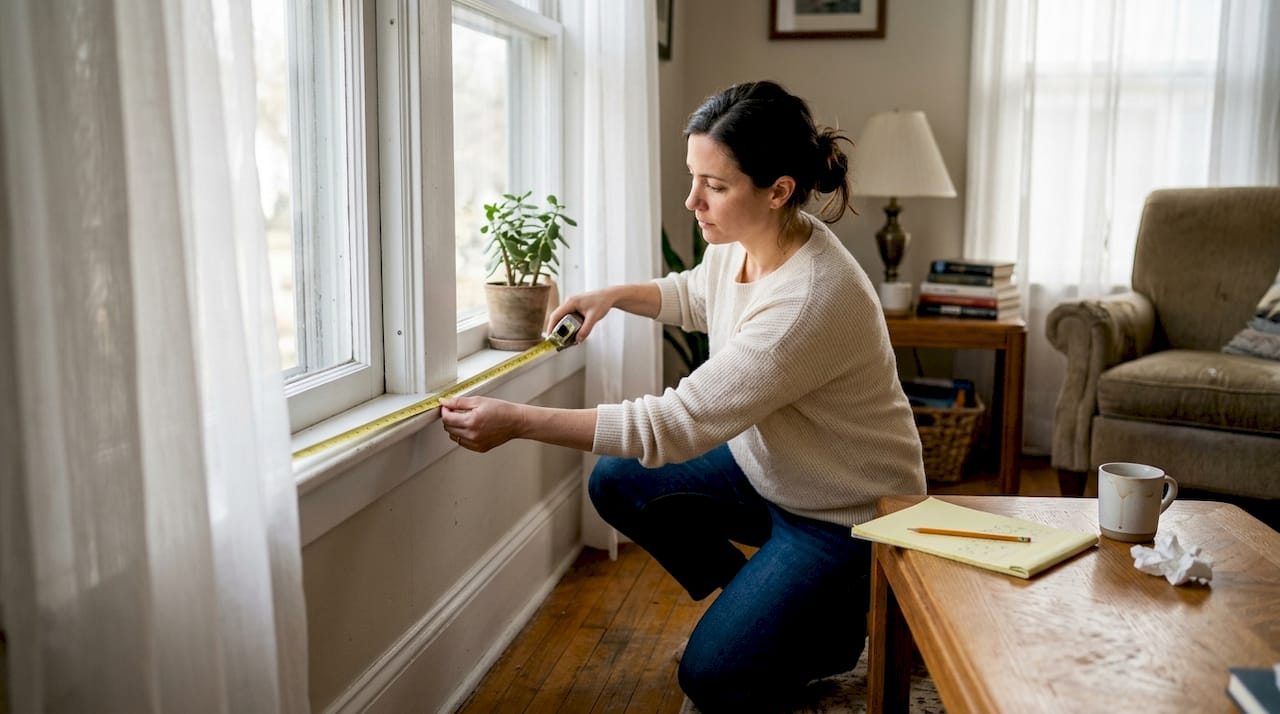
- Measure your window and decide on inside or outside mount for each layer.
- Choose your front treatment for style, typically a Roman or woven shade.
- Select your back layer for function, such as a roller or cellular blind.
- Pick coordinating or complementary colors rather than exact matches.
- Test the operation of both layers together before finalizing your order.
For more guidance, explore these layering tips and privacy window covering ideas to find combinations that suit your specific rooms. The layered shade insights confirm that layering shades with blinds is a top technique for achieving flexible, designer-quality results.
Expert perspective: What most trend lists miss about window shades
Now that you have the top trends and techniques, here is what experience reveals that typical lists might not tell you. Most trend guides focus on what looks good in a photo. Real homes are messier than that, and the choices that photograph well do not always live well.
The biggest mistake we see is homeowners chasing the trend without considering longevity. A hobbled Roman shade looked fresh in 2015 and dated by 2020. The flat fold approach avoids that trap because it is rooted in simplicity rather than a specific moment in design history.
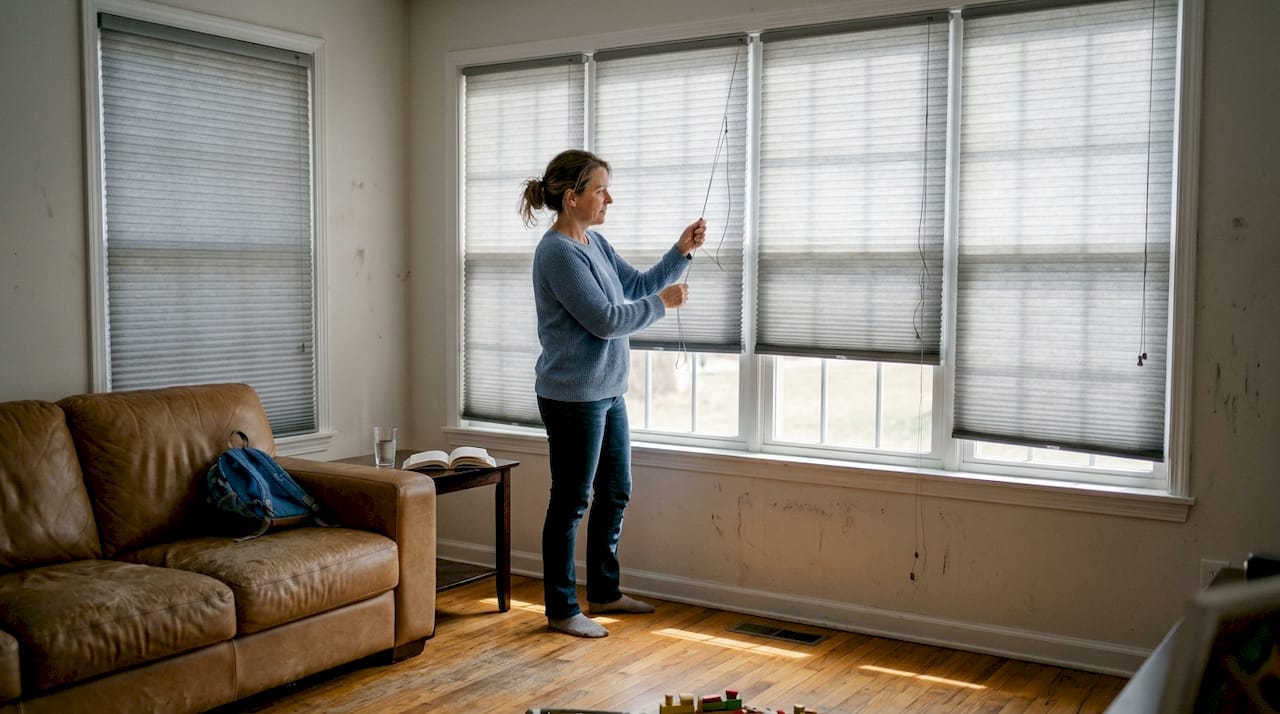
Energy efficiency claims deserve scrutiny too. Many shades market themselves as insulating, but cellular shades are genuinely the most effective option for thermal performance. The trade-off is that their honeycomb structure can look visually busy in a minimalist room. Check these energy-efficient window covering tips to understand which products actually deliver on their efficiency promises.
Our strongest practical advice is to order swatches before you commit. Colors shift dramatically between a screen, a swatch card, and your actual window. Test your layering combinations in the room before placing your full order. That extra step prevents the most common and most expensive regrets.
Find your perfect modern shades today
Ready to put these trends to work? The right shade is out there, and finding it is easier when you have the right tools and support behind you.
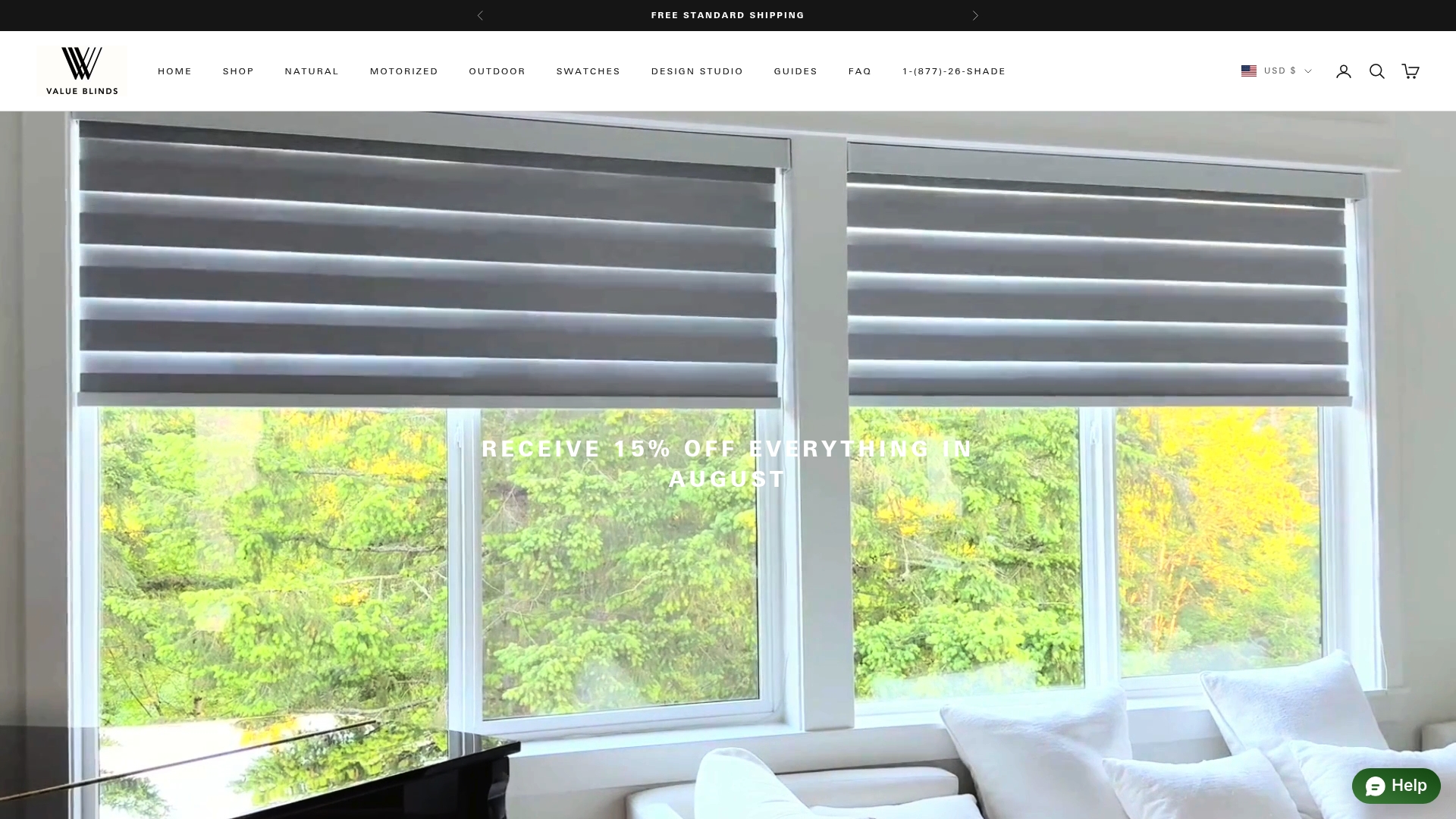
At Value Blinds, you can explore hundreds of customizable options through the Window Treatment Design Studio, where you can visualize shades in your space before ordering. Browse the full range of modern blinds or go straight to the trending natural woven shades with motorization for a seamless, tech-forward upgrade. Free swatches, expert support, and fast quotes make the process simple from start to finish.
Frequently asked questions
What is the best window shade style for energy efficiency in 2026?
Cellular shades offer the best insulation for homes, while Roman and woven shades can also improve efficiency when layered correctly with a functional backing.
Are natural or woven shades durable for high-traffic areas?
Modern woven shades from bamboo or jute are surprisingly durable and handle daily use well, making them a solid choice for busy family spaces.
How do you layer window shades for privacy without blocking out light?
Pair a light-filtering shade in front with a room-darkening blind behind it. This layered shade setup gives you adjustable privacy and brightness throughout the day.
Do relaxed or flat-fold Roman shades look more modern?
Both are considered current, but flat and relaxed folds are the most versatile and timeless choices for Roman shades in 2026, avoiding the dated look of hobbled or heavily stacked styles.