
Modern window shades 2026: Cut energy use by 20% with style
Pairing modern window shades with high-performance windows can slash your home’s HVAC energy consumption by up to 20%, delivering substantial annual savings while transforming your interior aesthetic. In 2026, today’s shades blend smart motorization, customizable fabrics, and sophisticated design into solutions that enhance comfort, reduce utility bills, and elevate home style. This guide walks you through selecting energy-efficient shades that match your unique needs and aesthetic vision.
Table of Contents
- Introduction To Modern Window Shades
- Popular Styles And Aesthetic Trends In 2026
- Smart Motorization And Energy Efficiency Benefits
- Energy Efficiency And Cost Savings With Modern Shades
- Safety And Usability Features
- Common Misconceptions About Modern Window Shades
- How To Choose And Install Modern Window Shades
- Explore Custom Modern Window Shades At Value Blinds Direct
- Frequently Asked Questions About Modern Window Shades
Key takeaways
| Point | Details |
|---|---|
| Smart motorization integration | Modern shades connect with Alexa, Google Home, and Apple HomeKit for automated energy savings through scheduled operation. |
| Popular 2026 styles | Roller shades dominate for versatility, while Roman shades in rich velvets and natural woven wood options gain traction for warm, sustainable aesthetics. |
| Proven energy efficiency | Combining advanced shades with high-performance windows reduces HVAC energy use by up to 20%, potentially saving $500 annually. |
| Enhanced safety features | Cordless and motorized designs eliminate strangulation hazards, making homes safer for children and pets. |
| Affordable customization | Motorized systems range from $90 to $600 per blind, with extensive fabric and hardware personalization available at accessible price points. |
Introduction to modern window shades
Modern window shades in 2026 represent a convergence of energy-saving technology, personalized design, and smart home integration. These aren’t the basic pull-down blinds of past decades. Today’s shades incorporate motorized systems that respond to voice commands, fabrics engineered to reflect heat while filtering natural light, and hardware designed for seamless aesthetic integration.
Energy efficiency sits at the heart of this evolution. With utility costs climbing and environmental awareness growing, homeowners seek solutions that reduce heating and cooling demands without sacrificing style. Motorized blinds integrated with smart home systems can reduce cooling loads by automatically closing before peak afternoon heat and opening at sunrise, significantly improving home energy efficiency.
Customization options have expanded dramatically. You can now select from dozens of fabric textures, opacity levels from sheer to blackout, and hardware finishes ranging from brushed nickel to matte black. This flexibility lets you match shades precisely to your room’s function and your interior design vision, whether you prefer minimalist modern or cozy traditional aesthetics.
Smart features distinguish 2026 shades from earlier generations. Integration with Alexa, Google Home, and Apple HomeKit enables automated schedules that adjust shading throughout the day based on sunlight patterns and temperature. You control shades via smartphone apps or voice commands, eliminating manual adjustments. Battery-powered motors typically last 6 to 12 months on a single charge, while wired options provide maintenance-free operation.
Key characteristics of modern window shades include:
- Motorized operation with remote, app, and voice control capabilities
- Energy-efficient materials designed to insulate against heat transfer
- Customizable fabrics spanning sheer, light filtering, room darkening, and blackout opacities
- Smart home integration for automated scheduling and environmental response
- Cordless designs that enhance safety by eliminating dangling cords
- Recessed mounting systems and slim hardware for clean, contemporary aesthetics
Pricing for basic motorized and smart shades typically ranges from $90 to $600 per blind depending on size, fabric choice, and automation features. This accessibility puts advanced window treatment technology within reach for most homeowners planning upgrades.
Popular styles and aesthetic trends in 2026
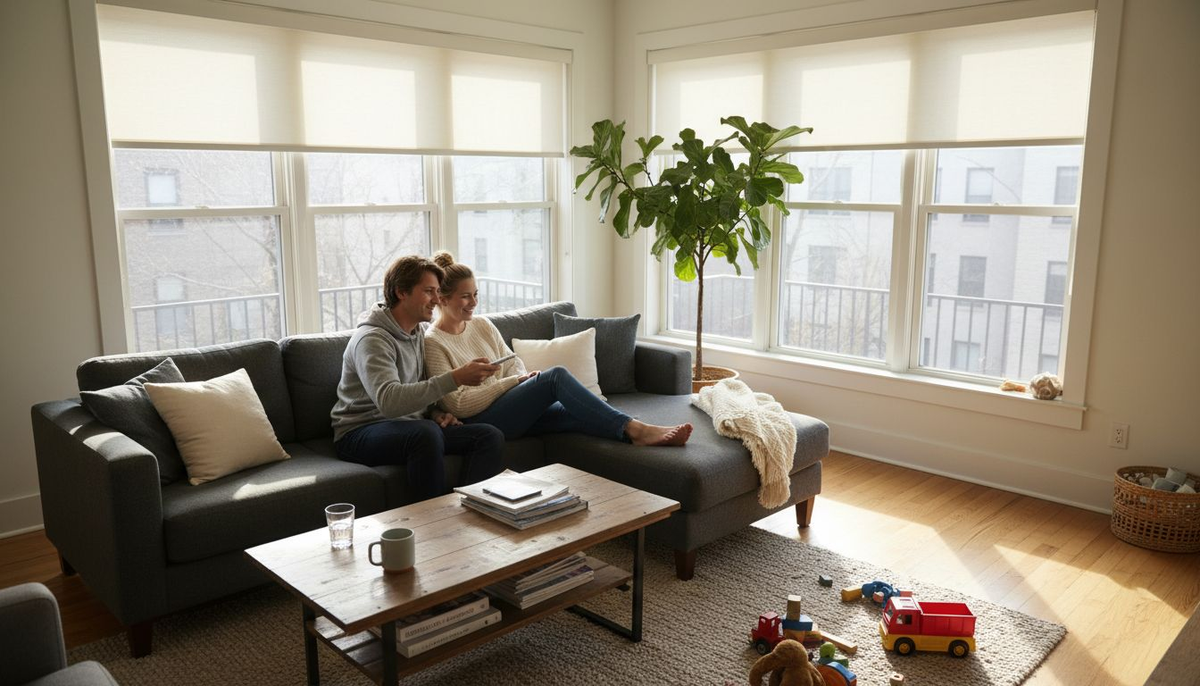
Roller shades remain the most versatile modern window shade style, available in sheer to blackout opacity and easily motorized to fit nearly every room’s needs in contemporary homes. Their clean lines and minimal hardware complement both modern and transitional interiors. Fabric choices span from crisp whites and neutrals to bold patterns and textures, giving you design flexibility across any aesthetic direction.
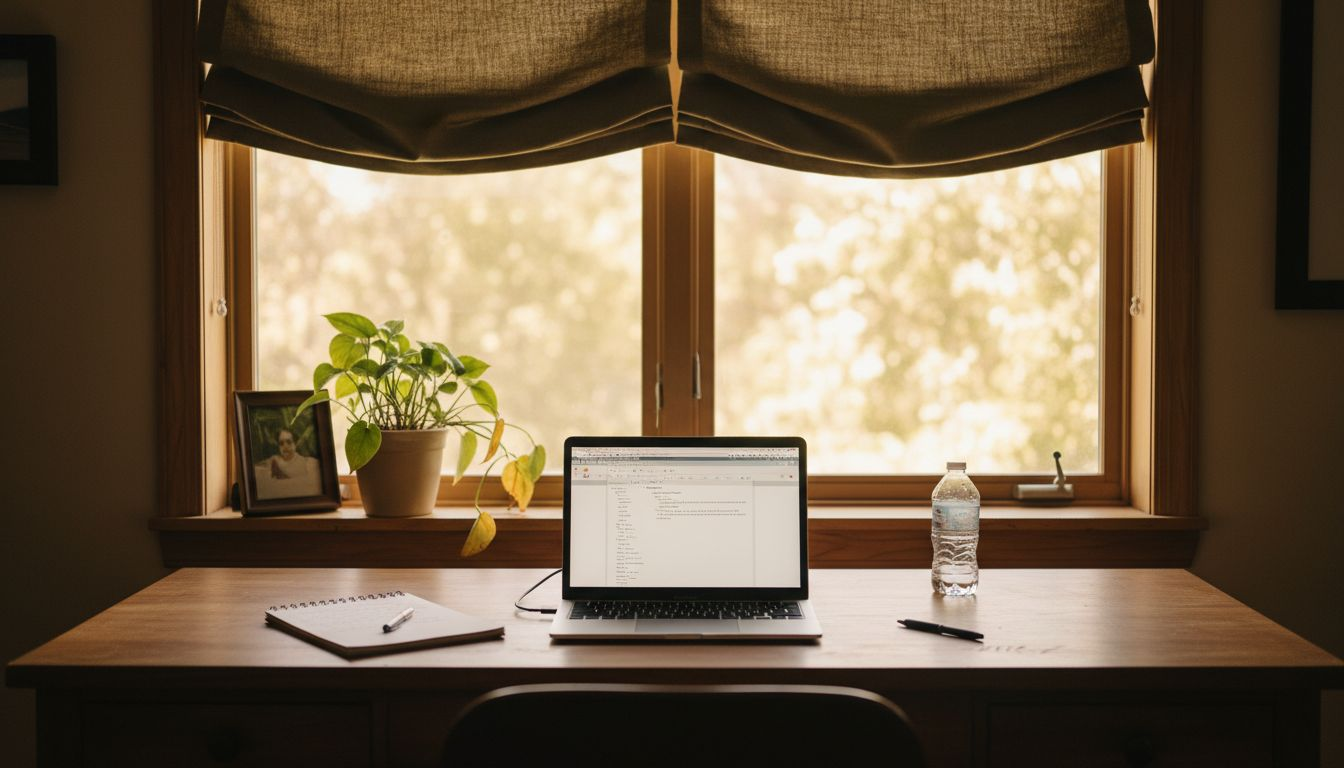
Customizable Roman shades using heavy linens and rich velvets in earthy tones are rising in popularity, offering privacy and an elegant textile art element to bedrooms and dining rooms. These shades create soft horizontal folds when raised, adding dimensional interest to windows. The weight and drape of premium fabrics like velvet provide excellent light control while introducing luxury tactile qualities.
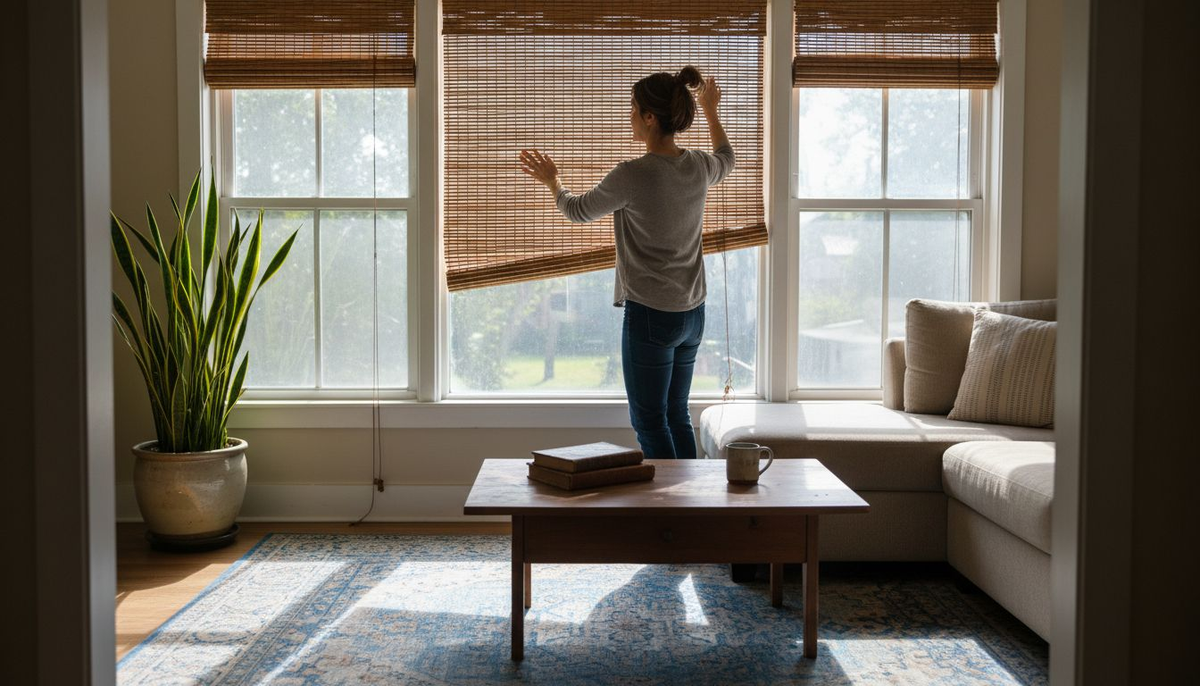
Natural woven wood shades made from sustainable materials like bamboo and jute filter light to create a warm, dappled room atmosphere, combining aesthetics with sustainability. These organic textures align perfectly with biophilic design principles that bring natural elements indoors. Many homeowners pair woven shades with blackout liners for bedrooms, achieving both daytime ambiance and nighttime darkness.
Hardware and mounting trends reflect the minimalist direction of contemporary design. Recent window treatment trends feature recessed mounts and slim-profile rails that create a minimal and modern aesthetic, moving away from visible cassette systems traditionally associated with budget blinds. Brackets disappear into window frames, and shade mechanisms tuck neatly out of sight, emphasizing the fabric rather than the hardware.
Color palette preferences for 2026 emphasize natural, grounding tones. Aesthetic trends emphasize natural textures, earthy tones, and quiet luxury styles in window shade fabrics, aligning with biophilic interior design and increased consumer desire for warm, restorative home environments. Think terracotta, sage green, warm taupe, and soft clay shades that create calming, nature-inspired spaces.
Popular style categories for 2026 include:
- Roller shades with motorization for versatile, budget-friendly sophistication
- Roman shades in premium textiles for formal spaces and bedrooms
- Woven wood and bamboo shades for organic, sustainable aesthetics
- Cellular honeycomb shades for maximum insulation in extreme climates
- Dual shades offering day/night fabric combinations in a single system
Exploring window shade trends 2026 helps you understand how current design movements translate into practical window treatment choices that balance visual impact with functional performance.
Smart motorization and energy efficiency benefits
Smart home integration with Alexa, Google Home, Apple HomeKit allows voice control and automated schedules to reduce cooling loads. You simply say “Alexa, close the living room shades” and your window coverings respond instantly. App control lets you adjust shades from anywhere, useful when you’re away and want to simulate occupancy for security or prevent afternoon heat buildup.
Automation delivers the greatest energy benefit. Motorized blinds can reduce cooling loads by automatically closing before peak afternoon heat and opening at sunrise, improving energy efficiency significantly. Programming shades to close on south-facing windows during summer afternoons prevents solar heat gain that forces air conditioners to work harder. Morning opening captures natural light, reducing electrical lighting needs.
Battery-powered motors offer installation flexibility without requiring electrical work. Most systems run 6 to 12 months between charges using standard rechargeable batteries. For permanent installations, low-voltage wired motors eliminate battery maintenance entirely. Some advanced systems harvest solar energy through small photovoltaic cells integrated into the shade housing.
Price considerations often concern homeowners exploring motorization. The reality surprises many: motorized systems ranging from $90 to $600 per blind accommodate various budgets. Entry-level battery motors provide basic remote control, while premium systems add smartphone connectivity, scheduling, and voice integration. Even mid-range options deliver substantial convenience and energy benefits.
Key motorization benefits include:
- Voice and app control via Alexa, Google Home, Apple HomeKit platforms
- Automated scheduling based on time of day and sunlight patterns
- Group control for managing multiple shades simultaneously
- Integration with whole-home automation systems and environmental sensors
- Battery or wired power options fitting different installation scenarios
Pro Tip: Program shade schedules based on your home’s specific sunlight exposure patterns throughout seasons. South-facing windows benefit from afternoon closure in summer but midday opening in winter to capture warming sunlight, maximizing year-round energy optimization.
Browse smart motorized shades to explore options ranging from basic battery-powered systems to fully integrated smart home solutions. Understanding motorized roller shades helps you evaluate whether this technology fits your lifestyle and home automation goals.
Energy efficiency and cost savings with modern shades
High-efficiency windows with triple-pane glass and Low-E coatings combined with advanced window shades can reduce heating and cooling costs, saving up to $500 annually. This combination creates a powerful thermal barrier. Low-E coatings reflect infrared heat while allowing visible light through, and triple-pane construction adds insulating air or gas layers. Modern shades complete the system by providing an adjustable final barrier.
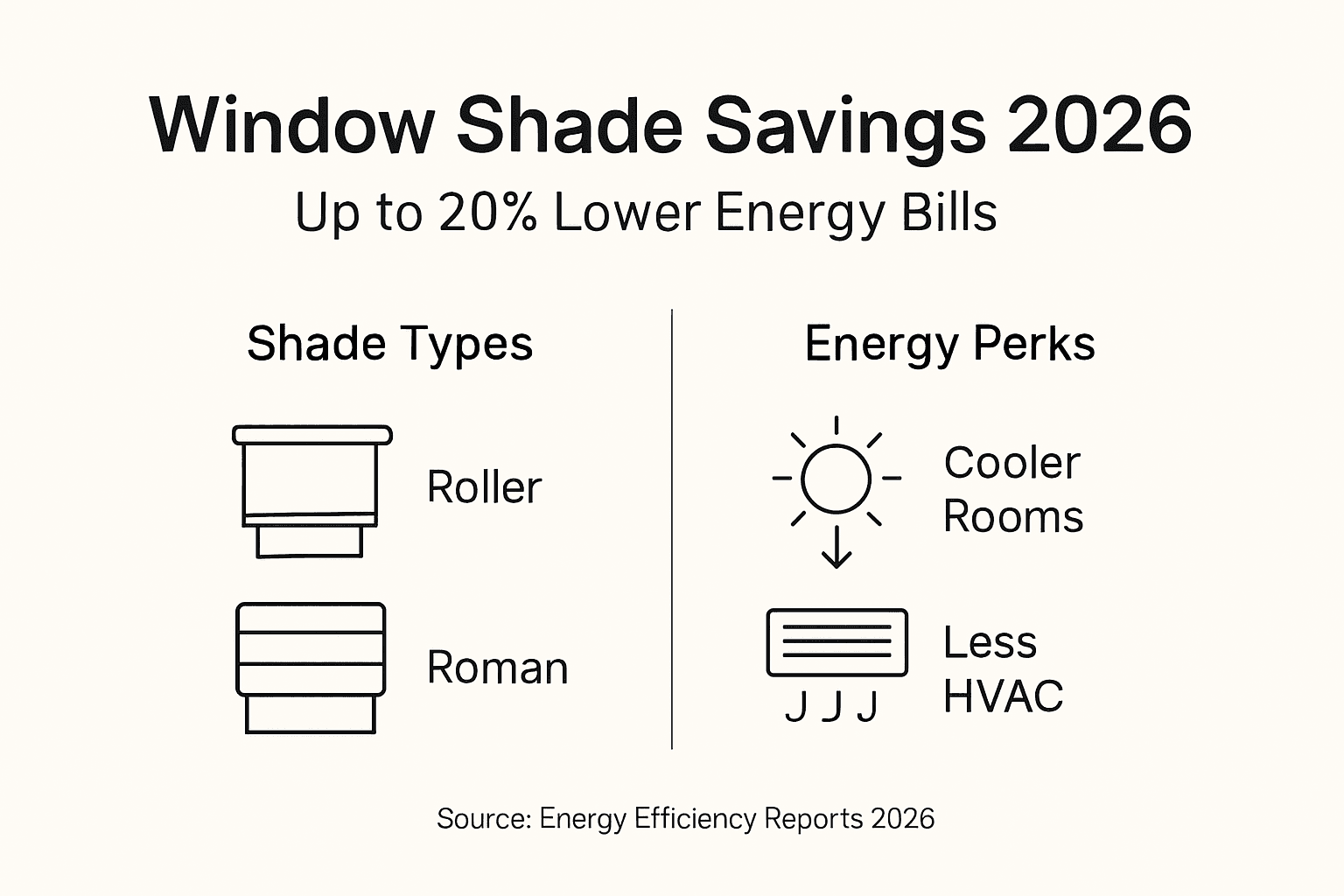
Triple-pane windows plus advanced shades can cut HVAC energy use by up to 20%. This reduction translates directly to lower monthly utility bills and reduced environmental impact. In hot climates, preventing solar heat gain through windows significantly reduces air conditioning runtime. Cold climate homes benefit from shades that trap warm interior air against windows overnight.
Actual savings depend on several factors including your regional climate, existing window efficiency, shade opacity selection, and HVAC system type. Homes in extreme temperature zones with large window areas see the greatest impact. Even moderate climate homes benefit through reduced shoulder season heating and cooling demands.
| Shade Type | Insulation Value | Best Application | Energy Impact |
|---|---|---|---|
| Cellular honeycomb | R-value up to 5.0 | Extreme climates, large windows | High: 15-20% HVAC reduction |
| Blackout roller | Moderate insulation | South/west facing, bedrooms | Medium: 10-15% cooling reduction |
| Light filtering | Minimal insulation | East facing, living spaces | Low: 5-10% with natural light use |
| Woven wood with liner | Good insulation | Any orientation, style priority | Medium: 10-15% with proper liner |
| Dual day/night | Variable by fabric | Versatile all-day control | Medium to High: 12-18% optimized |
Combining ENERGY STAR certified windows with appropriately selected shades optimizes indoor temperature control. The key lies in matching shade opacity and insulation properties to each room’s sun exposure and functional requirements. Bedrooms facing sunrise benefit from room-darkening shades that also block morning heat. West-facing living rooms need solar-reflective fabrics that reduce afternoon heat while maintaining views.
Pro Tip: Choose shade opacity and lining based on your region’s seasonal climate extremes to maximize savings. Hot desert climates prioritize solar heat rejection through light-colored, reflective fabrics. Cold northern regions benefit from darker shades with insulating honeycomb or thermal liners that trap warmth.
Explore energy-efficient custom window blinds to understand how different shade constructions contribute to thermal performance and long-term utility cost reduction.
Safety and usability features
Cordless window shades reduce hazards for children and pets while improving ease of use. Traditional corded blinds present strangulation risks that have led to tragic accidents. Modern cordless designs eliminate dangling loops entirely through spring-loaded mechanisms, motorization, or continuous cord loops that remain safely out of reach.
Motorized operation enables effortless, quiet shade movement enhancing usability. You avoid reaching, pulling, or struggling with manual controls, particularly beneficial for high windows, hard-to-reach locations, or anyone with mobility limitations. A button press or voice command delivers smooth, consistent operation every time.
Warranty coverage provides important protection for motorized investments. Quality manufacturers offer extended warranties covering motor mechanisms, often 3 to 5 years for mechanical components. Battery systems typically carry shorter coverage, while wired motors may include lifetime warranties. Always verify specific terms before purchasing.
Ease-of-use improvements extend beyond basic operation. Remote controls let you adjust shades without leaving your seat. Smartphone apps enable scheduling and away-from-home control. Voice integration through smart assistants creates truly hands-free convenience. Manual override options on motorized shades ensure functionality even during power outages or technical issues.
Safety and usability features include:
- Cordless spring-loaded or motorized systems eliminating strangulation hazards
- Quiet motor operation preventing noise disruption
- Manual override capabilities for power outage situations
- Child-safe continuous loop cords with tensioners when cords are necessary
- Extended warranties protecting motor and mechanical investments
Pro Tip: Always verify motor and battery warranty coverage details to protect your investment. Ask specifically about labor coverage, replacement part availability, and whether warranty terms require professional installation versus DIY mounting.
Browse cordless blinds to see the full range of safe, child-friendly window treatment options. The cordless window shades guide explains different cordless mechanisms and helps you select the right safety features for your family’s needs.
Common misconceptions about modern window shades
Myth: Motorized shades represent prohibitively expensive luxury items beyond typical budgets. Reality: Affordable motorized shades range from $90 to $600, making them accessible rather than prohibitively expensive. Entry-level systems provide excellent functionality at modest price points. You don’t need to choose top-tier brands or premium fabrics to enjoy motorization benefits.
Myth: All window shades deliver identical energy efficiency benefits regardless of construction. Reality: Energy efficiency varies by shade type and materials; not all shades have the same impact. Cellular honeycomb construction with trapped air pockets provides superior insulation compared to single-layer roller fabrics. Reflective coatings and blackout liners significantly enhance thermal performance. Material choice matters substantially.
Myth: Corded blinds remain necessary for reliable control, and safety concerns are overblown. Reality: Cordless and motorized shades offer superior safety by eliminating strangulation risks while delivering equal or better control precision. Spring-loaded cordless mechanisms work smoothly for decades. Motorized systems provide the ultimate convenience without any dangling hazards. No functional compromise exists when choosing safer alternatives.
Myth: Customization options are limited and expensive, forcing generic choices. Reality: Manufacturing advances enable extensive affordable personalization across fabrics, colors, opacities, hardware finishes, and control systems. Online retailers offer design tools that let you visualize custom combinations before ordering. Many customization options add minimal cost over standard selections.
Common misconceptions include:
- Believing motorization costs thousands per window when $100-300 systems deliver excellent performance
- Assuming all shades provide similar energy savings without considering insulation properties
- Thinking corded operation is superior when cordless and motorized options offer better safety and convenience
- Expecting customization to double costs when many personalization choices add 10-20% or less
Pro Tip: Challenge your assumptions by requesting detailed product information and comparing features across price points before purchasing. Many perceived limitations don’t reflect current market reality. Free swatch programs let you test fabrics and colors in your actual lighting conditions, eliminating guesswork.
Learn about motorized shades affordability and realistic pricing expectations for different automation levels.
How to choose and install modern window shades
-
Assess room-specific needs by evaluating required light control levels, privacy requirements, and energy efficiency priorities. Bedrooms need blackout capability for quality sleep. Bathrooms require moisture resistance and privacy. Living areas balance natural light with glare control and UV protection for furnishings.
-
Select shade styles aligning with room function and current interior design trends. Roller shades offer versatility for most spaces. Roman shades add softness to formal rooms. Cellular shades maximize insulation in temperature-extreme locations. Woven wood brings organic warmth to casual living areas.
-
Decide on motorization and smart features based on your budget and technology comfort level. Basic battery-powered motors with remotes cost least. Mid-range systems add smartphone app control. Premium options integrate with whole-home automation platforms like Control4 or Crestron.
-
Measure windows precisely using detailed measurement guides or hire professionals to ensure proper fit and maintain warranty compliance. Inside mount measurements require exact width and height at multiple points since window frames often aren’t perfectly square. Outside mount provides more tolerance but affects aesthetic appearance.
-
Choose DIY installation for simple non-motorized shades or professional installation for complex motorized systems. Basic spring-loaded cordless shades mount with included brackets in 15 to 30 minutes. Motorized systems require careful leveling, precise bracket placement, and programming that benefits from professional expertise.
-
Maximize warranty benefits by registering products immediately after purchase and following installation instructions precisely. Many manufacturers require proof of purchase and registration within 30 to 90 days for full coverage. Keeping installation photos and receipts protects your investment.
Pro Tip: Order fabric swatches to test colors and textures in your actual room lighting before making final selections. Lighting dramatically affects how colors appear. What looks perfect in online photos may read differently under your home’s specific natural and artificial light conditions.
Explore choosing custom window shades for detailed guidance on matching shade characteristics to your functional requirements and design preferences.
Explore custom modern window shades at Value Blinds Direct
Value Blinds Direct offers an extensive selection of modern window shades including motorized, cordless, and fully customizable options that combine style, technology, and energy efficiency. Whether you’re upgrading a single room or outfitting your entire home, you’ll find solutions that match your aesthetic vision and functional requirements.
Their window treatment design studio helps you create shades tailored to your specific style preferences and room needs. Visualize different fabric options, colors, and hardware finishes in a virtual environment before committing. This tool eliminates guesswork and ensures your custom selections integrate seamlessly with your existing decor.
Shop motorized and smart shades collections featuring systems that integrate with Alexa, Google Home, and Apple HomeKit. Automate your window coverings for maximum convenience and energy savings. Choose cordless blinds for enhanced family safety and effortless operation throughout your home. Competitive pricing delivers professional-quality results without premium retail markups.
Frequently asked questions about modern window shades
What is the average cost of motorized window shades?
Motorized window shades typically range from $90 to $600 per blind depending on size, fabric selection, and automation features. Basic battery-powered systems with remote control start at the lower end, while premium smart home-integrated options with scheduling and voice control reach higher price points. Mid-range systems around $200-350 offer excellent functionality for most homeowners.
Can modern window shades really reduce my energy bills?
Yes, combining modern window shades with high-performance windows can reduce HVAC energy consumption by up to 20%, potentially saving $500 annually. The actual savings depend on your climate, existing window efficiency, and how strategically you deploy shades throughout your home. Cellular honeycomb shades in extreme climates deliver the greatest measurable impact.
Are cordless window shades safe for homes with children?
Cordless window shades eliminate strangulation hazards by removing dangling cords entirely, making them significantly safer for children and pets. Spring-loaded and motorized cordless designs provide smooth operation without any accessible loops or chains. This safety improvement comes with no functional compromise compared to traditional corded systems.
How do I know if motorized shades are compatible with my smart home system?
Check product specifications for compatibility with Alexa, Google Home, Apple HomeKit, or other platforms you use. Most modern motorized shades support at least one major ecosystem through WiFi, Zigbee, or Z-Wave connectivity. Some systems require a hub or bridge device for integration. Contact manufacturers directly with your specific smart home setup for confirmation before purchasing.
Can I customize window shades to match my interior decor style?
Modern window shade customization includes dozens of fabric options, opacity levels from sheer to blackout, multiple hardware finishes, and various control mechanisms. You can match nearly any aesthetic from minimalist modern to traditional elegance. Many retailers offer design tools and free swatch programs to test options in your actual space before ordering.
Recommended
- Top 10 Window Shades Trends for 2025: Elevate Your Home Decor
- Remote Operated Blinds Cut Energy Bills Up to 25% in 2026
- 7 Essential Tips for Energy Efficient Window Coverings

Value Blinds®
Trusted window treatments provider
Value Blinds® is a trusted provider of Greenguard, OEKO-TEX, and FSC-certified window treatments based in Portland, Oregon. Specializing in sustainable, motorized, smart-controlled, and outdoor-ready blinds and shades, the company is built on a foundation of simplified shopping, premium eco-friendly materials, and transparent pricing without the inflated cost.