

Motorized Sun Shade Solutions for Smart Homes
Finding the right balance between energy savings and stylish home comfort can feel challenging for North American homeowners. With concerns about soaring cooling costs and the demand for smarter technology, motorized sun shades offer a solution that adapts to your space dynamically. These systems provide automated operation for light and heat control, enhancing both aesthetics and everyday convenience while helping reduce energy bills and improve indoor comfort.
Table of Contents
- Defining Motorized Sun Shade Technology
- Popular Types and Control Mechanisms
- Key Features and Integration Benefits
- Costs, Energy Savings, and Value Impact
- Common Mistakes and What to Avoid
Key Takeaways
| Point | Details |
|---|---|
| Motorized Sun Shades Enhance Comfort | They automatically adjust based on sunlight, heat, and environmental conditions, providing consistent thermal comfort without manual effort. |
| Integration with Smart Technology | Motorized shades can integrate seamlessly with smart home systems, allowing for remote control and automated schedules, enhancing convenience and energy efficiency. |
| Energy Cost Savings | Homeowners can expect significant reductions in heating and cooling costs, often paying off the initial investment within a decade through energy savings. |
| Importance of Professional Installation | Proper measurement, electrical setup, and calibration are crucial for optimal performance; professional installation is often recommended to avoid common mistakes. |
Defining Motorized Sun Shade Technology
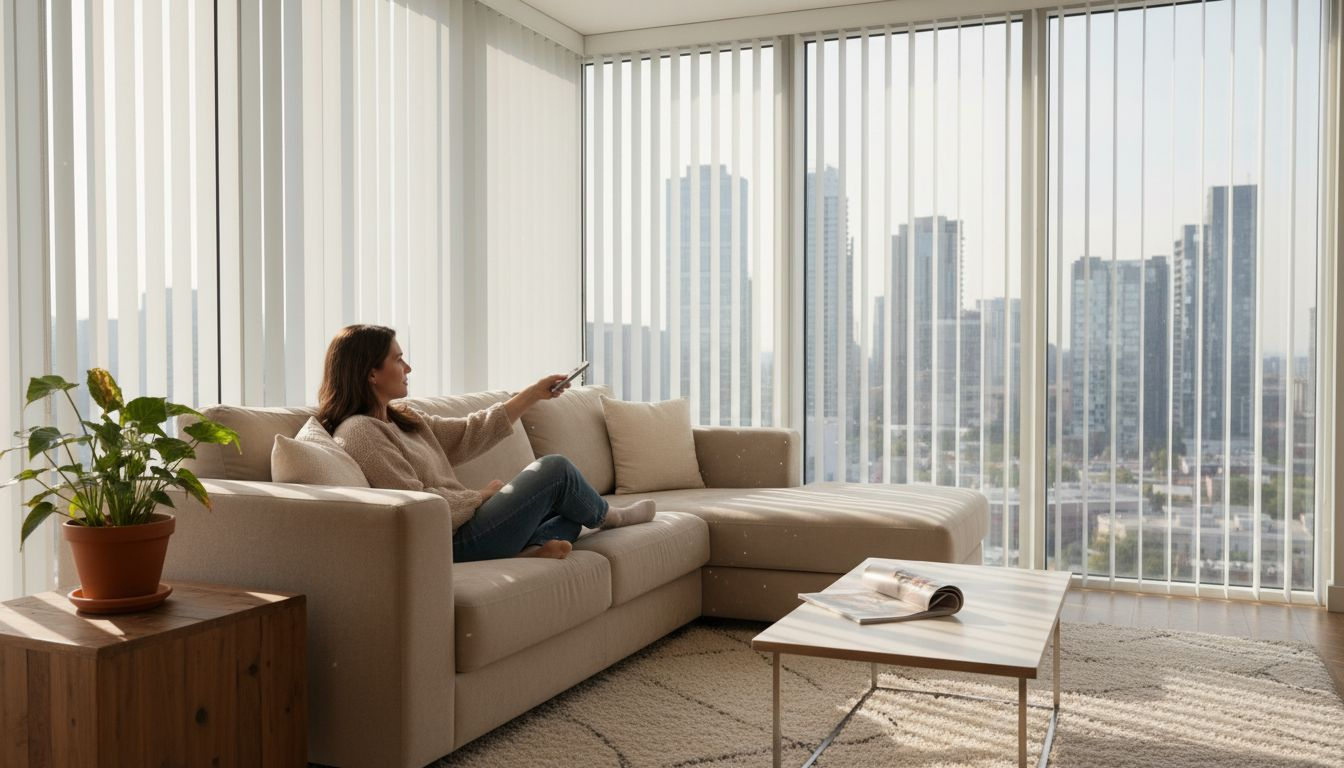
Motorized sun shades are movable window coverings that automatically adjust to control sunlight, heat, and glare in your home. Unlike traditional blinds you manually raise or lower, these systems use motors and smart controls to respond to your needs—or environmental conditions—throughout the day.
The core technology relies on automated shading elements that dynamically manage how much light and heat enters your living spaces. These systems typically integrate motors, control systems, and sensing technology to optimize comfort and energy efficiency without requiring constant manual adjustment.
How Motorized Sun Shades Work
Motorized sun shades operate through a combination of mechanical and electrical components. A small motor powers the raising and lowering mechanism, while a control system receives commands from various sources.
Key components include:
- Electric motor that drives the shade mechanism
- Control receiver that responds to remote signals or automation systems
- Battery backup for operation during power outages (on many models)
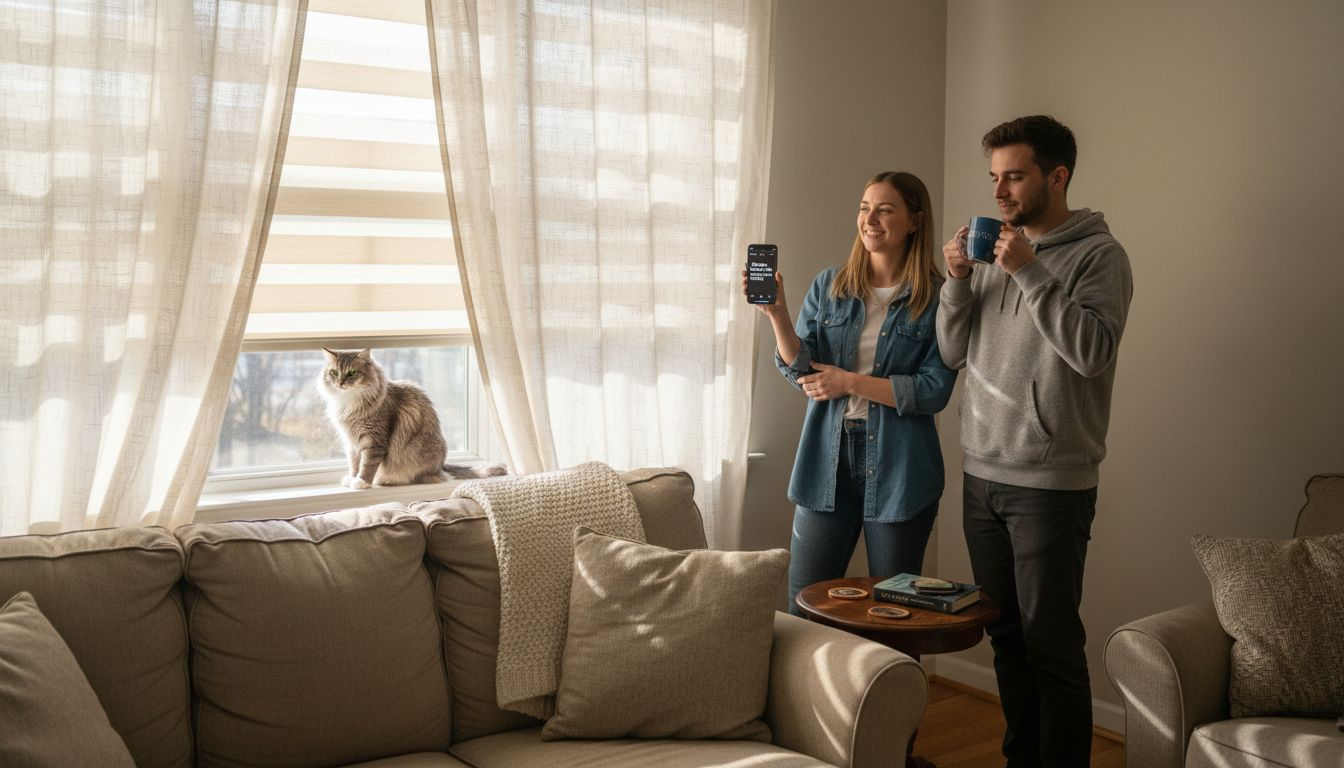
- Smart home integration allowing voice control or app-based commands
- Optional sensors that detect sunlight, temperature, or time of day
Movable sun shading devices work by dynamically influencing how much solar heat and light penetrate your windows. When the sun is intense, shades lower automatically to block UV rays and reduce cooling demand. When conditions change, they adjust accordingly, creating a responsive barrier between your interior and the outdoor environment.
Some advanced systems use adaptive technologies with thermal shape memory effects that respond to temperature changes. These actuators allow shades to adjust without centralized control, providing automatic solar heat gain management with minimal human input.
Why Motorized Sun Shades Differ From Manual Options
The primary advantage is consistency and convenience. Manual shades require you to physically adjust them multiple times daily. Motorized versions eliminate this task entirely.
Here’s what sets them apart:
- Operate on schedules matching your lifestyle
- Adjust based on real-time weather or sunlight intensity
- Integrate with smart home ecosystems (voice commands, apps)
- Eliminate the need to reach high or awkward windows
- Provide coordinated control across multiple windows
- Enhance security by simulating occupancy when you’re away
Motorized sun shades transform passive window coverings into active systems that continuously optimize your home’s thermal comfort and energy performance.
When paired with smart home technology, motorized shades become part of a coordinated ecosystem. They can communicate with your thermostat, lighting system, and security platform, creating intelligent responses to environmental changes throughout the day.
For North American homeowners, this technology addresses real-world challenges: managing afternoon heat in summer, maximizing natural light in winter, and reducing energy bills year-round. The automation handles the repetitive work, giving you consistent comfort without thinking about it.
Pro tip: Look for motorized shades with battery backup systems, which keep your shades operational during power outages and don’t require hardwiring into your home’s electrical system—perfect for renters or flexible installations.
Popular Types and Control Mechanisms
Motorized sun shades come in several styles, each designed for different window types and aesthetic preferences. The type you choose depends on your home’s architecture, the rooms you want to control, and how much customization matters to you.
The most common styles mirror traditional manual shades but add motorized convenience. From roller designs to cellular options, each style offers unique benefits for energy efficiency and light control.
Motorized Roller and Solar Shades
Motorized roller shades are the simplest and most popular choice for North American homes. They roll up and down smoothly on a single tube, providing clean lines and minimal visible hardware when fully raised.
Motorized solar or sun-blocking roller shades offer additional benefits:
- Superior UV protection by blocking up to 99% of harmful rays
- Heat reduction that cuts cooling costs significantly in summer
- Fabric options ranging from sheer to blackout depending on your needs
- Compact appearance when raised, maintaining your home’s exterior look
Motorized solar shades specifically target energy efficiency while managing glare and heat. These shades excel in climates with intense sun exposure, making them ideal for homes with large south-facing or west-facing windows.
Motorized Cellular and Pleated Shades
Cellular shades use honeycomb-shaped cells that trap air, creating an insulating barrier. When motorized, these shades offer both thermal control and elegant aesthetics.
They work well for:
- Bedrooms needing blackout capability
- Living areas where temperature control matters
- Homes prioritizing energy savings year-round
- Windows where you want minimal hardware visibility
Motorized light-filtering options let you balance privacy with natural illumination. You get soft, diffused light without the harsh glare, perfect for spaces where you want ambiance without sacrificing view.
Here’s a quick comparison of the main types of motorized sun shades and their ideal use cases:
| Shade Type | Ideal Location | Key Benefit | Typical Fabric Options |
|---|---|---|---|
| Roller/Solar Shades | Living room, office | Clean look, UV protection | Sheer, blackout |
| Cellular/Pleated Shades | Bedrooms, temperature zones | Energy efficiency, privacy | Light-filtering, blackout |
| Exterior Shades | Patio, sun-exposed windows | High-performance cooling | Durable outdoor textiles |
Control Options: Remote, Voice, and Automation
How you operate your motorized shades matters as much as the shade type itself. Different control mechanisms suit different lifestyles and smart home setups.
Common control options include:
- Remote controls (battery-powered, wall-mounted, or handheld)
- Voice commands through Alexa, Google Home, or Siri
- Mobile apps allowing control from anywhere via smartphone
- Timer-based scheduling that operates shades automatically at set times
- Sensor integration responding to sunlight, temperature, or occupancy
The best control system matches your daily routine and existing smart home ecosystem, turning shade adjustment into a background process rather than a conscious task.
Many homeowners start with remote controls for simplicity, then add voice control or scheduling later. This flexibility lets you expand your system without replacing hardware.
Motorized Exterior Shades for Maximum Performance
Exterior motorized shades block heat before it enters your home, offering superior energy efficiency compared to interior options. They work by intercepting solar rays outside your windows.
These shades excel at:
- Reducing cooling costs by 20-40% on hot days
- Protecting interior furnishings from UV fading
- Enhancing outdoor privacy and security
- Creating modern curb appeal
Motorized exterior shades deliver unmatched thermal performance, particularly in warm climates or on heavily sun-exposed facades.
Pro tip: Start with one motorized shade on your most problematic window (usually a west or south-facing room with afternoon heat), then expand your system once you experience the efficiency gains and convenience firsthand.
Key Features and Integration Benefits
Motorized sun shades deliver tangible advantages that go beyond simple convenience. The best systems combine smart features with seamless integration into your existing home technology, creating coordinated comfort without constant manual input.
Understanding what features matter most helps you choose a system that actually improves your daily life rather than adding complexity.
Essential Features That Matter
Automated operation is the foundation of motorized shades. Instead of manually adjusting each window, your shades respond to conditions or schedules you set once and forget.
Key features include:
- Programmable schedules that raise and lower shades at specific times
- Sensor-based responses detecting sunlight, temperature, or occupancy changes
- Quiet motors that operate smoothly without disruptive noise
- Battery backup ensuring operation during power outages
- Manual override capability for emergency manual control
Automated operation for light and heat control adjusts your shades based on real-world conditions throughout the day. This means maximum solar blocking on hot afternoons and full light access on cool mornings—all without you lifting a finger.
The best systems learn your patterns. Morning coffee? Shades gradually open with sunrise. Afternoon work-from-home meeting? They close to eliminate glare on your screen.
Smart Home Integration Advantages
When motorized shades connect to your smart home ecosystem, they become part of a coordinated system rather than standalone devices. This integration delivers measurable energy and comfort benefits.
Integration enables:
- Voice control through Alexa, Google Home, or Siri
- App-based remote management from anywhere, even while away
- Synchronized scheduling with thermostats and lighting systems
- Automation routines that coordinate multiple devices simultaneously
- Real-time notifications about system status and operation
Smart integration transforms motorized shades from convenience devices into active participants in your home’s thermal and lighting management.
Smart home platform compatibility with Amazon Alexa, Google Home, and Apple HomeKit means your shades work seamlessly with devices you likely already own. You control everything from one app instead of juggling multiple interfaces.
Energy Efficiency and Cost Savings
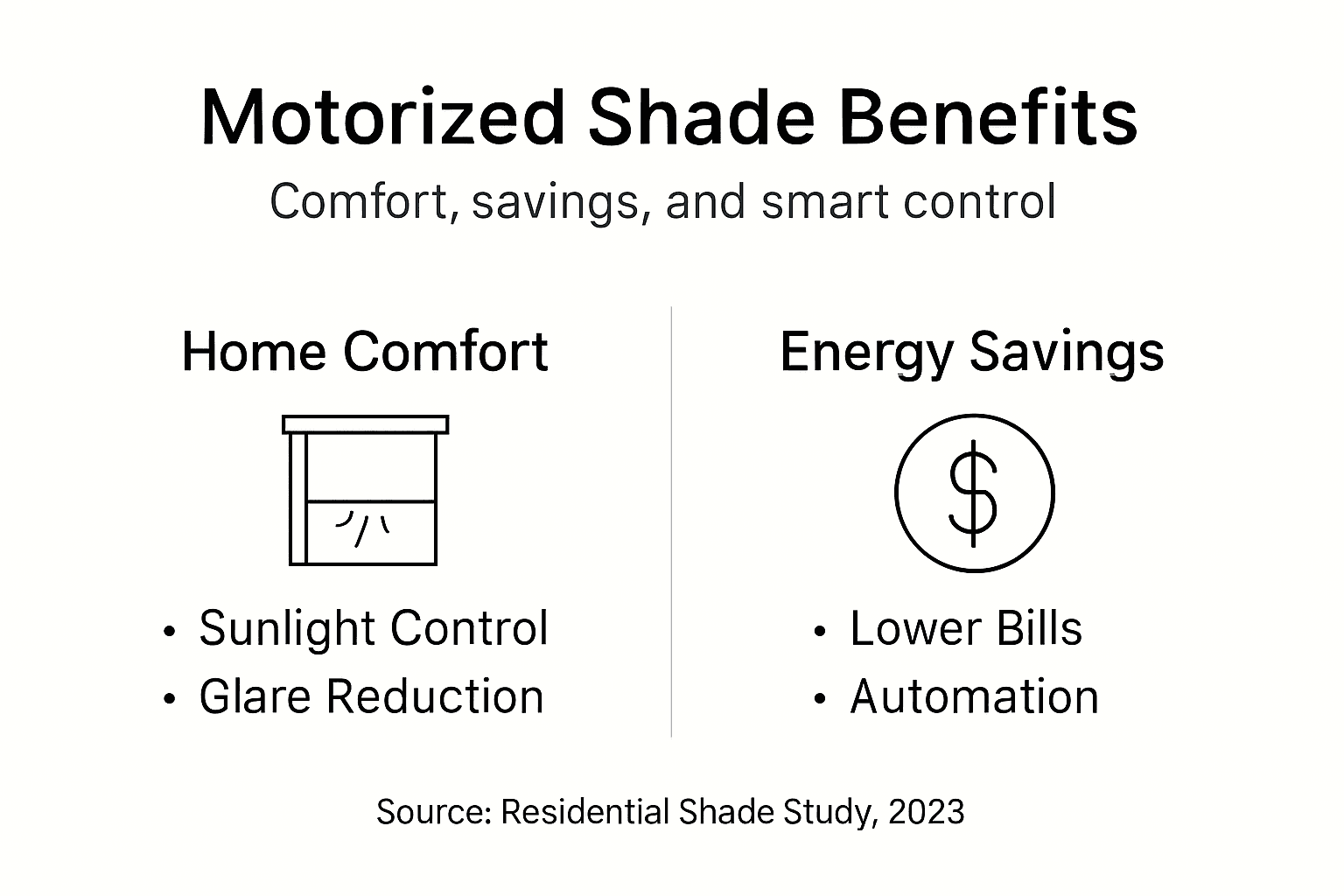
Motorized shades significantly reduce your cooling and heating costs by optimizing solar heat gain and natural light. This isn’t theoretical—homeowners see real savings on monthly energy bills.
Energy benefits include:
- Reduced HVAC load by blocking heat before it enters living spaces
- Lower electricity consumption through optimized daylight usage
- Decreased cooling demand on hot days by 20-40%
- Retained heat in winter through nighttime insulation
- Automatic adjustment eliminating human error in shade positioning
Scheduling your shades to open when outdoor temperatures match indoor settings, then close during peak heat hours, creates a passive climate control system. Your home naturally stays more comfortable while consuming less energy.
Occupant Comfort and Visual Performance
Beyond energy savings, motorized shades improve how your home feels day-to-day. Precise light and temperature control creates spaces that adapt to your activities and preferences.
Comfort improvements include:
- Glare elimination during screen time
- Privacy management without blocking all light
- Temperature regulation matching personal preferences
- Automated adjustments that respond faster than you could manually
- Consistent comfort across multiple rooms simultaneously
Pro tip: Begin with scheduling tied to sunrise and sunset times, then adjust based on your actual comfort over two weeks—this calibration period helps you understand optimal positioning for your specific home and climate zone.
Costs, Energy Savings, and Value Impact
Motorized sun shades require upfront investment, but the financial returns justify the expense through measurable energy savings and increased home value. Understanding the true cost picture—including installation, operation, and long-term savings—helps you make an informed decision.
The question isn’t whether motorized shades cost more initially. They do. The real question is how quickly they pay for themselves.
Initial Investment and Installation Costs
Motorized shade systems cost more than manual versions, with prices varying based on shade type, motor quality, and control system complexity. A typical installation for multiple windows ranges from $2,000 to $8,000 depending on your home’s size and your chosen features.
Cost factors include:
- Shade fabric or material ($50-$300 per window)
- Motor and mechanical components ($200-$500 per unit)
- Control receivers and hub systems ($300-$1,500 for smart integration)
- Professional installation labor ($500-$2,000)
- Optional add-ons like sensors or custom programming ($200-$800)
While this seems substantial, context matters. Most North American homeowners already spend $3,000-$10,000 annually on heating and cooling. Even modest energy reductions pay back the investment relatively quickly.
Documented Energy Savings
Reducing solar heat gain and improving daylight efficiency through motorized shading produces measurable results. Research shows cooling energy demand drops by up to 50% while artificial lighting usage decreases around 30%.
Real-world energy reductions typically reach:
- 25-30% decrease in total energy consumption
- 20-40% reduction in cooling costs during summer
- 10-20% improvement in heating efficiency during winter
- 30% lower artificial lighting needs from optimized daylight
For a typical North American household spending $1,500-$2,000 annually on cooling and heating, motorized shades could save $375-$600 per year. This means a $5,000 system investment pays for itself in 8-13 years, with decades of additional savings beyond that timeframe.
Return on Investment Timeline
Payback periods vary by climate, window orientation, and current energy costs. Homes in hot, sunny climates see faster returns because cooling represents a larger portion of annual utility bills.
Typical scenarios:
- Hot climates (Arizona, California, Texas): 4-7 year payback
- Moderate climates (North Carolina, Virginia): 8-12 year payback
- Cold climates (Minnesota, Canada): 10-15 year payback due to winter heating benefits
Motorized shades can reduce energy consumption significantly by blocking excess summer heat and insulating during winter. The favorable payback period often occurs within a few years while simultaneously increasing home comfort and resale value.
Home Value and Buyer Appeal
Motorized shades enhance property value beyond energy savings. Today’s homebuyers view smart home features as standard amenities, and motorized window treatments demonstrate modern home management.
Value-adding benefits:
- Smart home appeal to younger, tech-savvy buyers
- Energy efficiency credentials for eco-conscious purchasers
- Convenience factor that differentiates your home
- Safety features (no dangling cords, childproofing)
- Modern aesthetic improving perceived home quality
Motorized shades represent a tangible investment in comfort and efficiency that compounds value through both daily savings and increased resale appeal.
While motorized shades don’t increase home value dollar-for-dollar like kitchen renovations do, they contribute to the overall smart home package that buyers increasingly expect. Combined with other upgrades, they strengthen your home’s market position.
Pro tip: Use a smart savings calculator to estimate your specific payback period based on your climate zone, window configuration, and current energy rates before purchasing.
Summarizing cost, savings, and home value impact for motorized sun shades:
| Aspect | Typical Range | Impact on Homeowners | Long-Term Benefit |
|---|---|---|---|
| Initial Cost | $2,000-$8,000 | Requires upfront investment | Pays off in energy savings |
| Annual Energy Savings | $375-$600 | Reduces utility bills | Quick payback in hot climates |
| Home Value Boost | Moderate | Attracts buyers with smart features | Increased resale appeal |
Common Mistakes and What to Avoid
Motorized shade installations fail more often from planning errors than technical problems. Most mistakes happen before installation even begins—when homeowners skip crucial preparation steps or overlook compatibility issues.
Avoiding these pitfalls saves thousands of dollars and prevents frustrating system failures.
Measurement and Planning Failures
Inaccurate window measurements rank among the top installation problems. Windows that look straightforward often have irregular dimensions, sloped frames, or architectural quirks that standard measurements miss.
Measurement mistakes include:
- Measuring only once without verification from multiple points
- Ignoring frame depth needed for motor and bracket clearance
- Overlooking window slope on vaulted or angled ceilings
- Failing to account for obstacles like trim, baseboards, or hardware
- Not considering future use of adjacent windows or doors
Failing to measure windows carefully compromises fit and function from day one. Professional measurement ensures shades operate smoothly and mount securely without binding or gaps.
Measure at least three points per window—top, middle, and bottom. Account for expansion and contraction in different seasons, especially on large windows exposed to temperature swings.
Electrical and Power Supply Oversights
Motorized shades need reliable power. Overlooking electrical requirements before installation creates costly, sometimes unsafe situations.
Common electrical mistakes:
- No accessible power outlet near shade location
- Inadequate wiring for simultaneous multi-shade operation
- Ignoring code requirements for fixture-powered installations
- Battery backup misunderstanding thinking it eliminates hardwiring needs
- Overloading circuits with too many motorized units
Battery-powered shades offer flexibility but require regular charging. Hardwired systems demand professional electrical work but guarantee consistent operation. Plan your power strategy before ordering shades—changing it mid-installation costs significantly more.
Smart Home Compatibility Problems
Not all motorized shades play nicely with every smart home platform. Purchasing shades incompatible with your existing ecosystem creates frustrating limitations.
Compatibility pitfalls:
- Choosing incompatible protocols (Zigbee vs. WiFi vs. proprietary systems)
- Ignoring hub requirements that add hundreds to total cost
- Misunderstanding voice command capabilities across different platforms
- Selecting shades before planning integration with thermostats or security systems
- Not verifying app functionality across devices you actually use
Motorized shade compatibility problems emerge only after installation, making research beforehand essential for avoiding expensive mistakes.
Verify compatibility before purchasing. Contact manufacturer support with your specific smart home setup—Alexa model, Google Home version, or Apple HomeKit configuration. Confirm that integration works exactly as you expect, not just theoretically.
Calibration and Adjustment Neglect
Proper calibration determines whether shades operate smoothly for years or develop problems within months. Many homeowners skip this critical step, thinking it’s unnecessary.
Improper calibration and neglecting manufacturer guidelines compromise motorized shade function and lifespan. Setting limit stops correctly prevents the motor from straining at endpoints, which causes premature failure.
Calibration includes:
- Setting precise open and closed position limits
- Testing full range of motion without obstruction
- Verifying smooth operation throughout entire travel distance
- Checking sensor alignment and responsiveness
- Programming correct timing parameters for your specific motor
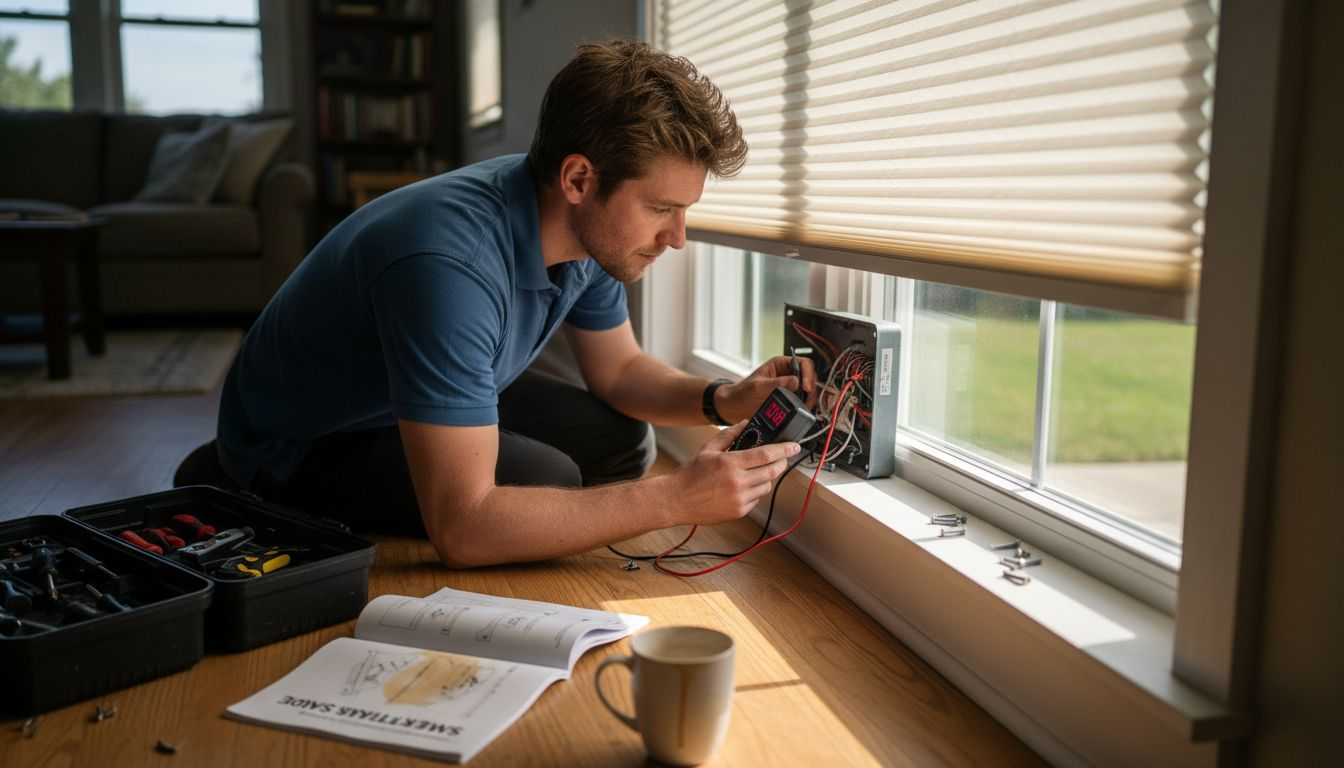
DIY Installation Without Expertise
While some motorized shade systems claim easy DIY installation, most require expertise to install properly. Attempting complex installations without experience often leads to safety and performance issues.
DIY installation risks:
- Incorrect electrical connections creating shock or fire hazards
- Structural damage from improper bracket mounting
- Misaligned motors causing binding and malfunction
- Warranty voidance from unauthorized installation
- Time investment exceeding professional labor savings
Attempting DIY installations without adequate expertise can compromise motorized shade function significantly. Professional installation ensures reliability, warranty coverage, and proper integration with your home’s electrical and smart systems.
Pro tip: Request a detailed pre-installation assessment from your provider that documents measurements, power requirements, and smart home compatibility in writing before any work begins.
Upgrade Your Home with Motorized Sun Shades for Ultimate Comfort and Efficiency
Managing sunlight and energy costs daily can feel overwhelming but motorized sun shades offer a powerful solution by automating your window treatments for maximum comfort and savings. At Value Blinds, we understand the challenges of maintaining consistent light control, reducing heat gain, and integrating smart home convenience. Our collection of Motorized and Smart Shades delivers advanced technology for seamless scheduling, voice commands, and adaptive shading that fits your lifestyle.
Take control now and transform your living spaces with our custom motorized roller, cellular, and solar shades designed to block UV rays, lower energy bills, and enhance home value. Explore how effortless shade automation can be with expertly crafted options that include battery backup and quiet motors. Get started today at Value Blinds and discover why homeowners across North America trust us for style, quality, and innovative window treatment solutions. Don’t wait to enjoy smarter comfort and real energy savings — visit our Solar Shades and Outdoor Shades collections for even more tailored sun protection options.
Frequently Asked Questions
How do motorized sun shades work?
Motorized sun shades use electric motors to automatically raise or lower the shades based on schedules or real-time environmental conditions. They can integrate with smart home systems for increased convenience, allowing for control via remote, voice commands, or mobile apps.
What are the benefits of using motorized sun shades compared to manual options?
Motorized sun shades offer convenience, consistency, and energy efficiency. They can be scheduled to operate automatically, adjust based on sunlight intensity, and integrate with smart home ecosystems, eliminating the need for manual adjustments throughout the day.
How do I choose the right type of motorized shade for my home?
Choosing the right type of motorized shade depends on your needs regarding light control, energy efficiency, and aesthetics. Common options include roller solar shades for UV protection and heat reduction, as well as cellular shades for insulation and privacy.
Can motorized sun shades help reduce energy costs in my home?
Yes, motorized sun shades can significantly reduce energy costs by minimizing the need for heating and cooling. They optimize solar heat gain, block excessive sunlight during hot days, and retain heat during cold months, resulting in lower utility bills.