
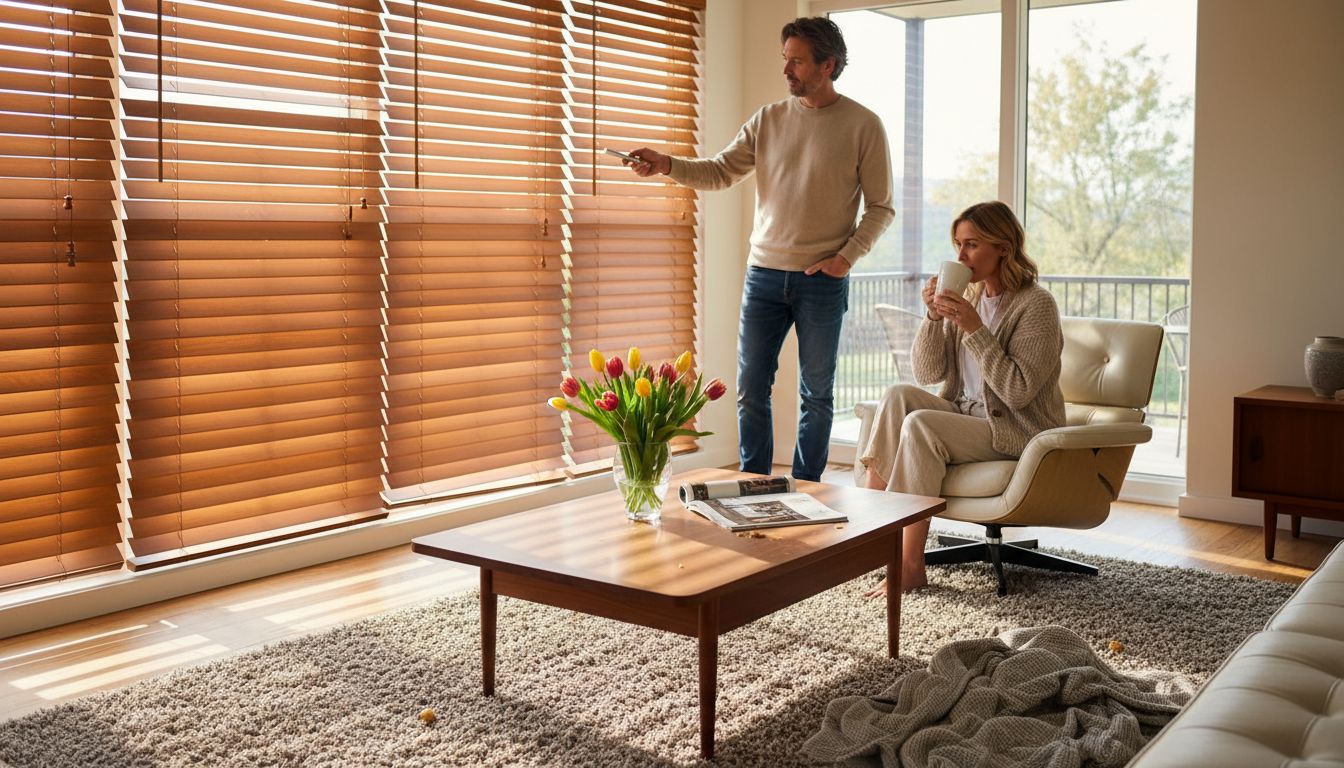
Motorized Wood Blinds: Effortless Control and Modern Style
Over 60 percent of American homeowners now consider automation when upgrading their window treatments. Choosing between manual and motorized wood blinds is not just about looks anymore. With rising interest in smart homes and energy savings, understanding the facts about motorized wood blinds helps homeowners save money and frustration. This guide sheds light on common myths, real costs, and the practical benefits that are changing how American households think about window coverings.
Table of Contents
- Defining Motorized Wood Blinds And Common Myths
- Types Of Motorized Wood Blinds Explained
- How Smart Features And Automation Work
- Installation, Compatibility, And Maintenance Needs
- Comparing Motorized Blinds To Manual Alternatives
- Cost Factors And Common Buying Mistakes
Key Takeaways
| Point | Details |
|---|---|
| Motorized Wood Blinds Offer Convenience | These window treatments allow for automated control of light and privacy, integrating seamlessly with smart home technologies. |
| Affordability and Accessibility | Contrary to common myths, motorized wood blinds are available in various price ranges and installation is often straightforward. |
| Durability and Performance | Modern technology ensures quiet operation and long-lasting functionality, making these blinds reliable for everyday use. |
| Energy Efficiency Benefits | Automated positioning enhances energy savings by optimizing natural light and temperature control in living spaces. |
Defining Motorized Wood Blinds and Common Myths
Motorized wood blinds represent a sophisticated window treatment solution that combines classic wooden aesthetics with cutting-edge automation technology. These innovative window coverings transform traditional manual blinds into smart home components, allowing homeowners to control light, privacy, and room temperature with simple touch controls or smartphone applications. Unlike standard manual blinds, motorized wood blinds offer unprecedented convenience and precision in managing interior environments.
Contrary to popular misconceptions, motorized wood blinds are not just expensive novelties but practical home enhancement tools. Many homeowners mistakenly believe these blinds are prohibitively costly or complicated to install. However, modern motorized wood blinds come in various price ranges and can be integrated seamlessly into existing home designs. The technology has become increasingly accessible, with wireless options that minimize complex wiring and installation requirements. Some models can even be retrofitted onto existing wooden blinds, making upgrades more affordable and straightforward.
The most persistent myths surrounding motorized wood blinds often revolve around their functionality and durability. Homeowners worry that automated mechanisms might compromise the structural integrity of wooden blinds or create noise during operation. Advanced motorization technologies have effectively addressed these concerns. Modern motorized systems operate quietly, with smooth, precise movements that protect the blind’s structural components. High-quality motorized wood blinds are engineered to withstand frequent use, with robust internal mechanisms designed to provide years of reliable performance. Motorized blinds enhance home convenience while maintaining the timeless elegance of traditional wooden window treatments.
Key advantages of motorized wood blinds include:
- Precise light control with programmable settings
- Enhanced energy efficiency through automated positioning
- Increased home security by simulating occupancy
- Accessibility for individuals with mobility challenges
- Integration with smart home ecosystems
By understanding the realities behind motorized wood blinds, homeowners can make informed decisions about incorporating these innovative window treatments into their living spaces. The combination of classic wooden design and modern automation represents a compelling solution for those seeking both style and functional sophistication in their home environments.
Types of Motorized Wood Blinds Explained
Motorized wood blinds come in a diverse range of styles, materials, and configurations designed to meet various aesthetic and functional needs. Wood types for motorized blinds significantly influence their performance, appearance, and durability. According to specialized research, manufacturers offer an impressive variety of wood options including basswood, oak, ash, ebony, mahogany, and teak, with standard slat widths typically measuring 50 mm. Each wood type brings unique characteristics to window treatments, allowing homeowners to select blinds that perfectly complement their interior design.
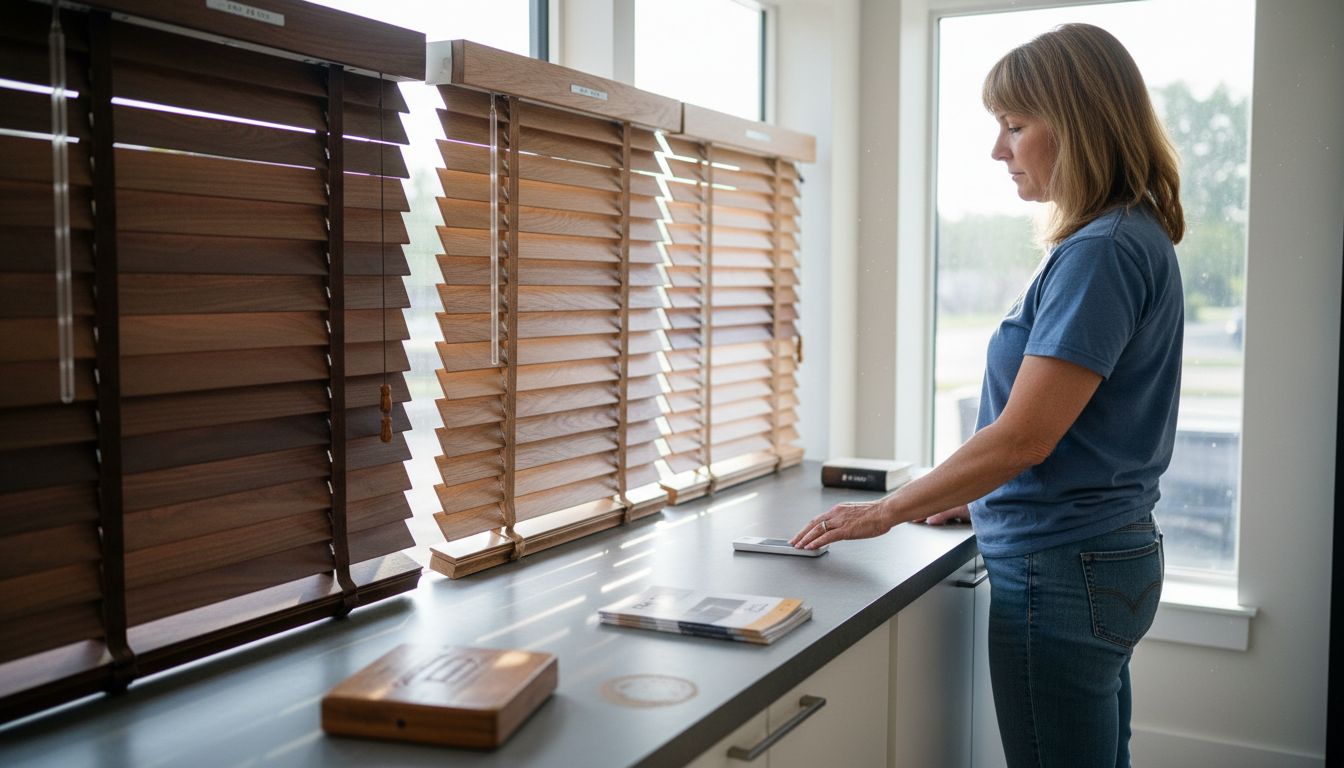
The motorization technology for wood blinds can be categorized into several distinct types. Wireless motorized systems have become increasingly popular, offering seamless integration with smart home ecosystems and eliminating the need for complex wiring. Battery-powered options provide flexibility in installation, while hardwired systems offer consistent power for longer-term use. Some advanced models feature solar-powered mechanisms, combining energy efficiency with modern convenience. Smart blinds integration allows users to control their window treatments through smartphone applications, voice commands, or automated scheduling systems.
When selecting motorized wood blinds, homeowners can choose from multiple control mechanisms and technological configurations. Options range from simple remote controls to sophisticated smart home integrations that can adjust blinds based on sunlight intensity, time of day, or even ambient temperature. Some advanced systems offer:
- Individual room zone control
- Temperature and light sensors
- Synchronization with home security systems
- Programmable daily routines
- Energy efficiency tracking
The versatility of motorized wood blinds extends beyond their technological features. Different mounting options allow for inside or outside window frame installations, accommodating various architectural styles and personal preferences. Slat sizes can vary from narrow 1-inch options to wider 2.5-inch designs, providing homeowners with the flexibility to match their specific aesthetic and functional requirements. By understanding these diverse options, consumers can select motorized wood blinds that not only enhance their home’s technological capabilities but also elevate its overall design and comfort.
How Smart Features and Automation Work
Smart motorized wood blinds represent a quantum leap in home automation, transforming traditional window treatments into intelligent systems that adapt to homeowners’ preferences and environmental conditions. Home automation technologies enable these sophisticated window coverings to operate with unprecedented precision and convenience. Modern smart blinds can be controlled through multiple interfaces, including smartphone applications, voice commands, and integrated home management systems, allowing users to adjust their window treatments with remarkable ease.
The core of smart motorized blinds’ functionality lies in their advanced sensor and connectivity technologies. Recent innovations enable blinds to respond dynamically to changing environmental conditions, such as sunlight intensity, room temperature, and time of day. Some cutting-edge systems can automatically adjust their positioning to optimize natural lighting, reduce energy consumption, and maintain optimal indoor comfort. Research shows that these intelligent window treatments can be programmed to open and close at specific times, creating seamless automation that enhances both convenience and energy efficiency.
Control mechanisms for smart motorized wood blinds have evolved to offer unprecedented flexibility. Homeowners can now manage their window treatments through:
- Voice activation with digital assistants like Siri and Alexa
- Smartphone applications with comprehensive scheduling options
- Integrated home security system synchronization
- Geofencing technologies that adjust blinds based on occupancy
- Weather-responsive automatic adjustments
The integration of smart technologies has fundamentally reimagined window treatments. Beyond simple mechanical operation, modern motorized wood blinds now function as sophisticated environmental management systems. They can track energy consumption, provide insights into home thermal performance, and even contribute to overall home security by simulating occupancy during extended absences. This transformation represents more than a technological upgrade—it’s a comprehensive approach to creating intelligent, responsive living spaces that adapt to residents’ needs with minimal manual intervention.
Installation, Compatibility, and Maintenance Needs
Installing motorized wood blinds requires careful planning and consideration of multiple technical and architectural factors. Motorized blind installation involves selecting the appropriate mounting style, understanding electrical requirements, and ensuring compatibility with existing home infrastructure. Homeowners have options for inside mount, outside mount, and ceiling mount installations, each presenting unique considerations for measurement, power sources, and structural support.
Compatibility represents a critical aspect of motorized wood blind selection and implementation. Modern systems must integrate seamlessly with existing smart home ecosystems, including voice assistant platforms, home automation hubs, and smartphone control applications. Wireless technologies like Bluetooth and WiFi have simplified connectivity, allowing users to synchronize their window treatments with other smart devices without complex wiring or professional installation. Key compatibility considerations include:
- Wireless protocol standards
- Voltage and electrical requirements
- Smart home platform integration
- Battery or hardwired power options
- Remote control and smartphone app functionality
Maintenance for motorized wood blinds differs significantly from traditional manual window treatments. The mechanical and electronic components require periodic attention to ensure optimal performance and longevity. Regular maintenance tasks include:
- Cleaning motor mechanisms and electrical contacts
- Lubricating moving parts
- Checking battery systems and replacing when needed
- Inspecting wood slats for potential warping or damage
- Updating firmware for smart control systems
Successful implementation of motorized wood blinds demands a holistic approach that balances technological sophistication with practical installation strategies. Homeowners should prioritize professional consultation during initial selection and installation, ensuring that their chosen window treatments not only meet aesthetic and functional requirements but also provide reliable, long-term performance with minimal ongoing maintenance challenges.
Comparing Motorized Blinds to Manual Alternatives
Motorized wood blinds represent a significant technological advancement over traditional manual window treatments, offering homeowners unprecedented control and convenience. Remote controlled window solutions have transformed the way people interact with their interior spaces, eliminating the physical limitations inherent in manual blind operation. While manual blinds require direct physical manipulation, motorized alternatives provide seamless adjustment through multiple interfaces including smartphone apps, voice commands, and automated scheduling systems.
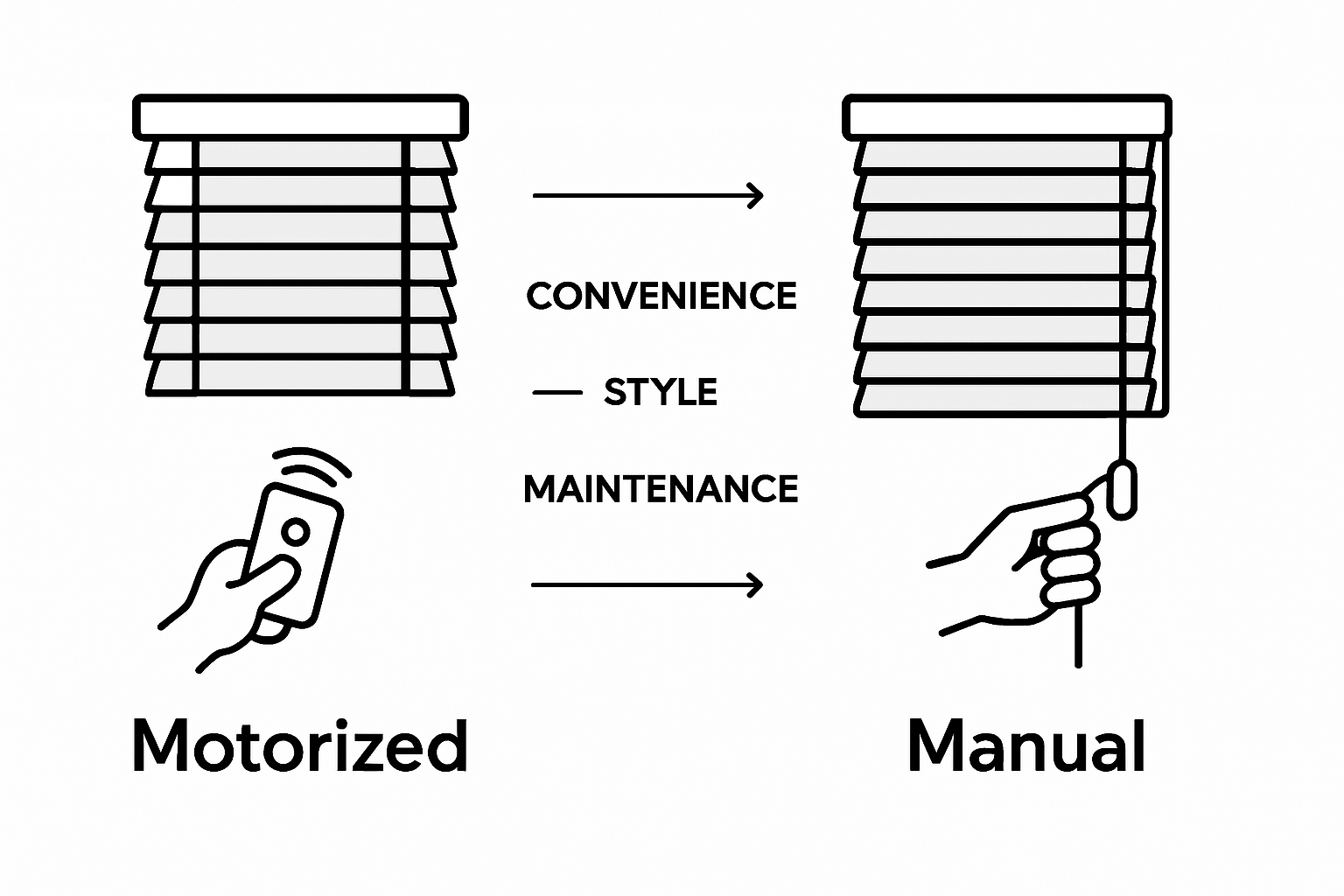
The functional differences between motorized and manual blinds extend far beyond simple operation convenience. Manual blinds demand constant physical interaction, making precise positioning challenging and potentially causing wear and tear from repeated handling. Motorized wood blinds, by contrast, offer pinpoint accuracy in positioning, allowing users to create exact lighting and privacy configurations with minimal effort. Advanced systems can automatically adjust based on environmental conditions such as sunlight intensity, room temperature, and time of day, creating dynamic living environments that manual blinds simply cannot replicate.
Key comparative advantages of motorized blinds include:
- Precise positioning impossible with manual adjustments
- Reduced physical wear and mechanical stress
- Enhanced energy efficiency through automated temperature management
- Improved accessibility for individuals with mobility challenges
- Integration with comprehensive smart home ecosystems
- Potential increase in property value through technological upgrades
Cost considerations reveal a nuanced perspective on motorized versus manual blinds. While initial investment for motorized wood blinds is typically higher, long-term benefits often justify the additional expense. The enhanced energy efficiency, reduced mechanical stress, and potential property value increase can offset the upfront cost. Moreover, motorized blinds represent an investment in home technology that aligns with increasingly sophisticated residential design trends, offering homeowners a blend of aesthetic sophistication and functional innovation.
Cost Factors and Common Buying Mistakes
Purchasing motorized wood blinds requires a strategic approach that considers multiple financial and technical considerations beyond initial price point. Understanding the cost of custom blinds involves evaluating not just the upfront investment, but long-term value, energy efficiency, and potential home improvement benefits. Homeowners must look beyond the sticker price and analyze total ownership costs, including installation, maintenance, and potential energy savings.
Several critical cost factors directly impact the overall investment in motorized wood blinds. Material quality plays a significant role, with premium hardwoods like oak, mahogany, and teak commanding higher prices compared to more economical options like basswood. Technological features such as smart home integration, advanced sensor systems, and wireless connectivity can substantially increase initial costs. Additional price determinants include:
- Customization complexity
- Window size and configuration
- Motor and control system sophistication
- Smart home ecosystem compatibility
- Warranty and support options
Common buying mistakes can significantly undermine the value of motorized wood blind investments. Many consumers fall into predictable traps such as:
- Prioritizing lowest price over long-term performance
- Overlooking compatibility with existing home systems
- Neglecting professional measurement and installation
- Failing to consider maintenance and replacement costs
- Underestimating the importance of warranty coverage
Successful motorized wood blind purchases require a holistic approach that balances aesthetic preferences, technological capabilities, and budgetary constraints. Homeowners should view these window treatments as a comprehensive home improvement investment, carefully evaluating performance metrics, energy efficiency potential, and overall quality rather than focusing exclusively on initial purchase price. Strategic selection involves understanding the nuanced relationship between upfront costs and long-term value, ensuring a solution that provides both functional excellence and financial prudence.
Experience Effortless Control and Timeless Style with Motorized Wood Blinds
Managing natural light and home comfort should never feel complicated or outdated. If you have been seeking precise light control combined with modern automation and classic wooden aesthetics, motorized wood blinds can transform your living space. This article highlights how motorized blinds offer quiet, durable operation, seamless smart home integration, and improved security while maintaining the warm, elegant appeal of wood. Say goodbye to the hassle of manual adjustments and welcome the ease of programmable settings designed to fit your lifestyle.
Discover a wide selection of customizable motorized wood blinds at Value Blinds. From premium materials to expert installation support, every detail is focused on making your upgrade simple and rewarding. Explore our newest designs at New Arrivals to find the perfect match that blends style with intelligent functionality. Start your journey to smarter, more beautiful window treatments today and enjoy the convenience and sophistication you deserve.
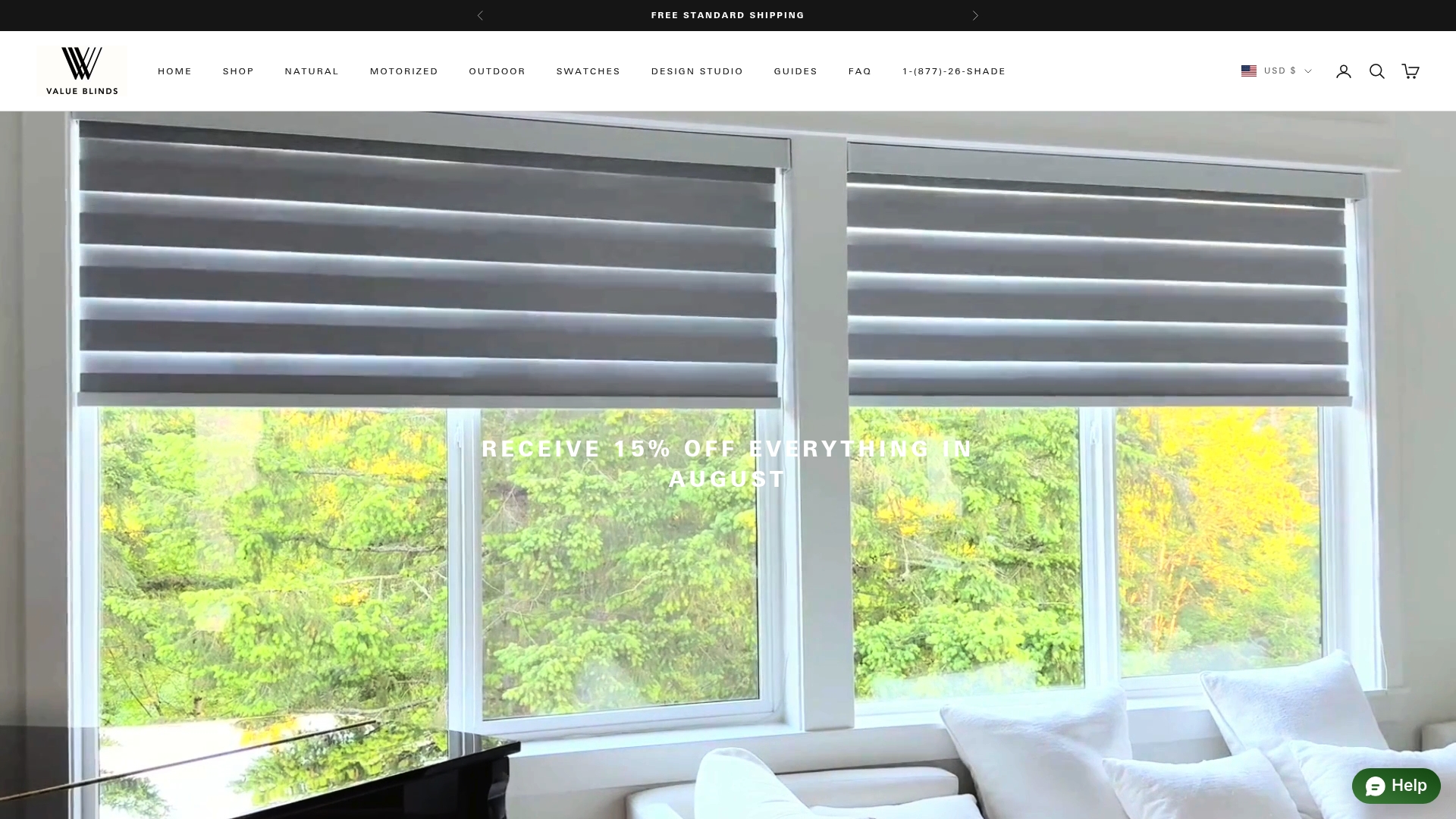
Ready to enhance your home with motorized wood blinds designed for effortless control and modern style Explore our offerings now at Value Blinds and take the first step toward a smarter, more comfortable living environment.
Frequently Asked Questions
What are motorized wood blinds?
Motorized wood blinds are window treatments that combine the classic look of wooden blinds with automation technology, allowing you to control light, privacy, and temperature with a remote or smartphone app.
How do motorized wood blinds improve energy efficiency?
Motorized wood blinds can be programmed to open and close based on sunlight intensity and time of day, optimizing natural lighting and reducing energy consumption in your home.
What are the main differences between motorized and manual blinds?
Motorized blinds offer seamless operation through remote controls or apps, allowing for precise light control and minimal physical wear, while manual blinds require physical handling for adjustments, which can be less convenient.
How do I maintain motorized wood blinds?
Maintenance includes cleaning the mechanical and electronic parts, lubricating moving components, checking battery systems, and inspecting wood slats for damage to ensure long-term performance.
Recommended
- Complete Guide to Motorized Faux Wood Blinds
- Motorized Blinds and Shades: Complete Guide
- Motorized Blinds: Enhance Your Home with Convenience and Style
- Smart Blinds: Complete Guide to Modern Automation
- 7 Smart Living Room Design Inspiration Ideas for All Spaces - Projector Display