

Optimize office spaces with energy-efficient window treatments
TL;DR:
- Proper window treatments can reduce office energy use by up to 35%.
- Cellular honeycomb shades offer the best insulation and energy efficiency.
- Automated shades provide quick ROI and enhance employee comfort and productivity.
Most office managers think of window treatments as a finishing touch, something to make the space look polished. But research tells a different story. The right window coverings can cut HVAC energy use significantly, protect thousands of dollars worth of furniture, and even boost employee focus. Cellular honeycomb shades are the most energy-efficient option available, trapping air in their cells to create a natural insulation barrier. This guide walks you through every major option, compares performance data, and gives you a clear framework for choosing window treatments that pay for themselves.
Table of Contents
- Why window treatments matter for offices
- Overview of top window treatment options for offices
- Maximizing energy efficiency with shades and automation
- Design, privacy, and customization considerations
- What most offices overlook about window treatments
- Upgrade your office with expert window solutions
- Frequently asked questions
Key Takeaways
| Point | Details |
|---|---|
| Maximize energy savings | Cellular and motorized shades can reduce office energy use by up to 35%. |
| Automation boosts ROI | Automated shades offer greater long-term payback and real-time comfort. |
| Customization matters | Tailoring treatments ensures the right mix of privacy, light, and brand style. |
| Expert advice pays off | Consulting specialists prevents costly mistakes and ensures optimal results. |
Why window treatments matter for offices
Glare on computer screens. Afternoon heat waves pouring through south-facing windows. Fading leather chairs and bleached carpet edges. These are not minor annoyances. They are daily productivity drains and long-term cost problems that most businesses quietly absorb without ever connecting them to their windows.
Uncovered or poorly covered office windows are responsible for a surprising share of energy waste. In summer, solar heat gain forces your HVAC system to work overtime. In winter, cold glass surfaces pull warmth out of the room. Neither situation is comfortable for employees, and both show up on your utility bill every single month.
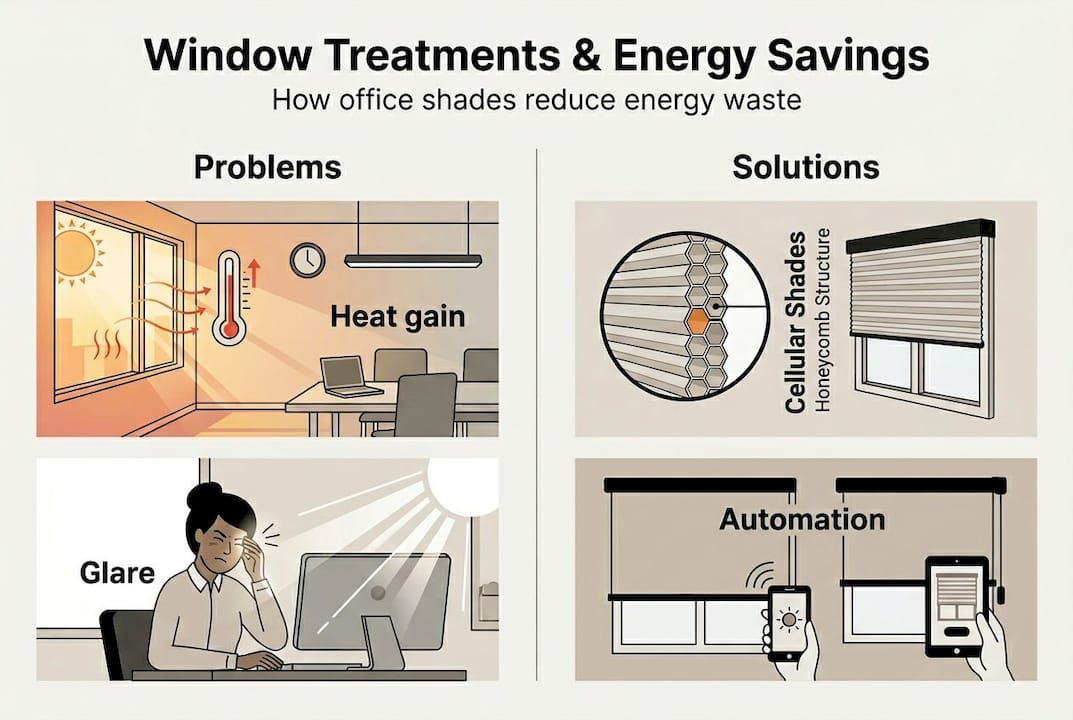
The numbers behind this problem are worth pausing on. Energy savings of 10 to 35% are achievable with the right window treatments, with payback periods ranging from 3 to 22 years depending on the solution. Productivity also improves when glare and eye strain are reduced, and UV protection from quality shades extends the life of office furniture, flooring, and artwork.
Here is a quick summary of what poor window coverage costs your office:
- Higher HVAC bills from uncontrolled heat gain and loss
- Glare and eye strain leading to reduced focus and more errors
- UV damage fading furniture, carpet, and branded materials
- Inconsistent temperatures creating comfort complaints across zones
- Lost productivity from employees adjusting to uncomfortable light conditions
“The right window treatments don’t just improve how an office looks. They directly affect how much you spend on energy and how well your team performs every day.”
The good news is that modern window treatments are engineered specifically to address all of these issues. Cellular shades in particular have become a go-to choice for offices that want measurable performance gains alongside a clean, professional look. Now that we’ve established why window treatments offer more than just style, let’s explore types that deliver the most value for office environments.
Overview of top window treatment options for offices
Not every window treatment performs the same way in an office setting. What works beautifully in an executive suite may be completely wrong for an open-plan workspace or a glass-walled conference room. Here is how the leading options compare.
| Treatment type | Best for | Energy performance | Customization | Maintenance |
|---|---|---|---|---|
| Cellular shades | All office types | Excellent | High | Low |
| Solar roller shades | Open offices, south-facing | Good | High | Very low |
| Vertical blinds | Large windows, sliding doors | Moderate | Moderate | Low |
| Wood/faux wood blinds | Executive offices | Moderate | High | Moderate |
| Motorized shades | Any zone needing automation | Excellent | Very high | Very low |
Cellular shades reduce HVAC energy use by up to 25%, making them the strongest performer in the lineup. Solar roller shades are a close second for open offices because they cut glare while preserving outside views, which employees tend to appreciate. Vertical blinds remain practical for very large windows or sliding glass doors, though they offer less insulation.
Key factors to weigh when comparing options:
- Open offices benefit from solar shades that reduce glare without blocking daylight entirely
- Executive suites often call for wood blinds or layered treatments that signal quality
- Conference rooms need flexible light control, making motorized options ideal
- Reception areas benefit from treatments that reinforce brand colors and aesthetics
Pro Tip: For offices with floor-to-ceiling windows, consider pairing solar roller shades on the lower half with a sheer cellular shade on the upper half. You get glare control at eye level and soft diffused light above.
Automation is increasingly the deciding factor for larger offices. Motorized blinds allow you to schedule shade positions throughout the day, responding to sun angles without anyone having to leave their desk. And honeycomb blinds in motorized configurations give you both peak insulation and hands-free convenience in one product. Understanding these core benefits, it’s crucial to select products specifically suited for your office’s unique requirements.
Maximizing energy efficiency with shades and automation
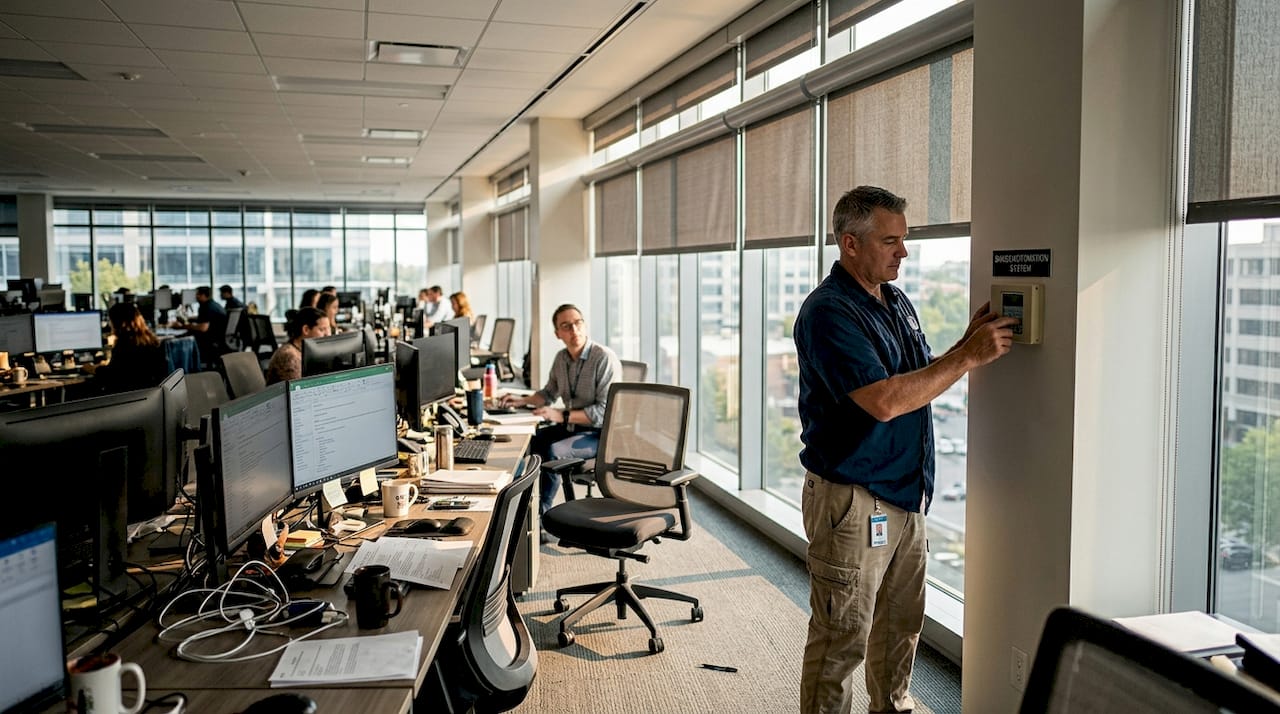
If energy savings are your primary goal, automation is where the real gains live. Manual shades depend on employees remembering to adjust them, which rarely happens consistently. Automated systems respond to schedules, light sensors, or building management integrations, and the performance difference is measurable.
Research comparing manual versus automated shade systems found that dynamic automated control yields 20.5% daily energy savings compared to just 11.8% for manual operation. That gap compounds over a full year across multiple windows. Payback on automated systems can be as low as 4.4 years, which is a strong ROI for a capital improvement.
Here is a step-by-step approach to implementing automation in a typical office:
- Audit your windows by orientation. South and west-facing windows gain the most heat and need the most active management.
- Choose your shade type first. Cellular shades for insulation-heavy needs, solar shades for glare-focused zones.
- Select a motorization platform that fits your building’s existing controls or a standalone smart hub.
- Program daily schedules based on sun angles. Most offices benefit from lowering shades between 10am and 3pm on sunny days.
- Add sensors for clouds and seasonal shifts so the system adjusts without manual reprogramming.
| Control method | Daily energy savings | Payback period |
|---|---|---|
| No treatment | 0% | N/A |
| Manual shades | ~11.8% | 8 to 22 years |
| Automated motorized | ~20.5% | As low as 4.4 years |
The efficiency advantage of motorized solar shades is especially clear in offices with large glass facades. You can also explore remote controlled shade options as a middle ground if full automation feels like too large a step initially. For a deeper comparison of systems, the motorized blinds advantages guide breaks down the technology in plain terms. With the main options compared, let’s now address privacy, style, and customization for the best overall office environment.
Design, privacy, and customization considerations
Energy performance matters, but your window treatments also need to work visually and functionally across very different zones within the same office. A reception area, a private office, and a shared conference room all have different privacy needs, light requirements, and aesthetic expectations.
Privacy is often the most overlooked factor in office window treatment planning. Open-plan offices near street level need treatments that prevent outsiders from seeing in during the day without making the interior feel dark. Top-down bottom-up cellular shades solve this elegantly. You can raise the lower portion for privacy while keeping the upper portion open for natural light.
For conference rooms, blackout capability matters during presentations. For private offices, the priority shifts to glare control and a polished appearance. Here is a practical breakdown:
- Reception and lobbies: Use treatments that reflect brand colors and project a professional image
- Open workspaces: Prioritize glare reduction and consistent light levels across desks
- Private offices: Focus on light control flexibility and acoustic comfort
- Conference rooms: Motorized blackout shades give full control at the push of a button
- Break rooms: Light filtering options that feel relaxed and less formal
Customization goes beyond color. Fabric openness, opacity level, operating mechanism, and frame finish all affect both function and appearance. UV protection from quality treatments also prevents interior fading, which means your branded furniture and flooring hold their color and value longer.
Pro Tip: Order fabric swatches before committing to a large office order. What looks neutral on a screen can read very differently under fluorescent office lighting.
The design studio at Value Blinds lets you visualize treatments in your actual space before purchasing, which removes a lot of the guesswork from large-scale office projects.
What most offices overlook about window treatments
Here is the uncomfortable truth we see again and again: most office managers make their window treatment decision based on the lowest quote, then spend years paying for that choice in energy bills, replacement costs, and frustrated employees.
Cheap treatments wear out faster, offer minimal insulation, and often lack the customization needed for different office zones. The initial savings evaporate within the first two years. Meanwhile, a properly specified cellular or motorized system keeps performing for a decade or more.
The second mistake is skipping expert consultation. Window orientation, building type, local climate, and existing HVAC capacity all affect which treatment delivers the best ROI for your specific office. A design consultation takes less than an hour and can prevent a five-figure mistake.
Finally, many offices install window treatments once and never revisit the decision. Technology has moved fast. Automation options that were expensive five years ago are now accessible for mid-size offices. If your current setup is more than seven years old, it is worth reassessing what you are leaving on the table in energy savings and employee comfort.
Upgrade your office with expert window solutions
Ready to put these insights into action? Value Blinds offers a full range of custom window treatments designed specifically for offices that need to balance performance, privacy, and professional style.
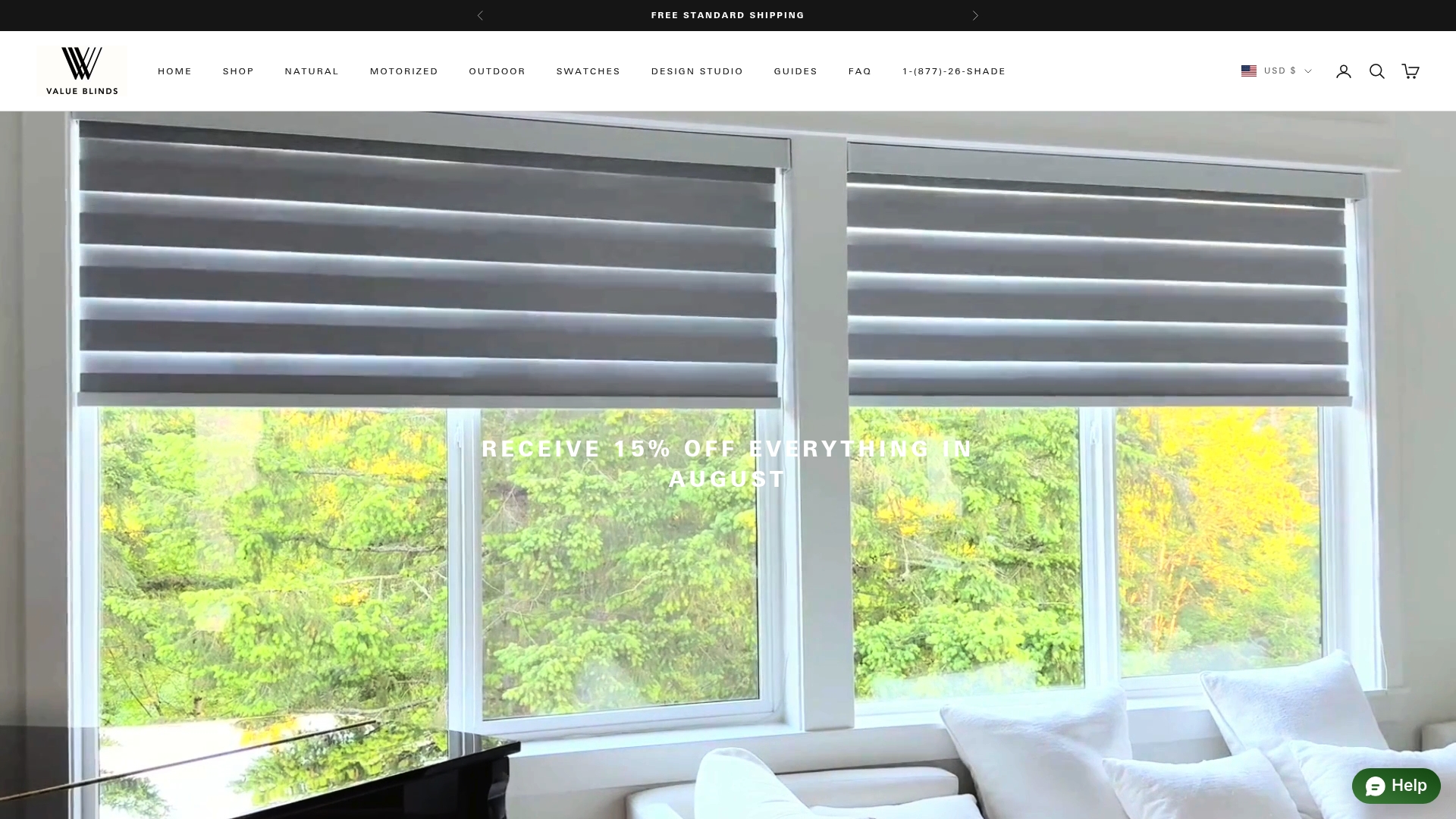
Whether you are outfitting a single executive suite or managing a multi-floor commercial project, our custom design studio helps you visualize and configure the right solution before you buy. Browse our top office blinds to compare styles and materials, or explore our day and night cellular shades for the best combination of insulation and light control. Our team is ready to help you find the right fit for your space, your budget, and your energy goals.
Frequently asked questions
What window treatments help reduce office energy bills most?
Cellular honeycomb shades and motorized automated systems deliver the highest energy savings, with potential reductions of up to 35% compared to uncovered or poorly covered windows.
How fast does an office see ROI from automated shades?
Payback for automated shade systems can be as quick as 4.4 years, depending on your energy usage, local utility rates, and any available efficiency incentives.
Do motorized window treatments require major renovations?
No, most modern motorized shades are designed to retrofit onto standard office windows without construction work, making them a practical upgrade for existing spaces.
Can window treatments really improve office productivity?
Yes, reducing glare and regulating natural light directly lowers eye strain and temperature discomfort, both of which are proven contributors to distraction and reduced focus during the workday.