
Top Down Bottom Up Bamboo Shades: Light, Privacy, and Style
Finding window treatments that balance style, privacy, and energy efficiency can feel overwhelming for urban homeowners. The right choice transforms not just the look of your space but how comfortable and functional it feels day and night. With flexible light and privacy control available in top down bottom up bamboo shades, you get modern, natural beauty along with practical benefits tailored for city living.
Table of Contents
- What Are Top Down Bottom Up Bamboo Shades
- Key Features of Bamboo Shade Designs
- Types and Customization Options Available
- Privacy, Light Control, and Energy Efficiency
- Comparing Costs and Common Buying Mistakes
Key Takeaways
| Point | Details |
|---|---|
| Dual Control | Top down bottom up bamboo shades allow independent adjustment for light and privacy from both the top and bottom. |
| Energy Efficiency | These shades help regulate temperatures, potentially lowering heating and cooling costs by 15-25%. |
| Versatile Aesthetic | Bamboo shades complement various decor styles, adding natural warmth and texture without additional accessories. |
| Customization Options | Various weave styles, control mechanisms, and finish choices ensure the perfect fit for your unique window needs. |
What Are Top Down Bottom Up Bamboo Shades
Top down bottom up bamboo shades are window coverings that offer two-way control of light and privacy from both the top and bottom of your window. You can lower the shade from above or raise it from below, giving you complete flexibility over how much light enters your space and when.
These shades combine the natural warmth of bamboo material with the practical functionality of dual-operation blinds. Unlike traditional shades that only open and close in one direction, flexible light and privacy control with bamboo shades lets you adjust coverage independently from top and bottom.
How They Work
The mechanism is straightforward. Each shade features two separate lift cords positioned on either side of the shade.
- Lower cord: Pulls the shade down from the top
- Upper cord: Pulls the shade up from the bottom
- Center position: Meet in the middle for partial coverage
You control how much bamboo material covers your window, whether you want light filtering at the top while blocking views from the bottom, or any combination in between.
Why Bamboo Shades Matter
Bamboo offers specific advantages for urban homeowners seeking style and sustainability. The material is durable, sustainable, and naturally regulates temperature, helping with energy efficiency.
Bamboo shades also provide a warm, organic aesthetic that complements modern and traditional décor alike. The natural grain and texture add visual interest without requiring additional accessories.
These shades work particularly well in urban apartments where privacy and light control are often competing needs on the same window.
Real-World Application
Imagine your bedroom faces a busy street. With top down bottom up operation, you can lower the shade from above to block early morning sunlight while keeping the lower portion open for ventilation and natural light during the afternoon.
Or consider a bathroom window. Lower the top portion for privacy from neighbors while raising the bottom to let in natural light without exposing the interior.
This versatility makes them ideal for living rooms, bedrooms, kitchens, and home offices where your lighting and privacy needs change throughout the day.
Pro tip: Install top down bottom up bamboo shades on east-facing windows to block harsh morning sun while maintaining afternoon natural light, reducing your cooling costs by up to 25% during warmer months.
Key Features of Bamboo Shade Designs
Bamboo shade designs pack several features that make them stand out from standard window treatments. Understanding these characteristics helps you choose the right product for your specific needs and space.
Material Quality and Durability
Bamboo is naturally strong and resistant to warping, making it ideal for window applications. The material doesn’t crack easily or deteriorate quickly like some synthetic alternatives.
Quality bamboo shades maintain their appearance for years with minimal maintenance. A simple dusting keeps them looking fresh without requiring special cleaning products or techniques.
Aesthetic Appeal
The natural grain patterns in bamboo create visual warmth that synthetic materials cannot replicate. Each shade has unique markings, giving your windows an authentic, organic look.
Bamboo pairs seamlessly with modern, minimalist, and traditional décor styles. The neutral tones work with virtually any color scheme in your home, from neutral walls to bold accent colors.
Bamboo shades add sophistication without requiring additional window accessories like valances or decorative hardware.
Light Filtration Properties
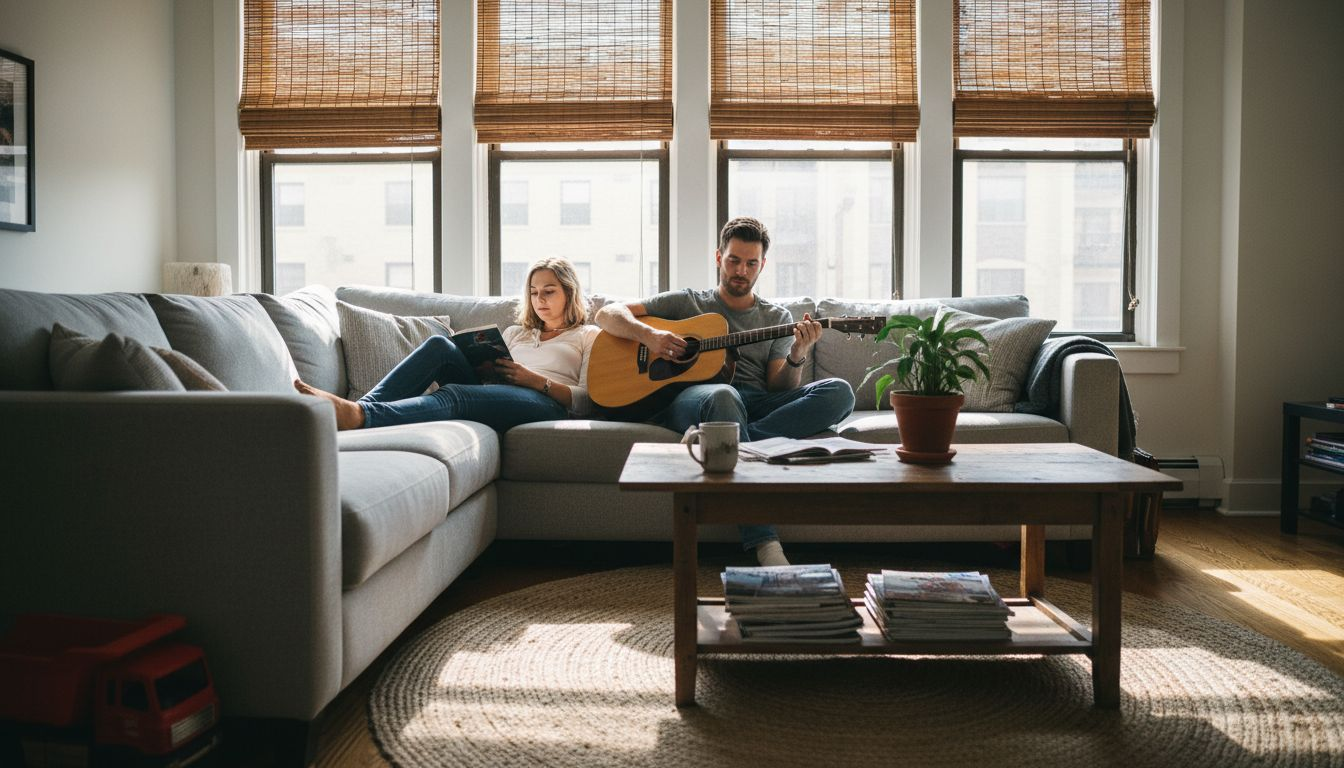
Bamboo naturally filters harsh sunlight while allowing diffused light to enter your space. This softens bright daylight and reduces glare on screens and furniture.
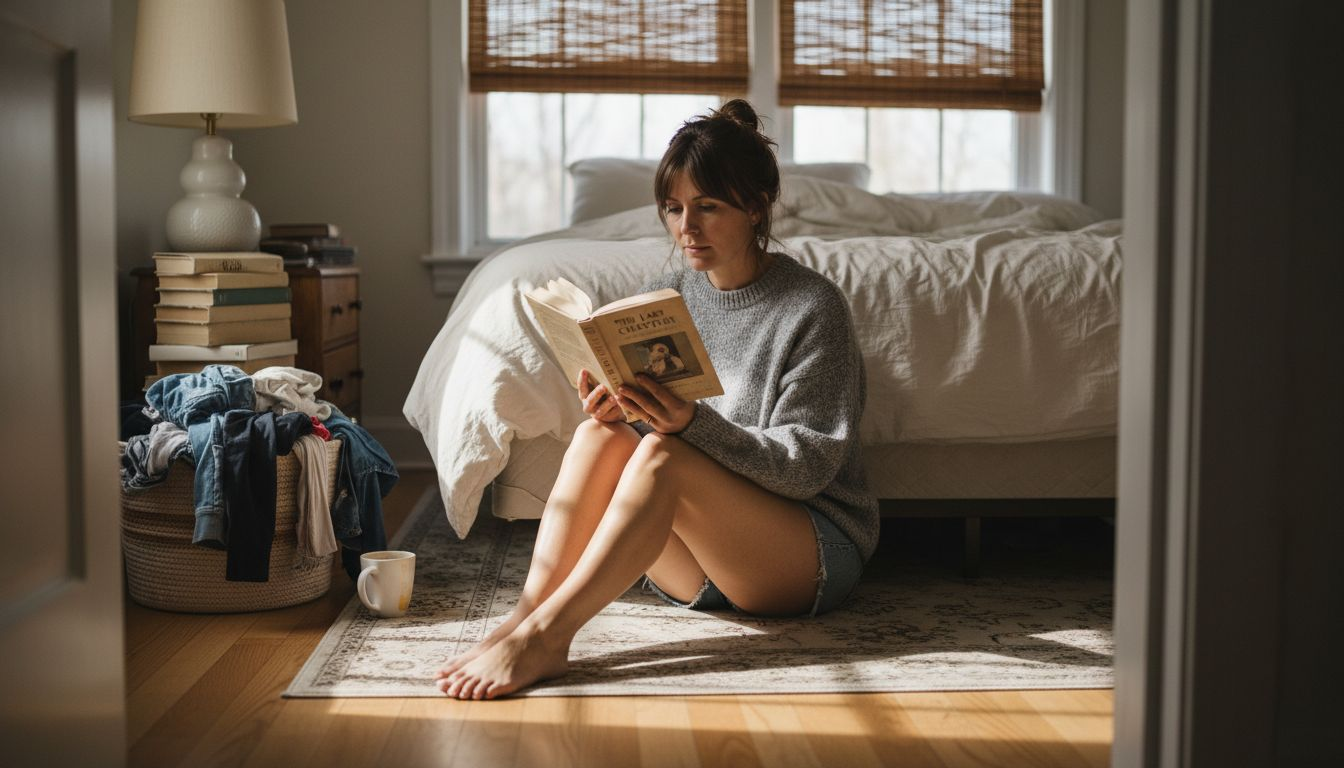
The woven structure of bamboo shades creates dappled patterns when light passes through, adding visual interest to your rooms.
Privacy Control Features
Privacy enhancement is a core strength of bamboo shade designs. When fully closed, bamboo weaves block outside views while still permitting some light penetration.
The top down bottom up mechanism gives you additional control over which sections provide privacy at any time. You can block street-level views while keeping upper portions open for sky light.
Energy Efficiency Benefits
Bamboo’s natural insulating properties help regulate window temperatures. The material adds a layer of insulation that reduces heat transfer in both summer and winter.
This thermal regulation can lower your heating and cooling costs throughout the year. Urban apartments especially benefit from this feature when dealing with adjacent buildings or windows.
Key Design Elements
Most bamboo shades include these features:
- Smooth or textured weaves for different visual effects
- Reinforced frames that prevent sagging over time
- Corded or cordless lift systems depending on your preference
- Adjustable tension to control shade movement
- Wide range of sizes from compact windows to floor-to-ceiling installations
Pro tip: Choose textured bamboo weaves for living areas where you want visual interest, and smooth weaves for bedrooms where you prefer a sleek, minimalist appearance.
Types and Customization Options Available
Bamboo shades come in various styles and configurations designed to fit different windows, décor preferences, and functional needs. The customization options available ensure you find the perfect fit for your urban home.
Weave Styles and Patterns
Bamboo shades offer different weave types that affect both appearance and light filtering. Open weaves allow more light penetration while creating decorative shadow patterns on walls and floors.
Closed weaves block more light and provide better privacy when fully lowered. Mid-range weaves offer a balance between light control and visibility, making them versatile for most rooms.
Each weave style has a distinct visual character. Some feature fine, delicate patterns while others display bold, prominent grid structures that become part of your room’s design.
Control Mechanism Options
Your choice of lift system affects both convenience and aesthetics. Corded systems use traditional pulleys and cords, offering straightforward operation at a lower price point.
Cordless mechanisms eliminate dangling cords, creating a cleaner look and improving safety if you have children or pets. These systems operate smoothly and require slightly more initial investment.
Motorized options provide push-button or smartphone control. Urban apartment dwellers appreciate motorized shades for hard-to-reach windows or for automating light schedules.
Here’s a quick comparison of bamboo shade control mechanisms and their key benefits:
| Control Type | Ease of Use | Safety Benefit | Appearance |
|---|---|---|---|
| Corded | Simple, manual | May pose cord hazard | Traditional look |
| Cordless | Effortless, smooth | Child/pet friendly | Modern, streamlined design |
| Motorized | Push-button/smart | No external cords | High-tech, minimal |
Size and Fit Customization
Custom window shade dimensions ensure perfect fits for any window configuration. Whether you have standard rectangular windows or unusual shapes, customization makes installation straightforward.
Measuring your windows accurately is the first step. Width, height, and depth measurements determine whether your shade operates smoothly and looks proportional to your space.
Custom sizing eliminates gaps around edges that compromise privacy and light control. This precision is especially important in urban settings where neighboring buildings are close.
Color and Finish Options
Bamboo naturally offers warm, neutral tones ranging from light honey to deep chocolate. Different finishing treatments enhance or modify these natural colors to match your décor.
Some manufacturers offer stained or painted bamboo for non-traditional colors. These options work when you want your shades to make a bold design statement rather than blend into the background.
The finish you choose affects durability and maintenance requirements, so balance aesthetics with practical upkeep considerations.
Configuration Choices
Consider these customization aspects when ordering:
- Single vs. double shades for different window widths and aesthetic needs
- Mounting options including inside frame, outside frame, or tension rod installations
- Bottom styling featuring straight edges, scalloped edges, or decorative trim
- Stack direction determining how shades fold when fully raised
- Dual operation positioning for maximum flexibility in light and privacy control
Pro tip: Order free samples of different weave styles and finishes before committing to a full installation, allowing you to see how they look with your actual lighting and décor in person.
Privacy, Light Control, and Energy Efficiency
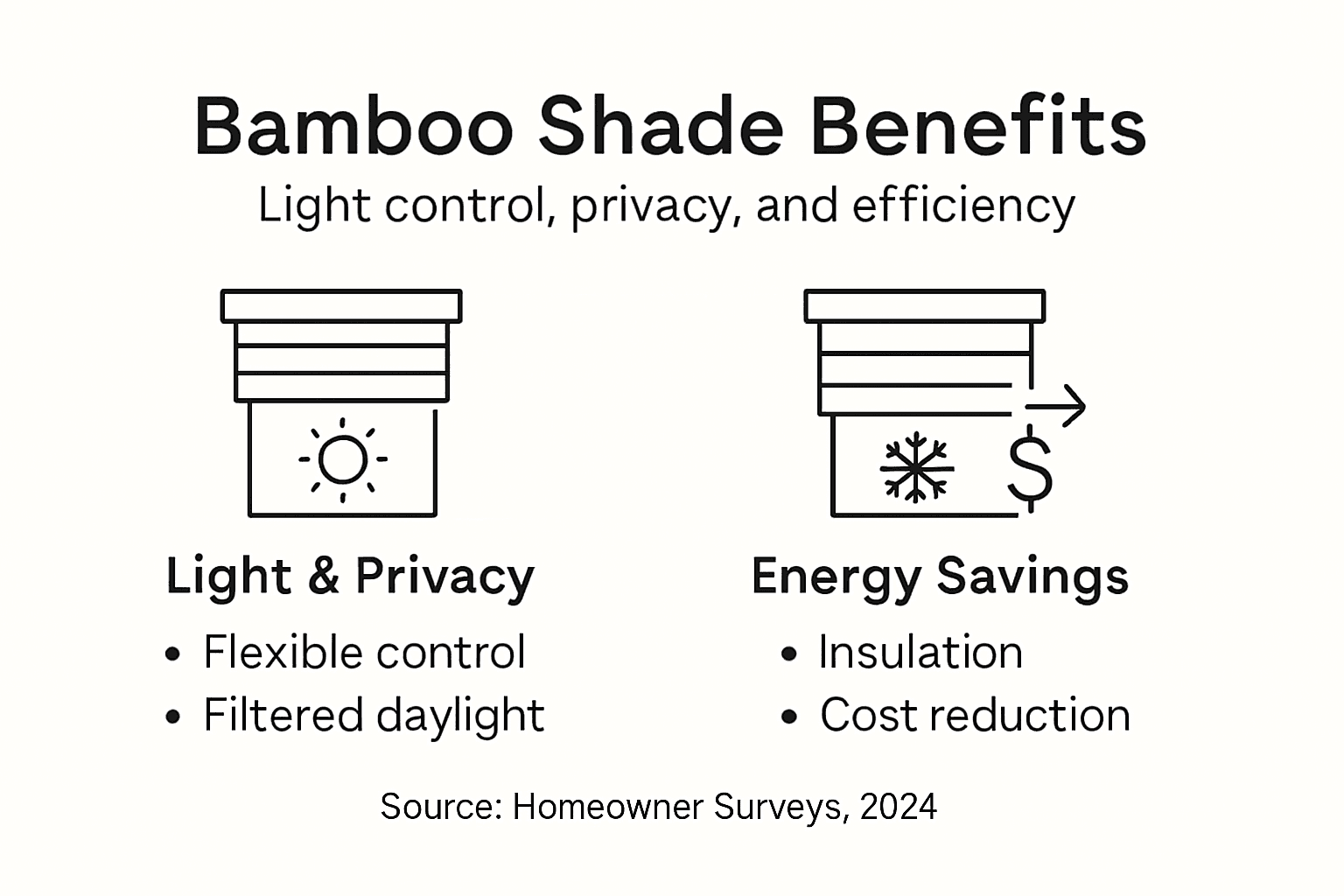
Top down bottom up bamboo shades excel at addressing three critical needs for urban homeowners: maintaining privacy, controlling natural light, and reducing energy consumption. These shades deliver on all three fronts simultaneously, making them a smart investment.
Privacy Without Complete Darkness
Urban living means dealing with close neighbors and street-level visibility. Privacy window treatments need to block outside views without sacrificing all natural light.
Bamboo’s woven structure is perfectly designed for this balance. When fully closed, the tight weave prevents people from seeing inside your space, yet light still filters through creating a soft, diffused glow.
The top down bottom up feature amplifies privacy control. Lower the top half to block views from taller buildings or elevated positions while raising the bottom to let light in from street level.
Daytime Light Control Without Blackout
Many urban apartments don’t have the luxury of separate blackout shades for different times of day. Bamboo shades offer a middle ground that works for most situations.
During morning hours, you can lower just the top portion to filter harsh sunrise light while keeping lower sections open for ambient brightness. This prevents the cave-like feeling of complete blackout shades.
The dappled light patterns created by bamboo weaves add visual interest while maintaining functionality. Your space stays bright but without glare on screens or fading of furniture.
The right light control prevents screen fatigue while maintaining visibility for daily tasks without needing artificial lighting during daytime hours.
Energy Efficiency Through Temperature Regulation
Bamboo shades create an insulating layer that reduces heat transfer through your windows. This works in both directions: keeping heat in during winter and blocking solar heat during summer.
The effectiveness depends on how well your shades fit your window frame. Custom-fitted shades with minimal gaps maximize this thermal benefit significantly.
Urban apartments benefit especially from this feature. When neighboring buildings create afternoon sun exposure or winter wind chill, proper window insulation becomes essential for comfort and utility bills.
Seasonal Adjustments
Optimize your energy savings by adjusting your shades based on the season:
- Summer mornings: Lower top half to block hot eastern sun
- Summer afternoons: Raise bottom half to allow evening breezes
- Winter mornings: Keep shades fully open to capture free solar heat
- Winter afternoons: Lower top half to prevent evening heat loss
Measuring Real Savings
Homeowners report reducing heating and cooling costs by 15-25% when using window shades strategically. These savings compound over time, especially in climates with extreme temperatures.
The initial investment in quality bamboo shades typically pays for itself within 2-3 years through energy savings alone. Beyond that timeframe, it’s pure financial benefit plus improved comfort.
Pro tip: Track your utility bills for two months before installing shades, then compare to the same months after installation to see your actual energy savings quantified in dollars.
Comparing Costs and Common Buying Mistakes
Bamboo shade prices vary significantly based on quality, customization, and features. Understanding what drives costs and avoiding common pitfalls saves money and frustration during your purchase.
Price Range Expectations
Basic bamboo shades start around $100-$150 for standard sizes with simple corded lifts. Mid-range options with customization run $200-$400, while premium motorized or specially sized shades can exceed $500.
Don’t assume lowest price equals best value. Cheap shades often develop problems within 2-3 years, requiring replacement. A moderately priced shade lasting 8-10 years actually costs less per year.
The Measurement Mistake
Incorrect window measurements are the most costly error homeowners make. Shades that don’t fit properly won’t operate smoothly and look unprofessional in your space.
Measure width at three points (top, middle, bottom) and height at three points (left, center, right). Windows are rarely perfectly square, so precision matters significantly.
Precise measurement and understanding window environment helps avoid expensive customization fees or needing replacement shades altogether.
Light Control Confusion
Buyers frequently misjudge whether they need blackout versus light-filtering materials. This leads to purchasing the wrong shade type and spending extra on modifications.
Consider your actual needs honestly. Do you want complete darkness for sleeping, or diffused light with privacy? Answering this before ordering prevents expensive mistakes.
Bamboo shades inherently filter light rather than block it completely. If you need full blackout, factor in additional lining costs when budgeting.
Common Customization Oversights
Several features seem optional but actually matter for functionality:
- Mounting depth: Verify your window frame accepts the shade’s depth before ordering
- Cordless or motorized safety: Essential for homes with children or pets
- Bottom rail weight: Heavier rails cost more but improve operation on larger shades
- Stack direction: Determines where the shade bundles when fully raised
Missing these details during ordering means paying rush fees for expedited adjustments or replacement altogether.
Durability vs. Initial Price
High-quality bamboo with reinforced frames costs 30-40% more upfront but lasts significantly longer. Cheap shades use thinner bamboo strips and flimsy frames that sag within months.
Calculate cost-per-year rather than focusing on initial price. A $300 shade lasting 10 years costs $30 yearly, while a $120 shade lasting 3 years costs $40 yearly.
Hidden Costs to Budget
These expenses catch buyers off guard:
Review these typical buying mistakes and how to avoid them for a smart purchase:
| Mistake | Impact | Prevention Tip |
|---|---|---|
| Incorrect measurements | Poor fit, wasted cost | Triple-check window sizes |
| Choosing cheapest option | Short lifespan | Research durability factors |
| Ignoring customization | Functional issues | Consider all room needs |
| Overlooking hidden fees | Higher total expense | Ask seller for full quote |
- Installation labor if you’re not comfortable installing yourself
- Motorization upgrades costing $100-$300 per shade
- Lining additions for blackout functionality
- Return shipping if sizing is incorrect
- Rush fees for expedited customization
Comparing Value Across Brands
Don’t just compare sticker prices between different sellers. Check what’s included: Are swatches free? Does shipping include basic installation hardware? What’s the warranty coverage?
A slightly expensive option with free swatches, included installation support, and extended warranties often provides better value than a cheaper alternative with hidden fees.
Pro tip: Request free samples of your top two choices and install them temporarily on an actual window to see how light filtering and operation feel before committing to full-shade orders.
Discover the Perfect Balance of Light, Privacy, and Natural Style with Bamboo Shades
Struggling to find window treatments that give you flexible light control and privacy without sacrificing style? Top down bottom up bamboo shades provide the ideal solution by letting you adjust coverage from both the top and bottom, just like the article highlights. These shades not only bring natural warmth and energy efficiency to your home but also solve urban living challenges where privacy and daylight need to coexist.
Explore our range of Natural Bamboo Blinds - Eco-Friendly Window Treatments for Stylish Homes and experience firsthand the durability and beauty bamboo offers. For even more tailored options, browse Top Down & Bottom Up Blinds & Shades for Flexible Light & Privacy Control. Ready to take control of your windows with style and function? Visit Value Blinds today and customize your perfect bamboo shades with expert support, free swatches, and hassle-free ordering. Start your transformation now and enjoy enhanced comfort and elegance every day.
Frequently Asked Questions
What are top down bottom up bamboo shades?
Top down bottom up bamboo shades are window coverings that can be adjusted from both the top and bottom, allowing for flexible control over light and privacy.
How do top down bottom up bamboo shades work?
These shades feature two separate lift cords—one to lower the shade from the top and another to raise it from the bottom. This dual operation allows you to customize your light coverage and privacy settings.
What benefits do bamboo shades offer compared to traditional window treatments?
Bamboo shades are durable, sustainable, and provide excellent light filtration and privacy control. They add a natural, warm aesthetic to your home and contribute to energy efficiency by regulating temperature.
Can I customize top down bottom up bamboo shades?
Yes, you can customize bamboo shades in terms of weave styles, control mechanisms, sizes, and colors to perfectly fit your windows and design preferences.