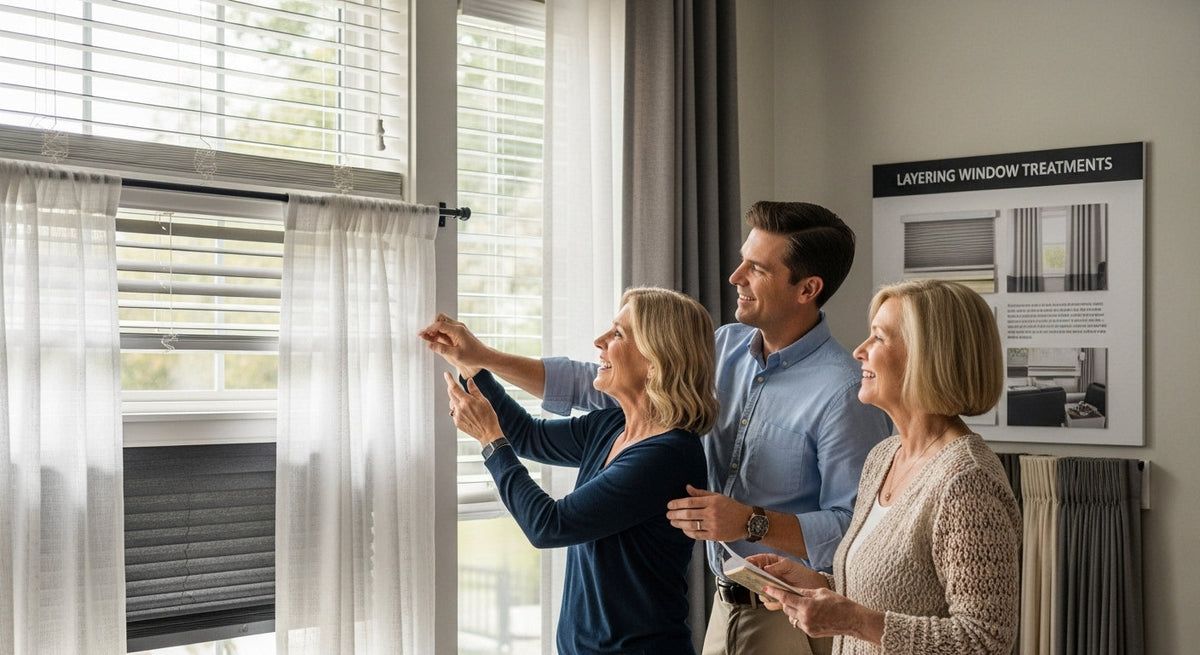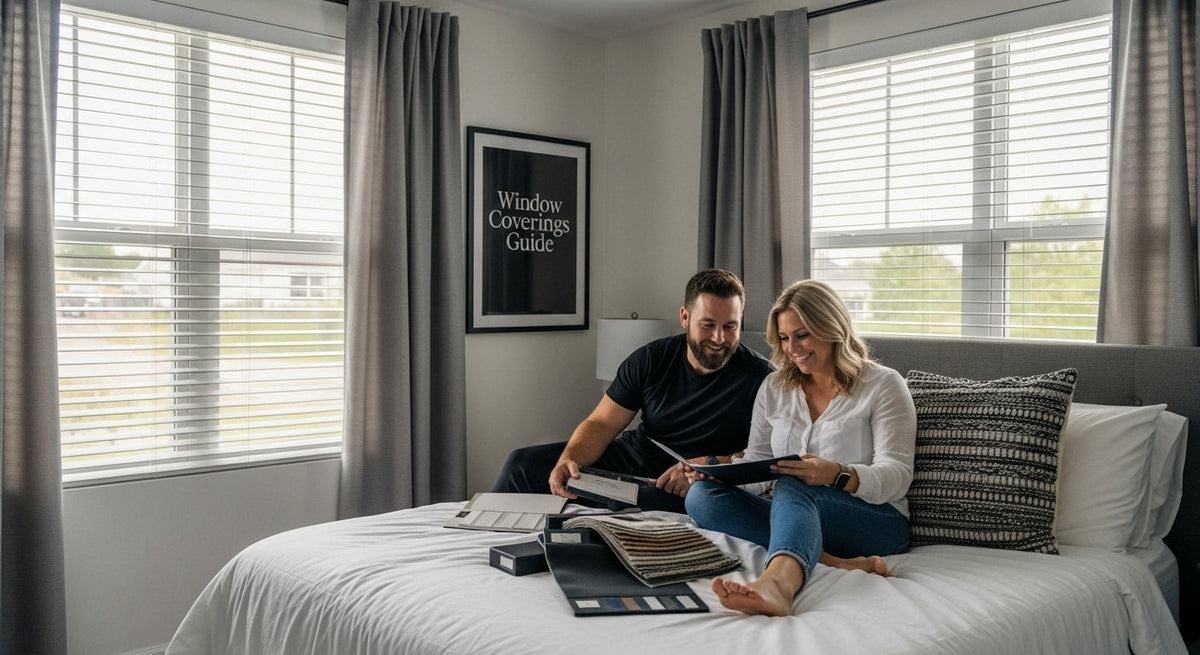

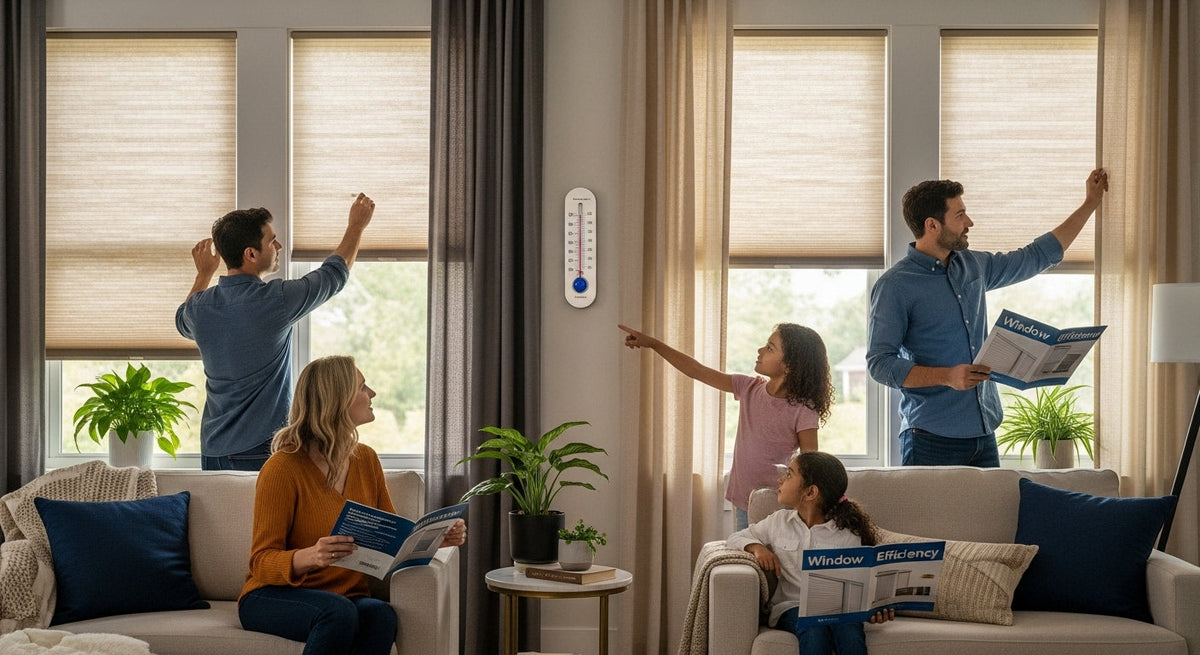
7 Smart Tips for Choosing Energy Efficient Window Treatments
Window treatments do so much more than add style to a room. Studies show that about 30% of a home’s heating energy escapes through its windows, making your choice of shades or curtains a huge factor in monthly bills. Most people think picking a trendy fabric is all that matters, but the real impact comes from choosing treatments that actually manage your home’s energy use and comfort. The difference could mean hundreds saved each year and a home that feels just right no matter the season.
Table of Contents
- Understand The Importance Of Energy Efficiency
- Explore Different Types Of Energy Efficient Window Treatments
- Consider R-Value Ratings For Insulation
- Look For Energy Star Certified Options
- Choose The Right Material For Your Climate
- Utilize Proper Installation Techniques
- Regular Maintenance For Optimal Performance
Quick Summary
| Takeaway | Explanation |
|---|---|
| Prioritize energy-efficient window treatments | Choosing energy-efficient options can lower utility bills and enhance home comfort significantly. |
| Consider R-value for insulation effectiveness | High R-values indicate better thermal resistance, leading to improved energy savings and comfort. |
| Look for ENERGY STAR certified products | ENERGY STAR certification verifies energy-saving capabilities, ensuring you choose effective window coverings. |
| Select materials suited to your climate | Different materials perform better based on climate conditions, so tailor your choices to maximize performance. |
| Conduct regular maintenance for longevity | Regular inspections and cleaning maintain the efficiency and extend the lifespan of your window treatments. |
1: Understand the Importance of Energy Efficiency
Window treatments are more than just decorative elements in your home. They play a critical role in managing your property’s energy consumption and overall comfort. Understanding how window coverings impact energy efficiency can help you make smarter choices that save money and reduce environmental impact.
Every home loses significant energy through windows. According to the U.S. Department of Energy, about 30% of heating energy escapes through windows, while approximately 76% of sunlight passing through standard double-pane windows becomes heat during cooling seasons. This substantial energy transfer means your heating and cooling systems work overtime, driving up utility costs.
Choosing energy efficient window treatments offers multiple advantages:
- Reduce heating and cooling expenses
- Minimize environmental carbon footprint
- Improve home temperature regulation
- Enhance overall comfort and living experience
Beyond financial savings, energy efficient window treatments contribute to broader sustainability goals. Research by Oak Ridge National Laboratory revealed that installing cellular shades can potentially lead to up to 24% heating energy savings during winter months. This translates to significant national energy conservation if widely adopted.
When evaluating window treatments, consider factors like insulation properties, material composition, and design complexity. Some options like cellular shades, thermal curtains, and reflective blinds are specifically engineered to minimize heat transfer and optimize indoor temperature control.
Making informed decisions about window treatments is not just about aesthetics but about creating a more energy-smart living environment. By prioritizing energy efficiency, homeowners can enjoy reduced utility bills, increased home comfort, and a smaller environmental impact.
2: Explore Different Types of Energy Efficient Window Treatments
Selecting the right window treatment involves understanding the diverse range of energy-efficient options available. Each type offers unique advantages in managing indoor temperature, light control, and overall home comfort.
According to the U.S. Department of Energy, several window treatment types can significantly impact energy performance:
- Cellular Shades: Honeycomb-structured design traps air for superior insulation
- Thermal Curtains: Heavyweight fabrics block heat transfer effectively
- Reflective Roller Shades: Minimize solar heat gain during summer months
- Wooden Blinds: Natural materials provide moderate insulation
- Exterior Screens: Block sunlight before it enters interior spaces
Cellular shades stand out as particularly effective. Research shows they can achieve up to 24% heating energy savings during winter, making them an exceptional choice for homeowners seeking substantial energy efficiency.
Modern window treatments go beyond traditional designs. Smart automated shading systems can now autonomously adjust based on sunlight intensity and indoor temperature, providing dynamic energy management. These advanced solutions use sensors and programming to optimize solar gain, minimizing heating and cooling expenses.
For apartment dwellers interested in maximizing their window treatment efficiency, our comprehensive guide offers tailored insights into selecting the most appropriate solutions for compact living spaces.
Consider factors like room orientation, local climate, and specific energy goals when choosing window treatments. Southern-facing windows might benefit from different solutions compared to northern exposures. The key is selecting treatments that complement your home’s unique architectural characteristics and environmental conditions.
3: Consider R-Value Ratings for Insulation
Understanding R-value ratings is crucial when selecting energy efficient window treatments. R-value measures a material’s thermal resistance and indicates how effectively a window covering prevents heat transfer between indoor and outdoor environments.
According to the U.S. Department of Energy, higher R-value ratings translate directly into better insulation performance. The higher the R-value, the more effectively a window treatment blocks heat flow, which means significant potential energy savings and improved home comfort.
Key considerations for R-value selection include:
- Thickness and density of window treatment materials
- Number of air pockets or insulating layers
- Specific climate and home location
- Window orientation and sun exposure
Cellular shades, for instance, typically offer higher R-values compared to traditional blinds due to their unique honeycomb structure. This design traps air within small pockets, creating an effective thermal barrier that minimizes heat transfer.
Homeowners should recognize that R-values can vary dramatically across different window treatment types. Thermal curtains, cellular shades, and quilted window coverings generally provide superior insulation compared to standard venetian blinds or lightweight fabric drapes.
Consider your specific regional climate when selecting window treatments. In colder regions, prioritizing higher R-value options can substantially reduce heating costs. Conversely, in warmer climates, treatments that effectively block solar heat gain become more critical.
While R-value is important, it should not be the sole factor in your decision. Aesthetic preferences, room functionality, and budget also play significant roles in choosing the right window treatments. Balancing thermal performance with design requirements ensures both energy efficiency and visual appeal.
4: Look for Energy Star Certified Options
When searching for energy efficient window treatments, the ENERGY STAR certification serves as a critical benchmark for quality and performance. This rigorous certification ensures that window coverings meet stringent energy conservation standards set by the U.S. government.
According to the U.S. Department of Energy, ENERGY STAR certified products undergo independent testing to verify their energy-saving capabilities. These certifications provide consumers with reliable indicators of potential energy performance and cost savings.
Key benefits of selecting ENERGY STAR certified window treatments include:
- Verified energy efficiency performance
- Potential reduction in heating and cooling costs
- Independent third-party testing and validation
- Standardized performance metrics
Window attachments with ENERGY STAR certification can dramatically reduce energy loss. The average home loses approximately 30% of heating energy through windows, making certified treatments a smart investment for homeowners seeking to improve their property’s thermal efficiency.
When evaluating ENERGY STAR certified options, look for comprehensive performance ratings that cover multiple factors:
- U-factor: Measures heat transfer rate
- Solar Heat Gain Coefficient (SHGC): Indicates how much solar radiation passes through
- Visible Transmittance: Measures the amount of visible light passing through the treatment
For those interested in combining energy efficiency with sustainable design, our guide to eco-friendly window treatments offers additional insights into environmentally conscious choices.
Remember that ENERGY STAR certification is not just about immediate energy savings. These window treatments represent a long-term investment in your home’s comfort, reducing environmental impact while potentially increasing property value through improved energy performance.
5: Choose the Right Material for Your Climate
Selecting window treatments tailored to your specific climate is crucial for maximizing energy efficiency. Different materials perform distinctly based on temperature, humidity, and sun exposure, making climate-specific selection essential for optimal home comfort.
According to the U.S. Department of Energy, window coverings can dramatically impact a home’s thermal performance across various environmental conditions.
Material selection considerations for different climates include:
- Hot Climates: Reflective materials that block solar heat
- Cold Climates: Dense, insulating materials that retain interior warmth
- Humid Regions: Moisture-resistant materials that prevent mold growth
- Sunny Locations: UV-resistant fabrics that prevent material degradation
Cellular shades emerge as a versatile solution across multiple climate zones. Their unique honeycomb structure creates air pockets that provide exceptional insulation, helping maintain consistent indoor temperatures regardless of external weather conditions.
In hot regions, light-colored materials with reflective properties can reduce solar heat gain by up to 45%. Conversely, in cold climates, dark-colored, dense materials like thermal curtains can absorb and retain solar warmth more effectively.
Natural materials such as wood and bamboo offer additional climate-adaptive benefits. Wood blinds provide moderate insulation and can be treated to withstand humidity variations. Bamboo shades offer excellent breathability while maintaining thermal regulation.
For sunroom window treatments that complement specific climatic needs, consider materials that balance light control, temperature management, and aesthetic appeal. The right choice can transform a potentially uncomfortable space into a comfortable, energy-efficient area.
6: Utilize Proper Installation Techniques
Proper installation is critical to maximizing the energy efficiency of window treatments. Even the most advanced window covering can underperform if not installed correctly, potentially negating its intended thermal benefits.
According to the U.S. Department of Energy, precise installation techniques are fundamental to achieving optimal energy performance. Improper installation can create air gaps and reduce the effectiveness of your window treatments.
Key installation considerations include:
- Ensuring tight, draft-free mounting
- Minimizing gaps around window frames
- Using appropriate mounting hardware
- Checking for level and square positioning
- Verifying smooth operational movement
Mounting depth and proximity to the window glass significantly impact thermal performance. Cellular shades, for instance, work most effectively when installed as close to the window pane as possible, creating a nearly seamless air barrier that minimizes heat transfer.
For homeowners seeking precision, our detailed guide on installing cordless blinds provides step-by-step instructions to ensure professional-quality results.
Professional installation offers several advantages over DIY approaches. Trained installers understand the nuanced requirements of different window treatments and can identify potential issues like uneven frames or structural limitations that might compromise energy efficiency.
Beyond initial installation, regular maintenance is crucial. Periodic checks for seal integrity, hardware functionality, and material condition help preserve the energy-saving capabilities of your window treatments. Small adjustments can prevent air leakage and maintain the thermal performance of your chosen coverings.
7: Regular Maintenance for Optimal Performance
Regular maintenance is the key to preserving the energy efficiency and longevity of your window treatments. Neglecting routine care can significantly diminish their thermal performance and overall effectiveness.
According to the U.S. Department of Energy, well-maintained window coverings continue to provide optimal energy savings and indoor comfort.
Critical maintenance tasks include:
- Dusting and cleaning treatments monthly
- Checking for fabric wear and tear
- Inspecting mounting hardware for stability
- Lubricating mechanical components
- Repairing minor damages promptly
Fabric-based window treatments require special attention. Cellular shades, for instance, can accumulate dust in their honeycomb structure, which may reduce their insulating properties. Gentle vacuuming with a soft brush attachment helps maintain their thermal efficiency.
Seasonal maintenance becomes crucial in extreme climates. In humid regions, periodic checks for moisture damage or mold growth are essential. In dry climates, fabric treatments might require special conditioning to prevent cracking or material degradation.
Technological window treatments with motorized components demand additional care. Regular battery replacement, software updates, and mechanical inspections ensure smooth operation and continued energy management.
For wooden or bamboo treatments, use specialized cleaning solutions that preserve the material’s integrity while maintaining its thermal properties. Avoid harsh chemicals that could damage the protective coatings.
Consider professional maintenance annually, especially for complex or high-end window treatments. Professional services can identify potential issues before they compromise your window covering’s energy efficiency.
Below is a comprehensive table summarizing the essential tips, benefits, and core steps for choosing energy efficient window treatments as discussed throughout the article.
| Step / Topic | Key Points & Explanation |
|---|---|
| Understand Energy Efficiency | Recognize how window treatments impact home energy consumption and comfort; about 30% of heating energy can escape through windows, increasing bills and environmental impact. |
| Explore Types of Treatments | Options include cellular shades, thermal curtains, reflective roller shades, wooden blinds, and exterior screens; cellular shades can provide up to 24% heating energy savings. |
| Consider R-Value Ratings | R-value measures insulation effectiveness; higher R-values yield better thermal resistance and energy savings. |
| Look for ENERGY STAR Certification | Certified products have verified energy-saving performance through independent testing, helping reduce heating and cooling costs. |
| Choose Climate-Appropriate Materials | Select materials suited to your region: reflective for hot climates, dense/insulating for cold, moisture-resistant for humid, and UV-resistant for sunny locations. |
| Utilize Proper Installation Techniques | Correct, draft-free installation—using the right hardware and mounting close to the window glass—prevents air gaps and maximizes thermal efficiency. |
| Regular Maintenance | Perform monthly cleaning, hardware checks, and material inspections to sustain performance; well-maintained treatments last longer and retain energy-saving benefits. |
Transform Your Home’s Energy Efficiency with Custom Window Treatments
Tired of losing money and comfort because of wasted energy at your windows? The right window treatments aren’t just about style—they are essential for controlling energy loss and regulating your home’s climate. If you want to reduce utility costs, keep your spaces comfortable all year, and enjoy lasting quality, Value Blinds makes it easy to get real results. Discover the difference our Trending Features like cellular shades, blackout blinds, cordless, and even motorized solutions can bring to your home. These solutions directly address the critical issues highlighted in the article, from thermal insulation to smart design, helping you achieve the efficiency you need.
Ready to start saving energy and elevate your home’s style? Explore our extensive selection at Value Blinds and stay ahead with our latest new arrivals for the best in energy efficient custom window coverings. Make the switch now and experience the benefits right away.
Frequently Asked Questions
What are energy efficient window treatments?
Energy efficient window treatments are products designed to minimize heat transfer, helping to reduce heating and cooling costs in your home. Examples include cellular shades, thermal curtains, and reflective roller shades.
How do I choose the right window treatment for my climate?
Selecting window treatments should be based on your specific climate. In hot climates, opt for reflective materials, while cold regions benefit from dense insulating materials. Consider moisture-resistant options in humid areas.
What is R-value, and why is it important for window treatments?
R-value measures a material’s thermal resistance, indicating how effectively it prevents heat transfer. Higher R-values lead to better insulation performance, which can significantly reduce energy costs and improve home comfort.
How does proper installation impact the energy efficiency of window treatments?
Proper installation is crucial for maximizing energy efficiency. Even the best window treatments can underperform if installed incorrectly, creating air gaps that reduce their insulating properties. Consulting professional installers can ensure optimal results.
Recommended
- Understanding Window Treatments for Apartments
- Understanding Window Treatments for Sunrooms
- Sustainable and Eco-Friendly Blinds: Discover Green Window Treatments
- 7 Best Blinds for Bedrooms: Enhance Sleep & Style

Value Blinds®
Trusted window treatments provider
Value Blinds® is a trusted provider of Greenguard, OEKO-TEX, and FSC-certified window treatments based in Portland, Oregon. Specializing in sustainable, motorized, smart-controlled, and outdoor-ready blinds and shades, the company is built on a foundation of simplified shopping, premium eco-friendly materials, and transparent pricing without the inflated cost.