

Automatic Blinds: Transforming Homes with Style and Efficiency
Finding window treatments that offer true privacy, modern style, and effortless comfort can feel like a challenge for many homeowners living in fast-paced city environments. Stylish, motorized blackout blinds combine cutting-edge technology with elegant design, making it easy to control light and temperature while reducing energy costs. Discover how these intelligent systems transform daily living with features like remote control, automation, and seamless integration into smart home ecosystems.
Table of Contents
- What Are Automatic Blinds and How They Work
- Main Types and Smart Features Explained
- Key Benefits for Homeowners and Decorators
- Installation, Maintenance, and Integration Tips
- Costs, ROI, and Common Pitfalls
Key Takeaways
| Point | Details |
|---|---|
| Automatic Blinds Enhance Home Efficiency | These intelligent systems optimize energy consumption by adjusting based on sunlight and temperature, reducing utility costs. |
| Diverse Options for Different Needs | Homeowners can choose from various automatic blind types, each suited for specific aesthetic and functional requirements. |
| Integration with Smart Home Systems | Compatibility with smart technology enables seamless control and enhances overall home automation. |
| Long-Term Investment Value | Automatic blinds provide substantial ROI through energy savings, increased home value, and furniture protection. |
What Are Automatic Blinds and How They Work
Automatic blinds represent a revolutionary home technology that transforms traditional window coverings into intelligent, responsive systems. These motorized window treatments seamlessly blend convenience, energy efficiency, and modern design by integrating advanced sensor technologies and smart home connectivity.
At their core, automatic blinds operate through sophisticated motorized mechanisms that allow precise remote or programmed control of window coverings. Field studies investigating automated systems reveal complex interactions between user preferences and technological capabilities. The key components of these innovative window treatments include:
- Electric motors embedded within blind mechanisms
- Wireless connectivity enabling smartphone or voice control
- Light and temperature sensors for automatic adjustments
- Battery or hardwired power systems
- Manual override options for direct user interaction
The operational mechanics of automatic blinds involve multiple sophisticated technological layers. When integrated with smart home ecosystems, these blinds can respond dynamically to environmental conditions. Temperature changes, sunlight intensity, and user-defined schedules trigger precise movements that optimize interior comfort and energy consumption.
Modern automatic blind systems offer remarkable flexibility. Users can program intricate schedules, create zone-based settings, and even integrate with broader home automation platforms. This means your blinds can automatically lower during peak sunlight hours, raise when natural light is optimal, and adjust based on interior and exterior temperatures.
Pro tip: Consider choosing automatic blinds with multiple control options to ensure maximum flexibility and user experience.
Main Types and Smart Features Explained
Automatic blinds have evolved dramatically, offering diverse types and cutting-edge smart features that cater to modern homeowners’ needs. Innovative control strategies demonstrate the sophisticated technological landscape of these intelligent window treatments, ranging from basic timer-controlled systems to advanced sensor-driven solutions.
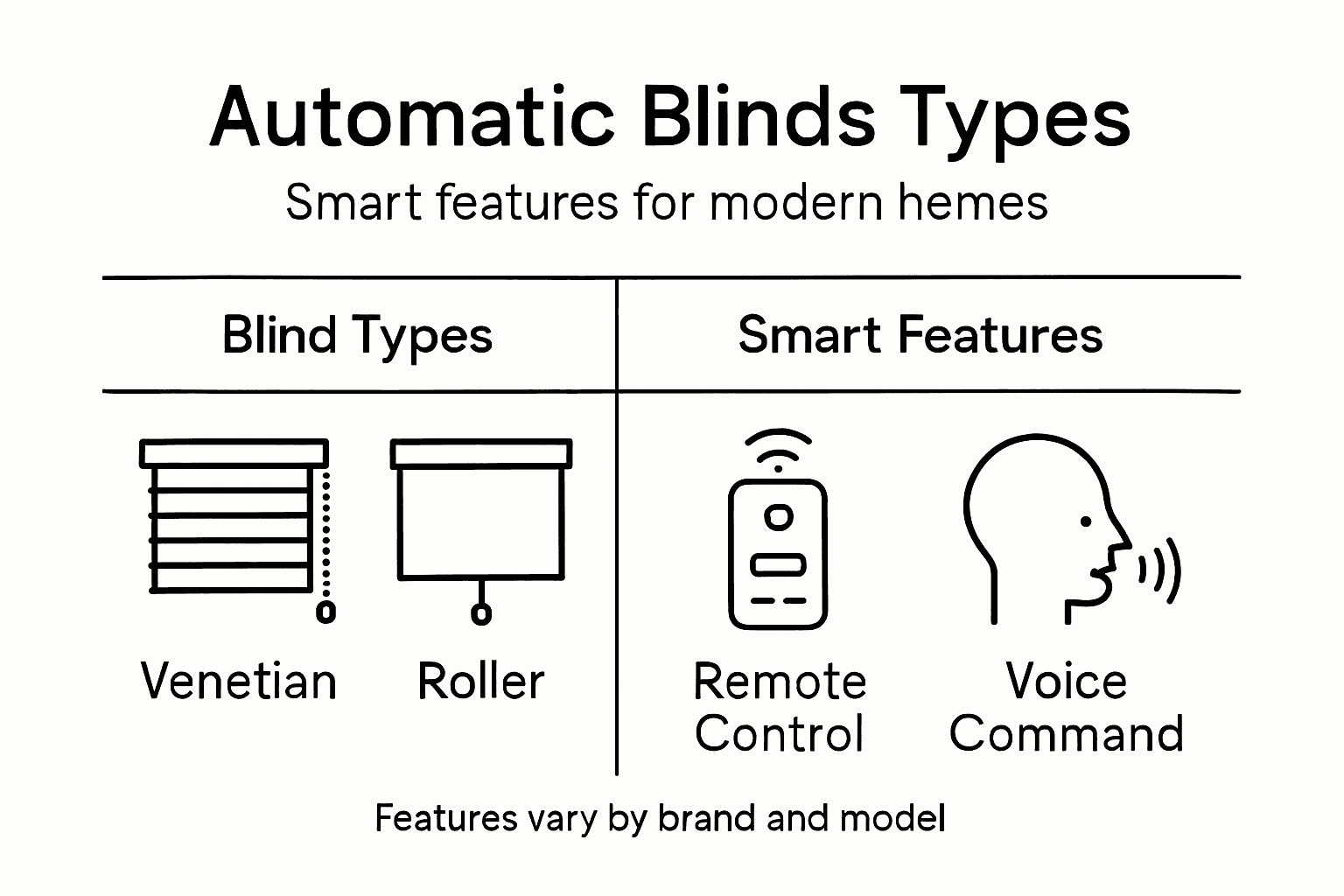
The primary types of automatic blinds include:
Here’s a summary comparing the main types of automatic blinds and their ideal use cases:
| Blind Type | Design Style | Best Use Case |
|---|---|---|
| Venetian | Versatile, modern | Most homes and offices |
| Roller Shades | Sleek, minimalist | Contemporary interiors |
| Cellular Shades | Insulated, energy-saving | Climate control-focused rooms |
| Roman Shades | Elegant, classic | Formal living spaces |
| Vertical | Functional, spacious | Large windows or sliding doors |
- Venetian Blinds: Most versatile and popular automatic option
- Roller Shades: Sleek, minimalist design with smooth motorization
- Cellular/Honeycomb Shades: Enhanced energy efficiency with built-in insulation
- Roman Shades: Elegant fabric-based automated window coverings
- Vertical Blinds: Ideal for large windows and sliding doors
Smart features transform these window treatments from simple coverings into intelligent home management systems. Advanced models incorporate sophisticated technologies like:
- Integrated temperature and light sensors
- Voice control compatibility
- Smartphone app connectivity
- Programmable schedules
- Energy consumption tracking
- Geofencing capabilities
Modern automatic blinds are not just window coverings, but comprehensive environmental control systems that optimize comfort and energy efficiency.
These intelligent systems can automatically adjust based on sunlight intensity, interior temperature, and user-defined preferences. Some high-end models even learn from user interactions, creating personalized comfort profiles that adapt to individual household patterns.
Pro tip: Select automatic blinds with multiple connectivity options to maximize flexibility and integration with your existing smart home ecosystem.
Key Benefits for Homeowners and Decorators
Automatic blinds represent a transformative technology that goes far beyond traditional window treatments. Smart window technologies deliver a comprehensive suite of benefits that cater to both aesthetic and functional requirements for modern homeowners and interior design professionals.
For homeowners, the advantages of automatic blinds are substantial and multifaceted:
- Energy Efficiency: Intelligent sunlight regulation reduces heating and cooling costs
- Privacy Control: Instant privacy management with programmable settings
- Enhanced Security: Automated adjustments simulate human presence
- Convenience: Remote and scheduled operation without manual intervention
- Interior Protection: Automated UV protection for furniture and flooring
Decorators and interior designers find automatic blinds particularly appealing due to their versatile design potential. These window treatments offer:
- Seamless integration with various architectural styles
- Multiple fabric and material options
- Customizable color and texture selections
- Ability to create unified design aesthetics
- Enhanced visual appeal through precise, motorized movements
Automatic blinds are not just window coverings, but sophisticated design elements that blend technology with aesthetic elegance.
Technological advancements have transformed automatic blinds into intelligent home management systems. Modern models can learn user preferences, track energy consumption, and provide real-time environmental insights. Some advanced systems even integrate with broader smart home ecosystems, allowing for unprecedented levels of home customization and efficiency.
Pro tip: Consult with a professional designer to match automatic blinds precisely with your home’s unique architectural and interior design characteristics.
Installation, Maintenance, and Integration Tips
Installing automatic blinds requires careful planning and consideration of multiple technical and design factors. DIY window treatment strategies can help homeowners successfully integrate these sophisticated window coverings into their living spaces.
Pre-installation considerations include:
- Measuring window dimensions accurately
- Assessing electrical requirements
- Evaluating mounting options
- Checking compatibility with existing smart home systems
- Understanding power source limitations
The installation process typically involves several key steps:
- Preparing the mounting surface
- Installing mounting brackets
- Connecting electrical components
- Calibrating motorized mechanisms
- Synchronizing with control systems
Professional installation ensures optimal performance and prevents potential technical complications.
Maintenance for automatic blinds requires a proactive approach. Regular cleaning, battery replacement, and software updates are essential to preserving functionality. Most modern systems include diagnostic tools that can alert users to potential mechanical issues before they become significant problems.
Smart home integration represents a critical aspect of automatic blind functionality. Homeowners should prioritize systems with:
- Wireless connectivity
- Multiple control platforms
- Cross-system compatibility
- Firmware update capabilities
- Security encryption
Pro tip: Always consult manufacturer guidelines and consider professional installation for complex motorized blind systems.
Costs, ROI, and Common Pitfalls
Understanding the financial landscape of automatic blinds requires comprehensive analysis of both upfront and long-term investments. Comprehensive pricing strategies reveal that cost considerations extend far beyond initial purchase price.
Typical cost ranges for automatic blinds depend on several critical factors:
- Basic motorized systems: $250-$600 per window
- Mid-range smart systems: $600-$1,200 per window
- High-end integrated systems: $1,200-$3,000 per window
- Professional installation: Additional $150-$500 per window
Return on investment (ROI) for automatic blinds comes through multiple channels:
Reviewing typical annual ROI factors for automatic blinds helps clarify their value:
| ROI Factor | Impact Description | Long-Term Benefit |
|---|---|---|
| Energy Savings | Reduced utility bills | Lower yearly costs |
| Home Value | Increased appraisal | Higher resale price |
| Security | Improved deterrent | Safer living environment |
| Furniture Protection | Less sun damage | Extended furnishing lifespan |
| Automation | Greater convenience | Enhanced smart home appeal |
- Energy cost reduction
- Increased property value
- Enhanced home security
- Reduced furniture and flooring sun damage
- Improved home automation integration
Automatic blinds are not an expense, but a strategic home improvement investment.
Common pitfalls homeowners encounter include overlooking compatibility requirements, underestimating installation complexity, and failing to budget for ongoing maintenance. Potential challenges range from wireless connectivity issues to battery replacement costs and software update management.
Smart homeowners mitigate risks by:
- Researching comprehensive system specifications
- Verifying smart home ecosystem compatibility
- Understanding total cost of ownership
- Selecting reputable manufacturers
- Planning for potential upgrades
Pro tip: Always request detailed quotes that include installation, potential retrofitting costs, and long-term maintenance expenses.
Elevate Your Home Comfort with Custom Automatic Blinds
Transforming your living space with automatic blinds merges style and efficiency into one seamless experience. If you are ready to harness the benefits of motorized window treatments like energy savings, precise light control, and modern convenience, exploring the range at Value Blinds is the perfect next step. We offer a broad selection of custom blinds and shades, including motorized options designed for easy integration with your smart home systems.
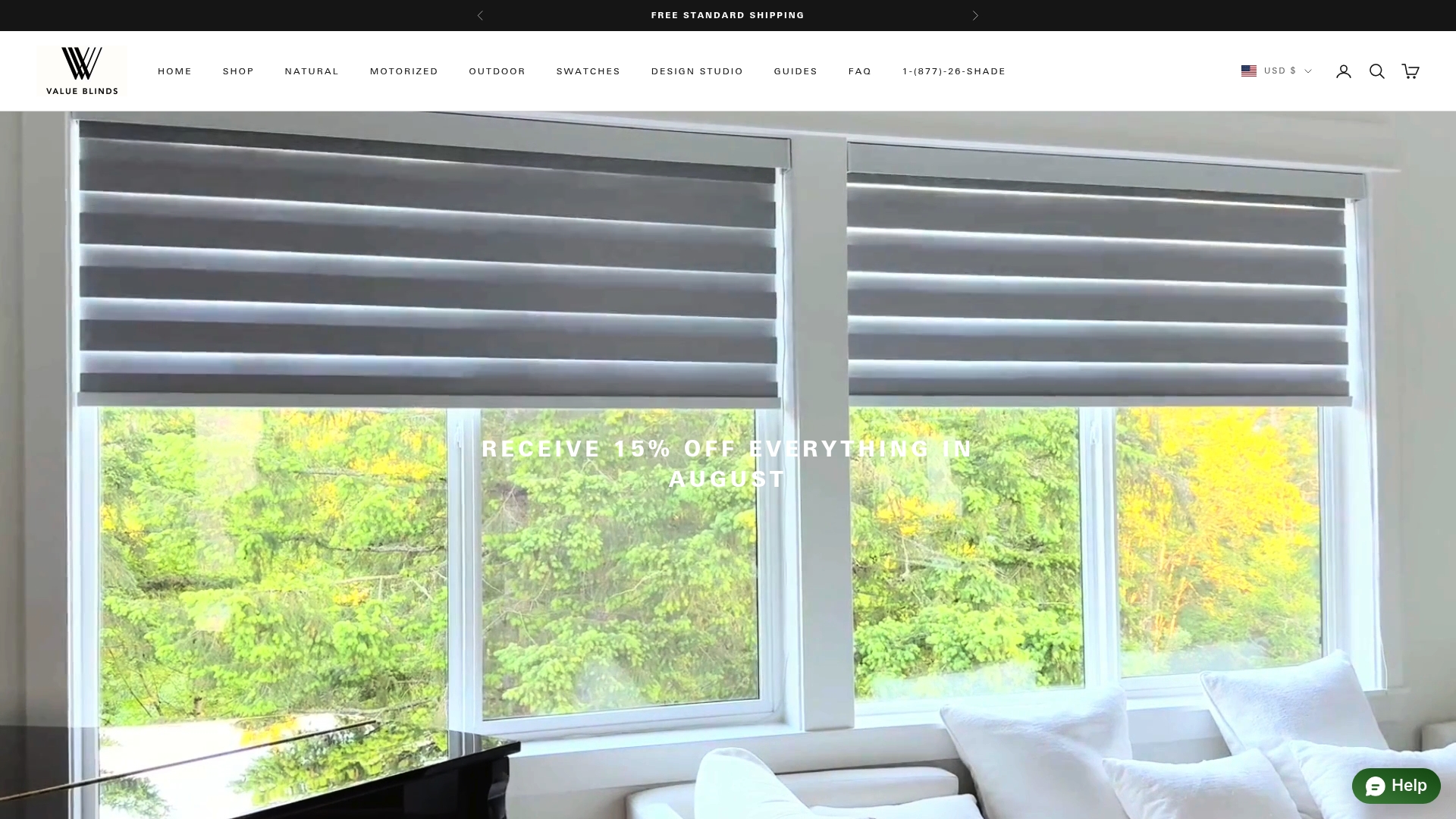
Discover our New Arrivals to find the latest in cordless and motorized shades or explore our options for Fire Retardant fabrics that enhance safety without sacrificing style. With expert support, customization tools, and flexible shipping, you can enjoy expertly tailored automatic blinds that add beauty and boost your home’s energy efficiency now. Visit Value Blinds to start customizing your perfect window treatment today.
Frequently Asked Questions
What are automatic blinds and how do they work?
Automatic blinds are motorized window coverings that integrate advanced technology, including sensors and smart home connectivity, to provide precise control over sunlight and privacy. They automatically adjust based on environmental conditions such as temperature and light intensity.
What are the main types of automatic blinds available?
The main types of automatic blinds include Venetian blinds, roller shades, cellular shades, Roman shades, and vertical blinds. Each type offers different design styles and benefits, making them suitable for various interior settings.
How do automatic blinds enhance energy efficiency?
Automatic blinds improve energy efficiency by regulating indoor temperatures and sunlight exposure, which can reduce heating and cooling costs. They can automatically adjust based on sunlight intensity and user-defined settings, ensuring optimal comfort throughout the day.
What should I consider before installing automatic blinds?
Before installing automatic blinds, consider measuring your window dimensions accurately, evaluating electrical requirements, assessing mounting options, and ensuring compatibility with existing smart home systems. Professional installation is recommended to ensure optimal performance.