

Sellers: 1–2 Day Window Treatment ROI Appraisers Will Credit
Window treatments move the needle on home sales mainly by shaping how buyers feel about a room, and, when they’re energy rated and documented, by giving appraisers and buyers a reason to credit real value. Not every window needs new coverings before you list. Our advice: clean what’s there, open it up, neutralize anything too personal, and save the investment in insulating shades for windows where both the payback and the staging win are obvious.
TL;DR:
- Cellular shades can save up to 20% of heating energy compared with bare windows, while total heating and cooling savings can reach 15%, depending on climate and orientation.
- Keep receipts, AERC labels, energy estimates, and before and after utility bills when available, then attach these records to the MLS listing for appraisal review.
- If you are listing within weeks, clean, neutralize, and make quick repairs; upgrades installed six months ahead can produce utility records to support efficiency claims.
- Choose cellular shades when a window needs both staging appeal and insulation; roller or solar shades suit glare control, while blinds mainly fix cosmetic flaws.
Table of Contents
- 1. How window treatments influence resale value
- 2. What the research and standards say about energy savings and appraisals
- 3. Common window treatment types and their typical ROI effects
- 4. Staging rules: what to keep, remove, and install before listing
- 5. Cost versus expected return: budgeting before a sale
- 6. How to document and market window treatment benefits
- 7. How our tools help sellers prepare with confidence
- 8. Regional market variations in window treatment ROI
- 9. DIY versus professional installation: which gives better ROI
- 10. Long-term maintenance costs and their effect on overall ROI
- 11. Timing: when to upgrade or highlight window treatments in the sales process
- A seller-first take on window treatment spending
- How we help you get your windows sale-ready
- FAQ
- Sources
1. How window treatments influence resale value
Three separate things happen when a buyer walks into a room with windows, and each one touches your sale price differently. 😊
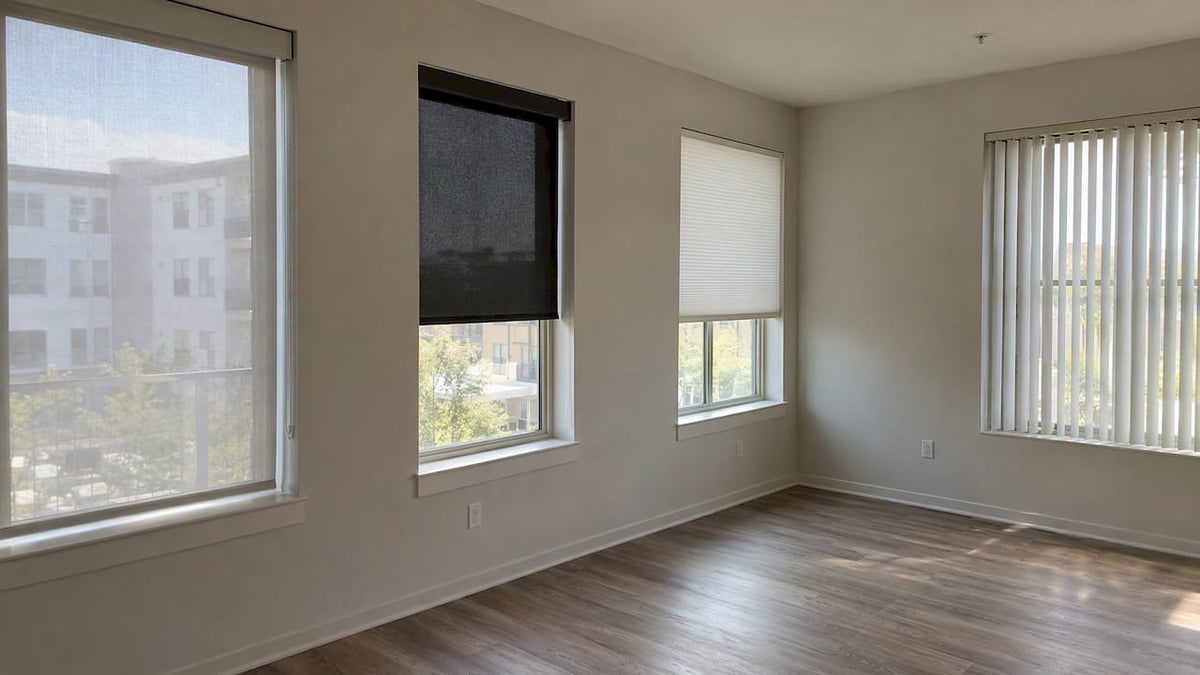
Staging and first impressions come first, and they happen fast. A buyer standing in a living room for 90 seconds reads light and openness before they read anything else. Heavy drapes, dated valances, or mismatched blinds across different rooms create a subconscious “this place needs work” signal, even when the rest of the home is move-in ready. Stagers consistently remove or neutralize window treatments that block natural light or scream “previous owner’s taste,” because a blank, bright canvas lets buyers picture their own furniture in the space.
Energy and documentation come second, and they’re the part most sellers skip. Insulating shades can lower heating and cooling bills, and if you keep the paperwork, that savings becomes something an appraiser or buyer can actually verify rather than take on faith. A rating label or an energy calculator printout turns “it feels efficient” into a documented feature.
Perceived cost versus actual benefit is the quiet third factor. Buyers mentally price out what they’d need to fix or replace, and dated or broken window treatments get added to that invisible list right alongside a cracked driveway or an old water heater. Here’s what tends to separate a treatment that helps your sale from one that doesn’t:
- Treatments that let in light and look neutral generally help buyer perception regardless of their price point.
- Treatments that are broken, stained, or clearly outdated get subtracted from a buyer’s mental offer even if everything else about the room is fine.
- Treatments with documented energy performance give agents and appraisers something concrete to point to, which plain aesthetics can’t do on their own.
- Treatments that are overly personalized (bold prints, heavy custom valances) risk looking like a cost buyers will need to absorb themselves.
2. What the research and standards say about energy savings and appraisals
The energy argument for window treatments isn’t guesswork. Insulating shades have been tested specifically for their effect on heating and cooling loads, and the results are consistent enough that they’ve started showing up in appraisal guidance and even state incentive programs.
Up to 20% of heating energy can be saved with cellular (honeycomb) shades compared with bare windows, according to DOE factsheet data built on Oak Ridge National Laboratory testing, with total heating and cooling savings reaching up to 15% depending on climate and orientation. That same factsheet notes that standard blinds and curtains, while common, typically provide far less insulation than purpose-built cellular shades. Separate ORNL simulation work found annual HVAC energy savings ranging roughly 19% to 27% in some modeled scenarios, with the size of the benefit shifting a lot based on which direction the windows face.

Institutional recognition backs this up. The Attachments Energy Rating Council (AERC) certifies shades so utilities and regulators have a trustworthy, third-party number to work from, and Minnesota became the first state to add AERC-certified cellular shades to its official Technical Reference Manual for energy incentive programs. That’s a meaningful signal: a state energy agency decided cellular shades save enough, reliably enough, to count toward formal efficiency credits.
On the appraisal side, the Appraisal Institute’s guidance on the Res Green / EE Addendum recommends that sellers document energy-efficient features and attach that documentation to the MLS listing, because appraisers rely on verifiable records, not just general impressions, to justify value adjustments. A short list of what’s worth keeping on file:
- Purchase receipts showing the product type and installation date.
- AERC certification labels or product documentation for any rated shades.
- Printouts from an energy calculator estimating annual savings.
- Utility bill comparisons from before and after installation, if you have them.
3. Common window treatment types and their typical ROI effects
Different treatments pull their weight in different ways, and knowing which lever each one pulls helps you spend money where it actually counts.
Cellular shades are the standout for combining staging appeal with measurable energy performance. AERC-rated options give you a documented efficiency story, and because they come in clean, neutral fabrics, they also satisfy the “let the light in, keep it simple” staging rule. They’re often the single best choice when a window serves both goals at once. Our guide to cellular shade insulation breaks down how the honeycomb structure traps air to reduce heat transfer.
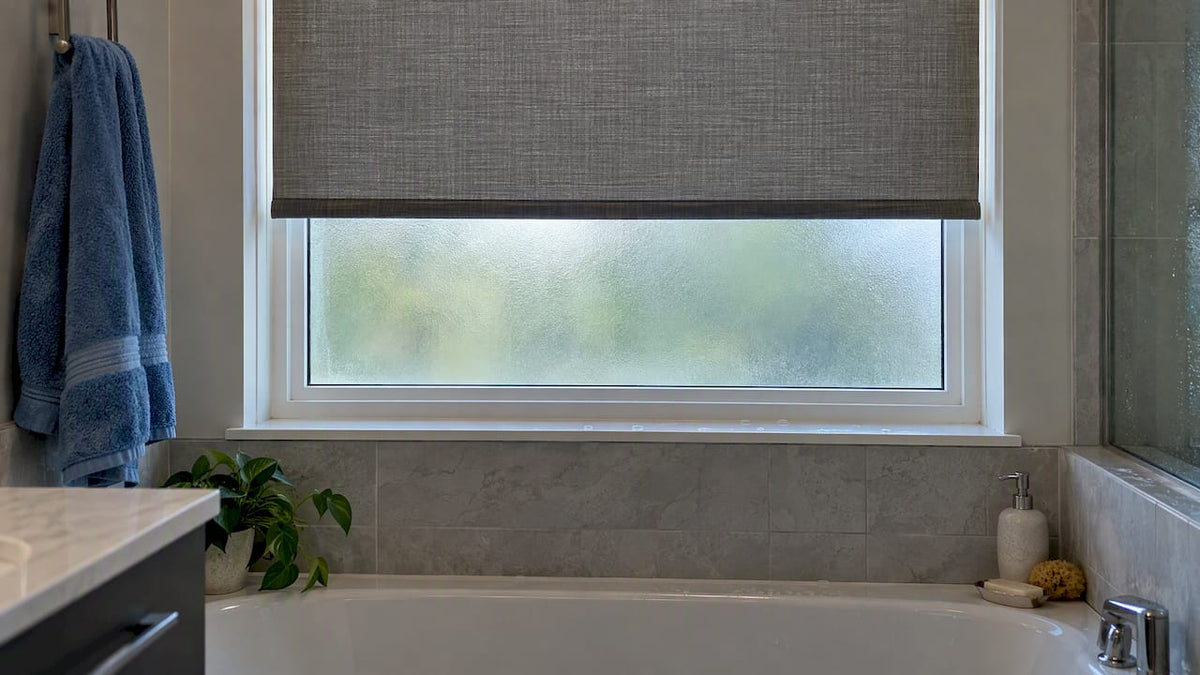
Roller and solar shades earn their spot through simplicity. They control glare well, look tidy in photos, and roll completely out of the way for showings, but they don’t offer the insulation punch that cellular designs do. They’re a smart pick for rooms where light control matters more than thermal performance, like a home office or a sunroom.
Blinds (wood, faux wood, or aluminum) are the low-cost fix. Swapping a broken or yellowed blind for a fresh, neutral one is cheap and fast, and it removes an obvious flaw from a buyer’s checklist. What blinds don’t do is move the needle on energy performance; slats leave gaps that undercut any meaningful insulation claim.
Drapes and curtains can go either way. Light, neutral panels hung well make a room look taller and brighter, which is a staging asset. Heavy, dark, or overly patterned drapes do the opposite, and they’re often the first thing a stager pulls down. Scale and color decide which category yours fall into.
Shutters deliver a premium look and genuinely sturdy build quality, but the installed cost runs high. They tend to make financial sense in higher-end markets where buyers already expect that level of finish, and less sense as a quick pre-sale upgrade in a starter-home price range.

4. Staging rules: what to keep, remove, and install before listing
A lot of this comes down to a short checklist you (or your agent or stager) can knock out in a day or two.
- Remove anything heavy, dated, or deeply personal that blocks light, especially bold valances or floor-to-ceiling drapes in strong colors.
- Favor neutral, operable treatments over anything purely decorative; buyers want to see that windows actually open and close smoothly.
- Hang curtains higher and wider than the frame to make the window itself look larger and the ceiling feel taller.
- Keep blinds and shades open during showings so every room reads as bright and spacious in photos and in person.
- Swap corded treatments for cordless versions or simple tiebacks for a quick safety and tidiness win, especially in homes that may attract buyers with young kids.
- Clean every window pane inside and out, since smudged glass undercuts even the best treatment choice.
Pro Tip: If budget is tight, request free fabric swatches before committing to a full room of new panels, since matching light, neutral tones across rooms costs far less than it looks like it should.
Most of this list is a weekend project, not a renovation. If a full treatment swap feels like too much before a tight listing deadline, temporary fixes like rented neutral panels or a thorough window cleaning can carry you through showings without a big spend.
5. Cost versus expected return: budgeting before a sale
Setting a budget here starts with knowing roughly what you’re working with. Economy options like basic faux wood or aluminum blinds sit at the low end of the cost spectrum. Mid-range choices, including roller shades and standard cellular shades, cost more per window but add both a cleaner look and, for cellular options, documented energy savings. Premium treatments like plantation shutters or motorized systems sit at the top of the range and tend to make the most financial sense in homes already priced for that level of finish.
A simple payback framework helps decide where real investment is worth it versus where a quick fix will do:
- If a window treatment upgrade is mainly cosmetic, the lowest-cost neutral option that solves the “it looks dated” problem usually outperforms a pricier upgrade for a near-term sale.
- If a treatment is also expected to lower utility bills, the DOE’s documented savings range of up to 20% on heating energy gives you a number to weigh against the installed cost and your region’s typical heating season length.
- If you’re selling within weeks, cheap, fast fixes (cleaning, cordless swaps, neutral tiebacks) beat any high-cost install, because there’s rarely enough time between installation and closing to recoup a big-ticket upgrade through the sale price alone.
- If you’re selling in six months or more, a documented insulating shade upgrade has time to show up on a utility bill or two, which strengthens the case you can make to a buyer or appraiser.
The honest takeaway is that near-term sellers should lean cheap and fast, while sellers with more runway have room to let an energy-rated upgrade pay for itself twice: once in the utility bill, once in the listing copy.
6. How to document and market window treatment benefits
Getting credit for a good upgrade means putting it on paper, not just hoping an appraiser notices.
- Gather your records, including purchase receipts, any AERC certification labels, and output from an energy calculator estimating annual savings.
- Attach that documentation to the MLS listing as a supplemental addendum, following the Appraisal Institute’s Res Green guidance on how sellers should present energy-efficient features so appraisers can verify and credit them.
- Photograph rooms with shades both open and closed where relevant, so listing photos show off natural daylight as well as the privacy or insulation option.
- Give your agent a short script: something like “these cellular shades are AERC rated and documented to reduce heating costs” reads a lot more convincingly than “we updated the window treatments.”
None of this requires a professional appraiser visit before you list. It just requires keeping the paper trail you already have and making sure it rides along with the listing instead of sitting in a drawer.
7. How our tools help sellers prepare with confidence
Getting from “we should probably update these windows” to “it’s done and documented” is usually the hardest part, and that’s the gap our tools are built to close.
Our measurement guide and design studio let you plan neutral, sale-ready treatments without guessing at sizes or fabrics, and our energy calculator gives you a real figure to put in your documentation file. A few specifics worth knowing:
- Free fabric swatches let you check how a neutral tone actually looks in your lighting before you commit to a full order.
- Professional measurement and installation services are available when you’d rather not risk an off-size order days before a listing goes live.
- Warranties on product lines reduce the risk a buyer might otherwise price into their offer over “will these need replacing soon.”
Together, these tools shrink the time between deciding to upgrade and having it installed, which matters most when you’re working against a listing date instead of a renovation timeline.
8. Regional market variations in window treatment ROI
How much a window treatment upgrade matters depends heavily on where you’re selling. In colder climates with long heating seasons, insulating cellular shades carry more weight, both because the energy savings are larger in absolute terms and because buyers in those markets are more likely to ask about heating costs directly. In hot, sun-heavy climates, the priority often shifts toward glare and heat control, making solar shades or light-filtering options more relevant to local buyer expectations.
Market price tier matters just as much as climate. In higher-end neighborhoods, buyers often expect premium finishes like shutters or motorized shades as a baseline, and skipping that expectation can work against you. In starter-home or mid-market neighborhoods, buyers are usually more focused on cleanliness and light than on finish level, so a well-executed neutral staging job can outperform an expensive upgrade.
Local agents and stagers typically know which of these factors carries more weight in a given zip code, since buyer expectations shift block by block in some markets. If you’re unsure which direction to lean, a quick conversation with your listing agent about recent comparable sales in your specific price range is worth more than a generic rule of thumb.
9. DIY versus professional installation: which gives better ROI
Doing the work yourself saves on labor cost, and for simple swaps like replacing a broken blind or hanging curtain panels, that’s often the right call. The risk shows up with anything requiring precise measurement, like custom shades fitted to an exact window opening, where a sizing mistake means a reorder and a lost week you may not have before a listing date.
Professional measuring and installation trades a bit of upfront cost for certainty: the fit is right the first time, and the install happens on a predictable schedule. For sellers working against a tight closing timeline, that certainty often outweighs the savings from doing it yourself, since a delayed or ill-fitting install can cost you a showing. Our own Pro Measure & Install service exists for exactly that scenario: when you need the job done once, correctly, without burning days you don’t have.
The practical rule: simple cosmetic swaps favor DIY, while anything custom-fitted or energy-rated favors professional installation, mainly because the cost of a mistake is higher than the labor you’d save.
10. Long-term maintenance costs and their effect on overall ROI
A window treatment’s sticker price is only part of the real cost. Fabric shades can fade or stain over years of sun exposure, wood blinds can warp in humid rooms, and corded systems wear out mechanically faster than cordless ones. None of that matters much if you’re selling within a year or two of installing new treatments, but it matters a lot if you’re weighing a bigger investment well ahead of a planned sale.
Durable materials and straightforward mechanisms tend to hold their staging value longer, which matters if your sale timeline shifts and those “pre-sale” treatments end up living in the home for a few more years than planned. Warranties help here too, since a covered repair or replacement keeps a treatment from quietly becoming a liability by the time you do list.
The practical guidance: if your sale is imminent, don’t overthink long-term durability and focus on immediate presentation. If your sale is further out, pick materials that age well, since you may be living with (and eventually showing) that choice longer than you expect.
11. Timing: when to upgrade or highlight window treatments in the sales process
The best timing for a window treatment upgrade depends on how far out you are from listing. If you’re more than six months from selling, an energy-rated upgrade has time to generate a utility bill or two of real savings data, strengthening any documentation you plan to use later. If you’re inside a one-to-two-month window, focus shifts almost entirely to staging: cleaning, neutralizing, and quick cosmetic fixes that improve first impressions without requiring a full product cycle.
Highlighting existing treatments in your marketing should happen once your listing photos and MLS attachment are ready together, not piecemeal. Adding an energy addendum after the listing has been live for weeks loses most of its impact, since early buyer interest and agent showings have already happened without that information in hand.
A rough rule: upgrade early if you want energy documentation to matter, and stage late (right before photos and showings) if your main goal is the visual first impression.
A seller-first take on window treatment spending
Here’s where we land after looking at all of this: most sellers overspend on decorative excess and underspend on light, neutrality, and documentation. A buyer doesn’t fall in love with an elaborate valance, but they do respond to a bright room and a seller who can hand over a one-page summary of what’s been upgraded and why it saves money.
Say a seller spends $400 on neutral cellular shades for two main living-area windows instead of $1,200 on premium motorized shutters throughout the home. The cheaper option, paired with a simple energy printout and a clean MLS attachment, often tells a more convincing story to both buyers and appraisers than the expensive option with no paperwork behind it. Spend on substance you can document, not on finish you can’t explain.
— Sunny
How we help you get your windows sale-ready
Getting a home listing-ready on a deadline is stressful enough without guessing at window sizes or fabric swatches by mail order from three different companies. We built our design studio and free swatch program so you can plan neutral, light-friendly treatments quickly, see the fabric in your own lighting before committing, and move straight into ordering without a second round of samples.
Our catalog covers the categories that matter most for sellers, from energy-rated cellular shades to simple roller and roman shades for rooms that just need a clean, neutral refresh. When your timeline is tight, Pro Measure & Install handles the measuring and fitting so there’s no risk of a sizing mistake eating into your showing schedule, and our warranties mean a buyer’s home inspector won’t be flagging a treatment issue down the line. Start with a free swatch order or head straight to our measurement tool to get a quote before your next showing.
FAQ
What is the best ROI when selling a house?
The upgrades with the strongest return tend to be low-cost, high-visibility fixes like fresh paint, thorough cleaning, and light, neutral staging rather than expensive structural changes. Window treatments fit into that same category when they’re used to maximize natural light and remove dated or personalized coverings, since stagers consistently prioritize light and neutrality over costly, full-scale renovations.
How do I increase home value through window treatments?
Pairing visual improvements with documentation is the most reliable combination: neutral, light-friendly treatments improve buyer perception immediately, while energy-rated cellular shades can add a documented efficiency angle appraisers can credit. Keeping receipts and any AERC-style certification on file, then attaching that documentation to your MLS listing, turns a cosmetic choice into a recorded value feature.
What increases a house’s value the most?
Broad improvements like kitchen and bathroom updates, curb appeal, and overall maintenance typically carry more weight than any single window treatment choice, though upgrading to quality interior doors can also add value to your home as noted by One Day Doors & Closets. Within the staging and presentation category specifically, clean windows, abundant natural light, and neutral coverings consistently rank among the highest-return, lowest-cost actions sellers can take before listing.
Do window blinds increase home value?
Fresh, neutral blinds can improve buyer perception by removing a dated or broken detail from a room, but standard blinds don’t offer the insulation benefit that cellular shades provide. They’re a reasonable low-cost fix for cosmetic issues, but not a substitute for documented energy performance if that’s part of your value story.
Should I replace window treatments before selling my home?
Replacement makes sense mainly when existing treatments are damaged, heavily personalized, or clearly dated, since those issues tend to lower buyer perception during showings. If your current treatments are clean, neutral, and functional, cleaning and opening them during showings is usually enough, saving the bigger investment for windows where energy performance or visible wear justifies the cost.
Sources
- Interior Cellular Shades Boost Home Energy Performance (DOE factsheet)
- Why Home Stagers Will Take Down Your Window Treatments | Apartment Therapy
- A Guide to Res Green EE Addendum (Appraisal Institute)