
Window Treatments and Tenant Satisfaction: A 2026 Guide
TL;DR:
- Window treatments significantly enhance tenant satisfaction, reduce energy costs, and improve lease renewal rates.
- Landlords should prioritize durable, energy-efficient options like cellular shades and consider motorized upgrades for premium units.
Window treatments are a direct driver of tenant satisfaction, shaping comfort, privacy, energy costs, and lease renewal decisions in every rental unit. The role of window treatments in tenant satisfaction is well documented: a 1-point rise in tenant satisfaction on a 5-point scale links to an 8.6% higher lease renewal rate and a 23.1% lower move-out probability. That is not a soft amenity metric. For property managers and landlords, window coverings sit at the intersection of operational savings, tenant retention, and property value. Valueblindsdirect offers a full range of products built specifically for these demands, from cellular shades to motorized options.
How window treatments shape tenant comfort and privacy
Window coverings do more than block sunlight. They regulate temperature, reduce noise, control glare, and give tenants a sense of privacy that directly affects how comfortable they feel in a unit.
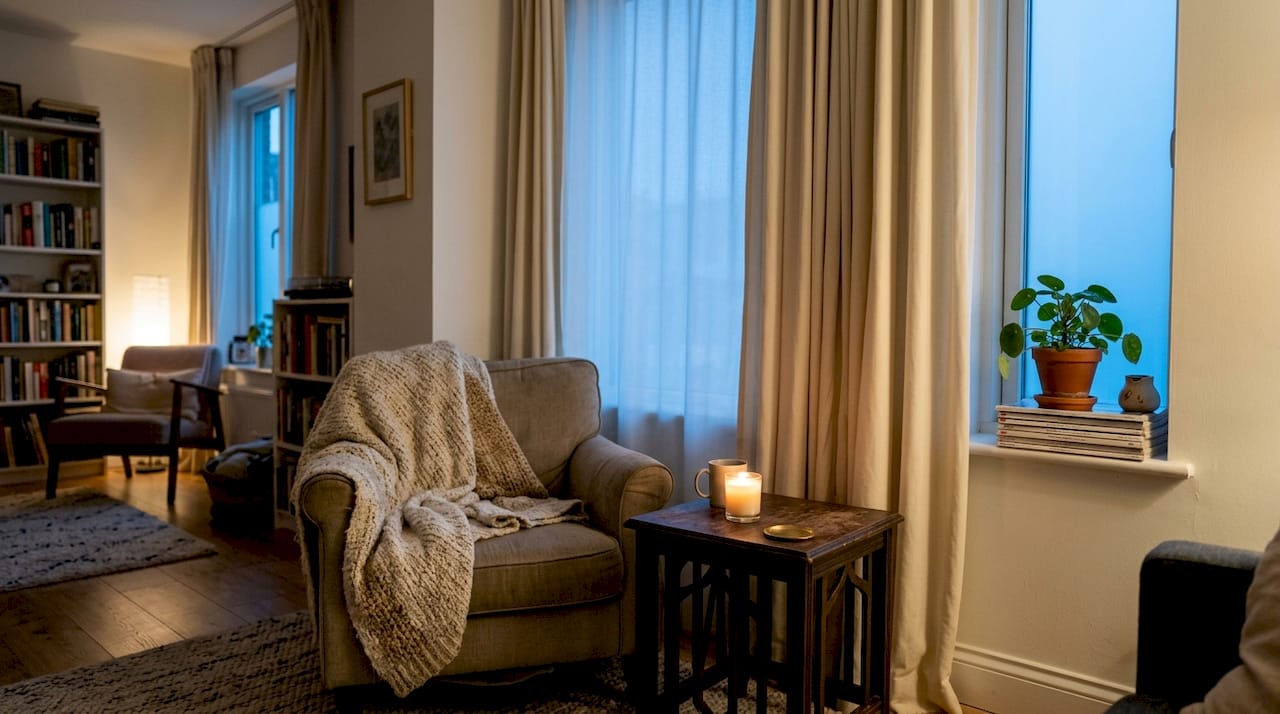
Thermal comfort is the most underrated factor in tenant satisfaction. Curtains and insulated window coverings reduce heat loss by up to 10%, with the biggest gains on north-facing and single-pane windows. Layering cellular shades with curtains amplifies that effect. A tenant in a poorly insulated unit who wakes up cold or sweats through summer afternoons is a tenant who starts looking for another place to live.
Glare control is equally important, especially in units with east or west-facing windows. Tenants working from home, which is now a standard use case in most markets, need diffused light without screen glare. Roller shades with light-filtering fabric solve this without blocking the view entirely.
Privacy is a concern that tenants rarely raise directly but consistently act on. Ground-floor units, street-facing apartments, and open-plan layouts all create exposure that tenants find uncomfortable without adequate window coverings. Top-down, bottom-up cellular shades let tenants bring in light from the upper portion of a window while keeping the lower half covered. That level of control matters.
- Blackout options work best for bedrooms and shift workers who need daytime sleep.
- Light-filtering shades suit living rooms and home offices where glare reduction matters more than full darkness.
- Dual-layer or zebra shades offer adjustable opacity, giving tenants flexibility throughout the day.
- Cordless designs remove safety hazards and reduce maintenance calls, which landlords appreciate as much as tenants do.
Pro Tip: Educate tenants on passive solar strategies. Opening curtains on sunny winter days and closing them at dusk traps heat inexpensively. This simple habit, explained at move-in, reduces heating complaints without any additional cost to the landlord.
Do window treatments actually cut energy costs?
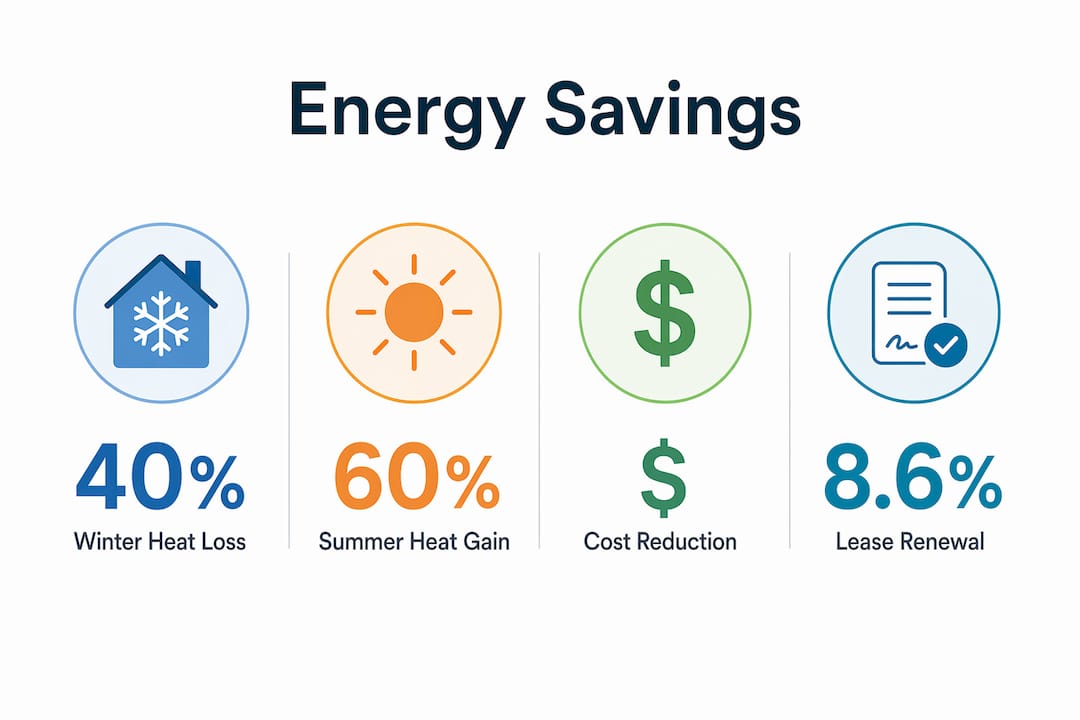
The answer is yes, and the numbers are specific. Windows account for roughly 30% of home heating energy loss. The right window covering does not just improve comfort. It reduces the load on HVAC systems, which lowers utility bills for tenants and reduces wear on equipment that landlords pay to repair.
Cellular shades reduce winter heat loss by up to 40% and cut summer heat gain by up to 60%. Double-cell honeycomb construction creates two air pockets that act as insulation barriers. That performance outpaces standard blinds by a significant margin. Motorized cellular shades add another layer of efficiency by allowing automated scheduling, so shades close during peak heat hours without relying on tenant behavior.
| Treatment type | Winter heat loss reduction | Summer heat gain reduction | Best use case |
|---|---|---|---|
| Cellular shades (double-cell) | Up to 40% | Up to 60% | All climates, high-efficiency units |
| Insulated curtains | Up to 10% | Moderate | Budget-conscious upgrades |
| Standard roller shades | Low | Low to moderate | Glare control, aesthetics |
| Motorized cellular shades | Up to 40% | Up to 60% | Premium units, tech-forward tenants |
The financial case for landlords is direct. Addressing thermal comfort with quality window treatments can pay for itself within 3–6 years by preventing just one costly vacancy. A unit sitting empty for 5–7 extra days costs a landlord up to $280 on a $1,200 per month rental. Preventing one turnover cycle covers the cost of upgrading an entire unit’s window treatments.
Pro Tip: When presenting energy upgrades to tenants, frame savings in dollars, not percentages. “This shade can save you $20–$40 per month in summer cooling costs” drives behavior change far more effectively than citing efficiency ratings.
Which window treatment types work best in rental properties?
Landlords need window coverings that hold up through multiple tenancy cycles, look presentable in listing photos, and do not generate maintenance calls. Not every product category meets all three criteria.
Faux wood blinds are the default choice in many rental markets because they are affordable and moisture-resistant. They work well in kitchens and bathrooms but look dated in living spaces and can warp under extreme temperature swings in poorly ventilated units.
Cellular shades outperform faux wood blinds on energy efficiency and aesthetics. They photograph well, which matters for listing appeal, and they come in cordless configurations that eliminate cord-related maintenance issues. The role of window treatments insulation is most visible with cellular shades, making them the strongest choice for landlords who want to reduce utility complaints.
Roller shades solve a problem that faux wood blinds cannot. Roller shades mounted outside the window jamb accommodate irregular window sizes common in multifamily buildings, absorbing 2–3 inches of variation without requiring a custom order. That flexibility reduces installation costs and simplifies replacements between tenancies.
Motorized options are the premium tier. They appeal to tenants who value convenience and are willing to pay higher rent for it. Operators using opt-in pricing for automated shading see better tenant retention compared to properties that either skip automation or install it without tenant buy-in. The key is framing the value in dollar savings, not technology features.
For landlords managing a portfolio of units, the practical approach is to tier the investment. Use cellular shades or quality roller shades as the standard. Reserve motorized options for premium units or as an upgrade tier that tenants can opt into at lease renewal.
- Standard units: Cordless cellular shades or light-filtering roller shades
- Premium units: Motorized cellular shades or motorized day-and-night shades
- High-moisture rooms: Faux wood or aluminum blinds rated for humidity
- Irregular windows: Face-mounted roller shades for consistent fit
When should landlords replace window treatments?
Most window treatments in rental units last 5–8 years under normal use. The actual trigger for replacement is rarely age alone. Worn cords, faded fabric, broken slats, and mechanisms that stick are the visible signs that tenants notice immediately and photograph in negative reviews.
Properties with unaddressed comfort issues experience 15–25% higher tenant turnover rates. Tenants rarely cite window treatments as the direct reason for leaving. They cite “the apartment felt hot in summer” or “I couldn’t sleep because of the streetlights.” The window treatment is the fix, even when tenants do not name it as the problem.
Replacement timing also affects marketing. Good window treatments improve listing photos and initial tenant impressions, which correlate to faster lease-up times and higher rent premiums in some markets. A unit with clean, well-fitted shades photographs significantly better than one with bent blinds or sagging curtains. That difference shows up in inquiry rates before a prospective tenant ever visits in person.
The cost-benefit calculation is straightforward. Replacing window treatments during a turnover, rather than waiting for the next vacancy, costs less than one additional vacant week. Proactive replacement also signals to incoming tenants that the property is well maintained, which sets the tone for the entire tenancy.
- Inspect at every turnover. Check for broken mechanisms, faded fabric, and missing slats before listing the unit.
- Replace, do not repair, after two tenancy cycles. Repaired blinds look patched and photograph poorly.
- Upgrade strategically. If a unit has had repeated thermal comfort complaints, move from standard blinds to cellular shades at the next turnover.
- Document the upgrade. Include new window treatments in the listing description and photos. Tenants notice and respond to specifics.
Key Takeaways
Window treatments are a measurable lever for tenant retention: the right coverings reduce turnover, cut energy costs, and improve lease renewal rates.
| Point | Details |
|---|---|
| Tenant satisfaction drives renewals | A 1-point satisfaction increase links to 8.6% higher lease renewal willingness and 23.1% lower move-out probability. |
| Cellular shades lead on efficiency | Double-cell honeycomb shades cut winter heat loss by up to 40% and summer heat gain by up to 60%. |
| Roller shades fit multifamily buildings | Face-mounted roller shades absorb 2–3 inches of window size variation, reducing custom order costs. |
| Proactive replacement pays off | Preventing one vacancy cycle covers the cost of upgrading window treatments across an entire unit. |
| Dollar framing drives tenant adoption | Communicating energy savings in dollar terms increases tenant participation in automated shading programs. |
What I’ve learned after years of watching landlords get this wrong
Most landlords treat window treatments as a line item to minimize, not an asset to manage. I’ve seen that thinking cost property owners far more than the savings they thought they were capturing.
The pattern is consistent. A landlord installs the cheapest available blinds at move-in. By year two, the cords are fraying and the slats are bent. The tenant does not complain directly. They just start feeling like the unit is not worth what they’re paying. When lease renewal comes, they leave. The landlord then spends $1,500–$2,000 on turnover costs, plus lost rent, and still installs the same cheap blinds for the next tenant.
The landlords who get this right think about window treatments the way they think about appliances. They buy for durability, not just price. They replace on a schedule, not just when something breaks. And they communicate the value to tenants at move-in, which builds goodwill that shows up at renewal time.
The motorized shade conversation is worth having with any landlord managing premium units. The hesitation is always about upfront cost. But energy savings framed in dollar terms drive tenant participation in opt-in programs, and that participation translates directly into retention. A tenant who feels like their building is investing in their comfort is a tenant who renews.
My honest recommendation: start with cellular shades as your baseline for every unit. They outperform on every metric that matters to tenants: comfort, light control, and energy costs. Then add motorized options as a premium tier for units where you want to justify higher rent. That two-tier approach gives you a clear upgrade path without overinvesting in units that do not support premium pricing.
— Sunny
Valueblindsdirect has the right treatments for your rental portfolio
Landlords and property managers who want to improve tenant comfort without overcomplicating the selection process will find a direct path at Valueblindsdirect.
The catalog covers the full range of what rental properties actually need. Vertical blinds hold up well in high-traffic units and work across large sliding door openings. The Value Blinds Premium Blackout Duo-Tone Honeycomb Shades deliver the thermal performance that cellular shades are known for, with a top-down, bottom-up design that tenants actually use. For landlords ready to offer a premium tier, the motorized cellular shades combine energy efficiency with the convenience that drives renewal decisions. Every product ships with measurement guides and expert support, so installation between tenancies stays fast and straightforward.
FAQ
How do window treatments affect tenant lease renewals?
A 1-point increase in tenant satisfaction links to an 8.6% higher lease renewal rate and a 23.1% lower move-out probability. Window treatments that improve comfort and privacy directly contribute to that satisfaction score.
What window coverings work best for rental apartments?
Cordless cellular shades are the strongest all-around choice for rental units. They provide thermal insulation, photograph well for listings, and eliminate cord-related maintenance calls between tenancies.
Do window treatments really reduce energy bills for tenants?
Yes. Cellular shades cut winter heat loss by up to 40% and summer heat gain by up to 60%, which directly lowers heating and cooling costs for tenants in the treated units.
How often should landlords replace window treatments?
Most window treatments last 5–8 years under normal rental use. Landlords should inspect at every tenant turnover and replace after two tenancy cycles, or sooner if comfort complaints have been logged.
Are motorized shades worth the cost in rental properties?
Motorized shades are worth the investment in premium units where higher rent justifies the upfront cost. Properties using opt-in pricing for automated shading report better tenant retention compared to units without automation.