
Window Treatments for Small Spaces: 2026 Style Guide
TL;DR:
- Window treatments for small spaces should maximize natural light and create the illusion of height with ceiling-level rod placement.
- The best options are minimal in weight and bulk, such as sheer curtains, roller shades, or flat Roman shades, which enhance room size perception.
Window treatments for small spaces are most effective when they maximize natural light and create the illusion of height using ceiling-level rod placement, neutral tones, and minimal fabric bulk. The right compact window coverings do two jobs at once: they control light and privacy while making a tight room feel larger than it is. Whether you rent an apartment or own a home with small windows, the choices you make at the window have an outsized effect on how the whole room feels. This guide covers the best placement techniques, treatment styles, color strategies, and rental-friendly options available in 2026.
1. How should you position window treatments in small rooms?
Placement is the single most powerful tool you have. Hanging curtain rods at or near the ceiling increases perceived room height far more than any fabric choice. The eye follows the vertical line from floor to ceiling, and the room reads as taller and more open as a result.
Extend your rod 6–10 inches beyond the window frame on each side. This lets the panels stack completely off the glass when open, so no fabric blocks incoming daylight. The window looks wider, and the room gets more light.
Floor-to-ceiling panels are the standard recommendation for small rooms, even when the window itself is small. Short curtains hung at sill height emphasize the window’s small size and make the room feel cramped. Full-length panels draw the eye upward and create a finished, cohesive look that works with the room rather than against it.
- Mount the rod as close to the crown molding or ceiling as possible.
- Use a rod long enough to extend 6–10 inches past the frame on both sides.
- Choose floor-length panels, even for small or awkwardly sized windows.
- Select slim, low-profile rod hardware to keep the look clean and uncluttered.
Pro Tip: If your ceiling is low, skip decorative finials entirely. A simple, straight rod with minimal end caps keeps the eye moving upward instead of stopping at the hardware.
2. What are the best types of window treatments for small spaces?
Not every treatment style works in a tight room. The best options share one quality: they add function without adding visual weight. Here are the top choices, ranked by how well they perform in small rooms.
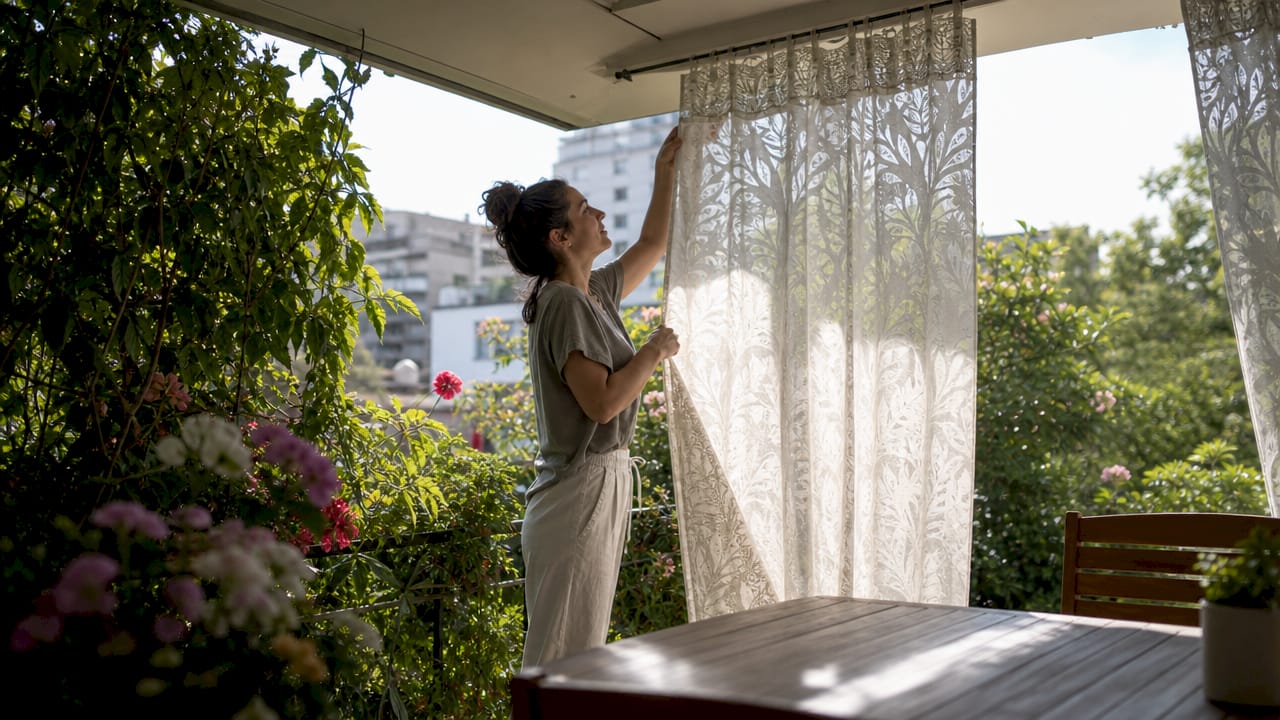
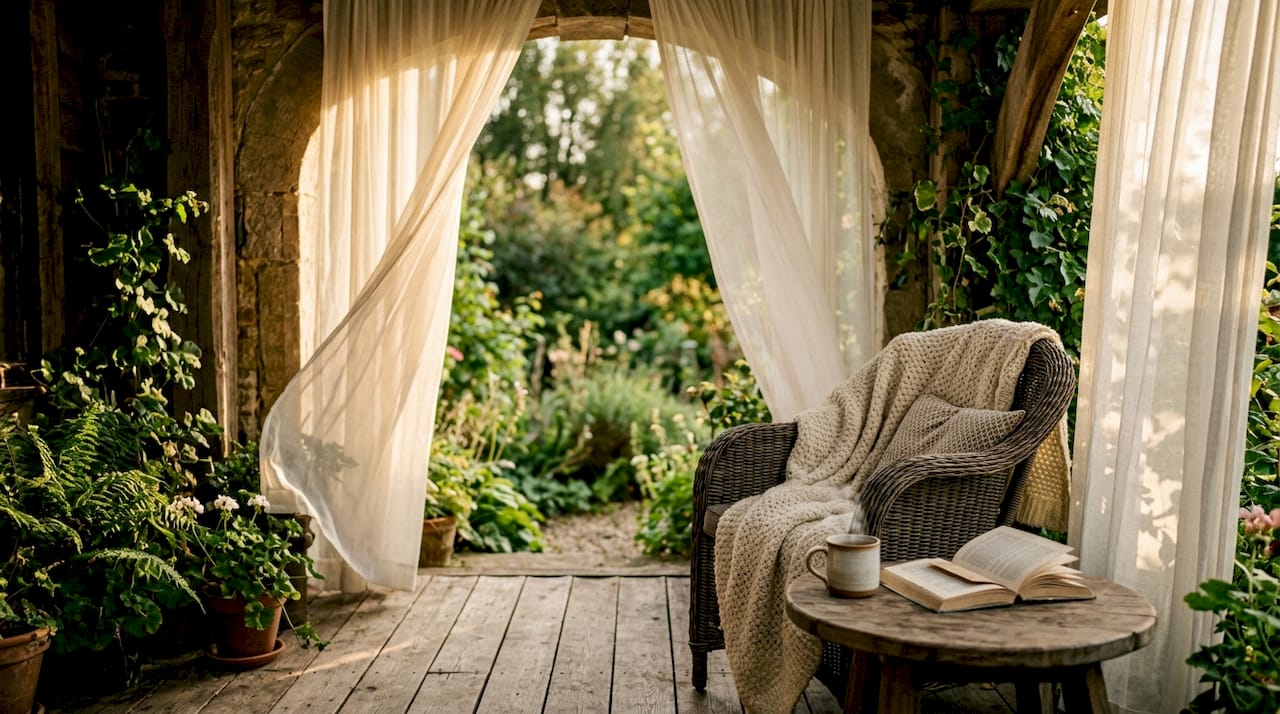
1. Sheer curtains Sheer curtains hung floor-to-ceiling are the most effective option for making small rooms feel larger. White, ivory, and pale sand sheers draw the eye upward and flood the room with soft, diffused light. They work best in living rooms and bedrooms where privacy needs are moderate.
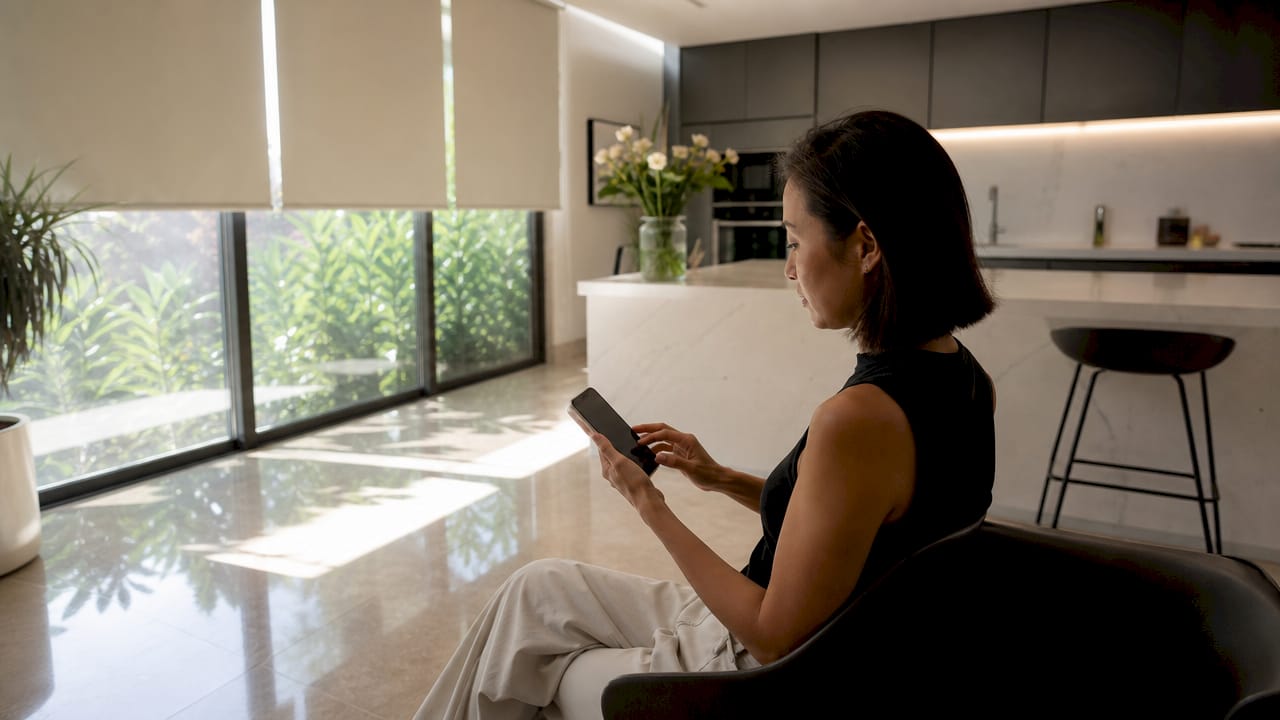
2. Roller shades Roller shades and flat Roman shades are the top recommendation for rooms where visual clutter is a concern. A roller shade rolls up completely out of sight, leaving the window fully open. That clean, minimal profile is exactly what small rooms need.
3. Flat Roman shades Flat Roman shades add texture and warmth without the bulk of looped or hobbled styles. Linen and cotton fabrics are the best material choices here. They lie flat when lowered and stack neatly when raised, keeping the window area tidy.
4. Hardwood blinds Hardwood blinds offer a chic, low-profile alternative to fabric curtains in tight quarters. They are customizable in slat width, length, and finish, and they control light precisely without adding visual heaviness. Valueblindsdirect carries a range of solid wood blinds that work well in compact rooms.
5. Top-down bottom-up cellular shades Cellular shades with a top-down bottom-up function are the best choice when you need both privacy and daylight at the same time. You can lower the top half to let light in from above while keeping the bottom half raised for privacy. Light-filtering cellular shades balance privacy and soft light diffusion, making small rooms feel open without sacrificing comfort.
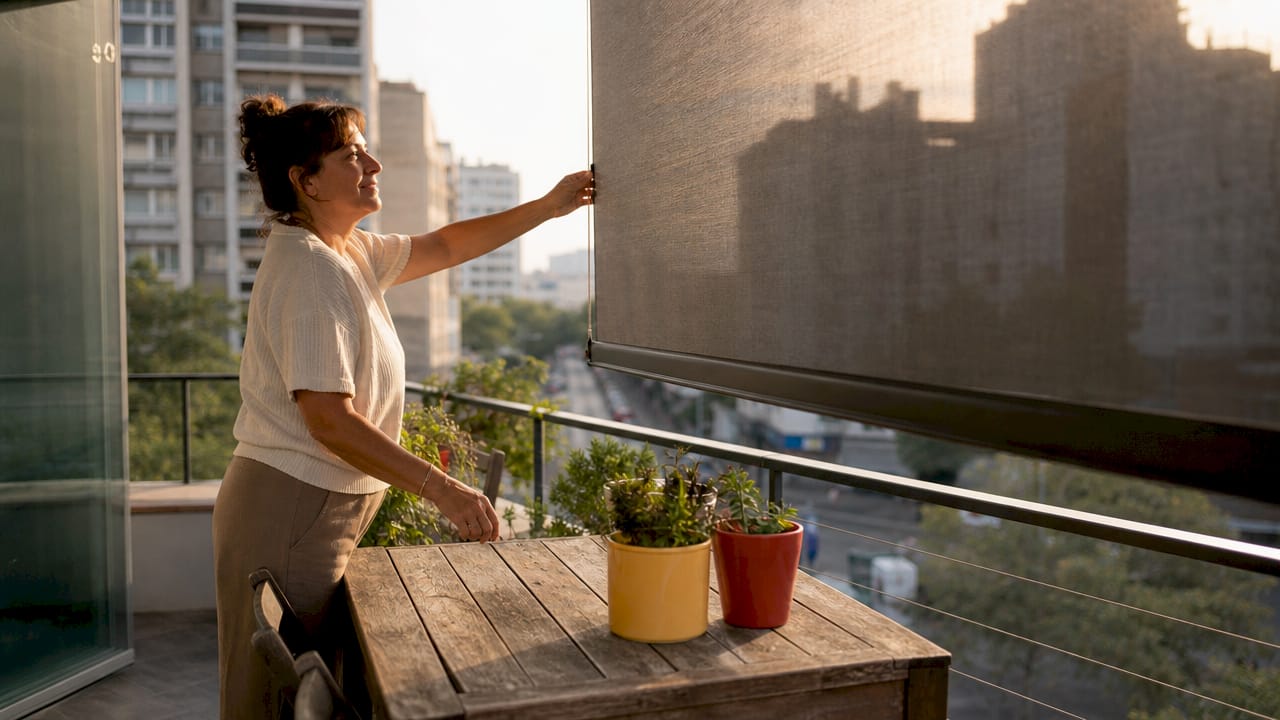
6. Solar shades Solar shades filter glare without blocking the view or the light. They work especially well in city apartments where the view outside is part of the room’s appeal. The fabric is thin and rolls up completely, leaving no visual bulk at the window.
3. How do color and material choices affect compact window coverings?
Color is the fastest way to either open up a small room or accidentally shrink it. Choosing treatment colors that match the wall tone creates visual continuity and makes the room read as larger. When the curtain blends into the wall, the eye sees one unbroken surface instead of two competing elements.
The best wall-matching tones for small rooms are white, cream, beige, and soft gray. These colors reflect light rather than absorb it. They also work with almost any furniture color, which makes them a safe long-term choice.
Material matters just as much as color. Light, airy fabrics like linen, cotton, and sheer voile keep the window area feeling open. Heavy fabrics like velvet, thick wool, and layered blackout liners add visual mass that small rooms cannot absorb without feeling closed in.
- Match treatment color to wall color as closely as possible.
- Choose linen, cotton, or sheer fabrics over heavy wovens.
- Avoid dark or high-contrast colors that create a visual stop at the window.
- Use color-coordinated window treatments to create a unified, expansive look.
Pro Tip: Layer a sheer panel behind a light linen drape for texture and depth without heaviness. The sheer handles light diffusion; the linen adds warmth. Together they look intentional and full without crowding the window.
For more ideas on maximizing natural light throughout your home, the right fabric and color combination at the window is always the starting point.
4. What installation and rental-friendly options work best?
Renters face a real constraint: most landlords prohibit drilling into walls or window frames. The good news is that the best rental-safe options also happen to be some of the cleanest-looking choices for small rooms.
Tension rods and no-drill cellular shades are the two most practical rental-safe options. Tension rods fit inside the window frame with no hardware required. No-drill cellular shades use adhesive or tension mounting systems that leave no marks behind.
Inside-mounted shades sit close to the glass and keep visual clutter low. This mounting style is ideal for small rooms because it does not add any width or depth to the window area. The treatment stays contained within the frame, which keeps the wall space around the window clean and open.
- Use tension rods for lightweight sheers or cafe curtains without drilling.
- Choose inside-mount cellular or roller shades for a clean, built-in look.
- Select cordless or motorized options for ease of use in tight spaces where reaching hardware is awkward.
- Look for light-filtering options that give you privacy control without sacrificing daylight.
Simple hardware choices matter here too. Avoid ornate brackets, heavy finials, or double rod systems in small rooms. Every extra element at the window competes for visual attention in a space that has very little to spare.
Key takeaways
The most effective window treatments for small spaces combine ceiling-level rod placement, neutral colors matched to wall tones, and minimal-bulk fabrics to maximize both light and perceived room size.
| Point | Details |
|---|---|
| Mount rods at the ceiling | Hang rods near the ceiling line and extend them 6–10 inches past the frame on each side. |
| Use full-length panels | Floor-to-ceiling panels make small windows look larger and rooms feel taller. |
| Match color to the wall | White, cream, beige, or gray treatments blend into walls and create visual continuity. |
| Choose low-bulk styles | Roller shades, flat Roman shades, and cellular shades add function without visual weight. |
| Rental-safe options exist | Tension rods and inside-mount no-drill shades work well without permanent installation. |
What I’ve learned from years of dressing small windows
Small windows are not the problem. Short curtains are.
The single most common mistake I see in small rooms is curtains that stop at the sill or just below it. The intention is usually to “fit” the window, but the result is the opposite. Short panels draw the eye directly to the window’s small size and leave the wall above looking bare and unfinished. Full-length floor-to-ceiling panels fix this immediately. They are the one change that makes the biggest difference in the shortest time.
The second mistake is choosing treatments that are too heavy or too dark. A deep charcoal linen drape might look stunning in a large room with high ceilings. In a 10-by-12-foot bedroom, it reads as a wall closing in on you. Light fabrics in wall-matching tones are not boring. They are the right tool for the job.
My personal preference for most small rooms is a sheer panel behind a light linen drape, both hung from a ceiling-level rod. The sheer handles privacy during the day. The linen adds warmth in the evening. Neither one dominates the room. For rooms where curtains feel like too much, hardwood blinds are my go-to. They are clean, durable, and adapt to any room style without demanding attention.
One thing worth building into your decision from the start: think about both light and privacy at the same time. Most people solve for one and then realize they have sacrificed the other. Top-down bottom-up cellular shades solve both problems in one product. That is the kind of practical efficiency that small spaces reward.
— Sunny
Valueblindsdirect has the right fit for small rooms
Finding compact window coverings that actually fit your space, your style, and your budget is easier with the right starting point. Valueblindsdirect offers a full range of space-saving blinds and shades sized and customized for small windows, including cellular shades, roller shades, and wood blinds built to order.
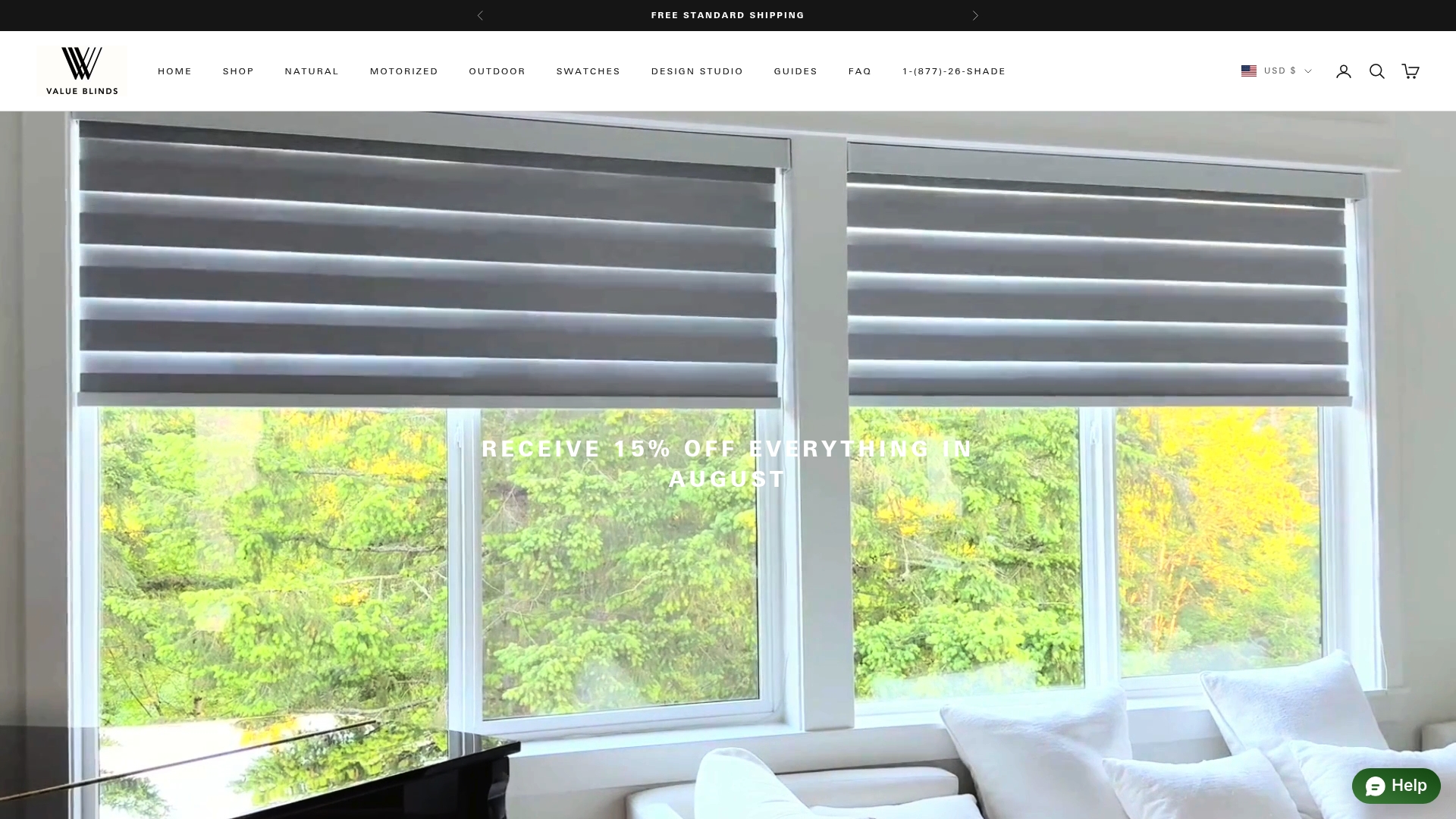
You can order free swatches before committing to a color, and the Window Treatment Design Studio lets you visualize how different treatments will look in your room before you buy. For renters and homeowners alike, vertical blinds and cellular shades from Valueblindsdirect come with expert support and clear measurement guides so you get the right fit the first time.
FAQ
How high should I hang curtains in a small room?
Hang the rod as close to the ceiling or crown molding as possible. This technique increases perceived ceiling height and makes the room feel taller and more open.
What are the best curtains for small rooms?
Sheer curtains in white, ivory, or pale sand are the top choice for small rooms. They diffuse light softly and draw the eye upward when hung floor-to-ceiling.
Are roller shades good for small spaces?
Roller shades are one of the best options for small rooms because they roll up completely out of sight, leaving the window fully open and the room uncluttered.
What window treatments work for renters with small windows?
Tension rods and no-drill inside-mount cellular shades are the most practical rental-safe options. They require no drilling and leave no damage when removed.
Should I use minimalist window treatments in a small room?
Minimalist window treatments work best in small rooms. Clean-lined roller shades, flat Roman shades, and slim wood blinds keep the window area tidy and prevent visual crowding.