Trending Window Treatments 2025: Top Styles to Know
TL;DR:
- In 2025, window treatments emphasize smart motorization, natural textures, and layered design for style and energy efficiency. Homeowners now expect motorized shades to integrate with smart home systems, while natural materials like grasscloth and linen are gaining popularity for their warmth and sustainability. Proper layering of shades and drapery creates larger visual space and enhances functionality, with warm neutrals replacing stark whites.
Trending window treatments in 2025 are defined by three forces working together: smart motorization, natural woven textures, and layered design. These are not separate trends running in parallel. They reinforce each other, and the homes that get it right treat window coverings as both a design statement and an energy tool. From cellular shades that cut cooling costs to grasscloth rollers that age like fine leather, the top styles for 2025 reflect a homeowner who wants beauty and performance from the same product.
1. What are the trending window treatments 2025 homeowners are choosing?
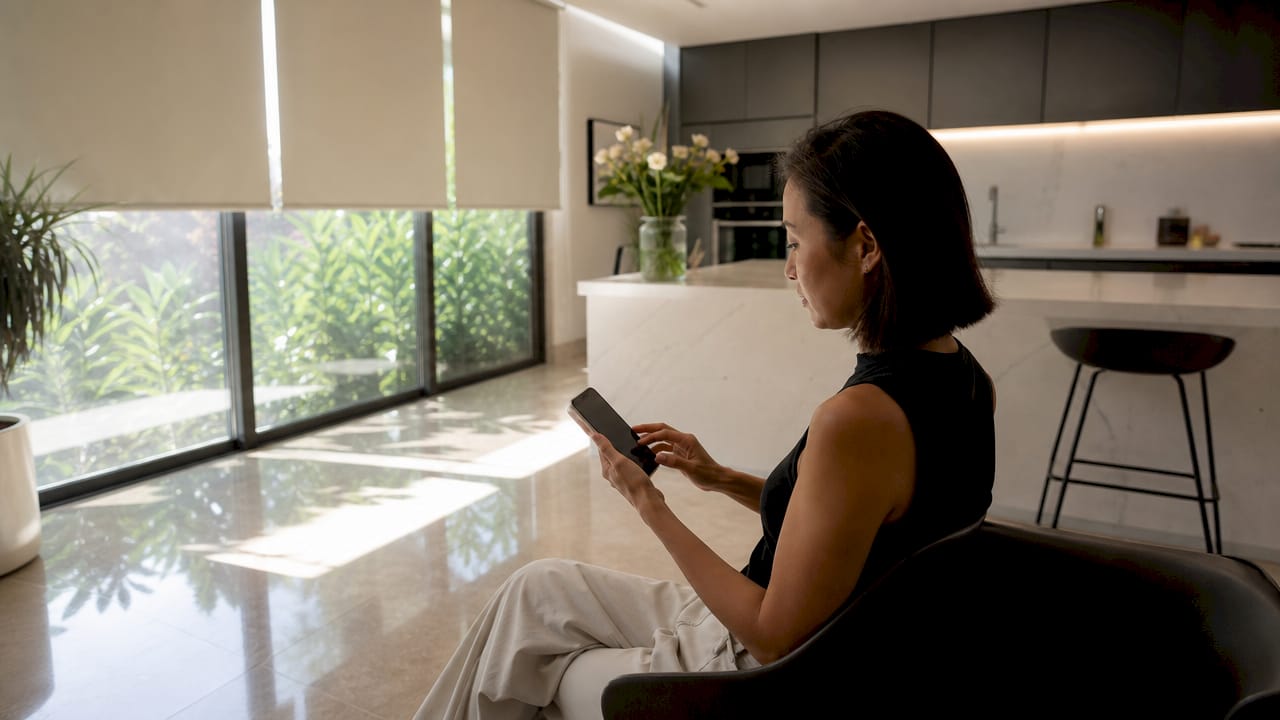
The clearest shift in 2025 is that smart motorization has moved from a luxury upgrade to a baseline expectation. Homeowners now expect their shades to work with Alexa, Google Home, and Apple HomeKit the same way they expect a thermostat to connect to Wi-Fi. The window covering industry has responded by building these integrations directly into mid-range product lines, not just premium tiers.
Alongside technology, natural materials and warm color palettes are replacing the cold, minimalist whites that dominated the previous decade. Terracotta clay, stone gray, and dusty sage are the colors showing up in design studios and new construction alike. The result is a window treatment market that rewards homeowners who think about texture, tone, and technology at the same time.
2. Smart motorized shades: the new standard
Smart motorization now integrates with Alexa, Google Home, and Apple HomeKit as a standard feature in modern residential window treatments. That shift matters because it moves automation from a novelty into a daily utility, the same category as smart lighting or a connected thermostat.
The practical benefits break down into four areas:
- Light management: Schedule shades to open at sunrise and close during peak afternoon heat without touching a remote.
- Privacy control: Set position presets for morning, afternoon, and evening so your routine runs automatically.
- Energy savings: Position memory and sun-tracking logic in motorized shades reduce cooling costs by up to 15% annually by adapting to changing sun angles across seasons.
- Home integration: Voice commands and app scheduling work across cellular shades, roller shades, and woven wood styles.
The types of motorized treatments seeing the most demand are cellular shades (for insulation), zebra shades (for light filtering), and natural woven rollers (for texture and warmth). Each works with standard motorization kits and integrates into existing smart home ecosystems.
Pro Tip: When setting up motorized shades, program a “summer afternoon” preset that drops shades to 70% closed between noon and 4 p.m. That single automation delivers most of the cooling savings without blocking your view entirely.
3. Natural textures and eco-friendly fabrics
Natural woven textures like grasscloth, linen, and bamboo are regaining popularity for their organic warmth, visual depth, and sustainable sourcing. These materials do something synthetic fabrics cannot: they age gracefully. A bamboo shade that has been in a sun-drenched living room for three years develops a patina that looks intentional, not worn.
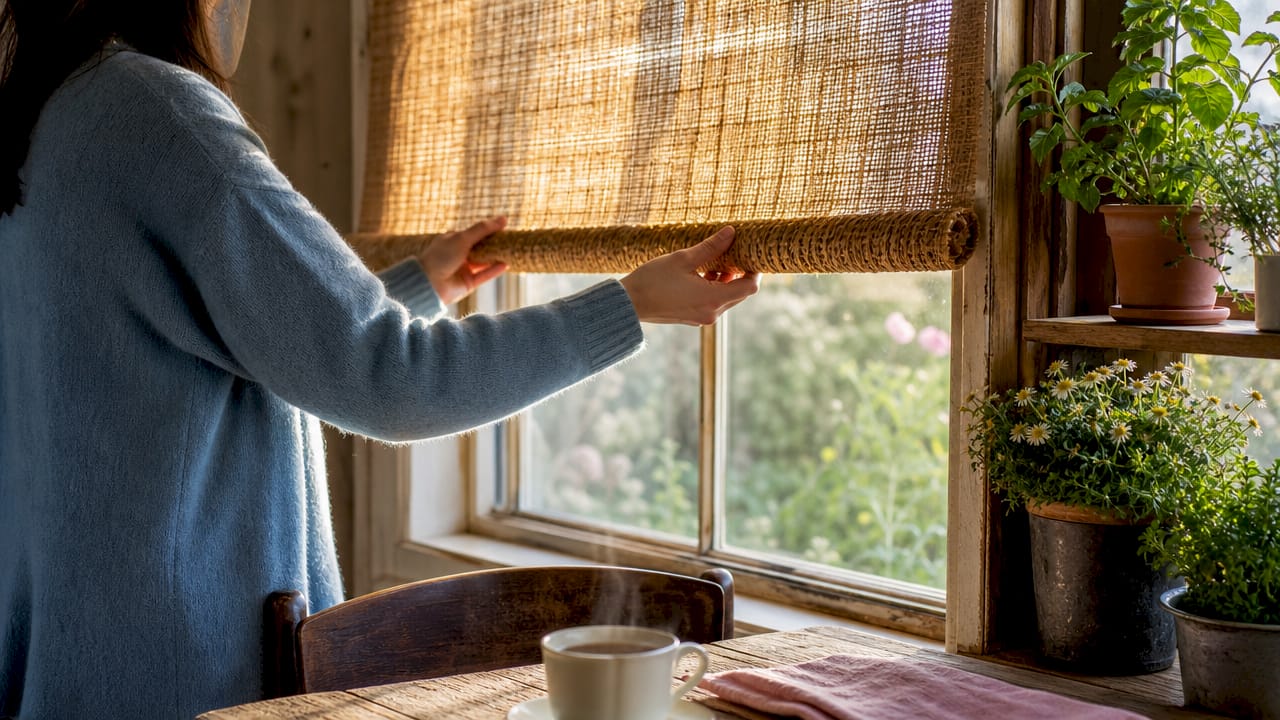
The design case for natural materials is strong on its own. The sustainability case makes it stronger. Homeowners are increasingly asking where their fabrics come from, and manufacturers are responding with certified natural fiber sourcing. This is not a niche preference. Hospitality designers have been specifying grasscloth and linen weaves for years, and residential interiors are catching up.
Key natural materials trending right now:
- Grasscloth: Tight woven texture, excellent for living rooms and dining rooms where you want visual warmth without heavy drapery.
- Linen weaves: Soft, diffused light filtering with a relaxed, organic look that works in bedrooms and home offices.
- Bamboo derivatives: Durable, moisture-resistant, and available in motorized formats from Valueblindsdirect, including the natural woven motorized shades that pair organic texture with smart home control.
Pro Tip: Pair a natural woven roller shade with a linen drapery panel in a tonal color. The contrast in texture creates depth without requiring two completely different color families.
4. Why layered window treatments are gaining traction
Layered or double-dressed window treatments create the illusion of larger windows. The technique works because the eye reads the full span of the drapery hardware, not the actual window frame. Mounting rods 6–10 inches above the window frame and extending 4–8 inches beyond the sides on each end optimizes this effect significantly.
The layering approach also solves a real functional problem. A single shade rarely handles every lighting condition a room faces across a full day. A base shade inside the frame manages light filtering and privacy. A drapery panel or roman shade on top adds thermal performance, blackout capability, and visual weight. Together, they cover every scenario.
Here is the correct layering order for a polished result:
- Mount the base shade (roller, cellular, or woven wood) inside the window frame.
- Install drapery hardware 6–10 inches above the frame, extending 4–8 inches beyond each side.
- Choose drapery panels in a complementary texture, not necessarily the same material as the base shade.
- Add a valance or cornice board only if the ceiling height supports it without crowding the window.
“Layering is not about adding more. It is about giving each treatment a specific job. The base shade controls light. The drapery controls scale and warmth. When both are doing their job, the room feels finished.”
The color and texture coordination between layers is where most homeowners make mistakes. The base shade and the drapery panel do not need to match. They need to belong to the same palette. A stone gray cellular shade pairs cleanly with a dusty sage linen panel. A bamboo roller works with a warm white cotton drape. The contrast is the point.
5. Color palettes and patterns defining modern window covering trends
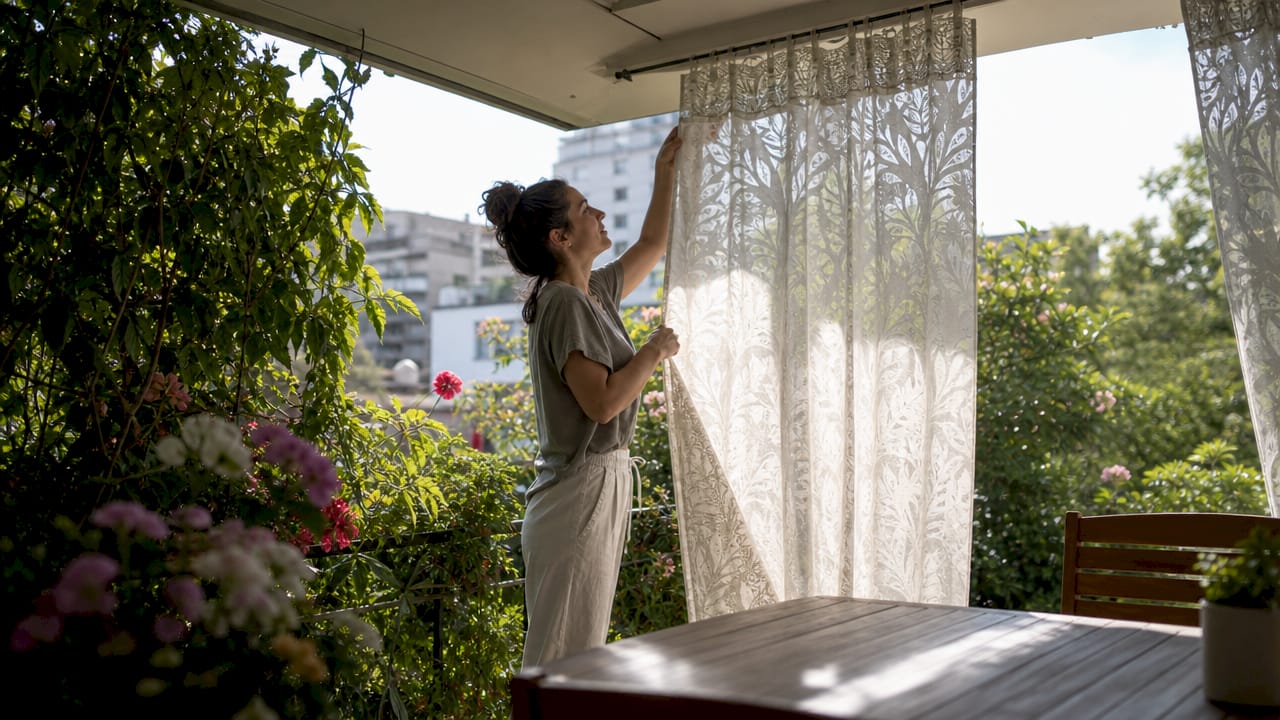
Warm neutral color palettes with mineral tones are the dominant direction for window coverings in 2025. Terracotta clay, warm white, stone gray, and dusty sage are replacing stark whites across new installations and renovation projects. These colors anchor a room without competing with furniture or art.
Patterns are also making a return, but with restraint. Menswear-inspired textiles like houndstooth and herringbone add sophistication without overwhelming a space. Small-scale prints and tonal trims layer depth into a window treatment scheme that would otherwise read as flat.
| Color or Pattern | Best Application | Why It Works |
|---|---|---|
| Terracotta clay | Living rooms, dining rooms | Adds warmth and anchors earth-tone schemes |
| Stone gray | Home offices, bedrooms | Neutral enough to recede, rich enough to feel intentional |
| Dusty sage | Kitchens, sunrooms | Connects interior palette to outdoor greenery |
| Houndstooth | Study, library, formal sitting room | Adds pattern without competing with art or furniture |
| Tonal trim | Any layered treatment | Creates visual definition between layers in the same palette |
The key rule with color selection is that window treatments should connect to the broader room scheme, not stand apart from it. A terracotta shade in a room with warm wood floors and cream walls feels like a design decision. The same shade in a room with cool gray tile and white walls looks like a mistake.
6. How energy-efficient window treatments reduce home cooling costs
Thermal and blackout linings have shifted from optional to standard in quality window treatments. That change reflects a broader recognition that window coverings are part of a home’s thermal envelope, not just its decoration.
The energy case for quality window treatments is straightforward:
- Cellular shades trap air in their honeycomb cells, creating an insulating barrier between the glass and the room.
- Solar shades block UV radiation and reduce solar heat gain without eliminating the view.
- Blackout linings on drapery panels prevent heat transfer through fabric, particularly on west-facing windows in summer.
- Smart automation compounds all of these benefits by positioning shades at optimal angles throughout the day without manual adjustment.
Automated shading reduces cooling costs by up to 15% during peak months. That figure comes from the combined effect of blocking direct solar gain, reducing the load on air conditioning, and maintaining consistent shade positions that a manual routine rarely achieves. Homeowners looking for practical guidance on maximizing these savings can find specific strategies in Valueblindsdirect’s energy-efficient window coverings guide.
The products that deliver the best thermal performance are cellular shades with day-and-night configurations. These allow full light filtering during the day and complete blackout at night, handling both comfort and privacy in a single product. Valueblindsdirect carries cordless cellular shades in this format, with thermal linings built in as a standard feature rather than an add-on.
Key takeaways
The most effective window treatment strategy in 2025 combines smart motorization, natural textures, and layered design to deliver both aesthetic depth and measurable energy savings.
| Point | Details |
|---|---|
| Smart motorization is now standard | Integration with Alexa, Google Home, and Apple HomeKit is expected at mid-range price points, not just premium. |
| Natural materials age better than synthetics | Grasscloth, linen, and bamboo develop character over time and meet growing demand for sustainable sourcing. |
| Layering requires correct mounting | Mount rods 6–10 inches above the frame and 4–8 inches wider on each side to create the illusion of larger windows. |
| Warm neutrals replace stark whites | Terracotta, stone gray, and dusty sage anchor room schemes better than cool or bright whites. |
| Thermal linings are now baseline | Cellular and blackout-lined treatments reduce cooling costs by up to 15% when paired with smart automation. |
My take on where window treatments are actually heading
What I have seen shift in the last two years
The conversation used to be style versus function. Homeowners would pick a beautiful roman shade and accept that it did nothing for their energy bill, or they would install a cellular shade and accept that it looked utilitarian. That tradeoff is gone. The products available now, particularly motorized cellular shades in natural fiber wraps and woven wood rollers with smart controls, deliver both without compromise.
What I find more interesting is the layering trend. Most articles treat it as a styling tip. It is actually a functional decision. A single shade cannot handle the full range of light conditions a room sees across a day and across seasons. Layering is the honest answer to that problem. The fact that it also makes windows look larger and rooms feel more finished is a bonus, not the point.
The color shift toward warm neutrals is the trend I trust most to last. Stark white window treatments photograph well and sell well in showrooms. They also show every mark, fade unevenly in direct sun, and make a room feel colder in winter. Terracotta, sage, and stone gray do the opposite. They get better with time and work harder across different lighting conditions.
My practical advice: start with the base shade and get that right first. The right cellular or roller shade in the right color and material does most of the work. Add drapery panels second, once you know what the base shade needs from them. Buying both at once without seeing the base shade installed first is the most common and most expensive mistake I see homeowners make.
— Sunny
Valueblindsdirect has the styles and tech to match 2025 trends
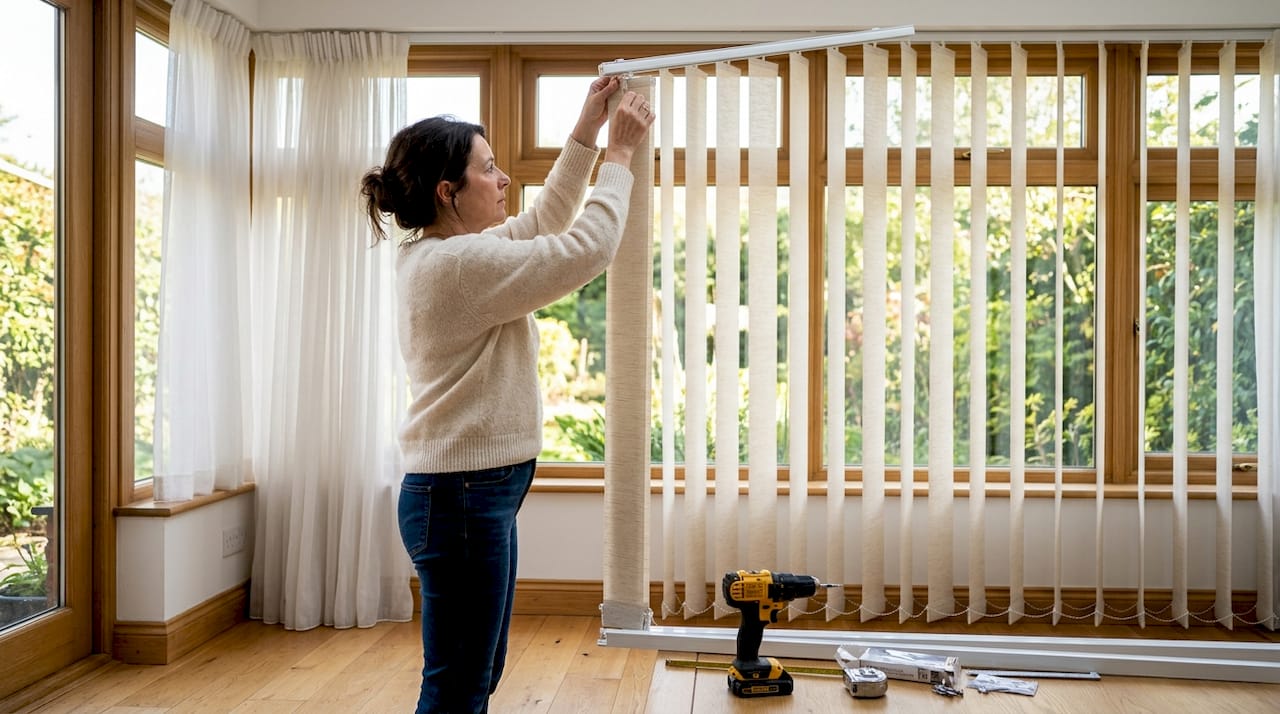
The window treatment trends defining 2025 are all available in one place. Valueblindsdirect carries motorized cellular shades, natural woven rollers, zebra shades with smart controls, and cordless options designed for easy installation without drilling.
The Window Treatment Design Studio lets you visualize color, texture, and layering combinations before you order. Free swatches are available so you can check how a terracotta linen or stone gray cellular shade looks in your actual light before committing. For homeowners who want to start with the full blinds collection, every major 2025 style is represented, from thermal cellular shades to motorized woven woods. Custom sizing, expert support, and a design studio that removes the guesswork make Valueblindsdirect the practical next step after reading about these trends.
FAQ
What are the top window treatments for 2025?
The top window treatments for 2025 are motorized cellular shades, natural woven rollers, and layered combinations of base shades with drapery panels. These styles lead because they deliver both design impact and energy performance.
How much can smart shades reduce my cooling costs?
Smart motorized shades with position memory and sun-tracking logic reduce cooling costs by up to 15% during peak months. The savings come from blocking direct solar heat gain at optimal times without manual adjustment.
What colors are trending for window coverings in 2025?
Warm neutrals including terracotta clay, stone gray, and dusty sage are the leading colors for window coverings in 2025. These tones replace stark whites and complement natural fiber materials like grasscloth and linen.
How do I layer window treatments correctly?
Mount the base shade inside the window frame, then install drapery hardware 6–10 inches above the frame and 4–8 inches wider on each side. This mounting method makes windows appear larger and gives each treatment a distinct functional role.
Are natural woven shades durable enough for daily use?
Natural woven shades made from bamboo, grasscloth, and linen are durable for daily residential use and are regularly specified in hospitality projects. They age with a natural patina rather than fading or yellowing the way synthetic fabrics do.