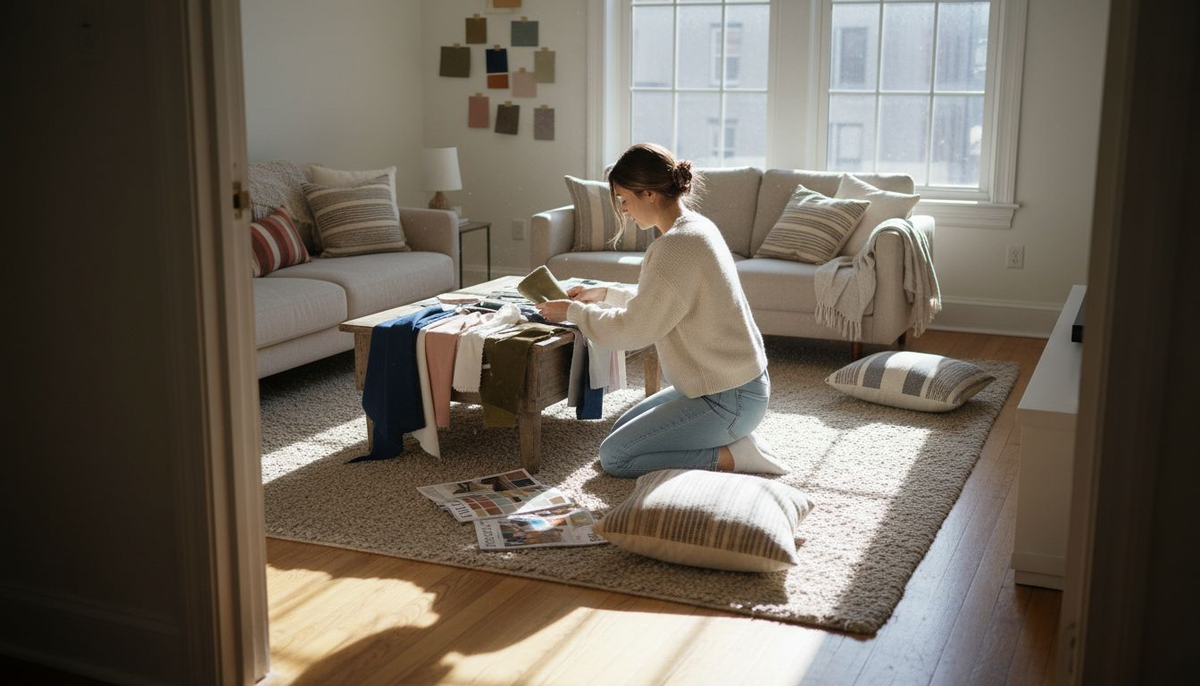

7 Essential Tips for Choosing the Right Rug Size at Home
Picking the perfect rug size often feels like a guessing game. Getting it wrong can leave your space looking awkward, crowded, or disconnected. The right rug should fit your room, work with your furniture, and enhance the overall design—not create headaches or constant adjustments.
If you want your living room, dining area, or bedroom to feel complete and comfortable, choosing rug dimensions matters. You need guidance that goes beyond guessing or relying on generic tips.
This guide will show you how to measure rooms, coordinate with your furniture layout, and select the ideal rug for every space. You’ll discover practical steps and insider design tricks that will help you get it right the first time.
Table of Contents
- 1. Measure Your Room for Accurate Rug Placement
- 2. Match Rug Size to Your Furniture Layout
- 3. Select the Right Rug Size for Living Rooms
- 4. Choose the Best Rug Dimensions for Dining Areas
- 5. Pick the Ideal Rug Size for Bedrooms
- 6. Balance Rug Size with Window Treatment Styles
- 7. Use Rug Placement to Define and Enhance Spaces
Quick Summary
| Takeaway | Explanation |
|---|---|
| 1. Measure your room accurately | Accurate room dimensions ensure you choose the right rug size for a balanced design. |
| 2. Match rug with furniture layout | Ensure your rug complements your furniture arrangement for a cohesive look and functional flow. |
| 3. Consider traffic patterns | Position rugs to avoid obstructions and maintain clear pathways for easy movement throughout the space. |
| 4. Extend rugs appropriately in dining areas | Dining rugs should extend at least 24 inches beyond the table edges to accommodate chairs when pulled out. |
| 5. Use rugs to define spaces | Strategically placed rugs can visually separate and enhance different functional zones in open concept layouts. |
1. Measure Your Room for Accurate Rug Placement
Choosing the right rug size starts with precise room measurements. Understanding your space’s exact dimensions is critical for creating a balanced and visually appealing interior design.
Begin by gathering the necessary tools: a measuring tape, a notepad, and a pencil. Measure the length and width of your room from wall to wall, noting these dimensions carefully. When measuring, include all areas where furniture will interact with the rug.
For living rooms and seating areas, consider the furniture layout for precise measurements. Your rug should ideally anchor the furniture arrangement, extending slightly beyond the edges of key pieces like sofas and chairs.
Remember that standard room sizes typically require different rug dimensions. A small room might need a 5x8 foot rug, while larger spaces could accommodate an 8x10 or 9x12 foot rug. Take careful notes of your specific room measurements to guide your selection.
While measuring, pay attention to walkways and traffic patterns. Your rug should not obstruct natural movement through the room or create tripping hazards. Ideally, leave about 12 to 18 inches of bare floor around the rug’s edges for a polished, intentional look.
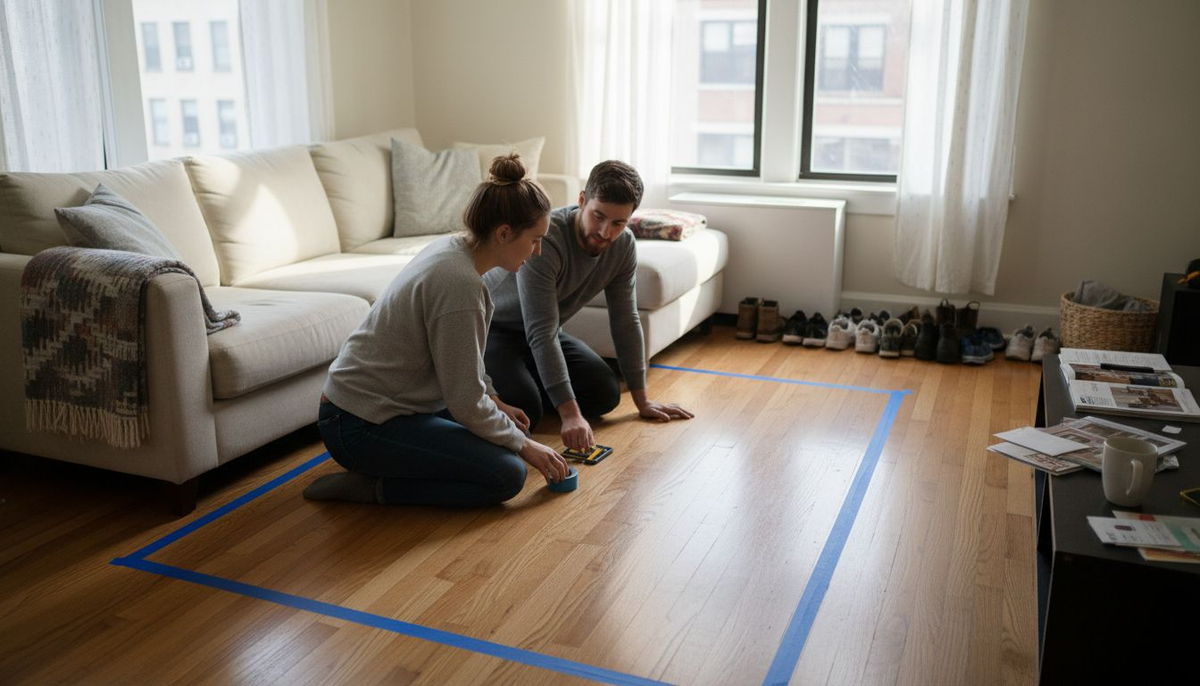
Pro tip: Use painter’s tape to outline potential rug placement on your floor before purchasing to visualize the exact size and positioning.
2. Match Rug Size to Your Furniture Layout
Your rug should seamlessly integrate with your furniture arrangement, creating a cohesive and visually balanced space. Selecting the right rug size requires understanding how your furniture interacts with floor coverings.
In living rooms, a well-placed rug can define the seating area and anchor your furniture arrangement. Consider the furniture placement strategies that create visual harmony and functional flow.
For standard seating areas, aim to place the front legs of sofas and chairs on the rug. This technique creates a unified look while preventing furniture from appearing disconnected. In larger spaces, choose a rug large enough to accommodate all furniture pieces completely.
Different room types require unique approaches. Dining rooms benefit from rugs that extend at least 24 inches beyond the table edges, allowing chairs to remain on the rug even when pulled out. Bedroom rugs should extend around 18 to 24 inches from the bed sides, creating a soft landing area.
Consider your room’s architectural features. Fireplaces, doorways, and architectural elements can impact rug placement. Avoid cutting off important visual lines or blocking key traffic paths with your rug selection.
Pro tip: Use cardboard templates or painter’s tape to mock up potential rug sizes before purchasing to ensure perfect furniture alignment.
3. Select the Right Rug Size for Living Rooms
The living room represents the heart of your home where furniture arrangement and rug selection can dramatically transform your space. Choosing the correct rug size requires understanding how different dimensions impact visual balance and functional comfort.
Living rooms typically benefit from three standard rug sizes: 5x8 feet for smaller spaces, 8x10 feet for medium rooms, and 9x12 feet for larger areas. Your goal is to create a cohesive look that anchors furniture and defines the room’s layout.
When selecting a rug for your living area, consider the best living room design strategies that enhance both style and functionality. A well chosen rug should extend slightly beyond your primary seating furniture, creating a unified and intentional appearance.
For most living rooms, place the front legs of sofas and chairs on the rug while leaving some floor space visible around the edges. This technique creates a sense of openness while maintaining a connected furniture arrangement. In open concept spaces, use the rug to visually define the living area and separate it from other zones.
Consider your furniture configuration when selecting rug dimensions. Sectional sofas might require larger rugs to accommodate their unique shape, while smaller seating arrangements can work with more compact options. Always measure your space carefully and visualize how the rug will interact with existing furniture.
Pro tip: Use painter’s tape to outline potential rug sizes on your floor before purchasing to ensure perfect proportions and placement.
4. Choose the Best Rug Dimensions for Dining Areas
Selecting the right rug size for dining areas requires precision and thoughtful consideration of your table and room layout. A well chosen rug can transform your dining space from functional to extraordinary.
The fundamental rule for dining room rugs is to select a size that accommodates your table and chairs comfortably. Your rug should extend at least 24 inches beyond the table edges on all sides, allowing chairs to remain fully on the rug when pulled out.
For rectangular dining tables, choose rugs that match the table’s shape. A living room design approach can help you understand proportion and scale. Rectangular tables typically work best with rectangular rugs measuring 8x10 or 9x12 feet, depending on your room size.
Circular or round tables create unique challenges. These tables look best with round rugs that are approximately 2 feet larger in diameter than the table itself. This creates a harmonious visual balance and prevents the rug from appearing too small or cramped.
Consider your room’s overall dimensions when selecting a dining room rug. Smaller spaces might require 6x9 foot rugs, while larger dining areas can accommodate more expansive 10x14 foot options. Always measure carefully to ensure the rug provides enough space for chair movement without overwhelming the room.
Pro tip: Use cardboard cutouts to simulate rug placement and ensure perfect proportions before making your final purchase.
5. Pick the Ideal Rug Size for Bedrooms
Selecting the perfect rug for your bedroom transforms the space from simply functional to wonderfully comfortable. The right rug creates a soft landing zone and adds warmth to your most personal space.
Bedroom rugs should be strategically placed to enhance your room’s layout and provide maximum comfort. For queen and king sized beds, aim for a rug that extends 18 to 24 inches beyond the bed’s edges on three sides, creating a luxurious frame around your sleeping area.
Consider the bedroom design strategies that complement your rug selection. Runners work exceptionally well for narrow bedrooms, while larger rectangular rugs suit spacious master suites. Measure your room carefully to ensure proper proportion and visual balance.
Smaller bedrooms benefit from 5x8 foot rugs positioned at the bed’s foot or sides, while larger master bedrooms can accommodate 8x10 foot rugs that extend underneath the entire bed. Always leave some floor space visible around the rug’s edges to maintain a sense of openness.
Pay attention to your bedroom’s furniture arrangement. Nightstands and dressers should either sit completely on the rug or completely off it to create a clean visual line. Avoid awkward partial placements that can make your room feel disjointed.
Pro tip: Use painter’s tape to outline potential rug sizes on your bedroom floor to visualize placement before making your final purchase.
6. Balance Rug Size with Window Treatment Styles
Creating visual harmony between your rug and window treatments requires strategic design thinking. The right combination can transform your room’s aesthetic while maintaining functional elegance.
Consider the proportions of your modern window dressing ideas when selecting rug dimensions. Your rug should complement rather than compete with window treatments, creating a balanced visual landscape.
For rooms with large windows, choose wider rugs that extend beyond the window line to create a sense of spaciousness. In smaller spaces, select narrower rugs that provide visual breathing room between the window treatments and floor covering.
Texture and color play crucial roles in creating cohesion. If your window treatments feature solid colors, consider rugs with subtle patterns. Conversely, rooms with patterned blinds or curtains might benefit from more neutral rug tones that provide a calming counterpoint.
Pay attention to the visual weight of your window treatments. Heavy drapes require larger rugs to maintain proportional balance, while minimalist blinds work well with more compact floor coverings. Always aim for a sense of intentional design that feels effortless and natural.
Pro tip: Use a color wheel to select complementary tones between your window treatments and area rug for a professionally coordinated look.
7. Use Rug Placement to Define and Enhance Spaces
Rugs are powerful design tools that can visually transform and segment interior spaces. Strategic rug placement helps create distinct zones within open floor plans and adds depth to your home’s overall design aesthetic.
In open concept living areas, use custom window treatment approaches to complement how your rugs define different functional zones. A well placed rug can distinguish between living, dining, and work areas without requiring physical walls.
For studio apartments or large rooms, consider using multiple rugs to create visual separation. A larger rug can anchor your main seating area, while a smaller rug can define a reading nook or workspace. This technique helps break up expansive spaces and create intimate micro environments.
Pay attention to traffic patterns when positioning rugs. Ensure your rug placement allows natural movement through the room without obstructing walkways. In hallways and transitional spaces, runners can guide movement while adding visual interest and protecting flooring.
Remember that rug placement is not just about function but also about creating visual storytelling within your space. Use rugs to draw attention to architectural features, highlight furniture arrangements, or create focal points in rooms that feel bland or undefined.
Pro tip: Use rugs with complementary textures and colors to create smooth visual transitions between different functional zones in your home.
This table provides a clear summary of the steps and principles for selecting appropriate rug sizes and placements for different rooms, as discussed in the provided article.
| Step | Description | Key Consideration |
|---|---|---|
| Measure The Room | Gather tools, measure wall dimensions, and include furniture placements. | Ensure walkways remain unobstructed; allow 12-18 inches of bare floor around edges. |
| Match Rug Size To Furniture | Align the rug with furniture arrangements for unity and balance. | Dining room rugs must allow 24 inches beyond table edges; bedrooms should extend 18-24 inches from bed sides. |
| Select Rug Dimensions By Room Type | Adapt size and shape to room needs and furniture setup. | Cohesive placement helps define space zones; sectional sofas may need larger rugs. |
| Incorporate Rugs In Interior Design | Use rugs to segment open concepts and complement spaces architecturally. | Coordinate rugs with furniture and architectural features; emphasize room functionality and flow. |
Elevate Your Home’s Style With Perfect Rugs and Custom Window Treatments
Finding the right rug size is only the first step in crafting a beautifully balanced living space. If you have measured your room, aligned your furniture, and perfected your rug placement, why stop there Put the finishing touches on your design by pairing your rugs with expertly designed, custom window treatments from Value Blinds. Our selections will complement your carefully chosen rugs by enhancing natural light flow, adding texture, and creating visual harmony throughout your home.
Discover the difference quality and customization make by exploring our extensive range, from motorized shades to cordless window solutions that provide seamless style and function. Don’t just fill your rooms—define them with personalized choices made easy through expert support and detailed measuring guides. Start today to bring your living room, dining area, or bedroom design ideas to life with the perfect combination of rugs and window treatments available at Value Blinds. Take your next step toward a stunning, cohesive home interior now.
Frequently Asked Questions
How do I measure my room for the right rug size?
Start by measuring the length and width of your room from wall to wall. Use a measuring tape and write down the dimensions, also considering areas where furniture will be placed to ensure a balanced layout.
What rug size is best for my living room furniture?
Aim for a rug that allows the front legs of your sofas and chairs to rest on it. Ideally, select a rug that extends slightly beyond key furniture pieces to create a unified look, such as an 8x10 foot rug for medium spaces.
How should I choose a rug size for my dining area?
Select a rug that extends at least 24 inches beyond the edges of your dining table to accommodate pulled-out chairs. For example, a rectangular table typically works well with an 8x10 foot rug for comfortable movement around the table.
What is the ideal rug placement for bedrooms?
Aim for a rug that extends 18 to 24 inches beyond the sides of your bed, creating a soft landing area. For larger beds, a rug measuring 8x10 feet can provide a luxurious look while ensuring visibility of some floor space around it.
How can I use rugs to define spaces in open floor plans?
Place rugs strategically to segment areas within open spaces, such as using a large rug to anchor a living room and a smaller one for a reading nook. Ensure that rug placement allows for natural movement throughout the space without obstruction.
What factors should I consider for rug dimensions alongside window treatments?
Ensure your rug complements the proportions of your window treatments for visual harmony. For larger windows, choose wider rugs to create an open feel, ensuring that the rug enhances rather than competes with the overall design.
Recommended
- How to Measure for Shades: A Simple Step-by-Step Guide
- How to Measure Windows for Perfect Custom Treatments
- Measuring Windows for Blinds: The Simple Step-by-Step Guide
- How to Install Window Shades: A Step-by-Step Guide
- 8 Dog-Friendly Home Ideas for Happy Pups – iPupPee
- How to Move Heavy Furniture: UK and International Guide 2025 | Schott Removals

Value Blinds®
Trusted window treatments provider
Value Blinds® is a trusted provider of Greenguard, OEKO-TEX, and FSC-certified window treatments based in Portland, Oregon. Specializing in sustainable, motorized, smart-controlled, and outdoor-ready blinds and shades, the company is built on a foundation of simplified shopping, premium eco-friendly materials, and transparent pricing without the inflated cost.