
7 Essential Steps for Interior Design for Beginners
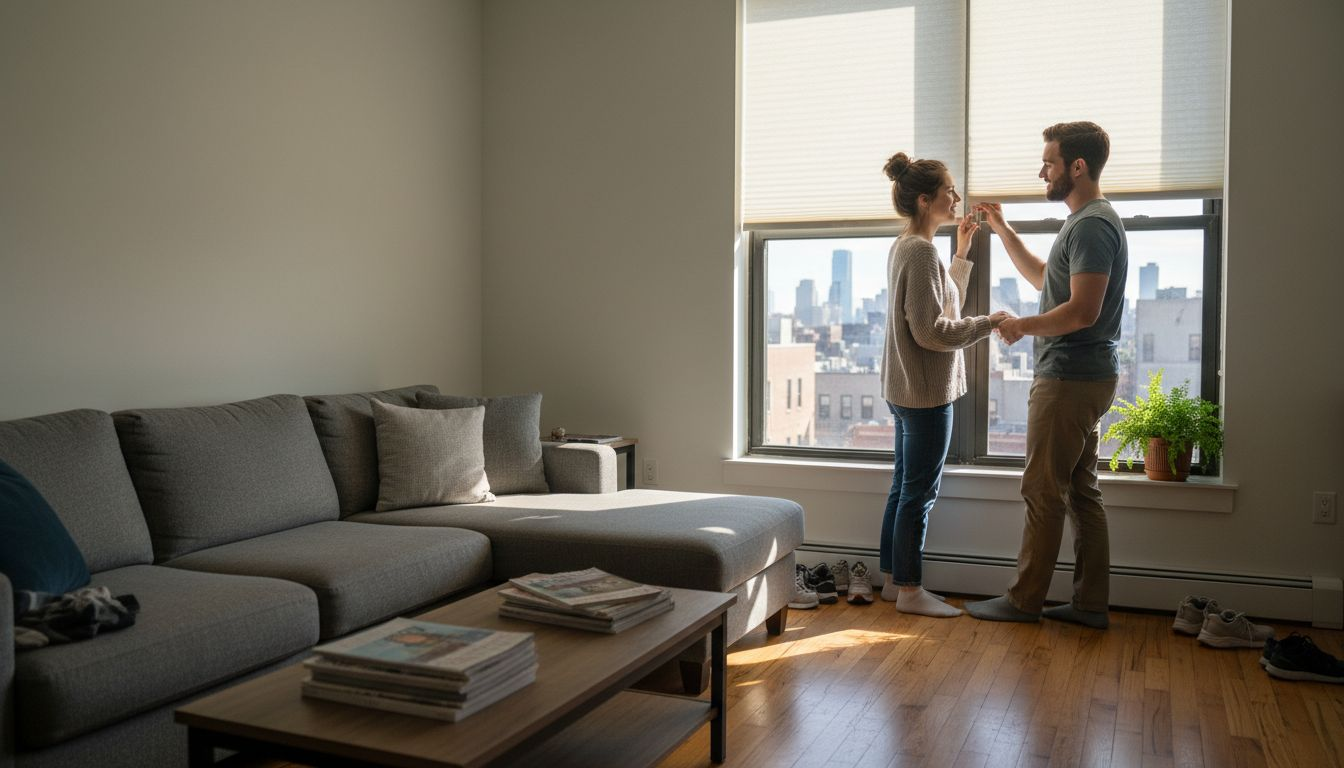
Choosing the right window treatments for your home can feel overwhelming when there are so many styles, colors, and functional needs to consider. From harmonizing color palettes with your interior design to making sure energy-efficient window coverings actually fit your unique space, it can be tough to know where to begin. Every decision impacts the mood, comfort, and look of your home in ways that matter every day.
This guide gives you practical steps for transforming your windows and interiors with clarity and confidence. You will discover how to define your personal style, measure for a perfect fit, and select coverings that balance privacy with natural light.
Get ready to unpack simple techniques and smart tips that help you create attractive, comfortable spaces with window treatments tailored for real-life results.
Table of Contents
- 1. Define Your Interior Style And Color Palette
- 2. Measure Your Space For Accurate Window Treatments
- 3. Choose The Right Window Coverings For Each Room
- 4. Balance Natural Light With Privacy Needs
- 5. Mix Patterns, Textures, And Materials Confidently
- 6. Use Design Tools For Visualization And Selection
- 7. Plan For Easy Installation And Long-Term Upkeep
Quick Summary
| Takeaway | Explanation |
|---|---|
| 1. Define your style and colors | Establish a cohesive design narrative by selecting a style and color palette that reflects your personality and creates visual harmony. |
| 2. Measure windows accurately | Obtain precise measurements to ensure window treatments fit flawlessly, minimizing installation issues and enhancing aesthetics. |
| 3. Tailor window coverings to rooms | Choose specific window treatments based on the function and environment of each room, focusing on style, privacy, and durability. |
| 4. Balance light and privacy needs | Strategically select window treatments that manage natural light while maintaining personal privacy, using adaptable designs for various rooms. |
| 5. Use design tools for planning | Leverage digital design tools to visualize your space and experiment with layouts and color schemes before committing to purchases. |
1. Define Your Interior Style and Color Palette
Defining your interior style and color palette is the foundational blueprint for transforming any living space from ordinary to extraordinary. This critical first step helps you create a cohesive design narrative that reflects your personality while ensuring visual harmony across your home.
Understanding color theory is essential when crafting your design approach. Color palette strategies provide a systematic way to select complementary hues that work together seamlessly. Begin by exploring different color schemes such as monochromatic, analogous, or complementary palettes that resonate with your aesthetic preferences.
Start your design journey by gathering inspiration from multiple sources: design magazines, Pinterest boards, home decor websites, and even artwork or textiles that spark your imagination. Look for recurring color patterns and styles that consistently attract your eye. These visual cues will help you recognize your authentic design style.
Consider the psychological impact of colors in your space. Warm tones like terracotta and mustard yellow can create inviting, energetic environments, while cool blues and greens promote calmness and relaxation. Neutral base colors provide flexibility, allowing you to introduce accent colors through accessories and artwork.
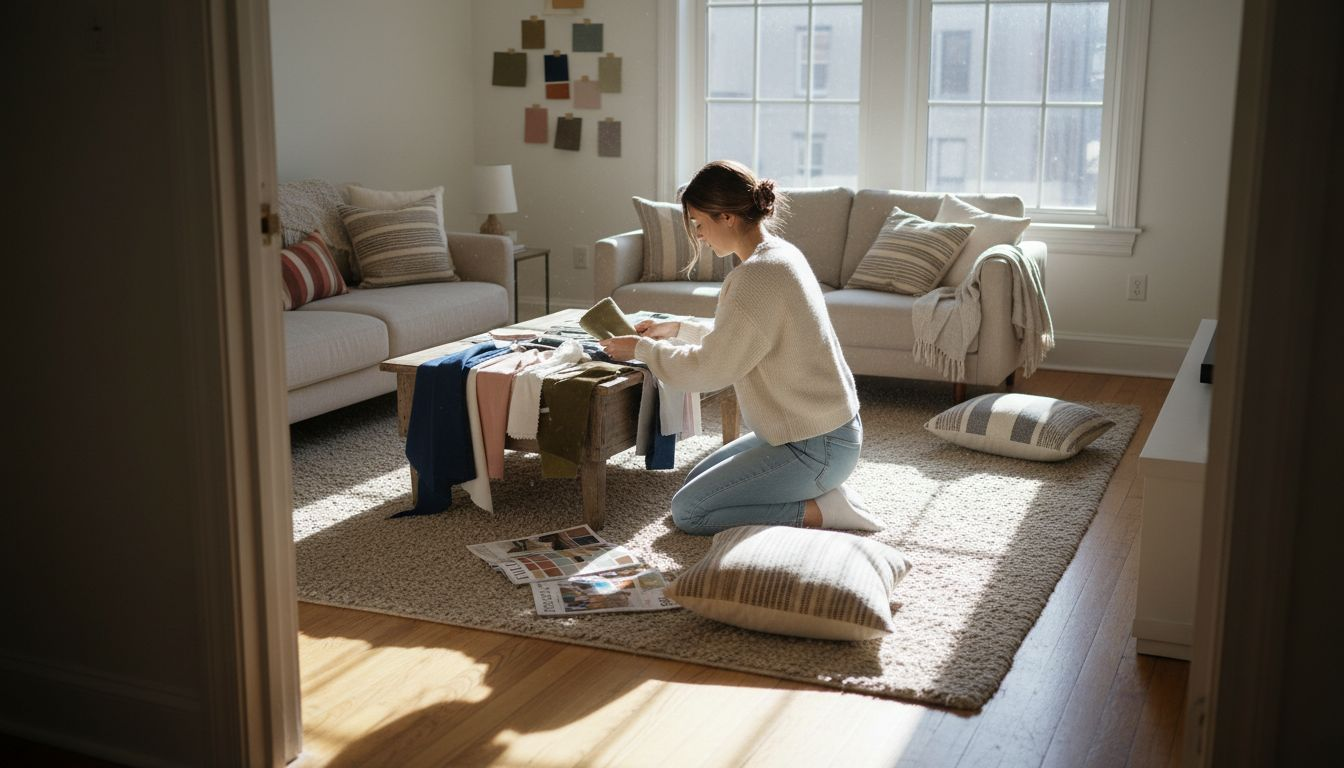
Practically speaking, create a mood board that combines paint swatches, fabric samples, and images representing your desired aesthetic. This visual collage will help you see how different colors and textures interact and provide a tangible reference for your design vision.
Pro tip: Use natural lighting to test color samples and observe how they shift throughout the day, ensuring your chosen palette looks stunning under different light conditions.
2. Measure Your Space for Accurate Window Treatments
Accurate window measurements are the cornerstone of creating perfectly fitted window treatments that enhance both style and functionality. Understanding how to measure your windows precisely can save you time, money, and potential installation headaches.
When approaching window measurements, you need a systematic approach. Precise window measurement techniques are critical for ensuring optimal fit and performance of your chosen window coverings. Start by gathering essential tools: a metal tape measure, a pencil, and a notepad for recording dimensions.
Measure the width at three key points: top, middle, and bottom of the window opening. Always use the narrowest measurement to ensure your window treatments will fit correctly. For height, measure from the top of the window frame to the bottom in three locations left, center, and right side and record the shortest measurement.
Consider whether you want an inside or outside mount. Inside mount requires precise measurements within the window frame, while outside mount allows for more flexibility and can make windows appear larger. Each mounting style demands slightly different measurement approaches.
Factor in additional considerations like trim, molding, and potential obstructions that might impact your window treatment installation. These details can significantly affect the final fit and appearance of your chosen window coverings.
Pro tip: Measure twice and order with confidence to avoid costly mistakes when selecting custom window treatments.
3. Choose the Right Window Coverings for Each Room
Selecting window treatments is more than a simple aesthetic choice. Different rooms demand unique window covering solutions that balance functionality, privacy, and style while meeting specific environmental needs.
Energy efficient window treatments play a crucial role in managing room comfort and utility costs. Each space in your home requires a tailored approach to window coverings based on its unique purpose and characteristics.
Bedrooms benefit from blackout or room darkening treatments that ensure privacy and block outside light. Cellular shades or thick curtains work perfectly in these spaces, creating a serene sleeping environment. Living rooms typically need versatile options like adjustable blinds or elegant drapes that can filter light while maintaining an open feel.
Kitchens and bathrooms demand moisture resistant window treatments. Faux wood blinds or vinyl roller shades are excellent choices that withstand humidity and are easy to clean. Home offices require treatments that minimize glare on computer screens while allowing natural light such as light filtering cellular shades or adjustable horizontal blinds.
Consider your windows specific attributes like size, orientation, and surrounding architectural elements when making selections. South facing windows might need treatments with higher solar protection, while north facing windows benefit from options that maximize available light.
Pro tip: Layer your window treatments by combining sheer and opaque coverings to maximize light control and design flexibility.
4. Balance Natural Light with Privacy Needs
Creating spaces that welcome abundant natural light while maintaining personal privacy requires strategic design and thoughtful window treatment choices. The art of balancing illumination and seclusion is about understanding how light transforms your living environment.
Natural lighting design strategies offer innovative solutions for homeowners seeking to maximize daylight without compromising comfort. Consider window treatments that provide graduated privacy levels allowing you to control transparency throughout the day.
Sheers and light filtering materials are excellent for rooms requiring soft illumination and partial privacy. Bedrooms and bathrooms benefit from options like frosted glass films or adjustable cellular shades that block direct views while permitting diffused light. Living areas can utilize adjustable blinds or layered curtains that offer flexible light management.
Architectural elements such as strategically placed landscaping or architectural screens can also enhance privacy without completely blocking natural light. Positioning furniture to create visual barriers and selecting window treatments with adjustable opacity help you control your space’s transparency and light quality.
Remember that different rooms have unique lighting requirements. South facing windows receive more intense sunlight and might need light filtering treatments, while north facing windows could use treatments that maximize available light and provide consistent privacy.
Pro tip: Invest in window treatments with adjustable louvers or multiple opacity settings to create dynamic light and privacy control throughout your home.
5. Mix Patterns, Textures, and Materials Confidently
Mixing patterns, textures, and materials transforms ordinary spaces into visually compelling environments that reflect your unique personality. Understanding how to blend different design elements can elevate your interior from basic to extraordinary.
Materials and textile design principles offer crucial guidance for creating harmonious yet dynamic spaces. Start by selecting a dominant color palette that serves as your foundation for introducing varied textures and patterns.
Begin with a consistent color scheme and introduce patterns gradually. Combine large scale patterns with smaller geometric or organic designs to create visual balance. For instance, a bold striped armchair can pair beautifully with subtle textured throw pillows or a delicate floral print curtain.
Consider texture variety as essential as color coordination. Integrate materials like smooth leather, rough woven fabrics, sleek metals, and natural wood to add depth and tactile interest. A leather sofa can be softened with a chunky knit throw, while metallic accents can provide modern contrast against organic wooden surfaces.
Use the 60-30-10 rule as your mixing guide: 60% dominant color or texture, 30% secondary elements, and 10% bold accent pieces. This approach ensures your space feels intentional and professionally designed without appearing chaotic or overwhelming.
Pro tip: Create a physical mood board with fabric swatches and material samples to experiment with combinations before committing to your final design.
6. Use Design Tools for Visualization and Selection
Modern interior design tools transform how beginners conceptualize and plan their spaces, turning complex design challenges into manageable creative experiences. Technology has democratized design visualization, making professional level planning accessible to everyone.
Human centered design methods provide structured approaches for selecting and visualizing design elements effectively. Digital tools now allow you to experiment without financial risk, helping you preview design choices before making significant investments.
Free and paid online platforms offer robust visualization capabilities. Virtual room planners enable you to upload room dimensions, experiment with furniture placement, test color schemes, and see realistic renderings of your design concepts. Websites like Roomstyler and Planner 5D provide intuitive interfaces where you can drag and drop furniture, change wall colors, and adjust lighting in real time.
Mobile apps have further simplified design visualization. Many applications allow you to take a photo of your space and digitally overlay potential furniture, window treatments, or color schemes. These tools help eliminate guesswork and provide confidence in your design decisions by offering immediate visual feedback.
Consider combining multiple visualization approaches. Start with digital tools, create physical mood boards, and gather fabric swatches to build a comprehensive design strategy. This multi layered approach ensures you have a holistic view of your design vision before committing to purchases.
Pro tip: Take screenshots of your digital design mockups and save them in a dedicated project folder to track your design evolution and maintain a clear visual reference.
7. Plan for Easy Installation and Long-Term Upkeep
Designing a beautiful space is only half the battle success lies in selecting materials and systems that remain functional and attractive with minimal effort. Thoughtful planning transforms your interior from a momentary aesthetic achievement to a lasting, low maintenance environment.
Sustainable interior design strategies emphasize choosing materials that support long term performance and ease of maintenance. Consider durability, cleaning requirements, and potential wear and tear when selecting window treatments, furniture, and decorative elements.
Prioritize materials with inherent resilience and simple maintenance protocols. Opt for fabrics with stain resistant treatments, surfaces that wipe clean easily, and window coverings that can be quickly dusted or spot cleaned. Wooden blinds with smooth finishes, machine washable curtains, and furniture with removable covers offer practical solutions for busy households.
Factor installation complexity into your initial design choices. Some window treatments require professional installation, while others offer straightforward DIY options. Motorized or cordless systems might have higher upfront costs but can provide easier long term use and reduced maintenance compared to traditional manual options.
Consider the lifecycle of your design elements. Quality materials might cost more initially but can save money over time by reducing replacement frequency. Research manufacturers warranties, read user reviews, and select products known for durability and ease of maintenance.
Pro tip: Always keep manufacturer cleaning instructions and store extra replacement parts or fabric swatches to ensure consistent maintenance and easy future repairs.
Below is a comprehensive table summarizing the strategies and insights discussed in the article regarding interior design and home decoration approaches.
| Section | Key Insights | Practical Applications |
|---|---|---|
| Defining Interior Style and Color Palette | Establishing a cohesive design style and selecting a harmonious color palette are fundamental. Consider psychological impacts of colors and test samples under varying light conditions. | Create a mood board combining prints, fabrics, and images to visualize the design concept. |
| Measuring for Window Treatments | Accurate measurements ensure proper fit and functionality. Measure width and height at multiple points and choose an inside or outside mount as desired. | Prepare necessary tools like a measuring tape and take precise notes to prevent errors. |
| Selecting Window Coverings | Tailor window treatments to the room’s specific needs, such as blackout options for bedrooms or moisture-resistant choices for bathrooms. | Choose materials that balance visual appeal, privacy, and practical considerations effectively. |
| Managing Natural Light and Privacy | Utilize window treatments and architectural elements to balance illumination while maintaining privacy across rooms. | Incorporate adjustable coverings such as blinds and layered curtains for flexibility. |
| Mixing Patterns, Textures, and Materials | Combine various textiles, patterns, and materials while maintaining a consistent color palette. Use proportions like the 60-30-10 rule. | Experiment with fabric swatches and textures to achieve a cohesive yet dynamic look. |
| Using Design Tools | Leverage digital platforms and tools to visualize room styles, layouts, and furnishings before finalizing choices. Combine digital visualization with physical samples for accuracy. | Document mockups and design changes to maintain a clear project overview. |
| Installation Planning and Maintenance | Select durable materials and consider ease of maintenance and installation. Research products for reliability and efficiency. | Store cleaning instructions and consider lifetime costs when choosing design elements. |
Elevate Your Interior Design with Custom Window Treatments
Taking the first steps in interior design can feel overwhelming, especially when balancing style, natural light, and privacy as outlined in “7 Essential Steps for Interior Design for Beginners.” Challenges like selecting the right window coverings that match your unique color palette and interior style while ensuring functionality are common. Value Blinds specializes in helping you overcome these challenges by offering a wide range of custom window treatments tailored to your design goals, including energy-efficient and motorized options for ease and sophistication.
Discover your perfect fit with our Best Sellers featuring popular blinds and shades that combine durability and aesthetic appeal.
Don’t wait to transform your space. Visit Value Blinds Direct now to explore easy-to-install, stylish solutions designed to fit your exact measurements and taste. Start designing the home you deserve today with expert guidance and customization made simple.
Frequently Asked Questions
How do I define my interior style and color palette?
Start by gathering inspiration from design magazines, online platforms, and artworks that resonate with you. Create a mood board with paint swatches and fabric samples to visualize your preferred aesthetic.
What are the steps for measuring my windows accurately for treatments?
Measure the width at the top, middle, and bottom of the window, using the narrowest measurement. For height, record measurements from the top of the frame to the bottom at the left, center, and right, noting the shortest one to ensure a proper fit.
How do I choose the right window coverings for different rooms?
Consider the specific needs of each room; for instance, use blackout curtains in bedrooms for privacy and light control, while moisture-resistant options are ideal for kitchens and bathrooms. Tailor your selections based on the room’s purpose and characteristics to achieve optimal functionality.
What strategies can I use to balance natural light with privacy?
Utilize window treatments that provide adjustable opacity to control both light entry and privacy levels throughout the day. Consider layering sheer and opaque fabrics or using frosted glass for areas where you want light but need to block direct views.
How can I confidently mix patterns, textures, and materials in my design?
Start with a consistent color scheme and introduce varying textures and patterns gradually, using the 60-30-10 rule to balance dominant, secondary, and accent pieces. Experimenting with fabric swatches and materials on a mood board can help visualize combinations before making final decisions.
What should I consider for easy installation and long-term upkeep of interior design elements?
Select durable materials that require minimal maintenance, like stain-resistant fabrics and easy-to-clean surfaces. Understand the installation complexity of your chosen elements and opt for simpler options when possible to facilitate a smooth setup.