
Best plants for apartments: easy-care picks to brighten your space
Choosing the right indoor plants for your apartment can feel overwhelming when you’re balancing limited space, inconsistent natural light, and a busy schedule. You want greenery that survives without constant attention while adding visual appeal and potentially improving your indoor air quality. The good news is that several hardy, attractive plants thrive in apartment conditions with minimal fuss. This guide highlights the best easy-care apartment plants based on scientific air purification data, practical care requirements, and real-world suitability for small living spaces. Whether you’re a first-time plant parent or looking to expand your indoor garden, you’ll find options that fit your lifestyle and enhance your home.
Table of Contents
- How To Choose The Best Plants For Your Apartment
- Top Easy-Care Plants For Apartments With Air-Purifying Benefits
- Comparing The Best Apartment Plants: Care, Air Benefits, And Pet Safety
- Choosing The Right Plants For Your Apartment’s Unique Conditions
- Enhance Your Apartment’s Style With Our Window Treatment Solutions
Key takeaways
| Point | Details |
|---|---|
| Light tolerance matters | Most apartments offer low or indirect light, so choose plants adapted to these conditions for best results. |
| Air purification varies | Research shows certain species like Cordyline fruticosa remove up to 87.5% of volatile organic compounds in controlled settings. |
| Overwatering kills plants | Allow soil to dry completely between waterings to prevent root rot, especially for ZZ and snake plants. |
| Pet safety is critical | Snake plants and some popular species are toxic to cats and dogs, requiring careful placement or alternative selections. |
| Space-saving strategies help | Vertical planters and hanging baskets maximize greenery in compact apartments without cluttering floor space. |
How to choose the best plants for your apartment
Your apartment’s unique conditions dictate which plants will thrive versus struggle. Light availability is the primary factor. Most apartments receive indirect or filtered light rather than direct sun, especially in units facing north or shaded by nearby buildings. Plants labeled as low-light tolerant adapt to these conditions without stretching or losing color. Assess each room’s natural light by observing brightness throughout the day before selecting species.
Care requirements should align with your schedule and experience level. If you travel frequently or forget routine tasks, prioritize drought-tolerant plants that tolerate infrequent watering. Overwatering is a common pitfall for apartment plants like ZZ plants, causing root rot and yellowing leaves. Choose species that prefer dry soil between waterings rather than constant moisture. Complement your low-maintenance approach with low maintenance window coverings that reduce cleaning time and enhance your space.
Air purifying potential attracts many apartment dwellers seeking healthier indoor environments. While plants do filter some pollutants, their real-world impact depends on quantity, species, and room ventilation. Laboratory studies measure removal rates under controlled conditions that differ from typical homes. Focus on species with documented volatile organic compound reduction if air quality motivates your plant choices, but maintain realistic expectations about their overall impact.
Pet safety cannot be overlooked if you share your apartment with cats or dogs. Many popular houseplants contain compounds that cause vomiting, drooling, or digestive upset when chewed or ingested. Research toxicity before purchasing, and consider placement on high shelves or in rooms your pets cannot access. Space-saving size matters in compact apartments where floor area is limited. Vertical growth habits, compact root systems, and slow-growing species prevent overcrowding as your collection expands.
Pro Tip: Measure your available floor and shelf space before shopping, then select plants based on mature size rather than nursery pot dimensions to avoid future crowding.
Top easy-care plants for apartments with air-purifying benefits
Cordyline fruticosa, commonly called Red Star or Ti plant, leads apartment-friendly options for combining visual appeal with measurable air quality benefits. Research shows Cordyline fruticosa removes 87.5% of volatile organic compounds in controlled environments, outperforming most common houseplants. Its vibrant red and green striped foliage adds dramatic color to neutral apartment interiors. This plant tolerates medium to bright indirect light and requires watering when the top two inches of soil feel dry, typically every 7 to 10 days. It grows slowly indoors, reaching 2 to 3 feet tall, making it suitable for floor placement near windows or as a tabletop accent.
Syngonium podophyllum, or arrowhead vine, offers excellent air purification alongside adaptable care requirements. Studies document 81.69% VOC removal efficiency for this species, making it a practical choice for bedrooms and living areas. Its arrow-shaped leaves emerge in shades of green, pink, or white depending on variety. Syngonium thrives in low to medium light, though brighter conditions intensify leaf coloration. Water when the soil surface dries, approximately every 5 to 7 days, and provide a moss pole or trellis if you want vertical growth. This plant stays compact without support, fitting easily on shelves or desks.
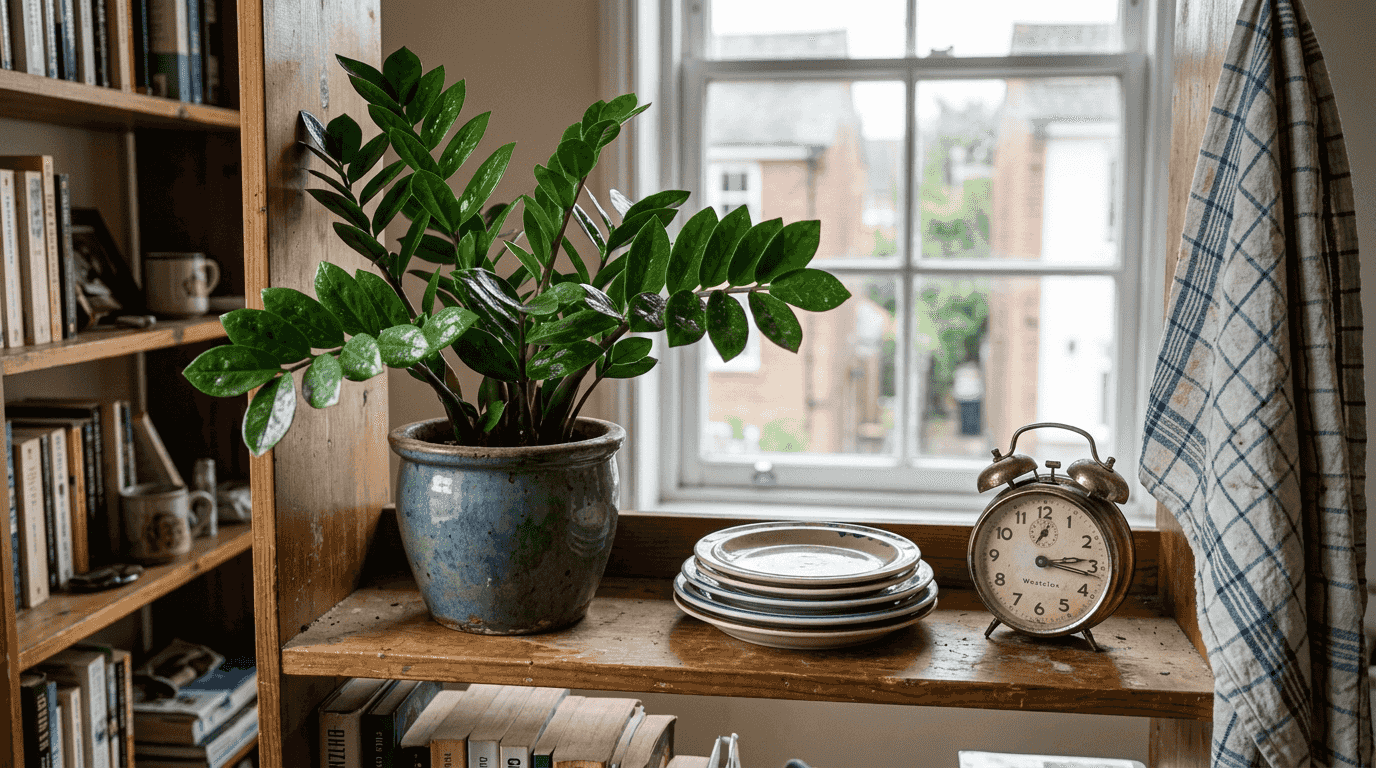
ZZ plant (Zamioculcas zamiifolia) earns its reputation as the ultimate beginner-friendly apartment plant. ZZ plants tolerate low light and infrequent watering, surviving weeks of neglect without visible stress. Its glossy, dark green leaves grow on thick stems that store water, allowing the plant to endure drought conditions. Place ZZ plants in any room regardless of light levels, from dim corners to bright windowsills. Water only when soil is completely dry, typically every 2 to 3 weeks, reducing frequency in winter months. This species grows slowly, reaching 2 to 3 feet tall over several years.
Snake plant (Sansevieria trifasciata) combines architectural form with minimal care demands, though pet owners must exercise caution. Snake plants thrive with bright, indirect light and infrequent watering, making them ideal for busy apartment dwellers. Their upright, sword-like leaves grow vertically, occupying minimal floor space while adding height to room corners. Water every 2 to 4 weeks depending on season and humidity, allowing soil to dry thoroughly between applications. Note that snake plants are toxic to cats and dogs, causing mild gastrointestinal symptoms if chewed.
Other apartment-appropriate options include Epipremnum aureum (pothos) and Chlorophytum comosum (spider plant), both offering moderate air benefits with forgiving care requirements. Pothos trails beautifully from stylish DIY hanging planters, while spider plants produce cascading baby plantlets that create living curtains. Both tolerate low light and irregular watering, though they perform best with consistent moisture and medium light exposure.
Pro Tip: Rotate your plants quarterly to ensure even growth and prevent leaning toward light sources, especially important in apartments with single-direction windows.
Comparing the best apartment plants: care, air benefits, and pet safety
Understanding the specific characteristics of each plant helps you match species to your apartment’s conditions and your household’s needs. The following comparison highlights key differences in care intensity, air purification capacity, and safety considerations.
| Plant | Watering Frequency | Light Needs | Air Purification | Pet Safe | Mature Size |
|---|---|---|---|---|---|
| Cordyline fruticosa | Every 7-10 days | Medium to bright indirect | 87.5% VOC removal | No | 2-3 feet |
| Syngonium podophyllum | Every 5-7 days | Low to medium | 81.69% VOC removal | No | 1-2 feet (compact) |
| ZZ Plant | Every 2-3 weeks | Low to bright indirect | Moderate | Mildly toxic | 2-3 feet |
| Snake Plant | Every 2-4 weeks | Low to bright indirect | Moderate | No | 2-4 feet |
| Pothos | Every 5-7 days | Low to medium | Moderate | No | Trailing, 6-10 feet |
| Spider Plant | Every 5-7 days | Medium to bright indirect | Moderate | Yes | 1-2 feet |
Syngonium and Cordyline reduce various pollutants including total volatile organic compounds, carbon dioxide, carbon monoxide, and particulate matter in laboratory settings. These measurements come from controlled environments with specific plant densities and air exchange rates that may not reflect typical apartment conditions. Use air purification data as one selection factor among several rather than the primary decision driver.
Pet safety deserves special attention for households with animals. Snake plants cause mild symptoms if ingested, including vomiting, drooling, and stomach discomfort in cats and dogs. Cordyline, Syngonium, pothos, and ZZ plants also contain compounds that irritate pet digestive systems. Spider plants stand out as the only fully pet-safe option in this comparison, making them ideal for homes with curious animals. Consider exploring our pet-safe indoor plants guide for additional non-toxic options.
Care tips apply across species despite individual differences. Always check soil moisture before watering by inserting your finger two inches deep. Dry soil indicates readiness for water, while damp soil means you should wait. Use pots with drainage holes to prevent water accumulation at root level. Wipe leaves monthly with a damp cloth to remove dust that blocks light absorption. Feed plants with diluted liquid fertilizer once monthly during spring and summer, reducing to quarterly in fall and winter when growth slows.
Choosing the right plants for your apartment’s unique conditions
Your apartment’s specific layout, light patterns, and household composition guide final plant selections. Start by mapping natural light in each room. North-facing windows provide consistent but dim light suitable for ZZ plants and pothos. East-facing windows offer gentle morning sun ideal for Syngonium and spider plants. South and west-facing windows deliver brighter, more intense light that Cordyline and snake plants appreciate, though you may need sheer curtains to filter direct afternoon rays.
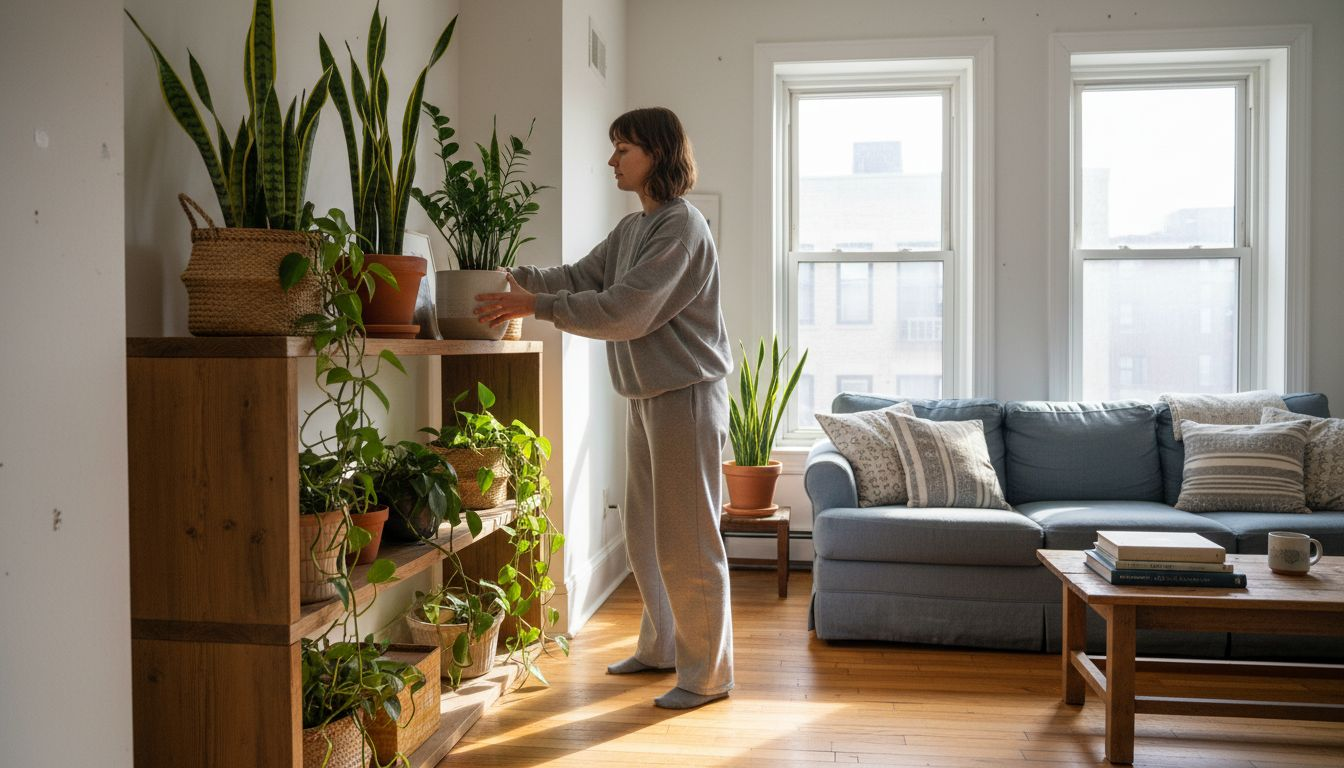
Space constraints in compact apartments require creative placement strategies. Vertical planters mounted on walls maximize greenery without consuming floor area. Hanging baskets suspended from ceiling hooks display trailing species like pothos while keeping toxic plants away from pets and children. Corner plant stands utilize otherwise wasted space while adding height variation to your indoor garden. Window sills accommodate smaller specimens, though you should rotate them regularly to prevent one-sided growth.
Budget considerations matter when starting or expanding your plant collection. ZZ plants and snake plants cost more initially due to slow nursery growth rates, but their longevity and minimal care needs offset the investment. Pothos and spider plants propagate easily from cuttings, allowing you to expand your collection free by rooting stems in water. Many apartment dwellers successfully grow substantial collections by trading cuttings with neighbors or joining local plant swap groups.
Realistic expectations about air purification prevent disappointment. Many plants require more specimens than practical to significantly improve real-world air quality in typical apartments with normal ventilation. A single plant cannot replace mechanical air purifiers or proper ventilation. Instead, view plants as supplementary air quality contributors that primarily enhance aesthetics and provide psychological benefits. Combine plants with regular window opening, kitchen and bathroom exhaust fan use, and consideration of an air purifier for comprehensive indoor air management.
Integrate plants with your overall apartment styling rather than treating them as isolated decorative elements. Group plants of varying heights and leaf textures to create visual interest. Place larger specimens like Cordyline or snake plants in corners to soften hard angles and define spaces in open-plan layouts. Use smaller plants on shelves and countertops to add life to functional areas. Coordinate pot colors and materials with your existing decor scheme for cohesive design. Explore sustainable home improvement tips to complement your plant additions with eco-friendly apartment upgrades.
Pro Tip: Create a simple watering schedule using your phone’s calendar app with reminders for each plant based on its specific needs, adjusting frequency seasonally as growth rates and evaporation change.
Enhance your apartment’s style with our window treatment solutions
Your thoughtfully selected indoor plants deserve equally considered window treatments that optimize light for plant health while enhancing your apartment’s overall aesthetic. Our custom blinds and shades complement your greenery by filtering harsh direct sun that can scorch leaves while maintaining the bright indirect light most apartment plants prefer.
Explore our window treatment design studio to visualize how different shade styles coordinate with your plant displays and existing decor. Our vertical blinds collection offers precise light control, allowing you to adjust brightness throughout the day as sun angles change. For apartments with temperature fluctuations that stress plants, our energy efficient window coverings maintain stable indoor conditions while reducing utility costs. Custom measurements ensure perfect fits for your apartment’s windows, creating a polished look that elevates both your plants and your living space.
FAQ
What are the best plants for low light apartments?
ZZ plants and Syngonium podophyllum tolerate low light well, making them ideal for apartments with limited natural light or north-facing windows. ZZ plants survive in corners far from windows, while Syngonium adapts to various light levels while maintaining healthy growth. Position these plants within 5 to 8 feet of windows for best results, even in dim conditions. Pothos also performs adequately in low light, though growth slows compared to brighter placements.
Are snake plants safe for pets in apartments?
Snake plants are mildly toxic to both cats and dogs if chewed or ingested. Snake plants cause vomiting and stomach upset when pets consume the leaves, though symptoms typically resolve without veterinary intervention. If you have curious pets, choose spider plants as a non-toxic alternative or place snake plants on high shelves completely inaccessible to animals. Our pet-safe indoor plants guide offers additional options for animal-friendly apartments.
How often should I water apartment plants like ZZ and snake plants?
ZZ and snake plants thrive with infrequent watering allowing the soil to dry completely between applications, typically every 2 to 3 weeks for ZZ plants and every 2 to 4 weeks for snake plants. Insert your finger two inches into the soil; if it feels dry, water thoroughly until excess drains from the bottom. Reduce watering frequency in winter when plant growth slows and evaporation decreases. For more apartment plant care guidance, visit our apartment plant watering tips.
Can indoor plants significantly improve apartment air quality?
Plants have limited air cleaning effect in typical homes due to air exchange rates and the large number of specimens required for measurable impact. Real-world VOC removal by plants is minimal compared to mechanical ventilation and air purifiers. You would need dozens of plants per room to match a single quality air purifier’s performance. Enjoy plants primarily for their aesthetic and psychological benefits, using them to supplement rather than replace proper ventilation, air purifiers, and source control of indoor pollutants.