

Explore different kinds of window treatments for homes
Many homeowners assume that ready-made window treatments from big box stores will meet their needs for style and function. This misconception leads to disappointing results, with treatments that fail to block light properly, hang unevenly, or clash with room aesthetics. Different types of window treatments offer distinct advantages in energy efficiency, privacy control, and visual appeal. Understanding these options empowers you to make informed decisions that transform your living spaces. This guide explores popular window treatment categories, compares their benefits and drawbacks, and shares expert installation tips to help you achieve the perfect balance of form and function in every room.
Table of Contents
- Understanding Popular Kinds Of Window Treatments
- Pros And Cons Of Blinds And Draperies
- Installation Tips And Common Mistakes To Avoid
- Choosing Fabrics And Styles For Aesthetics And Efficiency
- Explore Customizable Window Treatments With Value Blinds Direct
- FAQ
Key takeaways
| Point | Details |
|---|---|
| Custom fit matters | Properly measured and fitted treatments deliver superior light control and aesthetic appeal compared to generic options. |
| Vertical blinds have limitations | These treatments often hang unevenly and fail to block light effectively, making alternatives more desirable. |
| Installation precision is crucial | Accurate measurements and proper mounting height prevent common mistakes that compromise function and appearance. |
| Natural fabrics enhance quality | Choosing textured, natural materials with lining improves both visual warmth and privacy performance. |
| Professional help pays off | Complex installations, especially motorized systems, benefit from expert assistance to ensure safety and optimal operation. |
Understanding popular kinds of window treatments
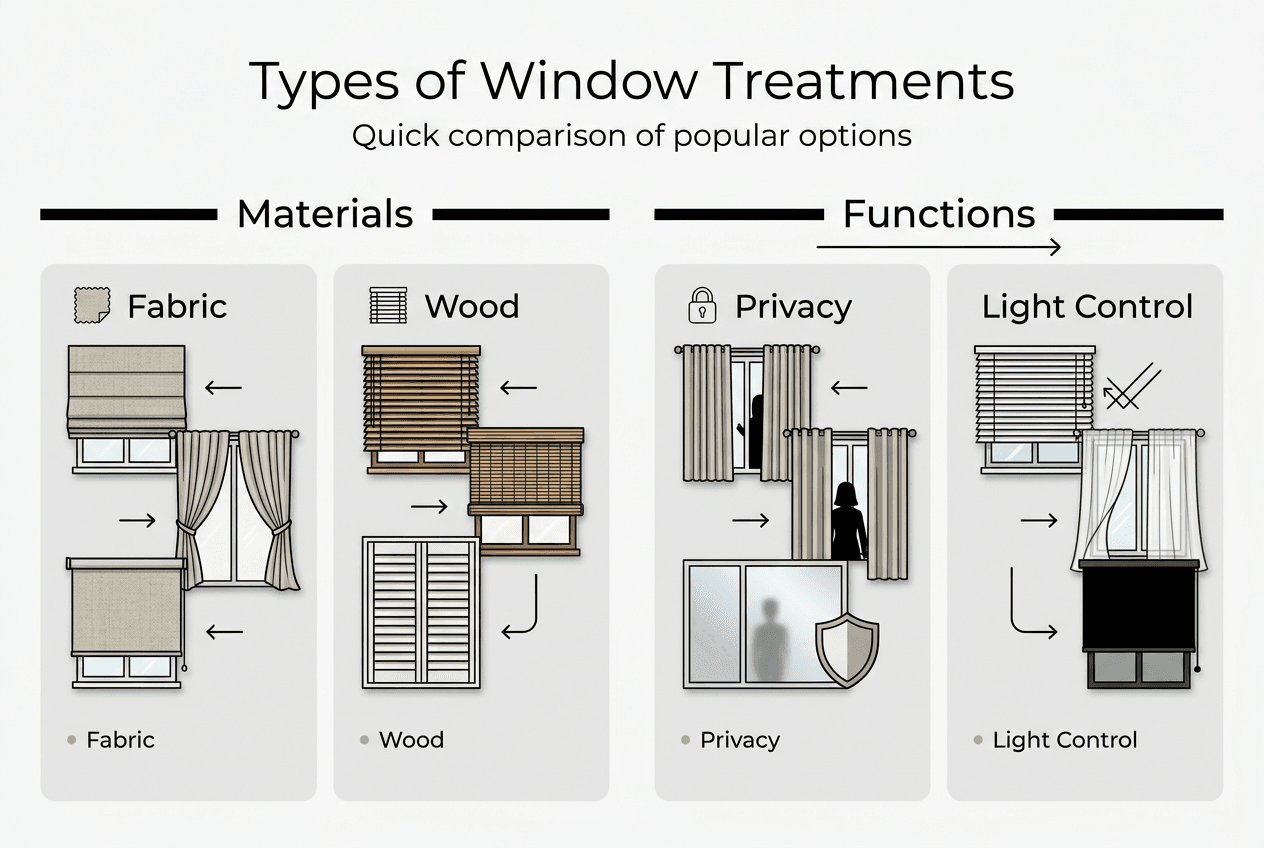
Window treatments fall into four main categories: draperies, blinds, shades, and shutters. Each type serves different aesthetic and functional purposes, making it essential to understand their characteristics before selecting options for your home.
Custom drapery offers superior light control and aesthetic appeal compared to ready-made options. These fabric panels hang from rods and can be tailored to exact window dimensions, ensuring a precise fit that enhances room proportions. You can choose from countless fabric weights, patterns, and textures to match your interior design vision. Custom draperies work particularly well in formal living rooms, master bedrooms, and dining areas where visual impact matters most.
Blinds consist of horizontal or vertical slats that tilt to control light and privacy. Horizontal blinds, including wood, faux wood, and aluminum varieties, suit most window sizes and offer clean, contemporary lines. Vertical options work better for sliding glass doors and wide windows, though they come with specific drawbacks we’ll explore later. The slat mechanism allows precise light adjustment throughout the day, making blinds practical for home offices and kitchens.
Shades provide fabric coverage that raises and lowers to control light exposure. Popular styles include:
- Roller shades that wind around a tube for minimalist appeal
- Cellular shades with honeycomb structures that trap air for energy efficiency
- Roman shades that fold into elegant horizontal pleats when raised
- Woven wood shades offering natural texture and filtered light
Shutters represent the most permanent window treatment option, featuring solid or louvered panels that swing open or tilt to adjust light. Plantation shutters with wide louvers create a classic architectural element that increases home value. Interior shutters work beautifully in traditional and transitional design schemes, offering durability that outlasts fabric treatments.
Understanding these types of window coverings helps you match solutions to specific room needs and design preferences.
Pros and cons of blinds and draperies
Choosing between blinds and draperies requires weighing style preferences against practical considerations like light control, installation complexity, and budget constraints.
Vertical blinds sit askew and offer limited light blocking, making them less desirable for most applications. The individual slats hang from a track system that tends to misalign over time, creating an unkempt appearance that detracts from room aesthetics. When closed, gaps between slats allow light to penetrate, compromising privacy in bedrooms and media rooms. The plastic or vinyl construction common in budget vertical blinds feels cheap and lacks the visual warmth of fabric alternatives.
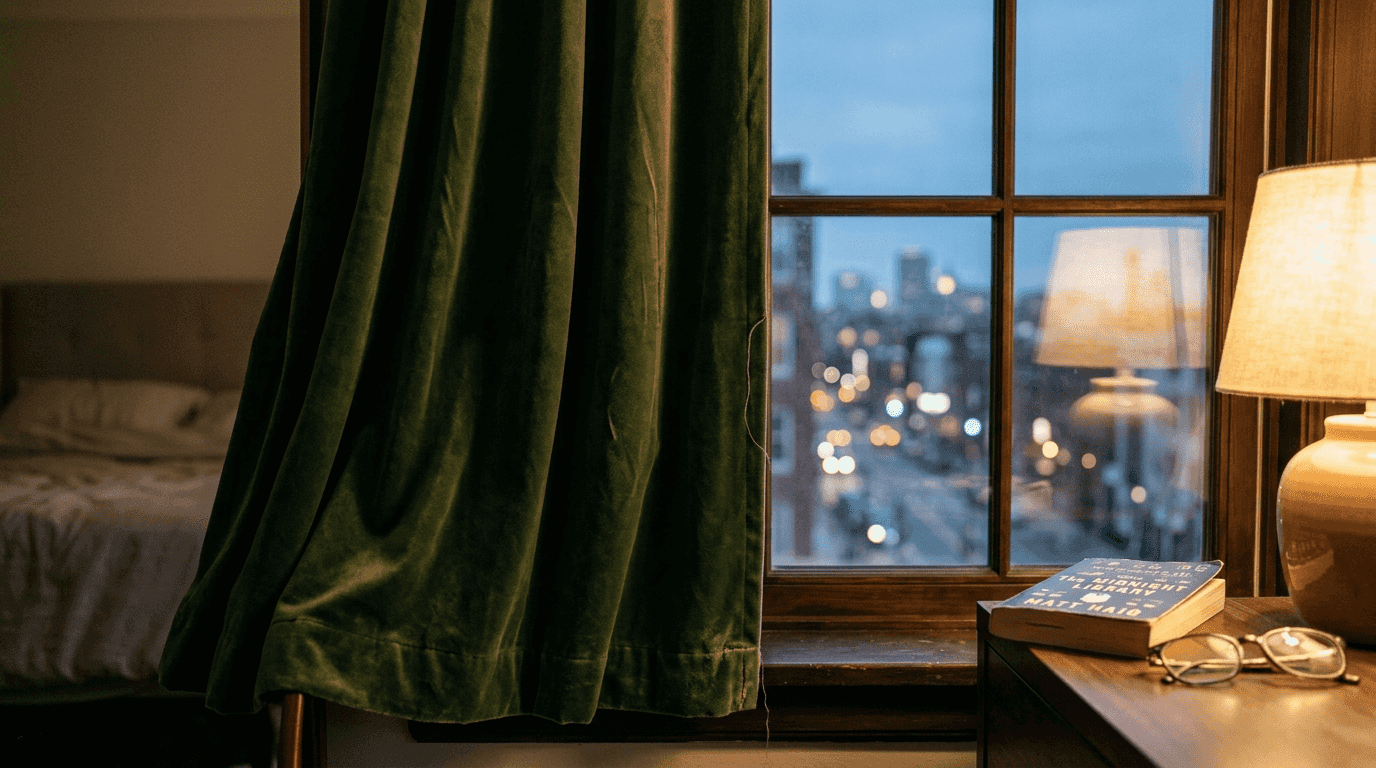
Draperies deliver richer texture and superior control over light and privacy. Heavy, lined panels block light completely when drawn, creating ideal sleeping conditions or protecting furniture from sun damage. The fabric weight and drape quality convey luxury that elevates room design. You gain flexibility to adjust fullness, length, and header styles to achieve custom looks impossible with rigid blind systems.
Cost considerations influence many decisions between these options. Ready-made blinds from home improvement stores cost significantly less than custom drapery, making them tempting for budget-conscious projects. However, custom drapery delivers designer-quality finishes, and if custom isn’t feasible, using hooks and rings with rod pocket panels elevates the look of affordable fabric.
| Feature | Blinds | Draperies |
|---|---|---|
| Light control | Moderate, gaps allow some penetration | Excellent when lined, complete blackout possible |
| Privacy | Good when closed, slat gaps reduce effectiveness | Superior, especially with blackout lining |
| Aesthetic appeal | Clean, contemporary, limited texture | Rich, layered, adds warmth and softness |
| Installation complexity | Moderate, bracket mounting required | Higher, proper rod placement crucial |
| Cost range | Lower for ready-made options | Higher for custom, moderate for ready-made |
| Durability | Varies by material, mechanisms can fail | Fabric lasts years, hardware very durable |
Installation tips significantly impact the final appearance of both treatment types. Mount drapery rods 4 to 6 inches above the window frame to create the illusion of taller ceilings and more generous windows. This placement allows fabric to cascade gracefully without bunching at the floor. For vertical blinds, ensure the track is level during installation to minimize the askew appearance that plagues these systems.
Pro Tip: Layer sheer panels behind heavier draperies to gain daytime privacy while maintaining natural light, then close the outer panels for complete evening privacy and insulation.
Consider your room’s function when choosing between these options. Kitchens and bathrooms often benefit from moisture-resistant blinds that wipe clean easily. Living rooms and bedrooms gain ambiance from draperies that soften hard surfaces and absorb sound. Understanding window treatments for privacy helps match solutions to specific needs.
Installation tips and common mistakes to avoid
Proper installation separates professional-looking window treatments from disappointing results that waste money and detract from home aesthetics.
Incorrect measurements represent the biggest installation mistake, causing treatments to fit poorly or function improperly. Measure each window individually rather than assuming identical dimensions, as construction variations create subtle differences even in matching windows. Record width and height at three points (top, middle, bottom for width; left, center, right for height) and use the smallest measurement to ensure proper fit.
Follow these steps for accurate measurement and installation:
- Decide between inside mount (fitting within the window frame) or outside mount (covering the frame and wall) based on your aesthetic preference and window depth.
- For inside mounts, measure the exact width and height of the window opening, accounting for any obstructions like handles or locks.
- For outside mounts, extend measurements 2 to 4 inches beyond the frame on all sides to ensure complete light blocking and visual balance.
- Mark mounting points with a level to ensure hardware sits perfectly horizontal, preventing crooked treatments that draw attention to installation errors.
- Pre-drill holes for brackets and use appropriate anchors for your wall type, matching anchor strength to treatment weight.
Mounting drapery rods too low makes ceilings appear shorter, shrinking room proportions and creating a cramped feeling. Position rods 4 to 6 inches above the window frame, or even higher in rooms with tall ceilings, to draw the eye upward and create spacious visual flow. This placement also allows drapery panels to stack completely off the glass when open, maximizing natural light and views.
Weak or incorrect fasteners cause heavy drapery to pull out of drywall, creating safety hazards and damaging walls. Use heavy-duty anchors rated for the combined weight of your rod, brackets, and fabric. When possible, locate studs with a stud finder and secure brackets directly into solid wood framing for maximum support. Toggle bolts work well for drywall installations when studs aren’t positioned conveniently.
“Measure twice, cut once” applies perfectly to window treatment installation. Taking extra time to verify dimensions prevents costly mistakes and ensures treatments function as intended.
Avoid these additional common errors:
- Forgetting to account for window trim depth when selecting inside mount treatments
- Installing treatments without considering furniture placement or door swing paths
- Choosing hardware finishes that clash with existing room fixtures
- Neglecting to test operation before completing installation
- Skipping manufacturer instructions that contain product-specific guidance
Professional installation makes sense for complex treatments like motorized shades, layered systems, or specialty shapes. Experts bring specialized tools, experience with challenging installations, and knowledge of building codes that ensure safe, compliant results. This easy to install window coverings guide helps you assess which projects suit DIY approaches versus professional assistance.
Pro Tip: Install treatments before moving furniture into a room whenever possible, as clear access to windows simplifies measurement, mounting, and adjustment without navigating obstacles.
Choosing fabrics and styles for aesthetics and efficiency
Fabric selection impacts both the visual appeal and functional performance of window treatments, making it crucial to balance aesthetic preferences with practical requirements.
Prioritize texture and natural fabrics over synthetics for more appealing aesthetics and feel. Linen, cotton, silk, and wool blends create visual interest through subtle variations in weave and drape that synthetic materials can’t replicate. Natural fibers also age gracefully, developing character rather than appearing worn. The tactile quality of these fabrics adds sensory richness that enhances the overall room experience.
Always opt for lined treatments for privacy and light control, especially in bedrooms and living areas. Lining serves multiple purposes beyond blocking light. It protects face fabric from sun damage that causes fading and deterioration, extends treatment lifespan, and provides insulation that reduces energy costs. Blackout lining creates complete darkness for quality sleep, while thermal lining traps air to buffer temperature extremes.
Energy-efficient fabrics reduce heating and cooling costs by creating barriers between interior spaces and exterior temperature fluctuations. Cellular shades with honeycomb structures trap air in pockets that insulate windows, preventing heat loss in winter and heat gain in summer. Thermal-backed draperies reflect heat back into rooms during cold months and block solar heat during warm months, reducing HVAC workload and lowering utility bills.
| Fabric Type | Aesthetic Quality | Privacy Level | Light Control | Energy Efficiency |
|---|---|---|---|---|
| Sheer linen | Airy, casual elegance | Low | Filters light softly | Minimal |
| Medium-weight cotton | Versatile, clean lines | Moderate | Good when lined | Moderate with lining |
| Velvet | Luxurious, formal | High | Excellent | High, naturally insulating |
| Blackout polyester | Contemporary, functional | Maximum | Complete darkness | High with thermal backing |
| Woven wood | Natural, textured | Moderate | Filters, creates warmth | Moderate |
Styles range from casual to formal, affecting room mood and design cohesion. Relaxed linen panels with simple grommets suit coastal or farmhouse aesthetics. Pleated silk draperies with decorative hardware create traditional elegance appropriate for formal dining rooms. Flat Roman shades offer tailored sophistication that complements transitional and contemporary spaces. Match treatment formality to room purpose and overall design scheme for harmonious results.
Choosing appropriate fabric weight balances style with function:
- Lightweight sheers and semi-sheers provide daytime privacy while maintaining views and natural light
- Medium-weight cottons and linens offer versatility for most living spaces and moderate light control
- Heavyweight velvets and brocades deliver maximum insulation and light blocking for bedrooms and media rooms
- Outdoor-rated fabrics withstand moisture and sun exposure for porches and sunrooms
Pro Tip: Request fabric swatches to evaluate color, texture, and weight in your actual lighting conditions before committing to large orders, as samples often appear different in showrooms than in your home.
Consider how treatments interact with existing room elements. Patterned fabrics add visual interest but require careful coordination with wall colors, furniture upholstery, and flooring. Solid colors create calm backdrops that allow other design elements to shine. Texture provides dimension without pattern complexity, working well in rooms with bold artwork or statement furniture.
Understanding privacy window treatments benefits helps you select fabrics and styles that protect your home from outside views while maintaining interior comfort and beauty.
Explore customizable window treatments with Value Blinds Direct
Now that you understand window treatment types, installation best practices, and fabric selection strategies, you’re ready to transform your home with solutions that combine style and function.
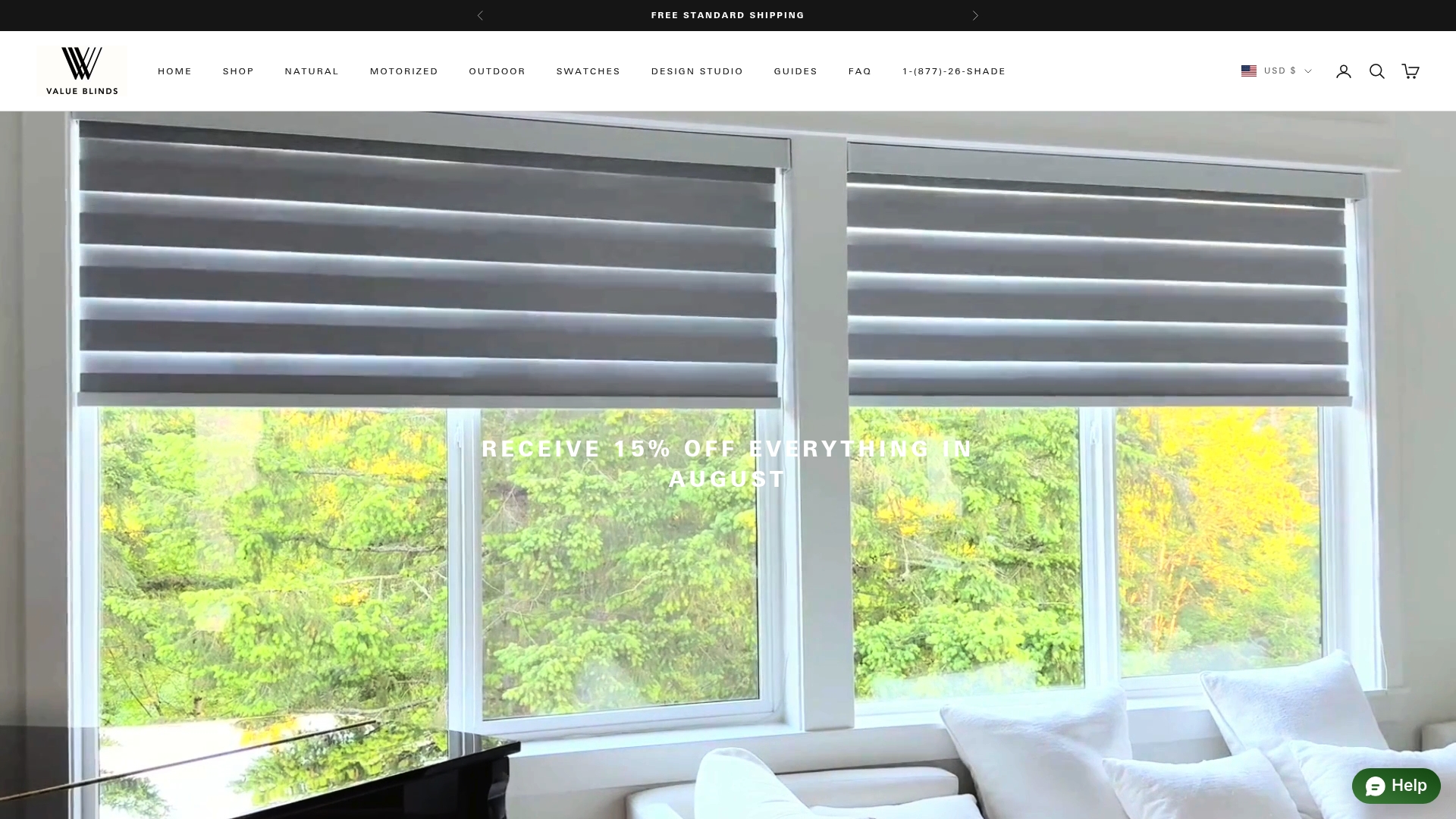
Value Blinds Direct specializes in customizable window treatments that meet your exact specifications for fit, fabric, and features. Our window treatment design studio guides you through selecting perfect styles and materials for each room, ensuring cohesive design throughout your home. Whether you need energy-efficient cellular shades for bedrooms, elegant draperies for living spaces, or durable blinds for kitchens, our high-quality blinds collection offers options that suit every aesthetic and budget. Explore our energy efficient window treatments to reduce utility costs while enhancing comfort and style.
FAQ
What is the best type of window treatment for privacy?
Lined draperies, cellular shades, and top-down bottom-up shades offer excellent privacy control. Blackout lining eliminates visibility from outside while blocking light completely, making these treatments ideal for bedrooms and bathrooms. Layering sheer panels behind heavier draperies lets you adjust privacy levels throughout the day, maintaining natural light when desired while ensuring complete seclusion at night. Understanding privacy window treatments benefits helps you select the right solution for each room’s specific needs.
How can I avoid common mistakes when installing window treatments?
Measure windows accurately at multiple points and double-check all dimensions before ordering treatments. Mount rods 4 to 6 inches above window frames to create a spacious, proportional look that draws eyes upward. Use heavy-duty anchors rated for your treatment weight, or secure brackets directly into wall studs for maximum support. This easy to install window coverings guide provides detailed instructions for achieving professional results with DIY installations.
Are motorized window treatments worth the investment?
Motorized treatments add significant convenience and modern style, especially for hard-to-reach windows or smart home integration. Remote and app control lets you adjust treatments without leaving your seat, while programmable schedules automate light management throughout the day. Professional installation ensures these systems operate safely and reliably, protecting your investment. Our premium motorized cellular shades combine cutting-edge technology with energy-efficient design for maximum comfort and efficiency.
How do I choose between inside mount and outside mount installation?
Inside mount treatments fit within the window frame for a clean, integrated look that works well with decorative trim you want to showcase. Outside mount treatments cover the frame and extend onto surrounding wall space, making windows appear larger while blocking more light around edges. Choose inside mount when you have sufficient frame depth and want to preserve architectural details, or select outside mount to maximize light control and create bold visual impact.