
Solar powered motorized blinds: 70% energy savings 2026
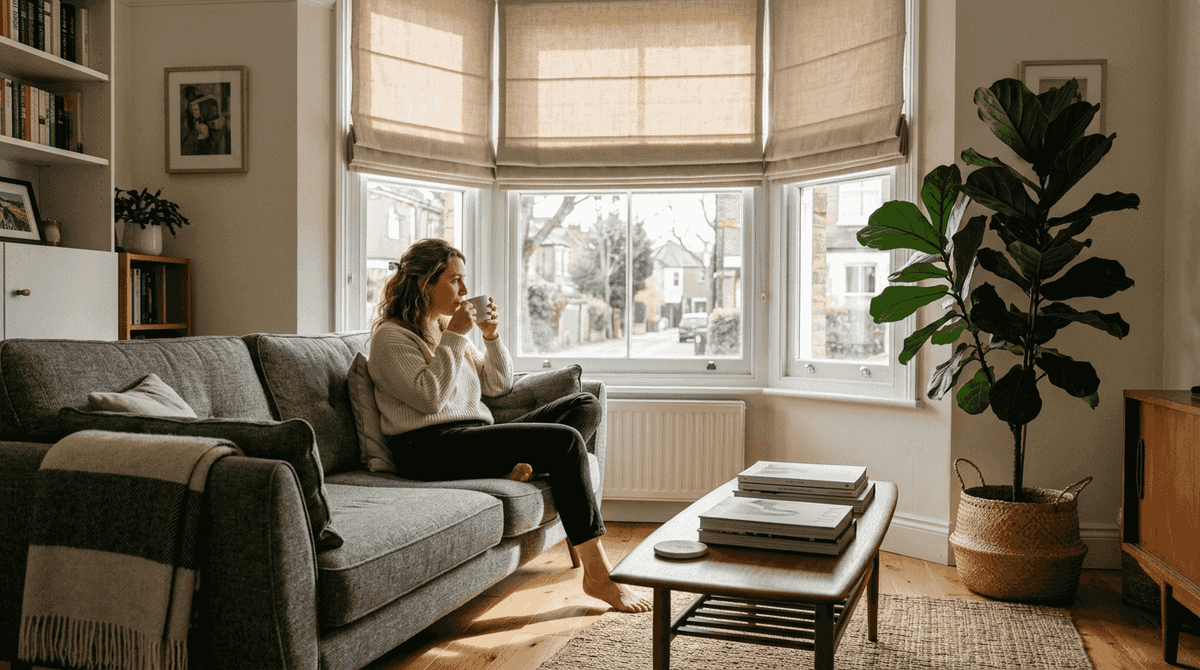
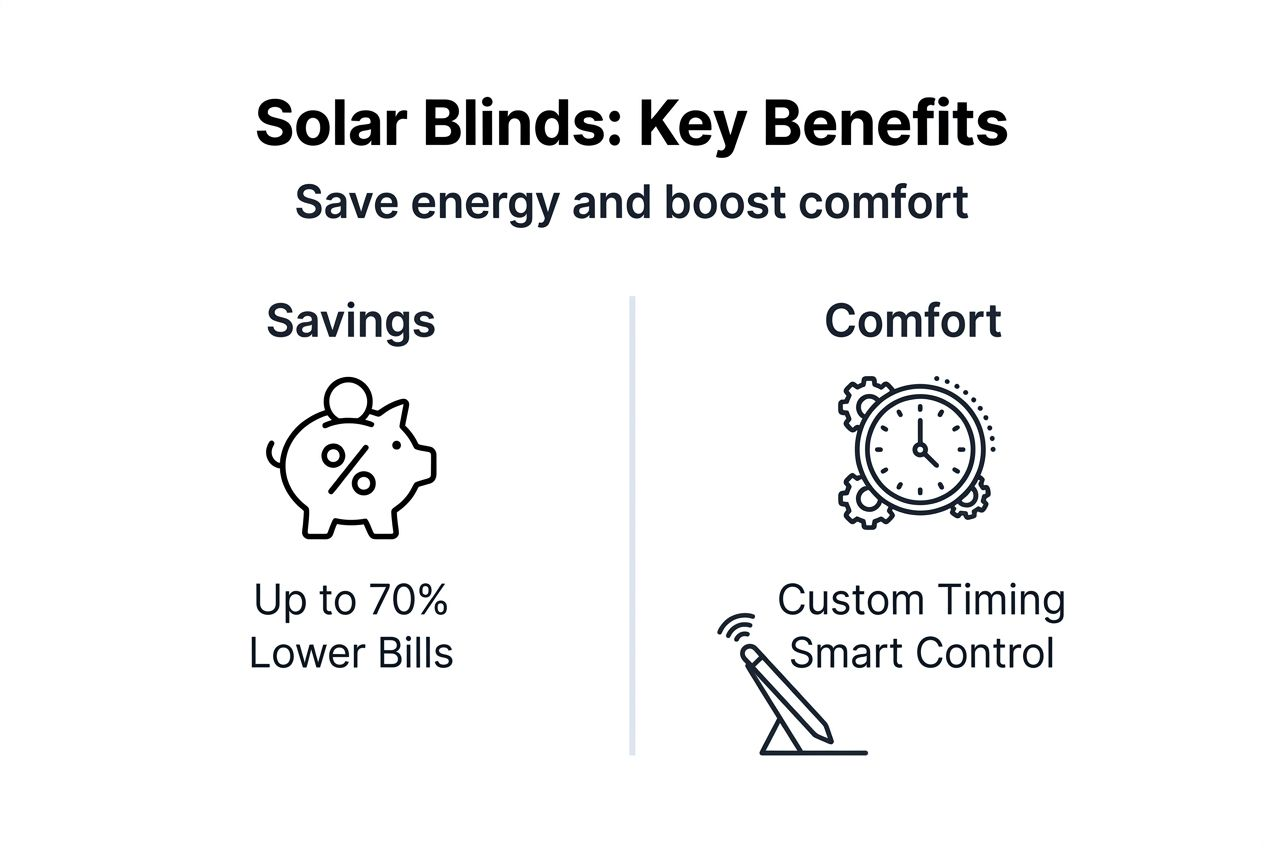
Solar powered motorized blinds represent a breakthrough in sustainable home automation, capable of slashing energy bills by up to 70% while eliminating the hassle of manual adjustments. These innovative window treatments harvest sunlight to power automated controls, delivering year-round climate management without adding to your electrical load. This guide walks you through how they work, their tangible financial benefits, and how to select the perfect system for your home’s unique needs.
Table of Contents
- How Solar Powered Motorized Blinds Work
- Energy Efficiency And Cost Savings With Solar Blinds
- Installation, Smart Features, And Practical Considerations
- Choosing The Right Solar Powered Motorized Blinds For Your Home
- Explore Solar Motorized Window Treatments From Value Blinds Direct
- Frequently Asked Questions
Key takeaways
| Point | Details |
|---|---|
| Energy savings potential | Solar blinds can cut electricity costs up to 70% while reducing HVAC operational expenses by 30%. |
| Core technology | Solar panels charge rechargeable batteries that power low-voltage motors for wireless, automated blind control. |
| Smart integration | Zigbee-compatible models enable voice control and home automation, but require secure brand selection. |
| Installation priorities | Proper solar panel placement and battery capacity planning ensure consistent performance in varying sunlight conditions. |
| Long-term considerations | Battery replacement every 3-5 years maintains functionality, with installation costs typically recovered within five years. |
How solar powered motorized blinds work
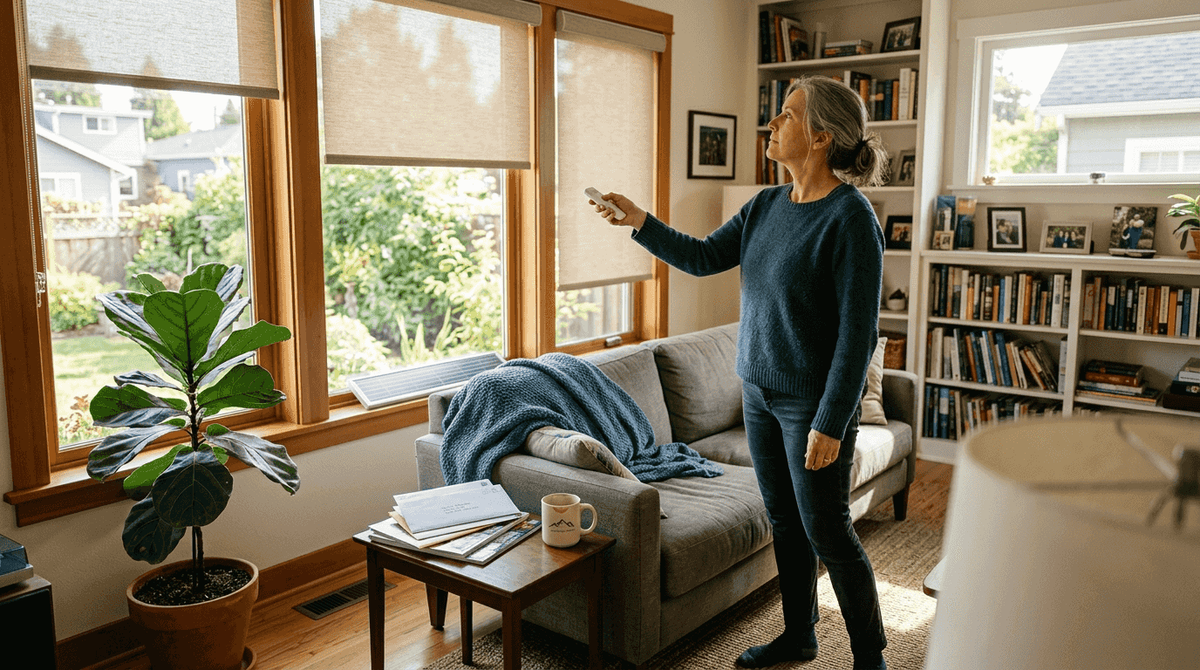
The technology behind solar powered motorized blinds is elegantly simple yet remarkably effective. A solar panel charges a battery, which powers a motor to raise or lower your window coverings automatically. Unlike traditional motorized systems that draw from your electrical grid, these self-contained units operate entirely off harvested sunlight.
The efficiency of this system hinges on component quality. Solar panel efficiency typically ranges from 15-22%, while battery capacity varies from 1000mAh to 3000mAh or higher depending on the model. Most manufacturers opt for lithium-ion batteries due to their superior energy density and extended lifespan compared to older nickel-cadmium alternatives.
Here’s how the components work together:
- The photovoltaic panel converts daylight into direct current electricity throughout the day
- Rechargeable batteries store this energy for on-demand motor operation
- Low-voltage motors translate stored power into mechanical movement with whisper-quiet precision
- Wireless receivers enable remote control without hardwiring or electrical modifications
The beauty of this design lies in its independence. You gain the convenience of motorized blinds installation without running power cables through walls or scheduling electrician visits. The system charges passively during daylight hours, building reserve capacity for cloudy days or nighttime adjustments.
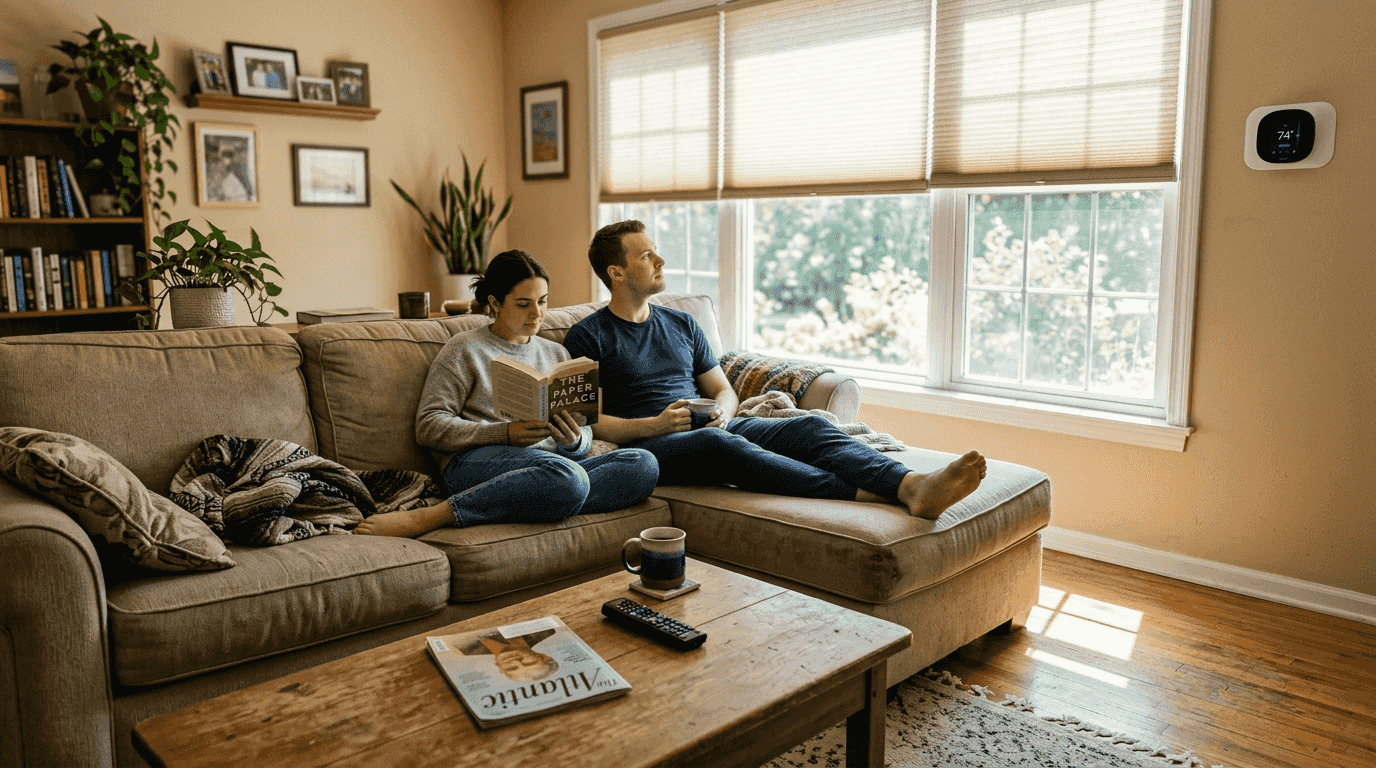
Modern solar powered systems integrate seamlessly with smart home ecosystems. Most quality units feature wireless protocols that communicate with central hubs, allowing schedule programming based on time of day or temperature thresholds. This automation maximizes the energy efficient window coverings potential by responding dynamically to changing conditions.
Pro Tip: Position solar panels where they receive at least four hours of direct sunlight daily for optimal charging performance.
Energy efficiency and cost savings with solar blinds
The financial case for solar powered motorized blinds becomes compelling when you examine real-world performance data. Automated insulating window shades cut energy consumption by approximately one-quarter in controlled studies, translating to substantial dollar savings over time.
The mechanism behind these savings operates on two fronts. During summer months, strategically programmed blinds block solar heat gain before it penetrates your living space, reducing the workload on air conditioning systems. Winter operation reverses this strategy, with blinds opening during sunny periods to capture passive solar heating, then closing at night to create insulating air pockets that minimize heat loss through windows.
Solar blinds reduce air conditioning operational costs by up to 30% by maintaining more stable indoor temperatures. This reduction stems from decreased HVAC cycling, which accounts for a significant portion of residential energy consumption. The compounding effect grows more pronounced in homes with extensive window coverage or extreme climate exposure.
Here’s how savings accumulate across different scenarios:
| Home Type | Annual Cooling Cost | Potential Savings | Payback Period |
|---|---|---|---|
| 1,500 sq ft (moderate climate) | $800 | $240-560 | 3-5 years |
| 2,500 sq ft (hot climate) | $1,600 | $480-1,120 | 2-4 years |
| 3,500 sq ft (mixed climate) | $1,200 | $360-840 | 3-5 years |
The automation advantage multiplies these benefits. Manual blinds require occupant intervention, which rarely aligns perfectly with optimal energy management windows. Solar powered systems execute preprogrammed routines consistently, capturing every efficiency opportunity without relying on human memory or presence.
Consider these operational cost factors:
- Grid independence eliminates ongoing electricity costs for blind operation
- Reduced HVAC runtime extends equipment lifespan and decreases maintenance frequency
- Automated responses prevent energy waste during work hours or vacations
- Strategic light management reduces artificial lighting needs during transition hours
Explore how motorized solar shades benefits extend beyond basic sun blocking. The technology enables precise control over light filtration and thermal transfer, adapting to seasonal shifts automatically. Motorized cellular blinds energy control takes this further with honeycomb structures that trap insulating air.
Pro Tip: Program blinds to close 30 minutes before peak afternoon heat arrives, preemptively blocking solar gain before it enters your home.
Installation, smart features, and practical considerations
Successful implementation of solar powered motorized blinds requires attention to several technical and practical factors. Proper solar panel placement and alignment prove crucial for maintaining consistent charging capacity throughout seasonal variations in sun angle and daylight duration.
The installation process differs fundamentally from traditional window treatments. Cable-free mounting eliminates the need for electrical infrastructure, but solar panel positioning becomes the critical variable. South-facing windows in the Northern Hemisphere receive optimal exposure, though east or west orientations can work with appropriately sized panels. Avoid locations where trees, neighboring buildings, or roof overhangs cast shadows during peak sunlight hours.
Battery management represents the long-term maintenance consideration. Typical battery lifespans range from 3 to 5 years before replacement becomes necessary. High-quality lithium-ion cells at the upper end of capacity specifications extend this timeline while providing more reliable performance in low-light conditions.
Smart home integration opens powerful automation possibilities. Zigbee protocol integration enables smart home control and compatibility with Alexa, Google Assistant, and Apple HomeKit ecosystems. This connectivity allows creation of sophisticated routines that respond to temperature sensors, time schedules, or manual triggers through voice commands.
Key installation considerations include:
- Measure solar panel dimensions against available mounting space near window frames
- Verify wireless signal strength between blinds and your home automation hub
- Plan battery access routes for future replacements without disturbing surrounding decor
- Test motor operation across full blind travel to ensure smooth, quiet performance
- Configure backup charging options for rooms with inconsistent sunlight exposure
Security deserves serious attention when connecting window treatments to internet-enabled networks. Smart blinds require security precautions to prevent unauthorized access that could reveal occupancy patterns or enable physical intrusions. Select manufacturers with established security protocols, regular firmware updates, and encrypted communication channels.
The motorized blinds installation guide provides detailed steps for mounting hardware and programming initial settings. Most systems ship with adjustable mounting brackets that accommodate various window frame depths and architectural details. Professional installation ensures optimal performance but skilled DIYers can complete the process with basic tools and careful attention to manufacturer specifications.
Pro Tip: Install systems during spring or fall when moderate temperatures allow testing of both heating and cooling season automation routines.
Choosing the right solar powered motorized blinds for your home
Selecting optimal solar powered motorized blinds requires matching system capabilities to your specific environmental conditions and lifestyle preferences. Climate and sunlight exposure influence solar panel size and battery capacity requirements, making geographic location a primary selection factor.
Window orientation dramatically affects both charging efficiency and energy-saving potential. South-facing windows receive consistent daily sunlight ideal for solar charging but also experience the most intense heat gain. These locations benefit from higher solar screen opacity or cellular construction that blocks thermal transfer while allowing the solar panel to charge effectively. North-facing installations may require larger panels or supplemental charging capabilities.
Style selection balances aesthetic preferences with functional performance:
| Blind Style | Light Control | Insulation Value | Best Application |
|---|---|---|---|
| Cellular shades | Moderate to high | Excellent (R-value 2-5) | Bedrooms, temperature-sensitive rooms |
| Solar screens | Low to moderate | Good (heat rejection 65-95%) | South/west windows, view preservation |
| Roller shades | Variable by fabric | Moderate | Living areas, customizable opacity |
| Roman shades | Moderate | Good with lining | Formal spaces, traditional aesthetics |
Budget considerations extend beyond initial purchase price. Entry-level systems provide basic automation and adequate solar charging for moderate climates. Premium options include larger battery banks, higher-efficiency solar panels, and advanced smart home integration with features like sunrise/sunset synchronization or weather-responsive programming.
Proper motor and solar panel sizing ensures reliable long-term operation. Oversized motors drain batteries faster while undersized units struggle with larger or heavier blind materials. Calculate total blind weight including fabric, mounting hardware, and the motor assembly itself. Most manufacturers provide compatibility charts matching motor torque ratings to maximum blind dimensions.
Additional selection factors:
- UV protection ratings for fabric longevity in high-sun exposure locations
- Noise levels during operation, particularly important for bedroom installations
- Warranty coverage for motors, batteries, and solar components
- Local dealer support for installation assistance and future service needs
- Fabric maintenance requirements based on household conditions and cleaning preferences
The motorized solar shades benefits multiply when you match technology capabilities to your daily routines. Families with consistent schedules benefit from time-based automation, while homes with variable occupancy gain more from sensor-driven responsive systems.
Consider starting with high-impact rooms where energy savings and convenience deliver maximum value. Master bedrooms, home offices, and primary living spaces typically see the most frequent use and offer the quickest return on investment through reduced HVAC costs and enhanced comfort.
Explore solar motorized window treatments from Value Blinds Direct
Ready to transform your home’s energy profile while gaining effortless window control? Value Blinds Direct brings together cutting-edge motorized technology with expert design support tailored to your specific needs. Our curated selection spans cordless options, solar-compatible systems, and fully automated solutions that integrate seamlessly with modern smart homes.
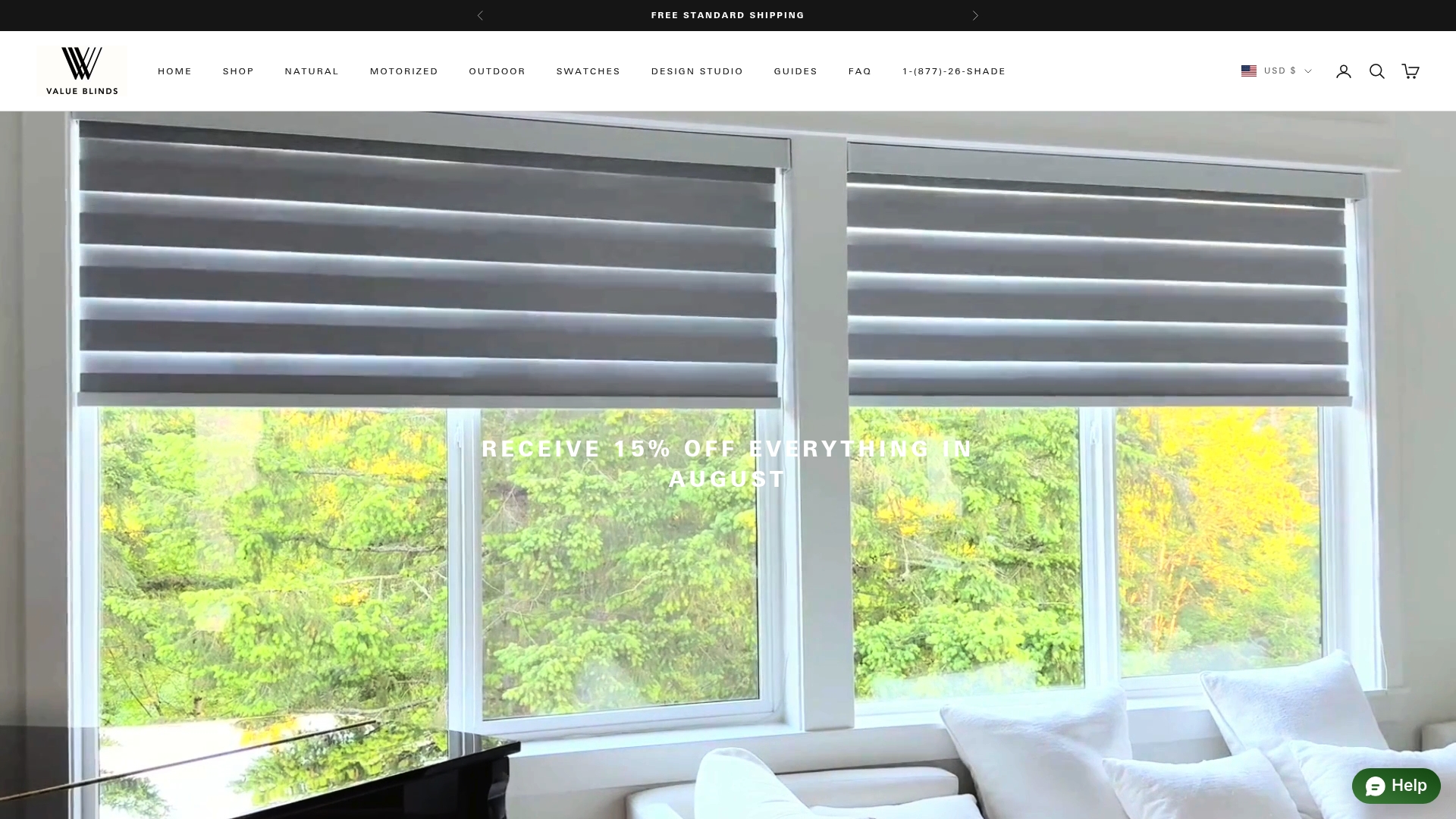
Explore our window treatment design studio to visualize how motorized blinds complement your existing decor while delivering measurable efficiency gains. Browse energy efficient window treatments engineered for maximum thermal performance, or discover Value Blinds motorized honeycomb shades that combine cellular insulation with whisper-quiet automation. Our team provides measurement assistance, installation guidance, and ongoing support to ensure your investment delivers years of reliable performance.
Frequently asked questions
Are solar powered motorized blinds worth the investment?
Absolutely. Installation costs are typically recovered within three to five years through reduced electricity and HVAC expenses. The automation convenience adds daily value beyond financial returns, eliminating manual adjustments while optimizing energy use automatically.
How do solar powered blinds perform in areas with limited sunlight?
Battery charging slows in low sunlight conditions, potentially reducing operation frequency during extended cloudy periods. Higher capacity batteries and supplemental USB charging ports mitigate this limitation. Most quality systems store sufficient power for several weeks of normal operation even without direct sun exposure.
Can solar powered motorized blinds integrate with smart home systems?
Yes, many models support Zigbee integration for compatibility with Alexa and Google Assistant. This enables voice control, automated scheduling, and coordination with other smart devices. Choose secure, reputable brands that provide encrypted communication and regular firmware updates to protect your privacy.
What maintenance do solar powered motorized blinds require?
Minimal upkeep beyond periodic cleaning of solar panels and fabric surfaces. Battery replacement every three to five years represents the primary maintenance task. Keep solar panels free from dust accumulation and verify wireless connectivity remains stable. Most motors operate maintenance-free for 10 plus years with normal use.
Recommended
- Motorize Existing Blinds: Save $500 with DIY Kits in 2026
- Motorized Solar Shades: Modern Comfort and Efficiency
- Remote Operated Blinds Cut Energy Bills Up to 25% in 2026
- Motorized Vertical Blinds Cut Energy Bills by 25%

Value Blinds®
Trusted window treatments provider
Value Blinds® is a trusted provider of Greenguard, OEKO-TEX, and FSC-certified window treatments based in Portland, Oregon. Specializing in sustainable, motorized, smart-controlled, and outdoor-ready blinds and shades, the company is built on a foundation of simplified shopping, premium eco-friendly materials, and transparent pricing without the inflated cost.