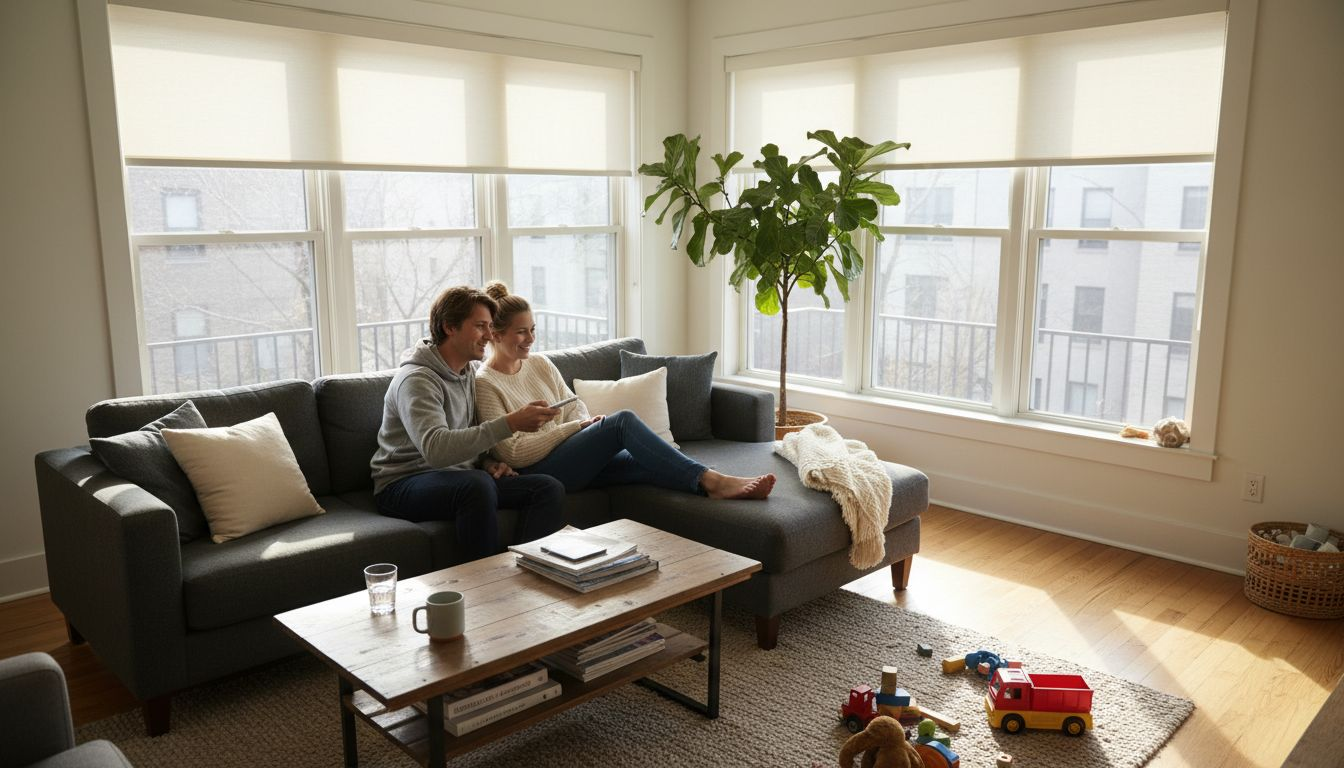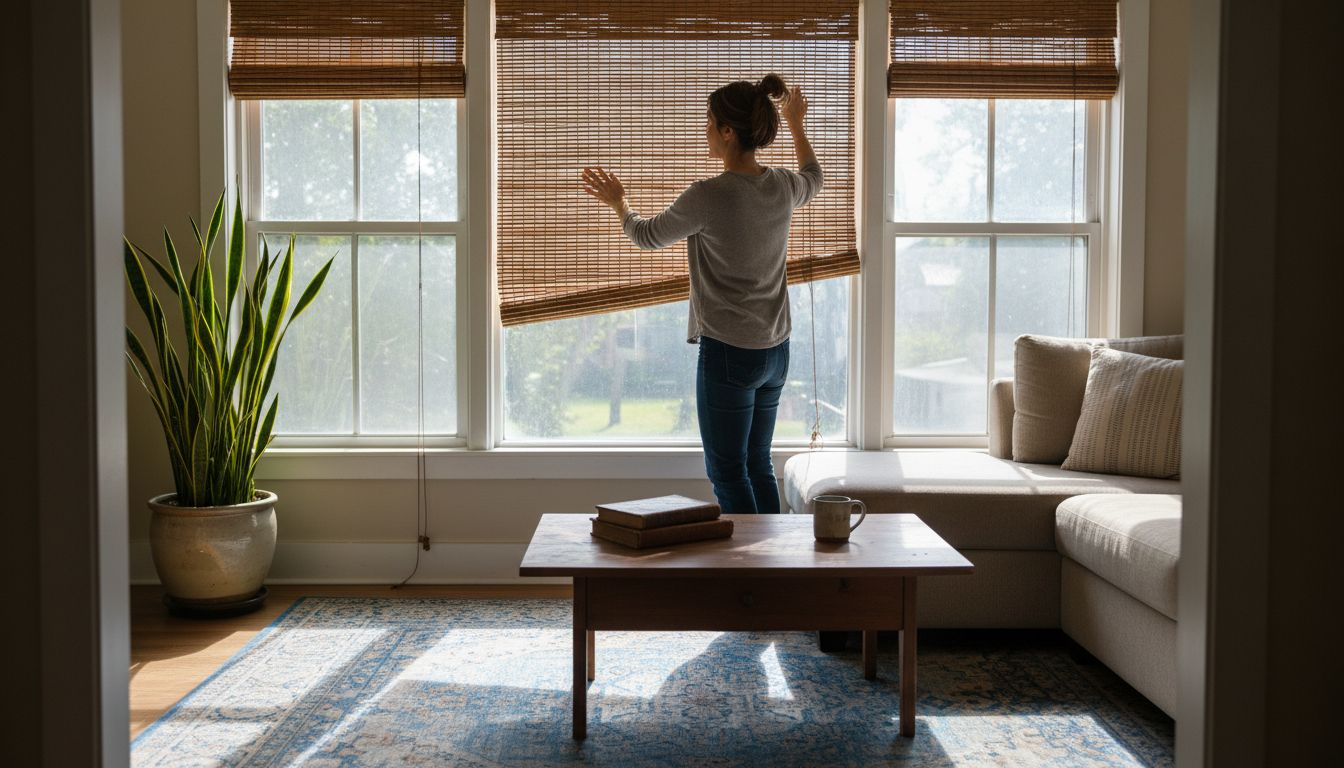


Choose the perfect window treatments for living rooms
Selecting living room window treatments can feel overwhelming with countless styles, materials, and features competing for your attention. Many homeowners struggle to balance aesthetic appeal with practical needs like energy efficiency and light control, often making costly measurement mistakes. This guide cuts through the confusion, helping you make confident, informed decisions that transform your living room while reducing energy bills and enhancing comfort.
Table of Contents
- Introduction To Living Room Window Treatments
- How Window Treatments Enhance Energy Efficiency
- Customization And Measurement Essentials
- Material And Style Comparisons
- Advanced Functionality: Motorization And Smart Home Integration
- Common Misconceptions And Installation Realities
- Choosing The Right Window Treatments For Your Living Room
- Enhance Your Living Room With Custom Window Treatments From Value Blinds Direct
- FAQ
Key takeaways
| Point | Details |
|---|---|
| Custom treatments boost efficiency | Properly selected window treatments enhance both aesthetics and energy savings in living rooms. |
| Measurement accuracy matters | At least 60% of installations require adjustment due to measuring errors. |
| Motorization adds value | Smart motorized systems can increase home value by up to 3% while improving convenience. |
| Material choice impacts performance | Different fabrics and materials significantly affect durability, style, and energy efficiency. |
| Cordless designs ensure safety | Modern cordless treatments provide child and pet safety without compromising durability or function. |
Introduction to living room window treatments
Window treatments encompass all coverings designed to manage light, privacy, and temperature at your windows. In living rooms, the most popular options include blinds with horizontal or vertical slats, shades made from fabric or cellular materials, and traditional shutters offering timeless elegance. These solutions serve multiple roles beyond simple decoration.
Aesthetics naturally top most homeowner priority lists, but window treatments deliver practical benefits that justify their investment. They control natural light throughout the day, provide privacy from street view, reduce glare on television screens, and significantly impact heating and cooling costs. The right treatment becomes a functional design element that works as hard as it looks good.
Modern custom window treatments options let you personalize nearly every aspect:
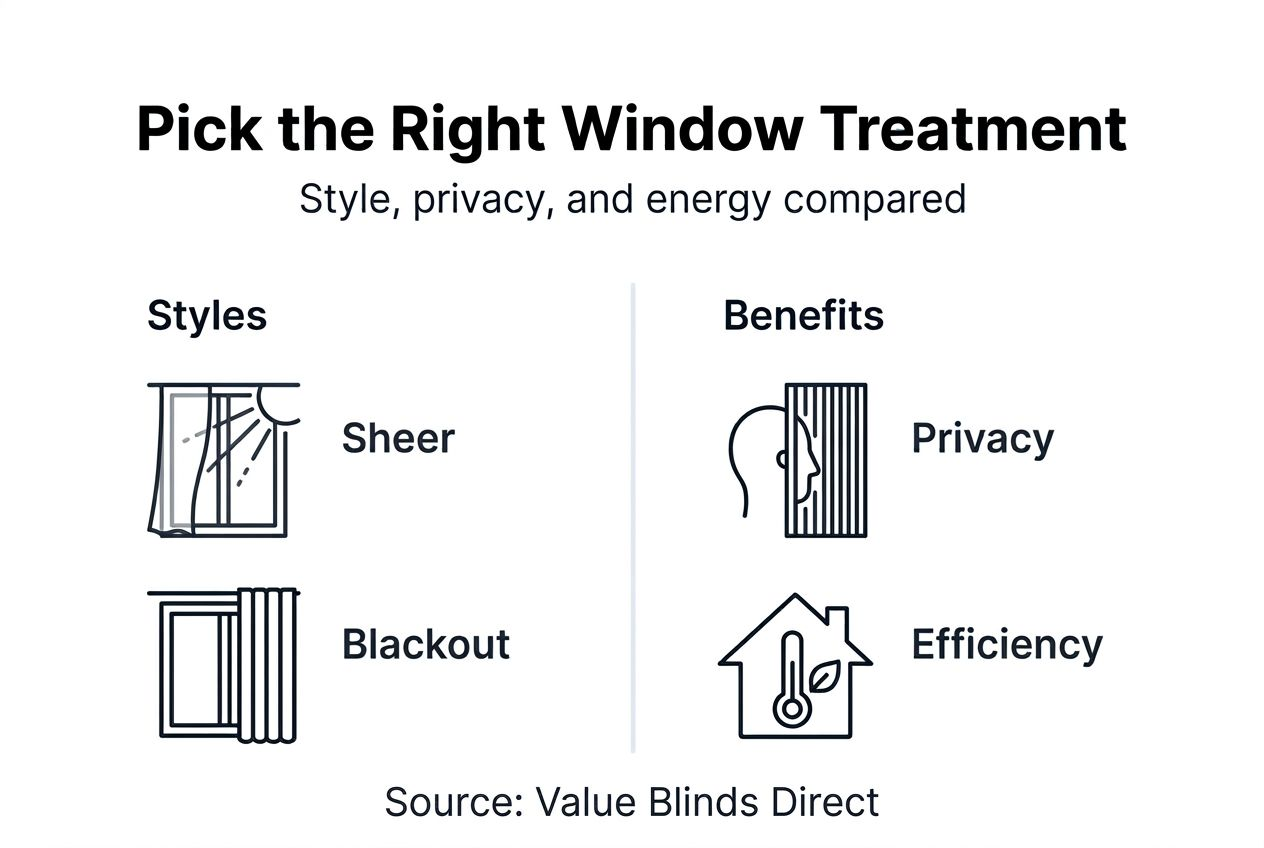
- Fabric types ranging from sheer to blackout materials
- Operating mechanisms including corded, cordless, and motorized systems
- Color palettes and patterns matching any interior design style
- Light filtering capabilities from full sun exposure to complete darkness
Selecting treatments that fit both your interior style and functional requirements prevents buyer’s remorse. Consider how much natural light your living room receives, your privacy needs based on window placement, and whether energy efficiency concerns influence your budget for heating and cooling.
How window treatments enhance energy efficiency
Window treatments act as insulation barriers between your conditioned indoor air and external temperature fluctuations. Cellular shades can reduce heat loss in living rooms by up to 50% because their honeycomb structure traps air in pockets, creating effective thermal barriers. This design prevents warm air from escaping during winter months while blocking heat gain in summer.
Material selection directly impacts energy performance. Thick fabrics with reflective backing deflect solar radiation before it enters your living room, keeping spaces cooler without overworking air conditioning systems. During colder months, multiple fabric layers or insulated cellular designs retain heat generated by your heating system. These dual benefits translate to lower utility bills year round.
Beyond temperature control, quality window treatments protect your furniture investment by blocking harmful UV rays that fade upholstery, carpets, and wood finishes. The same coatings that improve energy efficient window coverings also filter ultraviolet light, extending the life of interior furnishings. Some treatments reduce UV penetration by up to 99% while still allowing filtered natural light.
Pro Tip: Layering treatments maximizes energy savings. Pair cellular shades with decorative curtains to combine insulation benefits with style flexibility, adjusting each layer independently based on time of day and season.
Energy efficiency varies greatly by treatment type and materials, so understanding these differences helps prioritize features:
- Cellular or honeycomb shades offer superior insulation through air pocket design
- Reflective or white backing deflects summer heat more effectively than dark colors
- Tight fitting mounts minimize air gaps where conditioned air escapes
- Automated systems optimize treatment positioning based on sun angle throughout the day
Homeowners who prioritize energy efficient window treatments often recoup initial costs within a few years through reduced heating and cooling expenses. The Department of Energy estimates window treatments can reduce heat gain by up to 77% when properly deployed, making them one of the most cost effective home efficiency upgrades available.
Customization and measurement essentials
Accurate window measurement stands as the single most critical step in ordering custom treatments. At least 60% of custom window treatment installations require re-measurement or adjustment due to improper measuring, leading to delays, additional costs, and frustration. Common errors include failing to account for window frame depth, measuring only one point instead of multiple locations, and confusing inside versus outside mount requirements.
Customization variables extend far beyond simple width and height measurements. You must decide between single layer shades for light filtering and double layer designs that toggle between sheer and blackout modes. Material choices range from natural bamboo and wood to synthetic faux wood and polyester fabrics, each offering distinct aesthetic and functional characteristics. Balancing privacy needs with natural light preferences requires understanding how different fabrics filter and block illumination.
Reliable measurement tools and guides prevent costly mistakes. Use a steel tape measure rather than flexible cloth versions that stretch and provide inconsistent readings. The how to measure windows process involves checking measurements at three points (top, middle, bottom) for width and three points (left, center, right) for height, then using the smallest dimension to ensure proper fit.
Pro Tip: Measure twice before ordering once. Taking measurements on different days helps catch errors, and consulting the measurement guide for window shades ensures you capture all necessary dimensions including depth for mounting brackets.
Key customization considerations include:
- Fabric opacity levels from sheer to room darkening to complete blackout
- Control side preference (left or right cord/chain positioning)
- Operating system selection between manual cords, cordless lift, and motorized options
- Mounting location deciding between inside mount (within frame) or outside mount (covering frame)
- Additional features like valances, decorative hems, or specialty hardware finishes
Professional measuring services eliminate guesswork if you lack confidence in DIY accuracy. Many retailers offer free consultations where experts visit your home, take precise measurements, and recommend treatments matching your functional requirements and design vision. This investment in accuracy pays dividends through perfectly fitted treatments that operate smoothly and look professionally installed.
Material and style comparisons
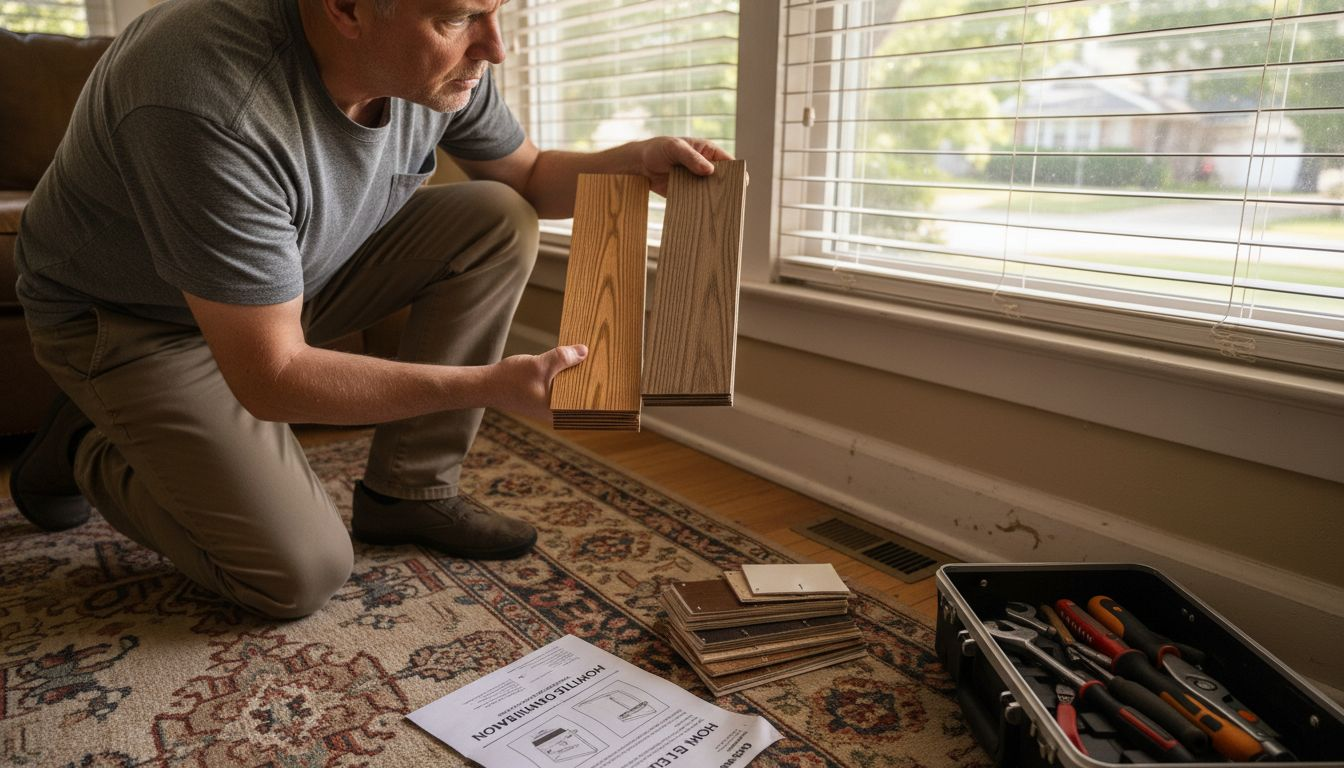
Choosing between wood and faux wood blinds illustrates how material impacts cost, maintenance, and longevity. Real wood offers authentic grain patterns and natural warmth but costs more and requires climate controlled environments to prevent warping. Faux wood alternatives resist moisture damage, work well in humid living rooms near kitchens or bathrooms, and provide similar aesthetics at lower price points with minimal maintenance needs.
| Material Type | Cost Range | Durability | Best For | Maintenance |
|---|---|---|---|---|
| Real wood blinds | $$$ | Moderate (warps with moisture) | Formal living rooms, dry climates | Regular dusting, occasional treatment |
| Faux wood blinds | $$ | High (moisture resistant) | High humidity areas, families with kids | Simple wipe down cleaning |
| Cellular shades | $$ | High | Energy efficiency priority | Occasional vacuuming |
| Roller shades | $ | Moderate to High | Modern minimalist spaces | Easy wipe clean |
Blackout shades versus sheer fabrics represent opposite ends of the light control spectrum. Blackout materials block nearly 100% of incoming light, ideal for living rooms doubling as home theaters or spaces where afternoon sun creates excessive glare. Sheer fabrics gently diffuse natural light while maintaining daytime privacy, perfect for living rooms where ambiance depends on soft, filtered illumination. Many homeowners split the difference with light filtering fabrics that reduce glare without eliminating natural brightness.
Corded versus cordless designs involve safety and aesthetic trade offs. Traditional corded systems use pull chains or strings that pose strangulation risks for young children and pets, prompting many jurisdictions to mandate cordless options in new construction. Modern cordless mechanisms operate through spring tension or push bars, eliminating dangling cords while providing clean, streamlined appearances. Contrary to myth, premium cordless treatments match or exceed corded versions in durability when manufactured from quality materials.
Material choices directly influence energy efficiency beyond just cellular shade options. Heavier fabrics with thermal backing provide better insulation than lightweight sheers. Reflective coatings on roller shades bounce solar radiation before it converts to heat inside your living room. The custom window blinds styles and materials you select should align with your climate, sun exposure, and whether winter heating or summer cooling costs concern you more.
Style comparison considerations:
- Horizontal blinds suit wide windows and traditional decor styles
- Vertical blinds work best for sliding doors and contemporary aesthetics
- Roman shades add soft elegance through cascading fabric folds
- Roller shades deliver minimalist modern looks with simple operation
- Cellular shades prioritize function over decorative impact
Advanced functionality: motorization and smart home integration
Motorized window treatments eliminate manual operation through remote controls, wall switches, or smartphone apps. This convenience extends beyond simple button pushing. Automated systems let you program treatments to open with sunrise for natural wake up lighting and close at sunset for evening privacy. Remote operation proves invaluable for hard to reach windows above furniture or in rooms with high ceilings where manual cords become impractical.
Smart home compatibility takes motorization further by integrating window treatments with broader home automation systems. Connect motorized blinds benefits to voice assistants for hands free control, link them with smart thermostats to automatically adjust based on temperature readings, or sync operation with security systems that simulate occupancy when you travel. These integrations transform window treatments from passive decor into active home management tools.
Energy savings compound through intelligent automation that responds to real time conditions. Program treatments to close during peak afternoon heat, reducing air conditioning load when electricity rates peak. Schedule gradual opening that follows the sun’s path across your living room, maximizing natural light while minimizing heat gain. Over time, these optimized adjustments can reduce heating and cooling costs by 15 to 25% compared to manually operated treatments that remain static throughout the day.
Pro Tip: Automated control extends treatment lifespan by ensuring consistent, gentle operation that reduces fabric stress and mechanism wear compared to manual yanking and pulling.
Smart motorized blinds advantages extend into home value considerations. Motorized window treatments integrated with smart home systems can increase home value by up to 3% according to real estate data. Modern homebuyers increasingly prioritize smart features, viewing automation as a premium amenity worth paying extra to acquire. This value boost helps offset initial motorization costs if you plan to sell within several years.
Key motorization benefits include:
- Scheduled operation eliminates daily manual adjustments
- Group control manages multiple windows simultaneously with one command
- Integration with home systems creates automated energy management
- Enhanced accessibility for elderly or mobility challenged household members
- Improved child safety by eliminating all cords and chains
Battery powered motorized options avoid electrical wiring expenses, making retrofits feasible without major renovation. Solar rechargeable batteries further reduce maintenance by harnessing window light to power motors indefinitely without battery replacement.
Common misconceptions and installation realities
Many homeowners mistakenly believe cordless window treatments lack the durability of traditional corded designs. This myth stems from early cordless mechanisms that used weak springs prone to failure. Modern cordless systems manufactured from premium materials deliver comparable or superior longevity, with lift mechanisms rated for tens of thousands of cycles. The cordless blinds safety and durability equation strongly favors current technology over outdated concerns.
Installation difficulty varies widely based on treatment type and mounting location. Inside mount installations requiring precise bracket placement within window frames demand more skill than outside mount options with forgiving margins for error. However, most treatments include detailed instructions and pre-drilled components that simplify DIY installation. Professional installation remains available for complex configurations or homeowners preferring guaranteed results, typically adding 15 to 30% to total project costs.
The misconception that all window treatments equally save energy persists despite significant performance variations. Basic vinyl roller shades provide minimal insulation compared to triple cell honeycomb designs engineered specifically for thermal efficiency. Material quality, fabric density, mounting tightness, and proper sizing all influence actual energy savings. Generic treatments might reduce heat transfer by 10 to 20%, while optimized solutions achieve 40 to 50% improvements.
Maintenance requirements differ dramatically by material and environment. Fabric shades in dusty climates need regular vacuuming, while moisture resistant faux wood blinds in bathrooms simply wipe clean. Wood blinds in humid environments require periodic treatment to prevent warping, whereas synthetic materials remain dimensionally stable regardless of conditions. Understanding these realities prevents surprise maintenance burdens after purchase.
Light control capabilities vary between treatment styles more than many buyers realize:
- Cellular shades diffuse light through translucent fabric rather than blocking completely
- Wood blinds with tilted slats allow light strips between blades even when closed
- Blackout roller shades eliminate virtually all light when properly sized and mounted
- Sheer curtains provide privacy without significant light reduction during daytime
- Dual layer shades toggle between transparent and opaque modes within one treatment
Choosing the right window treatments for your living room
Apply your newfound knowledge through a systematic selection process that weighs all factors equally:
-
Assess sun exposure and insulation needs by noting which direction your windows face and how much direct sunlight enters throughout the day. South facing windows in warm climates prioritize heat blocking, while north facing windows in cold regions need maximum insulation. Track temperature fluctuations near windows to identify energy efficiency priorities.
-
Match window treatment style and material to your living room decor and daily usage patterns. Formal spaces benefit from elegant roman shades or wood blinds, while casual family rooms handle durable faux wood or easy clean roller shades better. Consider whether children, pets, or frequent entertaining influence durability requirements.
-
Measure windows accurately using proper techniques or hire experts to prevent costly fitting errors. Follow the choosing custom window treatments guidance for precise dimensions, accounting for obstructions like window cranks or deep sills that impact mounting options.
-
Decide between manual and motorized operation based on convenience preferences, budget constraints, and smart home integration goals. Calculate whether energy savings from automated control justify higher upfront costs, factoring in potential home value increases for future resale.
-
Order from trusted e-commerce sources offering design assistance, detailed product specifications, and generous return policies that protect your investment. Leverage online tools like virtual design studios to preview treatments in your space before committing to purchases.
Successful living room window treatment selection balances three essential pillars: aesthetic appeal that complements your design vision, functional performance meeting privacy and light control needs, and energy efficiency reducing long term operating costs. Prioritizing one pillar while neglecting others leads to compromise and dissatisfaction. View window treatments as long term investments in home comfort and value rather than simple decorative purchases.
Enhance your living room with custom window treatments from Value Blinds Direct
Transform your living room with custom window treatments designed to match your unique style and functional needs. Value Blinds Direct offers an extensive selection of blinds, shades, and motorized solutions that combine aesthetic appeal with energy efficiency. Our window treatment design studio lets you visualize options in your space before ordering, ensuring confident decisions.
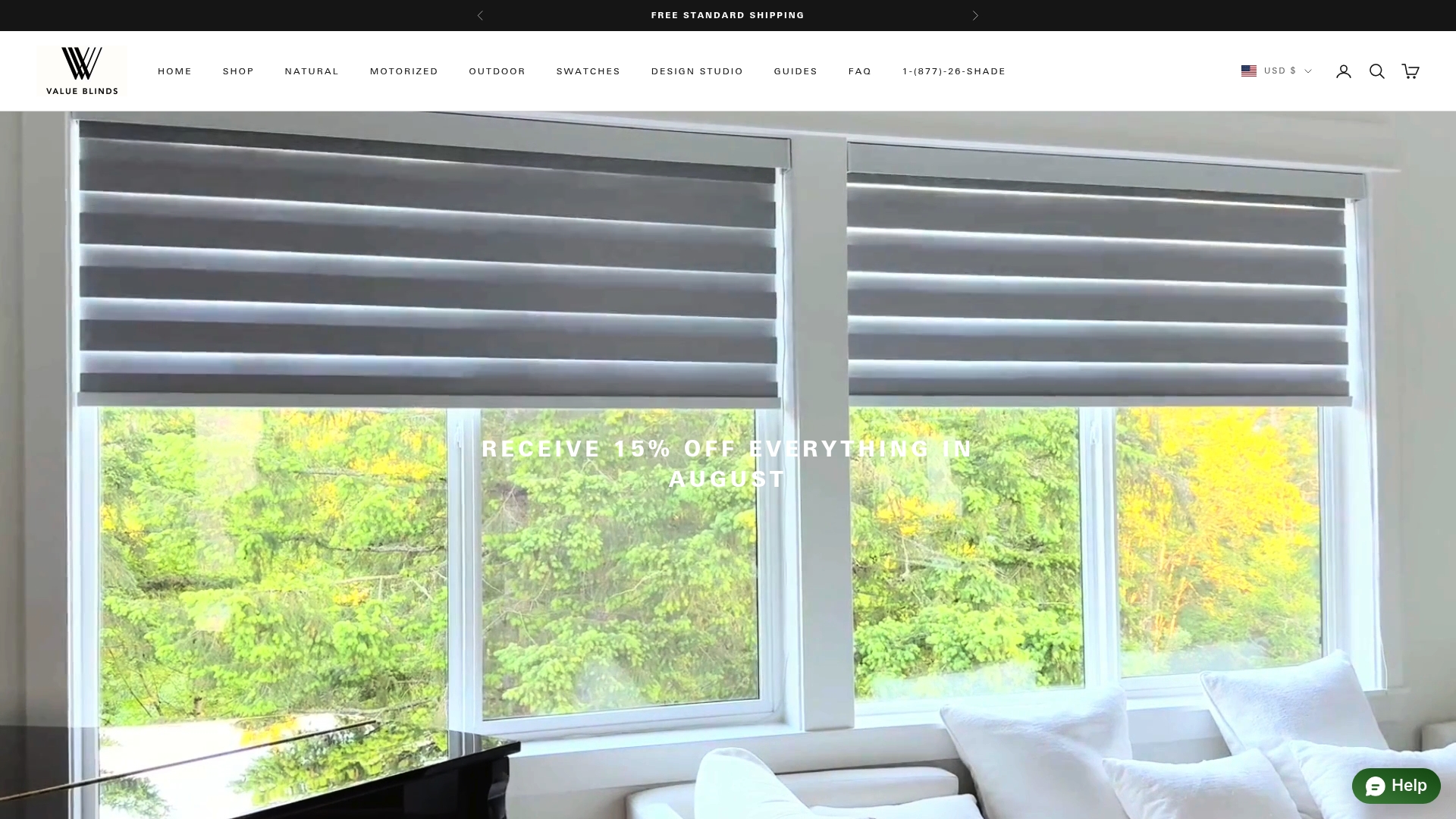
Explore our collection of high-quality blinds featuring materials from natural wood to durable faux wood alternatives. Prioritize safety with our cordless blinds that eliminate hazards while maintaining sleek, modern appearances. Whether you seek classic elegance or cutting edge automation, Value Blinds Direct delivers customizable solutions backed by expert support and comprehensive warranties.
FAQ
What are the best window treatments for energy efficiency in a living room?
Cellular shades with honeycomb construction rank as top performers because they trap air in pockets that reduce heat loss by up to 50%. Materials with reflective backing or thermal lining also effectively block UV rays and solar heat, reducing cooling costs during summer months.
How can I ensure my window treatments fit properly without costly mistakes?
Measure windows at multiple points using a steel tape measure and record the smallest dimensions to guarantee proper fit. Following detailed guides from the window measurement guide or hiring professional measuring services eliminates common errors that cause 60% of installations to require adjustments.
Are motorized window treatments worth the investment?
Motorized systems deliver convenience through remote and automated controls while potentially increasing home value by up to 3% according to real estate data. The motorized blinds benefits include reduced energy bills through scheduled operation and enhanced accessibility for those with mobility challenges. Long term savings and lifestyle improvements often justify higher initial costs.
Do cordless window treatments last as long as traditional corded designs?
Modern cordless mechanisms manufactured from premium materials match or exceed corded versions in durability, with lift systems rated for tens of thousands of operating cycles. Early cordless designs had reliability issues, but current technology eliminates cords without sacrificing longevity while improving child and pet safety.
Can window treatments really reduce my heating and cooling costs?
Properly selected and deployed window treatments can reduce heat gain by up to 77% and heat loss by up to 50%, translating to significant utility bill savings. Energy efficiency varies by treatment type, material quality, and proper installation, with cellular shades and reflective roller shades delivering the most substantial cost reductions over time.