
Buy Blinds Direct: the Smart Homeowner's 2026 Guide
TL;DR:
- Buying blinds direct from manufacturers offers better customization and pricing compared to retail stores. Accurate measurement, supplier verification, and understanding key specs like SHGC and R-values are essential for optimal performance. Most blinds install easily with basic tools, and smart features enhance convenience, making direct purchase a smart choice for homeowners and renters alike.
Buying blinds direct sounds straightforward until you’re staring at a browser tab with 47 product options, three measurement tutorials, and a creeping worry that you’ll order something that doesn’t fit. The truth is that the direct-to-consumer blinds market has grown significantly, and it now offers homeowners and renters more customization, better pricing, and stronger quality than most retail stores can match. This guide cuts through the noise. You’ll learn which blind types actually perform, which specs matter for energy savings, how to measure without making costly mistakes, and how to find the best blinds deals without second-guessing every click.
Table of Contents
- Key takeaways
- Blinds direct: what’s available and what fits your space
- Technical specs that actually affect your home
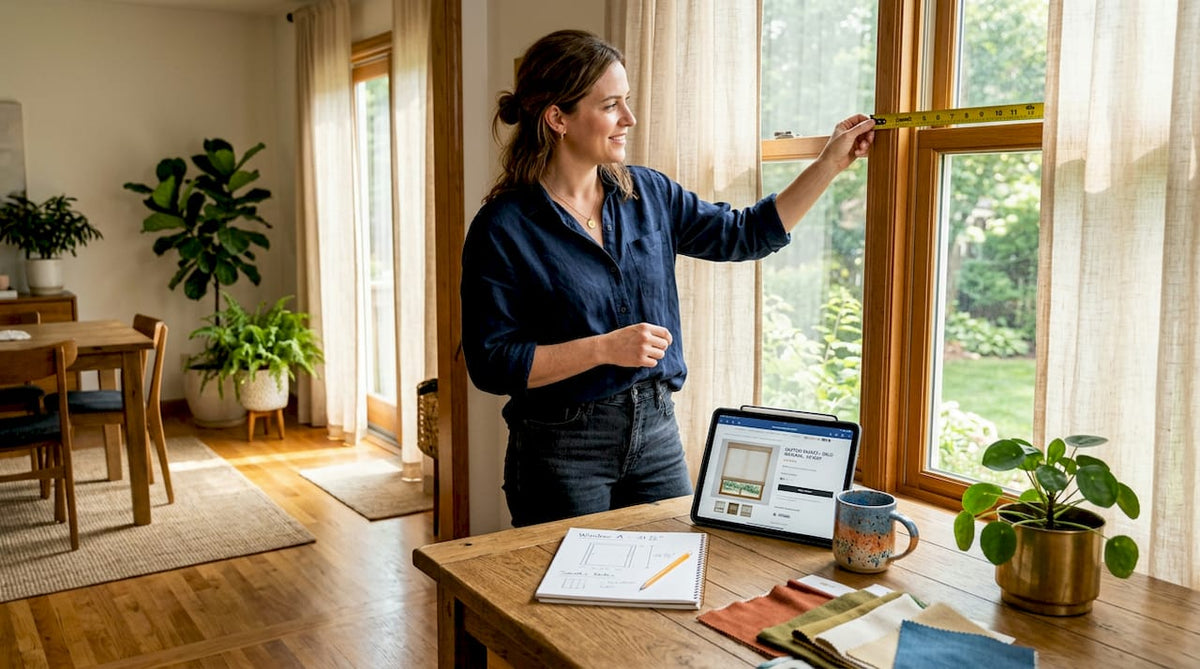
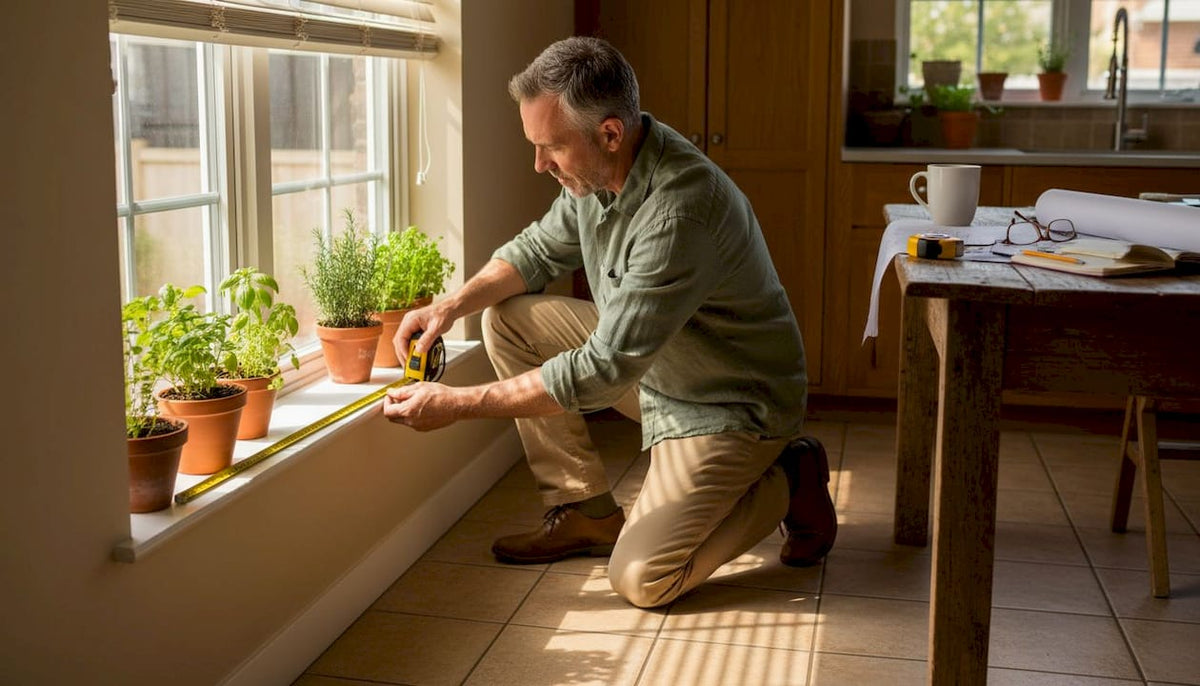
- How to measure for custom blinds
- Choosing suppliers and getting the best deals
- Installing and maintaining your blinds
- My take on where this market is going
- Upgrade your windows with Valueblindsdirect
- FAQ
Key takeaways
| Point | Details |
|---|---|
| Direct buying saves money | Cutting out middlemen reduces costs significantly, but measuring accurately and vetting suppliers is non-negotiable. |
| Material choice drives function | Faux wood resists moisture while cellular shades insulate best, so match the material to the room’s needs. |
| Specs affect energy bills | Solar Heat Gain Coefficient and R-values determine how much heat your blinds block or trap. |
| Measure twice, order once | Distinguishing inside mount from outside mount measurements prevents the most common fit errors when you buy blinds online. |
| Cordless and motorized options simplify life | No-drill cordless blinds install in minutes and are safer for homes with children and pets. |
Blinds direct: what’s available and what fits your space
When you buy blinds direct from a manufacturer or a specialized online retailer, you’re accessing a product catalog that a big-box store simply can’t stock. The range is genuinely wide, and understanding the core categories saves you from analysis paralysis.
Roller shades are the minimalist’s go-to. They roll cleanly onto a tube, take up almost no headspace, and come in everything from sheer to full blackout fabrics. Zebra shades layer alternating sheer and solid bands, giving you a sliding scale of light control without sacrificing the view. Cellular (honeycomb) shades are the energy-efficiency standout. Their structure creates thermal air pockets that insulate better than almost any other window covering. Faux wood blinds replicate the warmth of real wood but resist warping and moisture, making them the practical pick for kitchens and bathrooms. Solar shades are purpose-built for sun-drenched rooms. Vertical blinds work best on sliding glass doors and wide windows where horizontal slats would be awkward.
| Blind type | Best rooms | Material | Moisture resistance |
|---|---|---|---|
| Roller shades | Living rooms, bedrooms | Polyester blends | Moderate |
| Faux wood blinds | Kitchens, bathrooms | PVC or composite | High |
| Cellular shades | Bedrooms, offices | Polyester | Low to moderate |
| Solar shades | Sunrooms, south-facing rooms | Fiberglass mesh | Moderate |
| Vertical blinds | Sliding doors, large windows | PVC or fabric | High |
| Zebra shades | Living rooms, bedrooms | Polyester | Moderate |
Faux wood blinds stand out for high-humidity spaces because they offer classic wood aesthetics without the warping risk that real wood carries in damp conditions. Cordless and motorized versions of most styles are now widely available, which removes dangling cords from rooms where kids and pets spend time.
Pro Tip: Order free fabric swatches before committing to a color. Screen colors and real-world colors almost never match exactly, and returning custom-cut blinds is rarely an option.
Technical specs that actually affect your home
Most shoppers skip the spec sheet and go straight to color. That’s a mistake if you care about your energy bills or live somewhere with strong sun exposure.
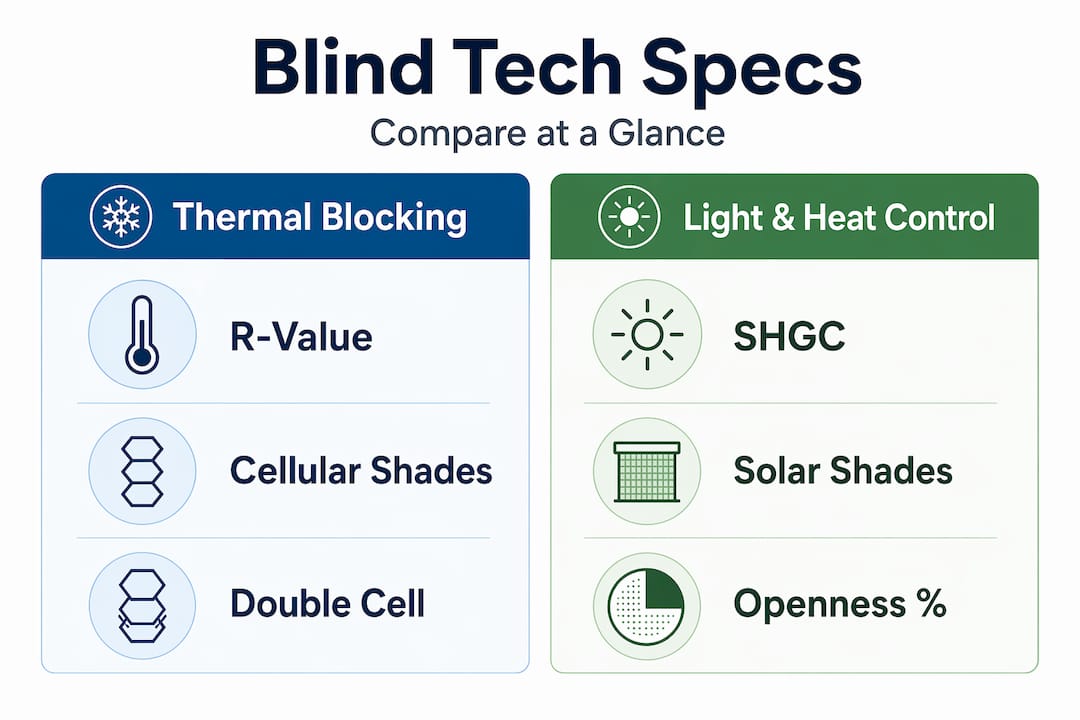
The openness factor on solar shades tells you what percentage of the fabric is open mesh. A 1% openness factor blocks more heat and glare but limits your view. A 5% factor gives you more visibility but lets in more solar heat. Solar shades with darker fabrics absorb glare more effectively than lighter-colored options, which is counterintuitive but true.
The Solar Heat Gain Coefficient (SHGC) measures how much solar radiation a treatment allows through a window. A lower SHGC means less heat enters the room. If you’re cooling a west-facing bedroom in summer, this number matters far more than the decorative finish. Premium treatments in high-sun environments can block up to 99% UV light, which also protects your furniture from fading.
R-values measure thermal resistance. Cellular shades lead here because their honeycomb structure traps air. A double-cell shade has a higher R-value than a single-cell shade and will noticeably reduce heat loss in winter through drafty windows.
On the smart home front, motorized blinds now integrate with platforms like Google Home, Amazon Alexa, and Apple HomeKit. Leading manufacturers have introduced features like two-way communication and battery visibility, so your app tells you when a battery is running low instead of the blind simply stopping mid-travel. Zigbee-based smart blinds offer precise operation and near-silent movement, which makes them appealing for bedrooms where noise matters.
Pro Tip: If you’re purchasing blinds for a south- or west-facing room, prioritize SHGC and UV blocking over aesthetics first. A beautiful blind that turns your living room into a greenhouse is a bad trade.
How to measure for custom blinds
Measuring for custom blinds is the step where most DIY buyers lose money. It’s not complicated, but it requires patience and the right method for your window type.
- Decide on your mount type first. Inside mount sits within the window frame, creating a clean, recessed look. Outside mount covers the frame and surrounding wall, making windows appear larger and blocking more light along the edges.
- Measure inside mount width at three points: the top, middle, and bottom of the window opening. Use the narrowest measurement and round down to the nearest 1/8 inch.
- Measure inside mount height on the left, center, and right sides of the window. Use the longest measurement.
- For outside mount, measure the area you want the blind to cover, not just the glass. Add at least 1.5 to 3 inches on each side to prevent light gaps and allow for proper hardware mounting.
- Note any obstructions. Handles, cranks, and deep sills affect which mount type is feasible and whether your blind will operate without catching.
- Document bay windows and odd shapes separately. Each window section in a bay is a separate measurement. Treat them individually.
Accurate window measurement is the single most important step in avoiding a costly reorder. Inside and outside mount measurements are not interchangeable, and suppliers will cut to exactly what you submit.
Pro Tip: Before placing your order, read the supplier’s remeasure or reorder policy carefully. Some brands absorb one remake for measurement errors. Others do not. Knowing this upfront changes how carefully you double-check your numbers.
Choosing suppliers and getting the best deals
Buying blinds for home use directly online puts a lot of supplier options in front of you, and not all of them deserve your business. Here’s how to separate the reliable from the risky.
- Check reviews across multiple platforms. A supplier with 4.8 stars on their own website but 3.1 on third-party review platforms is showing you something. Look for patterns in negative reviews, particularly around shipping delays, incorrect sizing, or poor customer service response.
- Verify warranty terms before you buy. A good direct retailer offers a minimum one-year warranty on hardware and fabric defects. Some premium brands extend coverage to five years.
- Look for free swatch programs. Any serious direct blind seller lets you order material samples at no cost. If a supplier doesn’t offer swatches, think twice before committing to a custom order.
- Seasonal promotions are real and significant. As of April 2026, seasonal sales offer up to 50% off on faux wood blinds, cellular shades, and roller designs. Planning your purchase around spring or end-of-year sales can cut your total spend substantially.
- Understand customization limits. The best suppliers let you specify exact width and height in fractional inches, choose mounting hardware color, and select operating system (cordless, motorized, loop cord). Budget brands often limit these choices.
- Confirm affordable blinds delivery timelines. Custom blinds typically ship in 7 to 14 business days. If a supplier promises two-day shipping on custom cuts, read the fine print.
Customer service responsiveness and clear warranty coverage are the two factors that separate trustworthy suppliers from the ones that disappear after your payment clears. A quick email to their support line before ordering tells you a lot.
Installing and maintaining your blinds
The idea that you need a contractor to hang custom blinds is outdated. Most styles install in under 20 minutes with a drill, a level, and a screwdriver.
- Mark your bracket positions using a pencil and level. For inside mount, brackets go at the top corners of the window frame. For outside mount, position brackets at your marked overhang points.
- Drill pilot holes to prevent splitting wood or cracking plaster. Use the hardware provided with your blinds.
- Snap the brackets in place and test for level before tightening fully.
- Attach the headrail to the brackets and confirm it clicks securely on both ends.
- Attach any bottom rail, wand, or cord guide and test the full range of motion before finishing.
No-drill cordless blinds skip steps one through three entirely. Adhesive or tension-mounted systems are available for renters who can’t put holes in walls. They work reliably on standard window frames and remove in seconds without leaving damage.
For maintenance, wipe vinyl and faux wood slats monthly with a damp microfiber cloth. Fabric shades and cellular shades vacuum well with a brush attachment. Avoid soaking fabric blinds because most aren’t designed to be fully submerged. If a slat cracks or a cord mechanism fails within your warranty window, contact your supplier directly rather than attempting a permanent repair that voids coverage.
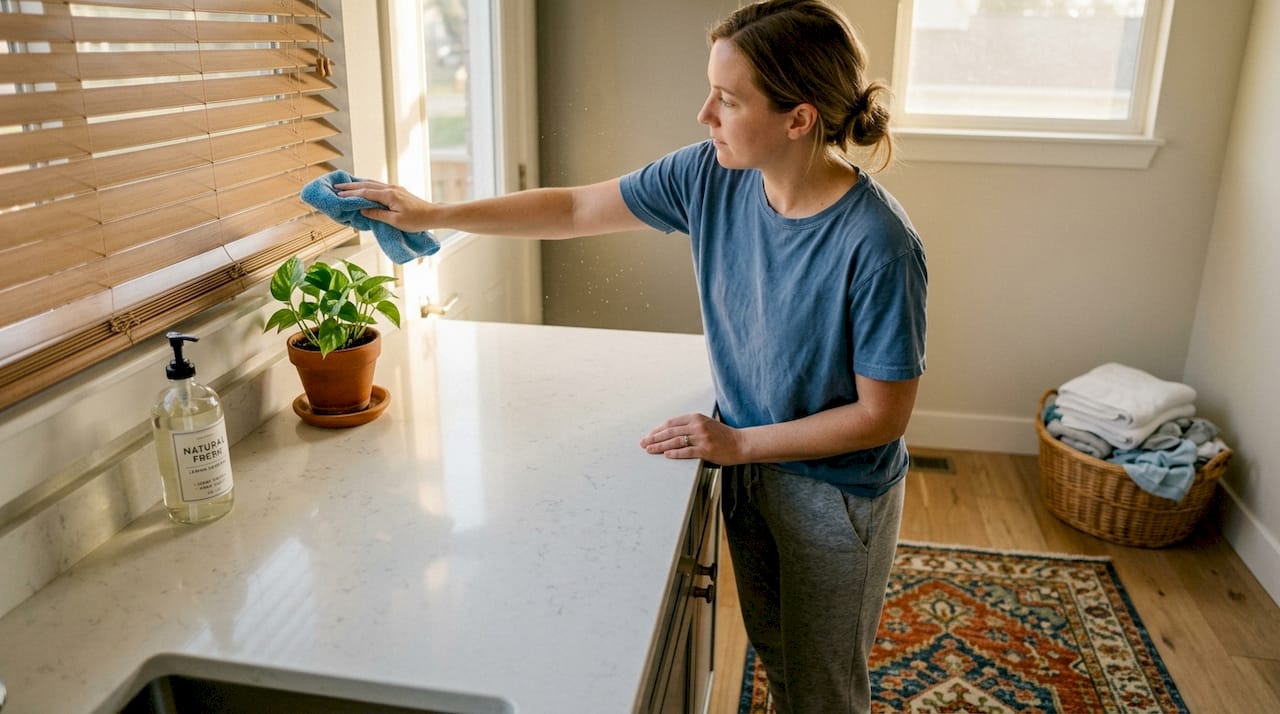
Pro Tip: Dust cellular shades with a hair dryer on the cool setting. The airflow pushes dust out of the honeycomb cells without crushing the structure or introducing moisture.
My take on where this market is going
I’ve watched the direct-to-consumer window treatment market evolve from a niche workaround to a genuinely better option than retail for most homeowners and renters. The shift is real and it’s accelerating.
What impresses me most right now is the pace of smart motorized blind adoption. A few years ago, motorized meant expensive and unreliable. Today it means a $200 shade that integrates with your smart home, adjusts on a schedule, and tells you its battery level through an app. The energy savings case for programmable motorized blinds is also getting hard to ignore, especially in sun-intensive climates where keeping heat out during peak hours directly reduces air conditioning costs.
That said, I still see people get burned by the same two mistakes. They skip the measurement process and treat direct buying like ordering a t-shirt. Custom blinds are cut to your numbers and your numbers alone, so the margin for error is essentially zero. The second mistake is prioritizing price over supplier vetting. The savings from buying direct are real, but only when you’re working with a supplier who actually stands behind the product.
My honest advice: spend 15 extra minutes reading reviews and checking warranty terms. It’s the most valuable 15 minutes you’ll invest in a window treatment purchase.
— Sunny
Upgrade your windows with Valueblindsdirect
If this guide has helped clarify what you need, Valueblindsdirect is built for exactly this kind of purchase. The catalog covers blinds for every room in your home, from sun-blocking premium solar shades to easy-install cordless collections that renters can hang without a single hole in the wall.
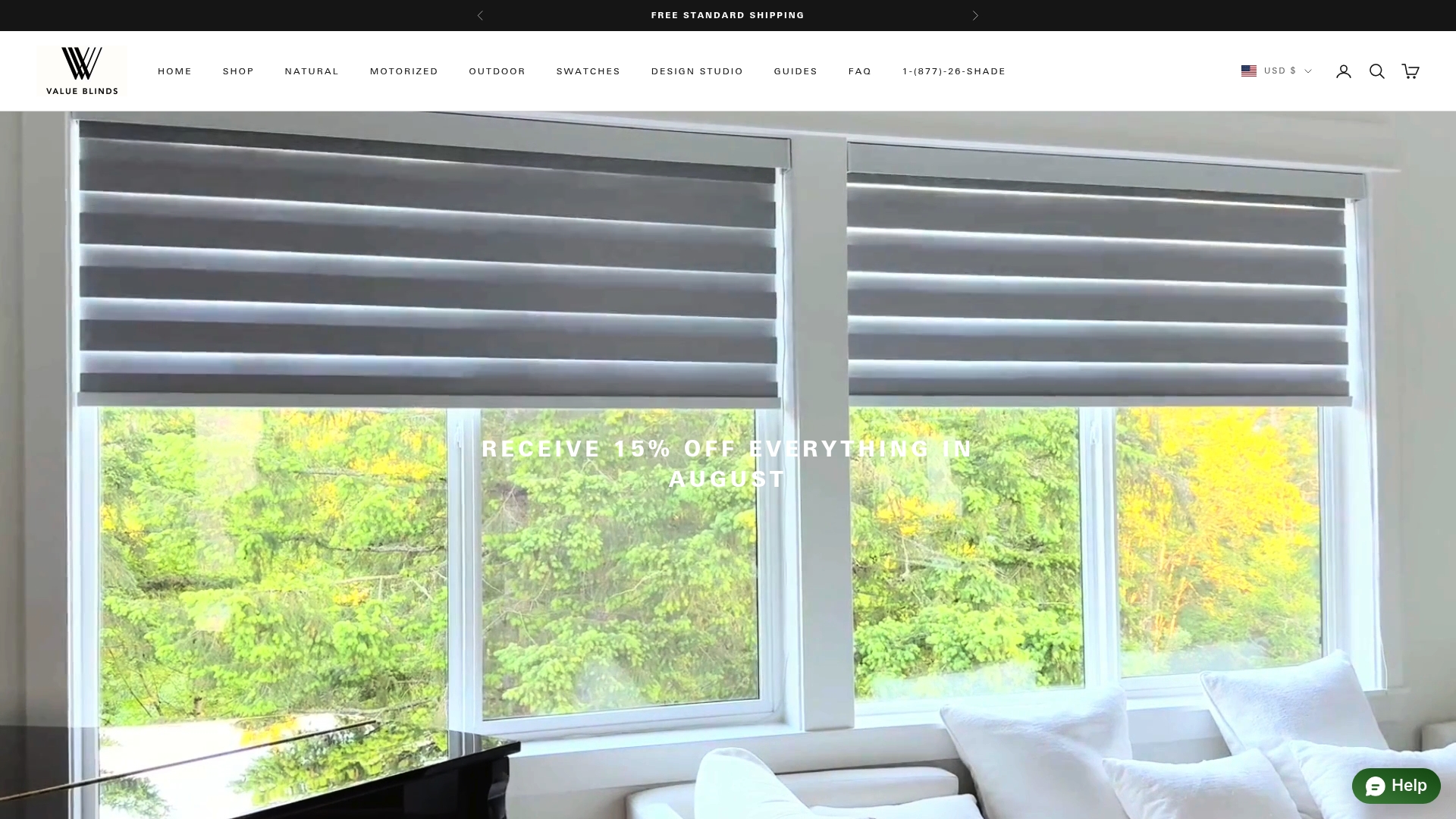
The window treatment design studio at Valueblindsdirect lets you visualize custom configurations before ordering, with expert support available if you get stuck. Free swatches mean you confirm color and texture in your actual light before spending a dollar on custom cuts. Browse the full blinds collection to compare styles, request samples, and take advantage of current seasonal promotions. Getting the right window treatment for your space has genuinely never been more accessible.
FAQ
What does buying blinds direct mean?
Buying blinds direct means purchasing custom window treatments straight from a manufacturer or specialized online retailer, cutting out the retail middleman. This typically lowers costs and expands your customization options compared to buying from a home improvement store.
How do I know which blind type is right for my room?
Match the material to the room’s function: faux wood for kitchens and bathrooms due to moisture resistance, cellular shades for bedrooms and offices where insulation matters, and solar shades for rooms with heavy sun exposure. Each style offers different light control and privacy levels to suit different needs.
Are motorized blinds worth buying direct online?
Yes, especially if you have hard-to-reach windows or want smart home integration. Modern motorized blinds now include features like battery monitoring and app-based scheduling, and buying them direct online typically saves 20 to 40 percent compared to retail installation packages.
What is the most common mistake when ordering custom blinds online?
Confusing inside mount and outside mount measurements is the most frequent error. Inside mount width uses the narrowest point of the window opening, while outside mount covers a larger area including the frame and wall overhang. Submitting the wrong measurement results in blinds that don’t fit.
Can renters install blinds without damaging walls?
Yes. No-drill cordless blinds use adhesive or tension mounting systems that attach without screws or pilot holes. They work on most standard window frames and remove cleanly, making them the practical option where to purchase blinds for a rental property without risking a security deposit.
Recommended
- Smart Blinds: Complete Guide to Modern Automation
- Blinds direct installation guide: DIY steps made easy
- How to Choose Blinds: A Step-by-Step Guide for Your Home
- Top 7 Blackout Shades for Homeowners in 2025

Value Blinds®
Trusted window treatments provider
Value Blinds® is a trusted provider of Greenguard, OEKO-TEX, and FSC-certified window treatments based in Portland, Oregon. Specializing in sustainable, motorized, smart-controlled, and outdoor-ready blinds and shades, the company is built on a foundation of simplified shopping, premium eco-friendly materials, and transparent pricing without the inflated cost.