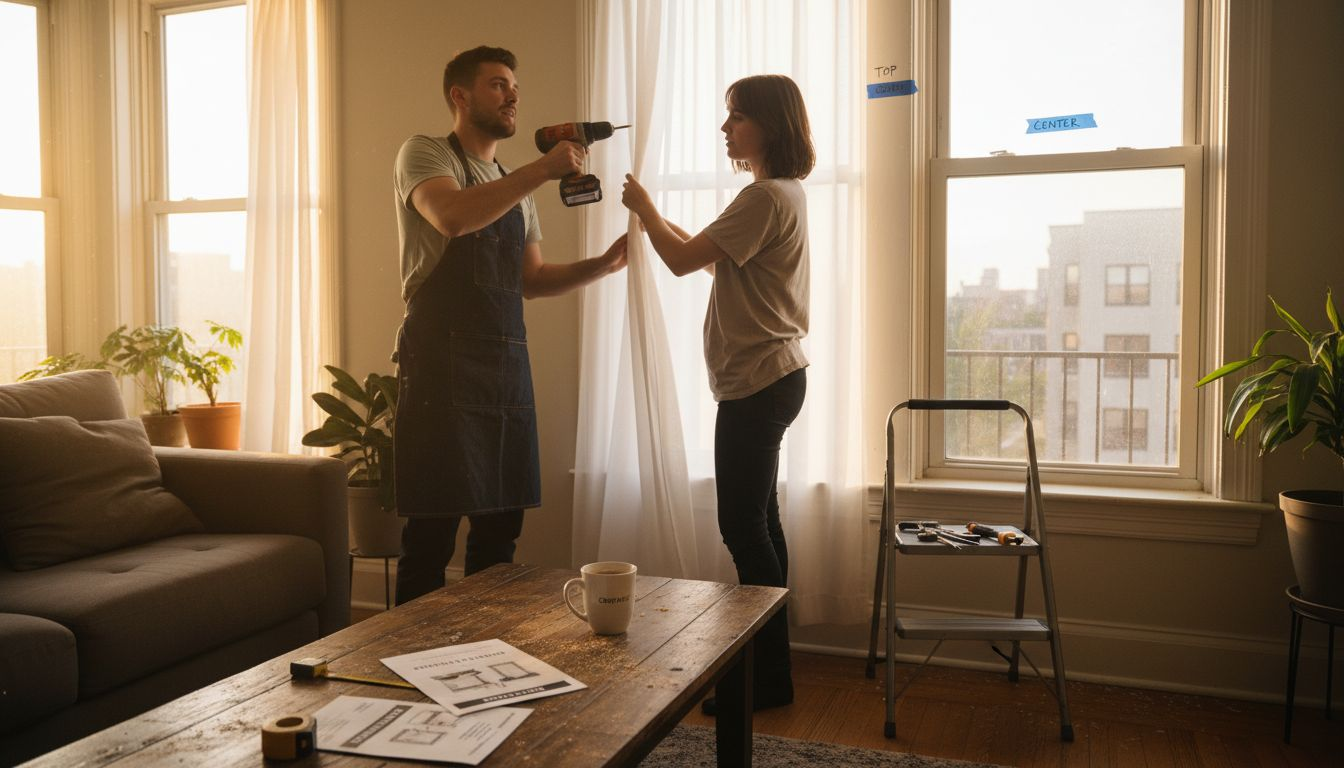


Custom Blinds and Shades: Enhancing Modern Homes
Finding the ideal window treatment can feel overwhelming when every room demands its own balance of look, privacy, and performance. In busy urban environments, homeowners and interior decorators want solutions that don’t just look good but also make spaces more comfortable and energy efficient. Discover how custom blinds and shades combine premium design with the latest technology to offer tailored light control and style for every unique interior.
Table of Contents
- Defining Custom Blinds And Shades
- Key Material Types And Style Variations
- Popular Features For Function And Comfort
- How Customization And Ordering Work Online
- Comparing Costs, Value, And DIY Installation
Key Takeaways
| Point | Details |
|---|---|
| Customization is Key | Custom blinds and shades can be tailored to specific window dimensions and design preferences, offering enhanced light control and privacy. |
| Material Variety | Homeowners can choose from a range of materials including fabric, wood, and synthetic options, which impact aesthetics and functionality. |
| Smart Features Enhance Functionality | Modern window treatments can integrate smart home technology for automated adjustments based on environmental conditions. |
| Installation Options Impact Cost | DIY installation can save money but requires skill, while professional installation ensures a proper fit and offers greater convenience. |
Defining Custom Blinds and Shades
Custom blinds and shades represent sophisticated window treatments designed to provide personalized light control, privacy, and aesthetic enhancement for modern living spaces. Unlike standard off-the-shelf options, these solutions offer homeowners unprecedented flexibility in managing their interior environments.
At their core, custom blinds and shades are specialized window coverings tailored to specific measurements, design preferences, and functional requirements. Adaptive shading technologies enable precise solar radiation control, allowing occupants to optimize visual comfort and energy efficiency.
Key characteristics of custom blinds and shades include:
- Precise measurement and fit for unique window dimensions
- Multiple material options including wood, fabric, and synthetic composites
- Advanced control mechanisms like motorized and smart home integration
- Customizable colors, textures, and operational styles
- Enhanced energy management through strategic light filtering
Modern custom window treatments go beyond traditional functionality, transforming into intelligent home systems that respond dynamically to environmental conditions. Smart integration allows automated adjustments based on sunlight intensity, temperature, and user preferences, creating responsive living environments that adapt seamlessly to occupant needs.
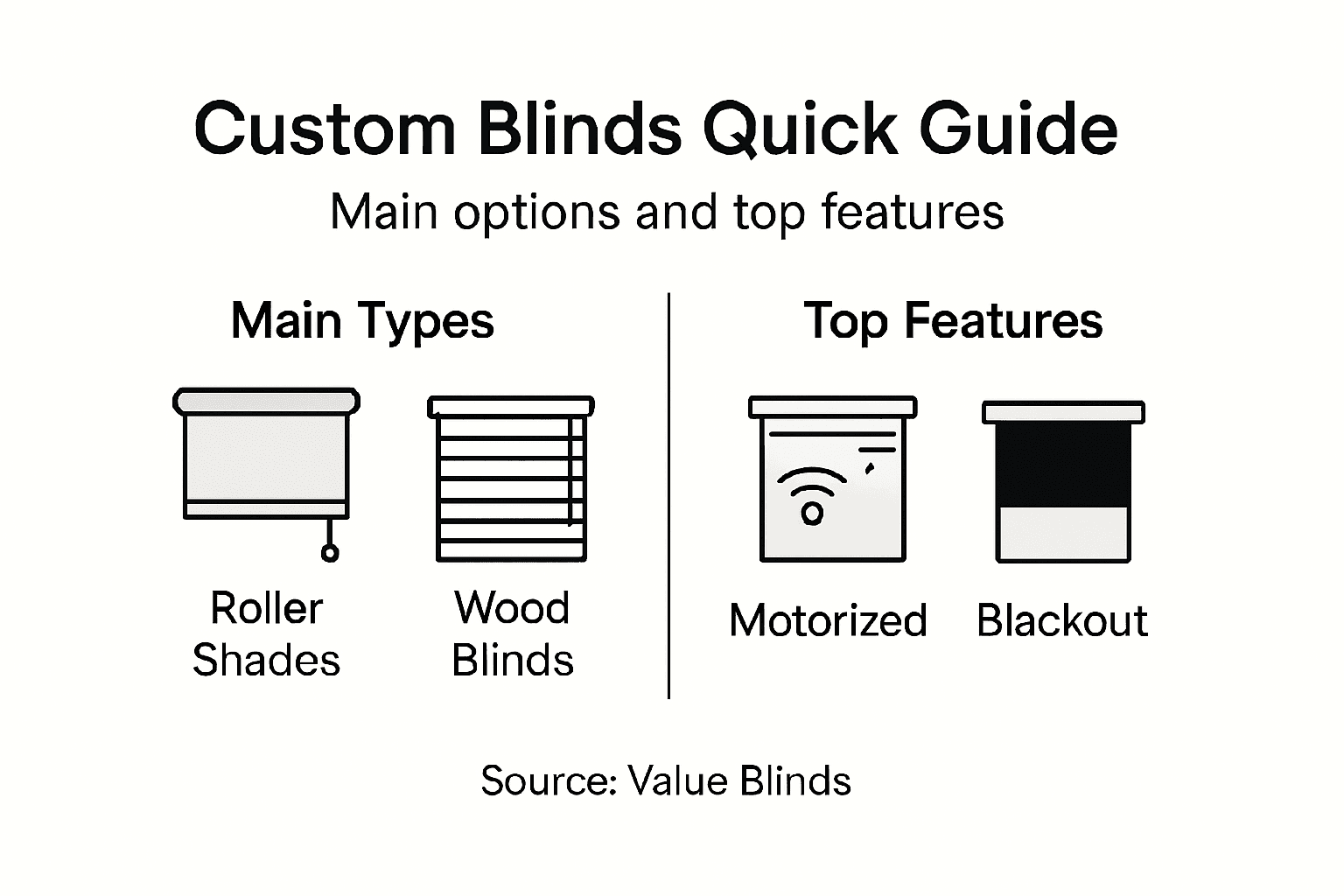
Pro tip: Measure your windows precisely and consider light transmission requirements before selecting custom blinds to ensure optimal performance and aesthetic harmony.
Key Material Types and Style Variations
Custom blinds and shades encompass a diverse range of materials and styles, offering homeowners unprecedented design flexibility for their interior spaces. Fabric, wood, synthetic, and composite materials each bring unique aesthetic and functional characteristics to window treatments.
Fabric-based window coverings represent the most versatile category, providing numerous design possibilities. These materials range from sheer lightweight textiles that filter soft ambient light to dense blackout fabrics that completely block external illumination. Key fabric variations include:
- Polyester blends for durability and easy maintenance
- Natural cotton and linen for organic, textured appearances
- Performance fabrics with moisture and stain resistance
- Thermal-insulating materials for enhanced energy efficiency
Wooden and bamboo blinds offer a classic, natural aesthetic that seamlessly integrates with various interior design styles. These materials provide excellent light control and thermal insulation, with options like:
- Traditional horizontal wooden slats
- Vertical wooden panels
- Woven bamboo shades with organic textures
- Painted or stained finishes to match interior color schemes
Synthetic and composite materials have revolutionized window treatment design, introducing advanced functionalities beyond traditional approaches. Synthetic options include:
- Aluminum micro-blinds for modern, minimalist spaces
- Vinyl and PVC materials resistant to moisture and humidity
- Engineered polymers with enhanced durability
- Composite materials combining multiple performance characteristics
Advanced window treatments now blend aesthetic appeal with technological innovation, transforming simple coverings into sophisticated interior design elements.
Pro tip: Consider your room’s specific lighting, humidity levels, and design aesthetic when selecting window treatment materials to ensure optimal performance and visual harmony.

Here’s a quick look at how common custom blind materials compare in terms of key benefits and best uses:
| Material Type | Main Benefit | Best Room Application |
|---|---|---|
| Fabric | Softens light, versatile style | Bedrooms, living rooms |
| Wood/Bamboo | Natural insulation, classic look | Offices, dining rooms |
| Synthetic/Composite | High durability, moisture resistance | Kitchens, bathrooms |
Popular Features for Function and Comfort
Custom blinds and shades have evolved far beyond basic light control, incorporating sophisticated features that enhance home comfort, energy efficiency, and technological integration. Smart home compatibility and advanced operational mechanisms now define modern window treatments as intelligent living solutions.
Motorization and automation represent game-changing features for contemporary window coverings. These advanced systems offer multiple control options:
- Remote control operations via smartphone apps
- Voice-activated commands through smart home assistants
- Scheduled opening and closing sequences
- Automatic light and temperature adjustments
- Battery-powered and hardwired motorization options
Energy efficiency features have become paramount in modern blind design. Thermal regulation technologies help homeowners manage interior temperatures and reduce energy consumption through:
- Cellular shade designs with insulating air pockets
- Reflective materials that block solar heat
- Light-filtering and blackout options for precise temperature management
- UV-protective fabrics that prevent furniture and flooring damage
Additional comfort-enhancing features include noise reduction capabilities, child safety mechanisms, and specialized light filtering technologies. These innovations transform window treatments from simple coverings into dynamic environmental control systems.
Modern window treatments are no longer passive home elements but active participants in creating comfortable, efficient living spaces.
Pro tip: Invest in motorized blinds with smartphone integration to maximize convenience and energy management in your living spaces.
How Customization and Ordering Work Online
Online blind customization has transformed the window treatment shopping experience, offering homeowners unprecedented control and convenience through intuitive digital design platforms. Digital customization tools now enable precise, personalized selections without the traditional limitations of in-store shopping.
The online customization process typically follows a structured, user-friendly workflow:
- Select window treatment type (roller, cellular, roman shades)
- Choose specific material and color palette
- Input exact window measurements
- Preview design using interactive 3D visualization
- Customize additional features like motorization or light filtering
Measurement accuracy is critical in online blind ordering. Most websites provide comprehensive measurement guides that walk customers through precise documentation:
- Detailed instructional videos
- Printable measurement templates
- Step-by-step measurement tutorials
- Guidance for different window types (inside/outside mount)
- Recommendations for handling complex window configurations
Advanced digital platforms now integrate shipping and delivery options directly into the customization experience, allowing real-time price calculations and delivery estimate projections. These integrated systems eliminate traditional friction points in the purchasing process.
Digital customization transforms window treatment shopping from a complex task into an engaging, intuitive design experience.
Pro tip: Always measure twice and utilize online measurement guides to ensure perfect custom blind fit before completing your purchase.
Comparing Costs, Value, and DIY Installation
Custom blinds represent a significant home investment that balances aesthetic appeal with functional performance. Understanding the financial and practical considerations helps homeowners make informed decisions about window treatment selections and installation approaches.
Blind installation costs vary widely, typically ranging between $211 and $1,341, with an average expenditure of $761. The total investment depends on several critical factors:
- Material type and quality
- Window dimensions
- Complexity of customization
- Additional features like motorization
- Professional versus DIY installation
DIY installation offers significant cost savings for homeowners with moderate handyman skills. The potential financial benefits include:
- Eliminating professional labor costs
- Learning valuable home improvement skills
- Complete control over installation process
- Immediate project completion
- Potential savings of 50-70% compared to professional services
Professional installation, while more expensive, provides critical advantages that may justify the additional expense:
- Guaranteed proper measurement and fit
- Expert handling of complex window configurations
- Warranty protection for installation
- Minimized risk of damage to expensive custom treatments
- Professional assessment of mounting challenges
Choosing between DIY and professional installation requires carefully weighing your technical skills, available time, and comfort with precision home improvement tasks.
Pro tip: Compare at least three professional installation quotes and assess your personal skill level before deciding between DIY and professional blind installation.
Compare the value of DIY vs professional installation for custom blinds below:
| Installation Type | Typical Cost Range | Major Advantage | Key Consideration |
|---|---|---|---|
| DIY | $0 (self-labor only) | Cost savings, flexible timing | Requires precise measuring skills |
| Professional | $211–$1,341 total | Expert fit, warranty coverage | Higher total expense |
Elevate Your Home with Custom Blinds and Shades from Value Blinds
Struggling to find window treatments that perfectly match your unique windows and style? Custom blinds and shades offer the tailored fit, advanced features, and energy efficiency needed to transform your living space into a modern haven. At Value Blinds, we understand the challenge of precise measurements and selecting materials that balance light control and design. From motorized options to blackout and cordless styles, our broad catalog is crafted to fit your needs and elevate your home’s comfort and aesthetic.
Explore our New Arrivals to discover the latest in versatile fabrics and innovative designs that make everyday living easier. With expert measurement guides and customization tools, you can shop confidently knowing your choice will fit seamlessly. Don’t wait to enhance your space with quality, durability, and style at every window—visit Value Blinds today and take the first step toward smarter, personalized home comfort. If you want options beyond indoor solutions, check out our Retractable Awnings for Versatile Outdoor Shade Solutions | Enhance Your Space to extend your style outdoors.
Frequently Asked Questions
What are custom blinds and shades?
Custom blinds and shades are personalized window treatments designed to fit specific measurements and design preferences. They offer enhanced light control, privacy, and aesthetic options tailored to individual spaces.
What materials are commonly used for custom blinds and shades?
Common materials include fabric, wood, bamboo, synthetic options, and composites. Each material offers various benefits, such as versatility in design, thermal insulation, and moisture resistance, making it essential to choose based on your room’s needs.
How do motorized custom blinds work?
Motorized custom blinds can be operated through remote controls or smartphone apps, allowing for automated adjustments based on sunlight intensity and temperature. This smart home integration enhances convenience and energy management in modern living spaces.
What should I consider before ordering custom blinds online?
Before ordering custom blinds online, ensure you measure your windows accurately and understand the different material and feature options available. Using online measurement guides and visualization tools can help ensure a perfect fit and adequate functionality.
Recommended
- Modern Blinds: Transforming Urban Living in 2026
- Custom Window Shades and Blinds: Enhancing Modern Homes
- Understanding What Blinds Are in Style for Your Home
- 7 Best Home Improvement Projects for Stunning Results
- 7 Modern Carpet Design Trends 2025 Homeowners Should Know - Yarra Valley Carpet Cleaning