
Decorating with woven wood shades: stylish tips
TL;DR:
- Woven wood shades add natural texture, warmth, and a connection to organic materials that synthetic options lack. They are versatile, offering various styles, materials, and layering possibilities suitable for many interior aesthetics. However, they require mindful maintenance and are best used in rooms where light diffusion and subtle privacy are priority.
Window treatments are one of the most consequential decisions you make in a room, yet most homeowners default to basic blinds or heavy drapes without considering what’s in between. Decorating with woven wood shades gives you something those options rarely deliver: honest texture, filtered warmth, and a connection to natural materials that synthetic window coverings simply cannot fake. Designers are gravitating to bamboo and reed weaves for their warmth and organic texture, and if you have been wondering how to bring that quality into your own home, this guide walks you through every step.
Table of Contents
- How to choose the right woven wood shades for your space
- Top styles and designs of woven wood shades to elevate your decor
- Comparing woven wood shades to other window treatments
- Creative decorating ideas using woven wood shades
- Woven wood shades maintenance and care tips
- Why woven wood shades are the overlooked natural window treatment
- Discover premium woven wood shades and expert design help
- Frequently asked questions
Key Takeaways
| Point | Details |
|---|---|
| Natural warmth | Woven wood shades add organic texture and a warm glow that enhances any room. |
| Multiple styles | There are various woven wood shade styles to fit both traditional and modern decor. |
| Layering enhances | Combining woven shades with curtains or sheers boosts privacy and visual interest. |
| Proper care counts | Regular gentle cleaning and avoiding moisture preserve their beauty longer. |
| Expert help is available | Professional design studios offer tailored advice for perfect woven shade installations. |
How to choose the right woven wood shades for your space
Before you start shopping, it helps to understand what separates a great woven shade from one that looks awkward in your room. These shades are made from a range of natural materials like bamboo, grasses, and reeds that each behave differently in terms of texture, light transmission, and color tone. The right starting point is not the pattern you like most. It is the function you need most.
Here are the key factors to evaluate before you buy:
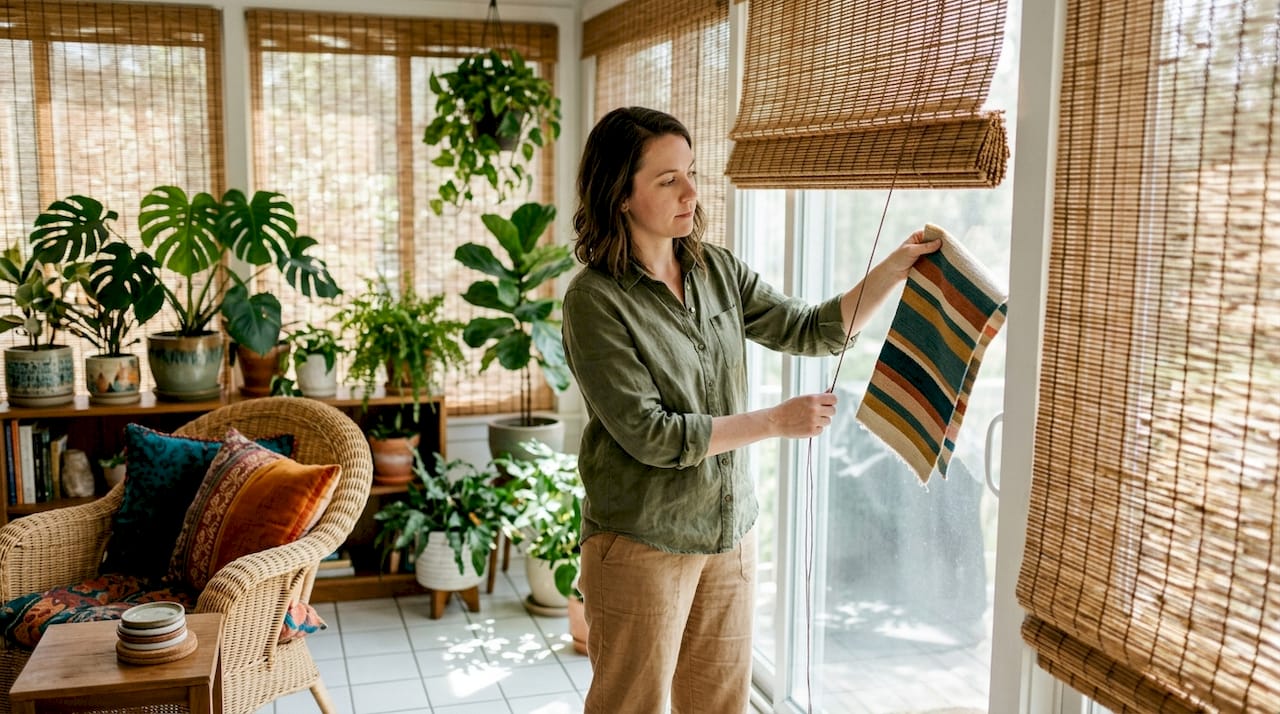
- Material: Bamboo is the most structured and blocks the most light. Rattan and seagrass weaves are looser and more translucent, creating a soft, sun-dappled glow. Jute sits somewhere in between with a warm, earthy tone.
- Light control: A tighter weave filters light while maintaining privacy. A loose weave lets more light in but offers limited privacy, especially at night.
- Color tone: Natural shades run from pale blonde to deep walnut. Cooler whites and grays in your room pair well with lighter bamboo tones, while warmer neutrals, wood floors, and earthy textiles favor deeper, amber-toned weaves.
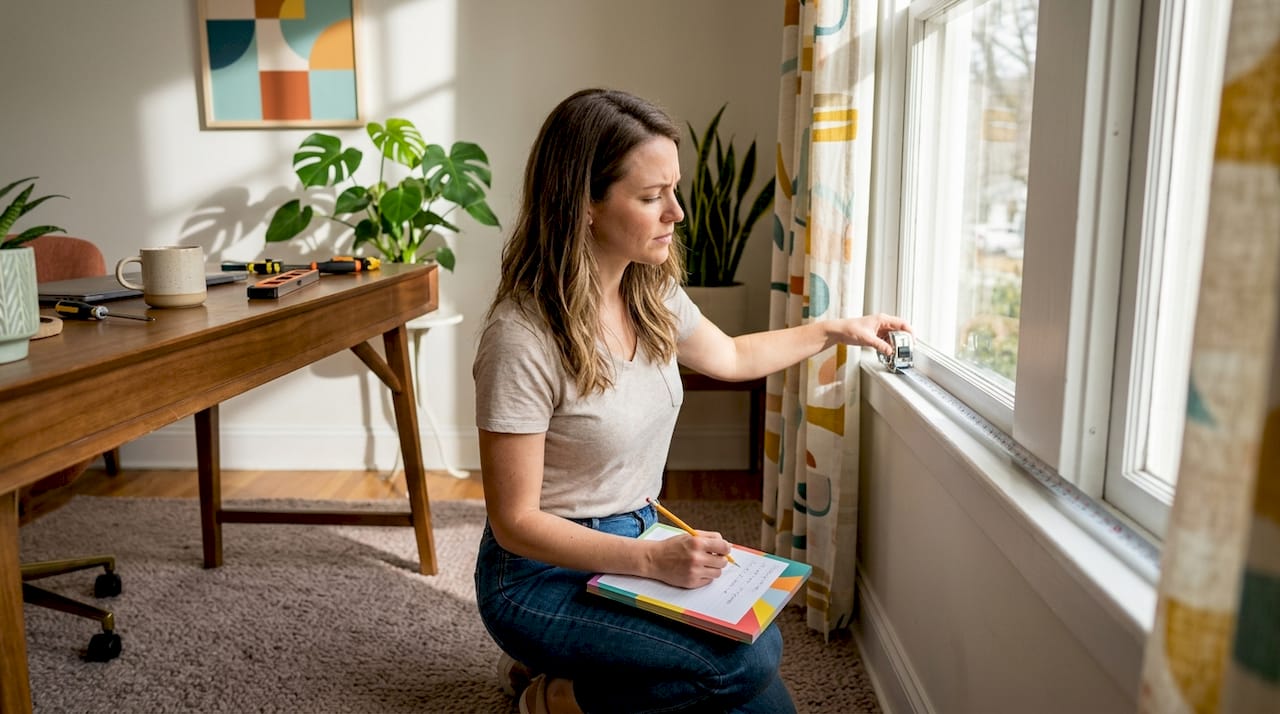
- Mounting style: Inside-mount installations look clean and architectural. Outside-mount is better for windows with shallow depth or for covering more wall area to make a window appear larger.
- Layering potential: If you plan to add curtains or sheers, make sure your mounting allows for a double bracket or separate rod placement. This is where the real design magic happens.
Pro Tip: Order free swatches before committing to a color. Woven materials read very differently in person than on a screen, and the light in your specific room changes everything.
If you are exploring natural woven wood shades for the first time, start with one room and test how the texture and light filtering feel before outfitting an entire home.
Top styles and designs of woven wood shades to elevate your decor
Once you know how to choose the right shades, it is worth exploring which styles will work best in different rooms and design aesthetics.
The two most popular formats are Roman and roller:
- Roman woven shades fold into stacked pleats when raised, giving them a tailored, architectural quality. They suit dining rooms, bedrooms, and office spaces where a polished look matters.
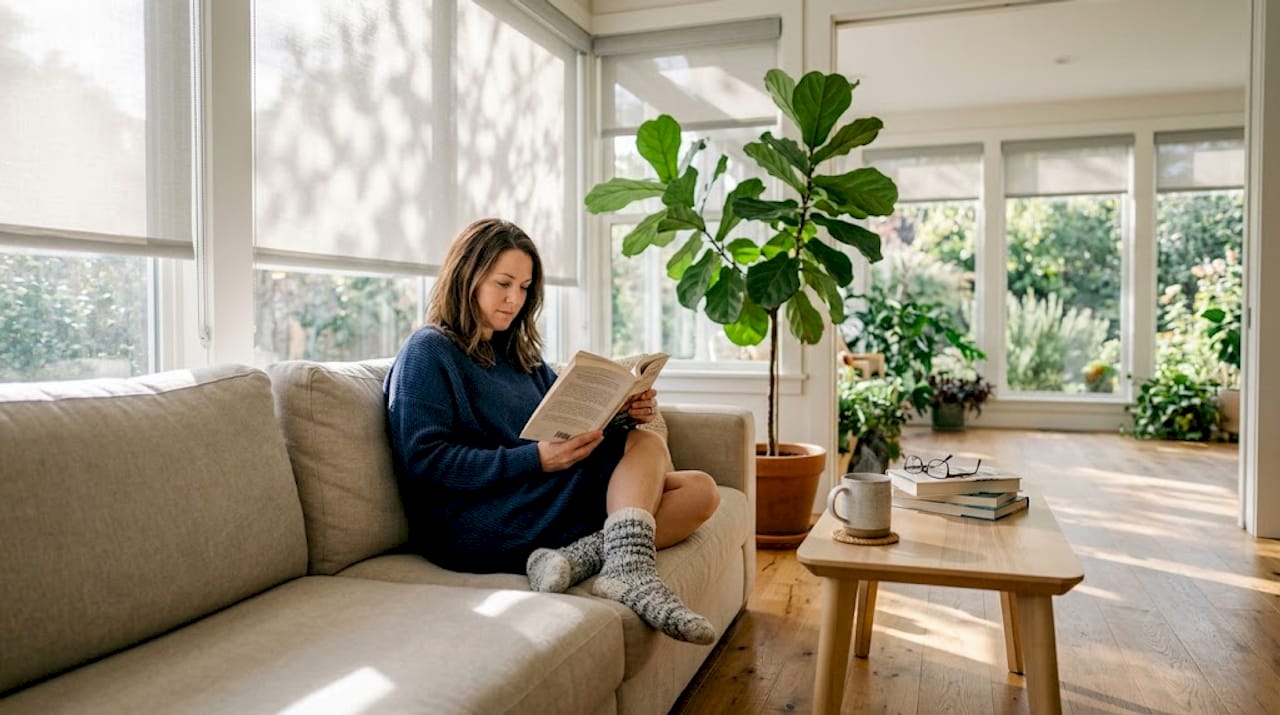
- Roller woven shades roll up cleanly into a slender tube. They are the better choice for minimalist interiors where you want the window treatment to almost disappear when raised.
- Layered combinations pair woven shades with linen drapes or cotton sheers. This approach creates depth and lets you control both light and privacy at different times of day.
- Relaxed Roman styles hang with soft, unfitted folds rather than structured pleats, and work well in casual living rooms and sunrooms where you want a less rigid look.
Warmth and organic texture from bamboo and reed weaves pair beautifully with both minimalist and traditional interiors, which is part of why these styles are gaining ground in 2026. The texture of a woven shade does something fabric shades cannot: it gives the window itself visual weight and presence without blocking the light entirely.
Style note: Natural color palettes in woven wood shades, think warm honey, dry wheat, and dark walnut, are driving design choices in 2026 as homeowners move toward rooms that feel grounded rather than sterile. Stay ahead of that shift by reading about the latest window shades trends shaping interior design today.
Comparing woven wood shades to other window treatments
Understanding how woven wood shades compare to other options will help you decide if they fit your style and needs best.
The move toward biophilic design has pushed natural materials like woven shades into the spotlight, but they are not the right answer for every window. Here is an honest side-by-side look:
| Window treatment | Light control | Privacy | Insulation | Texture and warmth | Maintenance |
|---|---|---|---|---|---|
| Woven wood shades | Moderate (weave-dependent) | Moderate | Low to moderate | Excellent | Gentle cleaning required |
| Cellular shades | High (with blackout liner) | High | Excellent | Low | Easy wipe-down |
| Roller shades (fabric) | High (blackout option) | High | Low | Low to moderate | Easy |
| Drapery | Moderate to high | High | Moderate | High | Dry cleaning often needed |
| Faux wood blinds | High | High | Low | Low | Very easy |
The table makes one thing clear. Woven wood shades earn their place on texture and warmth, not insulation or blackout capability. If you need serious privacy at night or strong thermal performance, layering woven shades with window coverings for privacy is the move.
A few more honest observations:
- Where woven shades win: Any room where you want diffused, golden light and a natural, tactile feeling. Bedrooms styled in earthy, Japandi, or coastal aesthetics are ideal.
- Where they need help: Street-facing windows in urban apartments where nighttime privacy is critical. Pairing a liner or sheer behind the shade solves this.
- Maintenance reality: Woven shades attract dust more readily than hard-surface blinds. If you have pets or live in a dusty climate, plan to dust them weekly.
Pro Tip: If you love the look of woven wood but need more light control, ask about shades that come with a fabric liner already sewn in. It preserves the exterior look while giving you meaningful privacy and light management on the inside.
Creative decorating ideas using woven wood shades
To help you put it all together, here are practical ways to style woven wood shades in different rooms and settings.
- Living room layering: Hang woven shades inside the window frame, then add wide linen panels on either side. The panels stay stationary as decorative framing while the shades handle actual light control. Layering window treatments this way adds comfort, dimension, and an elegant interplay of texture and light.
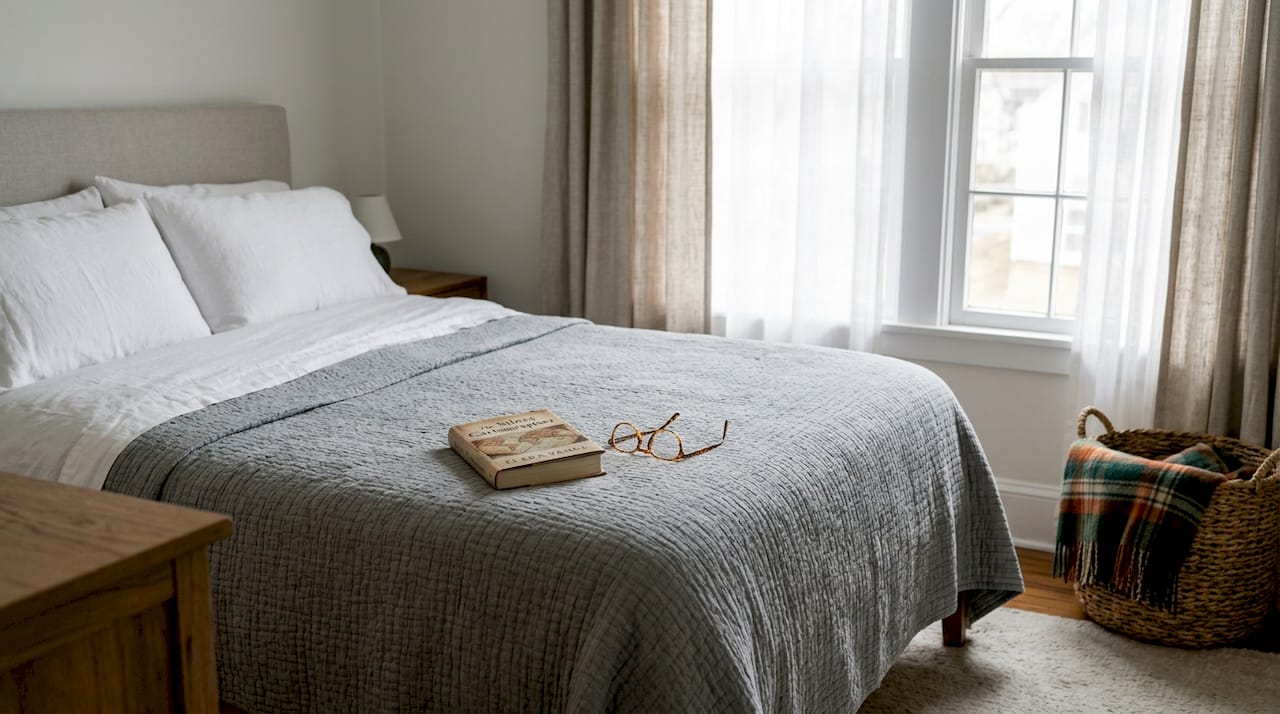
- Bedroom warmth: Use a deeper-toned bamboo shade in a bedroom alongside warm white cotton sheers. The combination filters morning light into something amber and soft, far more flattering than a blackout blind alone.
- Kitchen windows: A woven roller shade in a kitchen keeps things tidy and uncluttered. Add a café curtain on the lower half if you need daytime privacy without sacrificing light at the top of the window.
- Minimalist home office: A single Roman woven shade in a lighter bamboo tone adds enough texture to prevent a sparse room from feeling cold, without distracting from a clean, focused environment.
- Seasonal refresh: Swap woven shades for lighter, looser weaves in summer and richer, denser textures in fall and winter. It is one of the lowest-cost ways to give a room a seasonal reset.
“Layering — pairing sheers, shades, and drapery — adds comfort, dimension, and elegant interplay of texture and light.” — Martha Stewart 2026 window trends report
This layering principle applies in almost every room, but it is especially powerful in living rooms and primary bedrooms where light quality affects how you feel in the space hour to hour.
Woven wood shades maintenance and care tips
Knowing how to care for your shades will keep them looking great for years to come.
Natural fabrics and woods require mindful care to preserve their texture and appearance over time. The good news is that routine maintenance is simple if you stay on top of it.
- Dust weekly: Use a soft-bristle brush attachment on a vacuum set to the lowest suction setting. Always work from top to bottom to avoid redistributing dust back onto cleaned areas.
- Spot clean carefully: Dampen a white cloth with lukewarm water and blot (never rub) the affected area. Avoid dish soap or chemical sprays, which can discolor or weaken the fibers.
- Keep moisture away: Never install woven shades directly above a humidifier vent, a steaming pot on a stove, or a shower without proper treatment. Sustained moisture causes the fibers to warp and eventually unravel at the weave points.
- Professional cleaning: Every two to three years, have woven shades professionally cleaned. This is especially important for Roman styles where dust settles into the folds.
- Inspect the mounting hardware: Loose brackets put uneven stress on the shade’s edge, which over time creates visible warping on one side. Check and tighten mounting screws once a year.
You can learn more about caring for your shades in this detailed guide on caring for woven wood shades, which covers material-specific advice worth bookmarking.
Pro Tip: Keep your original packaging or take a photo of the shade’s label. The material composition (bamboo vs. seagrass vs. jute) changes how you should clean it, and that detail is easy to forget after a year or two.
Why woven wood shades are the overlooked natural window treatment
Here is something most decorating articles do not say directly: the window treatment market is dominated by synthetic and fabric options not because they are better, but because they are easier to manufacture in bulk. Woven wood shades require a different supply chain, more variation in natural materials, and more careful quality control. That is exactly why most showrooms push fabric first.
After years of pared-back minimalism, the trend is moving toward warmer, layered window treatments like woven wood shades that create genuinely cozy spaces. But this shift is not just aesthetic. It reflects a real change in how homeowners think about the materials they bring inside their homes. Woven shades are made from renewable grasses and reeds. They do not off-gas like some synthetic fabrics. They age gracefully, often developing a slightly richer tone over time rather than fading to a dull gray.
The argument for woven wood shades is not just that they look good. It is that they work with the light in a room rather than against it. A well-chosen bamboo shade does not just cover a window. It transforms the quality of light coming through, diffusing it into something soft and warm that a roller blind made of polyester cannot replicate regardless of how high the thread count is.
If you have been building a room around modern window dressing ideas and something still feels off, there is a real chance the window treatment is the missing warmth. Woven wood shades are, more often than not, the answer to a room that looks finished but does not feel finished.
Discover premium woven wood shades and expert design help
If you are ready to bring warmth, texture, and natural beauty to your windows, Value Blinds Direct has everything you need to get there without guesswork.
Browse the full natural woven shades collection to find materials, tones, and styles that suit your space, from light seagrass weaves to rich bamboo finishes. If you want a step up in convenience, explore premium natural woven shades with motorization for hands-free light control that never compromises on style. Not sure where to start? The window treatment design studio connects you with expert guidance so you can mix, match, and layer treatments for results that look custom-designed. Free swatches, exact customization, and real support make the process straightforward from first click to final installation.
Frequently asked questions
What are woven wood shades made of?
Woven wood shades are crafted from natural materials like bamboo, reeds, and grasses, which create textured, warm window coverings that filter light beautifully. Designers are gravitating toward bamboo and reed weaves specifically for the organic warmth they bring to a room.
Can woven wood shades provide privacy?
Yes, but the level of privacy depends on the tightness of the weave. Looser styles are more sheer and work best when paired with sheers or drapery for full privacy coverage.
Are woven wood shades suitable for humid areas like kitchens or bathrooms?
They can work in kitchens and bathrooms if treated for moisture resistance, but natural fibers require mindful care over time to avoid warping from sustained humidity exposure.
How do woven wood shades compare in energy efficiency?
Woven wood shades provide natural light diffusion and moderate insulation, but they generally perform below cellular shades in thermal efficiency. Layering them with insulating drapes closes that gap meaningfully.
Can woven wood shades be motorized?
Yes. Many natural woven wood shades are available with motorized lift systems, giving you precise light control and convenience without sacrificing the handcrafted, organic look that makes these shades worth choosing in the first place.