
Window coverings for privacy: enhance comfort and style
Most homeowners assume that getting real privacy from their windows means heavy drapes, dark rooms, or shutting out every bit of sunlight. That assumption is wrong, and it costs people both comfort and style. Today’s window coverings are engineered to give you genuine privacy while keeping rooms bright, airy, and beautifully designed. Whether you’re outfitting a bedroom, bathroom, or open-concept living space, the right treatment can do all three jobs at once. This guide breaks down exactly which options work best, room by room, so you can make a confident, informed choice.
Table of Contents
- Why privacy matters when choosing window coverings
- Types of window coverings: comparing options for privacy
- How zebra shades and layered solutions work for privacy
- Room-by-room recommendations for privacy and style
- Tips for choosing the best window coverings for your priorities
- Need help choosing the right privacy window coverings?
- Frequently asked questions
Key Takeaways
| Point | Details |
|---|---|
| Room-specific solutions | Different spaces need unique window coverings for optimal privacy and function. |
| Zebra shades’ flexibility | Zebra shades are excellent for adjustable privacy but layer for full nighttime coverage. |
| Layer for best results | Combining two types—like sheer by day and blackout by night—maximizes privacy and style. |
| Consider insulation value | Cellular shades provide superior privacy and energy savings for bedrooms and offices. |
Why privacy matters when choosing window coverings
Privacy in a home isn’t one-size-fits-all. There are two distinct types worth understanding. Visual privacy means blocking outside sightlines into your space. Physical privacy refers to controlling light and creating a sense of enclosure. Both matter, but they matter differently depending on the room.
Consider how your needs shift across your home:
- Bedrooms need maximum visual privacy, especially at night, plus light control for sleep quality.
- Bathrooms require tight closure and humidity-resistant materials.
- Living rooms often need daytime privacy without losing natural light or a welcoming feel.
- Kitchens benefit from easy-to-clean options that still filter glare.
- Home offices need adjustable light to reduce screen glare while maintaining focus.
The good news is that privacy window treatments have evolved far beyond the old choice between open and closed. Modern materials and mechanisms let you fine-tune exactly how much light enters and how much visibility you allow from outside.
“Homeowners should match window coverings to the room: blackout rollers or cellular shades for bedrooms, zebra or light-filtering shades for living areas, faux wood blinds or shutters for bathrooms, and motorized options for hard-to-reach or large windows.” — Good Housekeeping
Understanding this room-by-room logic is the foundation of smart window treatment decisions. Once you know what each space needs, [understanding window treatments](https://valueblindsdirect.com/blogs/value-blinds/understanding-window treatments-for-privacy) for privacy becomes much more straightforward.
Types of window coverings: comparing options for privacy
Not all window coverings perform equally when it comes to privacy, insulation, or style. Here’s a clear side-by-side look at the most popular types:
| Type | Privacy level | Insulation (R-value) | Light control | Best for |
|---|---|---|---|---|
| Cellular shades | High | R-2 to R-5 | Excellent | Bedrooms, nurseries |
| Blackout roller shades | Very high | Moderate | Full blackout | Bedrooms, media rooms |
| Zebra shades | Medium-high | Low | Adjustable | Living rooms, offices |
| Faux wood blinds | High | R-1 to R-2 | Precise slat control | Bathrooms, kitchens |
| Shutters | High | Moderate | Good | Bathrooms, formal rooms |
| Light-filtering shades | Medium | Low-moderate | Soft diffusion | Living rooms, kitchens |
Here’s how to read that table in practical terms:
- Cellular shades are the insulation champions. Their honeycomb structure traps air and delivers the highest R-values of any shade type, making them ideal for energy-conscious homeowners.
- Blackout roller shades are the go-to for complete darkness and maximum visual privacy, especially in bedrooms.
- Faux wood blinds give you precise slat-by-slat control, which is perfect for bathrooms where you want airflow but not visibility.
- Shutters are the most durable option but also the most expensive, often running $200 to $600 or more per window.
- Zebra shades sit in a sweet spot: adjustable privacy, modern aesthetics, and a lighter look than traditional blinds.
Pro Tip: Layering two treatments, such as a sheer roller shade paired with a blackout blind, gives you the flexibility to shift from full daylight to complete privacy without replacing anything. This strategy works especially well in [understanding privacy solutions](https://valueblindsdirect.com/blogs/value-blinds/understanding-window privacy solutions) for open-concept spaces.
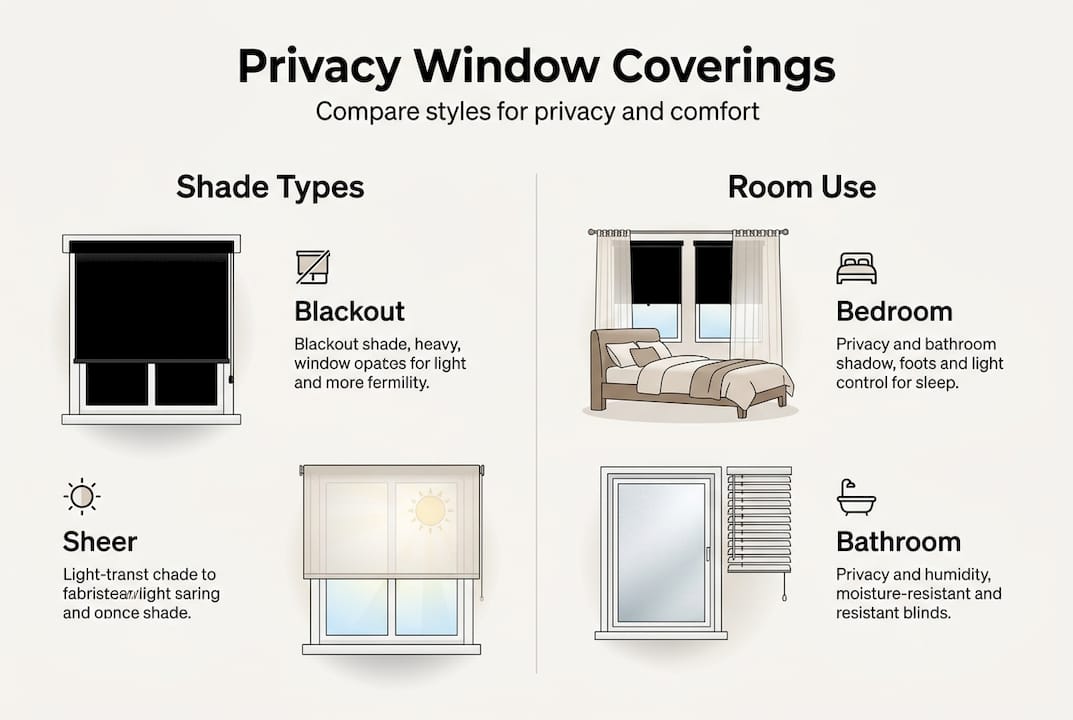
For rooms like bathrooms, where moisture is a constant factor, check out [bathroom window covering ideas](https://valueblindsdirect.com/blogs/value-blinds/7-creative-bathroom window covering ideas) that balance humidity resistance with tight privacy closure.
How zebra shades and layered solutions work for privacy
Zebra shades are one of the most misunderstood products in the window covering world. People see the alternating bands and assume they’re purely decorative. They’re actually a precision privacy tool.
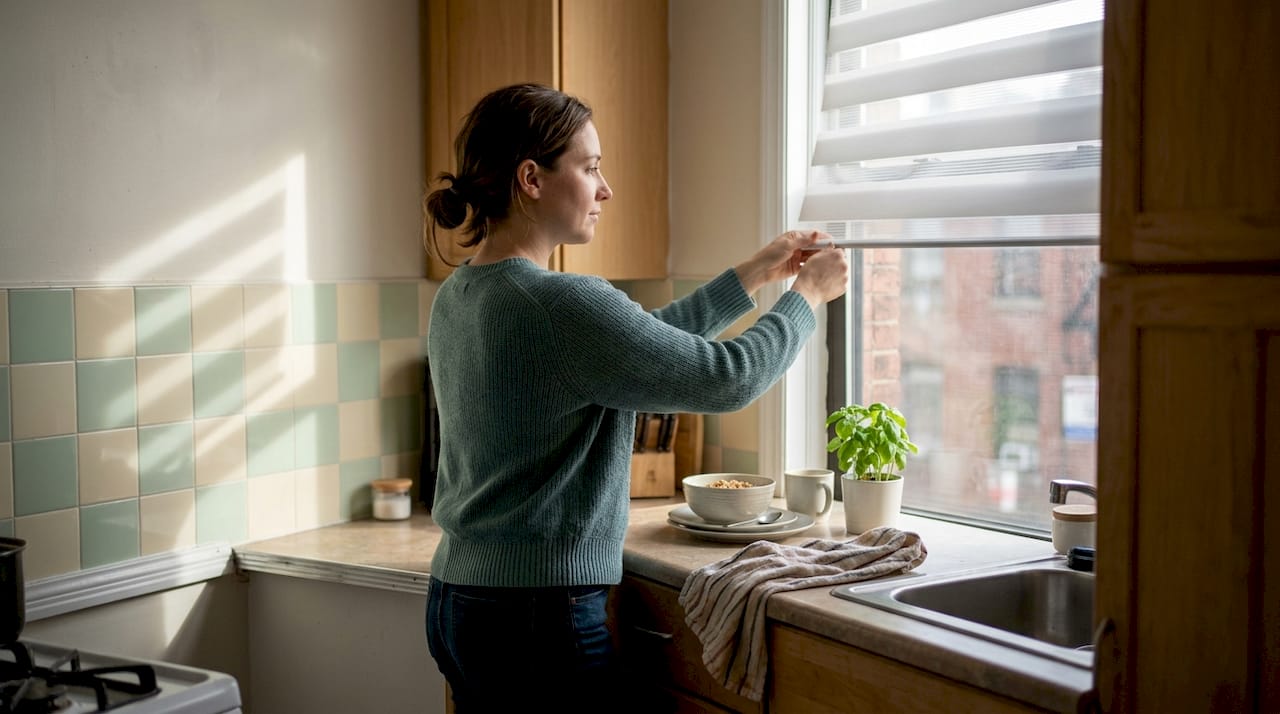
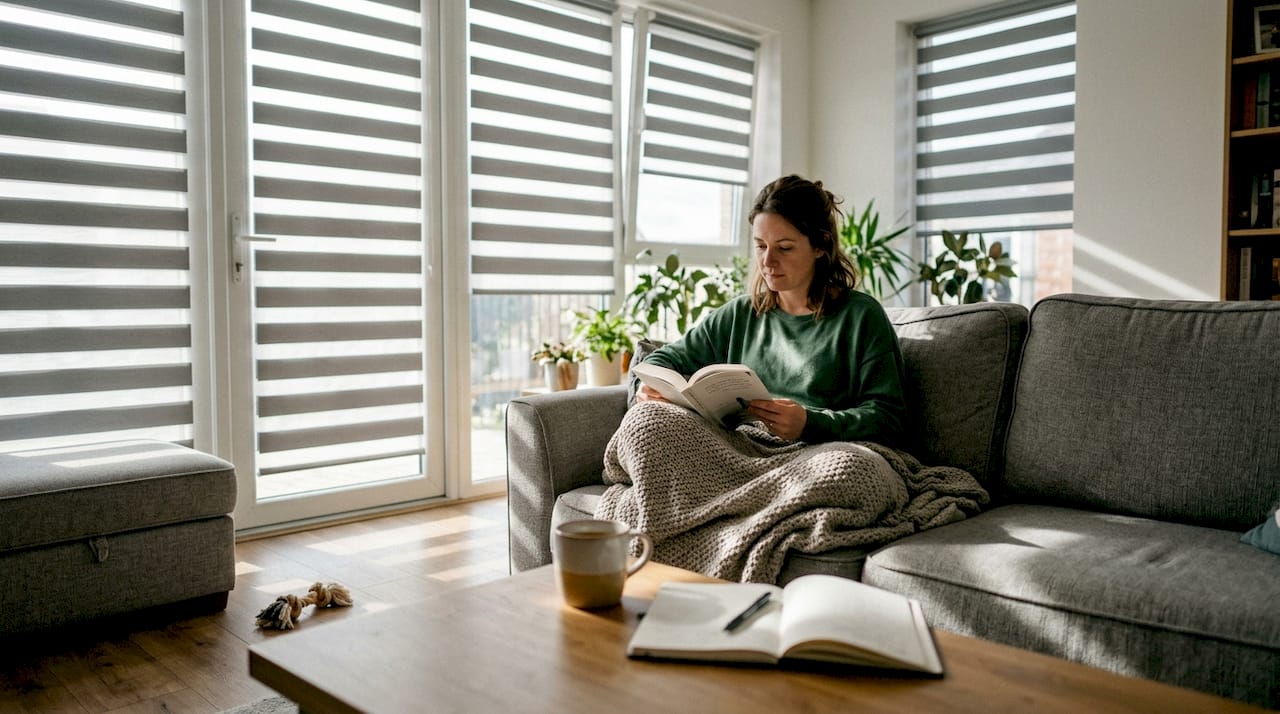
Here’s how they work: each shade has two layers of fabric, one sheer and one opaque, arranged in alternating horizontal bands. When you align the opaque bands, you block sightlines completely. When you shift the bands to overlap the sheer sections, soft natural light filters through while still obscuring the view from outside. It’s a genuinely clever mechanism.
| Time of day | Band position | Privacy level | Light level |
|---|---|---|---|
| Daytime | Opaque aligned | High | Low |
| Daytime | Sheer aligned | Medium | High |
| Nighttime | Opaque aligned | Moderate | Minimal |
| Nighttime | Layered with blackout | Full | None |
The limitation is nighttime. When interior lights are on and it’s dark outside, zebra shades provide only moderate privacy because light from inside can silhouette movement. That’s why layering matters. Pairing zebra shades with a blackout roller on a double rail system gives you full daytime flexibility and complete nighttime privacy.
Pro Tip: When installing zebra shades, choose a double-rail bracket system. This lets you mount a blackout shade on the same window without adding a second window frame or extra hardware. It keeps the look clean and the function complete.
Learn more about what zebra shades are and how they compare to traditional options, or browse the full zebra shades collection to see fabric and color options. For rooms where you want light without exposure, light-filtering shades are worth exploring alongside zebra options.
Room-by-room recommendations for privacy and style
Matching the right window covering to each room is where most homeowners either get it right or waste money. Here’s what actually works:
- Bedrooms: Blackout cellular shades or blackout roller shades are the top picks. Cellular shades add insulation value, which helps with both energy bills and sound dampening. Blackout rollers are sleeker and easier to clean.
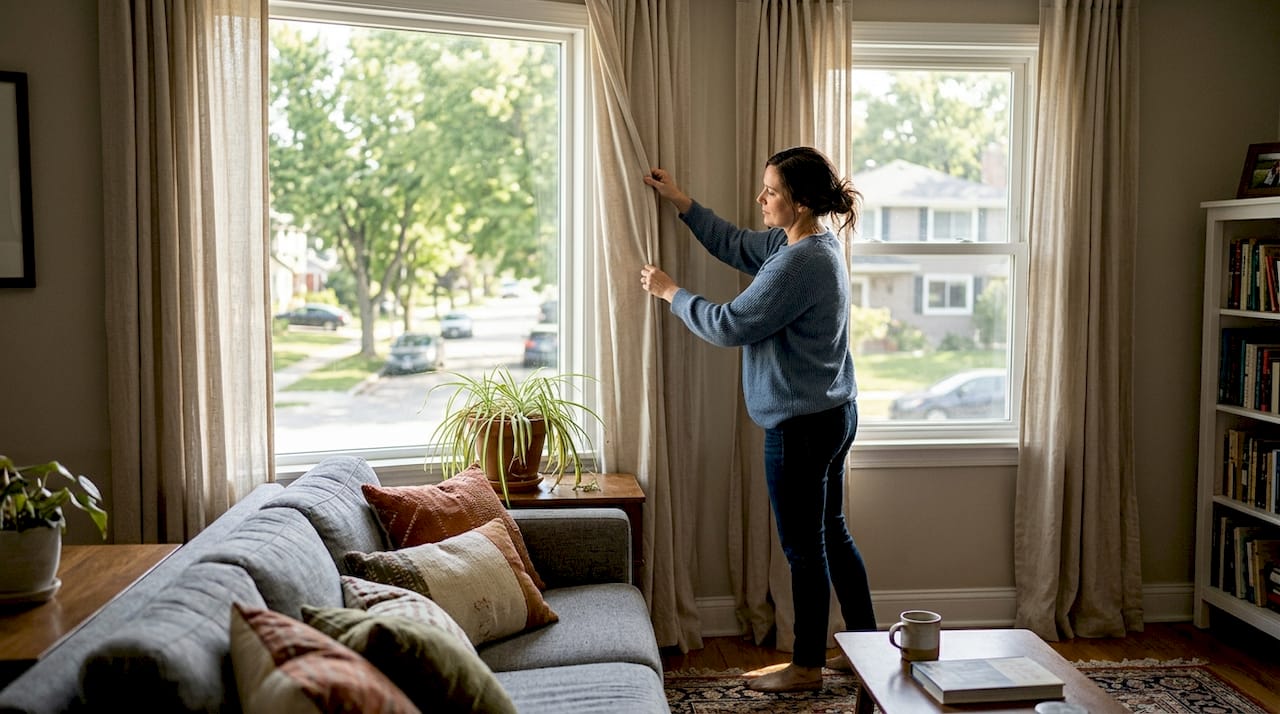
- Living rooms: Zebra shades or light-filtering roller shades keep the space bright and welcoming while blocking direct sightlines from the street. Avoid heavy drapes if you want a modern, open feel.
- Bathrooms: Faux wood blinds or poly shutters are built for humidity. They close tightly for privacy and wipe clean easily. Real wood warps in moisture-heavy environments, so skip it here.
- Kitchens: Top-down, bottom-up shades are a smart choice. You can raise the bottom for privacy at counter level while keeping the top open for light and airflow.
- Home offices and nurseries: Adjustable light control is key. Zebra shades work well for offices because you can reduce glare without going dark. For nurseries, blackout cellular shades support sleep schedules and add insulation.
As Good Housekeeping notes, matching the treatment to the room’s specific demands, rather than choosing one style for the whole house, is the approach that delivers the best results.
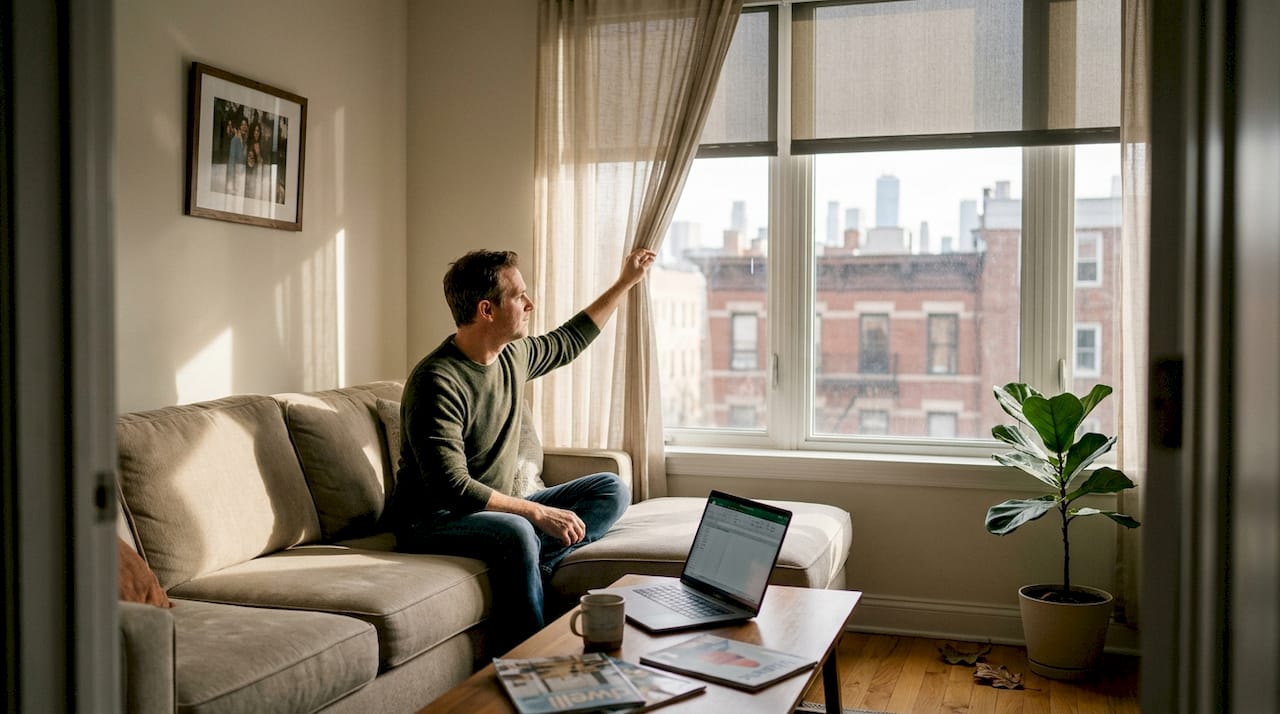
Pro Tip: For rooms that face a busy street or a neighbor’s window, add a sheer curtain panel behind your primary shade. During the day, the sheer softens light and adds a second privacy layer. At night, close the primary shade for full coverage.
For bathrooms specifically, explore [bathroom privacy solutions](https://valueblindsdirect.com/blogs/value-blinds/7-creative-bathroom window covering ideas) that combine style with function. And for a broader look at what works across the home, [privacy shades for windows](https://valueblindsdirect.com/blogs/value-blinds/privacy shades for windows) covers the full range of options.
Tips for choosing the best window coverings for your priorities
Before you buy anything, rank what matters most to you. This simple exercise prevents regret.
- Privacy first: If privacy is your top concern, start with blackout or room-darkening options and work backward from there.
- Insulation second: If energy efficiency matters, cellular shades with R-values of 2 to 5 are your best investment.
- Maintenance third: Homes with kids or pets need easy-to-clean surfaces. Faux wood and roller shades wipe down in seconds. Fabric Roman shades require more care.
- Cost last: Budget matters, but buying cheap on a high-use window usually means replacing it sooner.
“Blinds typically cost $30 to $250 per window; shades run $50 to $350; shutters start at $200 and can exceed $600.” — Angi
One insider tip that most people overlook: if you have an open-concept floor plan, keep your window covering style consistent across connected spaces. Mixing too many types in one sightline creates visual clutter. Choose one or two complementary styles and stick with them.
For open-concept homes, privacy-enhancing shades that work across multiple room types are worth prioritizing. And if you want both privacy and soft light in the same product, privacy light-filtering options offer a strong middle ground.
Need help choosing the right privacy window coverings?
Finding the perfect window covering gets a lot easier when you have the right tools and guidance behind you. Our window treatment design studio lets you visualize options in your actual space before you commit to anything, so there are no surprises when your order arrives.
We carry a full range of privacy-focused blinds and our best-selling zebra shades collection is one of the most popular choices among homeowners who want style and privacy in one product. Every order comes with expert support, free swatches, and a satisfaction guarantee. Whether you’re outfitting one room or your entire home, we make it easy to get the right fit, the right fabric, and the right finish.
Frequently asked questions
What are the most private window coverings for bedrooms?
Blackout cellular shades or blackout roller shades provide the best bedroom privacy while also blocking light completely. Both options are recommended for bedrooms by home design experts.
Do zebra shades give full privacy at night?
Zebra shades offer solid daytime privacy but only moderate coverage at night when interior lights are on. Pairing them with a blackout layer on a double rail solves this completely.
What window covering is best for bathroom privacy?
Faux wood blinds or poly shutters are the top choices for bathrooms because they resist humidity and close tightly. They’re specifically recommended for baths where moisture and privacy both matter.
Are there window shades that let light in but block outside views?
Yes. Light-filtering shades, including zebra shades and cellular shades in light-filtering mode, allow natural light while keeping your interior private during daylight hours. Zebra shades are especially effective for this balance.